The length of the menstrual cycle corresponds to the number of days between the first day of one period and the first day of the next. It varies from person to person and can also fluctuate over time, depending on factors such as lifestyle or hormonal changes. On average, a cycle is considered to last about 28 days, but a cycle is generally considered “normal” if it falls between 21 and 35 days.
Duration of your period: How do you calculate your menstrual cycle?
Published on: Thursday, April 11, 2024, Updated on: Wednesday, September 30, 2026
Long considered taboo, the menstrual cycle is still too often reduced to a mere daily inconvenience, associated with various physical and emotional constraints. However, better understanding, observing, and interpreting your cycle is essential to embracing it with peace of mind. This allows you to anticipate the duration of your period, but also to identify potential hormonal imbalances, optimize your chances of conception, or, conversely, better manage a method of natural contraception. In this article, we’ll guide you in better understanding and tracking your menstrual cycle on a daily basis.
Contents
Related products

Vegan Omega-3 - 60 Capsules
Heart
Vision
£20.00
article
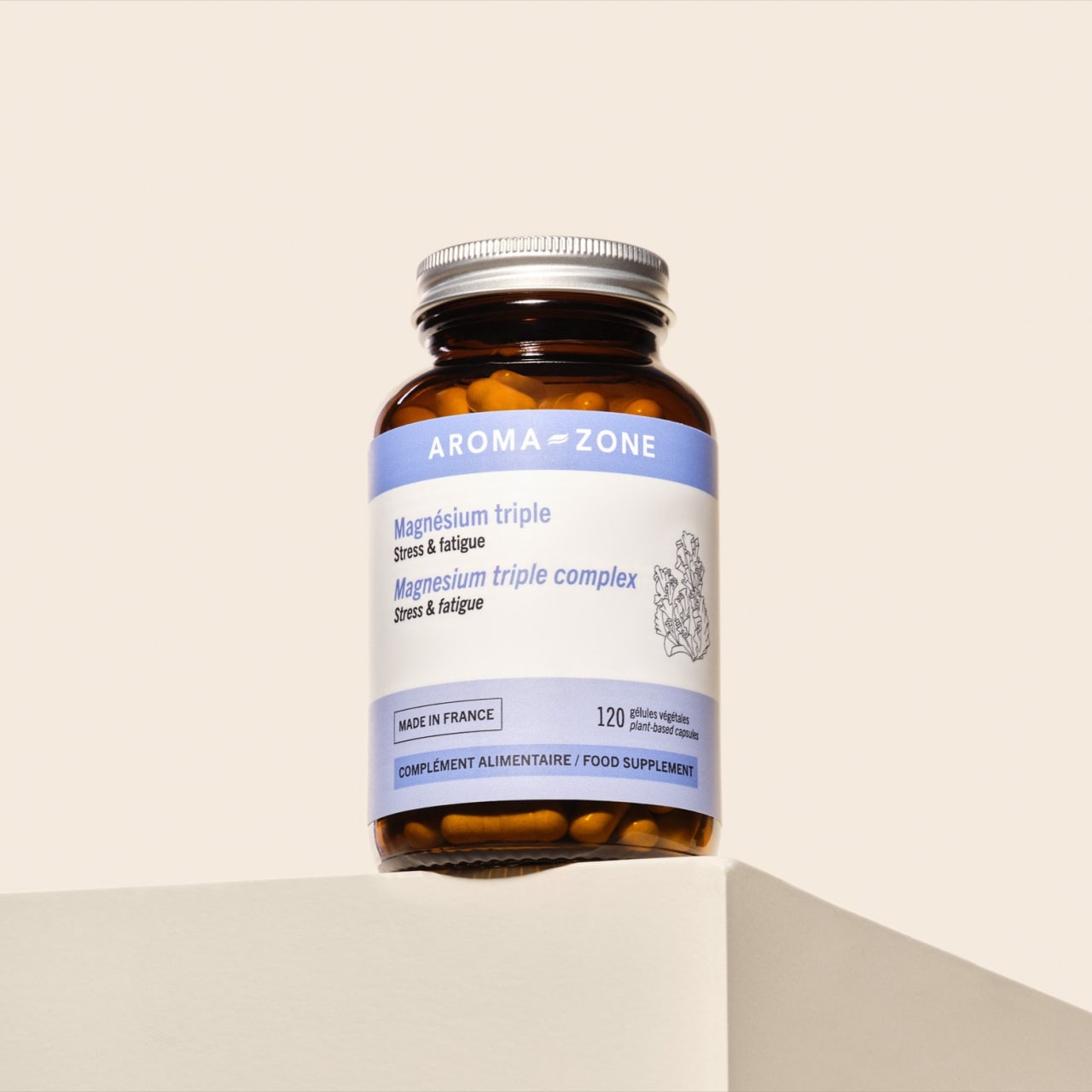
Triple Magnesium Complex - 120 Capsules
Vitality
Stress
£15.00
article

Oat Oil
Soothing
Anti-ageing
£13.00
100 ml

Optimised Vitamin C Powder
Vitality
£16.00
150 g
What is the length of the menstrual cycle?
Why is it helpful to know your menstrual cycle?
Better understanding your menstrual cycle allows you to be more attuned to your body on a daily basis. It’s a simple and natural way to identify your rhythms, anticipate certain changes, and adapt your lifestyle to your needs. This knowledge can also be useful in various aspects of your personal and intimate life.
Predicting the Start of Your Period
Knowing the length of your cycle helps you better predict when your period will start. This makes it easier to plan your daily life with peace of mind, whether in your personal, professional, or athletic life. You can thus better prepare for this time and adjust your comfort level according to your needs.
Identifying potential hormonal imbalances
A cycle that suddenly changes in length or becomes irregular can sometimes be a sign of a hormonal imbalance or a change in lifestyle. Paying attention to your cycle therefore helps you better identify these changes and, if necessary, discuss them with a healthcare professional.
Supporting a plan to conceive
Understanding your cycle can also be helpful when you’re trying to conceive. It allows you to better identify fertile windows and naturally optimize your chances of pregnancy by paying closer attention to your body and its rhythms.
Better managing natural contraception
For those who choose a natural method of contraception, understanding your cycle is essential. It allows you to observe your body’s signals and adapt your choices accordingly, in a more conscious and controlled way, based on your lifestyle and preferences.
How do you calculate the length of your menstrual cycle?
Calculating the length of your menstrual cycle helps you better understand your personal rhythm, but it’s important to keep in mind that every body is unique. Your cycle can vary from month to month depending on many factors, such as stress, diet, or changes in routine. Here’s a simple step-by-step method to help you calculate it:
Note the first day of your period: the calculation always starts from the first day of bleeding. This specific day marks the beginning of the menstrual cycle. It’s important not to rely on premenstrual symptoms or light spotting, but only on the start of a full-blown period
Note the first day of your next period: The end of the cycle corresponds to the day before the start of your next period. However, to simplify the calculation, we generally use the first day of the new period as the starting point for the next cycle
Count all the days between these two dates: the cycle length corresponds to the total number of days between the first day of menstruation in one cycle and the first day of menstruation in the next cycle. Every day counts, including the days of menstruation. For example, if your period starts on the 1st of one month and the 29th of the following month, your cycle lasts a total of 28 days
Track your cycle over several months: a single cycle isn’t enough to provide an accurate picture. It’s recommended to track at least 3 to 6 cycles to identify a more stable pattern and better understand your natural variations
Calculate your average cycle length: To get a more reliable estimate, add up the lengths of several cycles and then divide by the total number of cycles observed. This gives you an average that represents your overall rhythm rather than a single, sometimes variable number.
Note : The length of your cycle can naturally vary depending on many factors such as stress, fatigue, diet, or hormonal changes. Occasional variations are common, but if your cycles are very irregular or unusual, it is recommended that you consult a healthcare professional.
How long do periods last?
Menstruation corresponds to the menstrual phase of the cycle, which marks the beginning of a new menstrual cycle. It occurs after the luteal phase and is accompanied by bleeding, the duration of which can vary depending on life stages, hormones, and personal circumstances. The duration of menstruation generally remains stable for a given individual but may change over time.
Average Duration of Periods
The menstrual phase begins on the first day of bleeding and generally lasts between 3 and 7 days, with an average of around 5 days. The duration of your period can vary from one cycle to the next without this necessarily being unusual. The key is to observe a certain consistency over time, which is unique to each person.
Duration of the first period
The first period, known as menarche, typically occurs between the ages of 9 and 15. At this stage, the body is still discovering its hormonal rhythm, which explains why the duration and intensity of periods can vary. They generally last between 2 and 7 days, and cycles may be irregular during the first few months—or even years—before gradually stabilizing.
Duration of periods during premenopause
Perimenopause is a natural hormonal transition period during which the menstrual cycle gradually becomes more irregular. Periods may then be longer or shorter, heavier or lighter, and sometimes accompanied by clots or more severe pain. Other symptoms such as hot flashes, mood swings, or increased fatigue may also appear. In this context, it may be helpful to consult a healthcare professional for the best possible support. To learn more, read our article: How long do periods last during perimenopause?
Duration of periods while on the pill
When taking oral contraceptives, bleeding is generally more regular and often lighter. It usually occurs during the placebo week, but this is not a true period; rather, it is “withdrawal bleeding” linked to hormonal fluctuations. The duration of the period is most often between 3 and 7 days, with generally improved comfort compared to natural periods.
How can you track your menstrual cycle on a daily basis?
Tracking your menstrual cycle doesn’t require a complicated method, but rather a few simple, regular habits. By gently observing your rhythm, you can better understand your body and anticipate cycle variations with greater peace of mind.
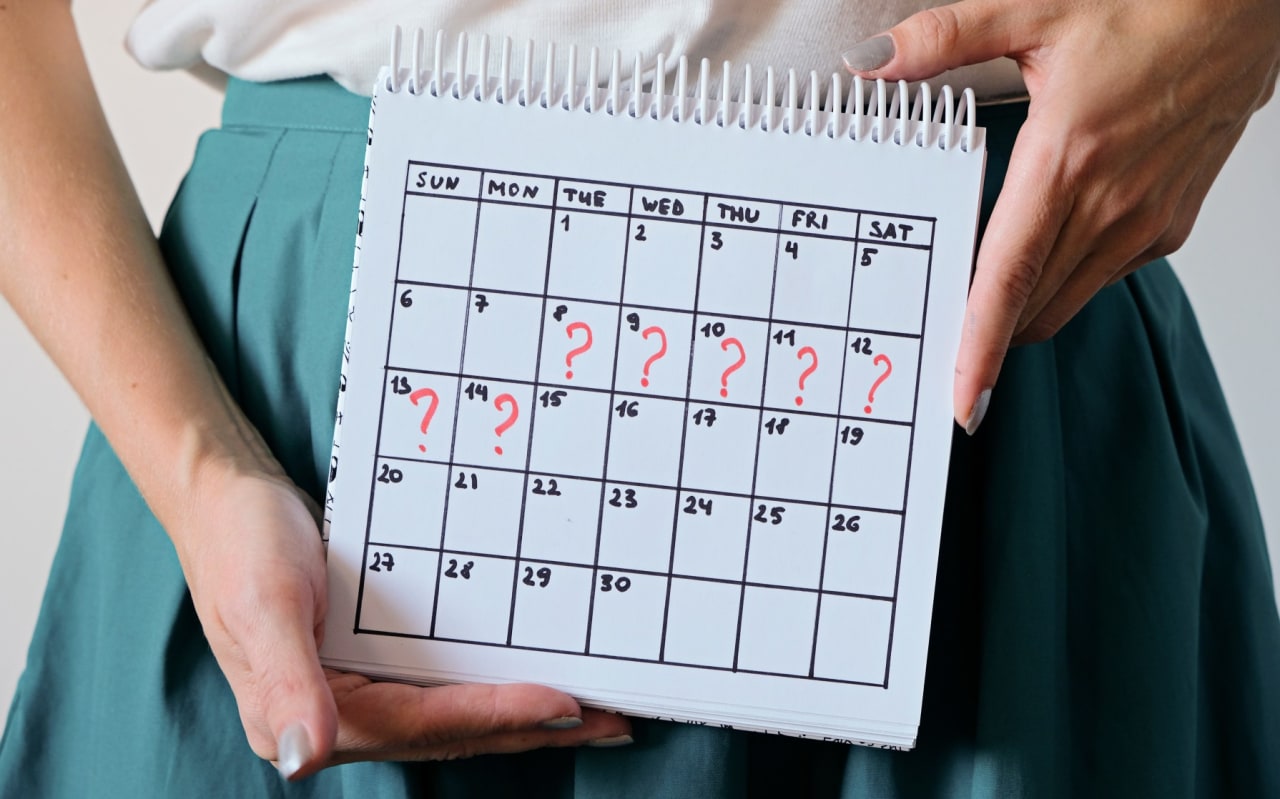
Track your period on a calendar: Starting on the first day of your period, write down the date in a planner or calendar. By doing this every month, you’ll be able to visualize the length of your cycles and more easily identify their regularity or variations
Use a tracking app: Apps designed for the menstrual cycle allow you to centralize your data and easily track your period dates, duration, and intensity. Some also help you identify trends over the months to better understand your rhythm
Pay attention to how your body feels: Your body changes throughout your cycle. Fatigue, energy levels, sensations in your lower abdomen, sleep quality, and mood swings are all valuable clues to help you get to know yourself better and gently adjust your daily routine
Notice changes from one cycle to the next: comparing your cycles helps you better identify what is normal for you and what isn’t. This can help you spot variations linked to stress, lifestyle, or natural hormonal changes
Note daily factors: stress, diet, travel, lack of sleep, or intense physical activity can influence your cycle. Jotting these down quickly can help you understand certain variations
Observe your overall comfort: also take into account your general well-being during your cycle (pain, energy, digestion, skin). These factors provide a more comprehensive and nuanced view of your rhythm
Stay consistent without pressure: consistency is more important than perfection. Even simple, imperfect tracking is very useful for getting to know your cycle better over time.
Expert advice
Calculating your cycle means taking back control and better understanding your body. Fertility awareness is a natural, hormone-free, and effective method of contraception, though it remains relatively unknown. However, it requires strict adherence if used as a method of contraception. If this approach interests you, it is advisable to seek training to avoid mistakes, with the help of specialized organizations.
Spotlight on Our Writer: Louise Hourcade

After graduating from ESCP Business School in 2020, Louise began her career as a writer in 2021. Today, she writes a newsletter where she shares cultural recommendations and more personal articles, such as dating apps, therapy, and career guidance. She also writes for the media, brands and agencies on subjects such as well-being, mental health, culture, and society.
Bibliography
American College of Obstetricians and Gynecologists. (2023). Menstruation in girls and adolescents: Using the menstrual cycle as a vital sign.
https://pubmed.ncbi.nlm.nih.gov/26595586/
World Health Organization. (2023). Family planning / contraception fact sheet.
https://www.who.int/news-room/fact-sheets/detail/family-planning-contraception
National Institute for Health and Care Excellence (NICE). (2022). Heavy menstrual bleeding: assessment and management.
https://www.nice.org.uk/guidance/ng88
Mayo Clinic Staff. (2024). Menstrual cycle: What’s normal, what’s not. Mayo Clinic.
https://www.mayoclinic.org/healthy-lifestyle/womens-health/in-depth/menstrual-cycle/art-20047186
Fehring, R. J., Schneider, M., & Raviele, K. (2017). Variability of the fertile window in women. Journal of Obstetrics and Gynecology Research.
https://pubmed.ncbi.nlm.nih.gov/18249381/
Haute Autorité de Santé. (2021). Contraception: Information and Recommendations.
https://www.has-sante.fr/jcms/p_3261764/fr/contraception