How can you naturally relieve breast pain?

Breasts change throughout life, influenced by hormonal fluctuations and lifestyle. Who hasn’t experienced breast tenderness or discomfort at certain times of the cycle or during specific periods of a woman’s life? When these sensations become more frequent or pronounced, they can quickly become bothersome in daily life. Fortunately, there are natural approaches to help manage these discomforts and gently care for this area.

Reading time: 0 min.

Why might you experience breast pain?

Breasts are sensitive tissues that naturally react to hormonal changes throughout life. At certain times, such as before menstruation, during pregnancy, or during menopause, it is common to experience tension, a feeling of swelling, or increased sensitivity to touch.

This is referred to as breast pain, also known as mastodynia. These sensations can be diffuse or localized, and vary in intensity depending on the stage of the cycle or life stage. They are most often benign and related to physiological changes.

In some cases, these discomforts may be accompanied by more sensitive areas or small irregularities upon touch, such as in mastosis, a benign change in breast tissue. If pain persists or changes in an unusual way, it is recommended to consult a healthcare professional.

What causes breast pain?

The breasts are complex tissues, comprising glandular, adipose, and highly vascularized components. They are also traversed by a dense lymphatic network, particularly in the subclavian and axillary regions. This structure makes them particularly sensitive to hormonal fluctuations, as well as to congestion or circulatory stasis.

Hormonal fluctuations

Breast tissue is directly influenced by estrogen and progesterone. During the menstrual cycle, these hormones regulate vascular permeability and cell proliferation in the milk ducts. This can lead to fluid retention, a sensation of swelling, and increased sensitivity, particularly in the second half of the cycle, before the onset of menstruation.

Congestion and Lymphatic Circulation

Since the breasts are richly vascularized and drained by the lymphatic system, any disruption to this circulation can lead to congestion. Reduced circulation can lead to fluid buildup in the tissues, causing feelings of tightness or heaviness. Lymph node areas, particularly under the armpits, play a key role in this drainage.

Physiological changes: pregnancy, breastfeeding

Certain stages, such as puberty, pregnancy, or breastfeeding, are accompanied by significant changes in breast tissue. The development of milk glands and an increase in breast size can heighten sensitivity in the area and cause occasional discomfort.

Breast tissue sensitivity

Breast tissue is particularly sensitive and can react to various stimuli. This natural sensitivity explains why certain areas may become more reactive or uncomfortable at certain times.

Breast size and mechanical stress

Large breasts can cause tension in the breast tissue and supporting ligaments. The weight of the breasts can intensify feelings of tightness, especially at the end of the day or during certain movements, which can contribute to the onset of pain.

Benign changes in breast tissue

Some women may experience benign changes in breast tissue, such as cysts or mastosis. These changes can make certain areas more sensitive or painful, particularly during hormonal fluctuations.

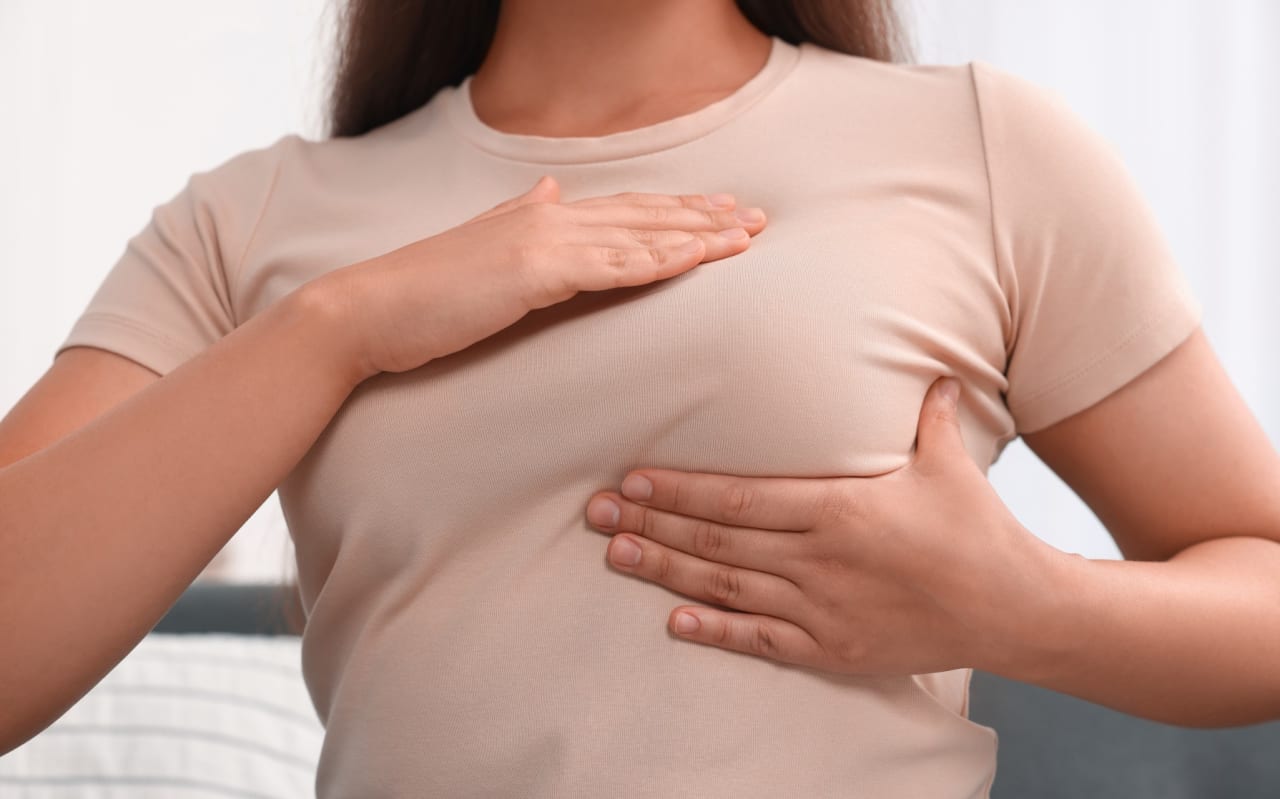
Certain natural approaches can help relieve sore breasts and care for the breast area on a daily basis:

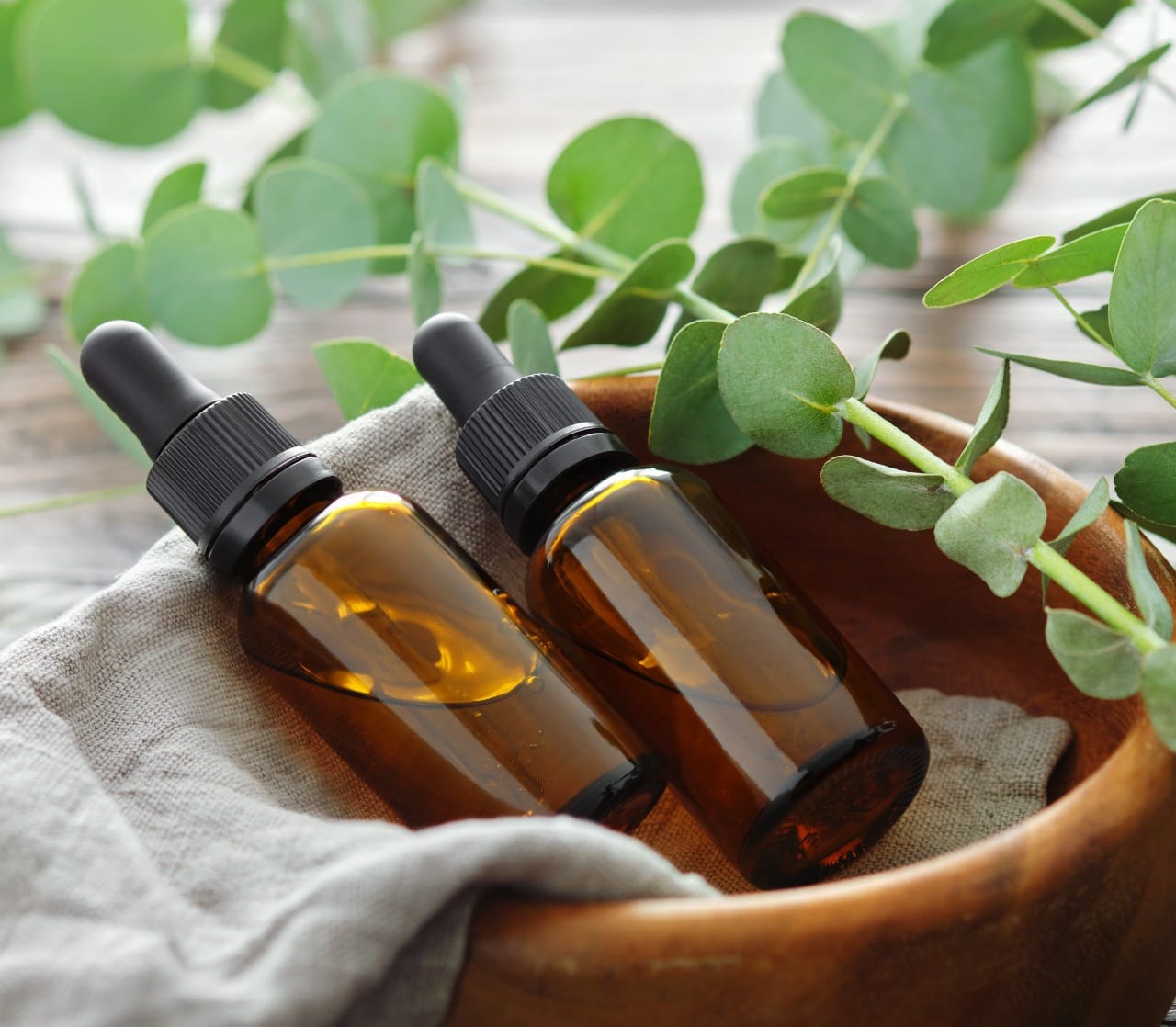
  • Supporting breast comfort: certain plant-based oils or gentle skincare products can be used in massage to help ease feelings of tension and promote a sense of relaxation

  • Supporting local circulation: Techniques such as gentle massage can help stimulate circulation and reduce feelings of heaviness or congestion

  • Soothing feelings of discomfort: several natural active ingredients are traditionally used to help soothe the skin and improve comfort in the breast area

  • Promote a holistic approach: diet, hydration, stress management, and sleep also contribute to the body’s overall balance and can influence how the breasts feel

  • Tailor skincare to your needs: Choosing gentle products suited to your skin helps maintain the balance of this sensitive area and prevent irritation.

What are the natural solutions for relieving breast tenderness?

Essential oils

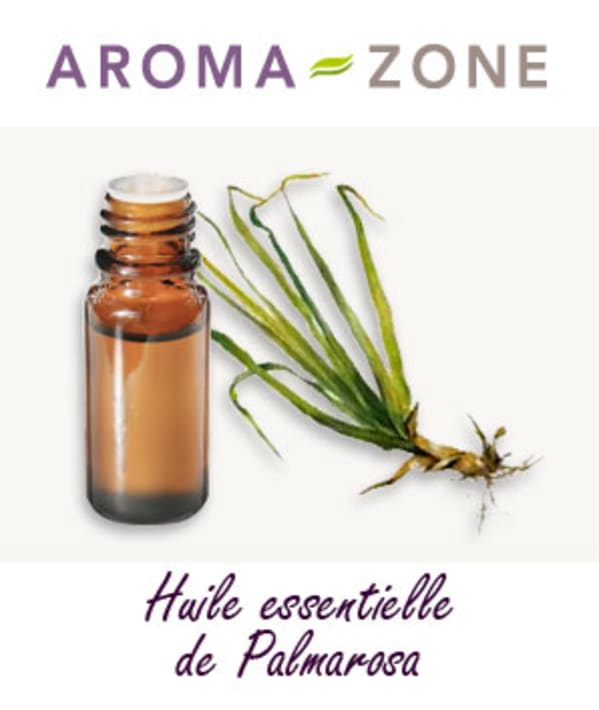
Palmarosa Essential Oil

An essential for breast congestion, Palmarosa essential oil is used diluted in a carrier oil. It can be incorporated into a gentle breast massage formula. Some data suggest that Palmarosa essential oil may influence inflammatory processes. (3) These factors may explain its use in massage for localized tension or discomfort, particularly in the context of premenstrual syndrome. It is one of the key ingredients in natural deodorants.

Contraindications: Do not use in pregnant and/or breastfeeding women. Risk of drug interactions. Always dilute for topical application. As a general rule, always perform a patch test of your preparation on the inner elbow at least 48 hours before use. For use as a cosmetic ingredient, please refer to the specific precautions.

Discover Palmarosa Essential Oil

Copahu Balm Essential Oil

Traditionally used in skincare to support sensitive areas. When incorporated into a massage oil, it may be beneficial for addressing inflammatory pain.

Contraindications: Not recommended for pregnant or breastfeeding women. Contains hormone-like molecules; avoid without medical advice if you have a hormone-dependent condition. As a general rule, always perform a patch test on the inside of your elbow at least 48 hours before use.

Discover Copahu Balm

Plant-based oils

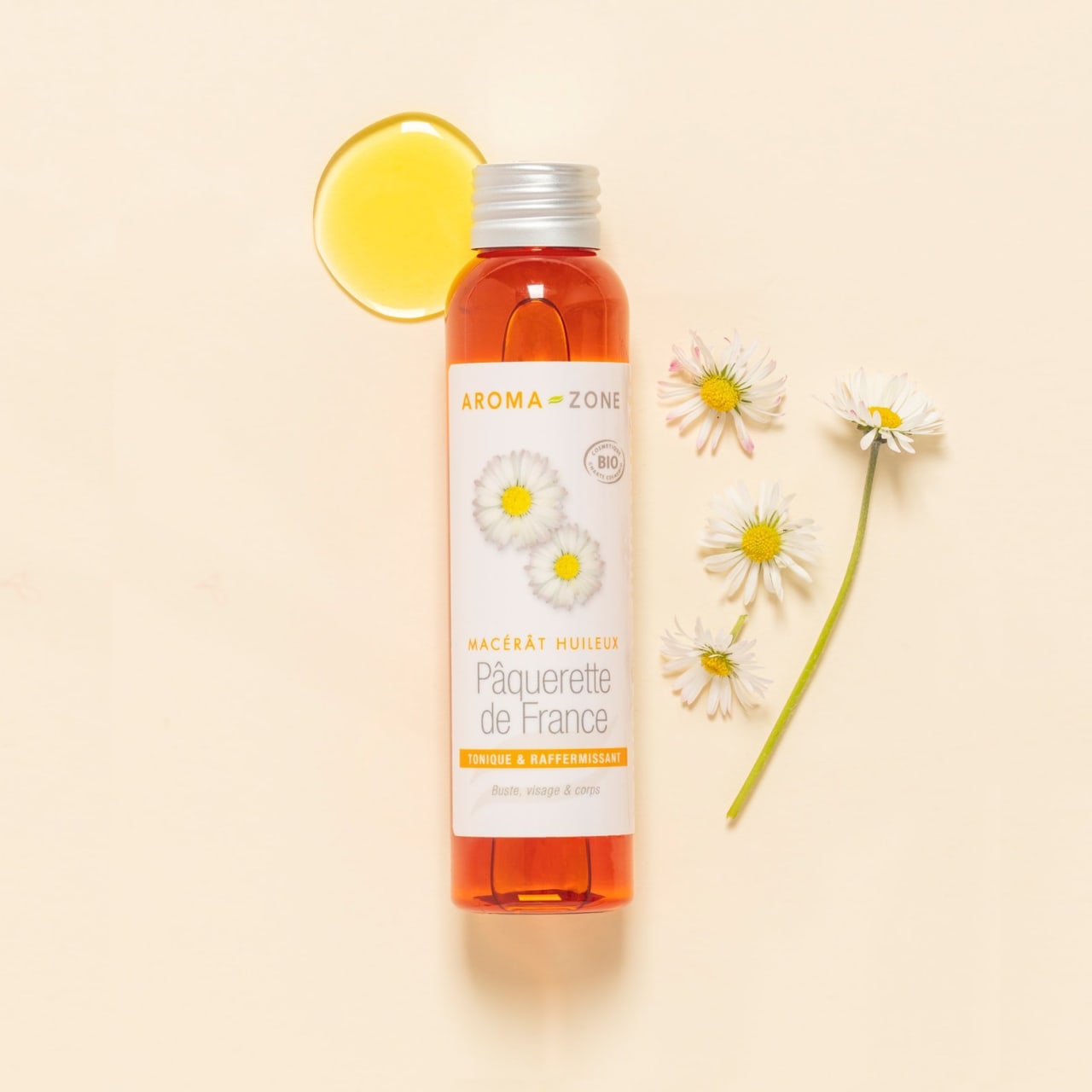
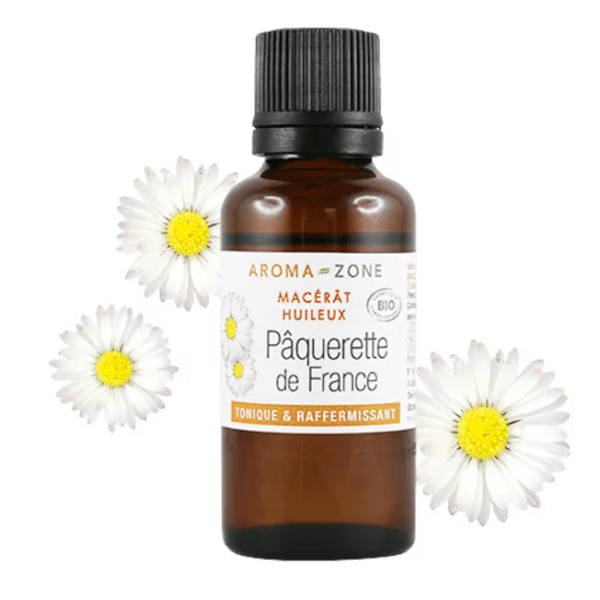
Organic French Daisy Oil Infusion

When blended with another vegetable oil and used in massage, it is particularly well-suited for the care of sore breasts. This oil is renowned for its firming properties. This macerate helps maintain tissue tone while providing comfort and softness to delicate skin.

Discover the Organic French Daisy Oil Infusion

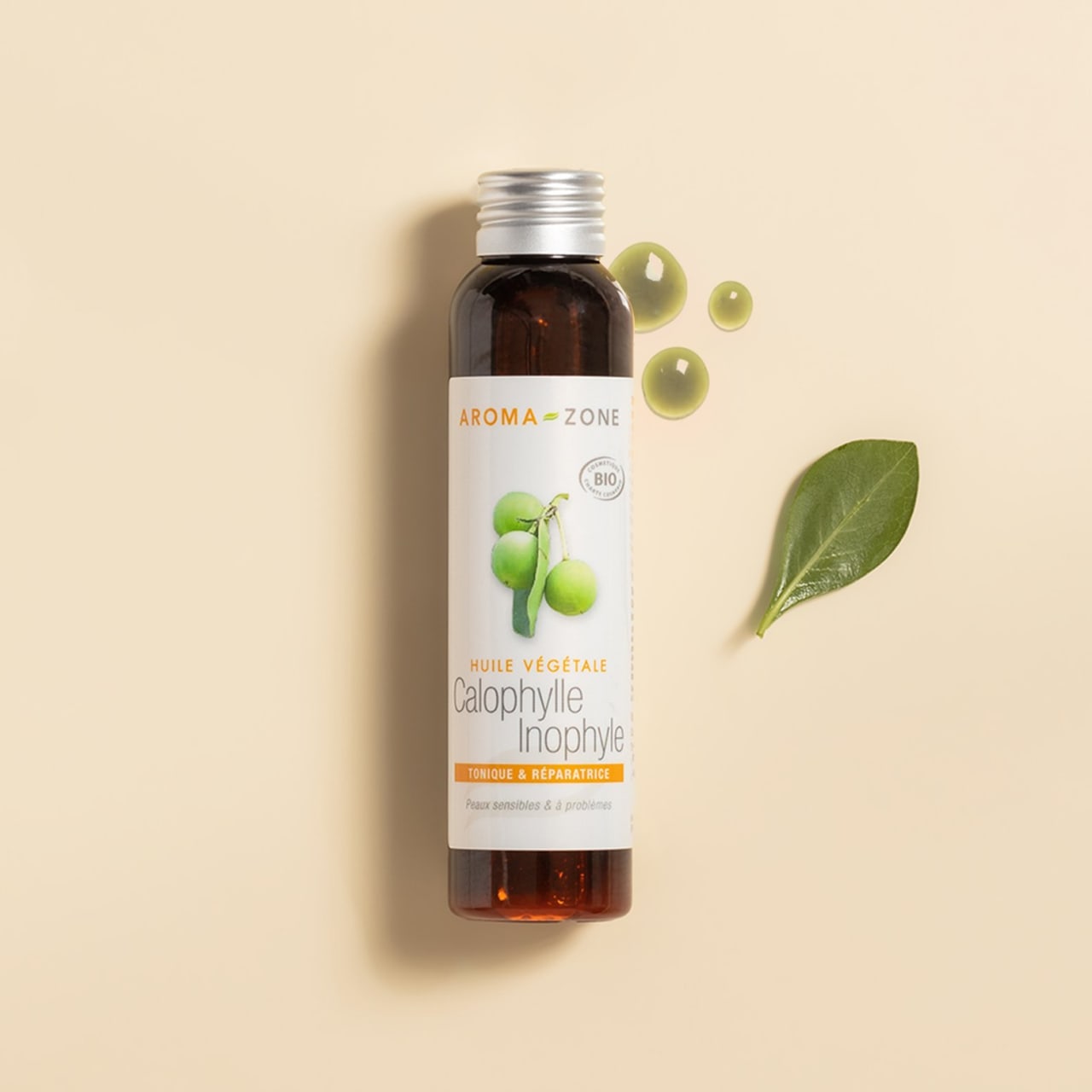
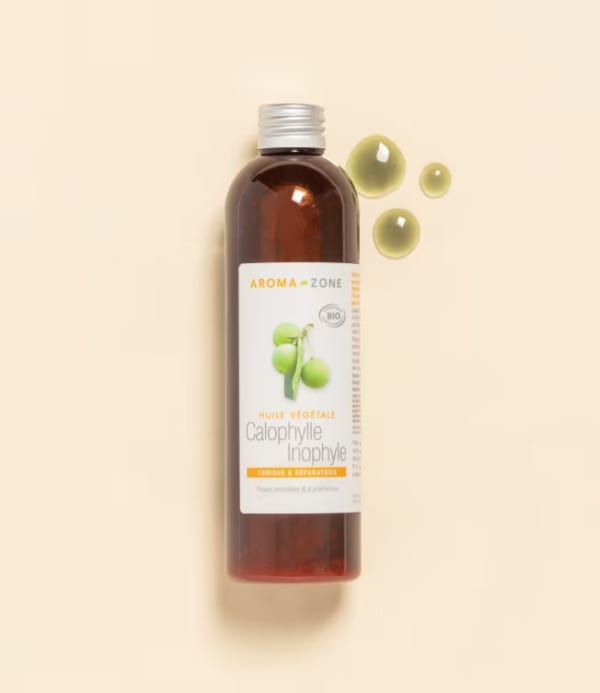
Organic Calophyllum inophyllum Vegetable Oil

Often used in massage, it is known to support local circulation and improve tissue comfort. It can be incorporated into a homemade treatment designed to relieve feelings of tension, in synergy with the essential oils mentioned above, for example.

Discover Organic Calophyllum inophyllum Vegetable Oil

Dietary supplements

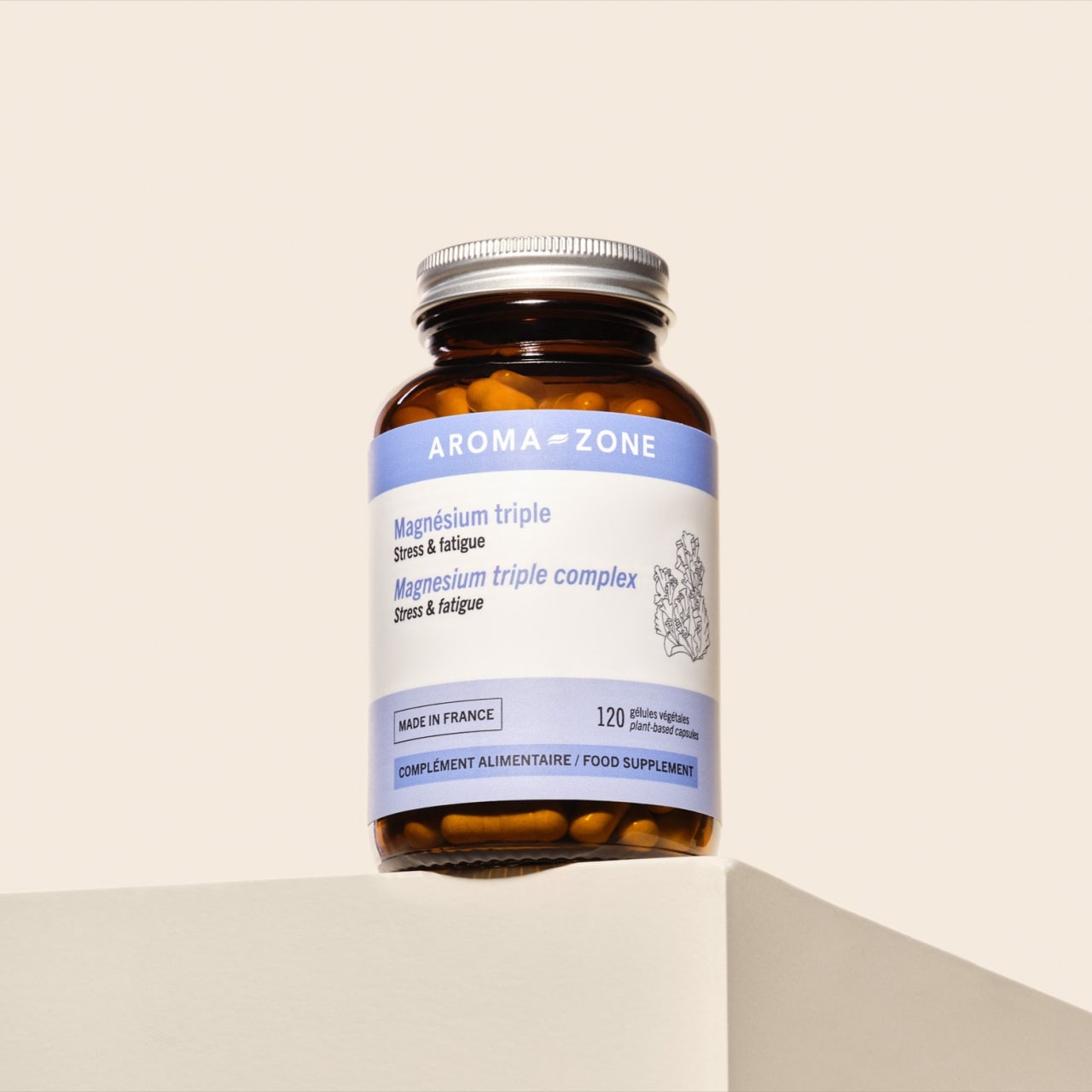
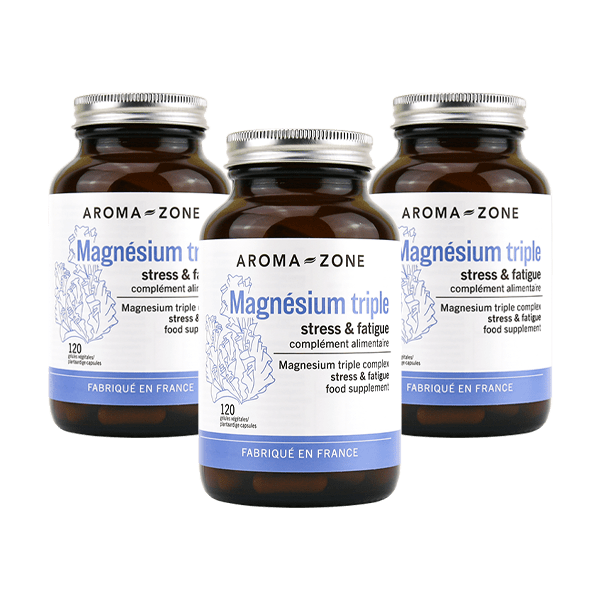
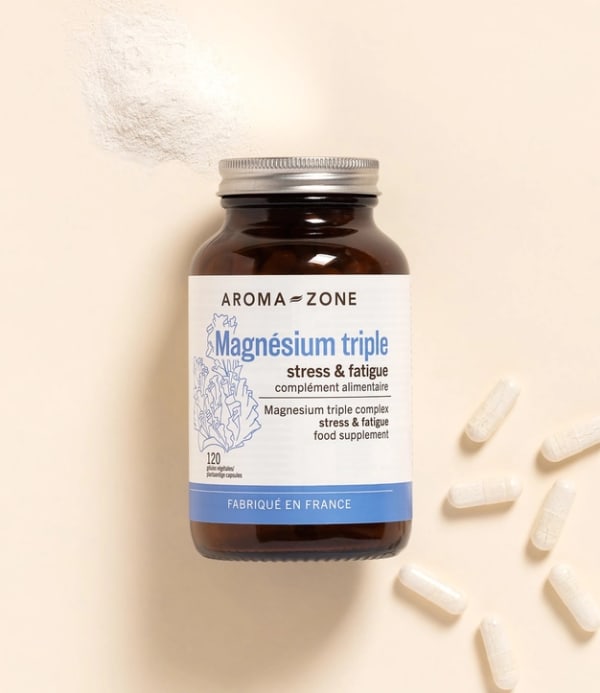
Magnesium Triple Dietary Supplement

Magnesium is beneficial for breast pain associated with premenstrual syndrome (PMS); it supports the proper functioning of the nervous system and may help better manage PMS (4). It is generally recommended to take it during the second half of the menstrual cycle, when breasts become tender.

Contraindications: For adults only. Pregnant or breastfeeding women should consult a healthcare professional before taking any supplements. Magnesium may have a laxative effect in some people. Organic sea lettuce extract (seaweed) provides a small amount of iodine (< 10 µg per daily dose of 3 capsules, or less than 6.7% of the Reference Intake of 150 µg/day for iodine). If you have thyroid issues, consult your doctor.

Discover the Magnesium Triple dietary supplement

What are the best steps to take if you have sore breasts?

When you’re dealing with sore breasts, there are many tips to help relieve tension:

  • Wear a well-fitting bra: Choose a style that fits well, without overly rigid underwires, to support the breasts without compressing them and to minimize pain caused by movement

  • Apply hot or cold compresses: heat can help relax the tissues, while cold can soothe feelings of tension or discomfort in cases of sore breasts

  • Perform gentle massages: Using light circular motions on the breasts can help relax the area and improve local comfort

  • Sleep in a comfortable position: Using a support pillow or sleeping in a soft bra can reduce nighttime tension, especially if your breasts are easily tender

  • Limit sources of excessive stimulation: Avoiding tight clothing or repeated friction can help prevent increased sensitivity in the area

  • Adjust your lifestyle: Reducing caffeine intake and staying well-hydrated can help improve overall comfort and reduce certain feelings of discomfort.

When should breast pain in women be a cause for concern?

Most breast pain is benign, but certain signs should prompt a visit to a healthcare professional. Persistent, unusual, or particularly intense pain warrants medical advice. 

It is also important to be attentive to any changes in the breast: the appearance of a lump, a change in shape, unusual discharge, or changes in the skin. If in doubt, a consultation with a gynecologist can help assess the situation and rule out any causes requiring further monitoring.

Making a habit of ’regular self-examination can help you become more familiar with your breasts and make it easier to spot any changes. Finally, regular medical check-ups are recommended to ensure effective prevention and support breast health over time.

The remedy for sore breasts

This blend combines essential and vegetable oils known to help relieve feelings of tension and discomfort in the breast area. When used in massage, it helps improve local comfort and support tissue suppleness.

  1. Pour 2 ml of organic Palmarosa essential oil, 2 ml of organic Laurel essential oil, 5 ml of Copahu balm, and 19 ml of organic St. John’s Wort oil macerate into a 30 ml tinted glass bottle equipped with a dropper

  2. Close the bottle tightly, then shake it to thoroughly mix the preparation

  3. Apply about 10 drops to each breast, then gently massage in circular motions from the center of the breast toward the armpits to support lymphatic circulation

  4. Use this blend 1 to 2 times a day as needed

  5. Follow this regimen for 3 weeks, then take a break of at least one week before repeating if necessary. 

Precautions and contraindications: Avoid sun exposure after application due to the presence of St. John’s Wort macerate. Not recommended for pregnant or breastfeeding women. If you have a hormone-dependent condition, seek medical advice. These recommendations are not a substitute for medical consultation and are intended as a complementary approach.

Precautions for use

Before using any new product, it is recommended to perform a skin test in the crook of the elbow to ensure there is no reaction. Essential oils should always be used diluted in a suitable carrier oil and in accordance with the recommended dosages. Certain situations require special precautions (pregnancy, breastfeeding, specific medical conditions): if in doubt, it is best to seek medical advice.

Expert Advice

If you experience breast tenderness, you can promote natural drainage in the area to help decongest the tissues and reduce feelings of tension. Gentle massages, performed from the center of the breast toward the armpits, can support lymphatic circulation and improve local comfort. Ideally, practice these for a few minutes each day, combining them with the essential oil blends recommended in this article.

Learn more

Is it normal to have breast pain even when you’re not menstruating?

Yes, breast tenderness can occur even outside of menstruation. In fact, it is often a symptom of premenstrual syndrome (PMS) and typically occurs in the days leading up to menstruation. Outside of this period, these sensations may also be related to hormonal fluctuations, stress, or breast tissue congestion.

What causes pain above the left breast in women?

Pain localized above the breast may be related to muscle tension, posture, or sensitivity in the surrounding tissues. It is not always breast-related, but deserves special attention if it persists.

Why might a woman have sensitive nipples?

Sensitive nipples can be linked to hormonal fluctuations, friction, or skin sensitivity. Since this area is particularly sensitive, it’s common to experience discomfort at certain times.

Spotlight on our specialist editor, Aude Maillard

Aude Maillard, Doctor of Pharmacy, Aromatherapist, and Reflexologist.

Aude Maillard, a practitioner and graduate in scientific aromatherapy, foot reflexology, and olfactotherapy, takes a comprehensive approach to essential oils, combining scientific and energetic perspectives. She is passionate about essential oils and eager to share her knowledge. Aude Maillard now leads aromatherapy workshops at Aroma-Zone and is also available for personalized consultations.

Bibliography

1

Kim, D. Y., & Choi, B. Y. (2019). Costunolide—A Bioactive Sesquiterpene Lactone with Diverse Therapeutic Potential. International Journal of Molecular Sciences, 20(12), 2926.

2

3

Cebollada, P., Alvarado, E., Seral, C., & López, V. (2025). Antibacterial Activity of Palmarosa (Cymbopogon martini (Roxb.) Will.Watson) Essential Oil and Geraniol Against Clinical Isolates from Respiratory, Skin, and Soft Tissue Infections. Pharmaceutics, 18(1), 39.

4

Parazzini, F., Di Martino, M., & Pellegrino, P. (2017). Magnesium in gynecological practice: a literature review. Magnesium Research, 30(1), 1–7.

5

Choi, L., & MSD, M. (July 29, 1945). Breast Pain. MSD Manuals for the General Public.