
A bloated tummy, or abdominal bloating, is a temporary sensation of distension in the abdomen, which is often uncomfortable and visible. This phenomenon can give the impression of sudden weight gain, even though no additional fat is actually present. It is most often linked to an excessive build-up of gas in the gut or to water retention. Unlike a pregnant belly, the bloating varies throughout the day and tends to worsen after a heavy meal, or when consuming fizzy drinks and foods that are difficult to digest. It is often accompanied by a feeling of abdominal heaviness, cramps, belching or bowel problems. In some people, it may also reflect increased sensitivity to diet or hormonal factors, such as changes linked to the menstrual cycle. This is a common phenomenon which is generally not a symptom of anything serious, and which can be alleviated by adjusting one’s diet and adopting good daily habits.

The difference between a bloated tummy and pregnancy: identifying the signs
Published on: Tuesday, August 19, 2025, Updated on: Wednesday, October 28, 2026
Are you wondering what the difference is between a bloated tummy and pregnancy? The abdomen may look similar, but the causes and sensations are very different. A bloated tummy often occurs after a meal or is caused by gas, whereas a pregnant tummy grows gradually and is accompanied by other physical signs. Understanding these distinctions helps you identify the cause and listen to your body more effectively. In this article, we’ll guide you on how to spot the differences, recognise the early signs of pregnancy and relieve a bloated tummy naturally.
Contents
What is a bloated tummy?
Causes of a bloated tummy
Understanding the causes of a bloated tummy helps you better identify why your abdomen is distended and adjust your habits to minimise discomfort. Bloating is not caused by an accumulation of body fat: it can result from digestive, hormonal or lifestyle-related factors. These various factors explain why the abdomen may become distended from time to time.
Dietary causes
Bloating often occurs after certain meals. Eating too quickly or swallowing air while eating or drinking can make the bloating worse. Certain foods rich in fermentable fibre, such as pulses, cruciferous vegetables or certain dairy products, are particularly likely to cause gas. Adjusting your choice of foods, portion sizes and the timing of meals helps to minimise feelings of bloating.
Digestive and hormonal factors
Certain digestive disorders, such as food intolerances or irritable bowel syndrome, can lead to the build-up of gas and abdominal distension. Furthermore, hormonal fluctuations linked to the menstrual cycle can affect digestion, increase water retention and exacerbate bloating. By taking these factors into account, it becomes easier to understand changes to your abdomen throughout the month and to identify times when discomfort is more pronounced.
Other factors
Lifestyle also plays an important role. Chronic stress, a lack of physical activity and poor hydration can exacerbate bloating. Water retention and a sedentary lifestyle are other factors that contribute to the feeling of a bloated abdomen. Adjusting your daily routine to include simple habits such as walking, drinking water regularly or practising relaxation techniques can significantly reduce these discomforts.
What are the symptoms and characteristics?
The symptoms of a bloated tummy can vary depending on the causes and each person’s sensitivity. They are often uncomfortable and may fluctuate throughout the day or month. Here are the most commonly observed signs:
Abdominal bloating: the tummy may appear more or less distended depending on meals, fluid intake or posture. Unlike a pregnant tummy, this is temporary and may subside at times.
A feeling of heaviness or cramps: Many people experience tension in the abdomen, sometimes accompanied by mild pain or digestive cramps. This sensation may become more pronounced after eating fatty or hard-to-digest foods, or during periods of stress.
Gas and flatulence: Gas build-up in the bowel is common and may cause belching, passing wind or rumbling. This exacerbates the feeling of a bloated stomach and abdominal discomfort.
A belly that is sometimes soft or painful: Touching the abdomen may reveal a soft belly, which is sometimes tender, unlike a pregnant belly, which gradually becomes firmer as the months go by. The pain is generally diffuse and linked to movement or digestion.
Variations linked to the menstrual cycle or lifestyle: in some people, bloating is more pronounced at certain times of the menstrual cycle, or following periods of stress or fatigue, or when eating patterns are disrupted. Understanding these variations helps you to better anticipate and minimise discomfort.
Distinguishing features compared with pregnancy: bloating occurs sporadically and is reversible; it is not accompanied by hormonal changes or progressive enlargement of the uterus. These factors help to distinguish temporary bloating from the early stages of pregnancy.
Pregnancy: how can you recognise the signs?
An early pregnancy bump is characterised by a slight roundness and a gradual firmness, which does not fluctuate throughout the day like a bloated stomach. This consistent shape reflects the development of the womb and the body’s hormonal changes.
Appearance of the tummy: During the first few months, the lower abdomen may appear slightly rounded and remains relatively firm, without any feeling of heaviness or digestive cramps. Unlike bloating, this roundness is constant and changes gradually over weeks.
Associated physical signs: pregnancy is often accompanied by characteristic symptoms, such as missed periods, fatigue, mild nausea or breast tenderness. These signs appear gradually and help to distinguish a pregnant bump from simple abdominal bloating.
Differences from a bloated stomach: a pregnancy bump does not disappear after a meal or depending on your position. It changes continuously month after month and is accompanied by stable physiological changes, unlike bloating, which is temporary and fluctuates.
Changes over time: As the pregnancy progresses, the bump increases in size, becomes rounder and firmer. This steady progression makes it possible to recognise a pregnancy and distinguish it from a simply bloated stomach.
What are the differences between a bloated tummy and a pregnancy bump?
A bloated tummy results in temporary distension of the abdomen, often accompanied by a feeling of heaviness, cramps or a tight, pulling sensation. In contrast, a pregnant tummy feels firm and even, its shape changing gradually over the weeks without fluctuating depending on the time of day.
Bloating can sometimes give the illusion of rapid weight gain, when in fact it is an accumulation of gas or fluid. In the case of pregnancy, the size of the tummy reflects the growth of the uterus and surrounding tissues, rather than a sudden change in body fat, although gradual weight gain is normal.
The progression of the belly is also a distinguishing feature. During a pregnancy, the roundness of the lower abdomen increases steadily month by month, whereas a bloated stomach may appear and disappear within a few hours, its size varying depending on meals, digestion or posture.
Some women may mistake a bloated tummy for the early signs of pregnancy, thereby delaying their realisation of the actual physical changes taking place. Paying attention to the shape, firmness and consistency of these changes helps to distinguish temporary bloating from the early stages of pregnancy.
What are the natural remedies for relieving a bloated tummy?
A bloated tummy can cause discomfort, a feeling of heaviness and digestive cramps. There are several natural remedies – using herbs, hydrosols and targeted supplements – that help relieve these symptoms whilst supporting digestion gently and effectively.

Organic French Plant-Based Activated Charcoal – 120 capsules – Food supplement
Supporting digestive comfort, this 100% French and certified organic activated charcoal naturally absorbs intestinal gas thanks to its high microporosity. Sourced from sustainably managed chestnut trees and activated using steam without chemicals, it helps reduce bloating and flatulence, restoring a feeling of lightness and a flat tummy after meals. Take as and when needed or as a course of treatment, depending on your requirements.
Discover Organic French Plant-Based Activated Charcoal – 120 capsules – Food supplement
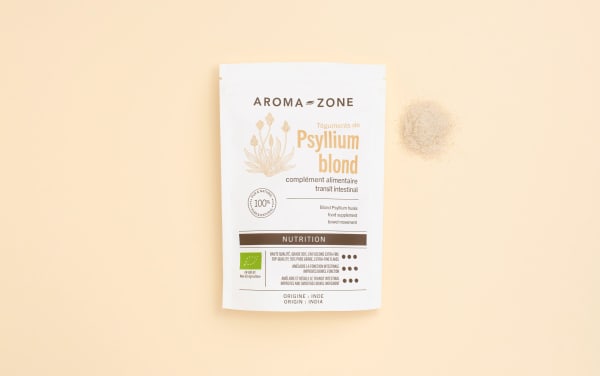
Organic Golden Psyllium – 300 g – Food supplement
Rich in fibre and mucilage, the husk of golden psyllium swells on contact with water to form a gentle gel that naturally regulates bowel movements, whether they are too slow or too fast. 100% organic and vegan, this high-purity psyllium supports bowel function and helps to reduce the discomfort associated with bloating. Dissolve 1 teaspoon to 1 tablespoon in a glass of water or another drink, drink immediately, then follow with a large glass of water. Not recommended for children or pregnant or breastfeeding women.

Organic Chia Seeds Superfood
Rich in fibre and omega-3, these mucilaginous seeds swell on contact with liquid to form a gel that aids digestion and helps regulate bowel movements, thereby reducing the discomfort associated with bloating. As a plant-based source of protein, they’re easy to incorporate into your daily diet: sprinkle them over a dish, mix them into a batter or turn them into a pudding by soaking them.

Organic Roman Chamomile Hydrosol
Prised for its soothing properties, this hydrosol helps to relax the body and promote better digestive comfort during times of stress, a common cause of bloating. Its gentle fragrance, with honeyed notes, helps to release tension and support restful sleep. Drink it diluted in a glass of water or incorporate it into an evening wellness routine to aid relaxation.
How can you prevent a bloated tummy?
Preventing feelings of bloating relies on habits that are easy to incorporate into your daily routine, which support digestion and minimise abdominal discomfort.
1. Adjust your diet
Take the time to eat slowly and avoid swallowing air. Limiting your intake of fermentable fibre, pulses or fatty foods helps to reduce gas and bloating.
2. Support digestion with natural supplements
Certain supplements based on herbs, fibre or superfoods can help maintain good digestive comfort on a daily basis. Plant-based activated charcoal helps to reduce gas, golden psyllium promotes regulated bowel movement and chia seeds contribute to digestive balance.
3. Exercise and manage stress
Regular physical activity, even at a gentle level, promotes bowel movements and reduces water retention. At the same time, relaxation techniques or taking time out can help to reduce stress-related digestive tension.
4. Look after your tummy
Simple actions such as gently massaging your stomach in a clockwise direction can help release gas and relieve that feeling of heaviness. Drinking lukewarm water in the morning can also improve digestive comfort.
Our home remedies for relieving a bloated tummy
To ease feelings of bloating and promote digestive comfort, there are some simple, natural recipes you can incorporate into your diet. Made with ingredients that are gentle on the gut, they support digestion and help reduce bloating, and they're tasty and easy to prepare!



Precautions
Natural remedies for relieving a bloated tummy are generally well tolerated, but they should be used in moderation. Everyone’s body reacts differently, and certain ingredients may cause side effects depending on digestive sensitivity, any food intolerances or general health.
They are not a substitute for comprehensive medical care: if used excessively or inappropriately, they may worsen discomfort, cause diarrhoea or disrupt the gut flora. These remedies should primarily be used as occasional support for digestion, taking into account your own feelings and needs. In the event of persistent or severe bloating, it is best to consult a healthcare professional to identify the cause.
Expert advice
Paying attention to how you feel after meals helps you identify which foods cause bloating. Adjusting your diet, respecting your body’s natural digestive rhythm and practising abdominal breathing all help to improve digestive comfort in the long term.
Spotlight on Our Specialist Writer, Laetitia de Rosa

Laetitia is an editorial communications consultant specialising in beauty and wellness content. Passionate about natural cosmetics, she works with brands that share her vision of authentic and responsible beauty. Always on the lookout for the latest developments, she enjoys analysing trends and innovations in the sector.
Bibliography
I’m looking after my tummy
Judith Samama-Patte, 2022
Allo Docteurs – Putting an end to digestive problems
Marie Anton & Claire Ricard, 2022
The subtle charm of the gut
Giulia Enders, 2020



