
Soluble fiber is a non-digestible carbohydrate that dissolves in water, forming a viscous gel in the digestive system. This property allows it to slow digestion, regulate the absorption of sugars and fats, and promote a feeling of fullness. They include compounds such as pectins, gums, and mucilages, which differ in their molecular structure and degree of viscosity, giving each specific effects. Most soluble fibers are easily fermented by gut bacteria, thereby contributing to the health of the microbiome and the production of short-chain fatty acids that are beneficial to the body.
Soluble fiber: what is it?
By Lila Bouber
Published on: Wednesday, December 04, 2024, Updated on: Tuesday, November 10, 2026
Soluble fiber, found in plant-based foods, is gaining popularity for its many health benefits. Just like insoluble fiber, it is not digested by the digestive system. However, it plays a role in its proper functioning, and some types are fermented by gut bacteria, offering health benefits. In this article, we explain its characteristics, which foods contain soluble fiber, and why consuming it is good for you.
Contents
Related products
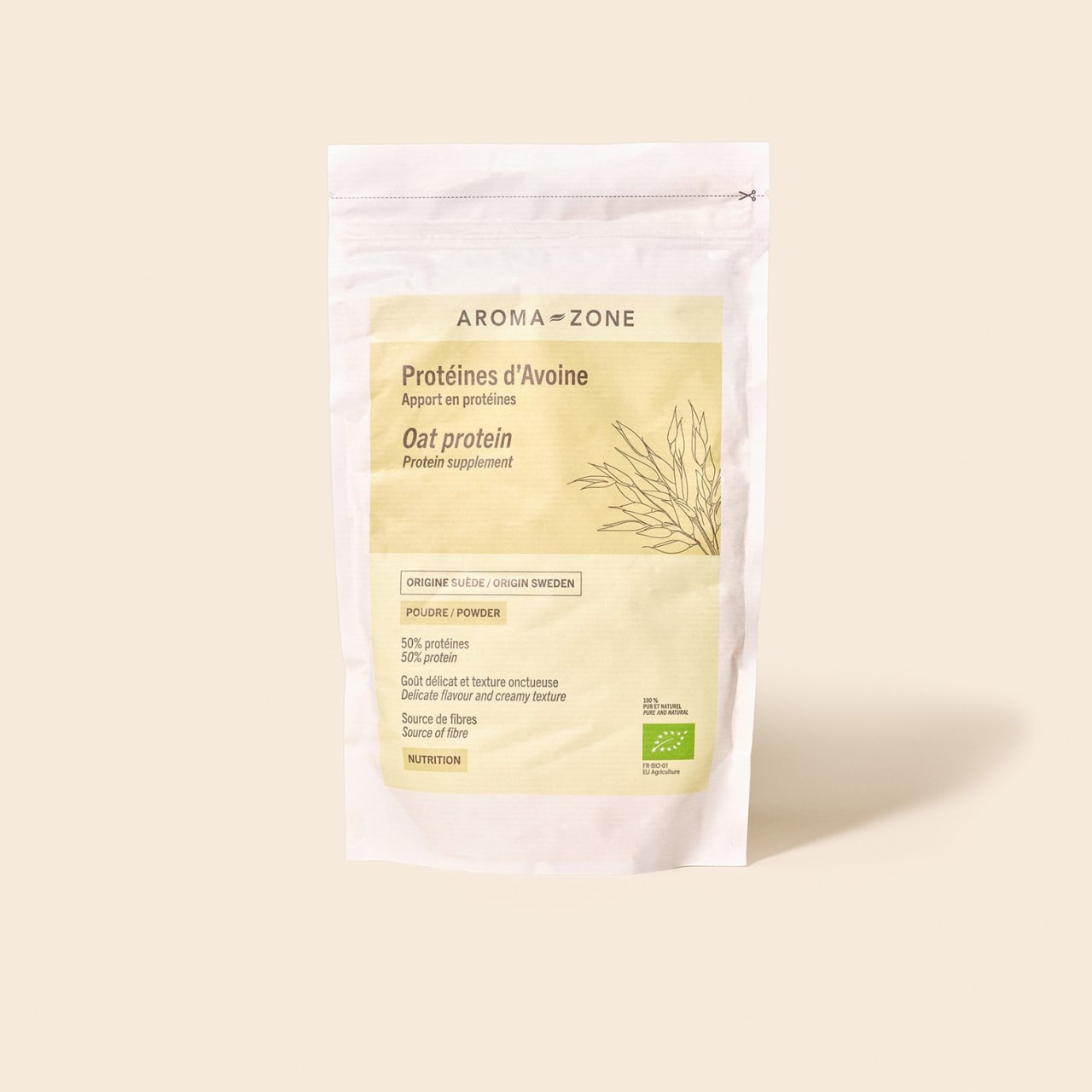
Organic Oat Protein
High in protein
£13.00
300 g
What is soluble fiber?
What are the roles and benefits of soluble fiber?
Eating soluble fiber offers numerous health benefits, both for digestion and metabolism, as well as for body weight management and the composition of the gut microbiota.
Lowering blood cholesterol levels
Viscous soluble fibers, such as those found in psyllium or beta-glucan, can lower blood cholesterol levels by binding to bile acids. This effect contributes to the prevention of cardiovascular disease, although its effectiveness depends on the fiber’s viscosity; in contrast, non-viscous fibers do not have this effect.
Blood sugar regulation
By slowing the absorption of nutrients, particularly glucose, soluble fiber helps stabilize blood sugar levels. High-viscosity fibers, such as psyllium or guar gum, are particularly effective at limiting blood sugar spikes—a valuable benefit for people with diabetes or those at risk. In addition, they lower the glycemic index of complex carbohydrates, which improves blood sugar control after meals.
Improved bowel function and gut microbiota balance
Soluble fiber regulates stool consistency by retaining water to relieve constipation and by absorbing excess water to combat diarrhea. It also acts as a prebiotic, nourishing beneficial gut bacteria and improving the composition of the microbiome. Soft fibers, such as those found in psyllium or guar gum, are particularly suitable for people suffering from irritable bowel syndrome, as they soothe inflammation while regulating bowel movements.
A Contribution to Weight Management
By forming a gel in the stomach, soluble fiber slows digestion and increases feelings of fullness, thereby contributing to better appetite management. Its fermentation in the large intestine produces short-chain fatty acids, which promote the release of appetite-regulating hormones, such as peptide YY and GLP-1. These mechanisms play a key role in body weight control.
Where to find soluble fiber: vegetables, fruits, seeds, and grains?
So, what foods contain soluble fiber? You won’t have to look far, as soluble fiber is naturally present in many commonly consumed plant foods. In fact, it is found in large quantities in legumes, some grains, and various fruits and vegetables. It is also present in lesser-known food sources, such as seaweed, and is readily available in the form of dietary supplements.
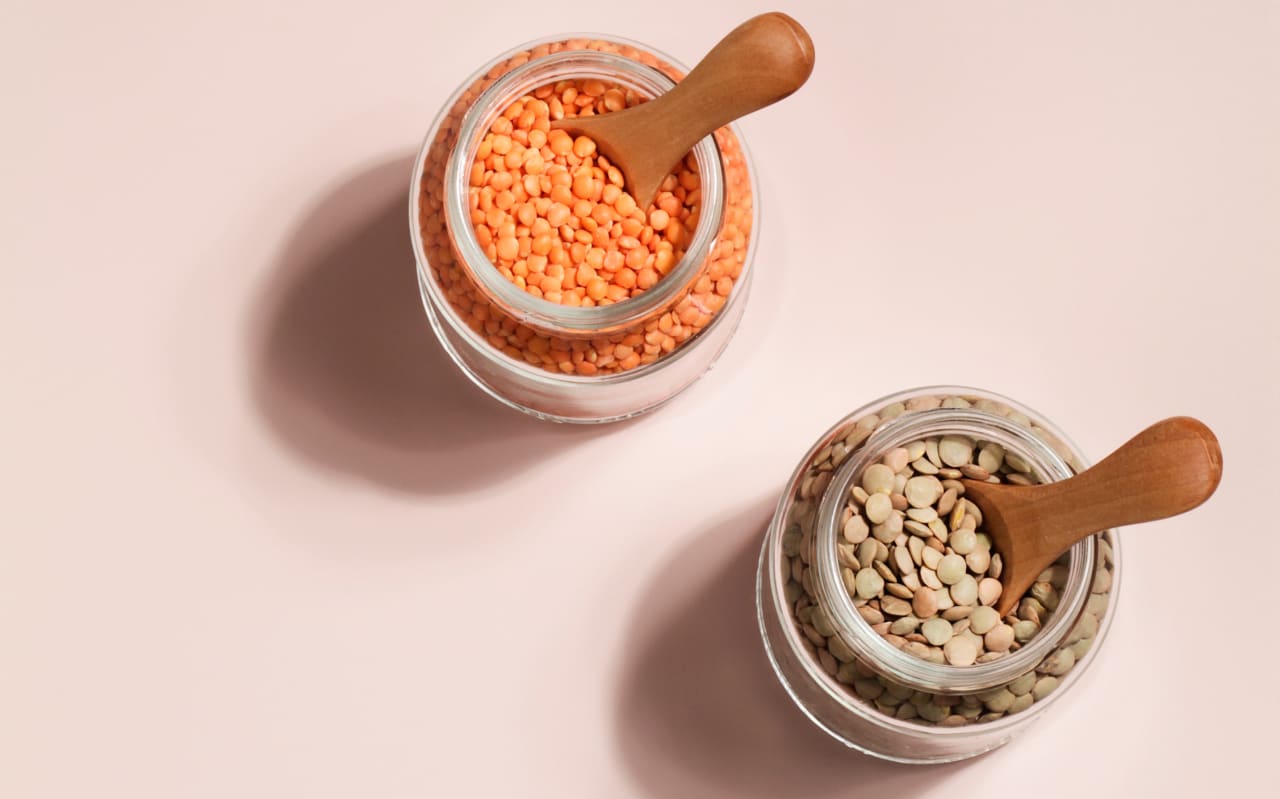
Legumes
The list of foods rich in soluble fiber
Lentils, Chickpeas, Red Beans, White Beans, Split Peas, and Soybeans
Spotlight on our Organic Blond Psyllium dietary supplement
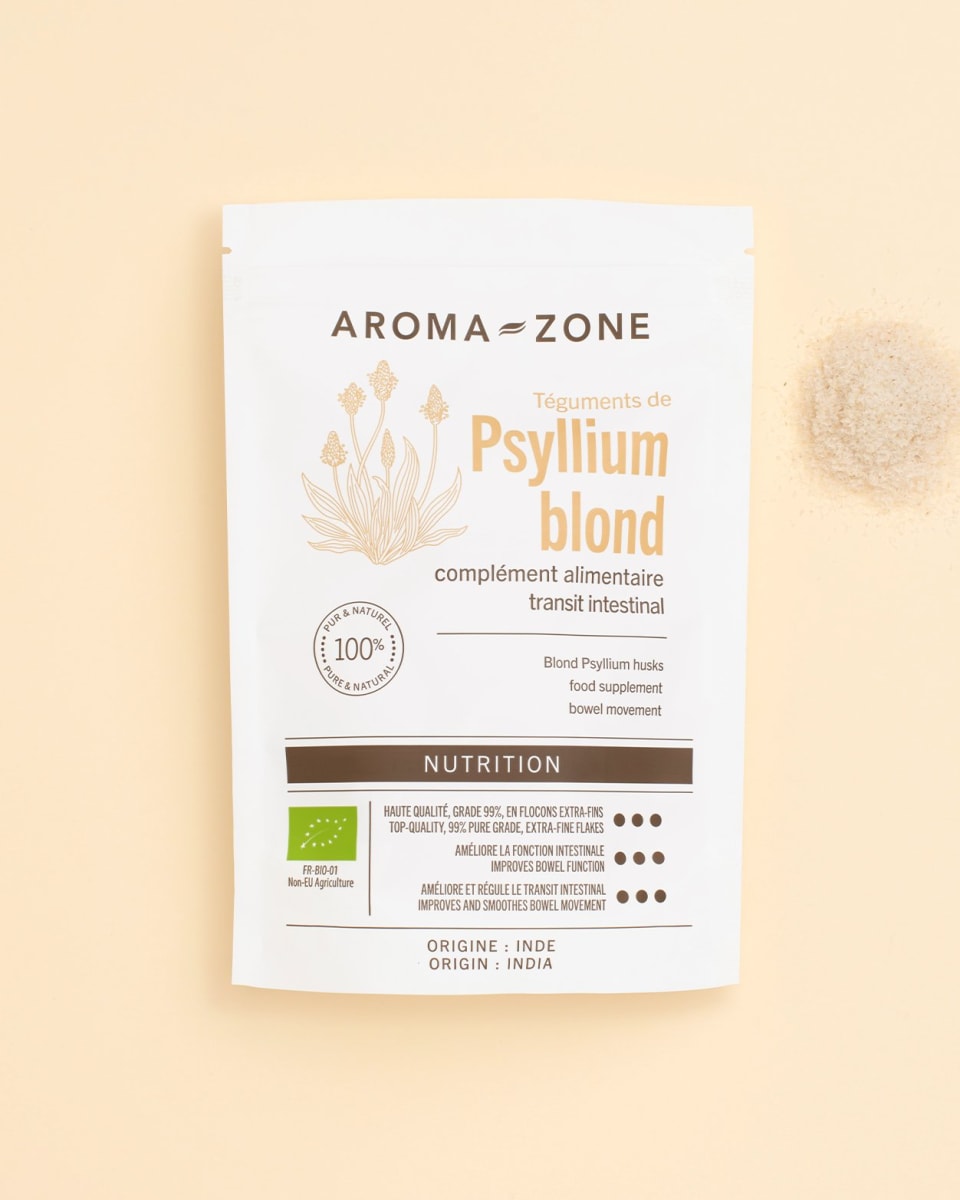
Also known as Ispaghul, blond psyllium husk is rich in fiber and mucilage, which swell upon contact with water. Known for supporting healthy bowel function, its gentle mechanical action helps regulate bowel movements, whether they are too slow or too fast. Available as 100% whole husks in a doypack, for flexible dosing and easy consumption in a glass of water. For optimal effectiveness, it is important to drink enough water. Take 1 teaspoon (about 3 g), stir well into a glass of water or another beverage, and drink immediately. Then drink a large glass of water.
How should you consume soluble fiber?
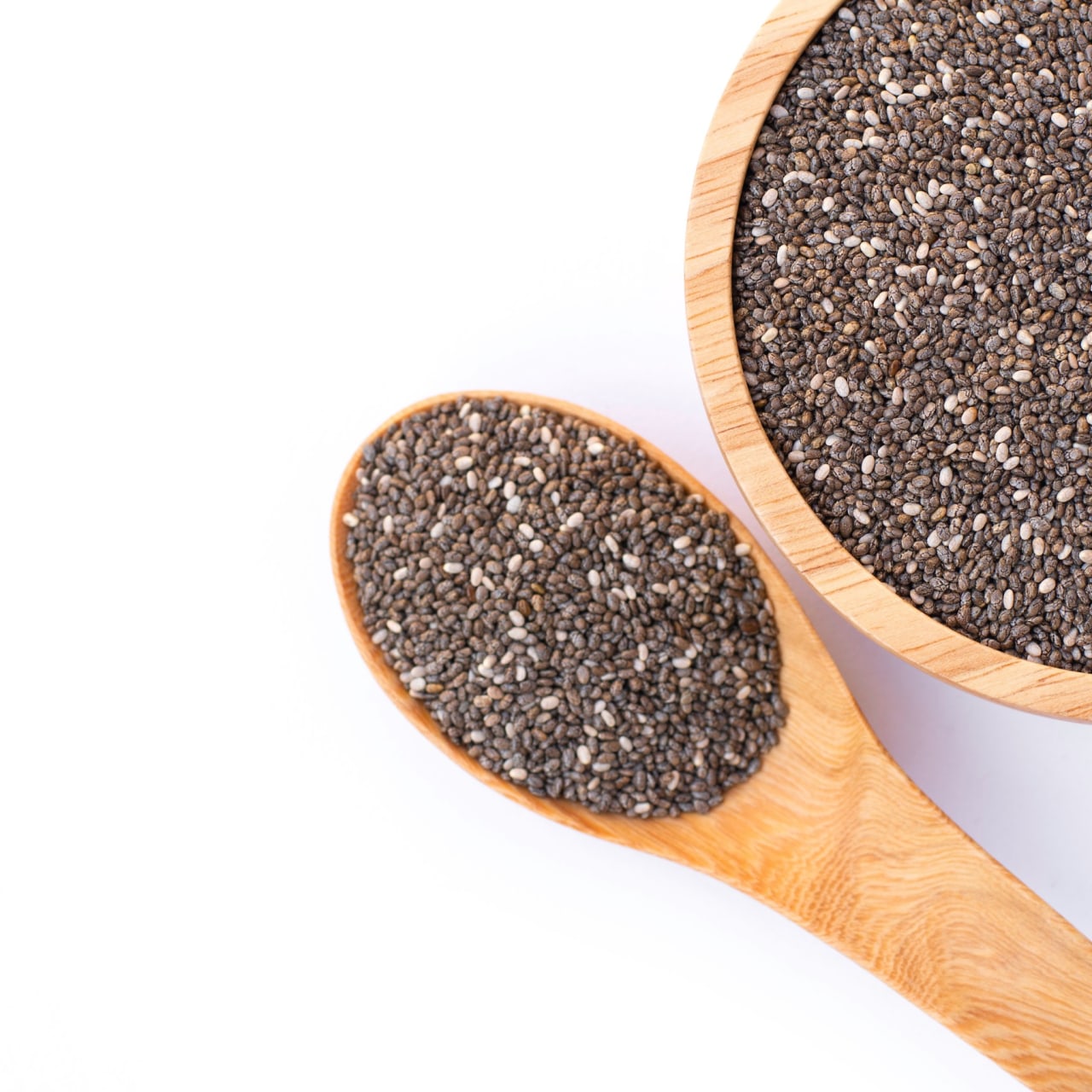
Make sure to eat natural foods rich in soluble fiber every day: Regularly eat fruits rich in pectin, such as apples, pears, oranges, and plums. Include vegetables like carrots, sweet potatoes, and squash in your meals. Add legumes such as lentils, chickpeas, and kidney beans to your dishes. Choose grains like oats or barley, which are rich in beta-glucans. Add chia seeds or flaxseeds to enrich your meals.
Vary your plant-based sources: combine several food groups to benefit from a diverse intake of soluble fiber and nutrients.
Consider dietary supplements: use specific fibers such as psyllium, konjac, or guar gum to supplement your intake if necessary. Choose products with proven clinical benefits, and follow dosage recommendations to avoid digestive discomfort.
Precautions for use
Consuming soluble fiber offers numerous health benefits. However, for people with an unbalanced or sensitive gut microbiome, increasing intake too quickly can cause digestive issues such as bloating, gas, or abdominal discomfort. It is therefore advisable to gradually introduce these fibers into your diet and ensure adequate hydration to minimize these side effects.
Organic Golden Psyllium:
For adults only.
Not recommended for pregnant or breastfeeding women.
Not recommended in cases of undiagnosed rectal bleeding and inability to defecate related to laxative use, in cases of abnormal narrowing of the gastrointestinal tract, in cases of esophageal or cardia diseases, potential or existing intestinal blockage, intestinal paralysis, or megacolon, or in cases of swallowing difficulties. Risk of gastrointestinal obstruction.
Do not take at the same time as medications (allow at least a 1-hour interval).
If you are taking medication, consult a healthcare professional.
Do not take with medications that inhibit peristaltic movements.
Expert Tip
Be sure to drink enough water every day (at least 1.5 liters) to allow the soluble fiber to dissolve properly and fully exert its beneficial effects. If you have a sensitive digestive system, consider peeling apples and pears, as their skins contain insoluble fiber that can irritate the intestines.
Spotlight On Our Editor, Nutrition Expert Lila Bouber

An agricultural engineer specialising in nutrition and a Doctor of Food Science, Lila is a journalist and science writer. She contributes to B2B trade magazines and works with innovative companies in the health and wellbeing sector. Passionate about sharing knowledge, she is committed to making complex scientific information accessible to everyone. Convinced of the essential role played by micronutrients, plants and the microbiome, she explores the links between science and nature to better understand the foundations of our well-being.
Bibliography
Dietary Fiber: Useful Bulk - VIDAL.
McRorie JW Jr, McKeown NM. Understanding the Physics of Functional Fibers in the Gastrointestinal Tract: An Evidence-Based Approach to Resolving Enduring Misconceptions about Insoluble and Soluble Fiber. J Acad Nutr Diet. 2017 Feb;117(2):251-264.
Guan ZW, Yu EZ, Feng Q. Soluble Dietary Fiber, One of the Most Important Nutrients for the Gut Microbiota. Molecules. 2021 Nov 11;26(22):6802.
Brockman DA, Chen X, Gallaher DD. Hydroxypropyl methylcellulose, a viscous soluble fiber, reduces insulin resistance and decreases fatty liver in Zucker Diabetic Fatty rats. Nutr Metab (Lond). 2012 Nov 12;9(1):100.

Frequently Asked Questions
Associated tips

Nutrients, Vitamins, Minerals & Antioxidants

Digestion, detox & gut microbiota

Superfoods


