How can you naturally balance your cholesterol levels?

How can you naturally balance your cholesterol levels?


By Aude Maillard

Published on: Wednesday, June 07, 2023, Updated on: Tuesday, November 10, 2026

Discover how family aromatherapy can naturally help you manage your everyday wellbeing. Explore our guide for effective and safe solutions, suitable for the whole family.

Contents

Cholesterol and High Blood Pressure: Essential Oils for Cardiovascular Balance

In our developed societies, cardiovascular diseases are the leading cause of death [1], including heart disease and strokes.

Modern medicine is able to save lives by repairing the heart following a myocardial infarction. However, it is more difficult for it to prevent the onset of cardiovascular diseases, namely angina, strokes, high blood pressure, heart rhythm disorders and arteritis. Prevention and public information clearly seem insufficient today. So how can we take action on prevention to ensure the cardiovascular system ages healthily?

Cholesterol: good fat and bad fat?

Cholesterol is a lipid in the body synthesised by the liver, but it is also found in food (eggs, offal, brains, liver, processed meats, seafood, foie gras). It is the fundamental component of the cell membrane, and therefore plays a part in maintaining membrane fluidity and facilitating communication between cells.

It is also the precursor of steroid/sex hormones and is used in the synthesis of vitamin D, which is a vital vitamin in many respects: immunity, concentration, memory, cardiovascular balance, the body’s overall inflammatory response, and even cancer prevention. Young girls with anorexia, who are deficient in cholesterol, suffer serious consequences: a collapse in sex hormones, bone decalcification, depression, etc. [2]

Elevated levels have always been in the dock, apparently responsible for all cardiovascular imbalances.

A healthy heart and blood vessels

Blood supplies every cell in the body, providing life through nutrients and oxygen, but is also responsible for eliminating chemical and gaseous toxins. It is clear that, to live longer but above all to stay healthy, particular attention must be paid to cardiovascular health. The good health of the heart and blood vessels depends not only on the quality of the circulating blood (texture, composition, fluidity) but also on theintegrity of the blood vessel walls, regular physical activity which maintains the heart muscle, and the metabolic processes carried out by the body, particularly by the liver, kidneys and pancreas.

Over time, metabolic functions slow down and if lifestyle factors (stress, exercise, diet) are not optimal, cardiovascular parameters may deteriorate. Oxidative stress is a clear factor in the deterioration of circulation.

Preventative measures and dietary habits aim to manage this. A diet rich in vitamins and minerals (favouring a variety of raw and cooked vegetables, roots, stems and leaves) at every meal, balanced in essential omega-3 and omega-6 fatty acids (small fish, virgin and organic linseed and rapeseed oils), rich in whole grains (rice, wheat, quinoa) and, as far as possible, free from saturated fats (animal fats, cooked fats, dairy products) as well as fast-acting sugars (pastries, cakes, jam, honey, refined grains such as bread, pasta or white rice) is recommended.

Fruit still provides rapidly absorbed sugars, so consuming large quantities on a daily basis is not advisable.


Beneficial essential oils

The prevention of high blood pressure, diabetes and high cholesterol can be addressed using comprehensive aromatic synergies. These contain essential oils with hepatic and renal tropism, as well as essential oils with lipolytic properties (which rebalance circulating fat levels). Their effects in terms of prevention are noteworthy.

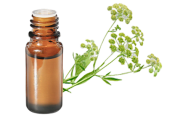
L’lovage essential oil, for example, is: a stimulant for the liver and kidneys; it helps to drain the body’s two vital filters, namely the liver and the kidneys. It is a genuine stimulant for the body.

This essential oil works in synergy with verbenone-rich rosemary and Italian helichrysum essential oils.

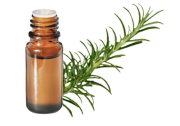
Rosemary verbenone is an essential oil that regenerates liver cells, promotes liver drainage, aids fat breakdown and acts as a cardiac tonic.

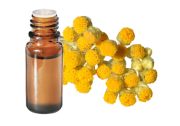
Italian helichrysum, for its part, provides valuable support for the liver and can be used in cases of hypercholesterolaemia.

This combination of lovage, Italian helichrysum and verbenone-rich rosemary is a powerful trio for maintaining the youthfulness of blood vessels. And it is worth noting that when nature endows certain essential oils with cholesterol-lowering properties, these are always beneficial for liver and kidney function, facilitating circulation and the elimination of toxins.

Precautions:

  • Lovage essential oil: Do not use on pregnant or breastfeeding women, or on children.Highly photosensitising: avoid exposure to sunlight or UV rays for at least 10 hours after applying this oil to the skin. Caustic when used undiluted; always use well diluted on the skin. Use internally with caution, in small doses and for a limited period.

  • Verbenone-type rosemary essential oil: Do not use in pregnant or breastfeeding women, in children under 6 years of age, or in people with epilepsy. Contains hormone-like compounds; avoid use without medical advice in cases of hormone-dependent conditions. Keep out of reach of children. Always use diluted. For internal use in limited doses and for short periods only, on the advice of a therapist.

  • Essential oil of Italian Helichrysum: Do not use on pregnant or breastfeeding women, children under 6 years of age, or people with epilepsy. For internal use only in limited doses and for short periods, on the advice of a therapist. Keep out of reach of children.

Stress-induced high blood pressure: soothe the situation with ylang-ylang

In some people, blood pressure is also sensitive to the effects of stress. When it rises under these conditions, essential oils that target the liver are not necessarily the most effective for this problem. Rebalancing the nervous system, calming the heart rate and managing stress helps to lower blood pressure. For this purpose, one essential oil is particularly recommended: ylang-ylang.

Its blood-pressure-lowering properties, cardiac sedative effects and ability to relax the cardio-respiratory plexus will have a beneficial effect on managing stress, feelings of oppression and nervous tension. Dilute in a 30 per cent apricot kernel vegetable oil , and inhale deeply from the inside of the wrists at least six times a day. Apply a few drops to the solar plexus and place 6 drops in the mouth, 4 times a day. Follow this treatment 5 days out of 7, combining all these methods of administration.

Precautions: Do not use on pregnant or breastfeeding women, or on children under 6 years of age. Do not use on people suffering from skin conditions or skin damage. Avoid contact with the eyes and mucous membranes. Keep out of reach of children. For internal use only in limited doses and for short periods, on the advice of a therapist.

“The expert’s formula”

Aude Maillard, Doctor of Pharmacy, Aromatherapist, and Reflexologist

Expert: Aude Maillard

Aude Maillard, a qualified practitioner in scientific aromatherapy, foot reflexology and olfactotherapy, takes a holistic approach to essential oils, combining scientific and energetic perspectives. She is passionate about essential oils and keen to share her knowledge. Aude Maillard currently runs aromatherapy workshops at Aroma-Zone and is also available for personalised consultations.

Bibliography

  1. Ministry of Health

    https://sante.gouv.fr/soins-et-maladies/maladies/maladies-cardiovasculaires-et-avc/article/maladies-cardiovasculaires

  2. Huff T, Boyd B, Jialal I. Physiology, Cholesterol. [Updated 6 March 2023]. In: StatPearls [Internet]. Treasure Island (FL): StatPearls Publishing; January 2026.

    https://www.ncbi.nlm.nih.gov/books/NBK470561/

  3. Essential oils: Warnings and precautions for use

    https://www.aroma-zone.com/public/pdf/GC019.pdf