How can you cleanse your liver with essential oils?

Persistent fatigue, difficult digestion, a dull complexion… What if your liver could benefit from natural support? This essential organ plays a key role in maintaining the body’s overall balance. Is it really possible to support its detoxification function safely? Discover the right habits, the most studied plants and practical advice to gently support your liver, in tune with the seasons and your individual needs.

Reading time: 0 min.

What is the role of the liver?

As the central organ of metabolism, the liver plays an essential role in maintaining the body's balance. It helps transform nutrients from digestion, such as carbohydrates, lipids, and proteins, which it stores or converts according to the body's needs.

It also performs a natural detoxification function by filtering out unwanted substances (medications, alcohol, pollutants) before their elimination. The liver produces bile, which is essential for the digestion of fats, regulates blood sugar, cholesterol, and certain hormones, and stores fat-soluble vitamins and key minerals, such as iron and vitamin B12.

A true filtering organ, it works tirelessly and can sometimes be supported naturally, especially when it is under increased strain.

Why support the liver in its natural filtration and detoxification process?

The liver is a highly stressed organ

Every day, the liver processes hundreds of substances from our diet, the environment, or medication. Pollutants, additives, excess fat, or sugar can represent an additional burden. Without support, this continuous demand can slow down its effectiveness.

Modern habits that upset its balance

Chronic stress, a sedentary lifestyle, an unbalanced diet, or alcohol consumption can disrupt liver function. Over time, this can lead to digestive discomfort, a feeling of heaviness, or a temporary drop in energy.

A key organ in overall balance

The liver contributes to hormonal balance, proper digestive system function, skin quality, and energy management. Supporting it from time to time, especially during seasonal changes or after a period of excess, can promote better overall vitality.

Natural support to aid its functions

Certain plants, dietary supplements, and simple actions can support the liver's natural work. The goal is not to "clean" the organ, but to help it function in the best possible conditions, without overload.

How can you tell if your liver needs support?

The liver works silently, without causing any obvious symptoms when it is working hard. However, certain functional signs may reflect a temporary imbalance or overload. These symptoms, although non-specific, may prompt you to adopt natural supportive measures:

  • Slow or difficult digestion, especially after a rich meal.

  • A more pronounced feeling of fatigue, especially in the morning.

  • Bloating, irregular bowel movements, or a feeling of heaviness.

  • Dull skin or unusual blemishes.

  • Possible increased sensitivity to odors or certain foods.

These are not medical symptoms, but indicators of comfort to be taken into account in a holistic approach to well-being. If you have persistent doubts, it is recommended that you consult a healthcare professional.

When and how to support your liver?

The liver naturally performs its filtration and detoxification functions without the need for external intervention. However, certain periods or lifestyle habits may warrant gentle, occasional support to promote its proper functioning:

Times when support is beneficial

  • At the change of seasons, particularly in spring and fall, when the body is trying to adapt.

  • After a period of overeating, such as during holidays or vacations.

  • When experiencing digestive fatigue, heaviness, or loss of vitality.

  • As part of an overall rebalancing approach, in addition to a lighter, more plant-based diet.

Simple steps to take

Supporting the liver does not mean "purifying" it, but rather providing it with an environment conducive to its activity. This involves:

  • An appropriate diet, low in fast-acting sugars, saturated fats, and processed foods.

  • Good hydration, to facilitate natural elimination.

  • Incorporating plants traditionally recognized for supporting liver function, such as rosemary, black radish, dandelion or artichoke.

  • Targeted dietary supplements, taken in short courses, derived from plant sources and well tolerated.

By supporting the liver naturally, we help to strengthen its balance and preserve the overall harmony of the body.

What diet supports your liver?

Diet plays a central role in the proper functioning of the liver. To naturally support its filtration and detoxification functions, certain simple dietary choices can make a difference on a daily basis.

Choose fresh, plant-based foods

A diet rich in seasonal vegetables, fresh fruit, fiber, and aromatic plants provides the liver with the nutrients it needs to function effectively. Bitter vegetables such as artichokes, endives, black radishes, and dandelions are traditionally recognized for their support of the digestive system.

Focus on antioxidants and healthy fats

Antioxidants (found in red fruits, green tea, turmeric, and citrus fruits) help limit the oxidative stress to which the liver is exposed. Omega-3s (flax seeds, camelina oil, small oily fish) also support metabolic functions.

Reduce unnecessary overload

It is recommended to limit your consumption of saturated fats, fast-acting sugars, alcohol, and food additives, which can place an additional burden on the liver. Simple, home-cooked meals, without excess, remain a valuable ally.

Adopt a mindful diet

Eating slowly, calmly, and listening to your feelings of hunger and fullness promotes better digestion. These simple actions also help to relax the digestive system as a whole.

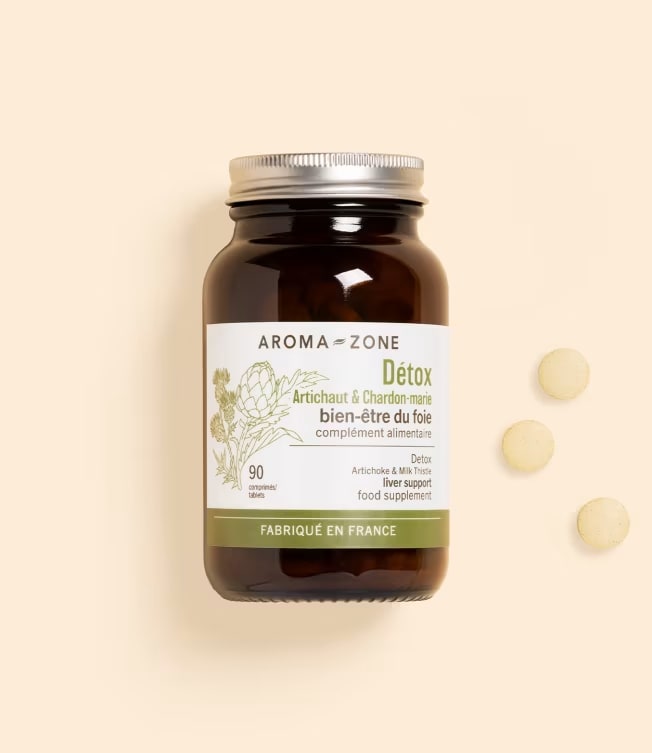
Focus on our Detox dietary supplement

This supplement is for adults only and should not be used during pregnancy, breastfeeding, or if you have a peptic ulcer, biliary obstruction, heart failure, or edematous renal failure, or if you have a known allergy, particularly to plants of the Asteraceae family. It is not a substitute for a varied and balanced diet or a healthy lifestyle. Do not exceed the recommended daily dose. Store away from light, heat, and humidity. Keep out of reach of young children.

What routine should you adopt to naturally support your liver?

Supporting the liver does not require extreme measures, but rather the adoption of simple, regular habits to lighten its workload. Here are some natural habits to incorporate into your daily routine:

  1. Adopt a light, plant-based diet, limiting ultra-processed foods, excess sugar, and saturated fats.

  2. Stay well hydrated throughout the day with pure water or caffeine-free herbal teas to aid elimination.

  3. Engage in gentle physical activity, such as walking or yoga, to stimulate circulation and promote metabolic exchange.

  4. Promote digestive rest: eat a light dinner, avoid late-night snacking, and allow the liver time to regulate itself during the night.

  5. Support liver function with targeted plants, in occasional treatments. Organic Lemon Detox Herbal Tea is ideal for gently supporting elimination thanks to rosemary, nettle, blackcurrant, and lemongrass, while offering a truly enjoyable experience.

  6. Use a dietary supplement formulated for liver detoxification, such as Aroma-Zone Detox Dietary Supplement. Composed of artichoke, milk thistle, and dandelion extracts, it helps support liver function as part of a short-term treatment.

  7. Incorporate active ingredients rich in chlorophyll and antioxidants, such as Chlorella tablets. This microalgae is known for its detoxifying properties, and its natural vitamin, mineral, and protein content makes it an ideal ally during seasonal changes.

  8. Get enough sleep, as the liver is particularly active at night. Good sleep promotes its natural regeneration cycles.

  9. Limit alcohol and tobacco, as their metabolism places a heavy burden on the liver.

Focus on liver detox: myth or reality?

The term "detox" is widely used, sometimes incorrectly, to refer to treatments that are supposed to "clean" the liver. In reality, this vital organ does not need to be purified, as it constantly performs a natural function of filtering and transforming metabolic waste and external substances (medications, alcohol, pollutants, etc.).

What is commonly referred to as " liver detox" is more like occasional support for the liver during certain periods when its functions may be under greater strain. This support is not intended to force the liver to work harder, but rather to promote an environment conducive to its proper functioning: a suitable diet, adequate hydration, digestive rest, and the use of traditionally recognized plants.

Scientific publications confirm that certain plant-based substances, such as flavonoids in rosemary, cynarin in artichokes, and sulfur compounds in black radishes, can support the liver's natural detoxification processes without disrupting them.

Far from being a myth, "liver detox" has its place in a holistic approach to well-being, without excess or promises, but with attention to the body and respect for its rhythm.

Precautions for use

Natural remedies to support the liver should be used occasionally, tailored to individual needs, and practiced with awareness. Certain plants or dietary supplements may not be suitable for everyone. As a precautionary measure, treatments are not recommended for pregnant or breastfeeding women, children, or adolescents. They should also not be used in cases of diagnosed liver disease without medical advice.

If you are undergoing treatment, particularly for the liver, heart, or blood pressure, certain interactions may occur. It is therefore essential to seek advice from a healthcare professional before starting a treatment. Finally, to maintain a healthy lifestyle that respects the body, it is best to follow the recommended duration of use and avoid excess.

Expert advice

The liver functions naturally, continuously, and efficiently. There is no need to try to "detoxify" it intensively. However, it can be beneficial to gently support it, especially during seasonal changes or after a period of overeating.

Rather than opting for aggressive treatments, favor a holistic approach: a balanced plant-based diet, restful sleep, and regular physical activity. Adding plants traditionally recognized for their action on the liver can be helpful, provided that the recommended dosages and durations are respected.

Listening to your body, adopting simple and regular habits, and staying attuned to your overall well-being remains the best approach to consciously taking care of your liver.

Learn more

What are the signs of a tired liver?

Slow digestion, a feeling of heaviness after meals, persistent fatigue, or a dull complexion may indicate that the liver is temporarily overworked.

Can we support our liver all year round?

It is best to opt for short, targeted treatments at certain key times, such as seasonal changes or after a period of excess. Prolonged support is not necessary in the absence of any particular need.

Can supporting your liver help you lose weight?

A well-functioning liver contributes to a balanced metabolism. However, liver support is not a substitute for a healthy diet and regular physical activity when trying to lose weight.

Aude Maillard, Doctor of Pharmacy, Aromatherapist, and Reflexologist.

Aude Maillard, a practitioner and graduate in scientific aromatherapy, foot reflexology, and olfactotherapy, takes a comprehensive approach to essential oils, combining scientific and energetic perspectives. She is passionate about essential oils and eager to share her knowledge. Aude Maillard now leads aromatherapy workshops at Aroma-Zone and is also available for personalized consultations.

Bibliography

1

2

Jones JG. Hepatic glucose and lipid metabolism. Diabetologia. 2016 Jun;59(6):1098-103. doi: 10.1007/s00125-016-3940-5. Epub 2016 Apr 5. PMID: 27048250.

3

Berná G, Romero-Gomez M. The role of nutrition in non-alcoholic fatty liver disease: Pathophysiology and management. Liver Int. 2020 Feb;40 Suppl 1:102-108. doi: 10.1111/liv.14360. PMID: 32077594.

4

Grinshpan LS, Eilat-Adar S, Ivancovsky-Wajcman D, Kariv R, Gillon-Keren M, Zelber-Sagi S. Ultra-processed food consumption and non-alcoholic fatty liver disease, metabolic syndrome and insulin resistance: A systematic review. JHEP Rep. 2023 Nov 17;6(1):100964. doi: 10.1016/j.jhepr.2023.100964. PMID: 38234408; PMCID: PMC10792654.

5

Chida Y, Sudo N, Kubo C. Does stress exacerbate liver diseases? J Gastroenterol Hepatol. 2006 Jan;21(1 Pt 2):202-8. doi: 10.1111/j.1440-1746.2006.04110.x. PMID: 16460474.

6

Swain MG. Fatigue in liver disease: pathophysiology and clinical management. Can J Gastroenterol. 2006 Mar;20(3):181-8. doi: 10.1155/2006/624832. PMID: 16550262; PMCID: PMC2582971.

7

Kalaitzakis E, Sadik R, Holst JJ, Ohman L, Björnsson E. Gut transit is associated with gastrointestinal symptoms and gut hormone profile in patients with cirrhosis. Clin Gastroenterol Hepatol. 2009 Mar;7(3):346-52. doi: 10.1016/j.cgh.2008.11.022. Epub 2008 Dec 3. PMID: 19200458.

8

Berman JE, Lamkin BC. Hepatic disease and the skin. Dermatol Clin. 1989 Jul;7(3):435-48. PMID: 2665980.

9

Temmel AF, Pabinger S, Quint C, Munda P, Ferenci P, Hummel T. Dysfunction of the liver affects the sense of smell. Wien Klin Wochenschr. 2005 Jan;117(1-2):26-30. doi: 10.1007/s00508-004-0303-x. PMID: 15986587.

10

Guimarães NSS, Ramos VS, Prado-Souza LFL, Lopes RM, Arini GS, Feitosa LGP, Silva RR, Nantes IL, Damasceno DC, Lopes NP, Rodrigues T. Rosemary (Rosmarinus officinalis L.) Glycolic Extract Protects Liver Mitochondria from Oxidative Damage and Prevents Acetaminophen-Induced Hepatotoxicity. Antioxidants (Basel). 2023 Mar 3;12(3):628. doi: 10.3390/antiox12030628. PMID: 36978874; PMCID: PMC10045355.

11

Evans M, Paterson E, Barnes DM. An open label pilot study to evaluate the efficacy of Spanish black radish on the induction of phase I and phase II enzymes in healthy male subjects. BMC Complement Altern Med. 2014 Dec 9;14:475. doi: 10.1186/1472-6882-14-475. PMID: 25490898; PMCID: PMC4295395.

12

Pfingstgraf IO, Taulescu M, Pop RM, Orăsan R, Vlase L, Uifalean A, Todea D, Alexescu T, Toma C, Pârvu AE. Protective Effects of Taraxacum officinale L. (Dandelion) Root Extract in Experimental Acute on Chronic Liver Failure. Antioxidants (Basel). 2021 Mar 24;10(4):504. doi: 10.3390/antiox10040504. PMID: 33804908; PMCID: PMC8063808.

13

Panahi Y, Kianpour P, Mohtashami R, Atkin SL, Butler AE, Jafari R, Badeli R, Sahebkar A. Efficacy of artichoke leaf extract in non-alcoholic fatty liver disease: A pilot double-blind randomized controlled trial. Phytother Res. 2018 Jul;32(7):1382-1387. doi: 10.1002/ptr.6073. Epub 2018 Mar 9. PMID: 29520889.

14

Moss K, Gitman V, Pinto Sanchez MI, Oczkowski S, Armstrong D, Jayakumar S, Karvellas CJ, Selzner N, Dionne J. Evidence related to a vegetarian diet and metabolic dysfunction-associated steatotic liver disease: protocol for a scoping review. BMJ Open. 2024 Apr 10;14(4):e079750. doi: 10.1136/bmjopen-2023-079750. PMID: 38604643; PMCID: PMC11015203.

15

16

17

Stine JG, Long MT, Corey KE, Sallis RE, Allen AM, Armstrong MJ, Conroy DE, Cuthbertson DJ, Duarte-Rojo A, Hallsworth K, Hickman IJ, Kappus MR, Keating SE, Pugh CJA, Rotman Y, Simon TL, Vilar-Gomez E, Wong VW, Schmitz KH. Physical Activity and Nonalcoholic Fatty Liver Disease: A Roundtable Statement from the American College of Sports Medicine. Med Sci Sports Exerc. 2023 Sep 1;55(9):1717-1726. doi: 10.1249/MSS.0000000000003199. PMID: 37126039; PMCID: PMC10524517.

18

Abi Sleiman M, Younes M, Hajj R, Salameh T, Abi Rached S, Abi Younes R, Daoud L, Doumiati JL, Frem F, Ishak R, Medawar C, Naim HY, Rizk S. Urtica dioica: Anticancer Properties and Other Systemic Health Benefits from In Vitro to Clinical Trials. Int J Mol Sci. 2024 Jul 8;25(13):7501. doi: 10.3390/ijms25137501. PMID: 39000608; PMCID: PMC11242153.

19

Zhao T, Lu D, Qiu M, Yan B, Fu T. Dietary supplementation of Chlorella pyrenoidosa attenuated non-alcoholic fatty liver disease via the NF-κB/ferroptosis axis. Food Funct. 2025 Nov 10;16(22):8773-8790. doi: 10.1039/d5fo01932j. PMID: 41126692.

20

Marjot T, Ray DW, Williams FR, Tomlinson JW, Armstrong MJ. Sleep and liver disease: a bidirectional relationship. Lancet Gastroenterol Hepatol. 2021 Oct;6(10):850-863. doi: 10.1016/S2468-1253(21)00169-2. Epub 2021 Jul 15. PMID: 34273289.

21

22

Marti-Aguado D, Clemente-Sanchez A, Bataller R. Cigarette smoking and liver diseases. J Hepatol. 2022 Jul;77(1):191-205. doi: 10.1016/j.jhep.2022.01.016. Epub 2022 Feb 4. PMID: 35131406.