
Calcaneal spur, also known as heel spur, is a painful condition that affects the lower part of the heel, specifically the heel bone known as the calcaneus. It is characterised by the formation of a small bony spur or growth on this bone. This condition can be extremely uncomfortable and affect mobility.
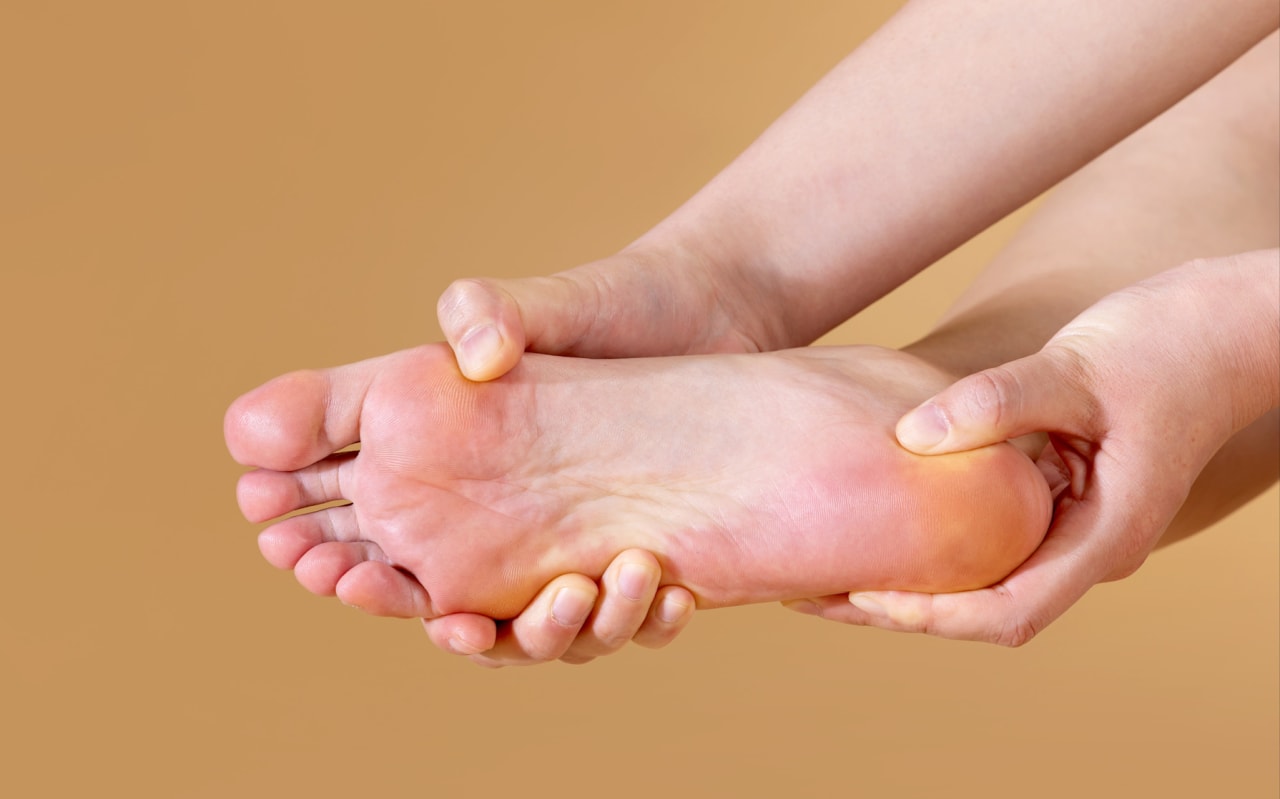
Heel spurs: 4 traditional remedies to relieve them
By The Aroma-Zone editorial team
Published on: Tuesday, October 03, 2023, Updated on: Tuesday, October 27, 2026
If you feel a stinging sensation in your heel with every step you take, look no further: it's probably a heel spur! This painful bony growth can form as a result of overloading the heel or arch of the foot. Fortunately, there are natural remedies that can soothe this pain. Discover 4 traditional remedies to help you get back to enjoying walking.
Contents
Related products
Keratin AA Active Ingredient
Moisturising
Hair strengthening
£5.00
10 ml
Keratin AA, Peptides & Hyaluronic Acid Hair Serum
Hair strengthening
£12.50
50 ml
2 options
Hyaluronic Acid 3.5% Serum
Moisturising
Plumping
£6.50
30 ml
3 options
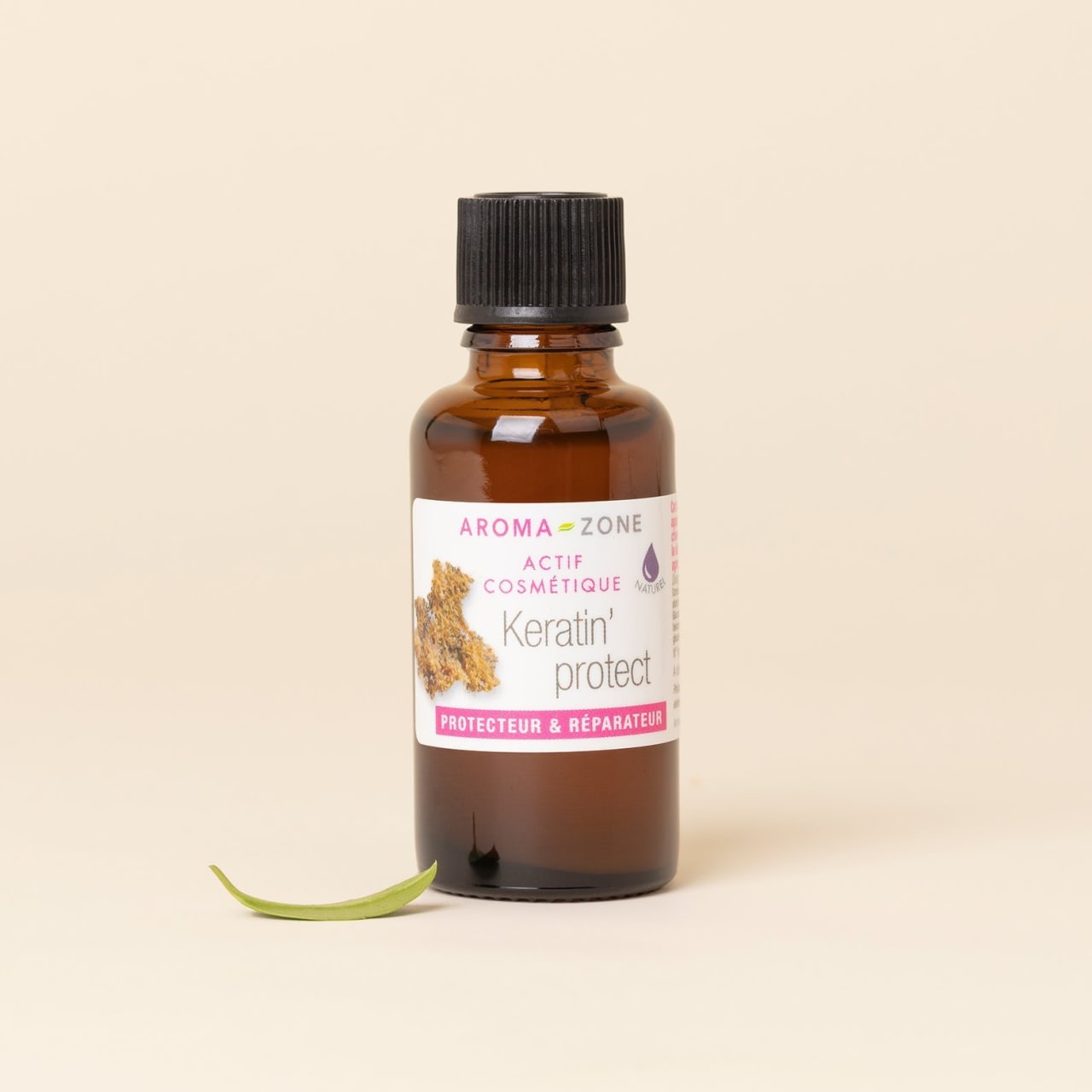
Keratin'protect Active Ingredient
Hair strengthening
Protective
£7.50
30 ml
In brief
A heel spur is a bony growth on the heel that causes pain, especially when walking, and is associated with repeated microtrauma or plantar fasciitis. Its development is influenced by factors such as being overweight, a sedentary lifestyle or wearing unsuitable footwear.
The suggested home remedies (clay poultices, massages with wintergreen essential oil, Epsom salt foot baths) aim to relieve pain but do not address the underlying cause. They can be used alongside medical care if necessary.
The article highlights that consulting a healthcare professional remains essential to rule out other conditions and adapt treatment, especially in cases of persistent or debilitating pain.
What is a heel spur?
How is a heel spur formed and why?
Heel spurs usually form as a result of excessive strain on the ligaments and tendons of the foot, particularly the plantar fascia. Common causes include overuse due to intense physical activity, poor posture when walking or running, and wearing inappropriate footwear that does not provide adequate support.
What are the symptoms of a heel spur?
Typical symptoms of heel spur include a sharp or stabbing pain in the heel, which is often worse in the morning or after a period of inactivity. The pain may also be exacerbated when walking or running.
What preventative measures are there?
Before resorting to surgery, there are a few good habits you can adopt:
Rest: although physical activity is still necessary, opt for low-impact activities such as swimming or cycling. Any sports involving jumping or running should be limited.
Stretching: particularly the plantar fascia, to reduce tension on the heel.
Wearing suitable footwear: to ensure good support and adequate cushioning. If necessary, consider orthopaedic insoles.
an anti-inflammatory diet: ensure you maintain a balanced diet to support musculoskeletal health. Eat foods rich in calcium, magnesium, omega-3 and vitamin D: green leafy vegetables, dairy products, nuts and seeds are excellent sources of these nutrients.
weight loss: to reduce the pressure on the heel in people who are overweight.
Consult your GP if the pain does not subside.
4 traditional remedies to provide relief
Exercises: stretching and muscle strengthening
Stretching exercises, particularly plantar fascia stretching, can play an essential role in managing heel spurs. Stretching the plantar fascia can help relieve the tension that often develops around this area. Here's how to do it:
Sit on the floor with your legs straight out in front of you.
Bend one leg and place the ankle of that leg on your opposite knee.
Grab the toes of the bent leg with your hand on the same side.
Gently pull your toes towards you, directing the movement upwards towards your knee.
You should feel a stretch along the arch of your foot. Hold for 15 to 30 seconds.
Repeat this stretch several times a day to relieve tension and reduce pain.
As well as stretching the plantar fascia, other muscle-strengthening exercises, such as rolling a ball under your foot, can also help to strengthen the arch muscles and reduce the pain associated with heel spurs.
This advice is provided for information purposes only; however, nothing can replace treatment by a physiotherapist.
Hot/cold
As well as applying ice packs as soon as symptoms appear, alternating hot and cold can help reduce inflammation and relieve pain while stimulating blood circulation.
Use a hot compress for 20 minutes, followed by a cold compress for 20 minutes. Repeat this process several times a day.
Alternate between hot and cold footbaths: immerse your feet in hot water for 5 minutes, then switch to cold water for 2 minutes.
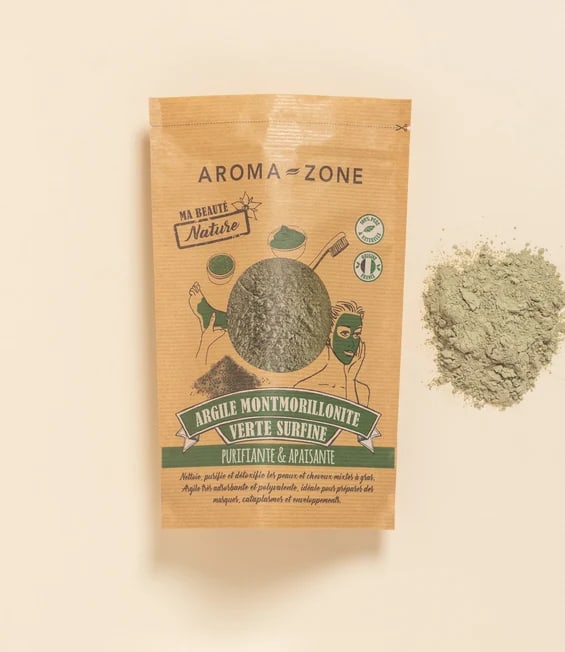
Superfine Montmorillonite Green Clay
Directions for use: To relieve inflammation, you can make a green clay poultice. You will need montmorillonite green clay mixed with other clays or powder, then add water or a hydrosol. Apply a thick layer to the body, leave on for at least 1 to 2 hours without letting it dry, and rinse thoroughly afterward.
The bonus remedy: compresses
Compresses can help relieve pain. You can use heated linseed oil to create a soothing hot compress. Applying a compress soaked in apple cider vinegar may also have anti-inflammatory properties.
Precautions and contraindications
When using these traditional remedies, be sure to observe the precautions. Make sure you don't have any allergies to essential oils and always test these remedies on a small area of skin before using them more widely. If you have any underlying health problems, consult a health professional before undertaking any treatment.
If the pain persists or worsens, consult a doctor. He or she will probably advise you to have an X-ray and a CT scan to make sure you get the treatment you need.
Bibliography
Plantar Fasciitis and Bone Spurs
Ortho Info: https://orthoinfo.aaos.org/en/diseases--conditions/plantar-fasciitis-and-bone-spurs
Are you heels constantly in pain? You may be suffering from a heel spur
Published by Dr. Torsten Pfitzer in Douleur, 9 February 2021
Plantar fasciitis (Plantar fasciitis)
Kendrick Alan Whitney , DPM, Temple University School of Podiatric Medicine, Dec. 2019
What treatments are available for heel spurs?
Nantes Orthopédie: https://nantesorthopedie-podologie.fr/
Frequently Asked Questions
Associated tip
Body Care Tips


