
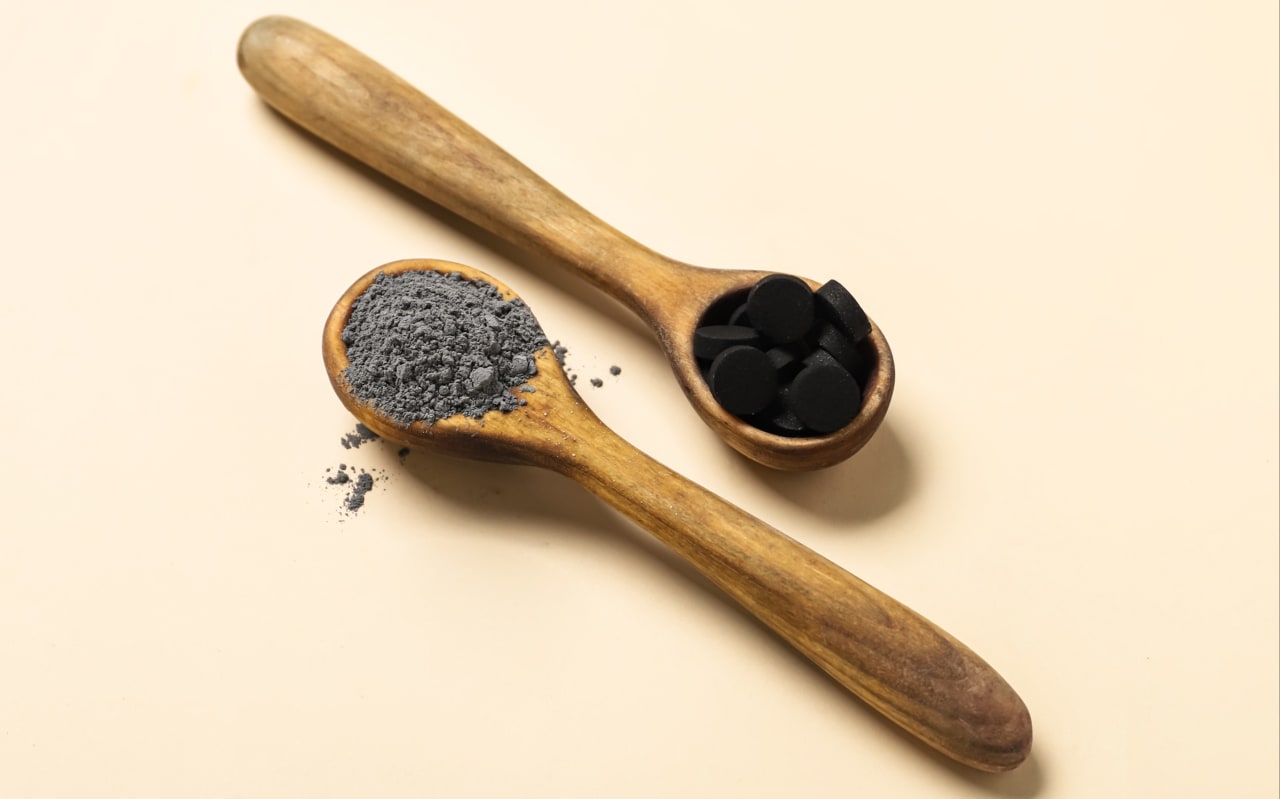
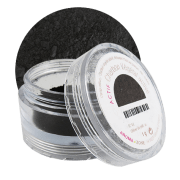
The scientific name for plant-derived charcoal is Carbo vegetabilis. Obtained by burning plant matter such as poplar wood, it takes the form of a fine black powder. This powder is obtained after a double process of heating plant matter, which corresponds to calcination or carbonisation. This consists of breaking down the plant material by gradually increasing the temperature in an oxygen-free container. This temperature can reach 900°C, breaking down the organic matter and creating the initial porosity of the coal.
A closer look at activated plant-derived charcoal: its benefits
By Sonia Mérité
Published on: Monday, March 06, 2023, Updated on: Wednesday, September 30, 2026
Obtained by burning plant matter such as wood, activated plant-derived charcoal is an increasingly popular food supplement. Of plant origin, it has been used for centuries for beauty and well-being due to its various benefits. In this article, find out more about the unique properties and advantages of activated charcoal, and the best ways to use it.
Contents
Related products
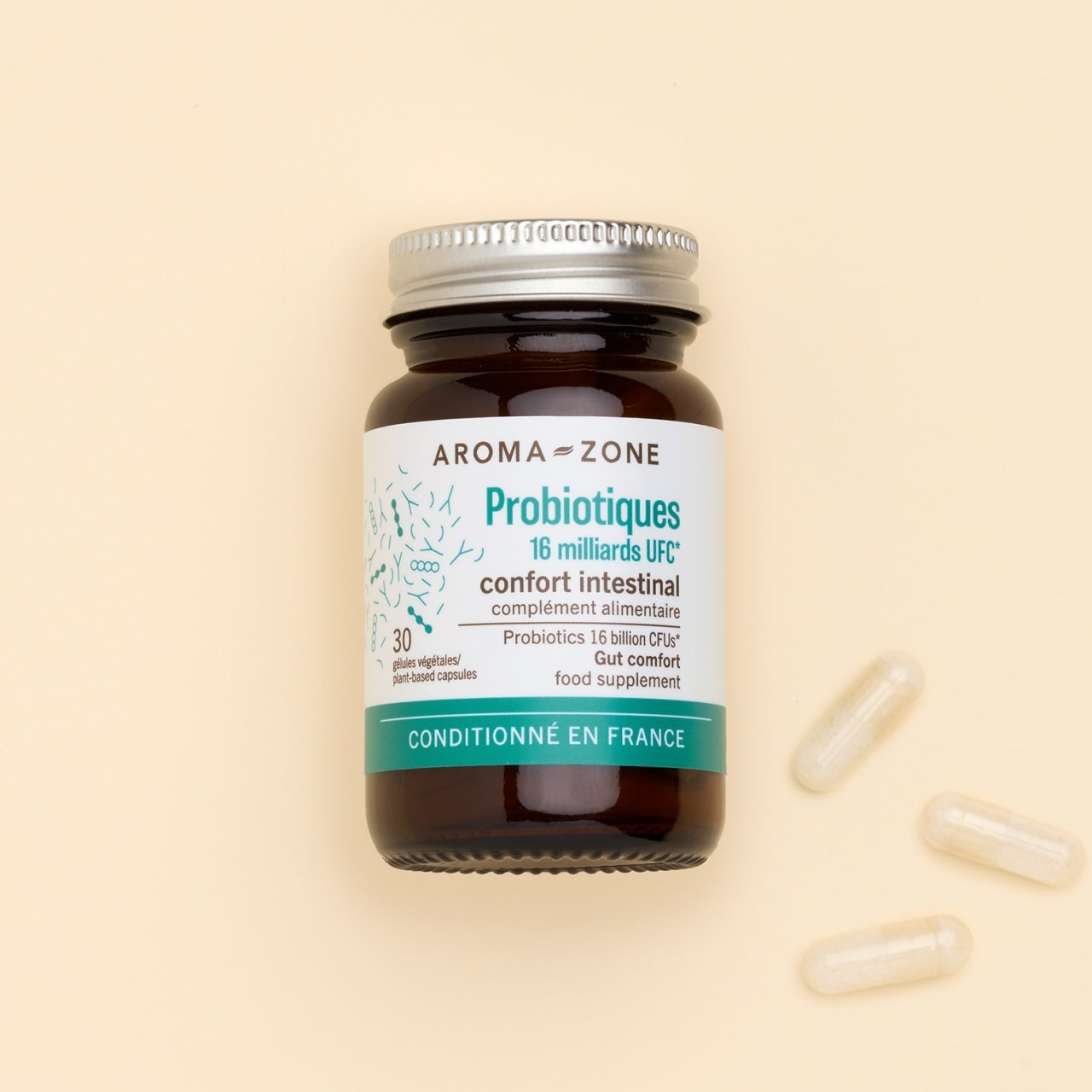
Gut Comfort Probiotics - 30 Capsules
Digestive comfort
£17.00
1 article
What is plant-derived charcoal?
Properties of activated charcoal
The adsorbing properties of activated carbon are the result of its high porosity. During the carbon activation phase, a multitude of internal pores are created on the surface of the carbon, increasing its adsorption capacity. It is thanks to this porous state that activated carbon is able to capture all types of fat-soluble compounds, such as sebum and pollutants. As activated carbon is hydrophobic, it cannot retain water in its pores. Its slightly granular texture also gives it exfoliating properties. Thanks to its exfoliating action and absorption capacity, it is particularly effective for deep skin cleansing.
What are the benefits of activated charcoal?
Powerful absorber and detoxifier: it helps capture pollutants and toxins that accumulate on the skin, such as environmental pollutants, chemical residues from cosmetic products, as well as toxins excreted by the skin.
Purifying: it purifies the skin and adsorbs the bacteria responsible for certain infections (known effects on staphylococci).
Colouring: it gives your skincare products, soaps or make-up an intense black colour, even in small doses.
Natural toothpaste: its detoxifying and purifying action cleanses the mouth and tackles bad breath.
A closer look at our Aroma-Zone activated charcoal
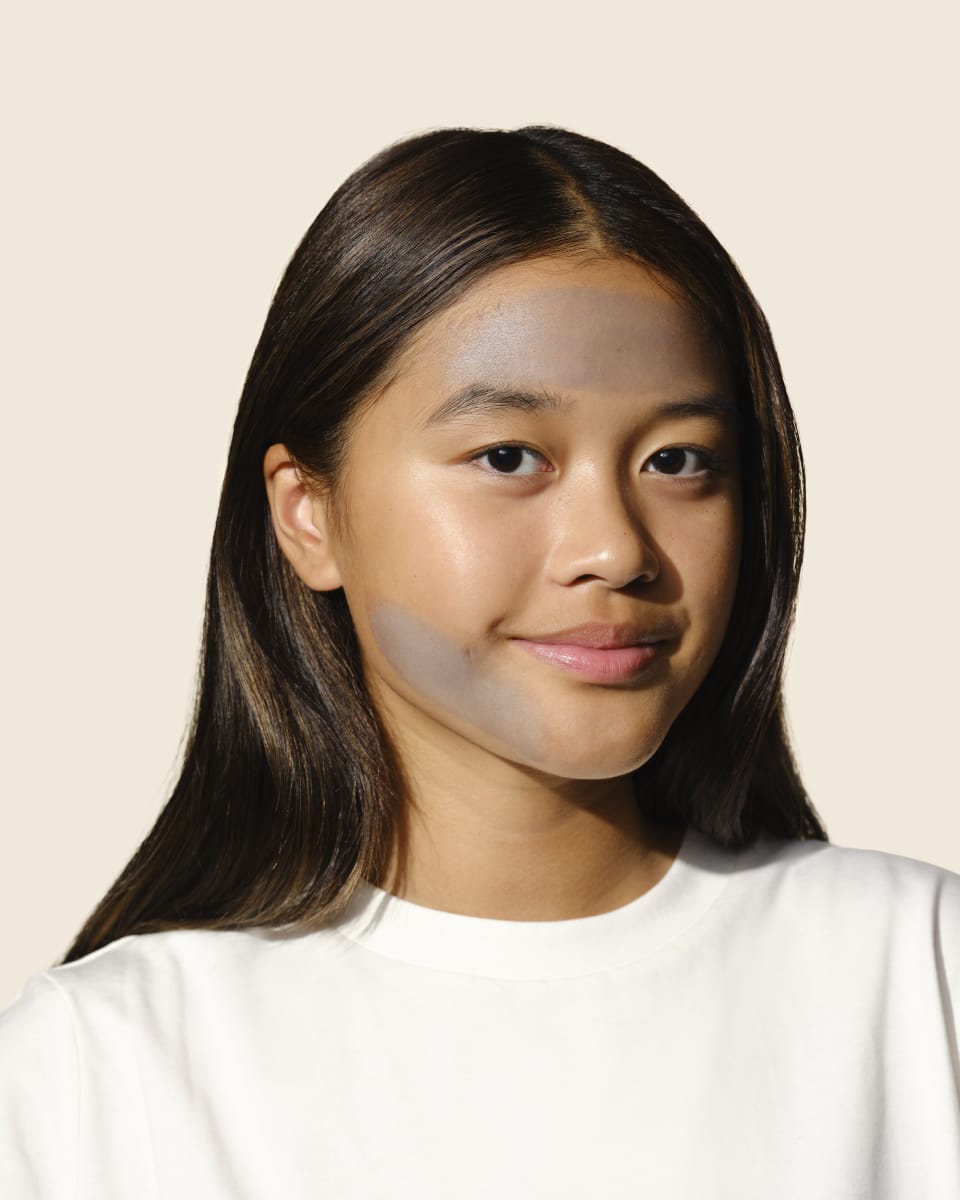
Activated charcoal is a versatile ingredient for use in a variety of skincare and make-up formulas. It is commonly used in detoxifying and purifying masks thanks to its absorbent properties, which remove impurities, excess sebum and toxins from the skin while purifying it in depth. In cold saponification, it is also used to colour soaps.
For which skin types?
Activated charcoal is particularly beneficial for skin exposed to pollution, stress or cigarette smoke. Polluted and stressed skin can quickly become clogged and overproduce sebum, which can clog pores. Activated charcoal helps to purify the skin by eliminating impurities and regulating sebum production. This makes it ideal for acne-prone skin.
How do I use activated carbon?
Purification of facial skin and hair
Charcoal is also used in purifying face masks. Toxins, bacteria and sebum are trapped by the plant-based activated charcoal in the face mask, purifying the skin and hair. Similarly, in hair care products, activated charcoal is particularly effective in detoxifying the scalp. It eliminates product build-up and impurities while soothing itching. It is often included in clarifying shampoos to leave hair feeling lighter and cleaner for longer.
Toothpaste
It can be used in toothpastes to help remove surface stains often caused by drinking tea, coffee or other staining substances. Capturing these particles helps to restore the natural whiteness of teeth.
Colouring agent
Plant-derived charcoal is a black pigment and a strong colouring agent. It is used in cosmetic products such as mascaras and kohl.
What activated charcoal routine should you adopt?
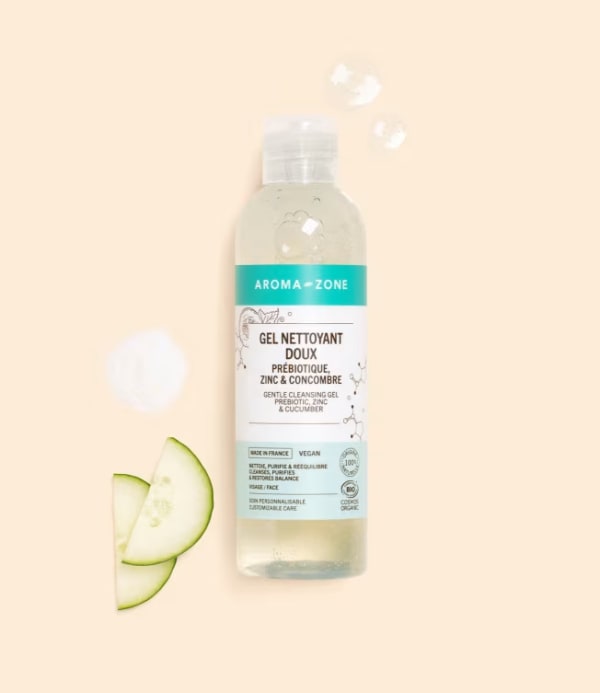
1. Gentle cleanser: our gentle cleansing gel purifies and gently removes impurities and make-up, while respecting the skin's pH. Its 100% natural formula combines organic cucumber extract and organic inulin for a softening and rebalancing effect. Zinc PCA reduces blemishes and blackheads.
Discover our Gentle Prebiotic, Zinc and Cucumber Cleansing Gel
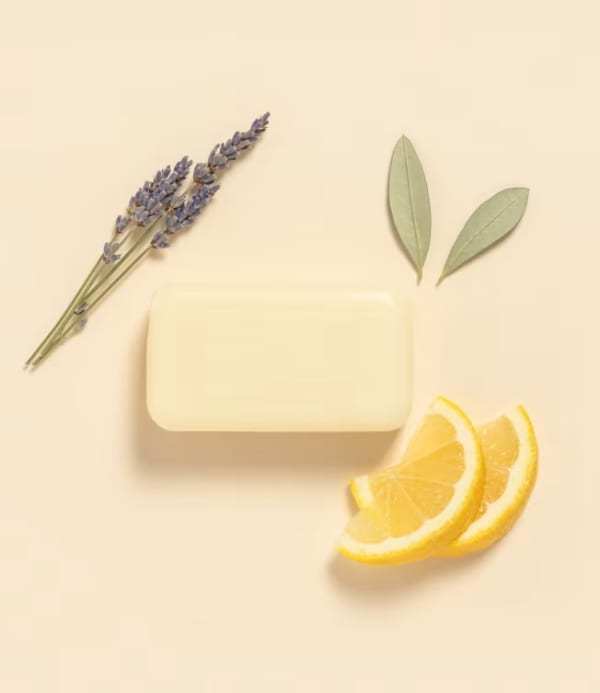
2. Activated charcoal exfoliating mask: this mask is ideal for purifying and softening the skin, especially for skin prone to impurities or excess sebum, while unclogging pores. Mix activated charcoal with one of our hydrosols to obtain an evenly mixed paste and leave on for at least 15 minutes before rinsing.
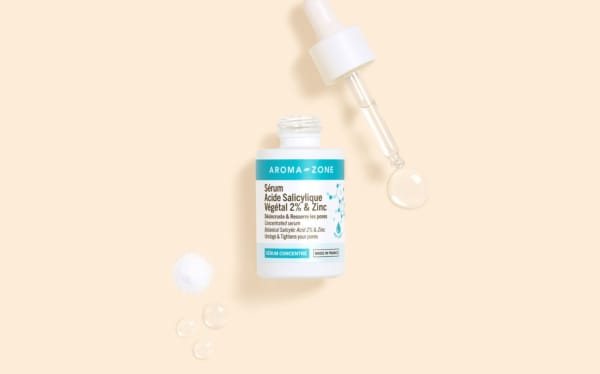
3. Apply 2% Salicylic Acid & Zinc Serum Concentrate: This serum reduces the size and surface area of pores while combating blemishes. The plant-derived salicylic acid and zinc complex regulates excess sebum, unclogs pores and prevents blackheads from appearing thanks to its purifying and keratolytic effects.
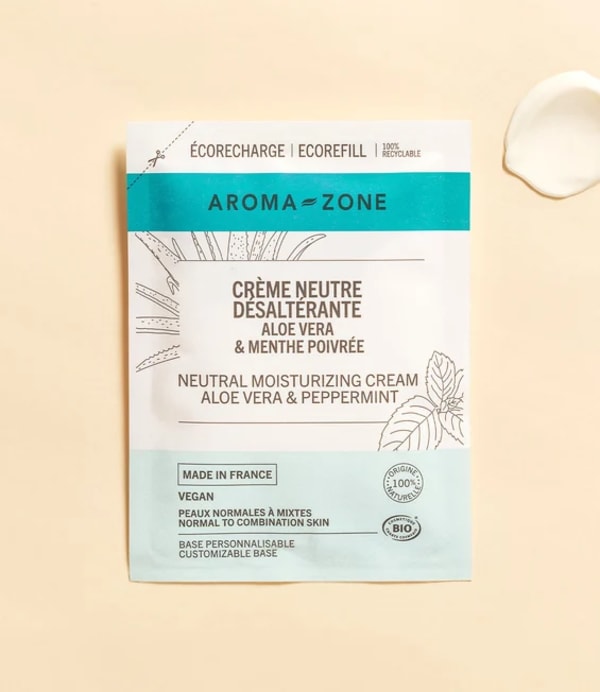
4. Intensely Moisurising Face Cream enriched with aloe vera gel and mint hydrosol provides intense, long-lasting hydration and preserves the skin's hydrolipidic film.
Combinations and associations
Micronised rice powder: used in combination with mask recipes using activated charcoal helps you achieve a good texture and ensure good adhesion to the skin. These ingredients also make it easier to apply and keep the mask on while helping the active ingredients to penetrate.
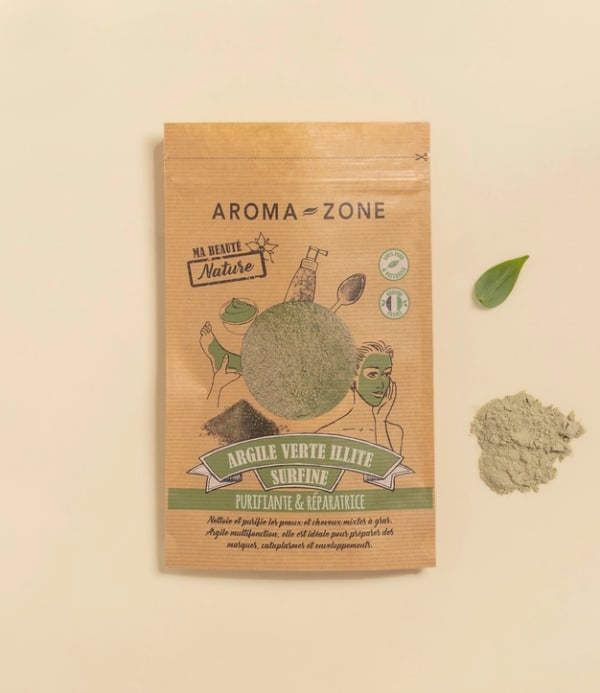
Clay: green illite clay is particularly suited to oily skin and combination skin, thanks to its absorbing, purifying and detoxifying properties. It helps to regulate sebum production and purify the skin. Used in combination with activated charcoal, it absorbs fats and impurities.
Contraindications
Storage of activated charcoal: activated charcoal should be stored in a dry place, away from moisture and light. Once opened, it is advisable to keep it in an airtight container to prevent it from absorbing moisture.
Recipes you can make at home using activated charcoal
Expert advice
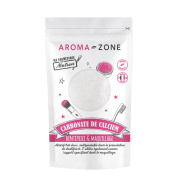
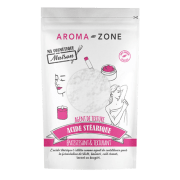
To make an activated charcoal anti-blackhead patch, mix gelatine, milk and activated charcoal. Apply the mixture to the nose with a brush. Leave to dry completely before removing the patch. This mask helps to clean pores and eliminate blackheads thanks to the charcoal's absorbent properties.
Spotlight on our nutrition coach writer: Sonia Mérité

Sonia Caillol Mérité holds a doctorate in pharmacy and a university diploma in dietetics, nutrition and health.
Sonia has always been passionate about nutrition and its effects on our health. Diet is paramount for her, and she adjusts nutritional regimes to suit her patients' lifestyles, medical treatments, preferences and hopes to help them regain and maintain their well-being.
Sonia is a pharmacy assistant, nutrition coach and writer for Aroma-Zone. She shares advice on rebalancing your diet and using natural supplements to support a healthy lifestyle — all while still enjoying food that tastes good. And that really matters.
You can find all her advice on her Instagram page: nutrisonia13
Bibliography
Wang xiufang tian yong.
"Activated Charcoal: Preparation, Characterization and Applications-A Review." Journal of Chemical Technology and Biotechnology
Bradberry SM, Vale JA, Multiple-dose activated charcoal: a review of relevant clinical studies J Toxicol Clin Toxicol. 1995;33(5):407-16.
Applications of Activated Carbon in Cosmetics and Dermatological Products


Frequently Asked Questions
Associated tips
Digestion, detox & gut microbiota
Digestion, detox & gut microbiota


