What is carob and what are its benefits?

What is carob and what are its benefits?


By Lauréna Valette

Published on: Wednesday, October 25, 2023, Updated on: Thursday, October 08, 2026

Carob, whose origins date back to antiquity, has long been valued for its medicinal properties. Let's explore the characteristics of this pod, its many health benefits, and how to incorporate it into your daily routine.

Contents

Related products

Carob: Origin and Composition

The carob tree, also known as Ceratonia siliqua, is a tree native to the Middle East that has spread throughout the Mediterranean basin. Robust, it thrives particularly well in hot, dry climates, where it finds well-drained soil to flourish. Carob trees can reach a height of 5 to 7 metres, and under ideal conditions, some specimens can even grow up to 15 metres tall.

The fruit of the carob tree, the carob

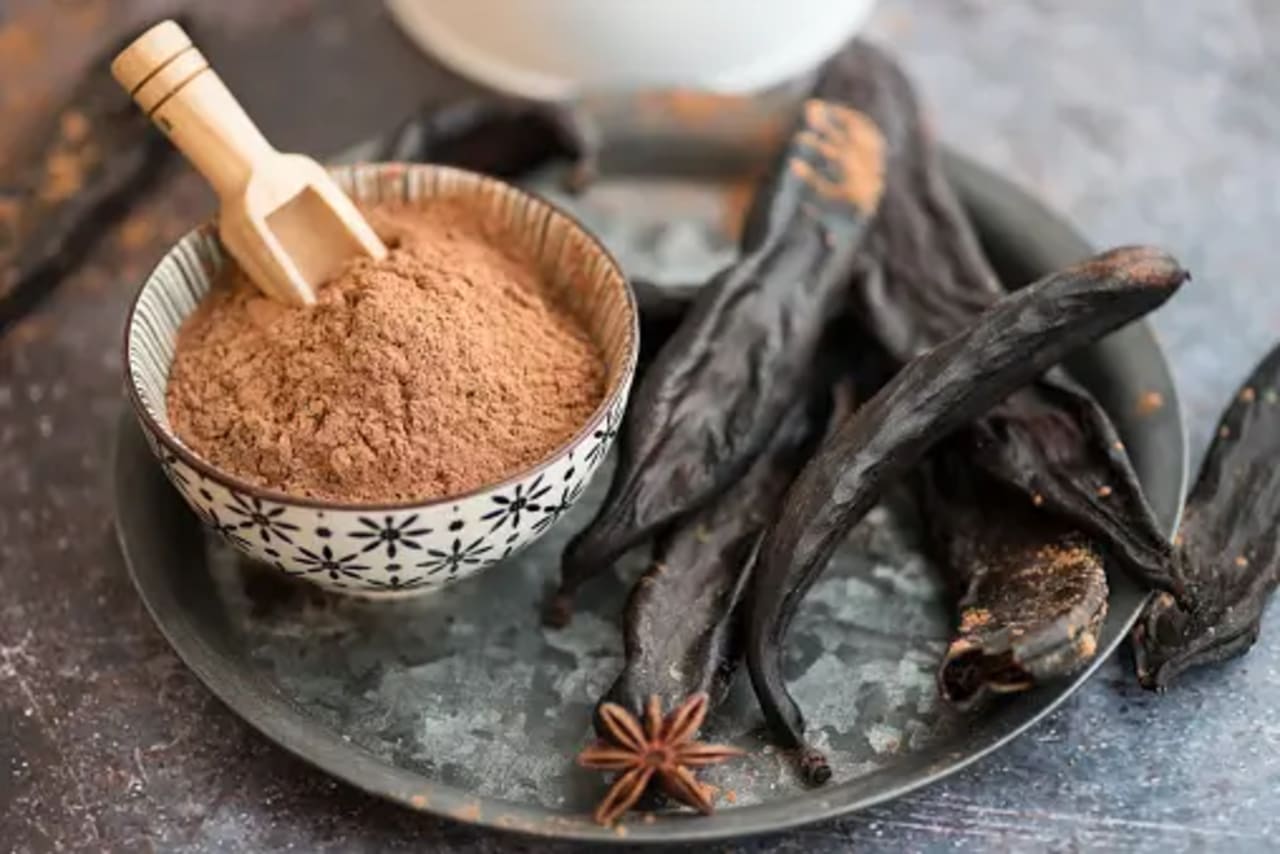
Carob is the fruit of the carob tree (Ceratonia siliqua), a tree belonging to the legume family, just like chickpeas and lupins. It comes in the form of elongated pods, generally measuring between 10 and 30cm in length, and dark brown in colour when ripe.

Each carob pod consists of several distinct parts, each with different uses and nutritional characteristics.

The carob pod consists of:

  • a fleshy, naturally sweet pulp, which makes up the majority of the fruit,

  • hard seeds, located inside the pod.

The pulp can be eaten fresh (less common) or dried, then processed. It is from this dried pulp that carob powder is obtained, sometimes mistakenly called “carob cocoa.”

The seeds, meanwhile, are used to produce carob gum (or carob seed flour), a distinct ingredient with specific technological properties.

Carob powder (made from the pulp)

Carob powder is obtained by drying and grinding the pulp of the pod. Ranging in colour from light to dark brown, it is distinguished by:

  • a naturally sweet flavor,

  • a fine texture,

  • the absence of caffeine and theobromine.

Nutritionally, carob powder is characterised by:

  • a high carbohydrate content, mainly in the form of naturally occurring sugars,

  • a low fat content,

  • a significant amount of dietary fibre,

  • naturally occurring minerals, such as calcium and potassium, in varying amounts depending on the source and processing method.

Its energy content remains moderate, primarily due to its high carbohydrate content, which distinguishes it from cocoa, which is higher in fat.

Carob seeds and carob gum

Carob seeds, which are very hard, are not eaten as is. They are used to produce carob gum, also known as carob seed flour.

This gum comes in the form of white or light beige powder, composed mainly of polysaccharides. It is very low in calories and is used primarily for its thickening and texturising properties, particularly in food.

It should not be confused with carob powder made from the pulp, as their uses and compositions are very different.

Raw, fresh, or processed carob: what are the differences?

Each form has distinct nutritional characteristics and uses, which explains the diversity of carob’s applications in food:

  • Fresh carob: Rarely consumed, this refers to the pod harvested before drying.

  • Dried carob: The most common form, which allows for better preservation.

  • Carob powder: Made from dried and ground pulp, ready to use.

  • Seed-based products: Specifically processed to produce carob gum.

What does carob taste like?

Carob tastes similar to chocolate. The powder consists of 40% sugar, 35% starch, and 7% protein.

To produce it, the seeds must be extracted from the pod and then ground. Next, the carob powder is dried, which helps preserve its natural aroma and texture. Finally, to enhance its flavor, it is roasted, giving it chocolate-like notes. Once this process is complete, it is ground into a fine powder ready for use.


What are the benefits of carob?

Carob powder is considered a superfood. Its composition, which is excellent for health, contains: 

  • antioxidants (polyphenols, quercetin, myricetin)

  • carbohydrates (glucose and sucrose)

  • vitamins A, B, B2, D2, and E

  • minerals and trace elements (magnesium, potassium, iron, silica, calcium, phosphorus)

  • tannins

  • proteins

  • pectin

Carob and its antioxidant micronutrients

Carob is distinguished by its content of vitamins and antioxidants, which help protect cells from oxidative stress—a natural phenomenon linked in particular to environmental exposure and the body’s normal metabolism.

It contains, in particular:

  • vitamin B2 (riboflavin), which contributes to the normal functioning of energy metabolism and helps protect cells against oxidative stress,

  • vitamin A, involved in maintaining normal physiological functions, including cell renewal,

  • vitamin E, recognised for its role in protecting cells against oxidative stress.

These micronutrients are part of a varied and balanced diet, although the consumption of carob alone cannot claim to have a specific effect on the immune system or inflammatory processes.

Dietary Fibre and Digestive Comfort

Carob powder is naturally rich in dietary fibre, a component recognised for its role in promoting a feeling of fullness and supporting healthy digestion as part of a balanced diet.

Certain scientific studies have examined the traditional use of carob-based products in the context of digestive comfort, particularly in relation to their fibre and tannin content. However, this research is based on specific observations and does not allow for the establishment of generalisable health claims.

Carob can therefore be incorporated into the diet as a source of fibre, without replacing medical care in cases of persistent digestive disorders.

Carob and the glycemic index

Carob has a low glycemic index, partly due to its high fibre content. Some studies have examined the potential impact of this characteristic in the context of diet, particularly on the rate of carbohydrate absorption.

These data suggest that fibre may help modulate sugar absorption, but they do not constitute an authorised claim regarding blood sugar regulation. Carob consumption should therefore be considered a dietary choice, integrated into an overall diet tailored to individual needs.

Carob Fibre and Cholesterol

Several studies have examined the effect of the soluble fibre and polyphenols found in carob on certain lipid markers. This research falls within a scientific and nutritional framework but does not support a validated health claim regarding the reduction of cholesterol.

Carob can be considered a valuable source of fibre, recognised for its role in a balanced diet, though it cannot replace personalised medical or nutritional recommendations.

How to eat carob?

In everyday life, carob offers an alternative to cocoa. Its caramelised flavour makes it an excellent choice in recipes. It can be dissolved in both hot and cold beverages, or added to various dishes.

  • Hot Beverages: Replace cocoa with carob powder in your hot chocolate for a version with a caramelised flavor. You can also add it to your coffee or hot milk for a gourmet touch.

  • Baked goods: Carob can be incorporated into your baking recipes. It can be used to flavour cakes, brownies, muffins, and cookies.

  • Smoothies: Create indulgent smoothies by combining carob with fruit, milk, or yoghurt. A blend of bananas and carob creates a creamy and delicious drink, perfect for a healthy breakfast.

What to pair it with?

Carob pairs easily with various ingredients that highlight its sweet, naturally caramelised flavor.

It pairs particularly well with:

  • fruits with soft flesh, such as bananas, pears, or apples,

  • dried fruits or nuts (almonds, hazelnuts, walnuts),

  • grain products and neutral bases, which balance its sweetness,

  • mild flavors such as vanilla or cinnamon, used sparingly.

These combinations allow for recipe variety and make carob suitable for many preparations, while preserving its natural flavour profile.

What can be used as a substitute for carob?

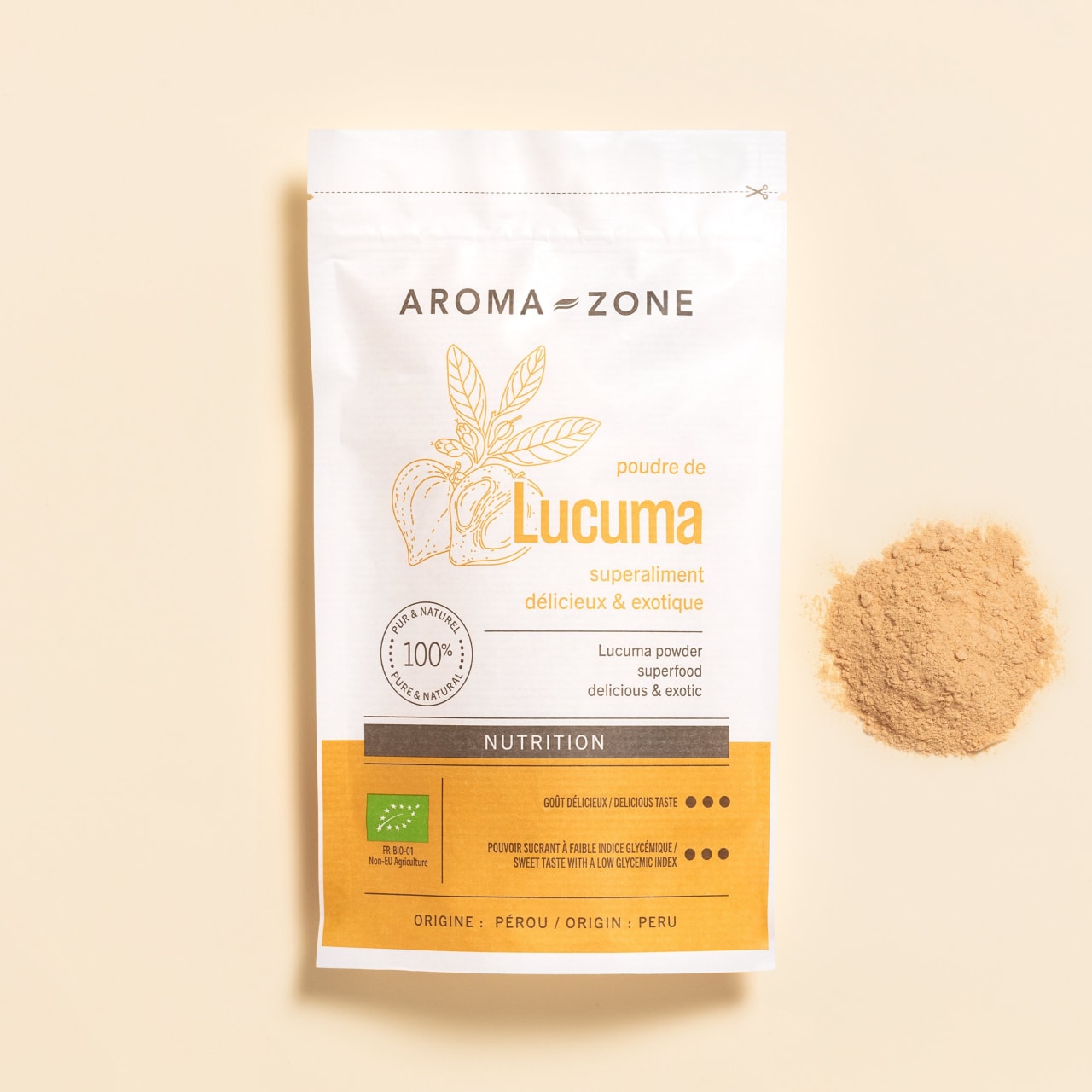
Looking for an alternative to carob? Various substitutes are available depending on your culinary preferences. For a caramelised flavor, use molasses in moderation, as it is sweeter than carob. Opt for a natural alternative with a mild caramel flavour: lucuma powder, which is ideal for baked goods and beverages. Finally, cinnamon and vanilla will enhance the flavour of your recipes.

Contraindications

Carob powder is generally considered safe for most people when consumed in moderation. However, there are certain contraindications and precautions to keep in mind:

  • Diabetes: Since carob can affect blood sugar levels, people with diabetes should closely monitor their blood sugar levels when consuming carob. It is recommended to consult a healthcare professional to determine the appropriate amount to include in their diet.

  • Kidney Failure: If you have kidney failure, you should exercise caution with carob powder due to its content of certain nutrients, particularly potassium. A medical consultation is advised to determine if its use is safe in this case.

  • Anemia: Carob contains iron, which can be beneficial for some people, but it may be contraindicated for those with iron overload or specific medical conditions related to iron metabolism. 

Pregnant or breastfeeding women: As a precaution, they should avoid consuming carob for an extended period.

Photo credit: CreatiVegan from istockphoto

Spotlight On Our Writer: Lauréna Valette

Lauréna Valette

Lauréna is a journalist specialising in lifestyle, wellness, and psychology. Between writing articles, she travels around the world, discovering what it has to teach us.

Bibliography

  1. Short-term effects of a low glycemic index carob-containing snack on energy intake, satiety, and glycemic response in normal-weight, healthy adults: Results from two randomized trials

    Emilia Papakonstantinou, National Library of Medicine.

  2. Study of the Nutritional Value of Carob from Different Algerian Varieties

    GAOUAR Naila.

  3. Carob pulp preparation rich in insoluble fiber lowers postprandial blood glucose and insulin levels in healthy humans.

    Gruendel S., Garcia A. L., Otto B., Mueller C., Steiniger J., Weickert M. O. European Journal of Nutrition, 2006.

  4. Carob pulp preparation rich in insoluble fiber lowers total and LDL cholesterol in patients with hypercholesterolemia.

    Zunft H. J. F., Lüder W., Harde A., Haber B., Graubaum H. J., Koebnick C., Grünwald J. European Journal of Nutrition, 2003.

  5. Carob bean gum for the treatment of acute diarrhea in infants.

    Loeb H., Vandenplas Y., Wursch P., Guesry P. Journal of Pediatric Gastroenterology and Nutrition, 1989.