

Saw palmetto: uses, dosage, and precautions

Saw palmetto: uses, dosage, and precautions


By Stéphanie Catrysse

Published on: Monday, June 16, 2025, Updated on: Tuesday, September 15, 2026

Have you heard of saw palmetto? This small North American palm tree, also known as the dwarf palm, is a natural ally that is increasingly valued for combating hair loss and regulating hormonal balance. Used for centuries by Native American peoples, it has now found its place in wellness routines, whether as an internal remedy or a hair care treatment. But how should you use it? In what form? And what precautions should you take? In this article, discover the essentials for safely enjoying its full benefits.

Contents

Related products

Saw palmetto: what is it?

Saw palmetto (Serenoa repens) is a dwarf palm tree that grows primarily in the southeastern United States. Its fruits, small red berries, are used in herbal medicine for their medicinal properties. Traditionally, Native Americans consumed these berries to support male vitality, treat certain urinary disorders, and boost overall health. Today, saw palmetto is best known for its effects on prostate health and the prevention of hair loss, thanks to its high content of fatty acids and phytosterols. Saw palmetto works primarily by modulating hormonal activity, specifically by inhibiting the enzyme 5-alpha-reductase, which is responsible for converting testosterone into dihydrotestosterone (DHT), a hormone implicated in hair loss and benign prostatic hyperplasia. By acting on hormonal conversion, saw palmetto directly targets the imbalances involved in androgenetic hair loss and benign prostatic hyperplasia.

A Closer Look at the Composition of Saw Palmetto

Saw palmetto is rich in:

  • Essential fatty acids: lauric, oleic, myristic, capric, caprylic, and palmitic acids. These fatty acids are essential for the health of cell membranes and possess anti-inflammatory and nourishing properties for the scalp.

  • Phytosterols: Notably β-sitosterol and stigmasterol, which play a key role in inhibiting 5-alpha-reductase and thus in reducing DHT.

  • Flavonoids and polysaccharides: They contribute to the antioxidant and anti-inflammatory action of saw palmetto, thereby protecting cells from oxidative stress.

  • Other nutrients: vitamins (particularly vitamin E, a major antioxidant), minerals, and trace elements present in smaller quantities but which contribute to the overall vitality of the hair and scalp.

Why use this plant?

Saw palmetto can be used in various situations, particularly in cases of hormonal imbalance or discomfort related to the urinary or hair systems. Its properties make it an active ingredient of choice for:

Androgenetic alopecia

In men as well as in women, hypersensitivity to DHT (dihydrotestosterone) can lead to progressive hair loss, primarily concentrated at the temples and the crown of the head. By modulating the activity of 5-alpha-reductase, saw palmetto helps limit this hormonal transformation, which can slow hair loss and support denser regrowth.

Benign Prostatic Hyperplasia (BPH)

Traditionally used to improve urinary comfort, saw palmetto addresses urinary issues associated with benign prostate enlargement. It can promote better urine flow, reduce the urge to urinate frequently, and alleviate nighttime discomfort in adult men.

Acne, excessive hair growth, and hormonal imbalances

Excessive DHT production can also contribute to other conditions such as hormonal acne or increased body hair in some women. By inhibiting the conversion of testosterone, saw palmetto helps rebalance androgens, with a potentially beneficial effect in certain specific hormonal situations. Several sources in herbal medicine and certain studies suggest that this plant may be useful as a supportive treatment in cases of PCOS with androgenic dominance.

Localized inflammation

Saw palmetto also possesses mild anti-inflammatory properties, particularly useful for soothing inflammation in pelvic tissues or supporting scalp health in cases of chronic discomfort. 

It is essential to remember that the use of saw palmetto should be part of a holistic approach, incorporating a balanced diet, a healthy lifestyle, and, if necessary, medical supervision.

What are its benefits?

Saw palmetto offers numerous benefits:

  1. Slows androgenetic hair loss: It targets one of the main causes of androgenetic alopecia, the most common form of hormonal hair loss: the conversion of testosterone into DHT. By limiting this hormonal transformation, it helps slow hair loss, thereby helping to preserve hair density.

  2. Stimulates regrowth and improves hair quality: In addition to slowing hair loss, saw palmetto promotes the growth of thicker, stronger hair. It strengthens hair follicles and improves the overall appearance of the hair, helping to achieve better hair quality.

  3. Supports prostate health: Traditionally used in herbal medicine, saw palmetto is recognized for its beneficial effects on urinary symptoms associated with benign prostatic hyperplasia (BPH). At a dose of 320 mg per day for 12 to 24 weeks, it can improve urinary flow, reduce the frequency of nighttime urination, and improve quality of life.

  4. Improves urinary comfort: By acting on the prostate and reducing inflammation, saw palmetto can promote better urinary function, particularly in men experiencing frequent, urgent, or incomplete urination.

  5. Reduces inflammation: Saw palmetto has demonstrated anti-inflammatory activity, particularly through its effect on certain markers such as IL-6. This property is beneficial for prostate conditions, but also helps soothe scalp inflammation, such as itching, irritation, or dandruff.

  6. Contributes to hormonal balance: By curbing excess DHT, saw palmetto acts as a mild hormonal regulator. This rebalancing can have a positive impact on the skin (reduction of hormonal acne), body hair, overall vitality, libido, and even body composition. This effect applies to both men and women in certain specific situations.

How to use it?

Saw palmetto can be taken orally or applied topically, depending on your goals: hormonal hair loss, androgen balance, or prostate support. For optimal results, we recommend following a well-dosed regimen for a sufficiently long period.

Oral use: for effects on hormones and the prostate

  • Recommended dosage: The dosage depends on the type of extract and its standardization. Refer to the manufacturer’s recommendations.

  • Duration of treatment: 3 to 6 months, depending on needs. This is the duration generally used in studies to observe effects on hair loss, benign prostatic hyperplasia (BPH), or excess DHT.

  • Available forms: capsules, tablets, or dosed liquid extract.

Choose dietary supplements from reputable brands, available at pharmacies or on recognized websites.

Topical application: for targeted hair care

  • Saw palmetto serum or lotion: Apply 3 to 4 times a week to the scalp, focusing on thinning areas. Gently massage to stimulate microcirculation and promote absorption.

  • Oil treatment (oily macerate): Apply to dry scalp, leave on for 30 minutes to 2 hours, then wash gently. This weekly treatment nourishes and revitalizes the scalp.

Synergies and possible combinations

Saw palmetto can be combined with other plants or nutrients to enhance its effectiveness. For example, nettle root, rich in silica and phytosterols, works synergistically to address hormonal hair loss. Zinc, B vitamins (particularly B6 and biotin), and copper are also beneficial for supporting hair and hormonal health. In cases of benign prostatic hyperplasia, a combination with Pygeum africanum (African plum) or small-flowered willowherb may be considered, under medical supervision. These combinations allow for action on several complementary mechanisms and optimize results over time.

Good to know: We recommend maintaining a consistent schedule for topical application or oral intake to optimize the long-term effectiveness of saw palmetto. Effects often appear gradually, after several weeks of continuous use.

For which hair types?

Saw palmetto is primarily intended for people experiencing hormone-related hair loss, both men and women. It is particularly recommended in the following cases:

  • Thinning hair or diffuse hair loss associated with androgenetic alopecia (male or female pattern baldness)

  • Fine or fragile hair lacking density and strength

  • A scalp prone to inflammation or hormonal imbalances, which may manifest as dandruff, itching, or excess sebum.

Spotlight on our Hair Complex dietary supplement

Capture d'écran 2026-07-28 113529

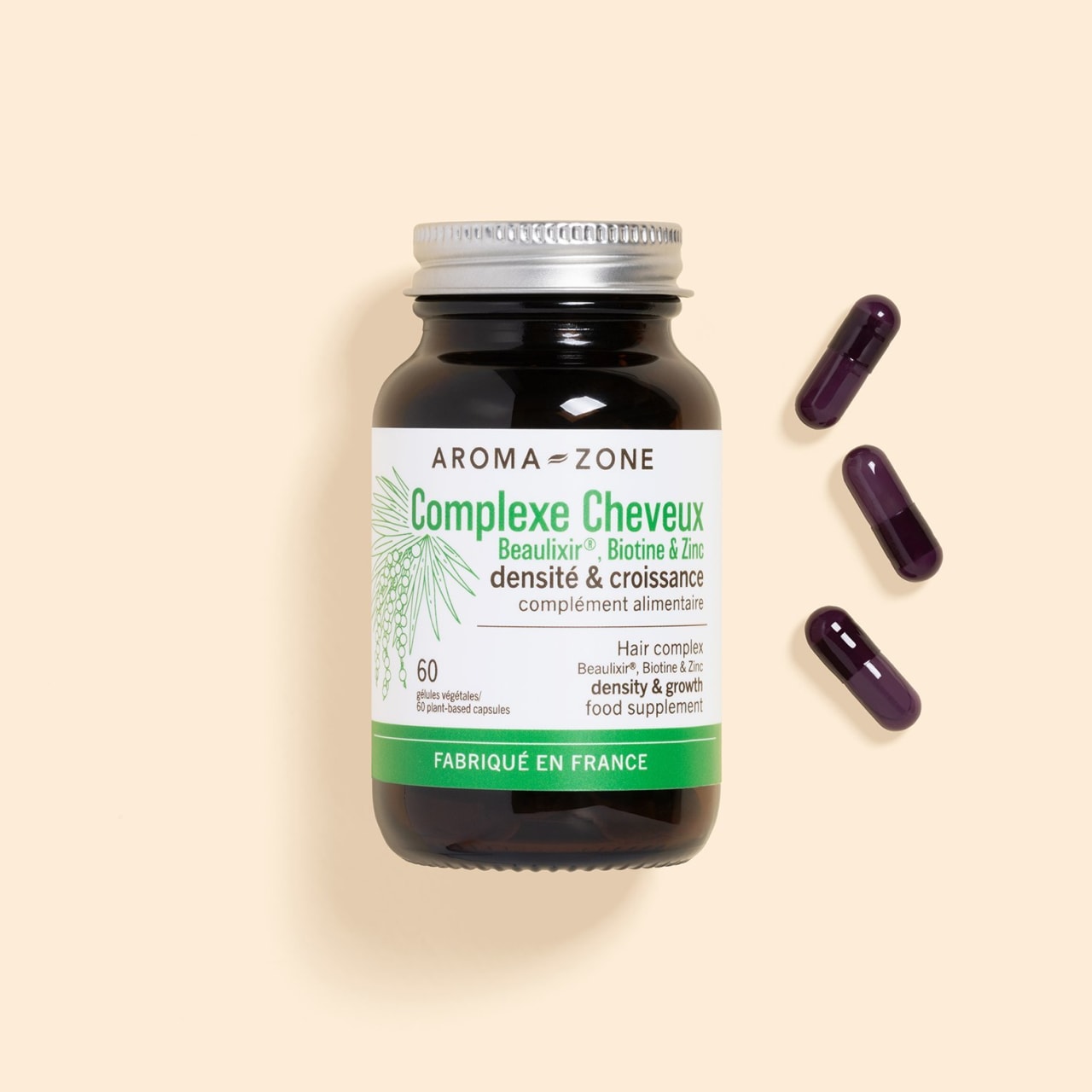
For thicker, fuller, and shinier hair, discover our Complexe Cheveux dietary supplement. Formulated with the active ingredient Beaulixir®, clinically proven to reduce hair loss and improve the appearance of hair. It contains oily extracts of saw palmetto, borage, flax, wheat, and rye, as well as pine bark phytosterols, which work synergistically with zinc and natural biotin (vitamin B8) to strengthen the hair shaft.

Discover the Hair Complex

What other natural solutions are there for preventing hair loss?

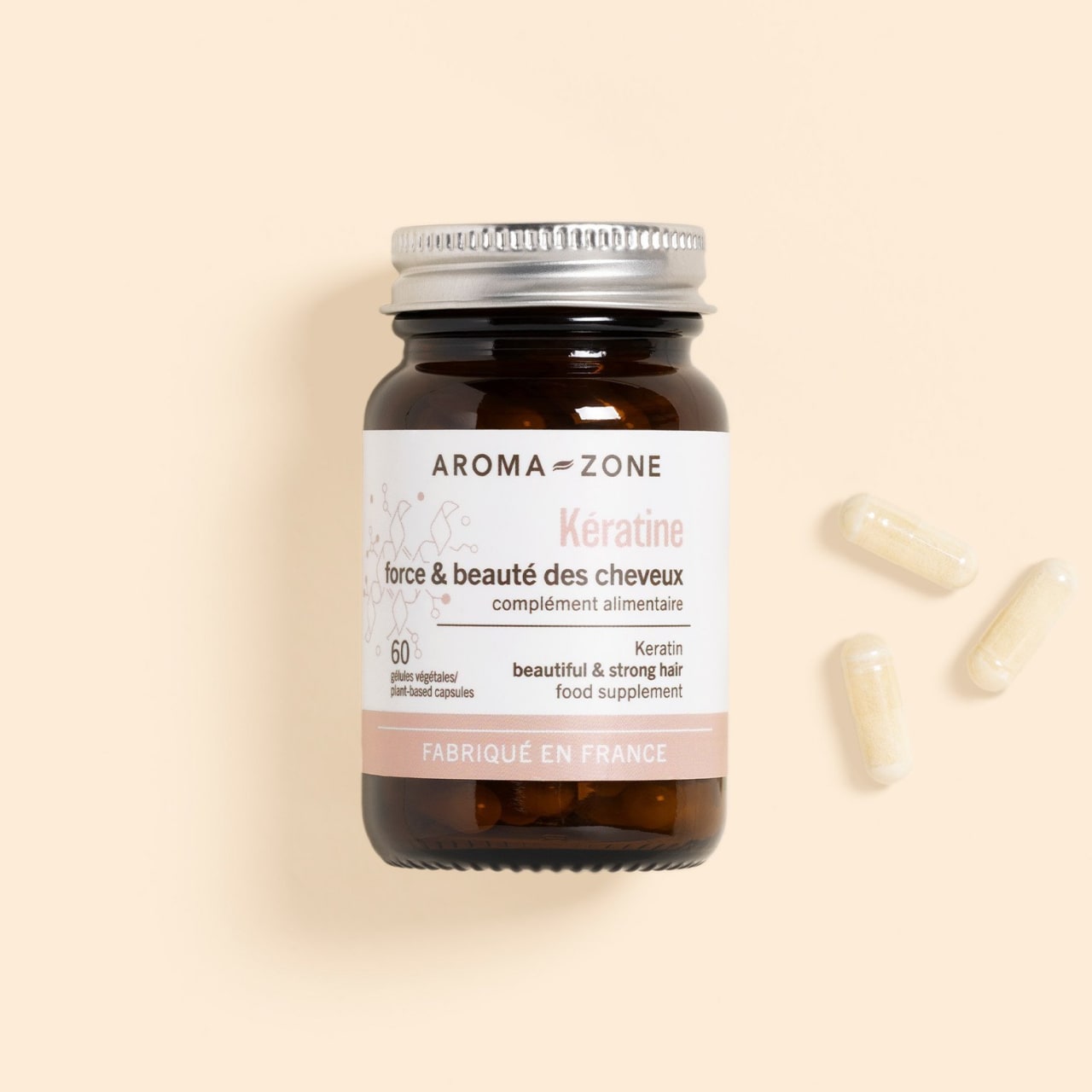
The Hair Complex can be combined with the dietary supplement Keratin, which provides the amino acids essential for hair growth, vitality, and strength. Take 2 capsules daily, with a glass of water. Not recommended for pregnant or breastfeeding women.

Discover Keratin - dietary supplement

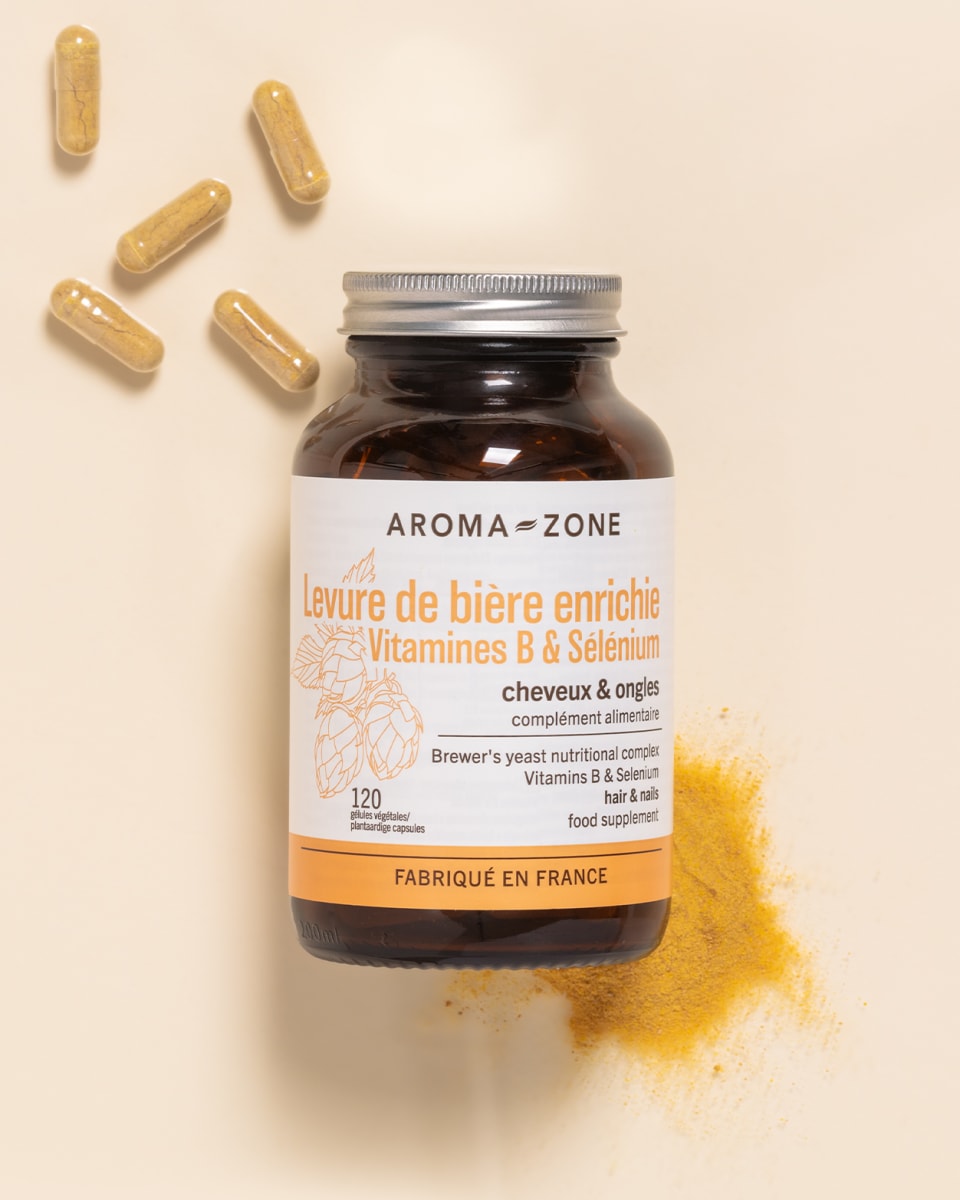
This dietary supplement for hair loss can be taken in combination with or alternated with the enriched Brewer’s Yeast dietary supplement, which provides all the B vitamins and selenium essential for healthy hair and nails. Take 1 to 2 capsules daily, with a glass of water. Not recommended for pregnant or breastfeeding women. This dietary supplement contains biotin (vitamin B8). Biotin may interfere with thyroid hormone tests; consult your doctor.

Discover Brewer’s Yeast Enriched with B Vitamins & Selenium

Precautions for Use

Saw palmetto affects hormonal balance and should be avoided during pregnancy, while breastfeeding, by minors, and in cases of hormone-dependent or liver conditions, unless otherwise advised by a doctor. It may interact with certain medications (anticoagulants, hormone therapy) and cause mild side effects (nausea, headaches, dizziness), which is why professional guidance is important if you have any doubts.

Expert Advice

To gently enhance the benefits of saw palmetto for your hair, take care of yourself with a colorful diet rich in antioxidants, such as berries, leafy greens, and nuts. Also, make time to calm your mind and manage your stress, which are key factors in preventing hair loss.

Spotlight on Our Naturopathic Writer: Stéphanie Catrysse

Stéphanie Catrysse is a naturopath (certified by the FENA), a wellness massage and lymphatic drainage practitioner, and a personal development coach. She is passionate about alternative medicine and practices a holistic approach to health.

Bibliography

  1. https://www.msdmanuals.com/fr/professional/sujets-spéciaux/compléments-alimentaires/chou-palmiste-palmier-nain

  2. https://www.nccih.nih.gov/health/saw-palmetto

  3. https://www.webmd.com/vitamins/ai/ingredientmono-971/saw-palmetto

  4. https://pmc.ncbi.nlm.nih.gov/articles/PMC10648974/

Frequently Asked Questions

Frequently Asked Questions