
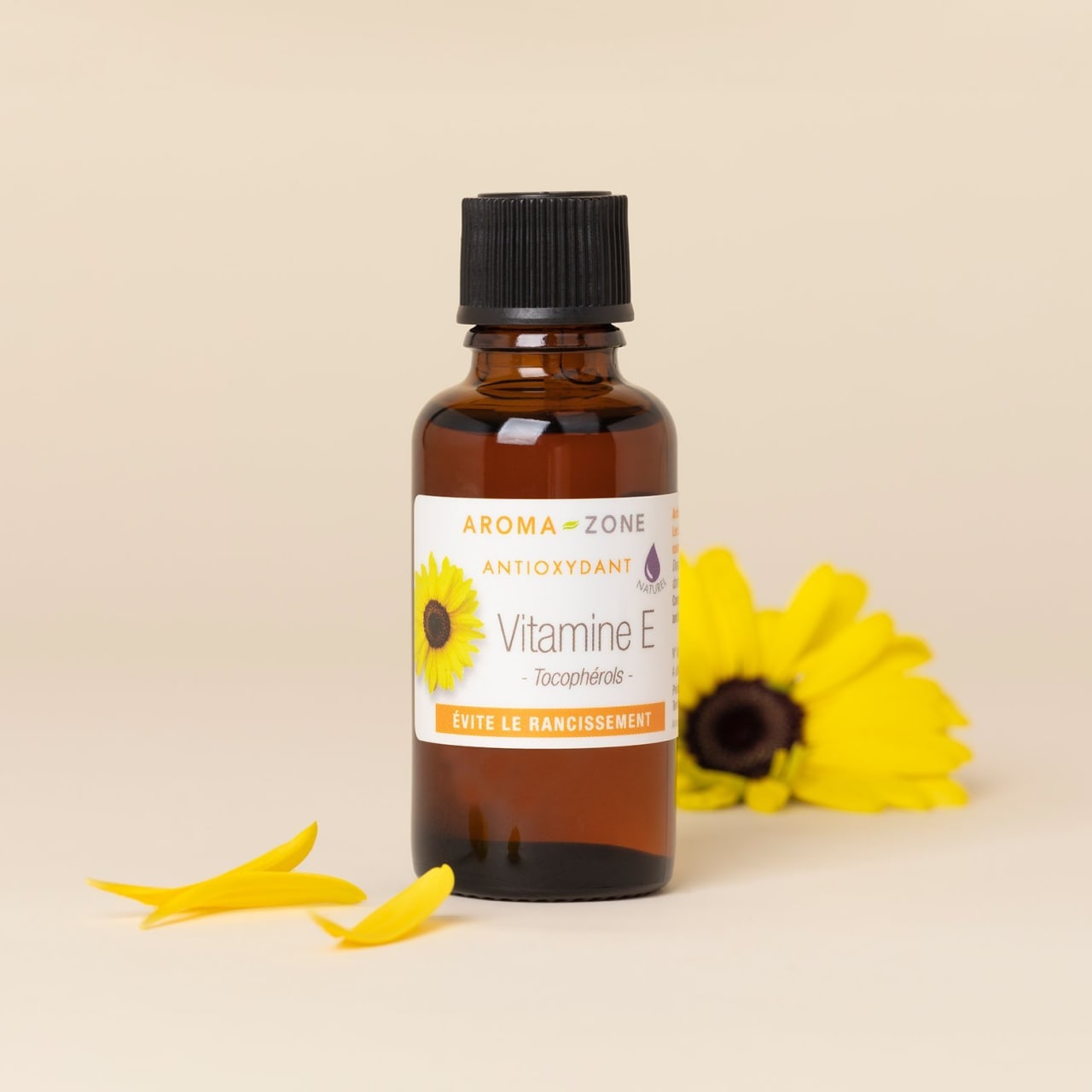
Vitamin E is a fat-soluble vitamin, like vitamins A, D and K. It is made up of a family of 8 organic molecules, 4 tocopherols and 4tocotrienols. Alpha-tocopherol is the most biologically active form of vitamin E and is best absorbed and stored by humans. With its natural antioxidant action, vitamin E is often referred to as tocopherol, whether it is in the form of a vitamin E food supplement or a cosmetic vitamin E oil
All you need to know about vitamin E
Published on: Tuesday, November 21, 2023, Updated on: Wednesday, September 30, 2026
A powerful antioxidant, vitamin E is a real ally in the fight against oxidative stress, both in our cells and preventing skin ageing. This fat-soluble vitamin, also known as tocopherol, is essential for the body to function properly. In cosmetics, this vitamin is not only used as a natural preservative, but also as an anti-ageing, anti-inflammatory and anti-free radical active ingredient. Here's an overview of the benefits of vitamin E for your health, skin and hair. Find out about the sources of vitamin E and how to incorporate it into your daily diet and skincare routine.
Contents
Related products
£9.00
30 ml
2 options
Youth-Enhancing Cream
Anti-ageing
£5.50
50 ml
Organic Prickly Pear Oil
Anti-ageing
Firming
£30.00
30 ml
2 options
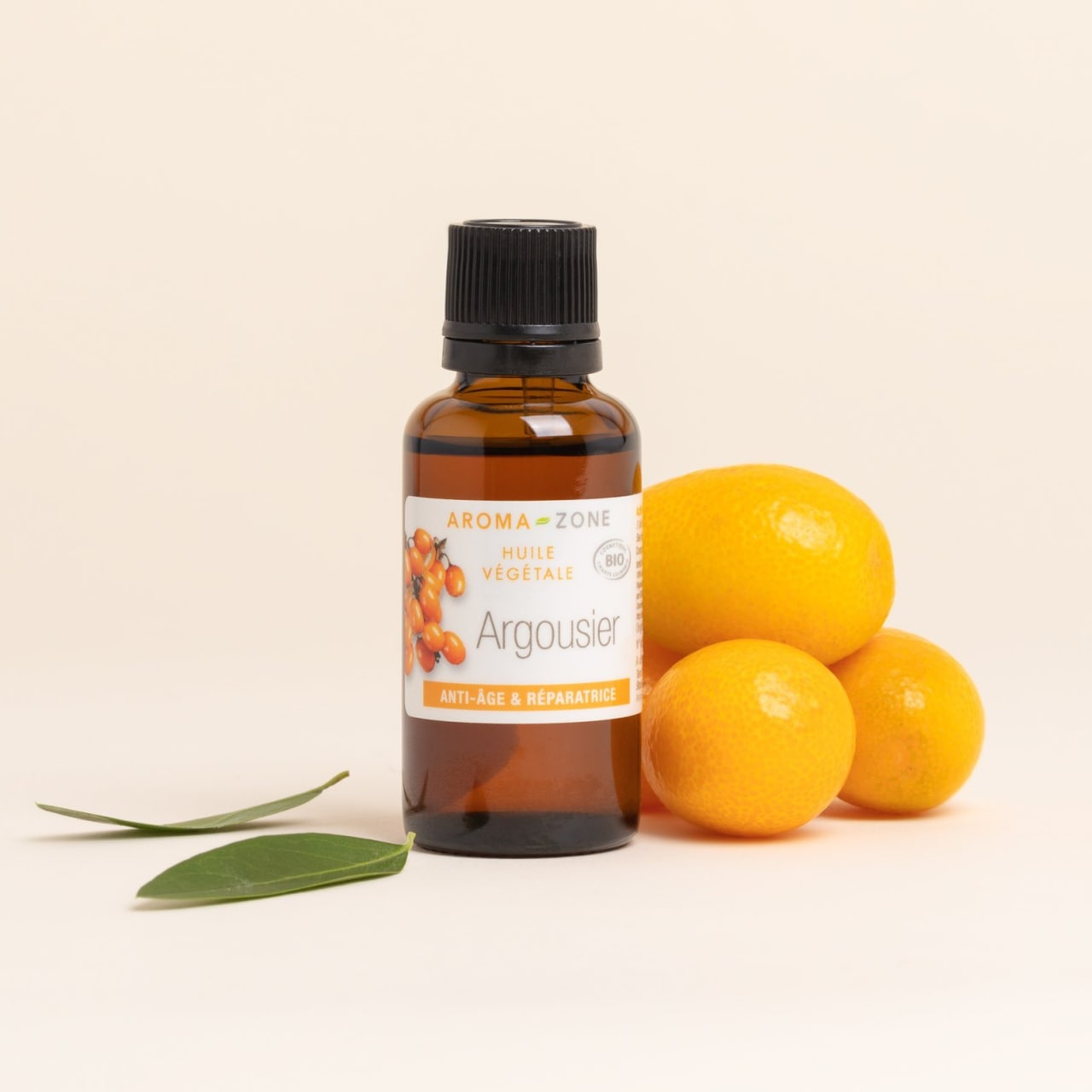
Organic Sea Buckthorn Seed Oil
Anti-ageing
£14.00
30 ml
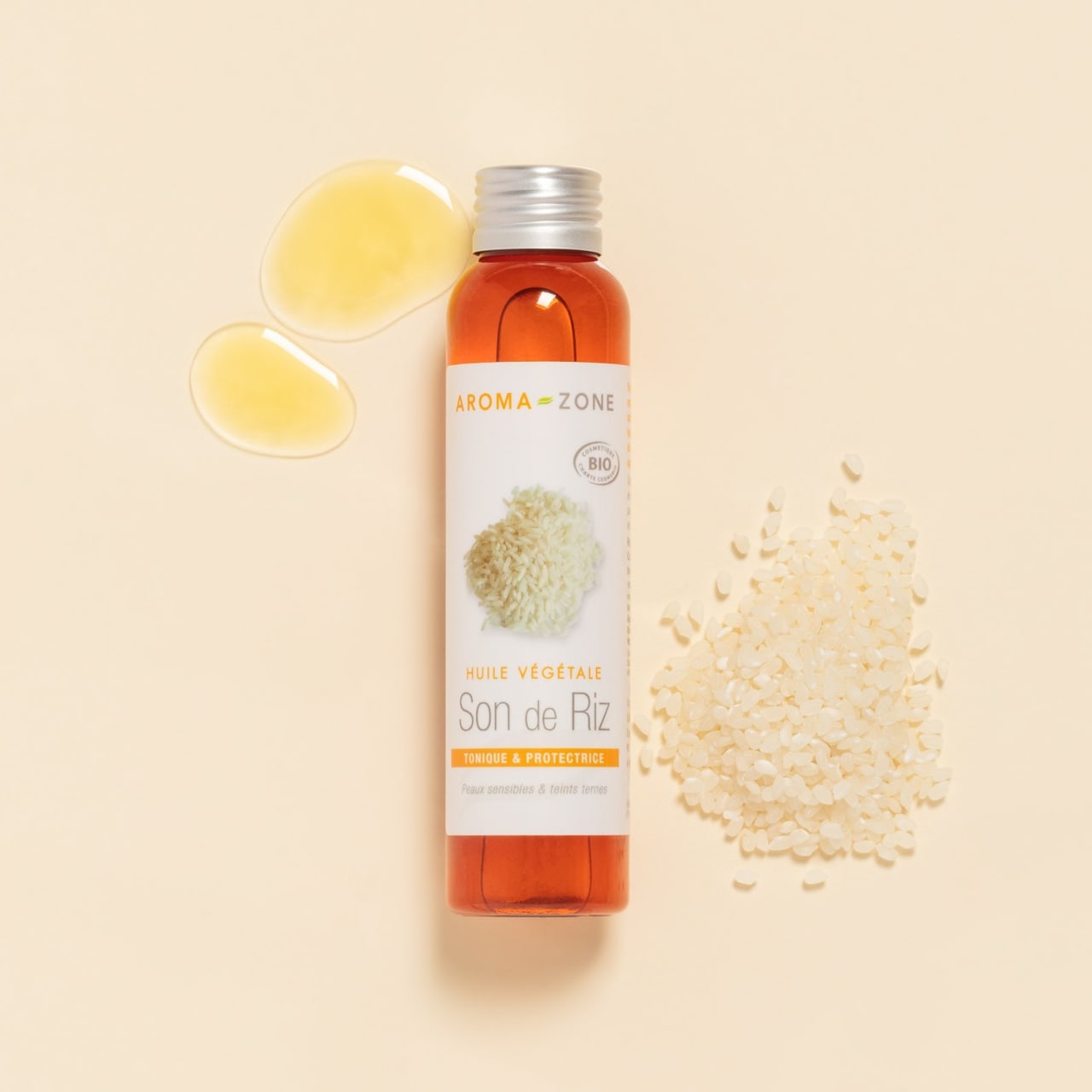
Organic Rice Bran Oil
Anti-ageing
Circulatory
£5.50
100 ml
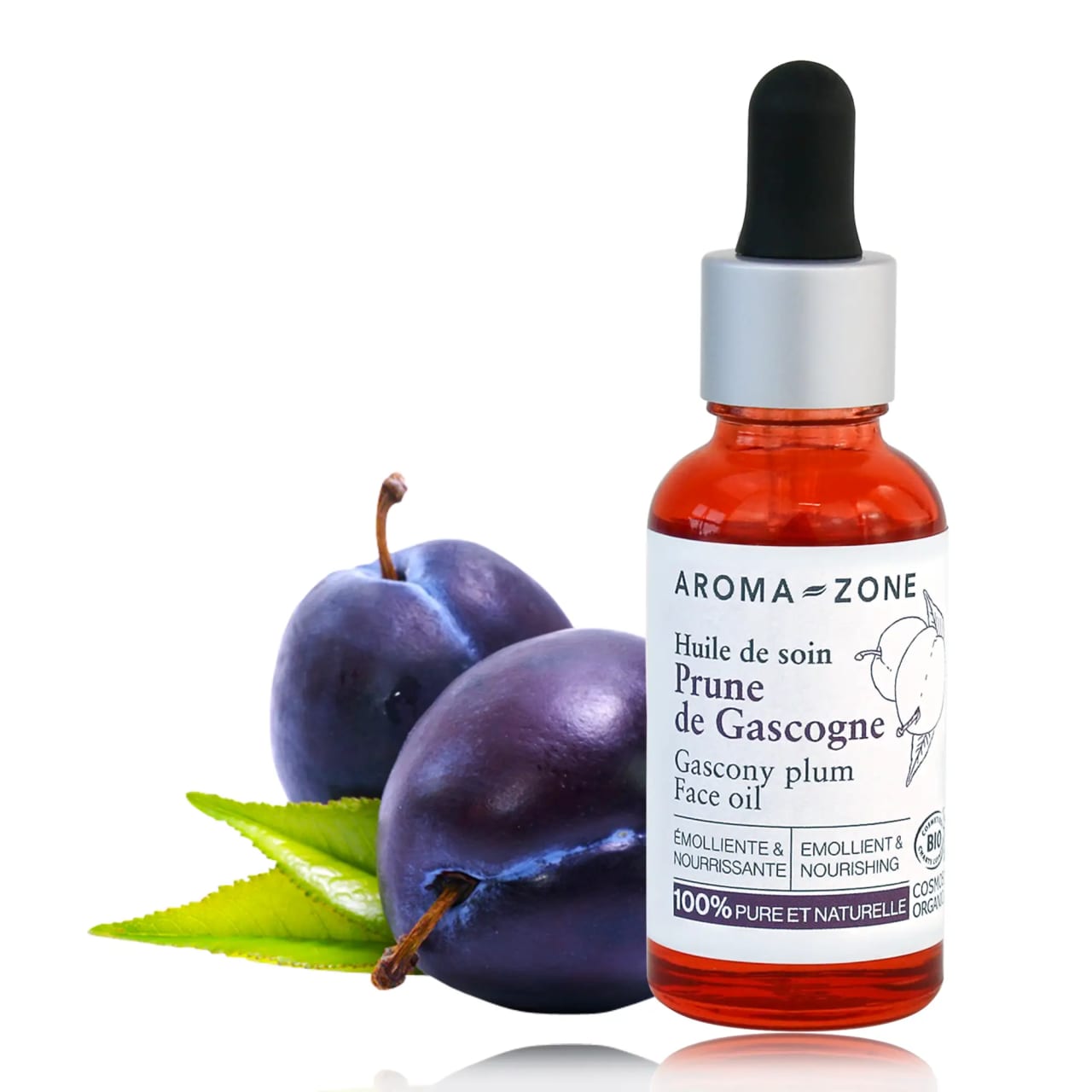
£8.50
30 ml
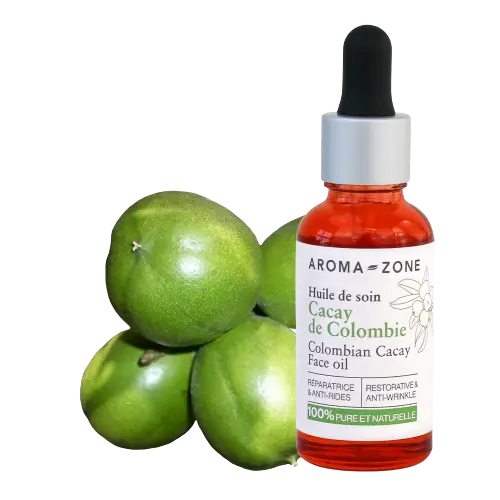
Colombian Cacay Face Oil
Anti-wrinkle
Repairing
£12.00
30 ml
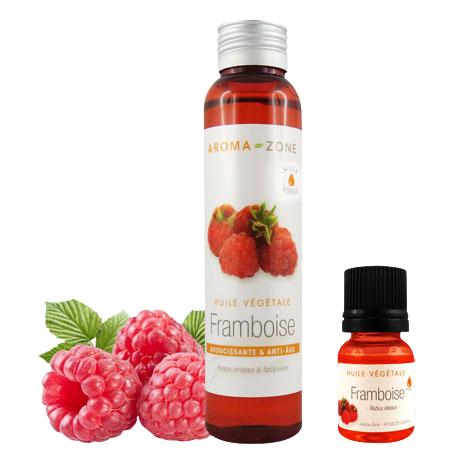
Raspberry Seed Oil
Anti-ageing
Soothing
£11.00
100 ml
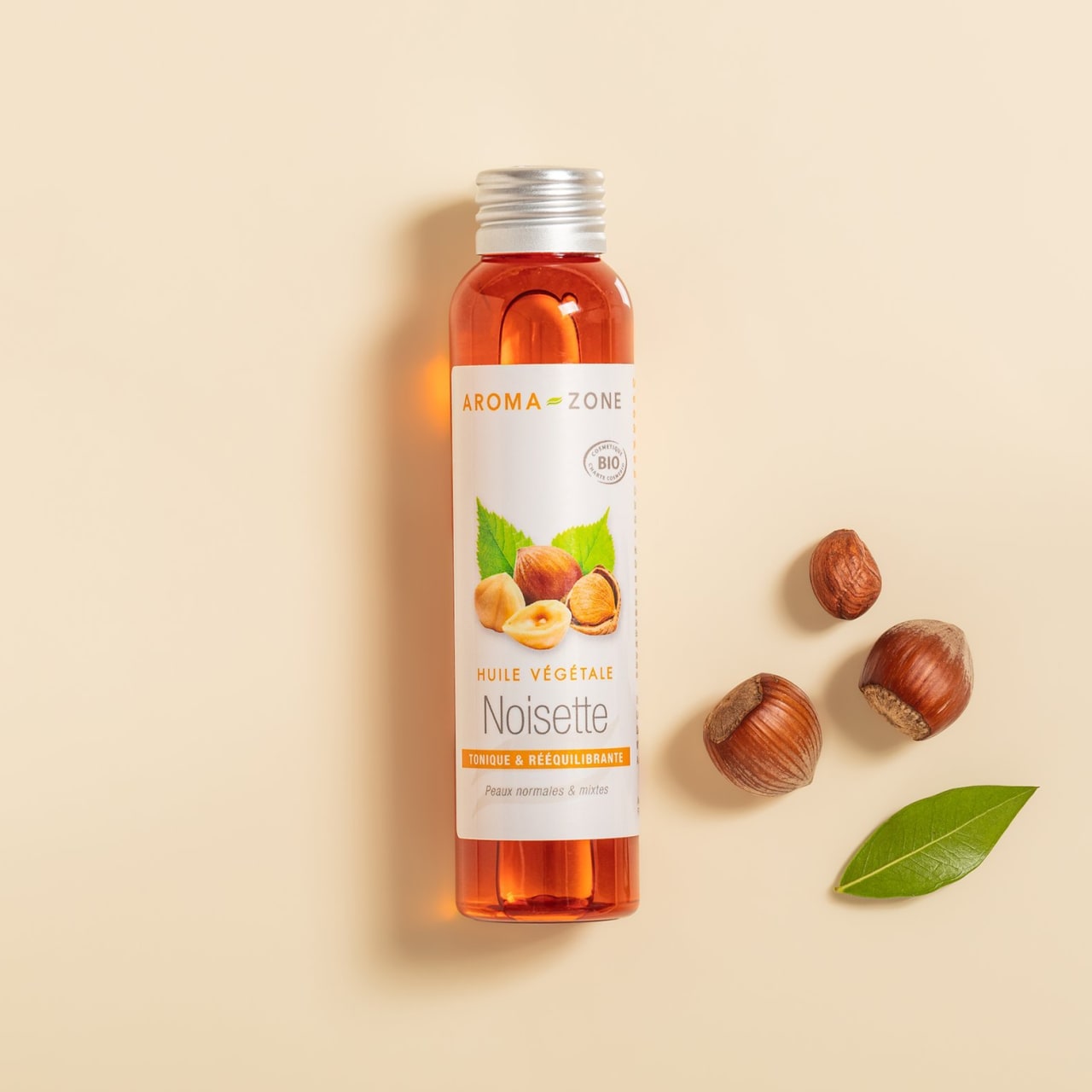
£8.00
100 ml
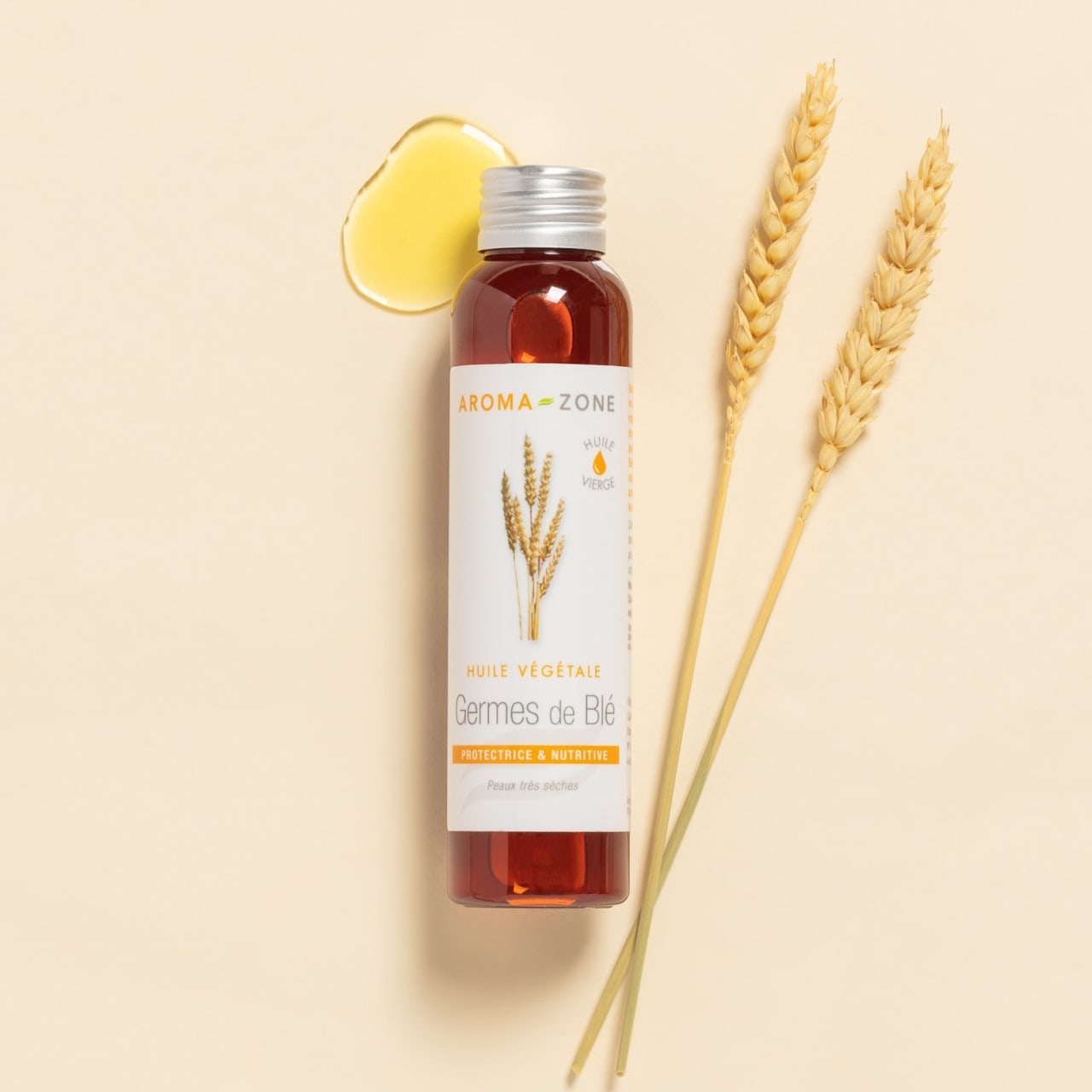
Wheat Germ Oil
Protective
Nourishing
£8.00
100 ml
2 options
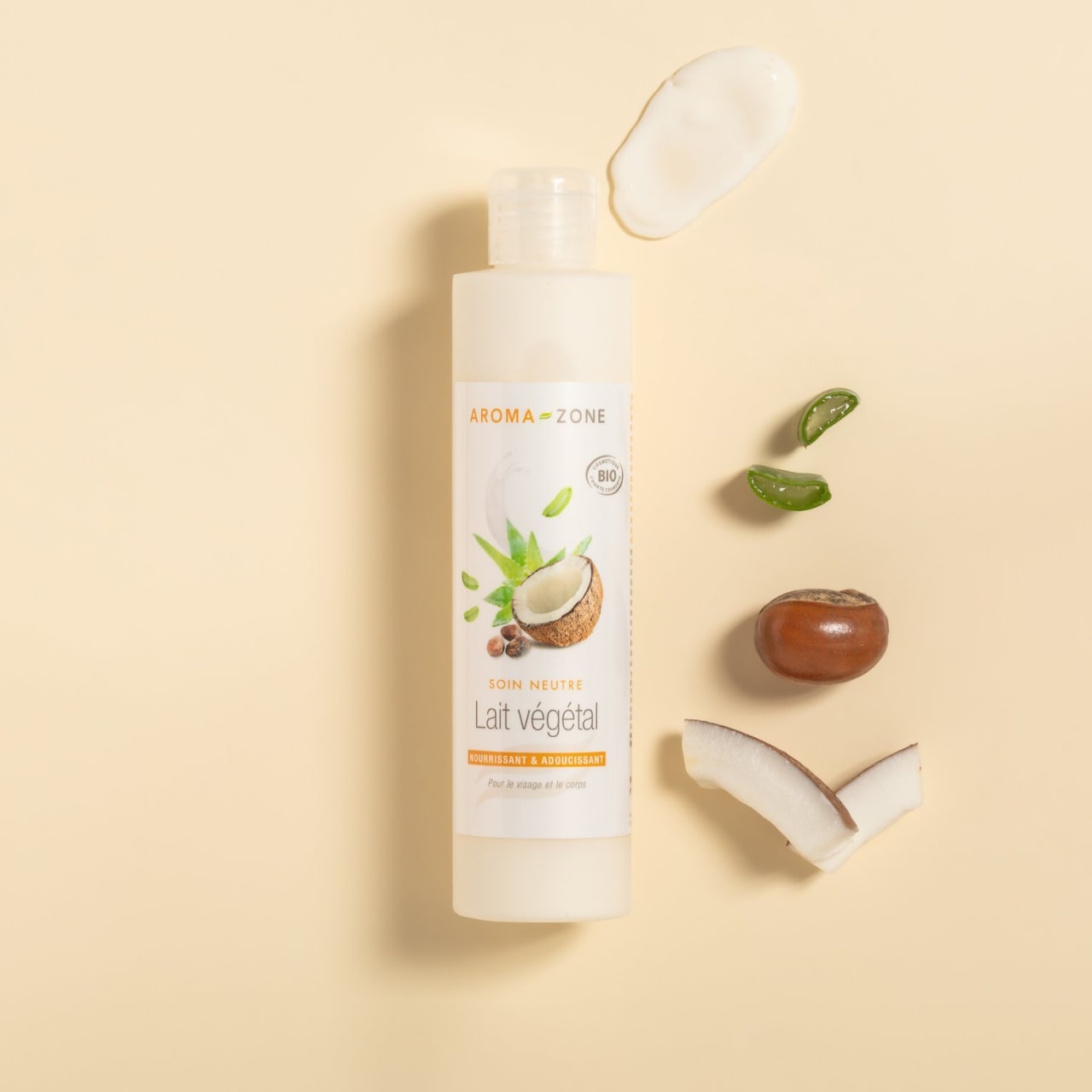
Neutral Plant-Based Lotion
Nourishing
£7.00
200 ml
What is tocopherol?
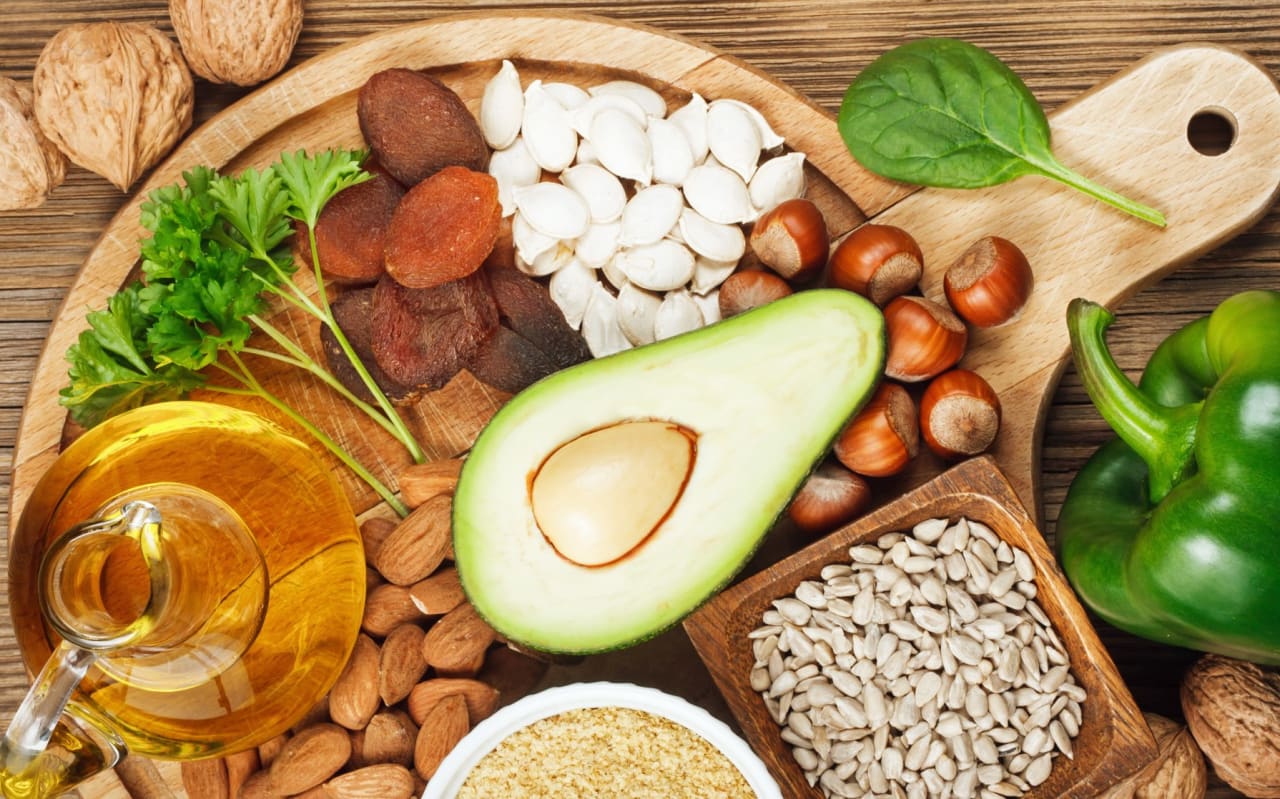
What foods are rich in vitamin E?
Fruits that contain the most vitamin E
To stock up on vitamin E (and more!), treat yourself to the following fruits:
Avocado
Blueberries
Dates
Olives
Blackberries
Mango
Dried apricots
Prunes
Other food sources of vitamin E
Where can I find vitamin E? Vegetable oils are the main source of vitamin E in our diet. Choose from sunflower oil, rapeseed oil, hazelnut oil, olive oil or wheat germ oil, etc. Add these vitamin E-rich carrier oils to your raw vegetable salads, cooked vegetables and fish. Also, remember to alternate between carrier oils to benefit from their different essential fatty acids (omega-6 and omega-3) and stay in good health.
Oilseeds (walnuts, hazelnuts, almonds, pine nuts and Brazil nuts), oily fish, green leafy vegetables (spinach and cabbage), broccoli, sweet potatoes and egg yolks are also important sources of vitamin E to include in your diet.
The role of food in vitamin E intake
For adults, the recommended daily requirement for vitamin E in the form of alpha-tocopherol is estimated at 12 IU/day (i.e. 12 mg of vitamin E per day) and 5 to 13 mg/day for infants and children.
Our diet plays a central role in our nutritional intake of vitamin E. With a varied diet, vitamin E deficiency is extremely rare, and in most cases our diet covers all our vitamin E nutritional requirements.
Include a few vitamin E-rich foods in your diet every day. Here's an easy way to create plates rich in essential micronutrients that will provide you with the vitamins, fatty acids and minerals your body needs:
Create colourful plates by mixing green, red and orange vegetables.
The colourful plate method is a good guide to eating healthily.
Also remember to:
Opt for gentle cooking methods
Eat good fats, which are essential for absorbing vitamin E (you'll find a list of vegetable oils rich in vitamin E above!)
Listen to your hunger and how you feel.
Eat sitting down in as calm and serene an atmosphere as possible.
Chew sufficiently.
The health benefits of vitamin E
The role of vitamin E in cell protection
Vitamin E has a number of functions in the body [1]. It:
Protects against oxidative stress.
Has anti-inflammatory effects.
Prevents the adhesion of bad cholesterol to arterial walls.
Protects cell membranes.
Plays an effective role in preventing certain diseases, such as cancer and cardiovascular disease.
Stimulates the immune system.
Understanding oxidative stress and the antioxidant action of vitamin E
A powerful antioxidant and free radical scavenger, vitamin E protects cells from the damaging effects of free radicals, also known as Reactive Oxygen Forms. Free radicals are atoms or molecules that have gained or lost an electron and are, therefore, unstable. These unstable molecules will try to capture or give up an electron to another nearby molecule, spreading the phenomenon. When this chain reaction occurs in the body, it is known as oxidative stress. To combat oxidative stress, our bodies produce natural antioxidants, enzymes and vitamins. Our diet is also a source of antioxidants. This oxidative stress is implicated in the ageing of tissues, including the skin, and in numerous conditions (cancer, cardiovascular disease, arthritis, etc.). Alpha-tocopherol acts against this oxidative stress.
Vitamin E and its impact on skin ageing
For the skin, vitamin E:
Acts as an anti-ageing agent, thanks to its antioxidant action.
Combats the damaging effects of free radicals, one of the main causes of skin ageing.
Reduces cell damage caused by UV rays.
Soothes the skin, thanks to its anti-inflammatory action.
Promotes skin elasticity and hydration by reinforcing the skin's hydrolipidic film.
Improves skin circulation.
How should vitamin E be used on the face?
Vitamin E-rich carrier oils
A simple way to incorporate vitamin E into your skincare routine is to opt for a carrier oil that is rich in it. These can be used as a day and/or night treatment. Massage a few drops of one of the oils listed below onto your face and neck. Each of these carrier oils is rich in vitamin E, which helps to prevent the skin's ageing process, promote elasticity and radiance, and prevent wrinkles.
Vitamin E oil: uses and benefits for the skin
Non-photosensitising, vitamin E can be a worry-free part of your skincare routine, day and night, summer and winter. It is also an active ingredient that can be safely used externally in skincare for pregnant and breastfeeding women.
By looking after your skin with a product rich in tocopherol, you'll benefit from the antioxidant and anti-free radical action of vitamin E on the epidermis. Incorporating vitamin E into your facial skincare routine is a great way to prevent the damaging effects of free radicals and preserve the skin's youthful appearance, while combating oxidative stress. Its high tocopherol content prevents wrinkles and smooths and plumps the skin. There are multiple options available to you:
You can opt for a vitamin E-rich skincare oil, chosen according to your skin type. For example, if you have oily or acne-prone skin, choose hazelnut carrier oil. For dry or dehydrated skin, choose plum oil. Use these oils pure on the skin, as a day and/or night treatment.
You can make a homemade facial skincare recipe enriched with vitamin E. This uses natural vitamin E as an active ingredient and not just as a natural preservative. To enjoy the anti-ageing benefits of vitamin E, add 0.1% to 0.5% to your recipes. This active ingredient is not water-soluble, so add natural vitamin E to your oils and emulsions (creams).
Vitamin E is also suitable for lip care. Incorporate it into your recipes for lip balms and lip repair products. Our ready-to-use organic lip balms all contain tocopherol, which has an antioxidant action.
Finally, vitamin E can be incorporated into your body care products and cosmetic recipes for pregnant and breastfeeding women. For example, in this recipe for anti-stretch mark whipped butter.
Vitamin E cream: how do I use it?
To benefit from vitamin E in cream form, you can:
Create a customised cream recipe using a vitamin E-rich carrier oil base.
Make a homemade face cream recipe using the natural antioxidant vitamin E as an active ingredient, at the following dosage: 0.1 to 0.5% of the total weight of your mixture.
Aroma-Zone's All-Purpose Cream contains tocopherol (vitamin E) in its formula for its antioxidant action. Vitamin E is also present in the Neutral Plant Milk and Youth Cream formulas.
Vitamin E oil for hair: advice for use
An antioxidant, vitamin E enhances hair by preserving the hydration of hair fibres. It also promotes subcutaneous microcirculation in the scalp, providing better oxygenation for the hair bulbs. Vitamin E can, therefore, be a useful part of a routine to promote hair growth and combat hair loss.
Vitamin E can be added as an active ingredient to your hair care oils at a level of 0.1% to 0.5% of the total weight of your mixture.
Symptoms of vitamin E deficiency and what to do about it
How can vitamin E deficiency be prevented?
If you have a normal diet and healthy lifestyle, your risk of vitamin E deficiency is extremely low. The people most prone to vitamin E deficiency are smokers, the elderly and those who eat very little fat.
Premature babies can be prone to vitamin E deficiency because only a small amount of vitamin E crosses the placenta. However, children and adults are not prone to a vitamin E deficiency, except if they are malnourished. In adults, large quantities of vitamin E can be stored in adipose tissue, so the risk of deficiency is low.
Risks associated with vitamin E deficiency
First of all, vitamin E deficiency is extremely rare.
Vitamin E deficiency can lead to a form of severe anaemia and rupture red blood cells, particularly in premature infants with vitamin E deficiency.
In children, vitamin E deficiency can lead to muscle weakness, walking difficulties and coordination problems.
In adults, certain fat malabsorption disorders or the use of certain medications can lead to vitamin E deficiency. However, these risks of complications rarely develop, as large quantities of vitamin E can be stored in our adipose tissue.
Vitamin E in food supplement form
How do I take a vitamin E food supplement?
Most food supplements come in the form of D-Alpha tocopherol capsules in a carrier oil. This is because fat-soluble vitamin E is better assimilated when taken with vegetable fats.
Always seek medical advice before starting vitamin E supplementation.
Warning
Vitamin E overdoses are rare, but in the case of excess vitamin E through supplementation, side effects, such as diarrhoea, muscular weakness, asthenia and nausea, have been observed. High doses of vitamin E may also increase the risk of bleeding in people undergoing anticoagulant treatment.
Vitamin E as a natural preservative
Vitamin E is one of the best-known natural preservatives used in home cosmetics to protect oils from going rancid (oxidation). It is an ideal natural preservative for your oily blends, oily serums, facial care oils and hair oils, etc. This natural antioxidant can easily be added to your oil-based formulas at the end of the preparation process. Vitamin E also helps extend the shelf life of carrier oils that are sensitive to rancidity.
Dosage as a natural preservative in your DIY cosmetics recipes: 0.02% to 0.2% of the total weight of your mixture.
This natural vitamin E preservative is ideal for protecting your oils, balms, creams, sticks and lotions from oxidation. Note that this preservative is insoluble in water and will not be suitable for your gel or lotion recipes.
Spotlight on Our Naturopathic editor, Lucie Granjon
Passionate about plants and their properties, she started her career as a perfumer before moving to the world of natural beauty and aromatherapy over 10 years ago. Lucie supports ethical and committed brands with strategy development, product formulation and expert advice for their customers. She has worked with the Aroma-Zone team on several books, including "Le grand guide de l'Aromathérapie et des cosmétiques naturels" ("The Complete Guide to Aromatherapy and Natural Cosmetics"). She also has years of training in aromatherapy, herbalism and essential oil distillation, and supports the work of French plant growers.
Bibliography
[1] Rizvi S, Raza ST, Ahmed F, Ahmad A, Abbas S, Mahdi F. The role of vitamin e in human health and some diseases.
Sultan Qaboos Univ Med J. 2014 May;14(2):e157-65. Epub 2014 Apr 7. PMID: 24790736; PMCID: PMC3997530.
Associated tips
Nutrition tips

Nutrition tips


