Discover Our Effective Tips for Caring for Dry and Damaged Hair

Discover Our Effective Tips for Caring for Dry and Damaged Hair


By Lauréna Valette

Published on: Thursday, July 02, 2026, Updated on: Friday, October 30, 2026

When you run your fingers through your hair, does it feel rough and look dull, lacking softness and shine? Dry hair doesn't have to be a permanent problem, there are plenty of ways to bring it back to life and keep it healthy. Here's a roundup of tips and tricks to nourish your hair and put an end to dryness for good.

Contents

Related products

What is dry hair?

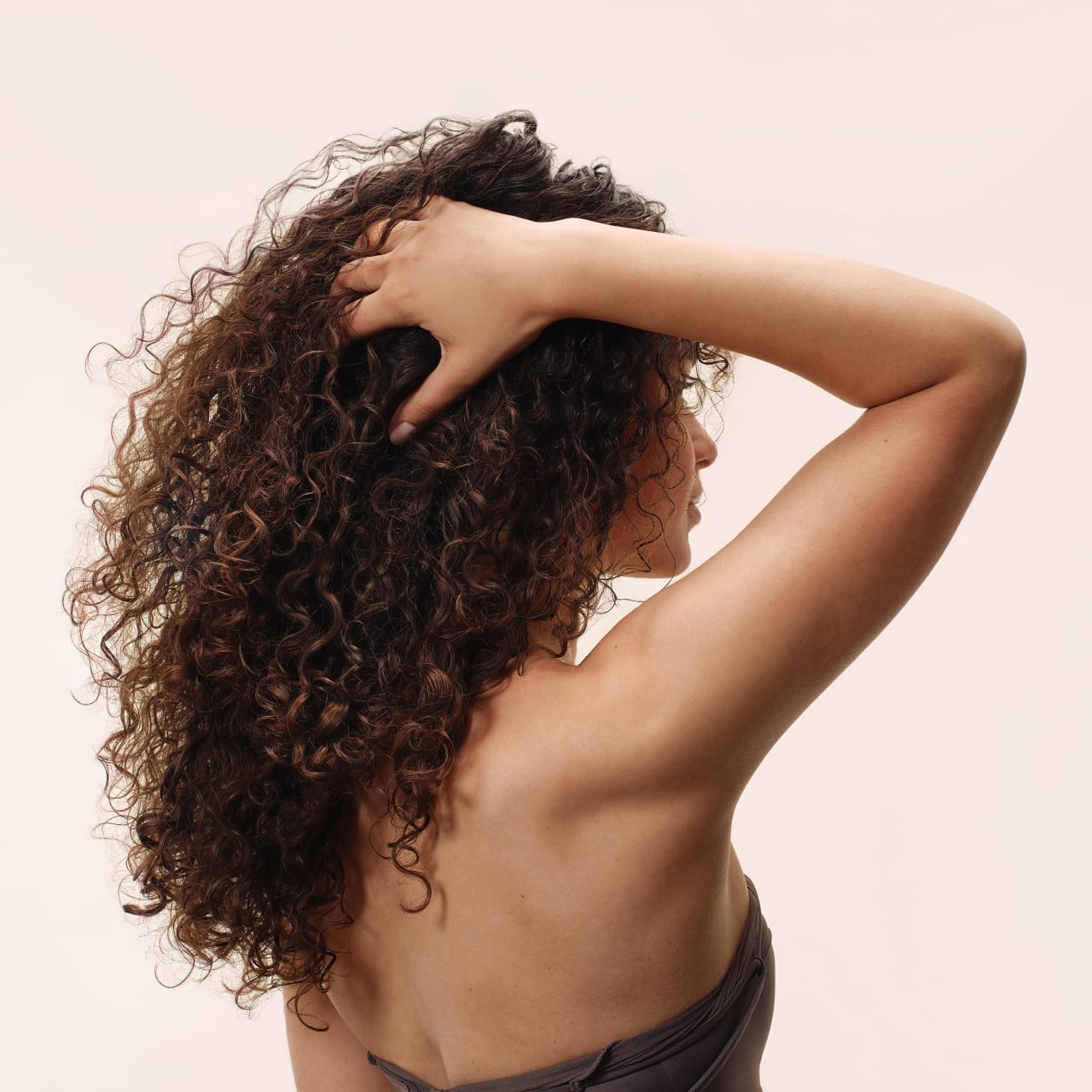
Dry hair is hair that lacks lipids, meaning it lacks natural oils (sebum), which are supposed to protect and nourish the hair shaft. This lack of sebum can be natural (curly, wavy, or kinky hair, which doesn't distribute sebum well), but it can also be caused by external factors such as poorly formulated shampoos, heat, vigorous brushing, hair colouring, or sun exposure.

Result: The hair becomes coarse, dull, and brittle, with damaged ends. It loses its suppleness and shine, and may even develop split ends. Unlike oily hair, it needs nourishment (oils, butters, ceramides) to regain softness, elasticity and protection. A tailored routine helps restore its health and minimise breakage.
Why is hair dry?

Dry hair is primarily a matter of sebum: This natural substance is produced by the sebaceous glands on the scalp. It plays an essential role in protecting the hair and balancing the scalp. When these glands don’t produce enough sebum, the hair becomes dry and brittle. This lack of sebum causes the hair to lose elasticity, making it more prone to split ends and breakage. However, several factors can contribute to this dryness. 

Environmental factors: Exposure to the sun, wind, saltwater, or chemicals in pool water can dry out the hair. Pollution can also have a negative impact. 

Daily habits: Using curlers that are too tight, frequent use of hair dryers or flat irons, and applying hair dye, relaxers, or perms. 

What are the most effective moisturisers to use for dry hair?

Powerful moisturising ingredients

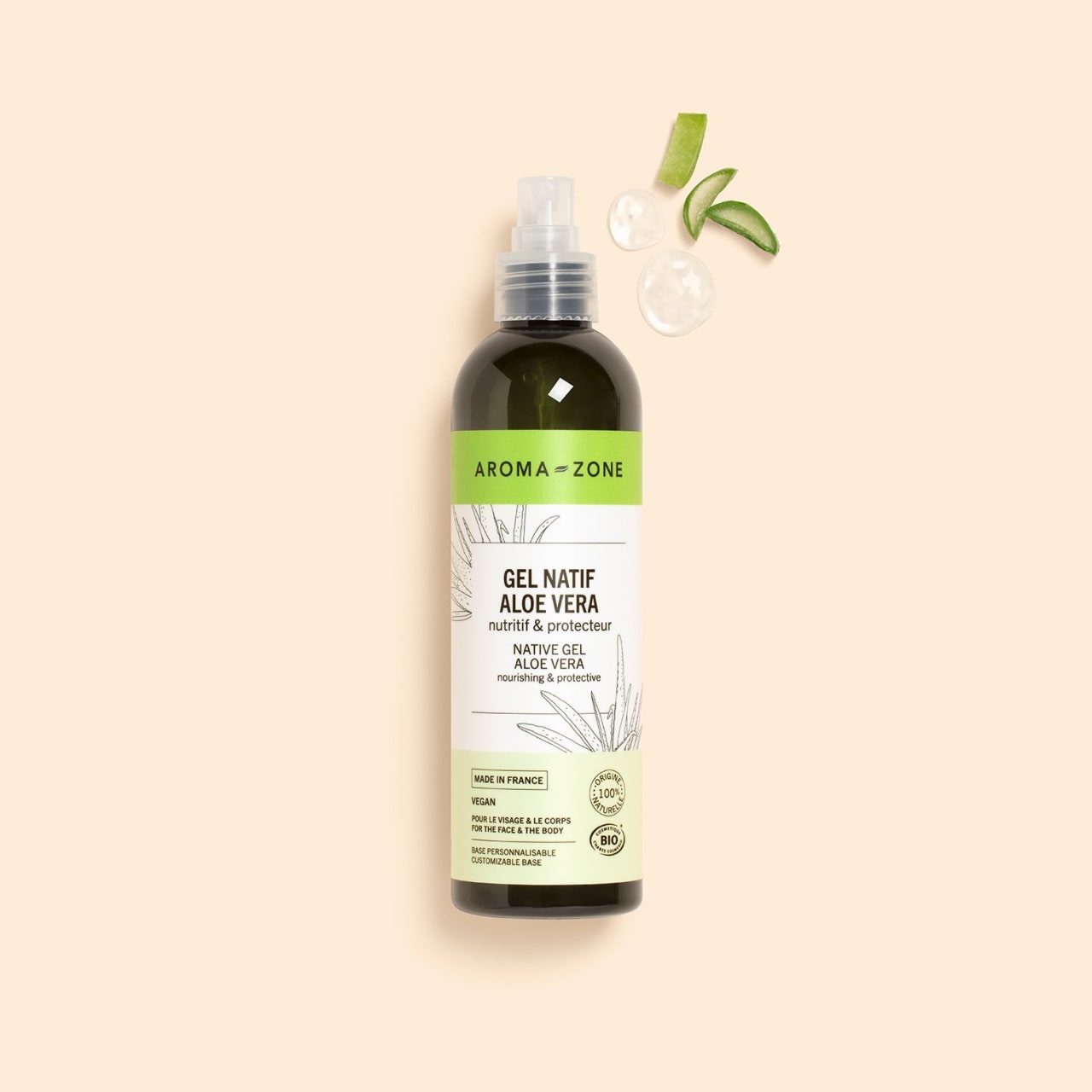
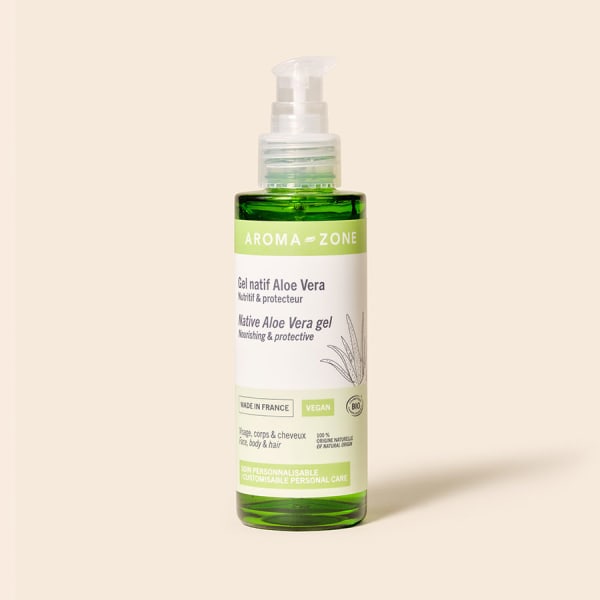
native-aloe-vera-gel-nourishing-and-protective-mc

Aloe vera

A must-have, it hydrates, soothes, and softens dry hair and the scalp.

Discover Organic Aloe Vera Gel

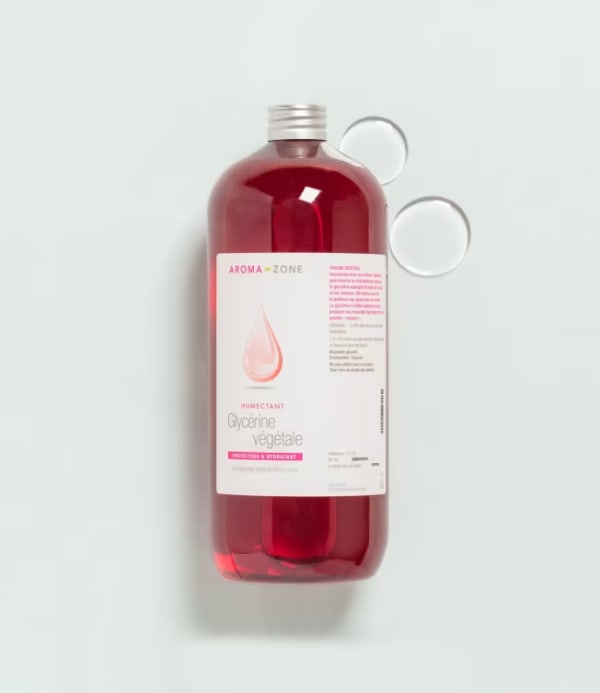
Emollient: Vegetable glycerine

Vegetable glycerin

A humectant that captures moisture from the air and locks it into the hair shaft.

Discover Vegetable Glycerin

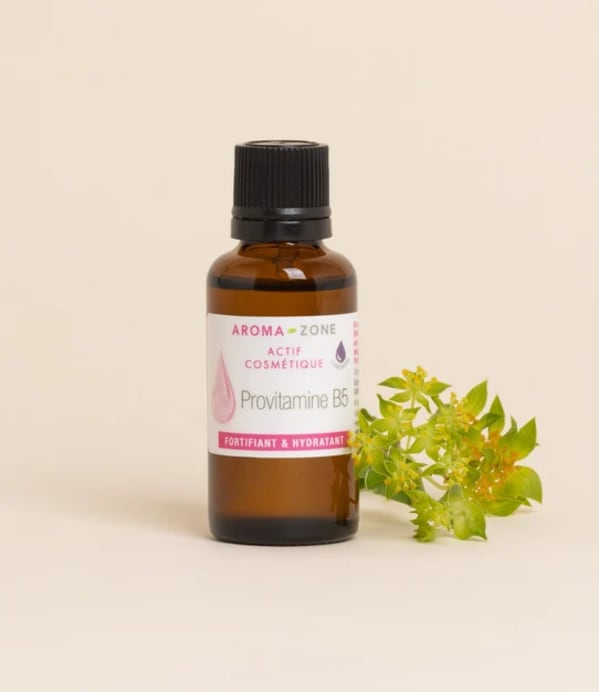
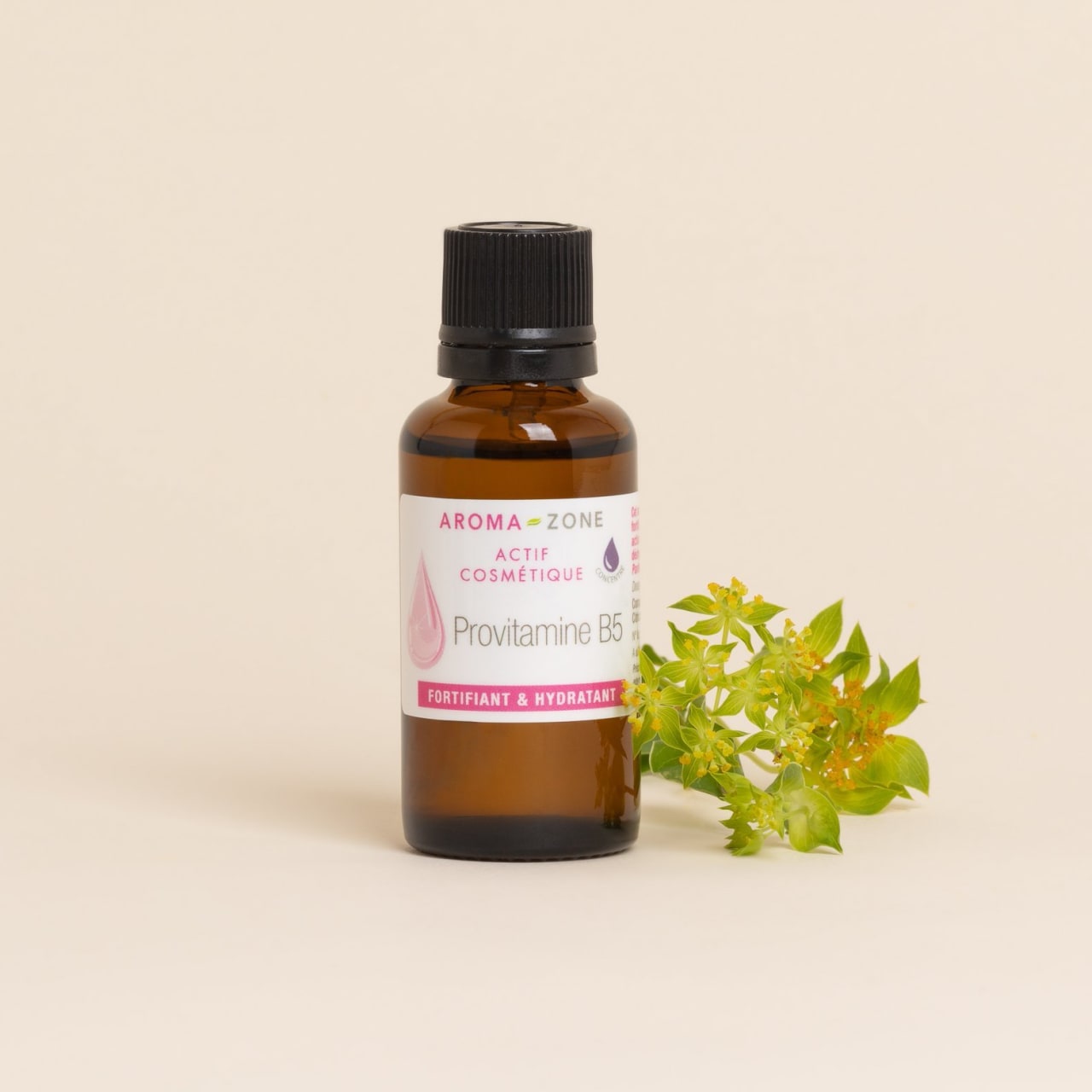
Provitamin B5 (panthenol)

Strengthens, provides long-lasting hydration, and makes hair more supple.

Discover Provitamin B5 (panthenol)

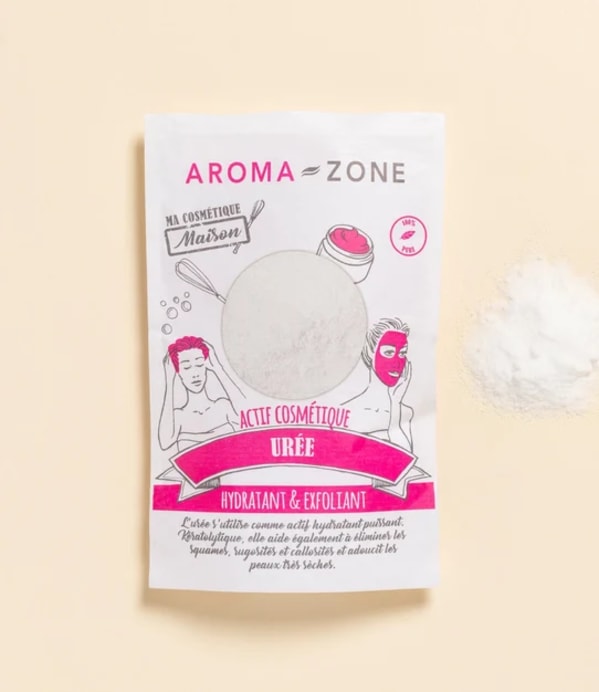
Urea (at a concentration of 2–5%)

An excellent moisturising and softening agent for very dry or sensitised hair.

Discover the cosmetic active ingredient Urea

Hydrosols and floral waters

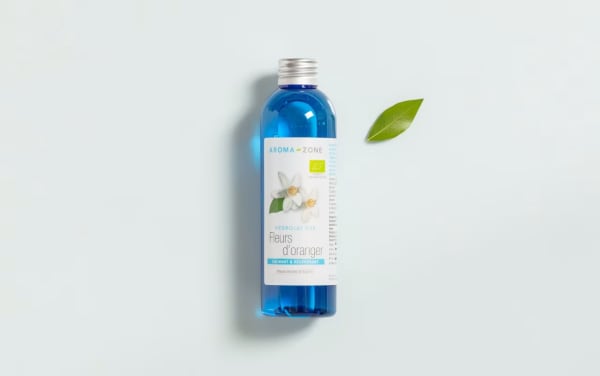
Organic Orange Blossom Hydrosol

Orange blossom hydrosol, chamomile or lavender

Gently hydrate and soothe the scalp. Spray directly onto hair or incorporate into homemade sprays or masks.

Discover Orange Blossom Hydrosols, chamomile or lavender

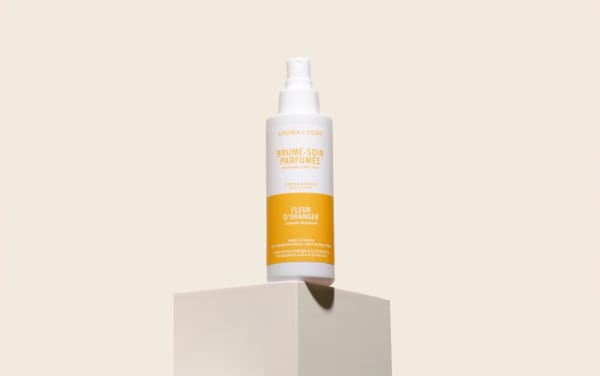
Orange Blossom Scented Body & Hair Care Mist

Conditioners and plant-based proteins

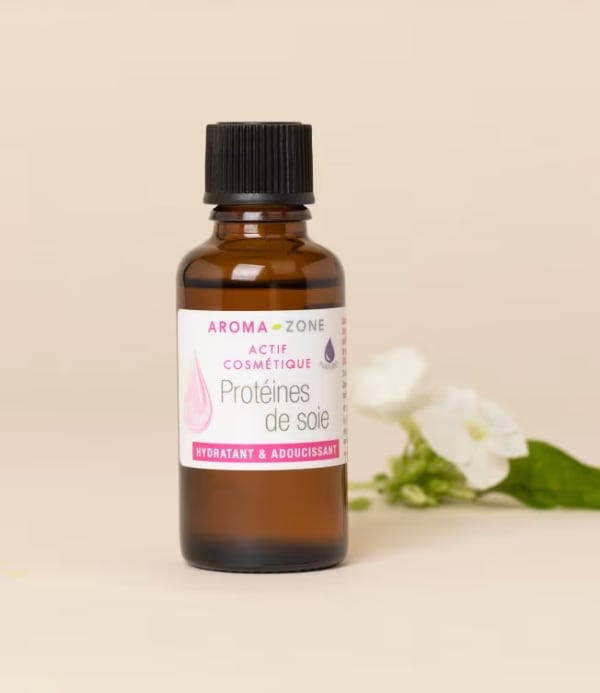
Silk, rice, or oat proteins

Coat, hydrate, and soften the hair.

Discover the cosmetic active ingredient silk proteins, rice

Plant-based oils

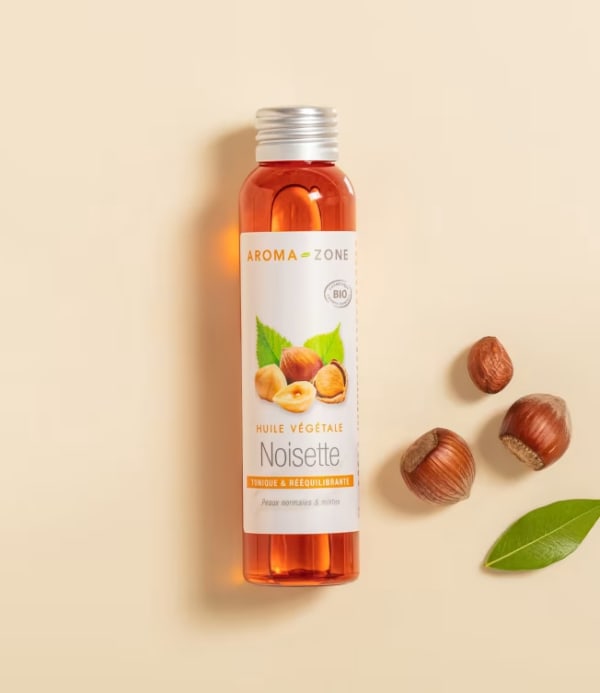
Hazelnut Oil

This lightweight oil is ideal for strengthening hair without weighing it down. It provides intense nourishment while leaving hair soft and silky.

Discover Hazelnut Oil

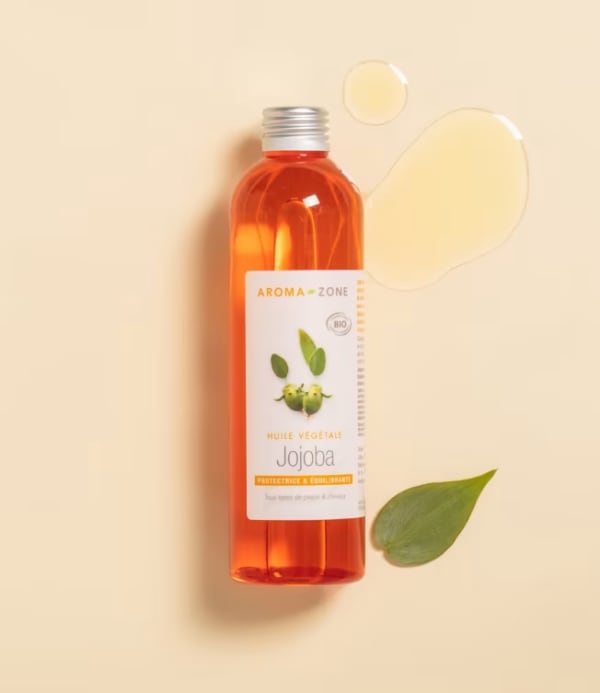
Jojoba Oil

Known for its ability to coat the hair without making it greasy, jojoba oil is perfect for dry hair. It deeply nourishes and helps restore the lipid balance.

Discover Jojoba Oil

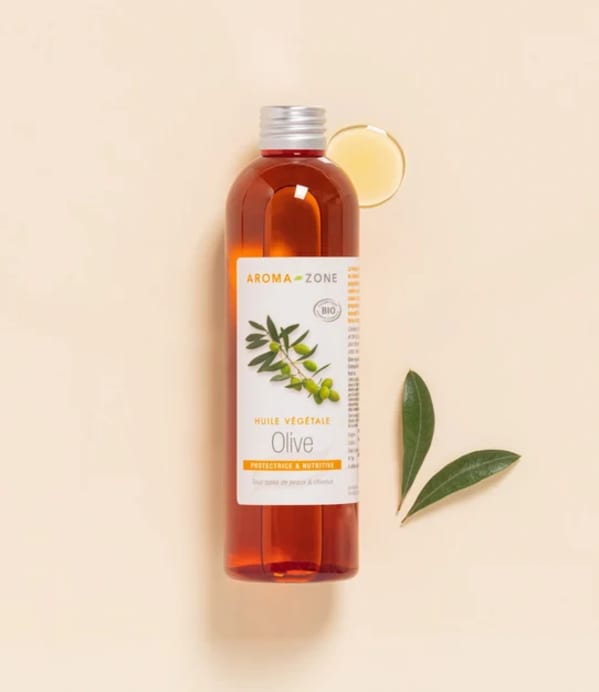
Olive Oil

This oil is known for its nourishing properties. It helps repair damaged hair and revitalise it.

Discover Olive Oil

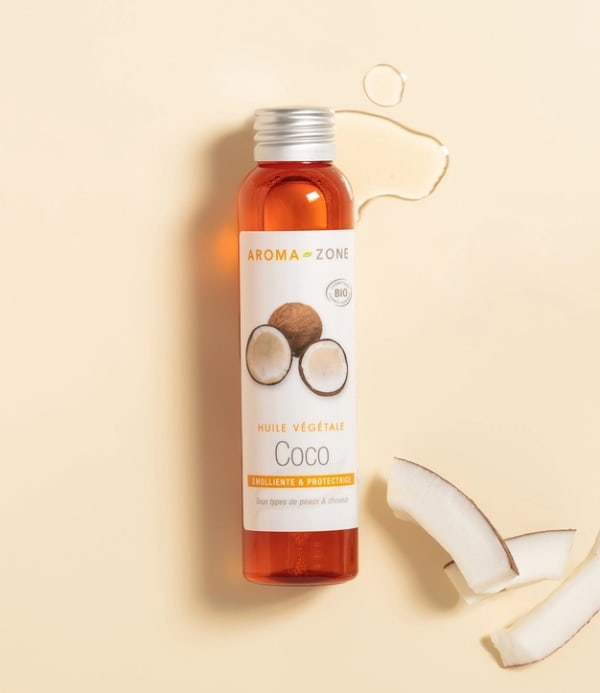
Coconut Oil

Coconut oil is particularly effective at deeply nourishing hair. It penetrates the hair shaft, leaving hair softer and more supple.

Discover Coconut Oil

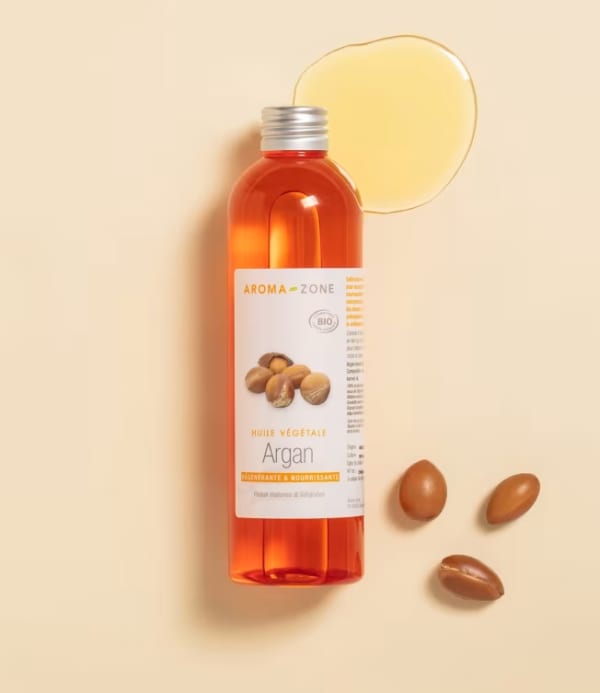
Argan Oil

Highly prized for its benefits for hair, argan oil restores shine to dry hair and prevents breakage.

Discover Argan Oil

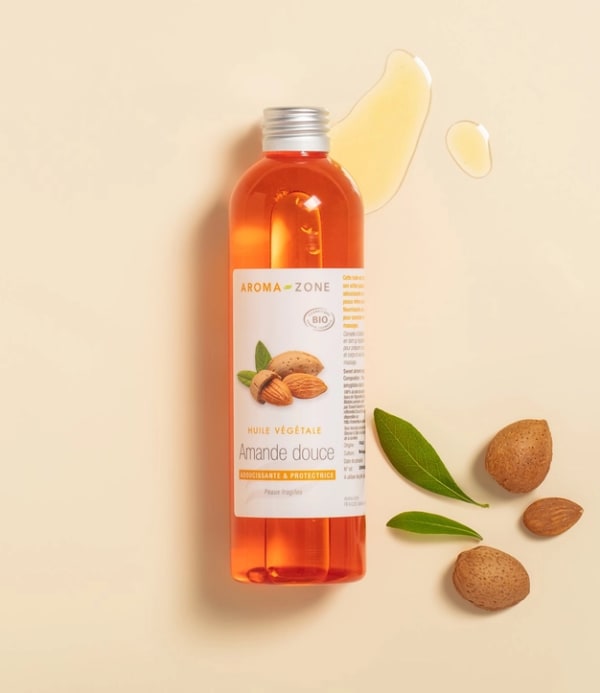
Sweet Almond Oil

This oil is gentle and softening. It’s perfect for protecting dry hair

Discover Sweet Almond Oil

A Word from the Trichologist

"Dry hair is often linked to damage to the cuticle, the hair’s protective outer layer. Studies have shown that repeated chemical and heat treatments significantly reduce the content of free fatty acids and natural lipids, thereby increasing the hair’s porosity. ¹

Spectroscopic analysis reveals that very dry hair can contain up to 50% fewer lipids compared to healthy hair. Furthermore, according to a review published in the Journal of Cosmetic Science, regular application of emollients such as coconut oil reduces hair protein loss by up to 40% after washing, making it a preventive and curative treatment for dryness. ²

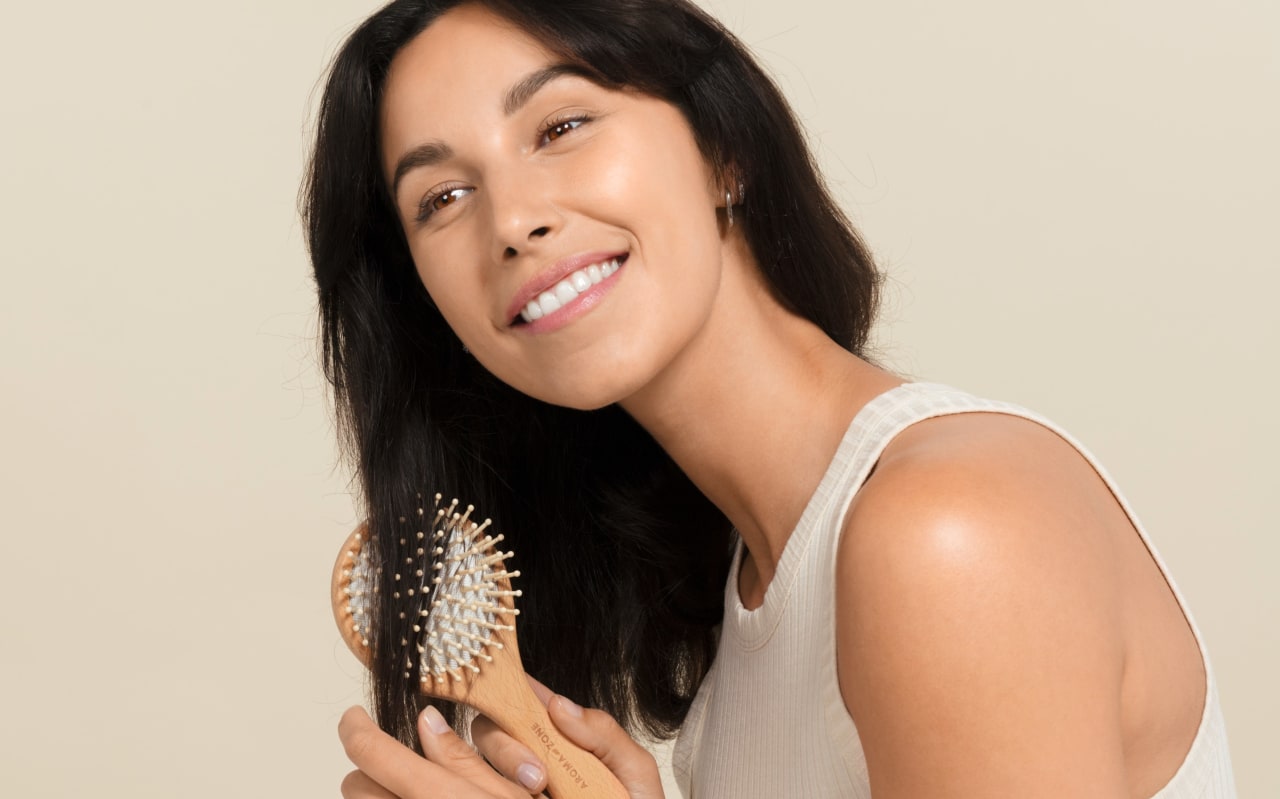
My advice as a trichologist : a beechwood comb can absorb a small amount of sebum and gradually redistribute it throughout the hair. At the end of each brushing session, use the beechwood comb from the roots to the ends to distribute sebum along the entire length of the hair shaft and prevent the hair from becoming dry."

Dr. Dalila BELMOKHTAR @dalilapharmacien, Doctor of Pharmacy & Trichologist

Our Grandmother's Tips for Dry Hair

To combat dry hair, homemade masks made with moisturising and nourishing ingredients are an excellent solution. Use them at least once or twice a week for visible results.

Say goodbye to dull, coarse hair

Prepare a creamy mixture by combining one tablespoon of olive oil with one egg yolk. Apply this mask to the lengths of your hair and let it sit for 10 minutes. Then, rinse thoroughly and wash your hair as usual. Your hair will regain its natural shine and softness thanks to this time-tested remedy.

Dry and Damaged Hair

For dry and damaged hair, a mask made with avocado, banana and plain yoghurt is ideal. Mash half an avocado, mix it with a banana and a tablespoon of plain yoghurt. Apply this mixture to the lengths of your hair, leave it on for 10 to 20 minutes, then rinse thoroughly with cold water. This nourishing mask will revitalise your hair.

To help hair masks penetrate more effectively, a helpful tip is to wrap your hair in a warm towel after applying the mask. The gentle heat allows the nourishing ingredients to work more effectively, leaving your hair perfectly hydrated.

What tips are there for very dry and damaged hair?

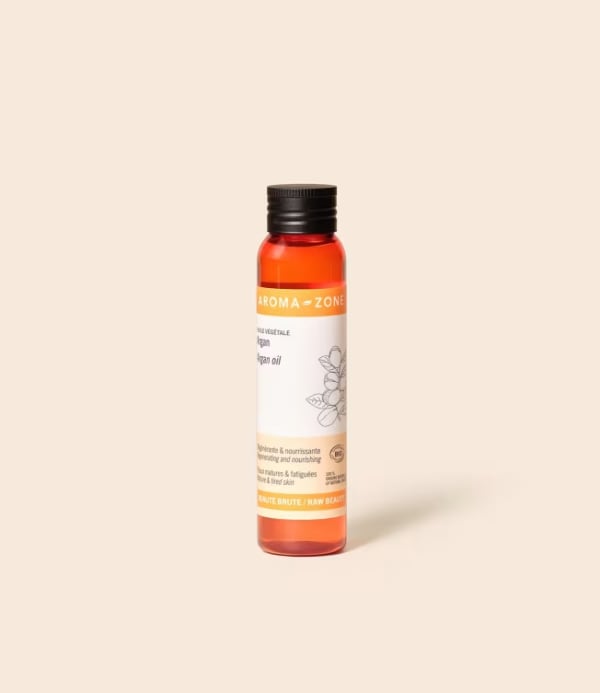
Organic Argan Oil

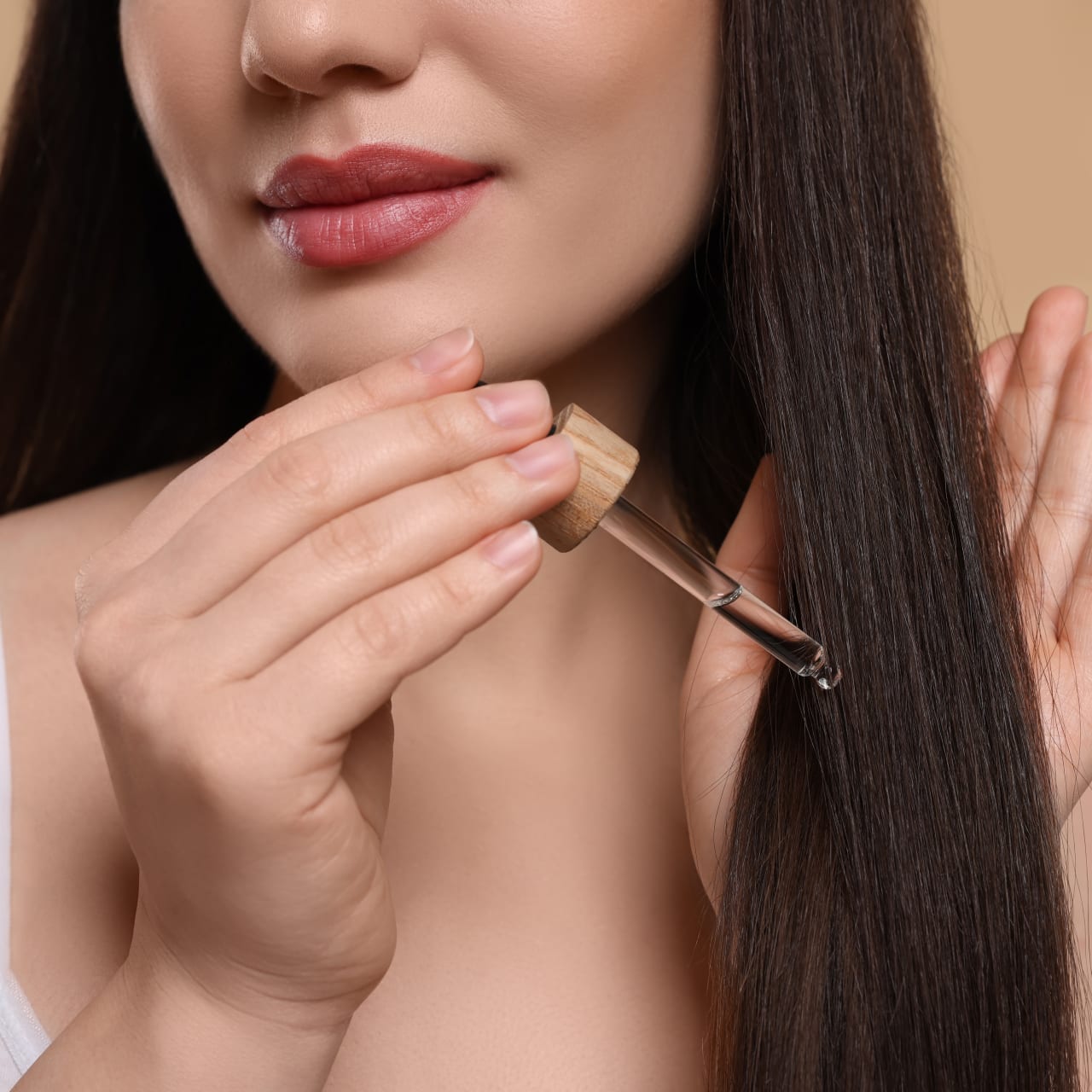
1. Nourishing oil treatment (once a week): Argan oil, ultra-nourishing. Apply to dry hair from roots to ends, massage in, then leave on for 30 minutes.

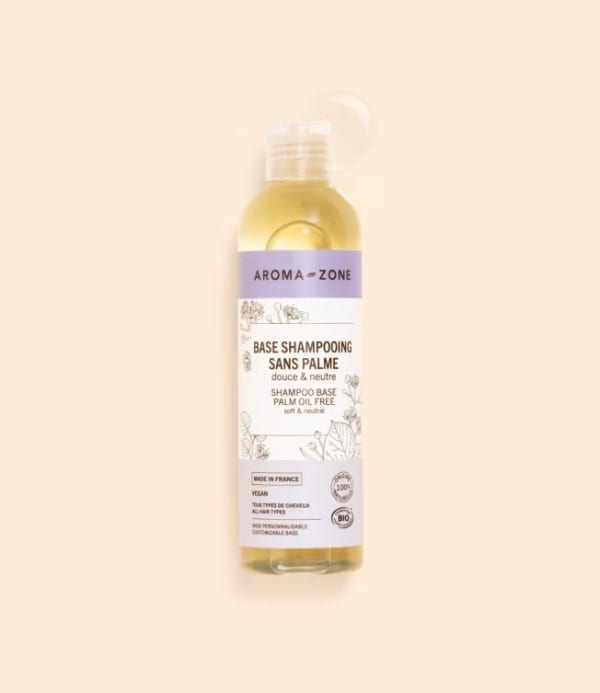
2. Gentle sulfate-free shampoo: the goal is to cleanse without stripping the hair. Apply a gentle shampoo as soon as your scalp feels itchy, becomes oily, or you experience a tingling sensation. 

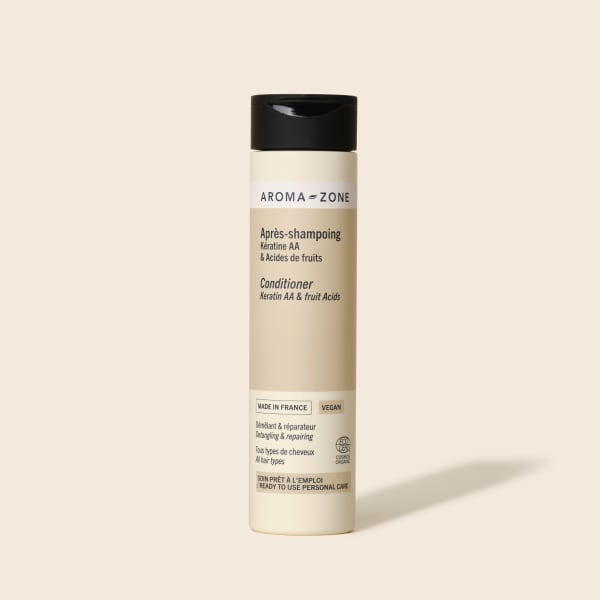
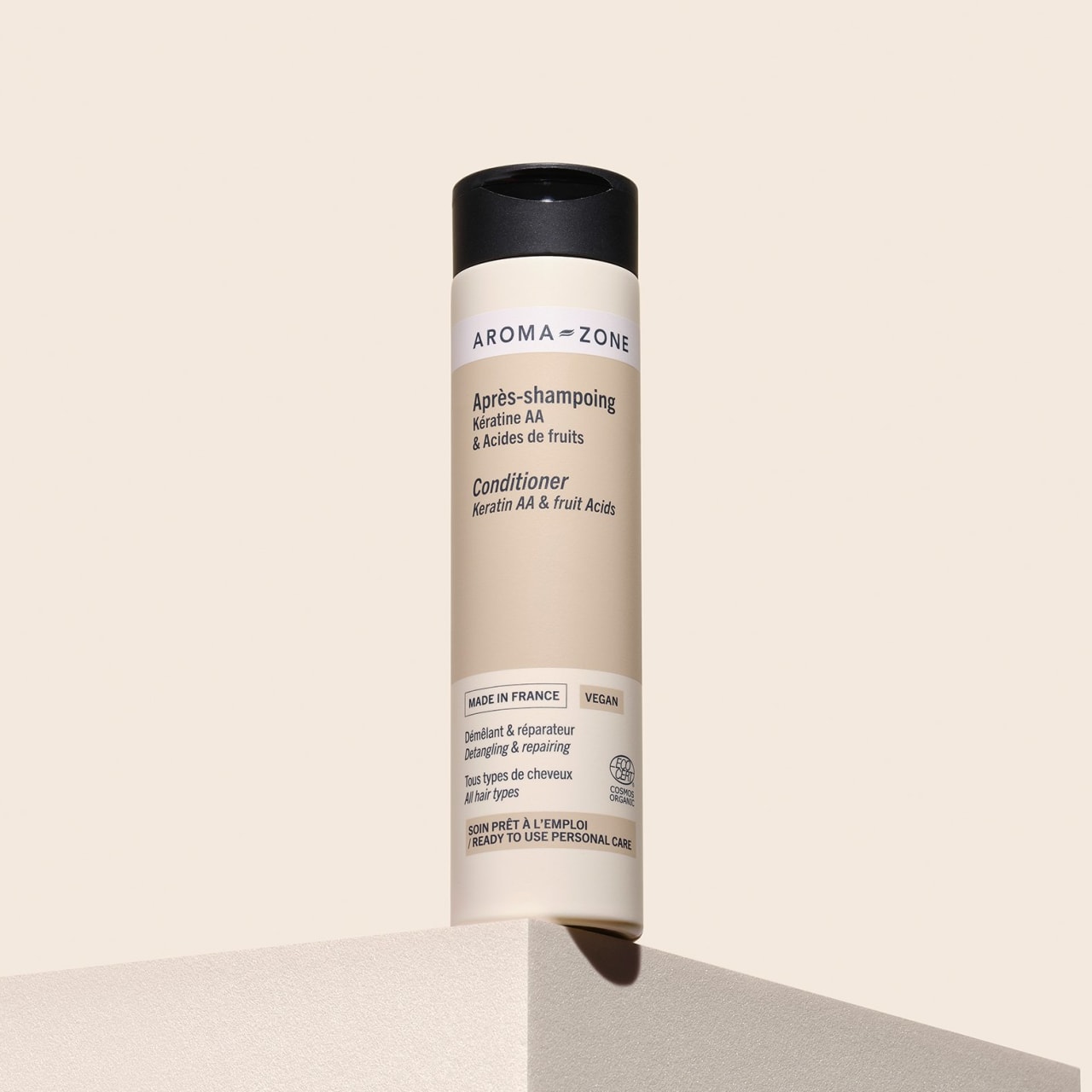
Keratin AA & Fruit Acids Detangling and Repairing Conditioner

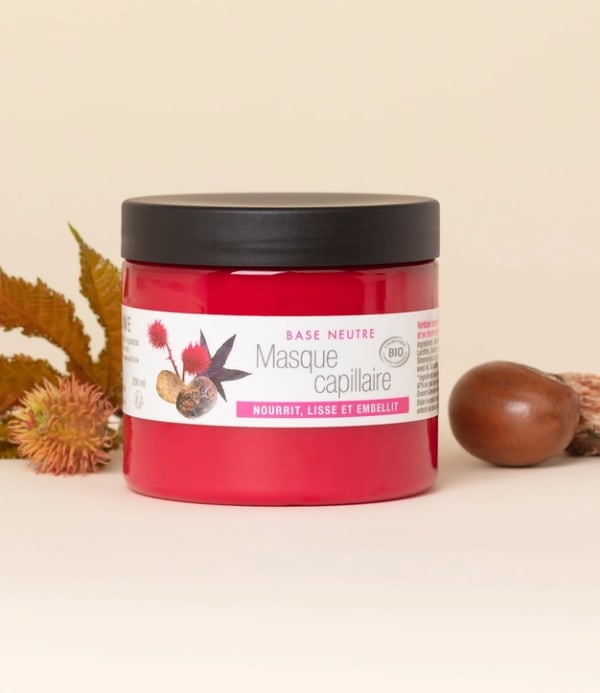
3. Repairing mask (once a week, alternating with an oil treatment): a unique conditioning balm with shea butter and castor and jojoba oils, rich in nutrients to protect, smooth, and nourish the hair shaft. Leave on for 20–30 minutes under a shower cap or warm towel, then rinse.

image (8)

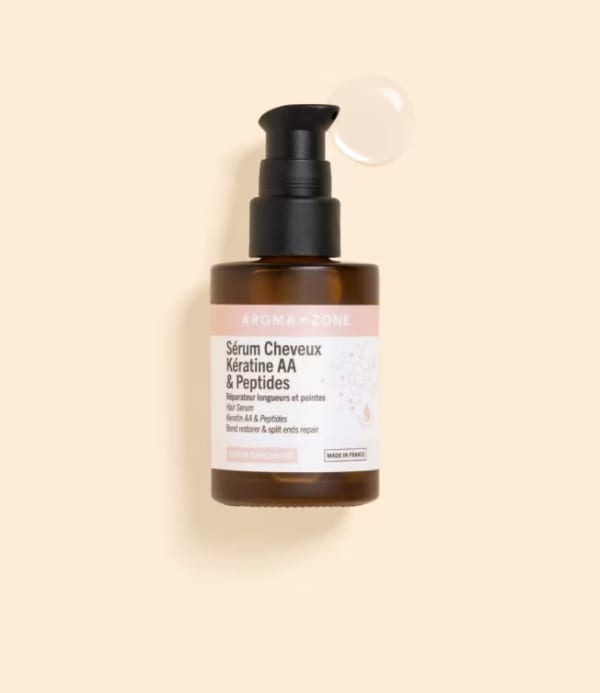
4. Leave-in treatment: To protect and soften your hair daily, apply a keratin-enriched serum to damp or dry hair.  

How can you prevent dry hair?

  1. Choose the right shampoo: Use a shampoo suited to your scalp’s condition, enriched with nourishing and moisturising natural ingredients. After every wash, apply a leave-in conditioner to protect your hair from external aggressors and prevent dryness. 

  2. Avoid harsh hair dyes: Repeated use of chemical hair dyes can be harmful to the most fragile hair and scalp, as it can exacerbate dryness. It is therefore best to minimise the use of harsh chemical dyes in favor of gentler alternatives, such as natural dyes like henna.

  3. Limit the use of flat irons and hair dryers: If you use a diffuser, hold it about 15 cm away from your hair and use a low heat setting to minimise the risk of drying out your hair and protect the hair shaft. You can also let the lengths air dry after gently blotting them with a towel—without rubbing—but in this case, the scalp must be dried with a diffuser to prevent moisture buildup. Hair straighteners, especially when heated to over 180°C, are known to damage the hair structure. If you really need to use one, avoid using it on damp or wet hair. Additionally, applying a heat-protective treatment can help minimise the effects of heat.

  4. Trim the ends: Regular trims are essential for maintaining healthy hair. It is recommended to trim the ends approximately every three months. This practice refreshes the hair, eliminates split ends, and makes it look less damaged.

  5. Wash with cold water: When rinsing your hair, opt for cold water. Hot water tends to dry out the hair shaft, while cold water closes the hair cuticles, helping to lock in the moisture provided by hair care products.

Spotlight On Our Writer: Lauréna Valette

Lauréna Valette

Lauréna is a journalist specialising in lifestyle, wellness and psychology. Alongside her writing, she travels the world, discovering all it has to teach us.

Bibliography

  1. Robbins & Crawford, Cuticle Damage and the Tensile Properties of Human Hair, Journal of the Society of Cosmetic Chemists, 1991.

  2. Rele & Mohile, Effect of Mineral Oil, Sunflower Oil, and Coconut Oil on Prevention of Hair Damage, Journal of Cosmetic Science, 2003