How do you care for a dry scalp?

How do you care for a dry scalp?


By Hélène Betoux

Published on: Tuesday, April 23, 2024, Updated on: Wednesday, October 28, 2026

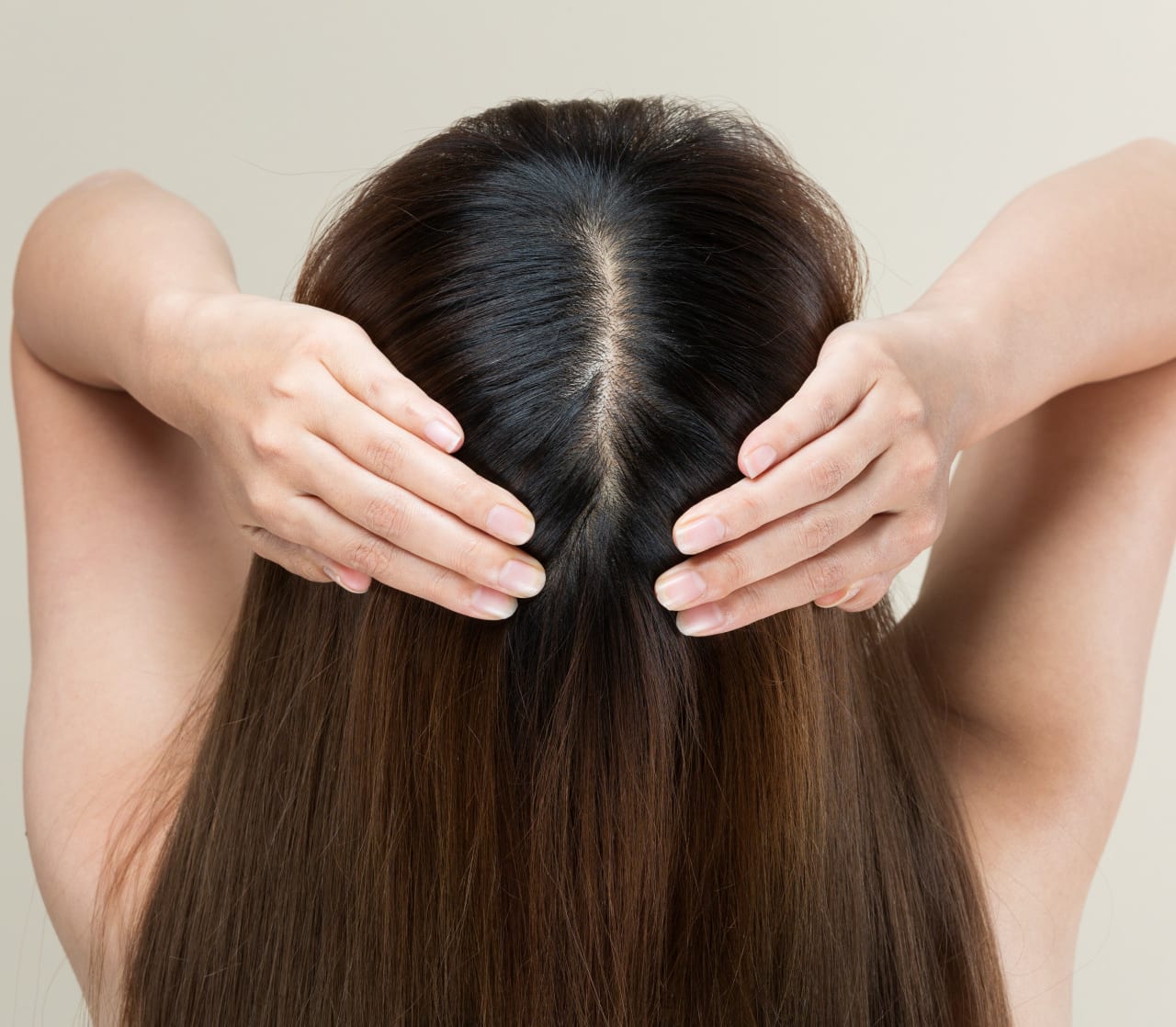
Do you have persistent discomfort, fine dandruff or redness at the roots of your hair? You may have a dry scalp, meaning it lacks lipids (oil!). This dryness can be quite uncomfortable, but rest assured: many of us are in the same boat. There are natural solutions to help you restore a comfortable, properly hydrated scalp. We particularly recommend aloe vera, ceramides and coconut oil. You’ll find that they’re very easy to incorporate into your hair care routine.

Contents

Related products

What is a dry scalp?

A dry scalp is a scalp that lacks natural oils. It is essentially sebum that allows it to protect itself from external aggressors and remain properly hydrated. When this substance is not present in sufficient quantities on its surface, the scalp begins to dry out. This deficiency can be explained in several ways.

  • Insufficient sebum secretion: the sebaceous glands attached to the hair follicles do not produce enough sebum to protect the skin.

  • “Stripping”: this occurs when the application of external products “strips” the scalp and deprives it of some of its protective oils. E.g.: certain anti-dandruff shampoos or chemical treatments applied to the roots.
Good to know

If the scalp is dry, the hair strands are usually dry as well. This is because the sebum secreted at the roots is supposed to lubricate the cuticle. When it’s lacking, the hair shaft isn’t properly protected. It’s therefore much more vulnerable to external aggressors. The result: hair becomes coarse, frizzy, and difficult to style.

Dry scalp and dandruff: what’s the connection?

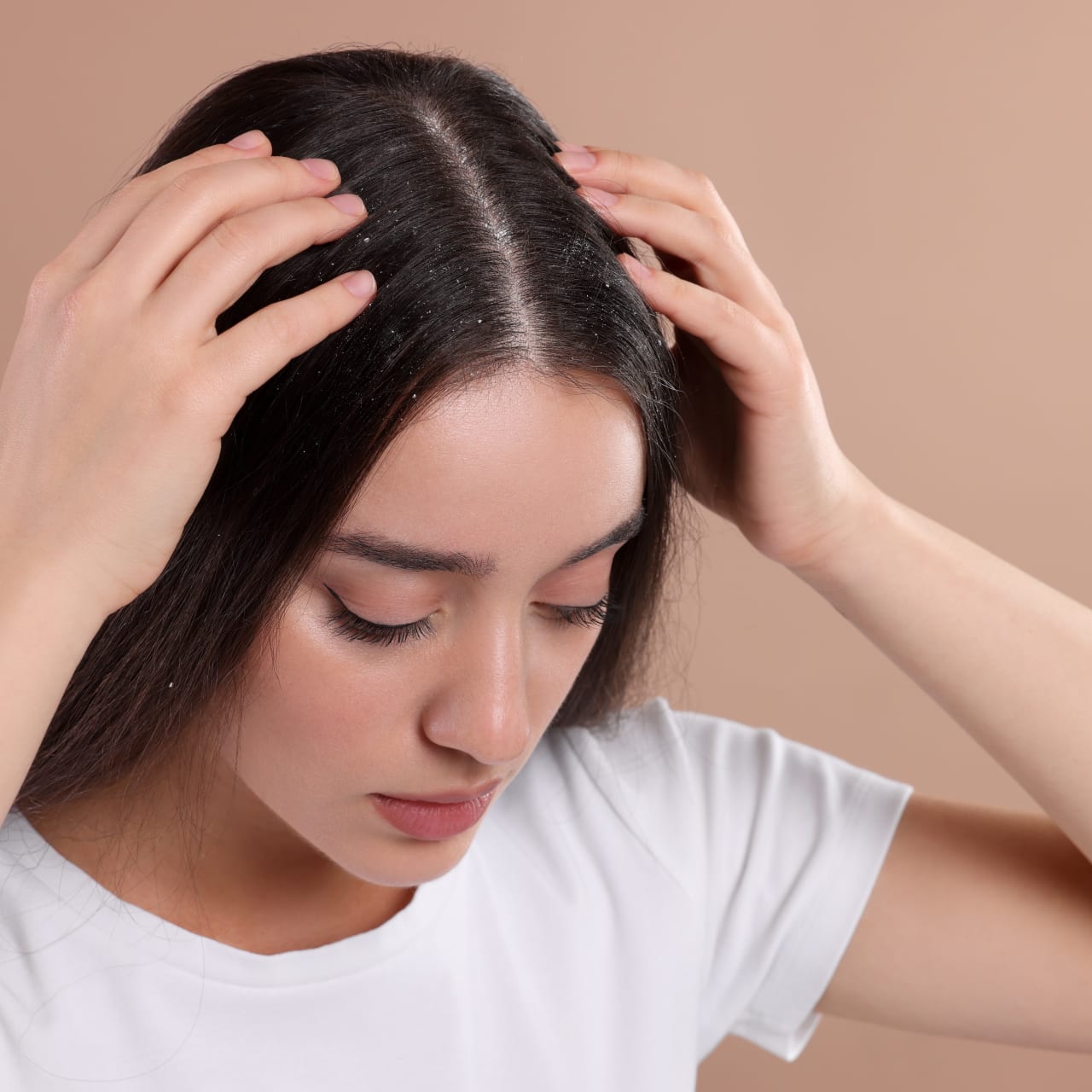
A dry scalp is one of the common causes of dry dandruff. When the scalp lacks lipids, its protective barrier is compromised, leading to excessive flaking of the scalp.  This manifests as small, light and dusty white flakes, often accompanied by itching and tightness. Unlike oily dandruff, this type is not caused by excess sebum or a fungal overgrowth, but rather by a lack of hydration and nourishment. To minimise its appearance, it is essential to adopt a gentle, nourishing and moisturising routine. By restoring the scalp’s balance, you reduce both dandruff and feelings of discomfort.

Why is my scalp so dry?

The main internal causes

Hormonal imbalances: Sebum secretion is hormone-dependent. It can therefore be affected by various hormonal fluctuations.

Age: During menopause, the female body produces less oestrogen, which leads to a decrease in sebum production. This is why our skin becomes drier as we age.

Genetic factors: Sometimes our skin is alipidic from birth, meaning it produces fewer lipids than normal. 

Certain diseases: such as diabetes, ichthyosis (which causes excessive dandruff on the scalp) or atopic dermatitis (which makes you want to scratch your scalp).

The main external causes

An unsuitable hair care routine: either because the products aren’t suited to your scalp’s sensitivity, or because you aren’t using them correctly.

A change in lifestyle: a poor diet, a change in diet, or psychological stress can contribute to dryness and skin sensitivity.

The external environment: this can include overexposure to pollution, excessive UV exposure (which dries out the skin!), or physical changes associated with seasonal shifts.

What are the “symptoms” associated with a dry scalp?

  • You have a sensitive scalp: dryness and damage to the scalp’s skin barrier make it more sensitive, often causing irritation.

  • You have dry dandruff: this is simply small flakes of dead skin that peel off. This flaking is even more noticeable when you scratch your head.

  • You have red patches: if you see scaly patches under your hair, see a general practitioner. It could be psoriasis, a chronic inflammatory condition.

  • Frequent itching, sometimes accompanied by mild pain.

  • Redness or flaking at the hairline.

  • Dull, brittle and coarse hair along the lengths, especially if dryness persists.

A few words from our tricologist

"A dry scalp results from a disruption of the hydrolipid barrier, leading to an increase in transepidermal water loss (TEWL). According to a study in the International Journal of Trichology (2015), TEWL is up to 45% higher in subjects with a dry scalp compared to controls¹. This impairment is accompanied by disorganisation of the corneocytes and subclinical inflammation. Regular application of biomimetic lipids (ceramides, essential fatty acids, phytosterols) helps restore this barrier and reduce symptoms (tightness, flaking, itching)¹.

My advice as a trichologist: post-lipid misting. Mist the scalp with a suitable hydrosol five minutes after applying a plant-based oil such as jojoba, camelina or argan. The most suitable hydrosols are Roman chamomile, spike lavender, or lemon balm, all known for their soothing and moisturising properties. This technique promotes transcutaneous hydration: the oil forms a lipid film that slows the evaporation of the water subsequently provided by the hydrosol, thereby stimulating gentle yet deep rehydration of the scalp. Perform twice a week on a clean scalp, without rinsing."

Dr. Dalila Belmokhtar @dalilapharmacien - Doctor of Pharmacy & Trichologist

What to do if you have a dry scalp: our natural tips

To care for your dry scalp, the priority is to help it restore a normal level of TEWL (trans-epidermal water loss). To do this, you need to strengthen its skin barrier. In the process, you’ll also create optimal conditions for its surface ecosystem. Studies have indeed established a link between signs of scalp dryness and an imbalance in its microbiome.

Below, we suggest several natural ingredients. You can either incorporate them into your homemade hair care recipes or add them to our neutral hair care bases (shampoo, mask, oil, etc.). The ideal solution: a scalp serum that you apply daily to the roots.
How to moisturise a dry scalp?

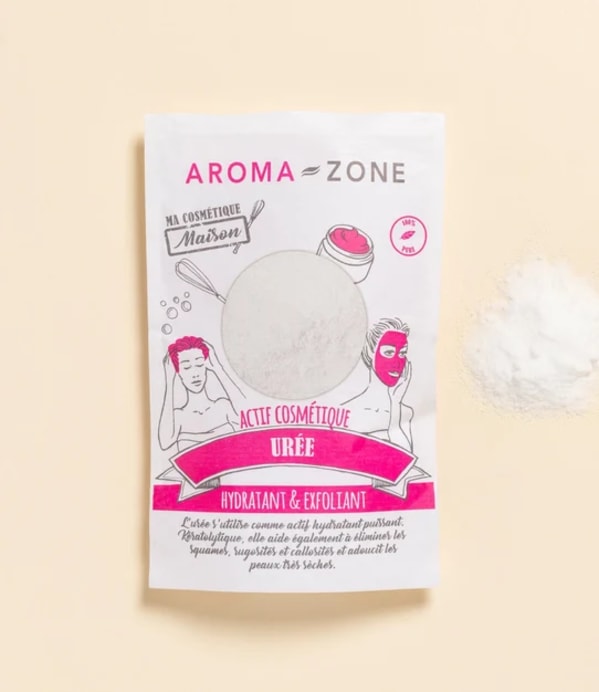
Urea: widely used in dermocosmetics, this humectant and keratolytic active ingredient improves moisture retention and helps eliminate dandruff.

Discover the Urea Active Ingredient

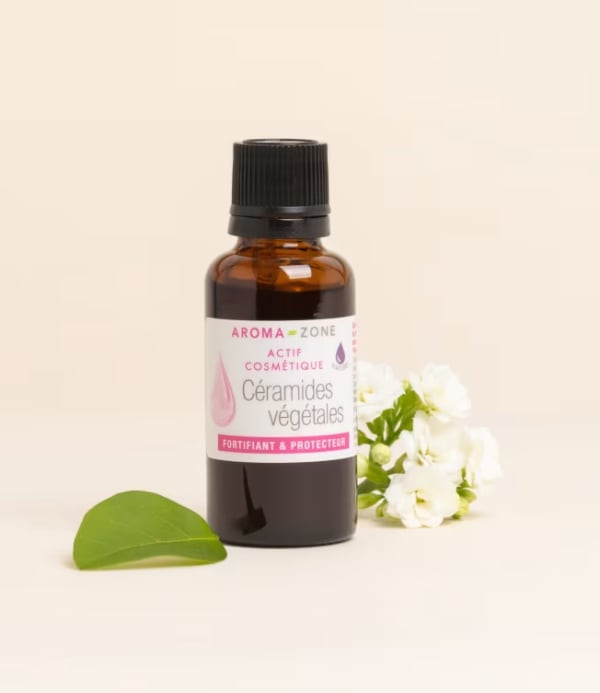
Plant-based ceramides: replenishing and protective, they help restore the hydrolipidic film of the dry scalp and prevent the onset of skin discomfort.

Discover the Plant-Based Ceramides Active Ingredient

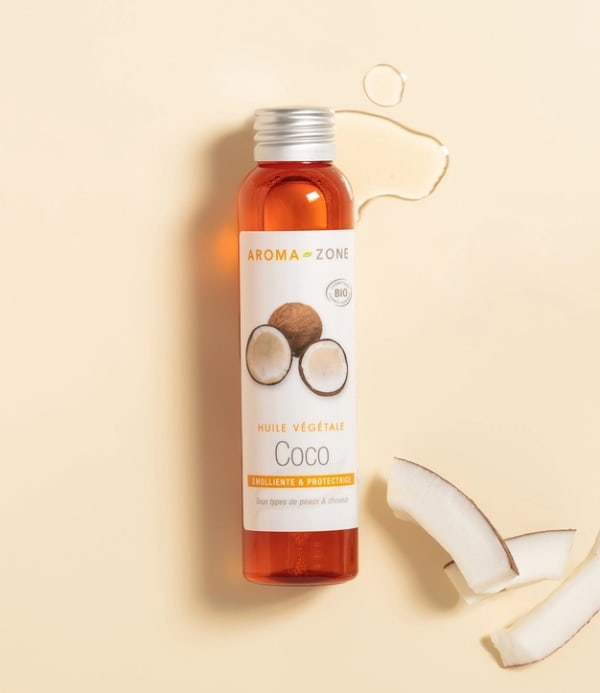
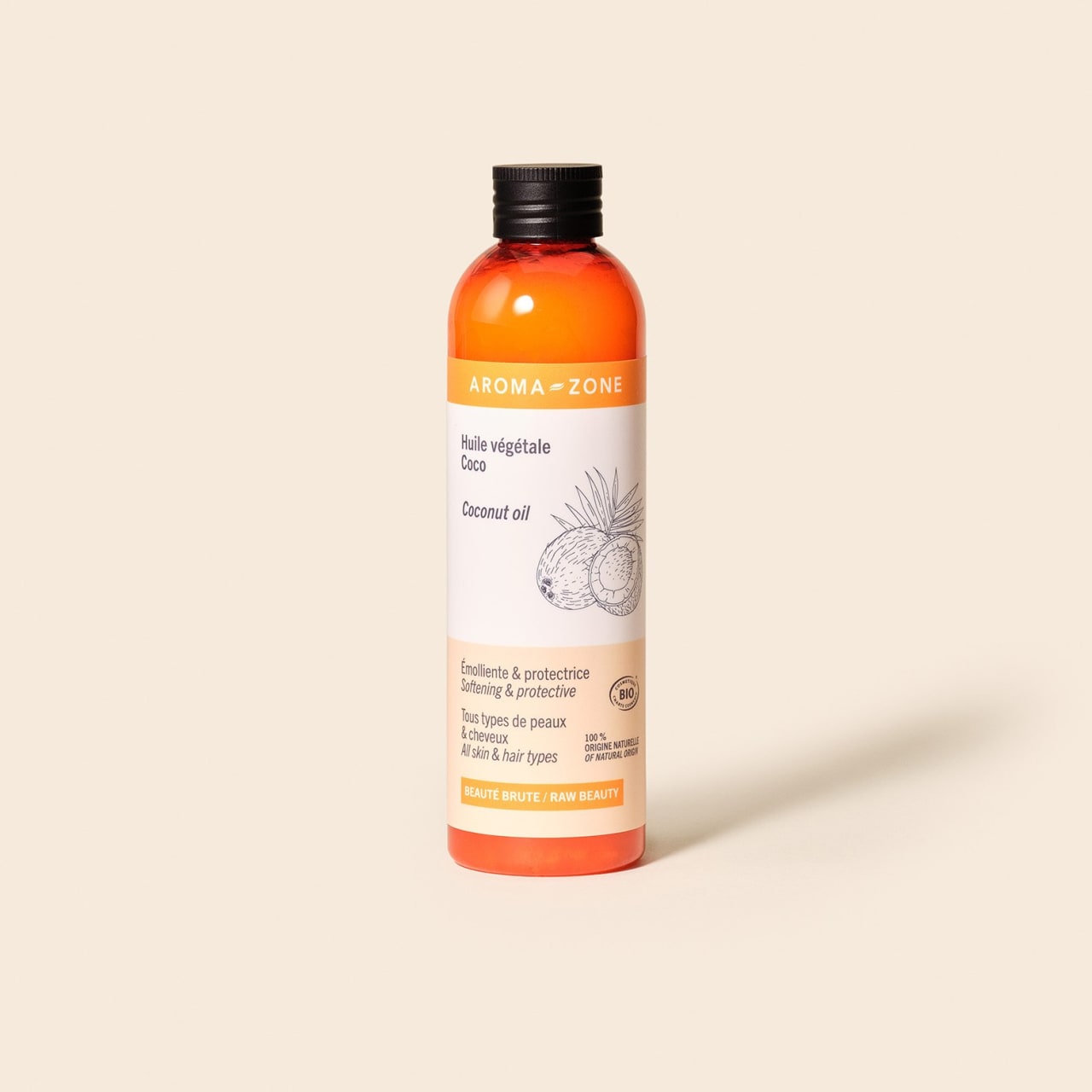
Coconut Oil: Although it isn’t strictly speaking a moisturiser, this plant-based oil is known to combat dehydration when used over the long term.

Discover Organic Coconut Oil

How can you soothe feelings of irritation?

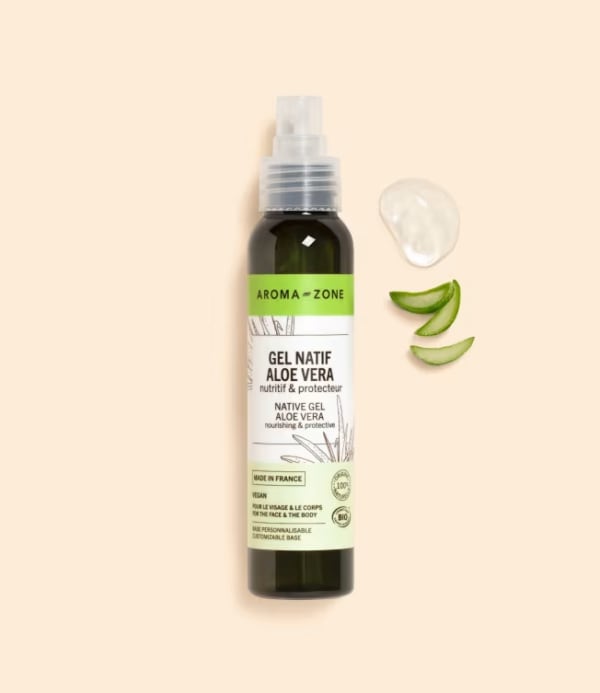
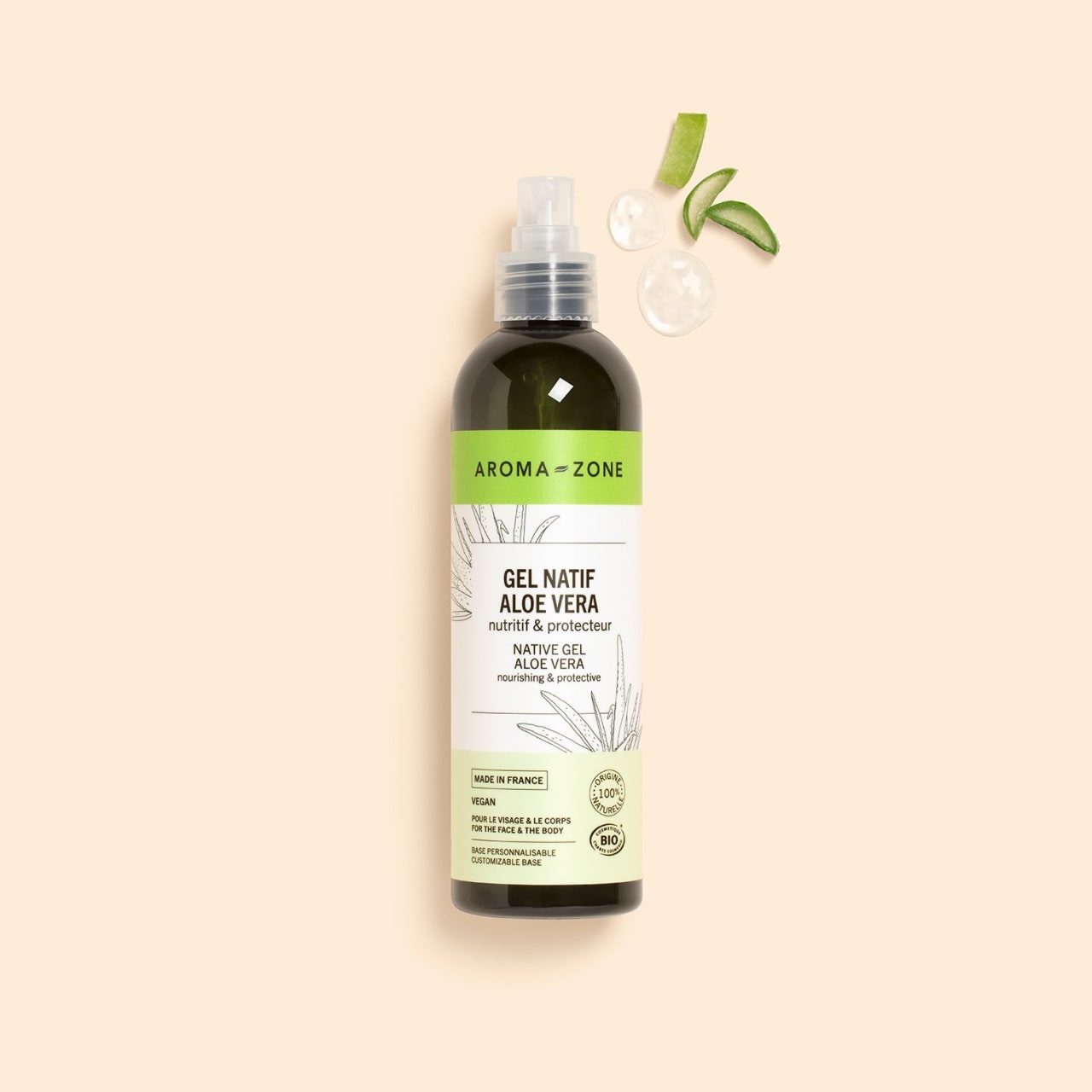
Organic Aloe Vera Gel

Aloe vera: rich in aloverose and trace minerals, its gel has properties that are not only moisturising but also softening, regenerating, and soothing.

Discover Organic Aloe Vera Gel

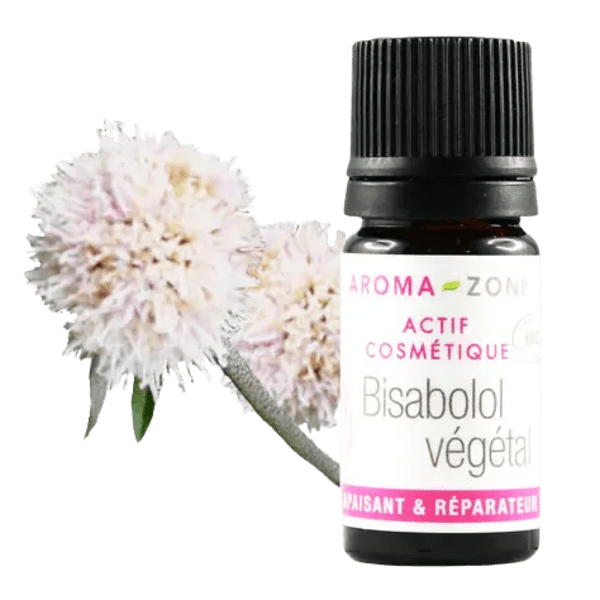
Bisabolol: naturally found in German chamomile, this active ingredient is effective in low doses to soothe and repair sensitive, uncomfortable scalps.

Discover the Organic Bisabolol Active Ingredient

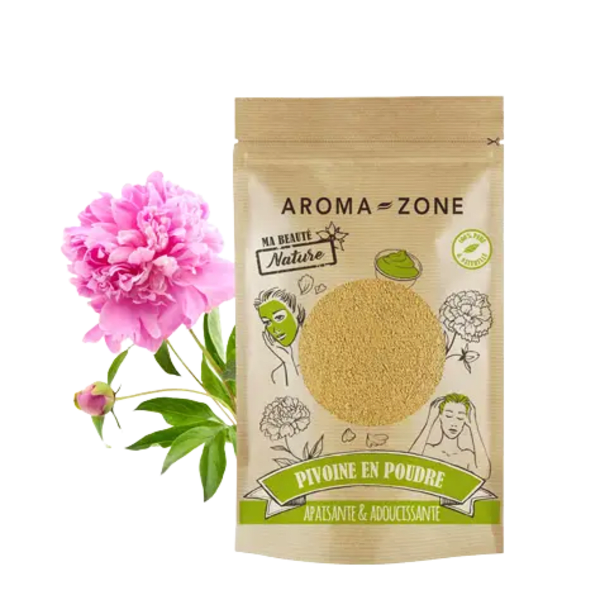
Peony Powder: This plant-based powder contains paeoniflorin, a substance known for its benefits in relieving itchy scalps.

Discover Peony Powder

Example of a hair care routine for very dry scalps

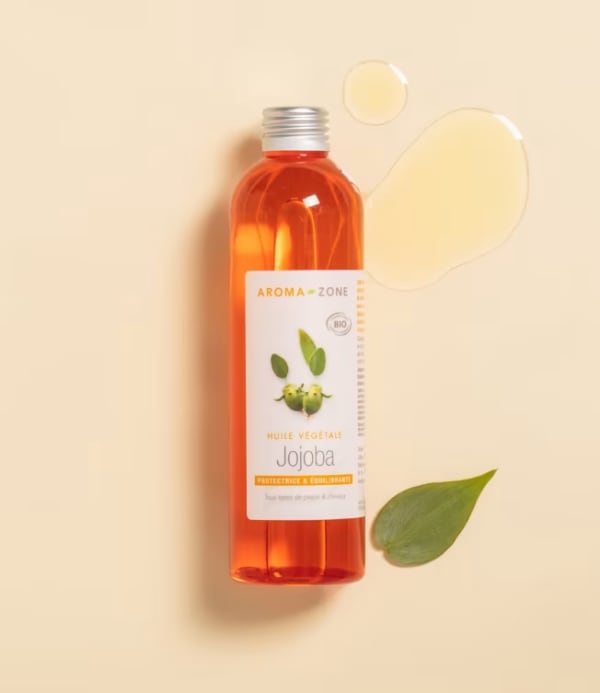
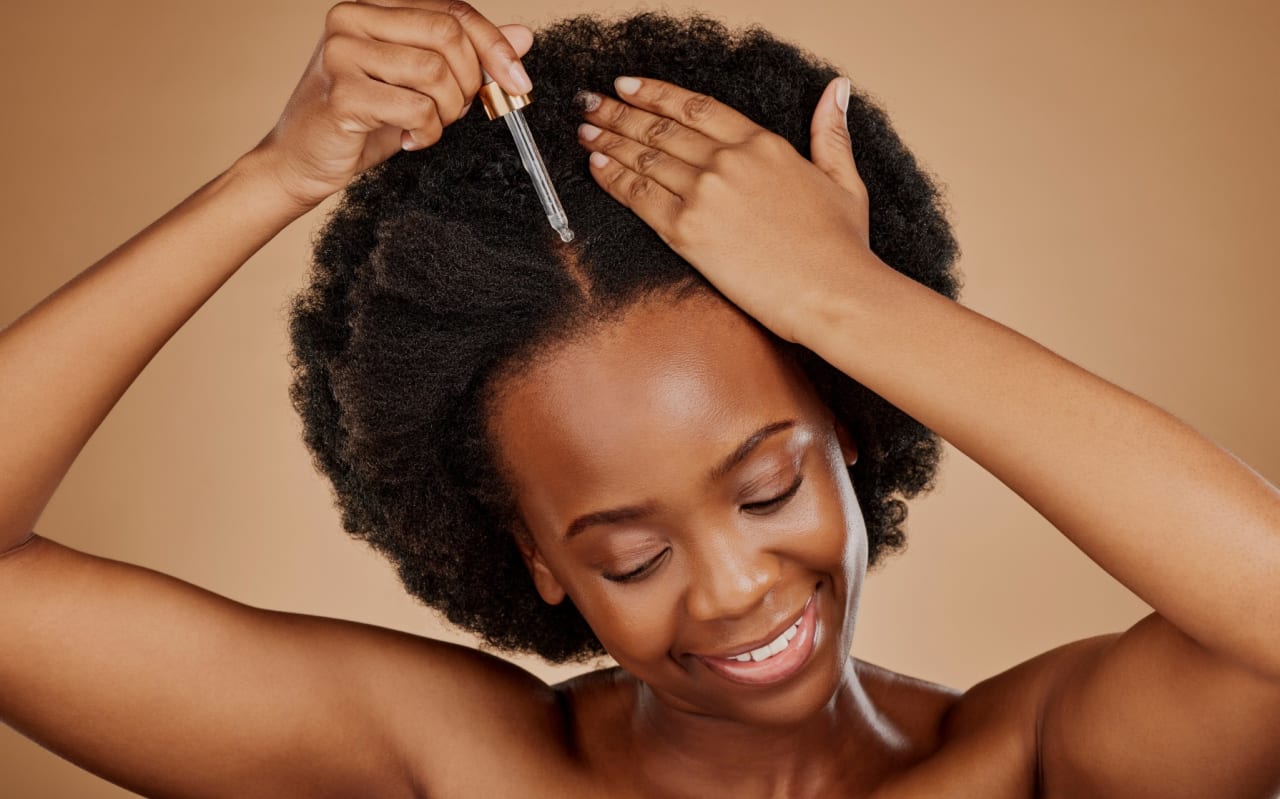
1. Apply an oil treatment to your scalp: to nourish and soothe the scalp, such as with jojoba oil. Gently massage, then leave on for 30 minutes under a warm towel.

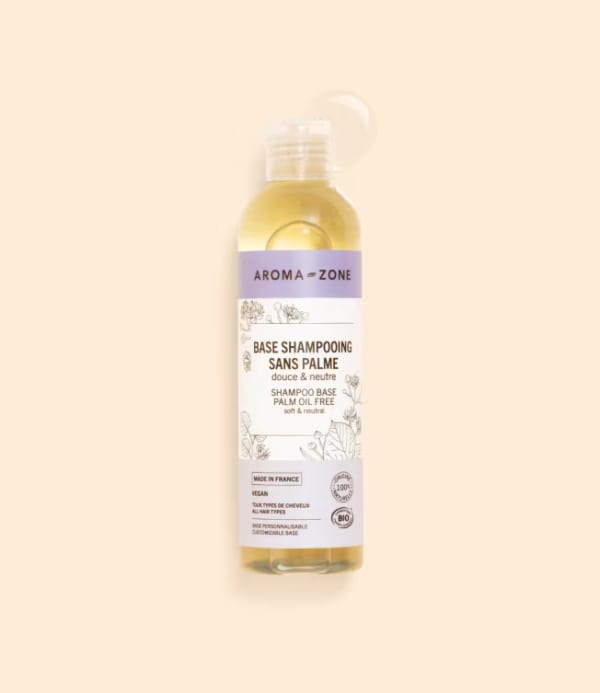
2. Sulfate-free shampoo: use a mild shampoo, a pH-neutral cleansing base. Avoid harsh ingredients.

3. Rinse with a hydrosol: palmarosa hydrosol is ideal for soothing scalp irritation and itching.

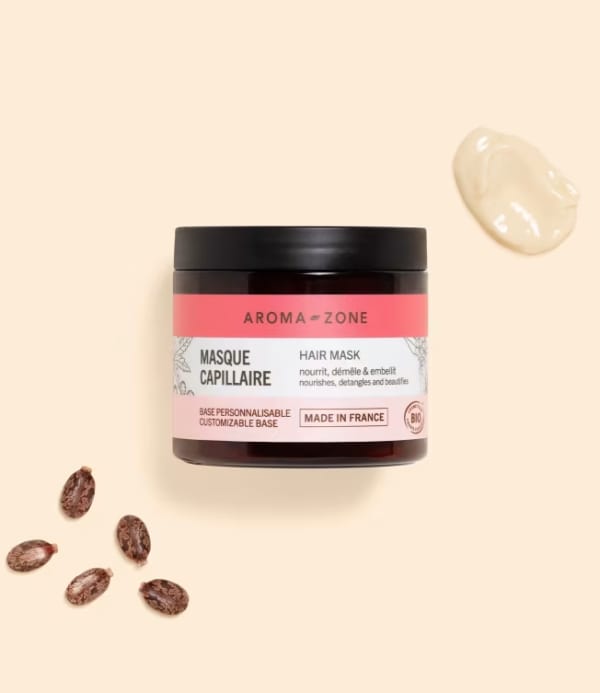
Hair Mask Base

4. Use a moisturising treatment: a soothing conditioner from the ends to the roots, a hair mask might be appropriate. You can add active ingredients such as bisabolol to further moisturise and soothe the scalp.

Organic Aloe Vera Gel

5. Apply a soothing scalp serum: don’t hesitate to apply aloe vera gel to your scalp if you experience itching. Hydrosols can also be highly recommended for severe itching.

How can you prevent a dry scalp?

  1. Use a gentle shampoo

  2. Wash your hair 2 to 3 times a week, avoiding alcohol and silicones that can dry out your scalp

  3. Nourish your scalp regularly

  4. Maintain good internal hydration by drinking enough water throughout the day—at least 1 litre

  5. Adopt a diet rich in omega-3, vitamin B, and zinc.

  6. Limit direct heat sources on the scalp

  7. Protect your scalp from external aggressors: sun, wind, cold and chlorine

Our hair care recipes for dry and irritated scalps

Expert advice

Perms, colouring, straightening and chemical treatments: these are real nightmares for a damaged and very dry scalp. Before treating yourself to the hairstyles you’ve been eyeing, focus on rebuilding your scalp’s protective barrier. If this dryness seems to persist or even worsen despite your efforts, consider consulting a dermatologist.

Focus on Our Writer: Hélène Betoux

Hélène Betoux is a French beauty journalist specialising in web media. Every day she writes tips, advice, and guides to help consumers choose the right beauty products. With a strong interest in natural, organic, and clean cosmetics, she analyses and shares trends and innovations in the sector.

Bibliography

  1. Varothai, S., & Bergfeld, W. F. (2015). Dry Scalp: A Medical Perspective. International Journal of Trichology, 7(2), 63–70

Frequently Asked Questions

Frequently Asked Questions