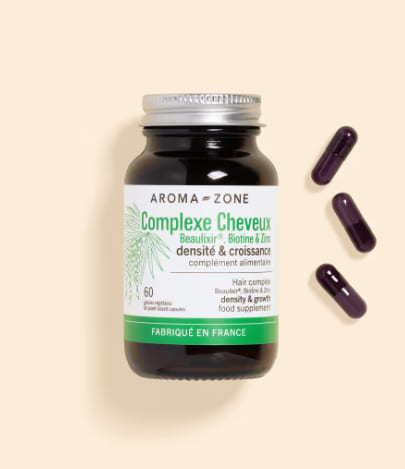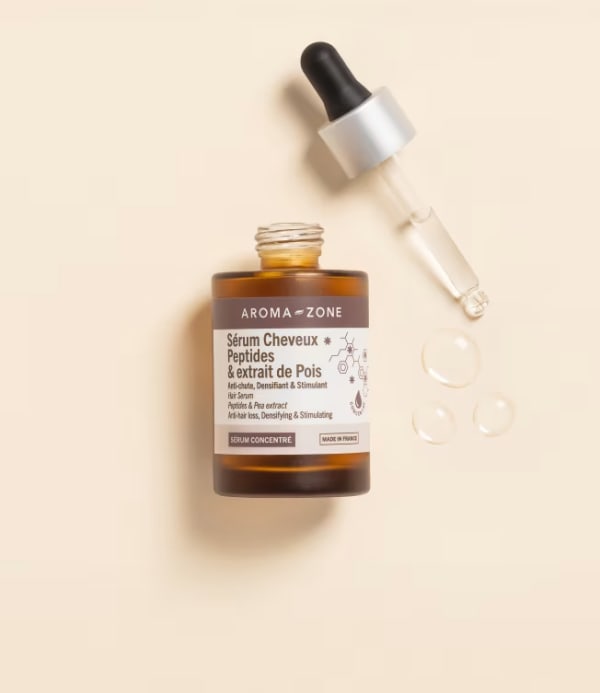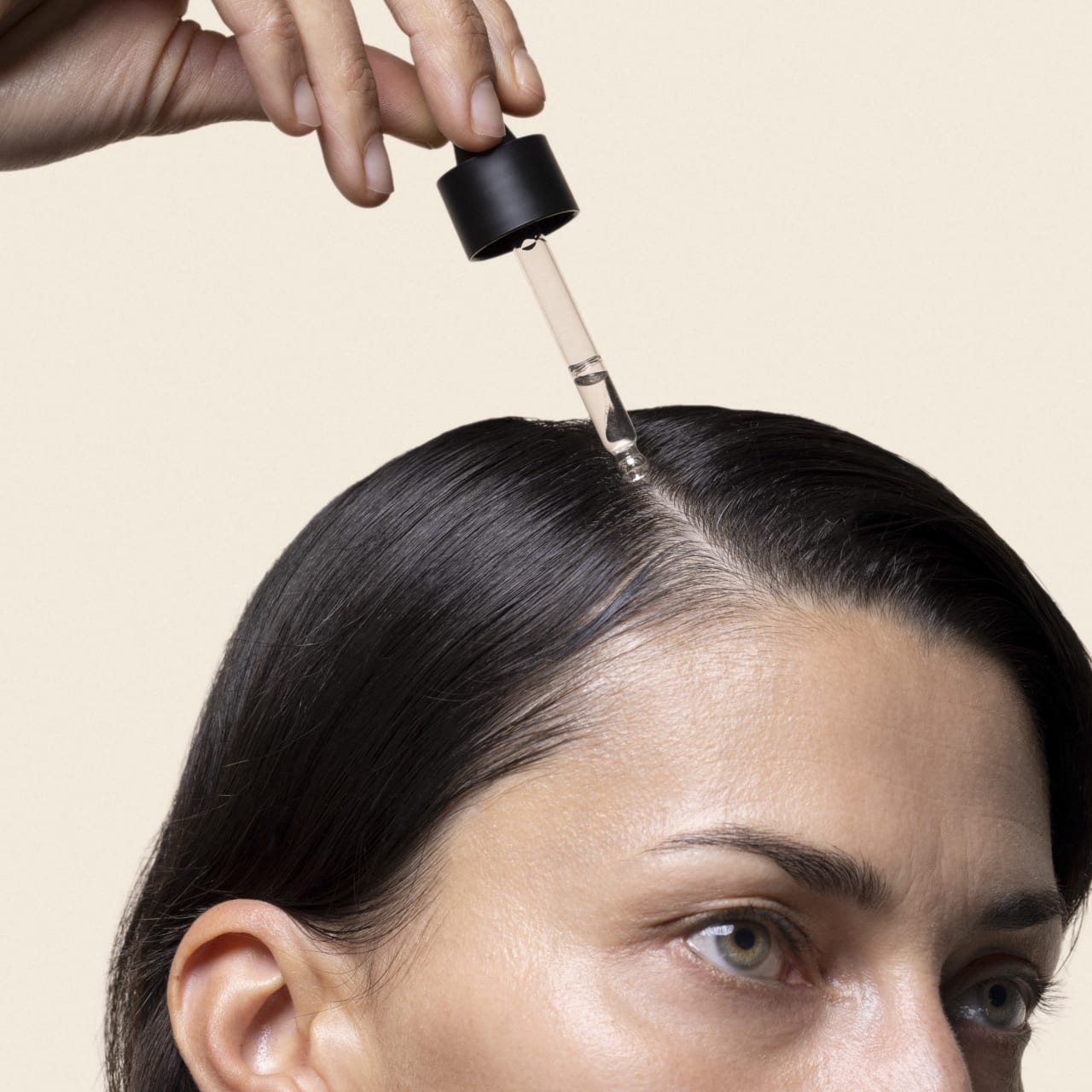
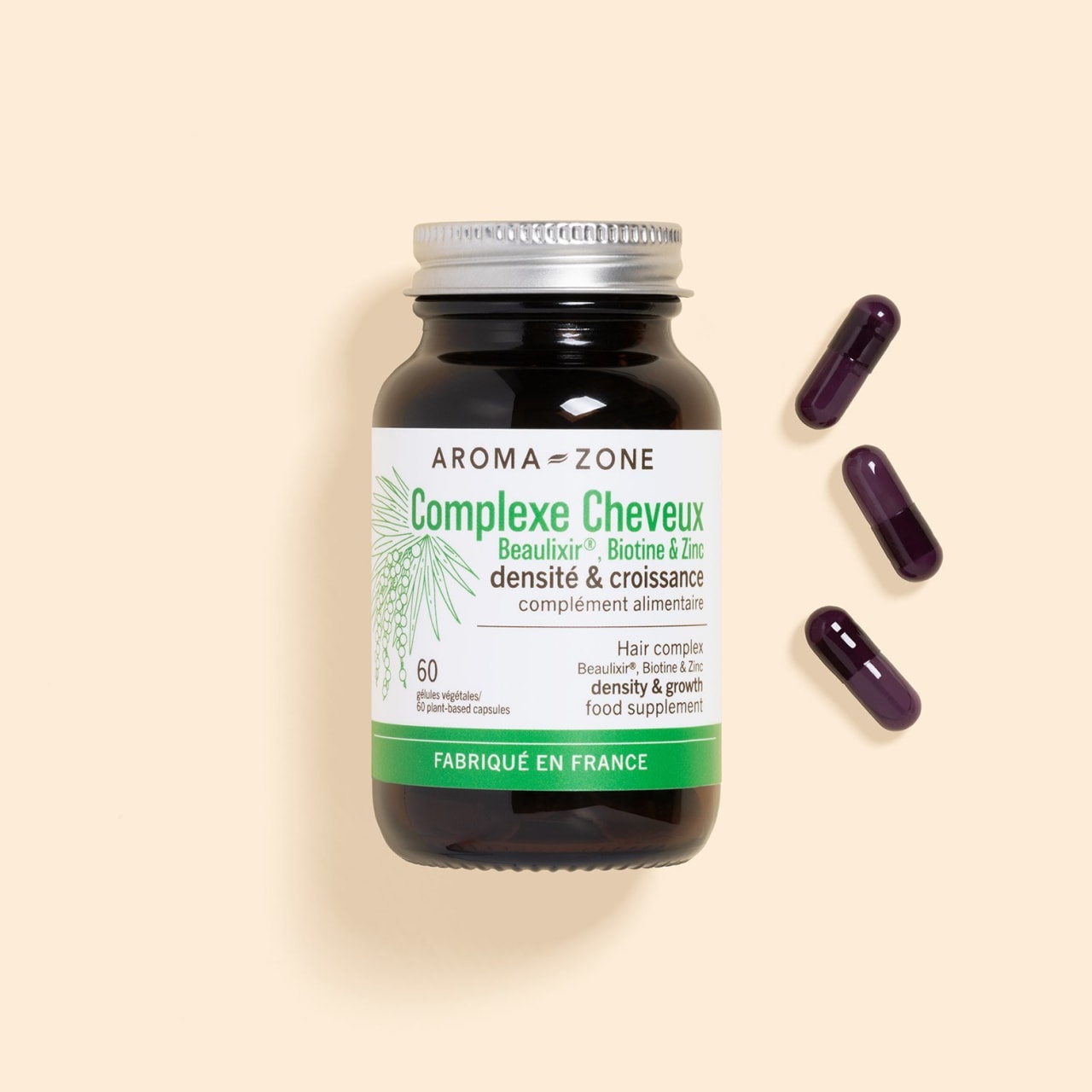
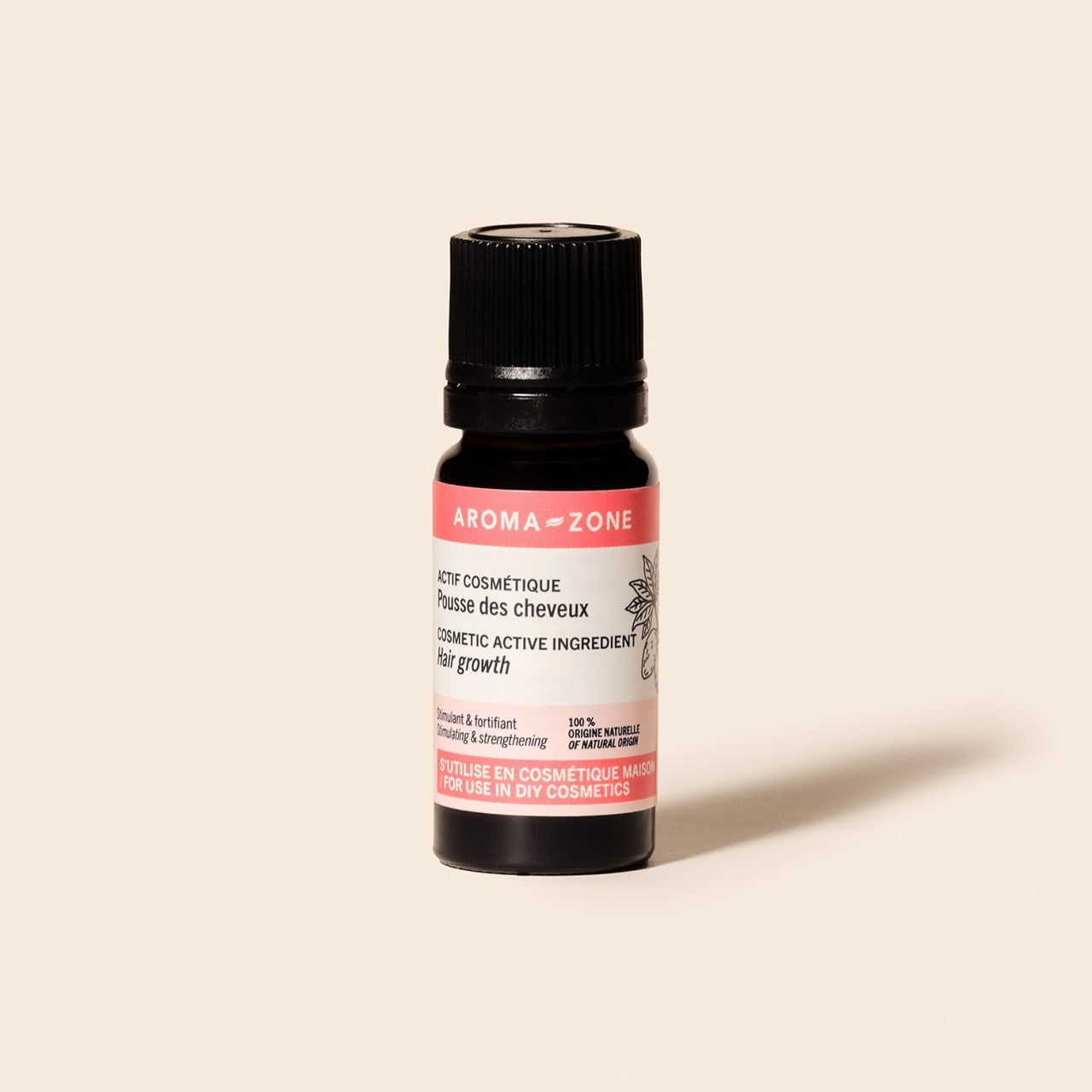
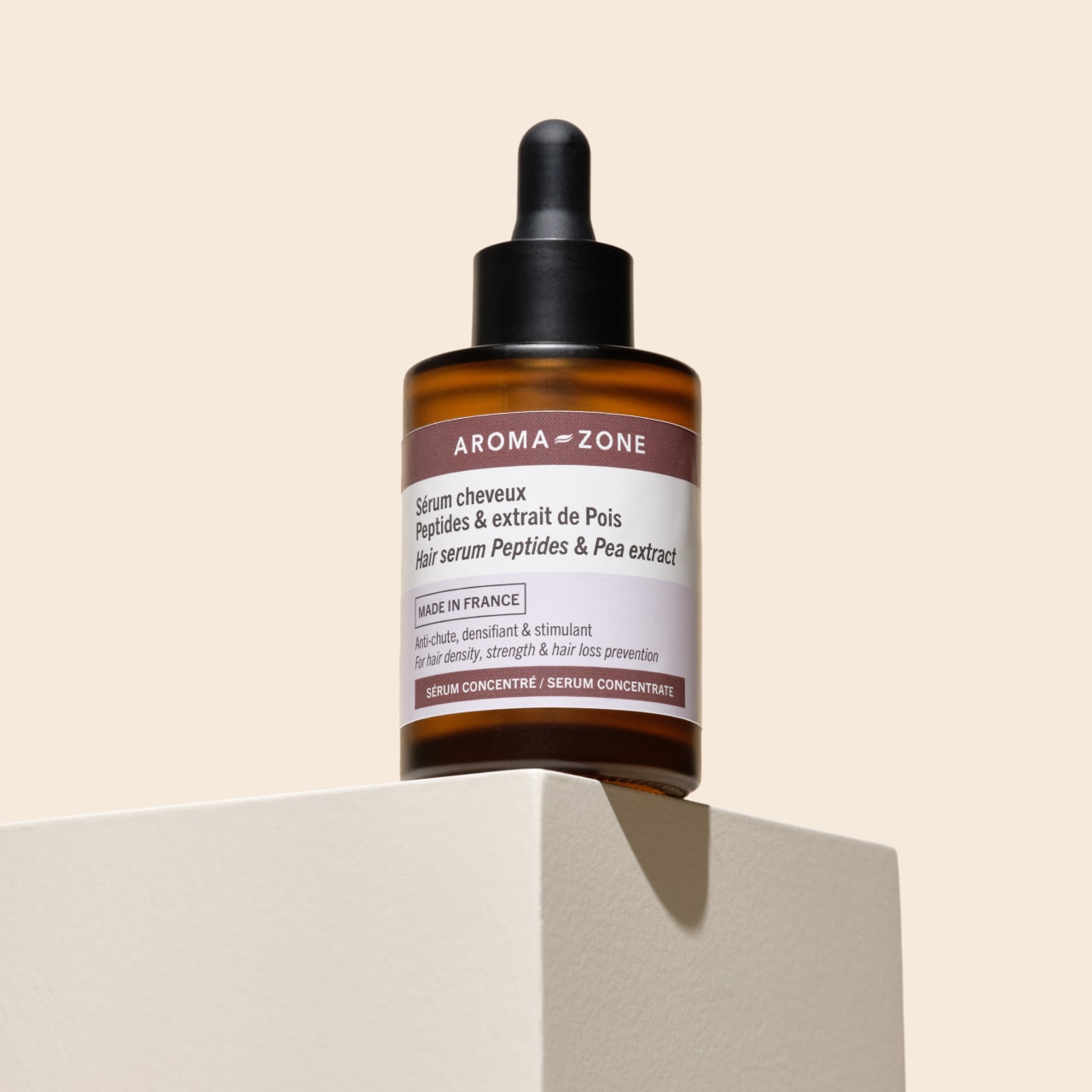
Saw palmetto (Serenoa repens), also known as dwarf palm, is a small palm tree native to the southeastern United States, particularly Florida. It belongs to the Arecaceae family. Its fruits, small dark berries, are used in herbal medicine for their medicinal properties, particularly to support hormonal health. Traditionally, Native American populations used saw palmetto to relieve urinary disorders and improve male vitality. Today, its extracts are primarily recognised for their active compounds capable of inhibiting 5-alpha-reductase, a key enzyme in the conversion of testosterone to dihydrotestosterone (DHT). Excess levels of this hormone are directly linked to the miniaturisation of hair follicles and androgenetic alopecia. This mechanism of action makes it a potential ally against hormonally-induced hair loss, in both men and women. The fruit of the dwarf palm is rich in fatty acids, plant sterols, and bioactive compounds that work synergistically to modulate hormonal activity without disrupting the body.
Saw Palmetto: Which Active Compounds Does It Contain?
Saw palmetto berries contain a synergy of active compounds responsible for its beneficial effects on hair health. It primarily contains:
Free fatty acids (lauric, myristic, oleic and linoleic acids): These fatty acids play an essential role in inhibiting 5-alpha-reductase while nourishing the scalp, thereby helping strengthen the skin’s lipid barrier.
Phytosterols (particularly beta-sitosterol): This plant sterol helps naturally modulate hormonal activity, especially DHT activity, while supporting hair follicle metabolism.
Flavonoids: Powerful antioxidants, they protect scalp cells from free radicals and help prevent premature tissue ageing.
Polysaccharides: Present in smaller quantities, they help maintain proper scalp hydration and promote a comfortable skin sensation.
Long-chain alcohols (including octacosanol): Known for their mild vasodilatory properties, they stimulate local microcirculation, thereby improving oxygenation of the hair follicles.
Volatile oils and tannins: These compounds give the fruit a slightly astringent effect, which helps balance sebum production, particularly on scalps prone to oiliness.