Which vegetables have a low GI?
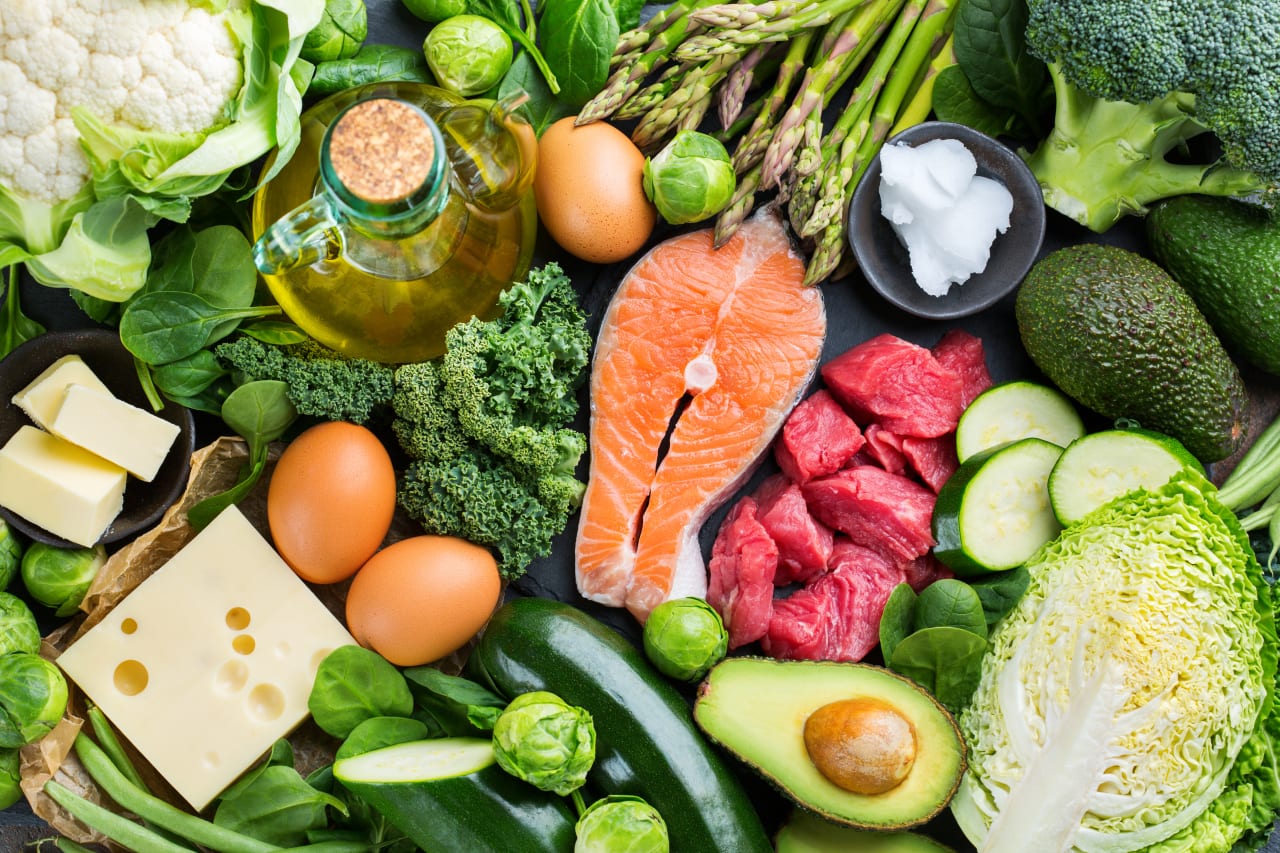
All vegetables naturally have a low glycaemic index, and sometimes even a very low one. However, once cooked, their glycaemic index rises, changing from low to high. You should therefore eat your vegetables raw wherever possible to benefit from all their fibre and antioxidant properties. Low-GI vegetables include:
So don’t hold back on green vegetables and fresh vegetables, which you can use to make lovely seasonal salads. Don’t miss out on cooked vegetables either; they’re also excellent for your health, although they have a slightly higher GI.
Which fruits have a low GI?
Fruits generally have a fairly high glycaemic index because they contain both glucose and fructose, the sugars found in fruit. However, some fruits are lower in sugar than others; for example, red berries have a low GI. Here are the ones to prioritise:
Avocado (10)
Blackcurrants (15)
Lemon (25)
Grapefruit (25)
Blackberries (25)
Blueberry (25)
Raspberry (25)
Fresh apple (35)
Pear (38)
Strawberry (40)
As with vegetables, it is best to eat whole fruit rather than processed fruit to benefit from its fibre content.
Which meats and fish are lowest in carbohydrates?
When it comes to meat and fish, there’s no need to deprive yourself. Meat is rich in iron, whilst fish is rich in omega-3 and selenium. However, to ensure they aren’t too fatty or too sweet, avoid very rich sauces. Low-GI meats and fish include:
Beef
Chicken
Pork
Lamb
Eggs
Salmon
Tuna
Sardines
Prawns
For vegans and vegetarians, pulses are an excellent alternative, being both high in fibre and low or very low on the glycaemic index. The key is to vary your food sources, so do treat yourself and try new things.
Which alcoholic drinks and other beverages are lowest in sugar?
Fizzy drinks and some mixed fruit juices are known for their high sugar and calorie content. If you’re looking for refreshing drinks without sending your blood sugar levels skyrocketing, we recommend opting for tea, coffee or fruit juices instead. Low-GI drinks include:
tomato juice (38)
carrot juice (43)
Prune juice (43)
apple juice (44)
As for alcohol, some drinks contain no sugar at all, but should still be consumed in moderation:
Vodka (0)
Gin (0)
Whisky (0)
Cognac (0)
Rum (0)
Although they have a low GI, they are nevertheless much higher in calories than most other alcoholic drinks, with an average of 100 calories per 45ml.
Which bread should you choose if you’re on a low-GI diet?
Contrary to popular belief, bread isn’t always packed with sugar or bad for your health. To reap all its benefits, it’s important to know how to choose it wisely:
Oat bran bread
Wholemeal bread
Sourdough rye bread
Wholemeal bread
For a white baguette high in sugar and gluten, expect a glycaemic index of around 62 per 60g of bread. When paired with chocolate spread, the total rises to 72 – a very high index!
Which snacks have the lowest glycaemic index?
Say goodbye to cakes, muffins, cereal bars and other processed, sugar-packed snacks: instead, opt for nuts, which are good for both your brain and your stomach.
Almonds
Cashew nuts
Pistachios
Walnuts
Macadamia nuts
A handful of almonds makes the perfect snack if you’re feeling peckish between lunch and dinner. You can sprinkle them over your soya yoghurt or add a few walnut halves to your salads to add a bit of texture and colour.
Which cheeses have a low glycaemic index?
If you’re a cheese lover, here’s some good news: cheese isn’t particularly high in carbohydrates, and hard cheeses top the list! But be careful – just because they have a fairly low glycaemic index doesn’t mean they’re low in calories or fat; quite the opposite, in fact. It’s therefore best to limit yourself to a portion of 30g per person per day. Among those with a low GI are:
Parmesan
Comté
Brie
Camembert
Goat’s cheese
The low glycaemic index of cheeses is due to the maturing process. The longer the cheeses are matured, the less lactose they contain; and as it is the lactose that is rich in carbohydrates, the glycaemic index of these cheeses decreases.