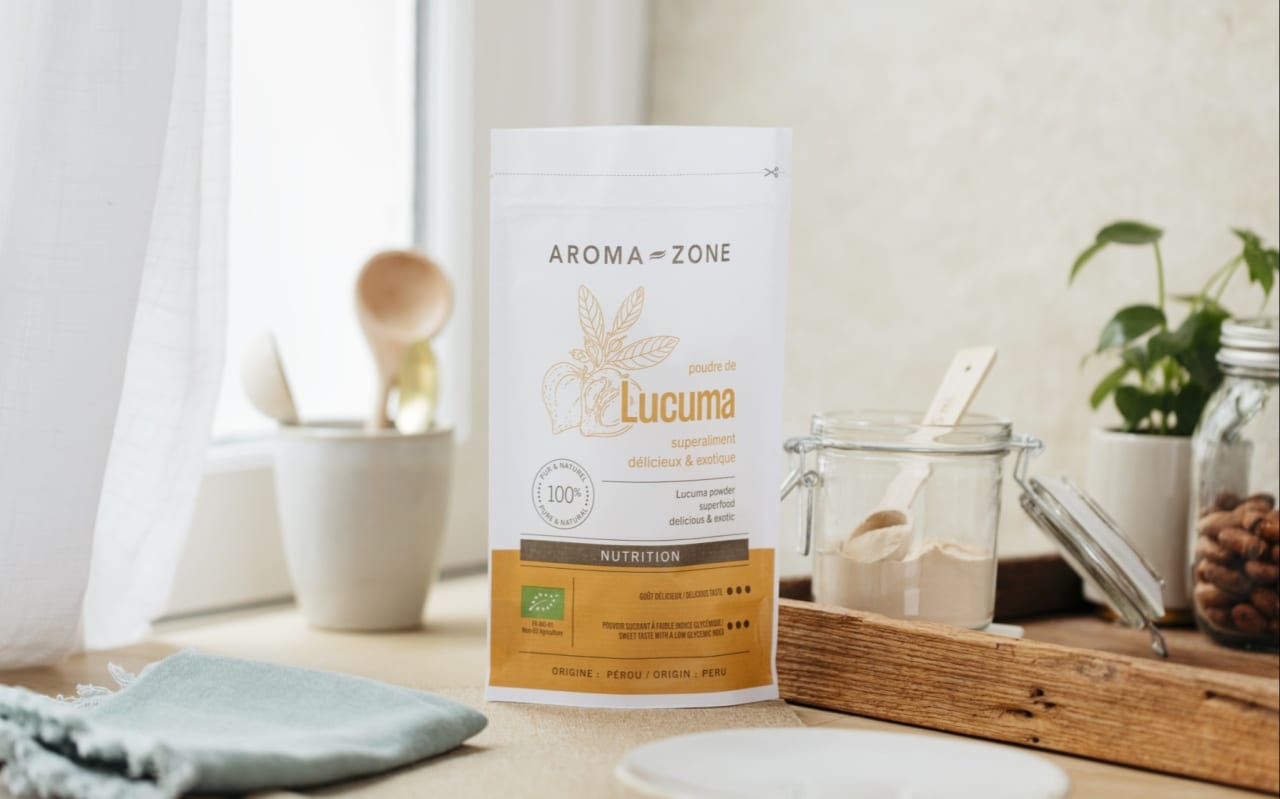
Lucuma: what is it?

A much-loved national dessert in Peru, lucuma is still little-known in Europe. Yet this fruit, native to the Andean regions and the Pacific coast, is a concentrate of vitamins, minerals and energy. Its taste, similar to maple syrup, is sure to please all gourmets. Lucuma has exceptional nutritional properties and can replace sugar.

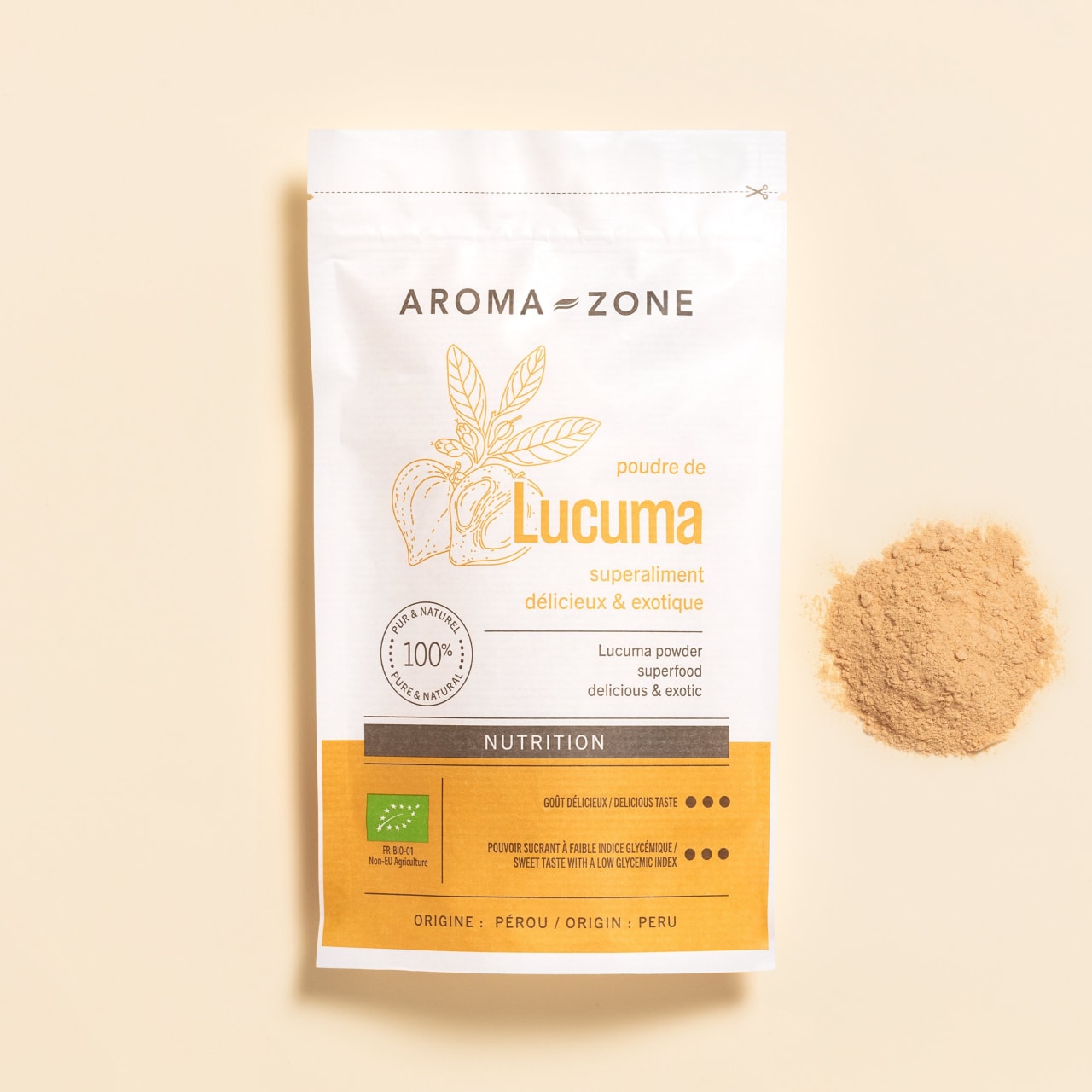
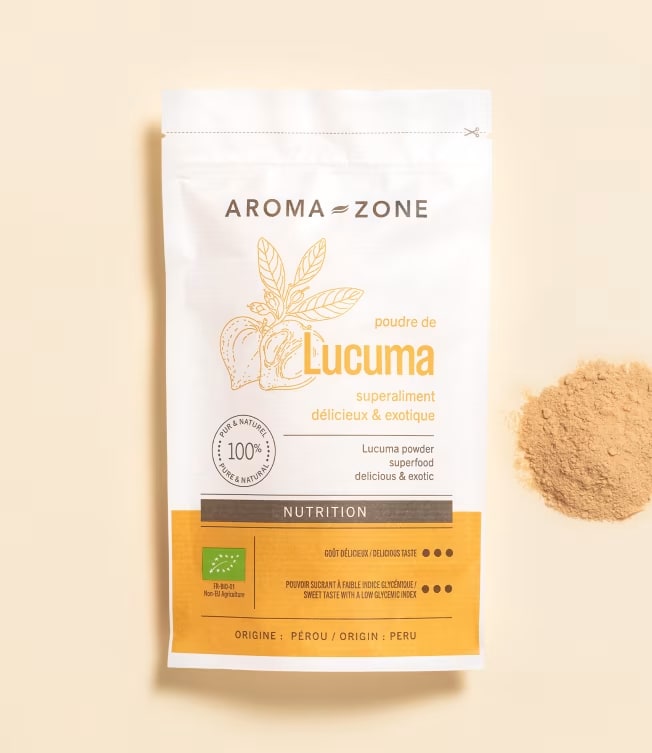
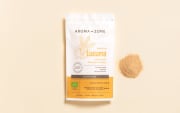
Too fragile to travel, this fruit is available in powder form from Aroma-Zone.

We tell you all about this superfood!

Reading time: 0 min.

What is lucuma?

Lucuma is an Andean fruit that grows on the Pouteria lucuma tree, a member of the Sapotaceae family, native to the Andes Valley in South America, and more specifically to Peru. This tree, which stands around 15 metres tall and has a light-coloured trunk, produces round fruit with a very thin green skin and bright orange flesh, weighing around 200 grams each. The lucuma tree thrives at altitude, growing ideally in tropical climates with average temperatures of between 20 and 22 degrees Celsius. Four years after planting, its fruit production will be highly beneficial.

Nicknamed "Gold of the Incas" or "Gold of the Gods", this fruit has a mild, slightly sweet taste, resembling maple syrup, caramel or sweet potato, and is used for culinary purposes in desserts, ice creams and pastries, fruit creams and meringues. It is considered Peru's national dessert.

Lucuma cannot be exported as is, as its skin is too thin and therefore too fragile. So the idea is to dry the harvested fruit and then grind it to obtain a powder that can be brought to us as a superfood!


Origin of lucuma

Archaeological evidence of the cultivation and even use of lucuma has been found among certain peoples who predated the Incas, such as the Mochicas (between 100 and 700 AD) and the Nazcas on the Pacific coast. These include everyday wooden objects, wooden sculptures of the fruit in funerary sites, and architectural elements.

More ancient evidence of its consumption has been found in Ancash, in northern Peru. It dates back to 6000 BC.

Lucuma was part of the daily diet of pre-Columbian peoples, along with maize and quinoa.

Its cultivation then spread to the south of Ecuador with the Spanish colonisation, and continued in Bolivia, Chile and more recently Costa Rica. Today, lucuma can be found as far afield as Mexico and even Hawaii.
Why use lucuma?

Lucuma powder has a number of properties that are beneficial to our bodies, making it an excellent addition to our diet. Lucuma is considered a superfood.

One of the benefits of lucuma powder is that it can be used as a sugar substitute. Our consumption of refined sugar is generally excessive. What's more, as well as having little nutritional value, refined sugar is addictive and contributes to the development of numerous diseases, including obesity.

Our organic lucuma powder is a good alternative, like agave syrup or honey, for making sweet dishes. When cooked, its taste is reminiscent of brown sugar. You can reduce table sugar by half in cakes, for example, and add lucuma powder to the mix.

Lucuma powder is also a beneficial thickener for pastries and cream desserts, for example.

Nutritional composition of lucuma

Lucuma's nutritional composition is well worth knowing!

Lucuma powder is a concentrate of energy and nutrients: rich in fibre, potassium, vitamin B3 and antioxidants such as beta carotene. It also contains proteins, vitamins such as vitamin A, B1, B2 and C, and minerals and trace elements such as calcium, iron, phosphorus, potassium and sodium.

What are the benefits of lucuma?

Lucuma has many benefits. As well as being delicious, it is particularly healthy and nutritious. Lucuma powder can be used as a nutritional aid, particularly if we're looking to improve our health, reduce or replace sugar in our diet, lose weight and even prevent certain diseases.

Let's look at the benefits of consuming lucuma powder:

  • Lucuma powder is rich in soluble and insoluble fibre, which facilitates digestion and therefore transit. The role of insoluble fibre in our intestines is to increase stool volume and prevent constipation. Soluble fibres are similar to prebiotics and serve as substrates for our microbiota. Fibre facilitates the absorption of minerals by our body and is essential for the good health of our digestive system and therefore our general state of health: from the prevention of certain diseases to the proper functioning of our brain.

  • Lucuma versus table sugar: lucuma has a high nutritional value and a low glycaemic index. Its naturally sweet, delicate taste means it can be used in our diet to replace or supplement our table sugar or refined sucrose. A small amount of lucuma powder can easily sweeten a dessert or drink.

  • Source of antioxidants: lucuma contains antioxidants such as polyphenols, vitamin C and carotenoids including the famous beta carotene. It is to these carotenoids that Lucuma owes its beautiful yellow-orange colour. These antioxidants protect us from inflammation and preserve our vision. They also help to maintain healthy-looking skin. The antioxidants in our diet combat the damage caused by free radicals, molecules that accelerate the deterioration and ageing of our cells. Antioxidants protect us from heart disease and prevent the onset of cancer.

  • Lucuma regulates blood sugar levels: lucuma regulates and lowers blood sugar levels, helping to combat type 2 diabetes. As well as the simple sugars it contains, lucuma also contains complex carbohydrates such as starch and fibre. Thanks to these components, blood sugar levels are regulated and protection against diabetes is activated by improving insulin sensitivity and reducing blood sugar peaks following a meal, all by blocking the alpha-glucosidase enzymes responsible for converting complex carbohydrates into simple sugars. What's more, thanks to its low glycaemic index, when lucuma replaces table sugar in our diet, we benefit from a much lower sugar intake. However, it is advisable to consume lucuma powder in moderation. Studies conducted by Chilean universities on native Peruvian fruits, including lucuma, have demonstrated its anti-hyperglycaemic properties through inhibition of the alpha-glucosidase enzyme, and its value as a supplement to anti-diabetic drugs.

  • Cardiovascular function: lucuma's polyphenols are thought to protect the heart from heart disease and reduce blood pressure. These properties have yet to be proven. It is also thought to have cholesterol-lowering properties thanks to its fibre content, which reduces the absorption of other nutrients from food, including cholesterol.

  • Energy metabolism: lucuma contributes to energy metabolism (carbohydrates). It provides carbohydrate energy, essential for the proper functioning of neurons and red blood cells.

A closer look at our organic lucuma powder

Lucuma-based recipes

Here are 3 lucuma-based recipes to enjoy the benefits of this fruit and its delicate, surprising taste.

Banana and lucuma ice cream

Preparation

1

Place all the ingredients in a high-speed blender and blend until the mixture has the texture of ice cream.

2

Serve in a bowl and garnish with a few cocoa nibs and walnuts or almonds.

Enjoy!

Vegan lucuma pancakes

Preparation

1

Mix the flours, yeast, lucuma powder and cinnamon in a bowl.

2

Then add the mashed banana and cashew nut purée and mix.

3

Finally, gradually add the plant milk while stirring to obtain a fairly thick, homogenous paste (it doesn't matter if the paste isn't completely smooth).

4

Heat a little coconut oil in a frying pan. When it's hot enough, pour in 1 ladleful of batter per pancake, wait to see bubbles form on the surface of the pancakes before turning them over to brown the other side. A real treat!

Lucuma caramel with coconut milk

Preparation

1

In a saucepan, pour 2 tablespoons of coconut milk (if you are using Aroma-Zone organic coconut milk powder, rehydrate it beforehand) and bring to a medium heat.

2

Once the liquid is lukewarm, add 1 teaspoon of lucuma powder, mixing well.

3

Increase the heat a little and reduce to a creamy texture. Now it's ready!

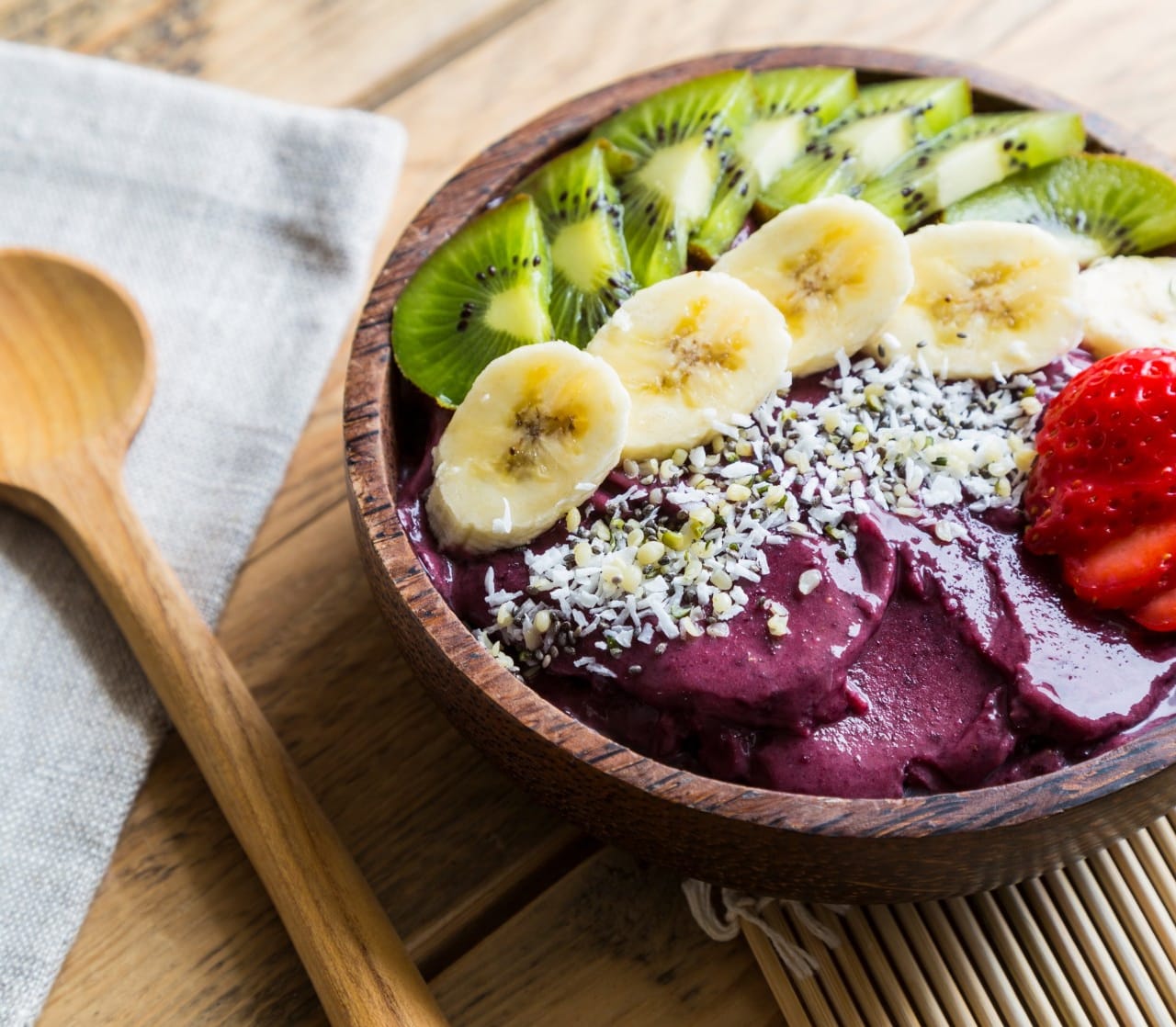
You can also add a teaspoon of lucuma to fromage frais, smoothies, fruit salads, mueslis and yoghurts 


Find out more

When should lucuma be used?

You may be wondering at what time of day to take lucuma powder?

We recommend using it during meals to get the most out of its benefits: from breakfast to dinner, or even as a snack.

Side effects of lucuma

No side effects have been reported to date with the recommended dosage of lucuma powder.

Posology of our Aroma-Zone organic lucuma powder

Recommended doses vary between 5 and 15g per day for an adult.

A closer look at Sonia Caillol Mérité, Doctor of Pharmacy

Sonia Caillol Mérité has a doctorate in pharmacy and a university degree in Dietetics, Nutrition and Health.

You can find all her advice on her Instagram page: nutrisonia13

Bibliography

1

Pouteria lucuma Pulp and Skin: In depth Chemical Profile and Evaluation of Antioxidant Activity. Molecules

Masullo M

2

Evaluation of antihyperglycemia and antihypertension potential of native Peruvian fruits using in vitro models

Pinto Mda S

3

Characterization of main primary and secondary metabolites and in vitro antioxidant

Fuentealba C