
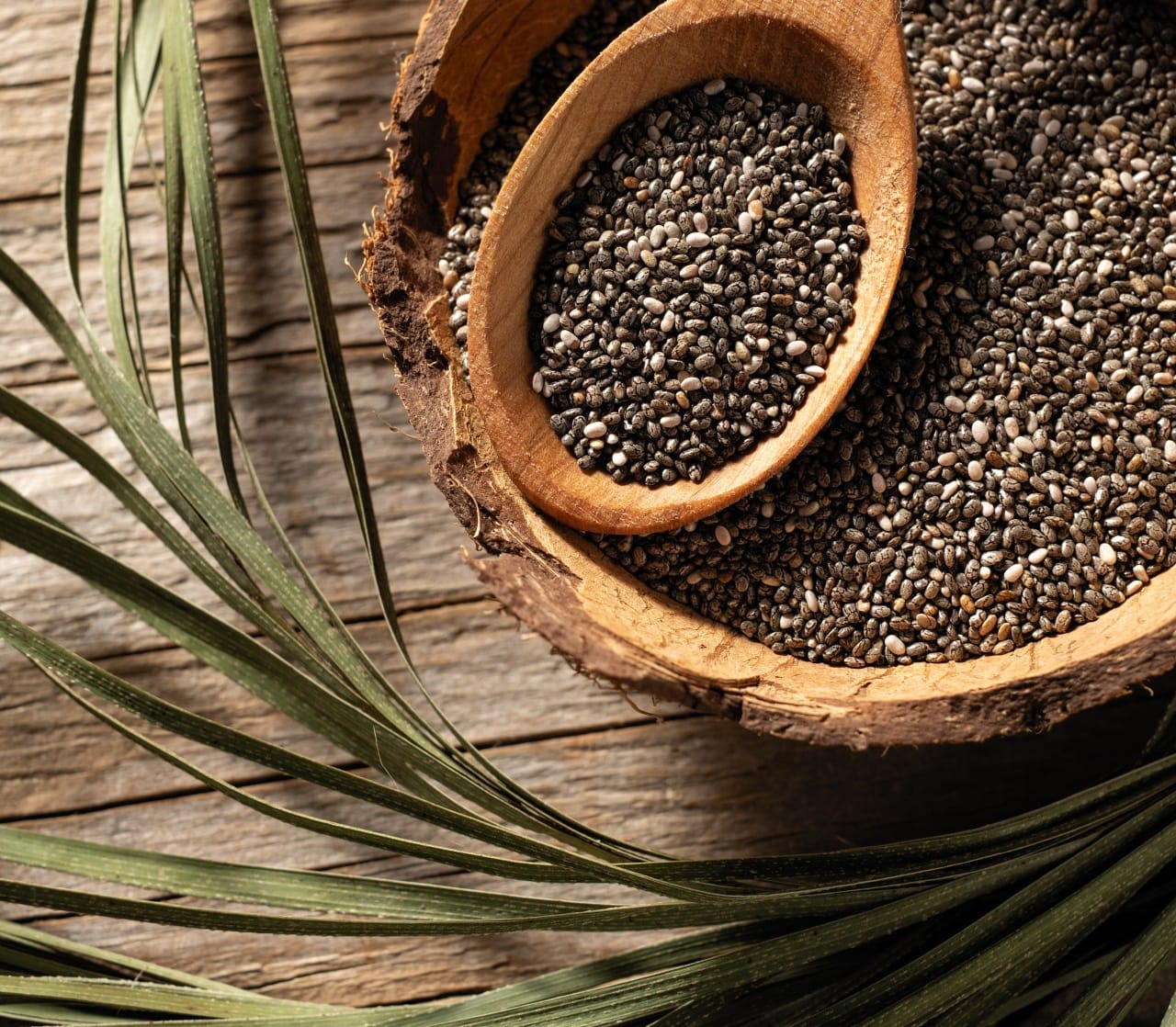
Considered a superfood, these oval-shaped seeds come from the Salvia hispanica plant, which belongs to the Lamiaceae family and originates from Mexico and Guatemala. Despite their tiny size, they have gained worldwide attention thanks to their impressive nutritional density. Extremely nutrient-rich, they offer numerous health benefits and incredible culinary versatility thanks to their unique texture. Their colour can vary: black, gray, or with small contrasting spots. Preferably, consume organic chia seeds.
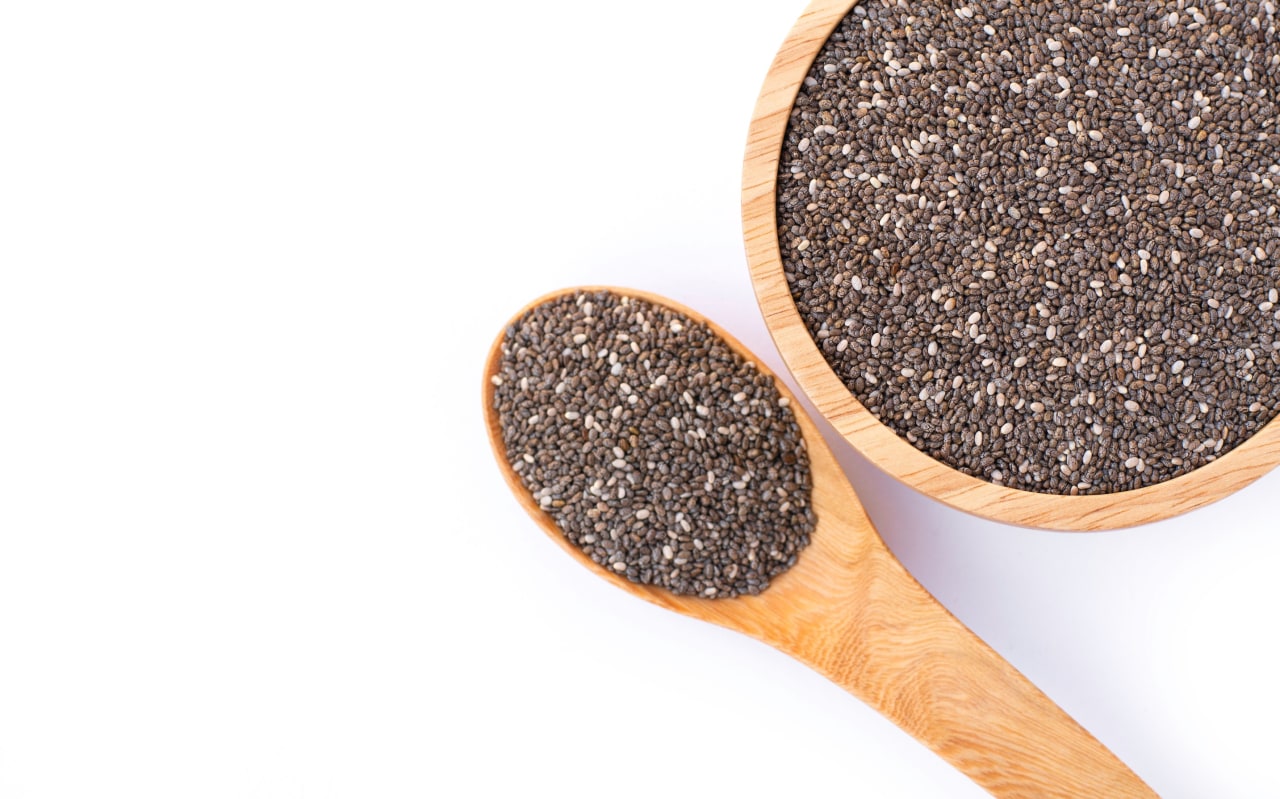
How do you eat chia seeds, and how much should you have?
Published on: Monday, September 09, 2024, Updated on: Thursday, October 08, 2026
Chia seeds, an exotic and edible superfood, have become a staple of healthy eating. There are plenty of good reasons to enjoy them, as they offer numerous health benefits. Discover how to incorporate these fibre-rich seeds into your routine, explore their benefits and find inspiring recipe ideas.
Contents
Related products
Organic Maca Powder
Vitality
£7.00
200 g
Organic Lucuma Powder
Sugar substitute
£9.50
200 g
Chia Seeds: What Are They?
Why Eat Chia Seeds?
For Their Nutritional Profile
With an average of 385 kcal per 100 g, chia seeds are considered an energy-rich food. Their concentration of fibre, protein, omega-3, minerals, vitamins, and antioxidants is very impressive. They are very low in sugar. Their nutritional value thus helps improve overall health and actively supports a balanced diet.
For Their Satiety Benefits
Just 1 to 2 tablespoons of chia seeds a day are enough to boost satiety throughout the day. This is largely due to their high fibre content (34 g per 100 g of seeds). For those with appetite issues or a tendency to snack, they are a valuable ally for regulating hunger pangs.
For Their Easy and Versatile Use
Their neutral taste makes them perfect for both sweet and savoury recipes. They can simply be sprinkled over your dishes and do not need to be ground, unlike flax seeds. While dry Chia seeds add a pleasant crunch, they transform when they come into contact with water or any other liquid: they form a viscous gel-like texture and soften, helping to thicken and add texture to your recipes.
The Benefits of Chia Seeds
The comprehensive nutritional profile of chia seeds gives them numerous benefits:
One of the richest plant-based sources of polyunsaturated fatty acids: Chia seeds have an excellent omega-3 to omega-6 ratio. Omega-3 fatty acids (alpha-linolenic acid, followed by its derivatives: stearidonic acid, eicosapentaenoic acid (EPA) and docosahexaenoic acid (DHA)) help regulate the body’s inflammatory responses. All the omega-3s mentioned above contribute to reducing levels of LDL cholesterol (“bad” cholesterol) and triglycerides, while supporting overall cardiovascular health by promoting better blood circulation. (1)(4)
A significant fiber content: With a high fibre content, chia seeds help regulate bowel movements, prevent constipation, and promote good digestive health by nourishing the beneficial bacteria in the gut flora. Furthermore, these mucilaginous seeds have the unique property of swelling in the presence of liquid, which also helps promote bowel movement. Several scientific studies (1) (2) have also demonstrated their benefits in stabilising blood sugar levels after meals and preventing insulin spikes, thanks to the gel they form in the stomach, which is particularly beneficial for overweight individuals or those with diabetes. Thanks to their low glycemic index, their high protein, fibre, and omega-3 content, and their satiating power help better regulate total daily calorie intake, support weight loss, and contribute to maintaining a healthy weight. (1) (2)
A complete essential amino acid profile: Their protein content is ideal for supporting muscle growth, tissue repair, and the maintenance of muscle mass, particularly for athletes, vegetarians, and vegans.
Rich in minerals: With high levels of calcium, magnesium, and phosphorus, chia seeds contribute to healthy bones and teeth. They are an appealing, lactose-free alternative for people who do not consume dairy products, vegans, or those with digestive intolerances. For example, they contain more calcium than milk (3): calcium content per 100 g of chia = 631 mg; calcium content per 100 g of UHT whole milk = 120 mg
A source of antioxidants: powerful protectors of the body’s cells against oxidative damage caused by free radicals, helping to prevent skin and body ageing. Thanks to vitamin A and antioxidants, chia seeds help support vision. (1)
A source of B vitamins, particularly vitamins B1 and B3, which help the body convert food into energy more efficiently, supporting metabolism and overall well-being.
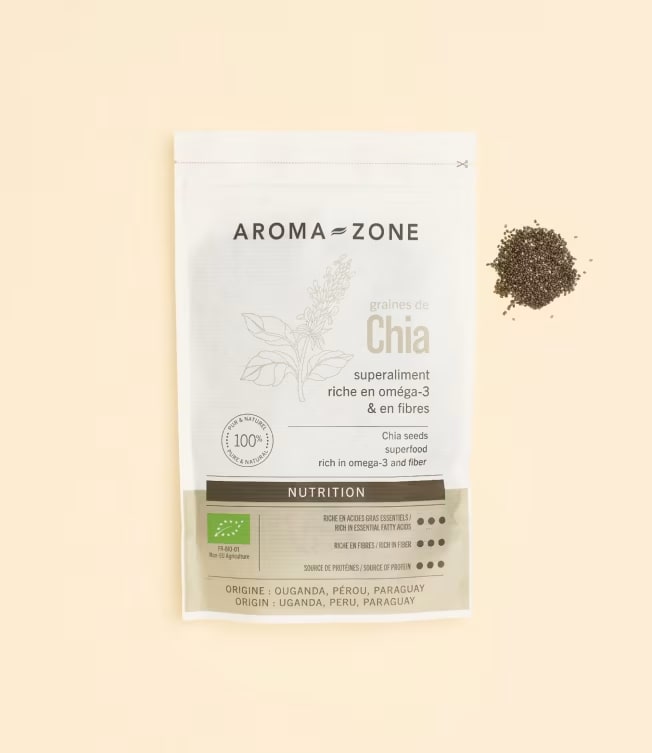
Spotlight on the Superfood: Organic Chia Seeds
Highly valued for their nutritional qualities and their effect on digestion, these small seeds, rich in fibre and essential omega-3 fatty acids, are also a valuable source of protein. Additionally, these mucilaginous seeds have the unique ability to swell when exposed to liquid, allowing you to create unique gel-like textures in your recipes!
How to Eat Chia Seeds?
There are many ways to enjoy chia seeds—it’s up to you to choose the one that suits you best:
Rehydrated Chia Seeds
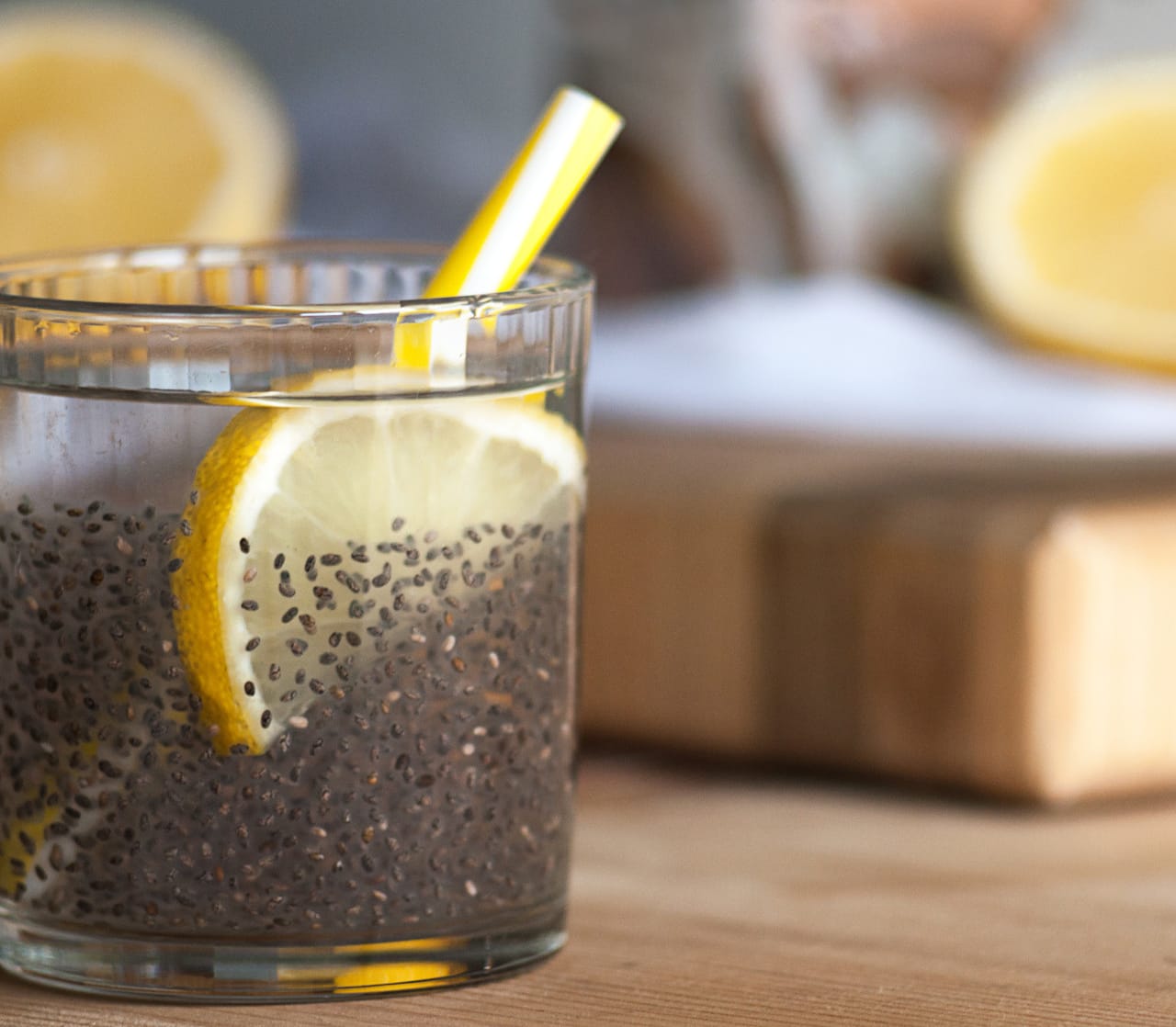
In your drinks: Add 1 to 2 tablespoons to a glass of water, fruit juice, plant-based milk, smoothie or protein shaker.
With your yoghurts: Add Chia seeds for extra crunch and an energy boost.
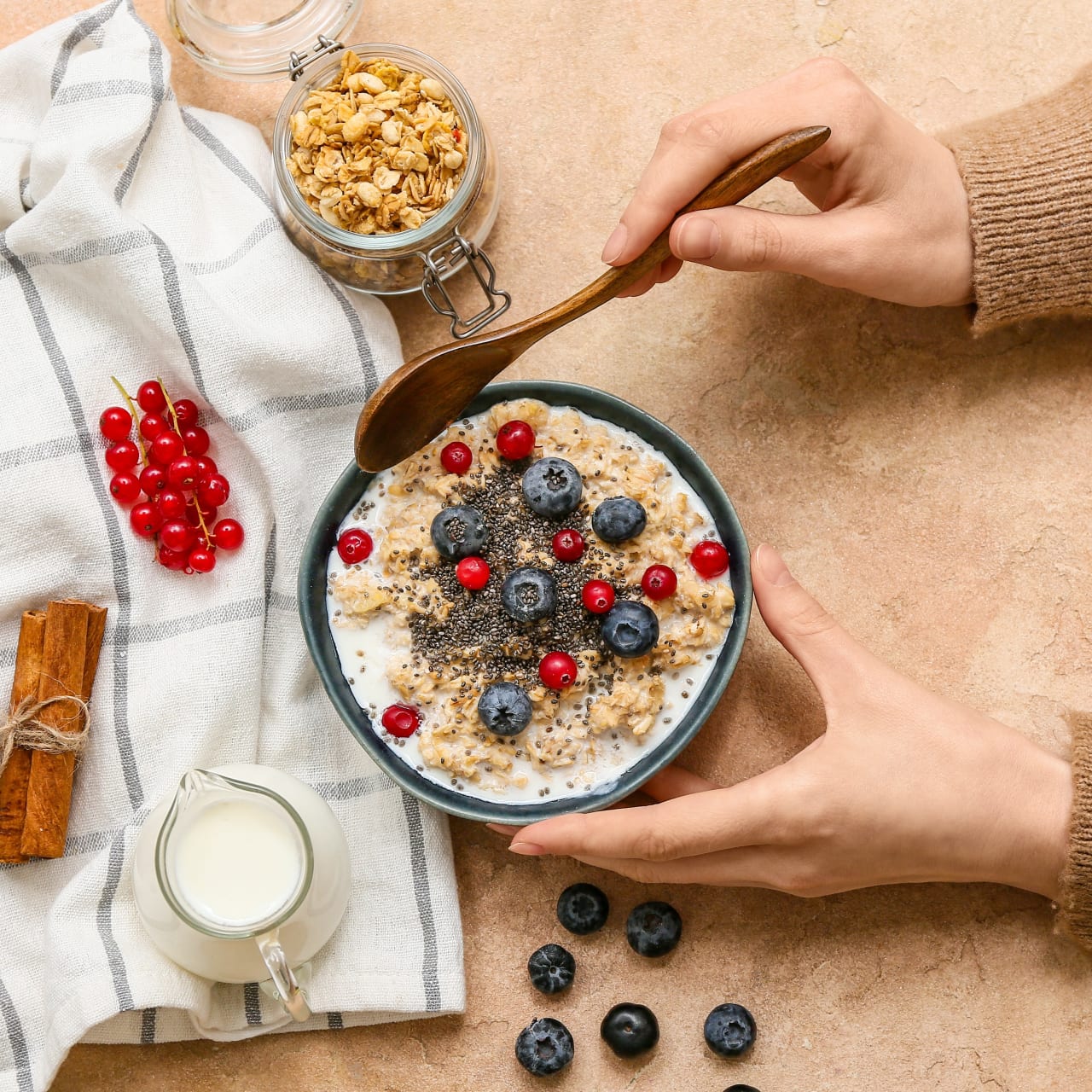
In puddings: Easy to prepare, simply add 1 to 2 tablespoons of Chia seeds to your choice of plant-based or dairy milk and leave to set in the fridge for a few hours. Then add a drizzle of Organic honey or maple syrup, chopped fruit (mango, strawberries, pineapple, kiwi, etc.) and top with crushed nuts, flaked almonds, pistachios or peanuts.
As a thickener for sauces: Instead of using corn starch or flour, add Chia seeds to savoury sauces (tomato, curry, coconut sauce, homemade mayonnaise, etc.) or fruit coulis to thicken them.
In salad dressings: For an extra boost of omega-3s and a creamier texture.
Chia Seeds in Cooking
In bread doughs, with other ingredients: Add them alongside pumpkin seeds, sunflower seeds, cranberries, walnuts, figs, and other toppings or mix-ins.
As an egg substitute in vegan baking: Try mixing 2 teaspoons of Chia seeds with 2 to 3 tablespoons of water. Leave to rest for 20 minutes, then use this thickening mixture in your recipe as an egg replacement
However, be mindful of excessive heat, which can reduce vitamin content and damage omega-3 fatty acids.
How to Incorporate Chia Seeds into Your Daily Diet
Ensure good daily hydration first: Drink around 1.5 to 2 litres of water per day.
Choose Chia seeds at breakfast: They provide a boost of energy and can help reduce mid-morning cravings. As a snack, Chia seeds are also a great alternative to sugary or high-fat options: try them in puddings, energy bars, smoothies, and more. If you tend to snack in the evening, adding Chia seeds to a dessert after dinner may help support a longer-lasting feeling of fullness.
Pair them with vitamin C-rich foods: To optimise the absorption of the iron naturally found in Chia seeds, consume them alongside foods rich in vitamin C, such as citrus fruits or berries, especially if you follow a vegetarian or vegan diet.
Aroma-Zone Recipes with Chia Seeds
Precautions for Use
Although chia seeds are generally safe, there are a few precautions to take:
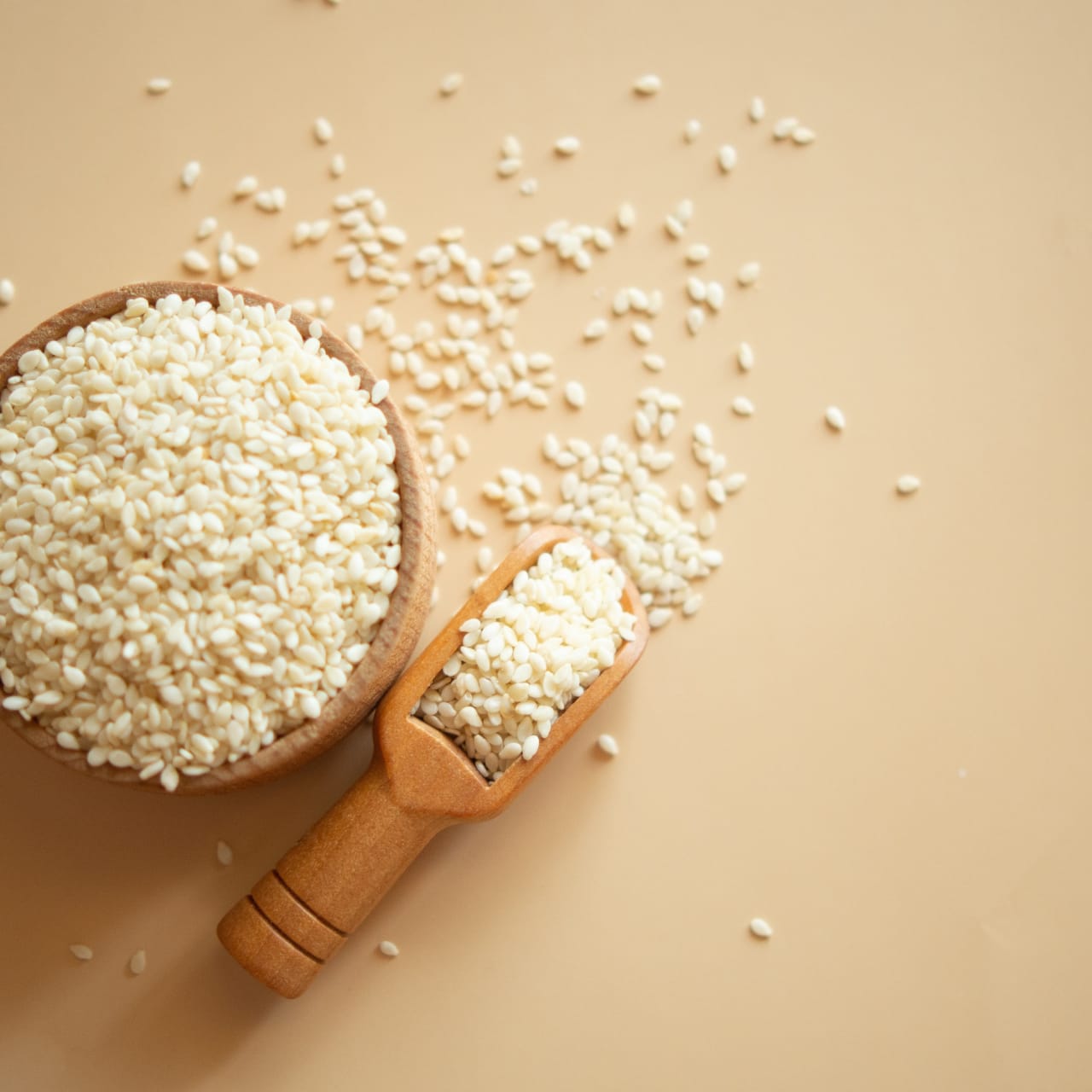
If you have allergies : People allergic to sesame or mustard seeds may sometimes be sensitive to chia seeds. Introduce them very gradually!
In Case of Digestive Issues: Due to their high fibre content, consuming too many Chia seeds may cause bloating, gas or digestive discomfort. It is recommended to start with small amounts and gradually increase your intake over time.
Expert Advice
Start gradually: If you are not used to consuming large amounts of fibre, begin with 1 teaspoon of Chia seeds per day, then gradually increase your intake to 1 to 2 tablespoons per day (around 15 to 30 g). This allows your digestive system to adapt and helps prevent discomfort, such as bloating. Ideally, start by consuming Chia seeds well-hydrated rather than dry.
Spotlight on our nutrition writer, Raquel Barros

Raquel was always passionate about nutrition and well-being, and it was above all her love of good food and desire to share her knowledge that led her to pursue a career in dietetics. A graduate with a BTS qualification specialising in sports nutrition, she discovered the world of natural solutions, including dietary supplements and oligotherapy, while working in various pharmaceutical laboratories. In recent years, she has expanded her work to include nutritional counselling and article writing, combining her interest in nutrition with her passion for sharing knowledge. Women’s health, anti-inflammatory diets, sport, and balanced nutrition are among her favourite topics.
Bibliography
Ullah, R., Nadeem, M., & Khalique, A., Nutritional and therapeutic perspectives of Chia (Salvia hispanica L.): a review - Journal of Food Science and Technology, 2016
Nutritional and Therapeutic Perspectives of (Salvia hispanica L.): A Review - PMC
Alwosais EZM, Al-Ozairi E, Zafar TA, Alkandari S. Chia seed (Salvia hispanica L.) supplementation to the diet of adults with type 2 diabetes improved systolic blood pressure: A randomized controlled trial. Nutr Health. 2021 Jun;27(2):181-189. doi: 10.1177/0260106020981819. Epub 2021 Feb 2. PMID: 33530854.
Ciqual Table
Lipids | ANSES – French Agency for Food, Environmental and Occupational Health & Safety
Frequently Asked Questions
Associated tips
Nutrition tips
Nutrition tips
Article of the day
Nutrition tips


