Chia Seeds: How Much Should You Eat Each Day to Reap Their Benefits?

Chia Seeds: How Much Should You Eat Each Day to Reap Their Benefits?


By Chloé Couly

Published on: Thursday, November 27, 2025, Updated on: Monday, October 05, 2026

You’ve incorporated chia seeds into your diet, but are wondering how many to eat each day to get the most out of them? With varying recommendations and potential side effects, it’s not always easy to find the right amount. However, sticking to the right amount makes all the difference between real benefits and digestive discomfort.

Contents

Related products

Scientifically Proven Benefits

Chia seeds contain around 34% dietary fibre, an exceptionally high content that gives them several benefits documented by research. Scientific studies have demonstrated their benefits in stabilising blood sugar levels after meals and preventing insulin spikes, which is particularly beneficial for people who are overweight or have diabetes.

Highly sought after for their nutritional qualities and their effect on digestion, these small seeds, rich in fibre and essential omega-3 fatty acids, are also a valuable source of protein. Their mucilaginous properties allow for the creation of unique gel-like textures in cooking.

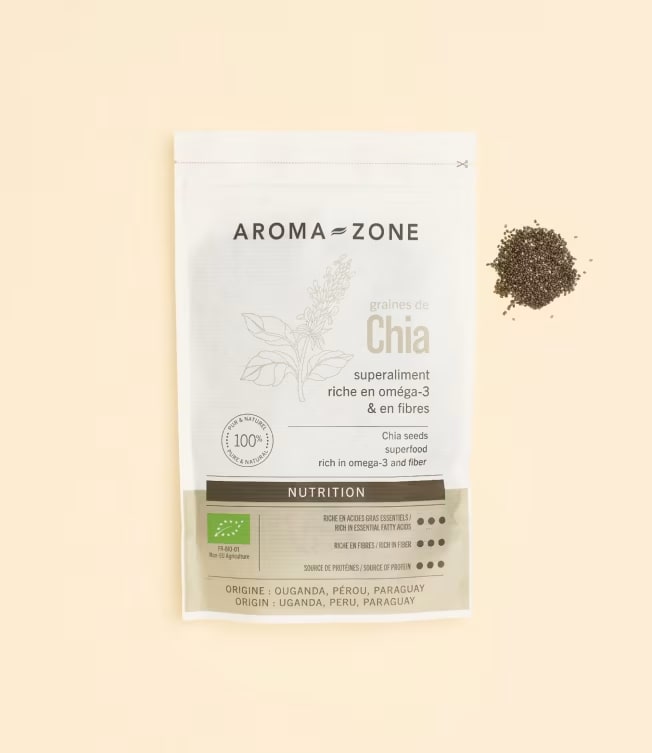
The Organic Chia Seeds offered by Aroma-Zone, naturally rich in mucilage, are of a raw, unrefined quality that fully preserves these essential nutrients. They can easily be incorporated into your daily diet, whether in a pudding, a smoothie, or a savoury dish.

Spotlight on the Superfood: Organic Chia Seeds

Highly prized for their nutritional qualities and their effect on digestion, these tiny seeds, rich in fibre and essential omega-3 fatty acids, are also a valuable source of protein. Furthermore, these mucilaginous seeds have the unique property of swelling when exposed to liquid, allowing you to create interesting gel-like textures in your recipes!

Discover Our Organic Chia Seeds Superfood

How Can You Incorporate Them Into Your Daily Routine?

The recommended amount of chia seeds is between 15 and 30 grams a day, which is roughly 1 to 2 tablespoons. If you're new to chia seeds, start first with a teaspoon, then gradually increase the amount.

Here are three simple recipe ideas:

  1. Quick Pudding: Mix 2 tablespoons with 100ml of plant-based milk. Leave to set for 4 hours in the fridge, then add fresh fruit and a few almonds

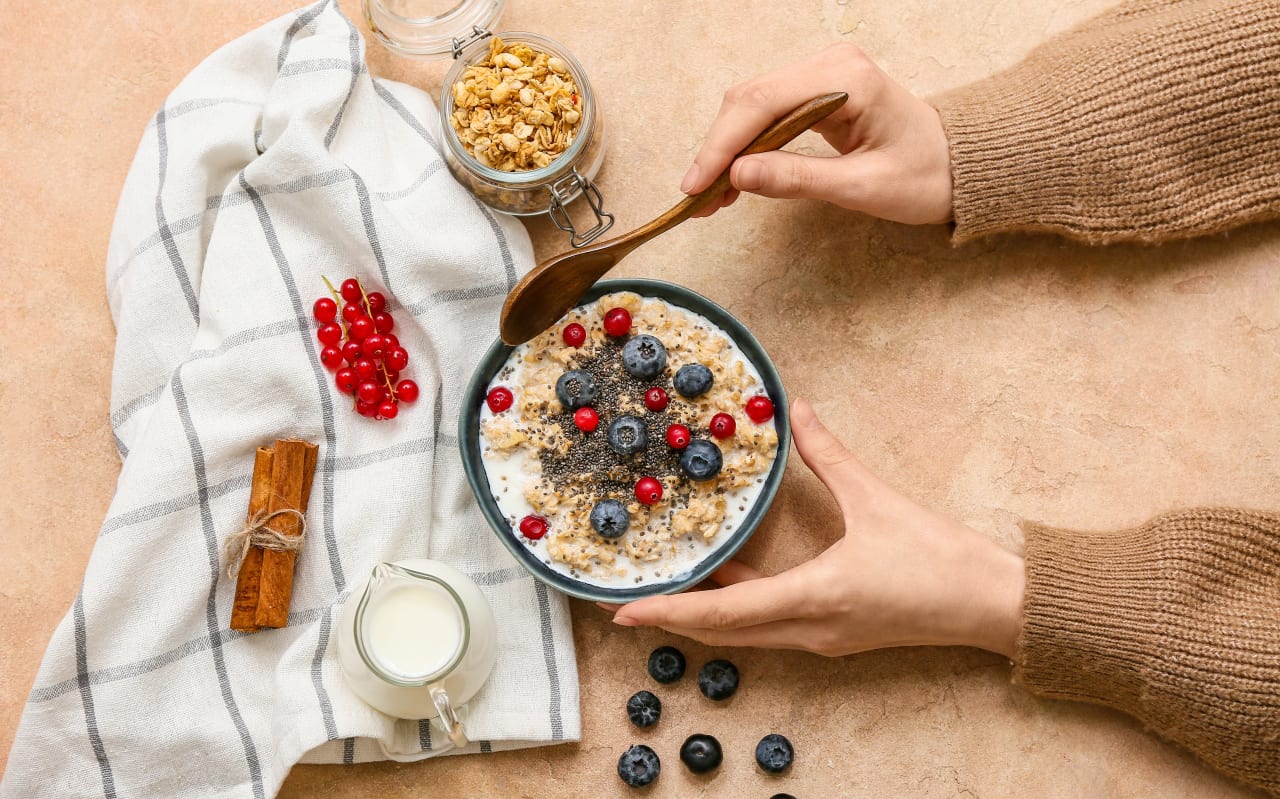
  2. Morning Boost: Sprinkle 1 tablespoon over your yoghurt, fruit compote or smoothie bowl. Its neutral flavour goes well with anything

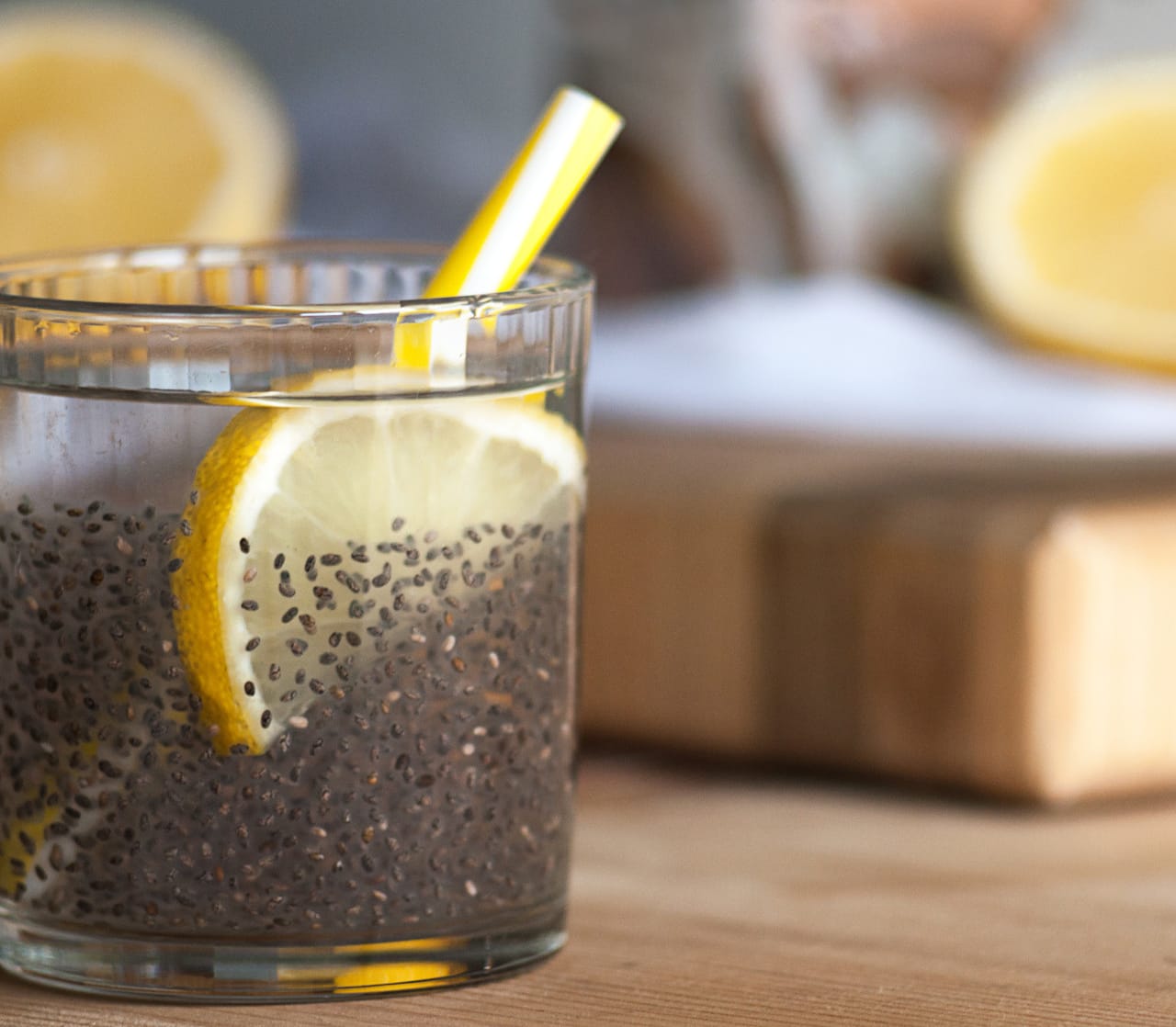
  3. Chia Water: Pour 1 tablespoon into a large glass of water with lemon. Wait 15 minutes and drink before a meal to help you feel fuller

Precautions: Make sure you drink enough water (1.5 to 2 litres a day). Excessive consumption may cause bloating or digestive problems. Avoid eating large quantities of them dry.

Spotlight on our writer and editor: Chloé Couly

Chloé Couly

Chloé, an editor with a passion for natural wellbeing and homemade cosmetics, has been using Aroma-Zone products for many years. Curious by nature, she enjoys researching the benefits of plants, active ingredients, and their synergies to create effective beauty routines that are gentle on the skin. What began as a personal interest has become a genuine passion that she now shares through her work as a writer and editor.

Bibliography

  1. Nieto, C., Ros, G., & Castillo, J.

    (2020). In vitro digestion of whole chia seeds (Salvia hispanica L.): nutrient bioaccessibility, structural and functional changes. International Journal of Food Science & Technology, 57(6), 3727–3736. https://doi.org/10.1111/ijfs.14813

  2. Coelho, D. F., da Silva Costa, E. D., & de Oliveira Alvares, T. S.

    (2024). Effects of chia seed (Salvia hispanica L.) supplementation on cardiometabolic health in overweight subjects: a systematic review and meta-analysis of RCTs. Nutrition & Metabolism, 21(1), 8. https://doi.org/10.1186/s12986-024-00847-3

  3. Galvão, A. C. M., & Silva, I. S.

    (2024). Effects of chia (Salvia hispanica L) on anthropometric measures and cardiometabolic risk factors: a systematic review and dose-response meta-analysis. British Journal of Nutrition. https://doi.org/10.1017/S0007114523002345