Chia Seed Regimen: What Are the Benefits?

Chia Seed Regimen: What Are the Benefits?


By Christine Barris

Published on: Monday, October 28, 2024, Updated on: Friday, October 30, 2026

You’ve probably heard of chia seeds, but you might be wondering what their benefits are. Consuming these well-known seeds regularly as part of a short-term regimen is a simple and natural way to look after your health whilst treating yourself. Rich in nutrients and antioxidants, they can even aid weight loss. Let’s take a look at the benefits of these short-term regimens and the different ways to eat chia seeds, either on their own or incorporated into recipes.

Contents

Related products

What are chia seeds?

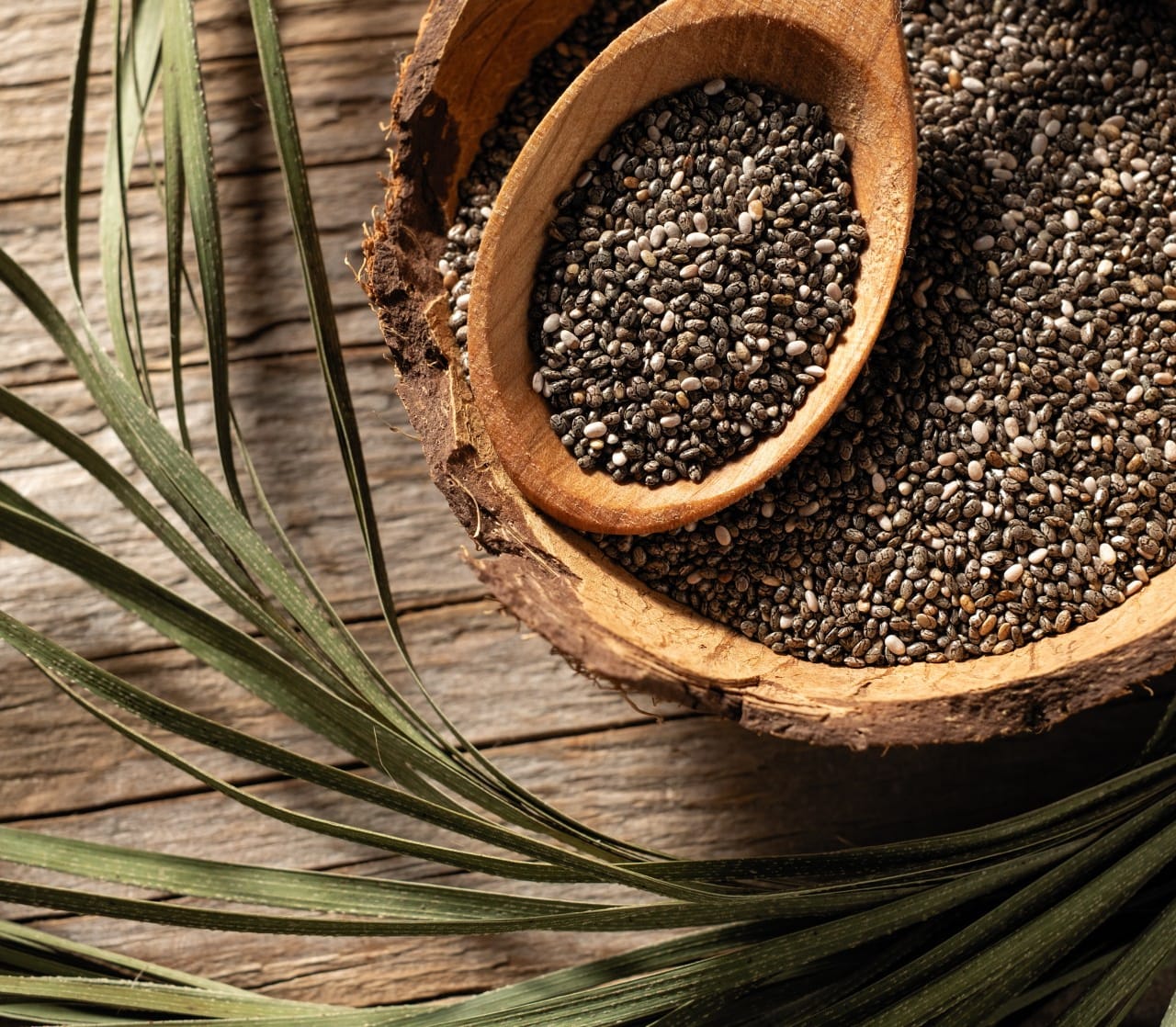
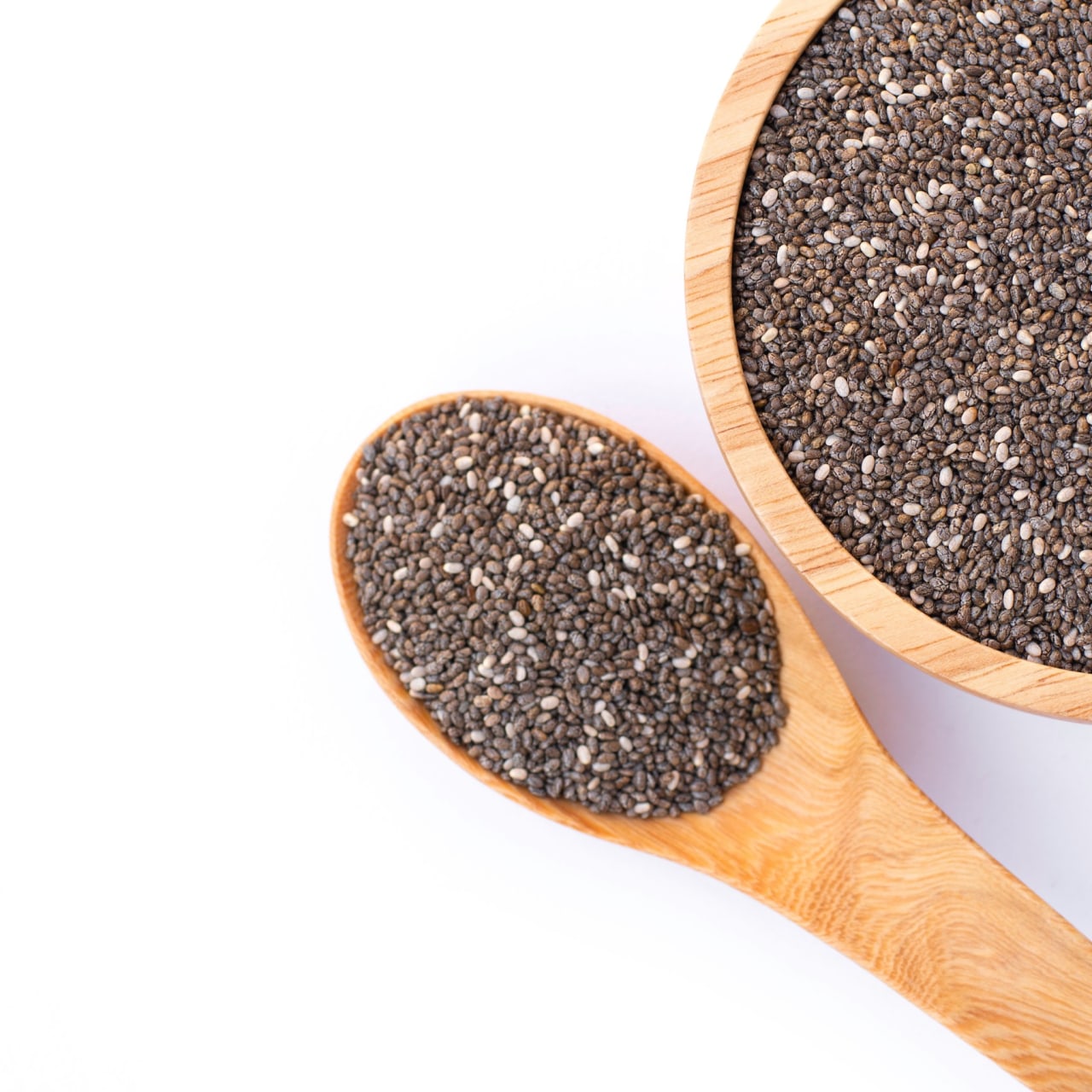
Chia seeds are small seeds ranging in colour from grey to black. They come from the flowers of a plant, Salvia hispanica, which belongs to the same Lamiaceae family as sage and mint. Native to Central and South America, they formed part of the staple diet of the ancient Aztec and Maya civilisations, who were already aware of their nutritional benefits. Incidentally, the word chia means strength in Maya. Since then, their popularity has spread far beyond the borders of these regions, and these small seeds are now highly prized all over the world for their numerous health benefits and ease of use. They can be incorporated into a wide variety of dishes or eaten on their own at any time of day. Chia seeds are considered a superfood, which is a food that contains a particularly high amount of nutrients, giving it special properties. Indeed, the nutritional composition of chia seeds, which is impressive, gives them numerous beneficial properties.

An Exceptional Nutritional Profile

Chia seeds are packed with nutrients essential for our bodies; they are particularly rich in:

  • Omega-3s, whose anti-inflammatory and blood-thinning properties, as well as their positive impact on good cholesterol, play a role in cardiovascular health. An adequate intake of omega-3 also helps to balance the omega-3 to omega-6 ratio, which is generally out of balance due to our modern diet, which tends to contain too much omega-6

  • Fibre, which is essential as part of a balanced diet, since fibre helps, amongst other things, to reduce the absorption of fats and carbohydrates and promotes better digestion of fats

  • Protein, which is essential for building and maintaining muscle mass. Chia seeds are a good source of plant-based protein, which is beneficial for vegetarians or vegans who do not consume animal products

  • Minerals, such as calcium, magnesium, iron and phosphorus, are crucial for the proper functioning of our bodies as they play a role in various systems, notably the muscular and energy systems, and have a beneficial effect on our bone density

  • Vitamins, including Vitamin B1, Vitamin B3, Vitamin C, and Vitamin E, which are particularly important for the proper functioning of our nervous system and are powerful antioxidants in the case of Vitamin C and Vitamin E

What Are the Health Benefits of Chia Seeds?

This exceptional nutritional profile gives chia seeds three main categories of health benefits:

  • Improve Digestion: The fibre they contain promotes bowel movement. They turn into a viscous substance when mixed with liquid due to their mucilaginous texture, which helps to increase the volume of stools and make them easier to pass

  • Satiating Effect: Thanks to their high soluble fibre content, which swells, and their high protein content, they are valuable allies in weight-loss diets due to their appetite-suppressing effect

  • Contain Antioxidants: Our body’s normal functions lead to the production of free radicals, which is exacerbated by environmental factors such as pollution, UV rays and stress. A balance between these free radicals and our intake of antioxidants is essential to prevent the premature ageing of our cells

Spotlight on Our Organic Chia Seeds – A Superfood

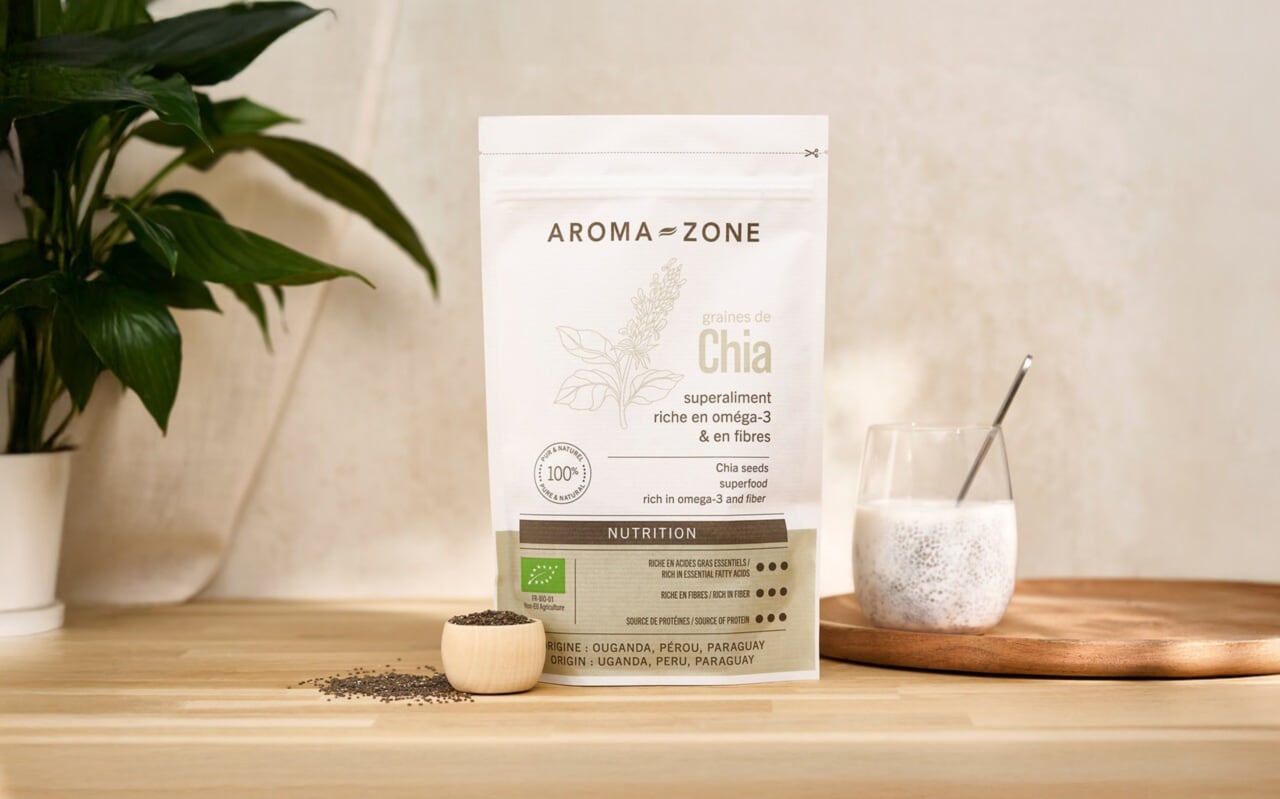
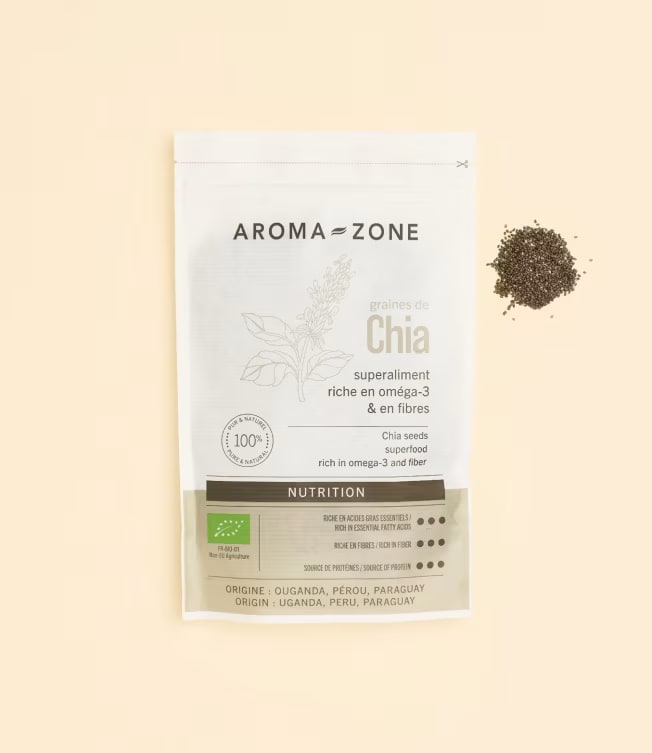
Chia seeds are particularly prized for their high nutrient content and their beneficial effects on digestive health. They are excellent sources of essential omega-3 fatty acids, protein and fibre. Their mucilage has the unique property of swelling on contact with liquid, which gives them satiating properties, helps improve digestive function and also allows you to create delicious, healthy and indulgent recipes in which they act as a binding agent thanks to their gel-like texture. 

Discover the superfood: organic chia seeds

When and How Should You Do a Chia Seed Treatment?

What Are the Benefits of a Chia Seed Regimen?

To Stimulate Sluggish Bowels: The mucilage contained in chia seeds makes them an excellent natural laxative by increasing the volume of stools, which promotes peristaltic movements in the bowels that aid in their elimination.

To Lose a Few Extra Kilos: Thanks to their fibre and protein content, eating chia seeds before your main meals will help you naturally limit your food intake without feeling deprived, and give you a helping hand in shedding a few extra kilos. 

To Stock Up on Nutrients Before Winter: To cope with changes in temperature and get through the cold season with peace of mind, our bodies need essential nutrients to naturally support our defences. Chia seeds are rich in vitamins and minerals, helping you to stock up on essential nutrients before winter. 

To Boost Protein Intake for Vegetarians, Vegans, and Athletes: When your diet doesn’t contain enough animal products, it isn’t always easy to ensure an adequate intake of protein, which is essential for the proper functioning of your body. Regularly incorporating chia seeds into your diet helps to increase your intake of plant-based protein and to address any deficiencies or meet the increased demands caused by physical activity.

How Should You Eat Chia Seeds?

  1. Raw and Whole: Sprinkled over muesli, raw vegetables or soups. Their crunch will add a cheerful touch to your salads and texture to these dishes. Or mixed into yoghurt or fruit compote: they’ll soften when in contact with the liquid and act as a thickener

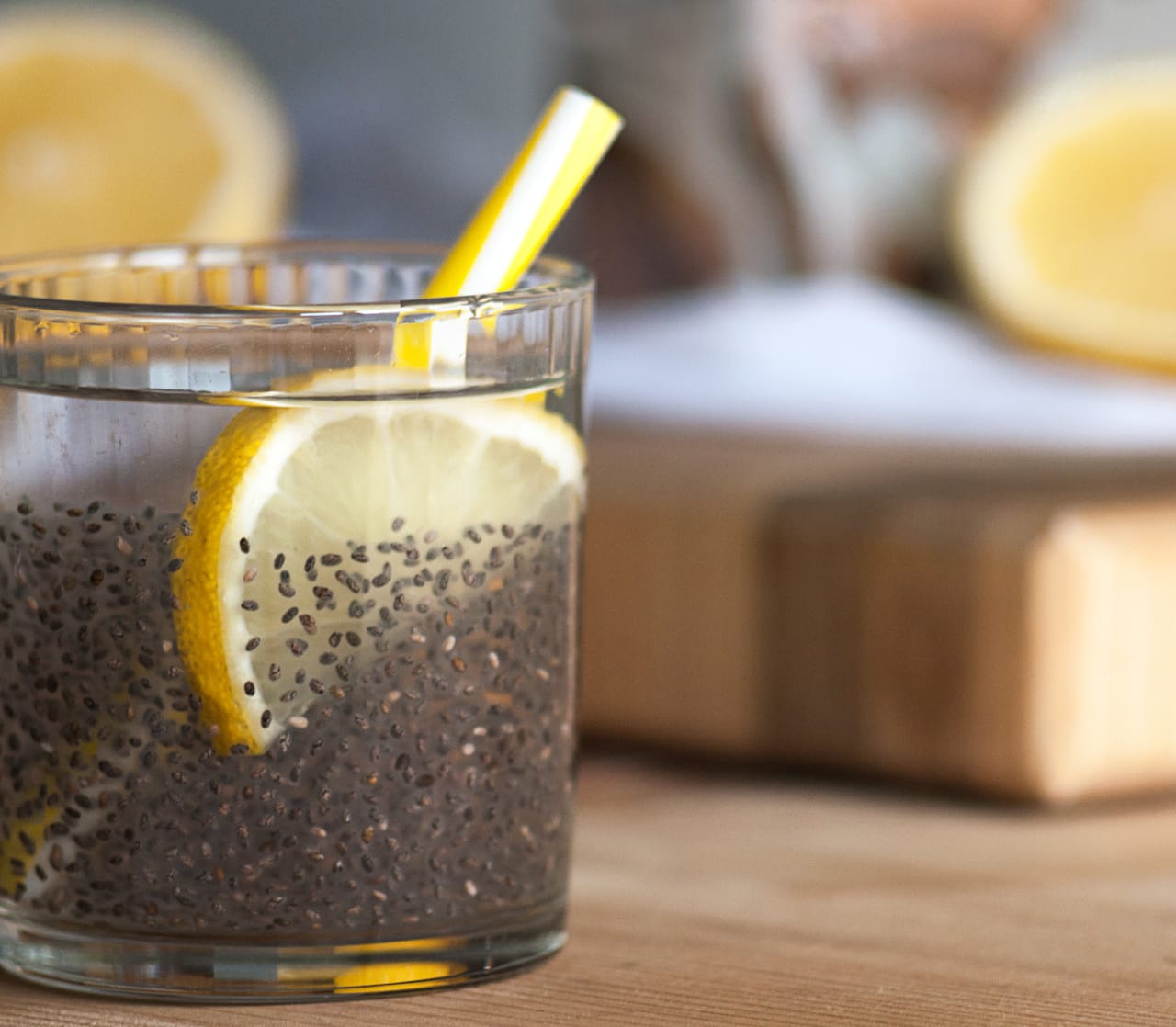
  2. As a Drink: mixed with a liquid such as water, plant-based milk or fruit juice; after left to stand for a while, they turn into a thick drink or a gel (depending on the quantity of seeds) with satiating properties that can be consumed before a meal to curb your appetite, or at any other time of day to prevent cravings between meals

  3. In Baking: Incorporated into healthy recipes such as energy bars or seed-based crackers, where they act as a binding agent, or in muffins where they add texture whilst replacing eggs to make a vegan cake. They’re also ideal for making chia puddings and, once ground, can be used as a base for making custards

  4. In a Bowl: First soaked in a liquid, then mixed with wholegrain cereals and accompanied by dried fruit and nuts (almonds, walnuts, hazelnuts, etc.), to make a healthy, energy-packed breakfast or snack

To find out more, see our dedicated article: How to eat chia seeds?

Good to Know: If you choose to grind your chia seeds, it’s advisable to consume them quickly to preserve the omega-3s, which oxidise once the seeds are ground.

Chia Regimen: Which Routine Should You Follow for Which Effects?

  1. Follow a balanced diet, rich in fruit and vegetables, to ensure you get plenty of micronutrients such as vitamins and minerals

  2. Before each meal, drink a glass of water to which you’ve added a tablespoon of chia seeds to help curb your appetite

  3. Or eat chia seeds regularly to benefit from their other effects, alternating how you use them to keep things interesting: in a breakfast bowl, on your salads at lunchtime, in your baked goods for an afternoon snack, or on your soups at dinner

  4. Do not exceed the recommended daily intake

Dosage: How Many Chia Seeds Can You Eat Each Day?

It’s generally recommended to consume up to 15 grams of chia seeds a day, which is 1 to 3 teaspoons of our chia seed superfood.

Here are the recommended amounts depending on how you use them:

  • Raw and Whole: Sprinkle 1 tablespoon of chia seeds over your dishes

  • In Baking, Bowls and Drinks: add 1 to 2 tablespoons of chia seeds to your recipes and drinks

  • To Replace 1 egg in Your Baked Goods: mix 2 teaspoons of chia seeds with 3 tablespoons of lukewarm water, then leave to stand for 15 to 20 minutes before use.

Precautions for Use

Is It Good to Eat Seeds Every Day?

Be careful not to eat too many chia seeds. In excess, they can cause digestive and intestinal problems (bloating, diarrhoea, etc.). You should also take care if you have difficulty swallowing. Their gel-like texture can be difficult to swallow for some people with sensitive throats.

Can You Eat Seeds in the Evening?

It’s perfectly fine to eat the seeds in the evening, provided you include them as part of a light, balanced meal. Some seeds, such as chia or flax seeds, can even aid digestion thanks to their high fibre content. However, their fat content (even if it’s healthy fat) can slow down digestion if consumed in large quantities. To avoid any digestive discomfort, it’s best to include them in easily digestible dishes, such as soup, salad or plant-based yoghurt.

Expert Advice

Eating chia seeds regularly helps regulate bowel function. For the full benefit, it’s recommended that you drink plenty of water, eat fruit and vegetables rich in water and fibre every day, opt for unrefined foods such as semi-wholemeal bread, pasta or rice, and take regular exercise. These lifestyle habits will help you restore optimal bowel function.

What Other Edible Seeds are Good for Your Health?

As well as chia seeds, other edible seeds offer numerous health benefits. For example:

  • Pumpkin Seeds: Rich in magnesium, zinc and essential fatty acids, they support the immune system and promote cardiovascular health

  • Flaxseeds: A source of omega-3 and fibre, they aid digestion and help maintain healthy lipid levels

  • Poppy Seeds: Known for their calcium and iron content, they strengthen bones and teeth whilst providing antioxidants

  • Sesame Seeds: They contain calcium, B vitamins and antioxidants, making them ideal for bone health and vitality

  • Sunflower Seeds: Rich in vitamin E, they protect cells against oxidative stress

  • Hemp Seeds: These are an excellent source of complete plant-based protein, suitable for vegetarian and vegan diets

The Different Types of Edible Seeds

Edible seeds can be categorised according to their use and composition:

  • Oilseeds: Such as linseeds, sesame seeds or sunflower seeds, which are rich in essential oils and unsaturated fatty acids

  • Mucilaginous Seeds: Such as chia or linseeds, which form a gel when in contact with water and are beneficial for bowel function

  • Sprouted Seeds: For example, fenugreek or alfalfa seeds, which release their nutrients during sprouting

  • Protein-rich Seeds: Such as hemp seeds, which are particularly rich in complete proteins

How Do They Differ From Nuts?

Although seeds and nuts are often grouped together, there are notable differences between them:

  • Botanical Origin: Seeds come directly from plants (such as chia seeds), whilst nuts (such as almonds or hazelnuts) are the seeds of a dried fruit

  • Nutritional Profile: Seeds are often richer in fibre and essential fatty acids, whilst nuts contain more protein and energy-providing fats

  • Uses: Seeds are generally used as dietary supplements or seasonings, whilst nuts are eaten as snacks or as main ingredients

These differences mean that seeds and nuts complement each other in a balanced diet.

Spotlight on Our Naturopathic Writer: Christine Barris

Christine Barris

After completing a master’s degree in management, Christine spent 20 years working for leading companies in the food supplement and natural cosmetics sectors. She then turned her passion for nature into a career. Today she practises naturopathy for people and animals, as well as sophrology, and mentors aspiring naturopaths and sophrologists at various schools.

Bibliography

  1. https://www.informationhospitaliere.com

  2. https://www.bioaddict.fr

  3. https://www.planetevegan.com

  4. Nutritional and therapeutic perspectives of Chia (Salvia hispanica L.): a review

    Ullah R. et al., Journal of Food Science and Technology, 2016;53(4):1750–1758

  5. Chia seed supplementation and disease risk factors in overweight women

    Nieman D.C. et al., Nutrition Research, 2009;29(6):414–418

  6. Chia (Salvia hispanica L.) enhances HDL cholesterol and improves glucose tolerance in diet-induced obese rats

    da Silva Marineli R. et al., Nutrition, 2015;31(6): 737–743

Frequently Asked Questions

Frequently Asked Questions