What Fast-Acting Natural Laxatives Are Available?

What Fast-Acting Natural Laxatives Are Available?


By Raquel Barros

Published on: Tuesday, October 01, 2024, Updated on: Friday, October 30, 2026

Constipation is a common digestive issue, with women more commonly affected. Are you looking for gentle approaches to support regular bowel movements? Discover a range of natural laxatives and learn more about their different properties and uses.

Contents

Related products

What is a Natural Laxative?

A natural laxative can be a food, a plant, or organic compounds that gently stimulate bowel movements to facilitate the passage of stool. Unlike chemical laxatives, they avoid causing unpleasant side effects such as cramps or dependency. Natural solutions aim to support bodily functions without disrupting the digestive balance. There are different categories of natural laxatives, with varying speeds of action: 

  • Those rich in insoluble fibre

  • Mucilages

  • Natural hydrating agents

  • Natural stimulants

Why Use a Natural Laxative?

Turning to natural laxatives for constipation is a wellness approach worth prioritising. It not only allows you to introduce new foods and flavors and establish healthy long-term habits, but also because it avoids the potential side effects of medication:

  • Abdominal pain, cramps, and bloating

  • Intestinal disorders

  • Poor absorption of fat-soluble Vitamin A, Vitamin D, Vitamin E, and Vitamin K 

  • Mineral loss, particularly potassium loss 

  • Dehydration

Natural solutions that help stimulate bowel movements will also provide other benefits for the digestive system and overall health: including antioxidants, vitamins, minerals.

Good to Know: Constipation is generally defined as not having a bowel movement for up to three days. Constipation is considered chronic when these episodes occur regularly and passing stool becomes difficult, leading to a buildup of waste in the rectum.

What Are the Effects Of A Natural Laxative?

Natural laxatives, while gentle, can be very effective when chosen and used correctly:

  1. Relief from Constipation: Fibre-based natural laxatives, in particular, help soften stools and facilitate their passage

  2. Gentle Stimulation of Bowel Movements: certain natural laxatives, such as mucilages, work by increasing the volume of the stool, which naturally stimulates peristalsis

  3. Rebalancing the Gut Flora: prebiotics and probiotics help nourish beneficial gut bacteria, promoting a balanced microbial flora and healthy, regular digestion

  4. Intestinal Hydration: others protect the digestive mucosa and help retain water in the intestine. This prevents stools from becoming too hard and difficult to pass

Contraindications: Be Cautious With Immediate-Acting or Strong Natural Laxatives

Plants such as Buckthorn or Senna are often used for their very fast and powerful laxative effects, but prolonged use can irritate the intestines and lead to dependency. These plants strongly stimulate intestinal contractions, which can cause abdominal pain, cramps, and disrupt natural bowel function over the long term.

Constipation: Which Fast-Acting Laxative Foods Should You Eat?

Categories

Recommended Foods

Usage Tips

Vegetables

Legumes (lentils, chickpeas, beans...), grated carrots, raw or cooked spinach, boiled or baked sweet potatoes

To reduce gas, which is often associated with legumes, soak them for several hours and rinse them under clean water before cooking

Fruits

Prunes, figs, papaya, rhubarb, blueberries, dried apricots

Seeds

Psyllium, Lin, Chia

Drinks

A glass of warm water on an empty stomach, prune juice, laxative herbal teas (mallow tea, ginger tea)

1 tablespoon 1 to 2 times a day

Our Gentle, Effective, and Fast-Acting Natural Laxative Solutions

Organic Olive Oil: Taking 1 tablespoon of olive oil in the morning on an empty stomach is a common practice to support digestion and overall health. This habit can help stimulate bowel movements, lubricate the digestive system, and improve stool passage, which is beneficial for those suffering from constipation. In addition to its digestive benefits, olive oil is rich in monounsaturated fatty acids and antioxidants, which contribute to cardiovascular health and help reduce inflammation in the body.

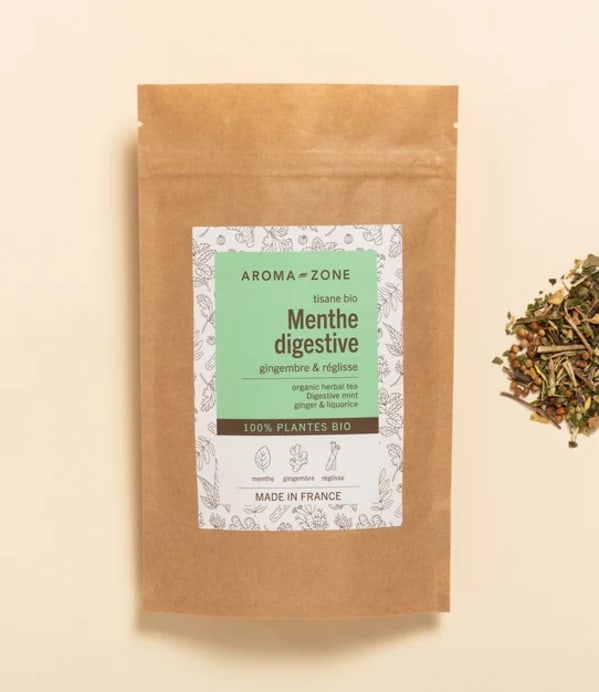
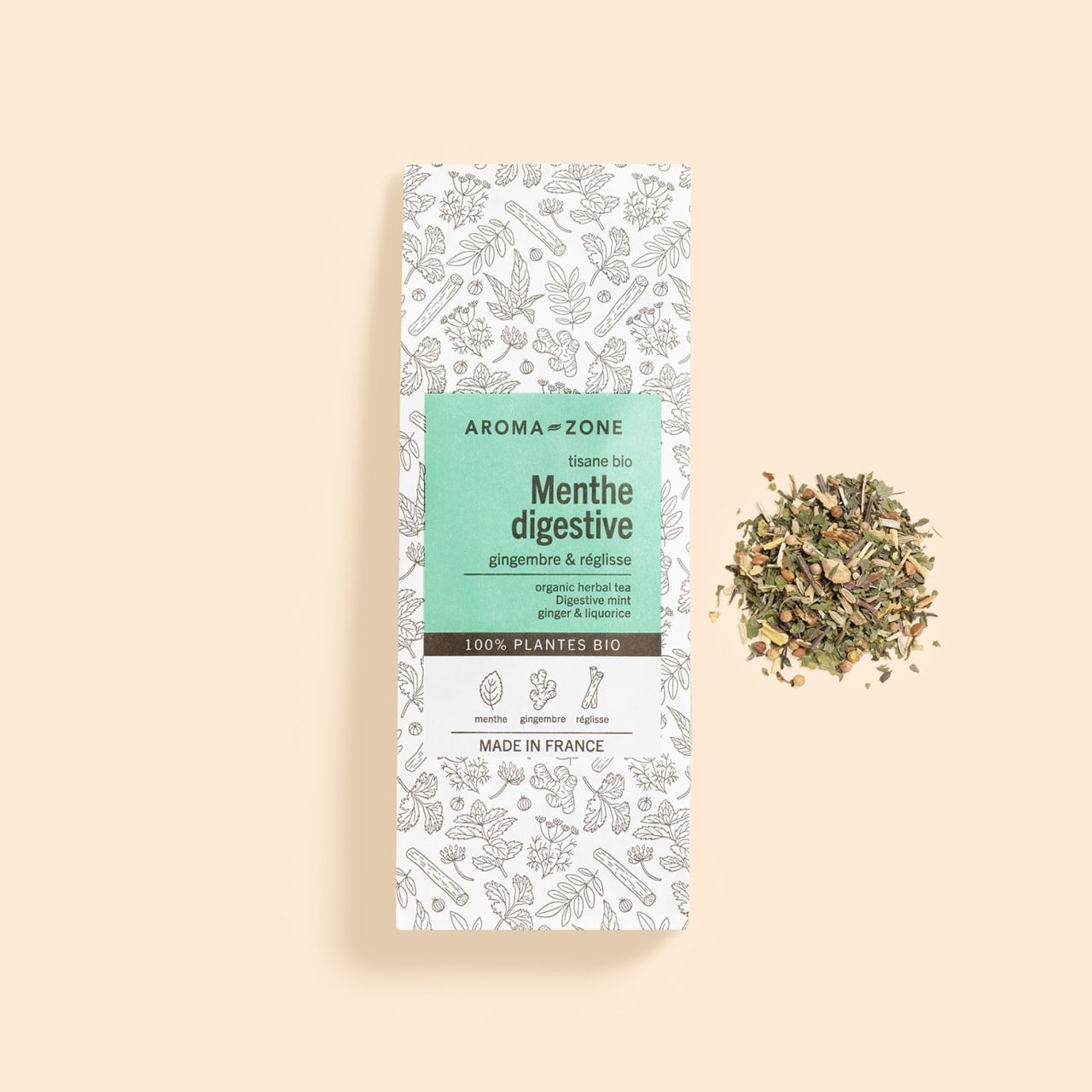
Organic Digestive Mint Herbal Tea: Its unique blend combines seven plants known to aid digestion and promote well-being after meals. A deliciously effective tea to soothe digestive discomfort.

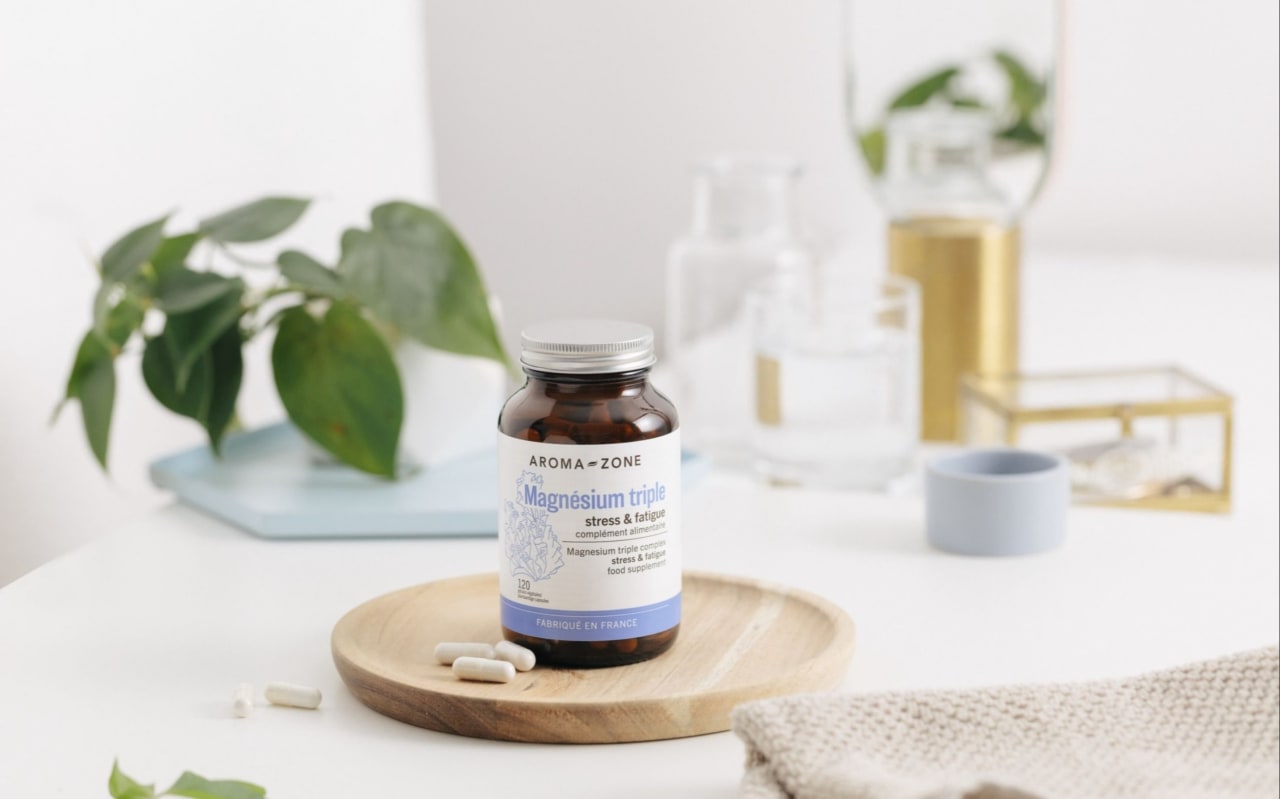
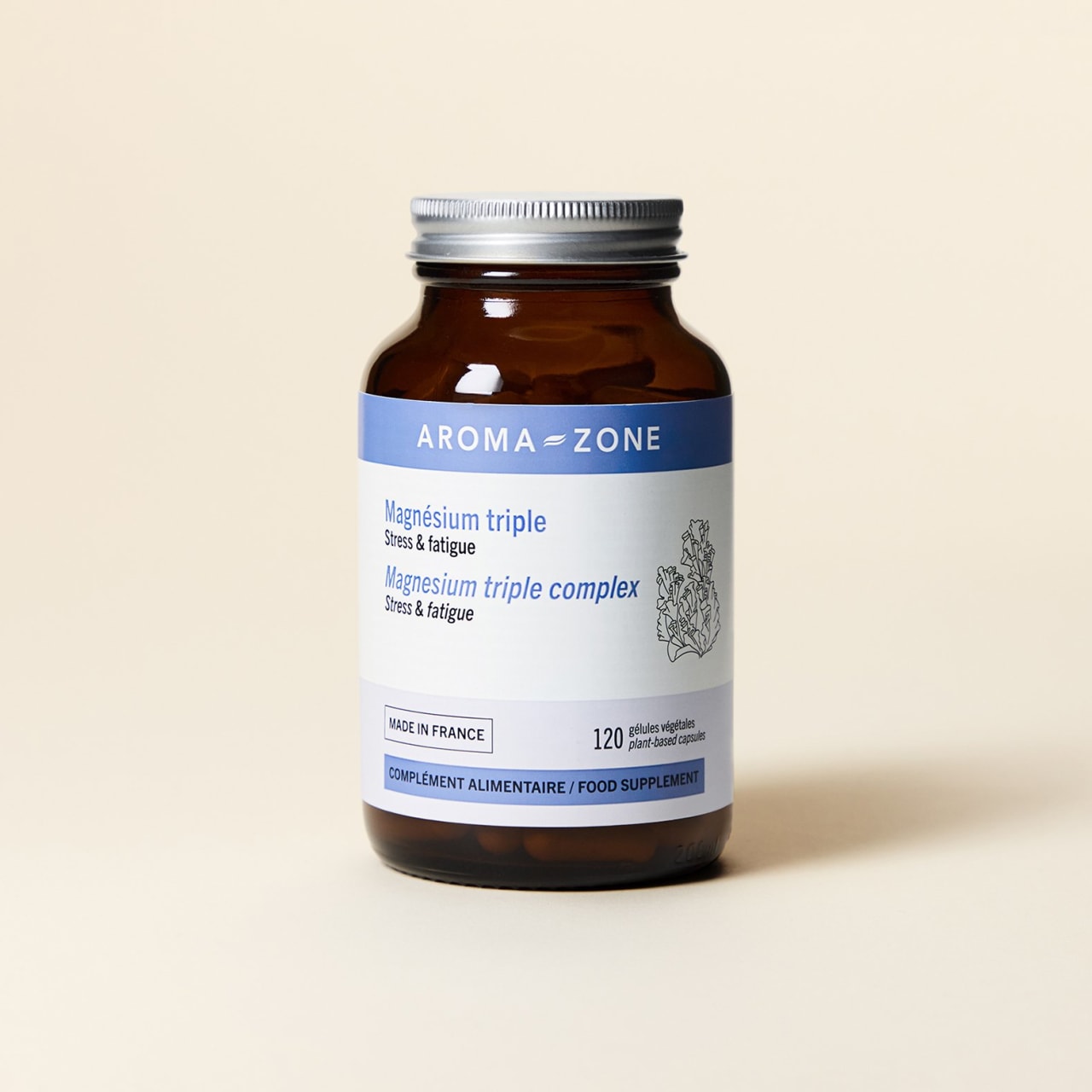
Triple Magnesium dietary supplement: people suffering from constipation may benefit from a course of Magnesium, which promotes relaxation and can have mild laxative effects.

What Is a Comprehensive Routine For Stimulating Bowel Movements?

  1. Exercise: Walking after meals or engaging in regular physical activity, such as swimming, yoga or cycling, stimulates natural bowel contractions and thus promotes smoother bowel movements. Moderate activity, practiced daily, helps prevent constipation by keeping the intestinal muscles active

  2. Practice Self-Massage: By making circular motions around the navel, you can gently promote bowel movement. Massaging the abdomen in a clockwise direction with gentle pressure helps relax the intestinal muscles and encourage bowel movements, while soothing abdominal tension

  3. Limit Ultra-Processed Foods: Ultra-processed foods are often too low in fibre, which can slow down digestion. Instead, opt for whole foods rich in natural fibre, such as wholegrains, fruits, and vegetables, to stimulate the digestive system and maintain healthy digestion.

  4. Incorporate Seeds Into your Wellness Routine: Adding 1 teaspoon of flax or chia seeds to your meals every day is an excellent way to prevent a sluggish digestive system. Rich in fibre and mucilage, these seeds swell in the gut, helping to stimulate digestion and improve stool consistency, while providing benefits for overall health

  5. Elevate Your Feet While on the Toilet: Adopting a natural posture by slightly elevating your feet using a small stool while on the toilet can make it easier to pass stool. This posture, which mimics the squatting position, helps properly align the rectum and relax the intestinal muscles, thereby reducing pressure and promoting a more natural and smooth passage of stool.

Our Natural Recipes for Better Digestion

Precautions for Use

  • Some people may be sensitive to these natural remedies. Start by trying a small amount of an ingredient to check your tolerance

  • Always consult a healthcare professional if symptoms persist, or during pregnancy, breastfeeding, or when treating children

Expert Advice

Always opt for gentle solutions, such as staying hydrated, eating dietary fibre, and consuming flaxseeds or psyllium, to regulate your bowel movements in a sustainable and safe way.

Spotlight on our nutrition writer, Raquel Barros

RAQUEL.jpg

Raquel was always passionate about nutrition and well-being, and above all, her love of good food and desire to share that knowledge led her to pursue a career in dietetics. With a BTS qualification in sports nutrition, she discovered the world of natural solutions, including dietary supplements and oligotherapy, while working in various pharmaceutical laboratories. In recent years, she has expanded her work to include nutritional counselling and article writing, combining her interest in nutrition with her passion for sharing knowledge. Women’s health, anti-inflammatory diets, sport, and balanced nutrition are among her favourite topics.

Bibliography

  1. WHO

    Constipation

  2. EFSA

    Dietary Fiber and Gut Health

  3. Vogel, J., & Pelikan, C, Natural laxatives and gut health: A review.

    Journal of Ethnopharmacology, 2018

Frequently Asked Questions

Frequently Asked Questions