Flaxseeds: Benefits, Precautions, and Tips

Flaxseeds: Benefits, Precautions, and Tips


By Coralie Techer

Published on: Wednesday, October 25, 2023, Updated on: Tuesday, September 15, 2026

Flaxseeds, derived from the herbaceous plant of the Linaceae family, have long been recognized for their health benefits. Rich in essential nutrients and beneficial fatty acids, flaxseeds offer a wide range of benefits. In this article, we’ll explore the many benefits of flaxseeds, precautions to take when consuming them, and tips for incorporating these powerful little seeds into your diet.

Contents

Related products

What are the benefits of flaxseed?

Like all the wonders offered by nature, flaxseeds hold a myriad of benefits for our bodies. Keeping them on hand every day can do you a world of good. 

Rich in Omega-3:

These oilseeds are a vegan source of omega-3, essential fatty acids that support heart health, reduce inflammation, and improve brain function.

Soluble and insoluble fiber:

Flaxseeds contain both soluble and insoluble fiber, which promotes regular bowel movements by preventing constipation while helping to relieve symptoms of irritable bowel syndrome.

Lowering bad cholesterol:

The lignans (or phytoestrogens) found in flaxseeds have been shown to have beneficial effects on reducing bad cholesterol. They also help regulate blood sugar and cholesterol levels, thereby contributing to heart health and lowering blood pressure. They are therefore a valuable asset for those with cardiovascular diseases.

Weight loss support:

Flaxseeds are high in fiber, which promotes a feeling of fullness. People looking to lose weight can benefit from including them in their diet.

Substitute for animal protein:

Flaxseeds offer significant nutritional value in a vegetarian diet, as the protein and iron found in meat or fish can be replaced by consuming flaxseeds.

Reduction of hot flashes:

Some studies have suggested that consuming flaxseeds may help reduce the intensity of hot flashes and night sweats in menopausal women. Additionally, the lignans they contain lower the risk of developing breast cancer.

Combating oxidative stress:

Flaxseeds help combat oxidative stress, a factor that increases the risk of pregnancy complications.
What are the differences between brown and golden flaxseeds?

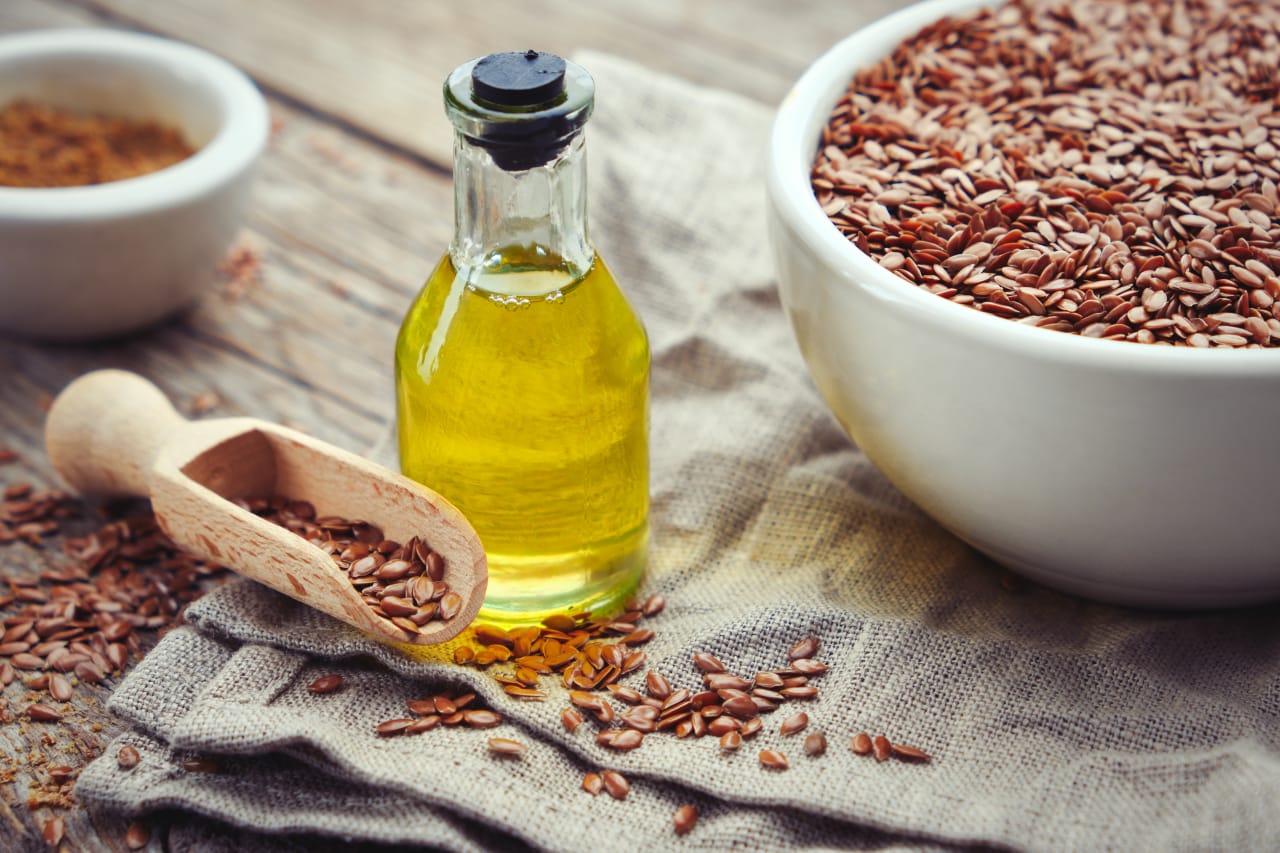
Flaxseeds come in two main varieties: dark and light. Although their differences are mainly cosmetic, some people claim that dark flaxseeds have a more pronounced flavor than light ones. However, nutritionally, they offer similar benefits.

How should you consume flaxseeds?

Flaxseeds offer exceptional versatility and can be incorporated in various ways into your daily life, whether to improve your well-being, beauty, health, or meals. Here are some suggestions for getting the most out of flaxseeds in different areas:

  1. Well-being: Add a tablespoon of ground flaxseeds to your smoothies, fruit juices, or yogurt to enrich your drinks with nutrients.

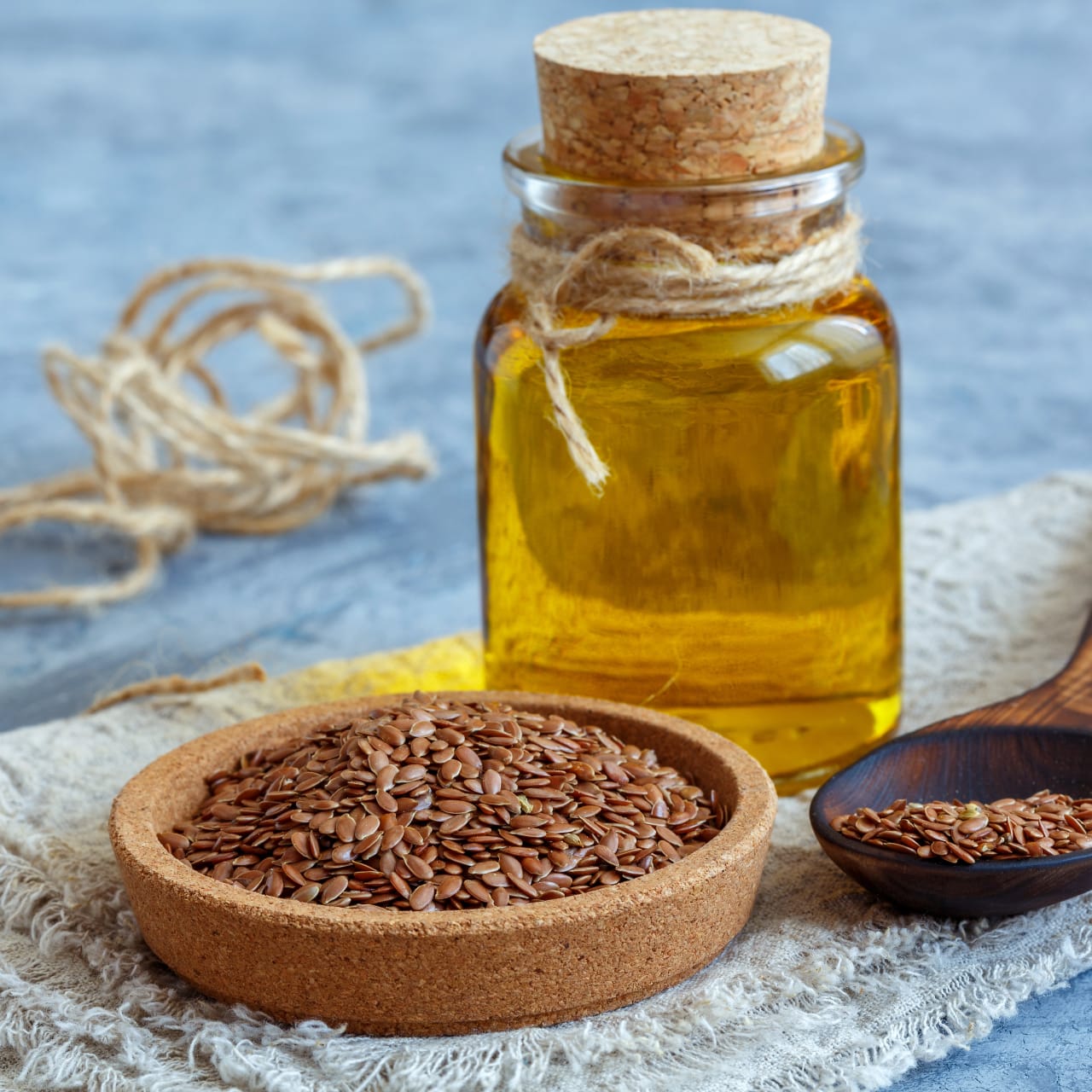
  2. Beauty: Use flaxseed oil, extracted from the seeds, as an ingredient in your hair care or skin moisturizers. It can add shine and nourishment to your hair and skin.

  3. Health: Mix ground flaxseeds into your cereal, salads, or soups to increase the fiber, omega-3, and antioxidant content in your diet.

  4. Cooking: Incorporate whole or ground flaxseeds into your recipes for bread, muffins, pancakes, or smoothie bowls for a crunchy texture and a slightly nutty flavor.

Eating flaxseeds to lose belly fat

Flaxseeds can be an ally in weight loss thanks to their high fiber and omega-3 fatty acid content. Here are a few tips:

  1. Slimming drink: Mix one tablespoon of ground flaxseeds with warm water and lemon juice. Drink this mixture in the morning on an empty stomach.

  2. Slimming smoothies: Add ground flaxseeds to your green smoothies to boost fiber content and promote satiety.

  3. Light salads: Sprinkle flaxseeds on your salads to add texture and benefit from their satiating properties.

How many flaxseeds per day?

The recommended amount of flaxseeds varies depending on individual needs, but generally, one to two tablespoons of ground flaxseeds per day is considered an optimal serving. It is best to grind them before consuming them, as this allows for better absorption of nutrients, particularly omega-3 fatty acids.

How should you eat flaxseeds?

Flaxseeds can be incorporated into your diet in various ways to reap their benefits. Here are a few suggestions:

  1. Oatmeal with Flaxseeds: Add a tablespoon of ground flaxseeds to your oatmeal in the morning to boost the fiber and omega-3 content of your breakfast.

  2. Smoothies: Adding ground flaxseed to your smoothies is an easy way to get extra nutrients without affecting the flavor.

  3. Salads: Sprinkle whole or ground flaxseeds on your salads for a little crunch and nutritional benefits.

  4. Baking: Ground flaxseeds can be used as an egg substitute in certain baking recipes for those following a vegan diet.

  5. Yogurt: Add flaxseeds to your yogurt for a touch of texture and flavor.

  6. Bread and Muffins: You can also include flaxseeds in bread, muffin, or other baked goods.

Flaxseeds are therefore a natural source of health benefits, offering a range of essential nutrients, from omega-3s to lignans and fiber. However, their consumption requires caution, particularly for people with allergies, pregnant women, or those taking medication. Incorporating flaxseeds into your diet can be simple and delicious, whether in smoothies, salads, oatmeal, or baked goods.

By following the recommended amounts and consulting a healthcare professional if in doubt, you can fully enjoy the benefits of these seeds while supporting your overall well-being. Remember, as small as they may be, flaxseeds pack a big health punch and can be an excellent addition to your daily diet.

What can you use as a substitute for flaxseeds?

If you’re looking for alternatives to flaxseeds, here are a few options that offer similar benefits:

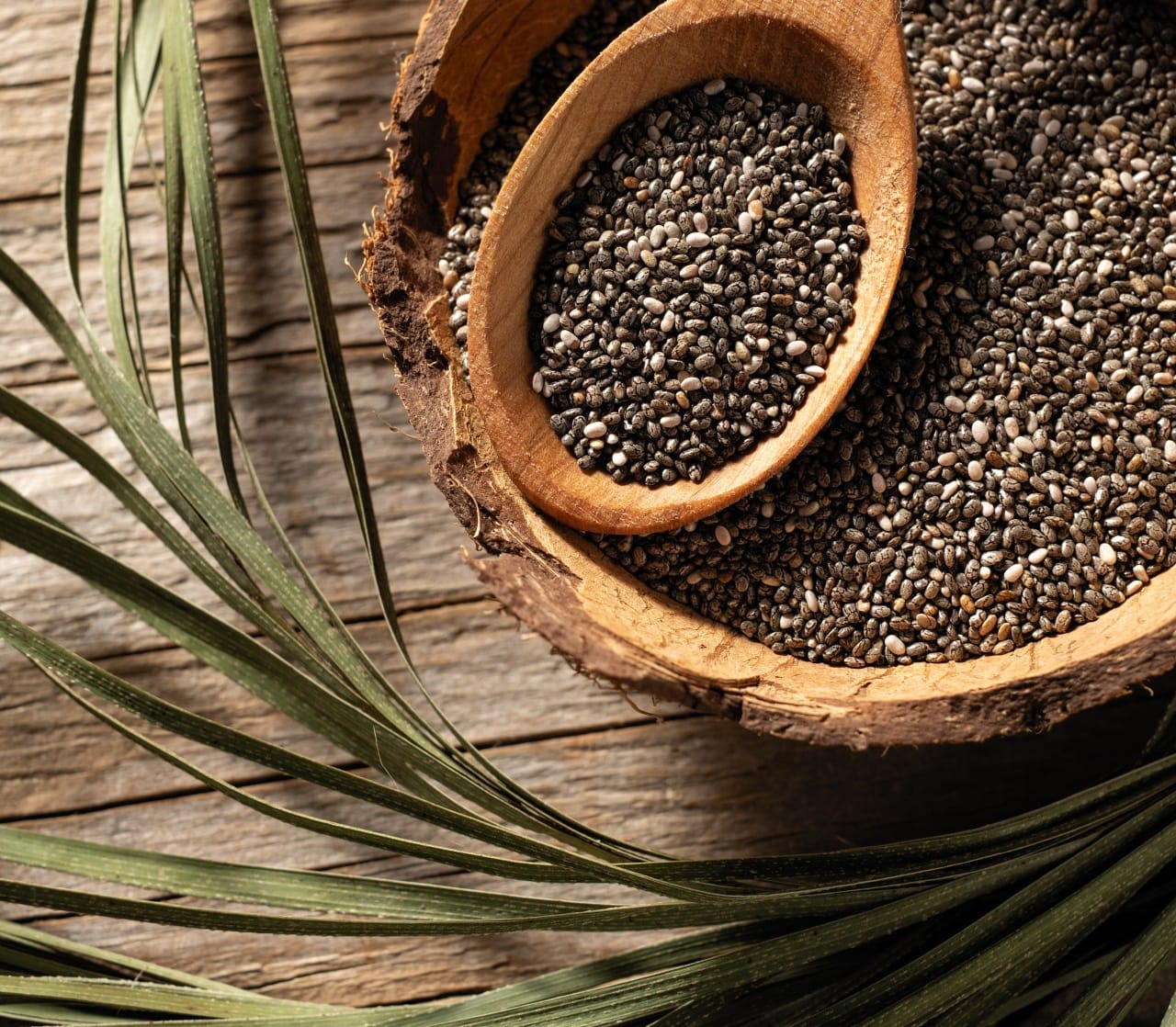
  1. Chia seeds: Rich in fiber and omega-3 fatty acids.

  2. Hemp seeds: A source of essential fatty acids and protein.

  3. Sunflower seeds: Provide essential nutrients and a crunchy texture.

  4. Olive oil: For the benefits of healthy fatty acids, use as an alternative to flaxseed oil.

Incorporating these alternatives into your diet can help you diversify your nutrient sources while enjoying a wide variety of flavors and textures.

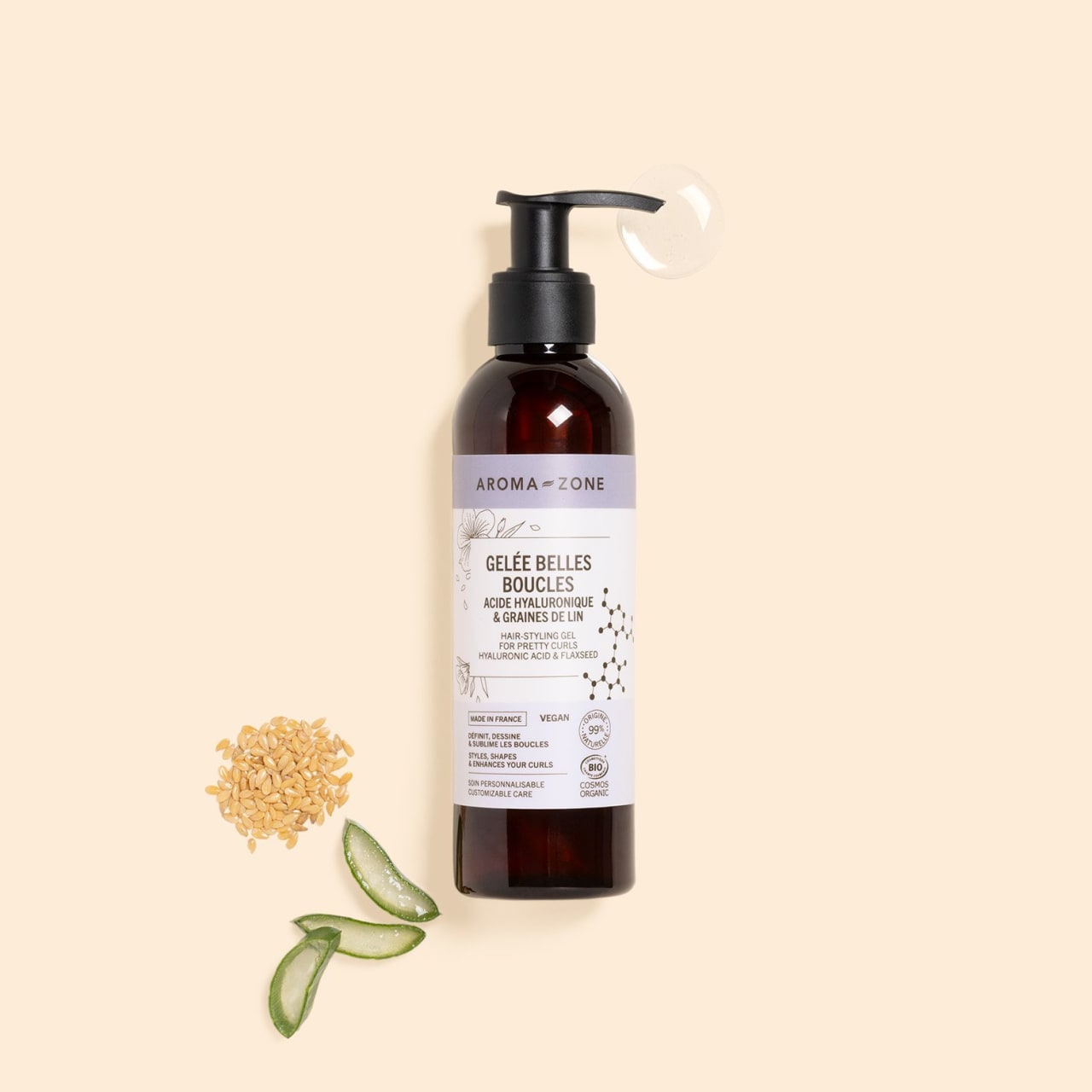
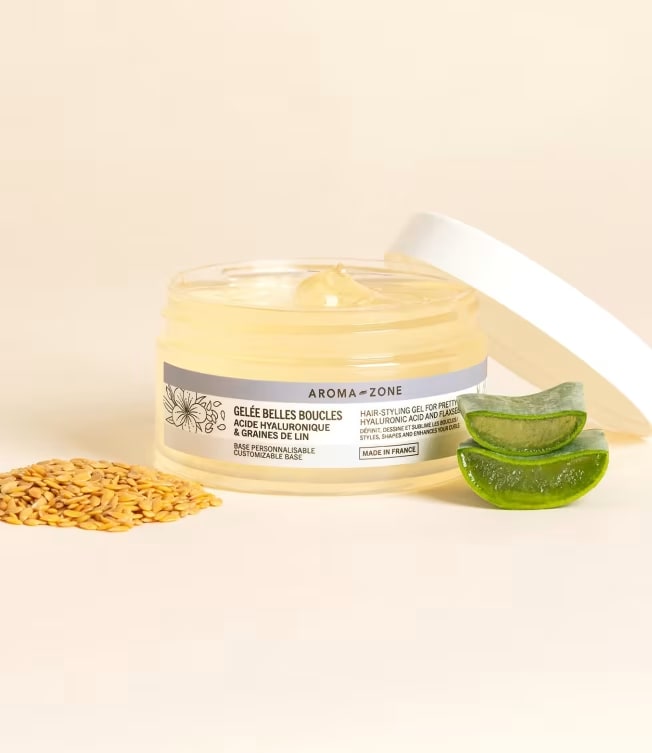
Spotlight on our organic Belles Boucles gel with keratin and flaxseeds

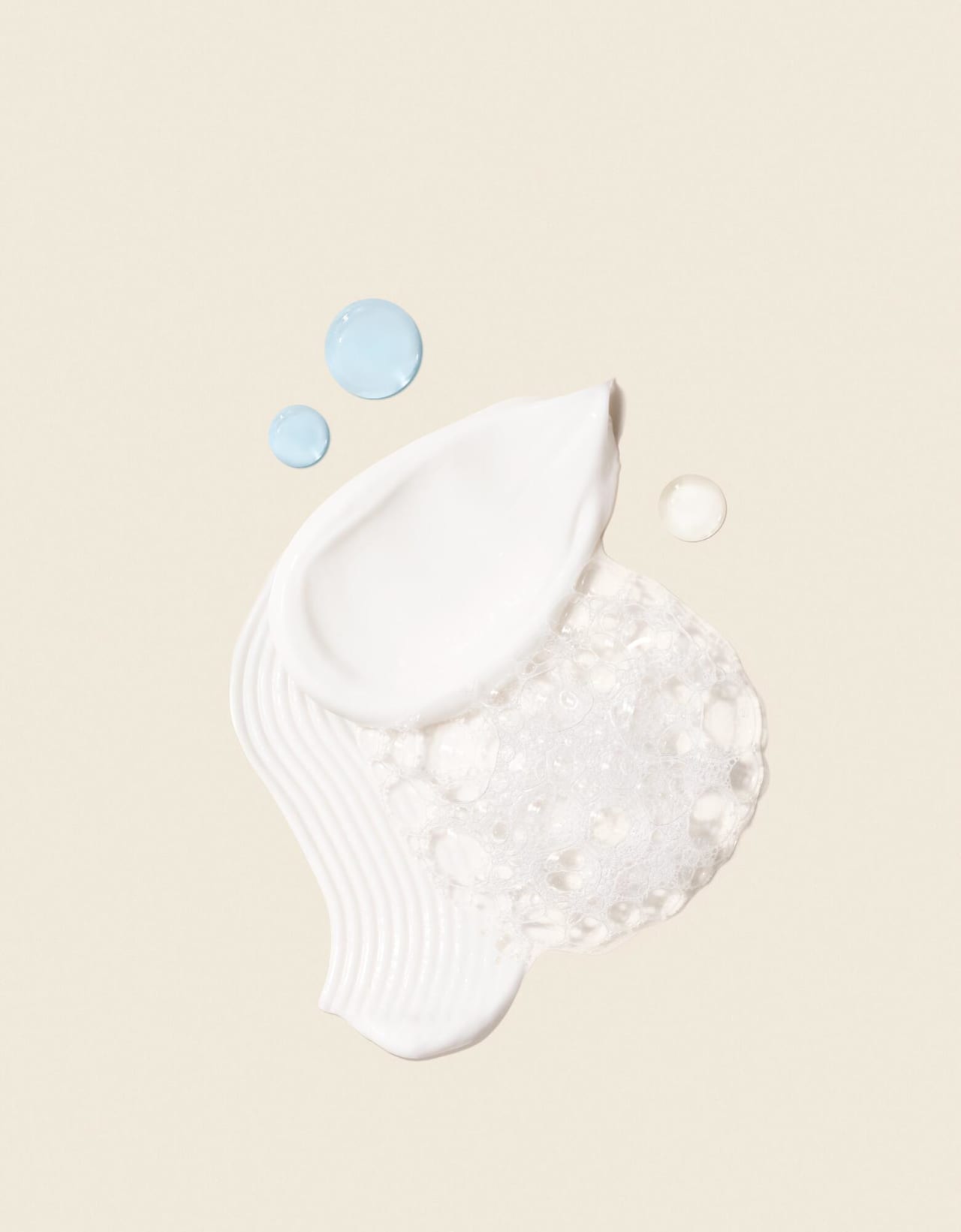
Our curl gel combines the benefits of biotechnology and the plant world to deliver visible results on textured hair. It is highly concentrated with proven active ingredients, including Keratin, Hyaluronic Acid, and Flaxseed Gel. For even more benefits, it is enriched with mango butter and plant-based oils (Piqui, Moringa, Coconut, Castor). Its formula is customizable: add the active ingredient, essential oil, or fragrance of your choice for a personalized styling experience. Suitable for women, men, and children ages 3 and up. Certified organic, vegan (no animal-derived ingredients), silicone-free.

Discover our organic beautiful curls gel with keratin and flaxseed

Precautions and Contraindications

Although flaxseeds are a source of health benefits, it is important to consider certain precautions and contraindications:

  1. Allergies: Allergies to flaxseeds can occur, though rarely. People allergic to sesame seeds, mustard seeds, or nuts are more likely to develop an allergy to flaxseeds. If you have a history of food allergies, be cautious.

  2. What about pregnant women? Flaxseeds are rich in lignans, which have properties similar to those of estrogen. Pregnant women should consult their doctor before incorporating flaxseeds into their diet, as they may affect hormonal balance.

  3. Possible drug interactions: The lignans in flaxseeds may interact with certain medications. If you are taking medications, consult a healthcare professional to ensure there are no adverse interactions.

  4. Chronic constipation: Although flaxseeds may help relieve constipation, excessive consumption without adequate fluid intake can lead to digestive issues.

  5. The difference between industrial flax: It should be noted that food-grade flax and industrial flax (used for textile production) are different varieties. Be sure to consume flaxseeds intended for food, which are free of chemical treatments, and not the flax that will end up on your shoulders.

Read more: Styling gel

Spotlight on Our Writer: Coralie Técher

Coralie Técher has spent seven years working as a journalist specialising in women’s issues. With a particular passion for beauty and well-being, she is committed to exploring natural approaches to self-care. She keeps up to date with current research and trends and enjoys sharing relevant, reliable information with her readers.

Bibliography

  1. Flax, its oil, its seeds… and our health

    https://link.springer.com/article/10.1007/s10298-010-0539-8

  2. Flaxseed Allergy: An Overview Based on an Observation

    https://www.sciencedirect.com/science/article/abs/pii/S1877032016300938

  3. Are flax’s phytoestrogenic lignans underappreciated health heroes?

    https://link.springer.com/article/10.1007/s10298-007-0237-3

Frequently Asked Questions

Frequently Asked Questions