Constipation is a condition characterised by a decrease in bowel movements. This decrease is often associated with difficulty passing stool, leading to straining that can be exhausting or even painful. It is as if a blockage of hard or dry stool is causing an obstruction, which generally leaves a sensation of incomplete evacuation. It can be a relatively mild, temporary episode or a chronic condition (lasting more than 6 months).

Home remedies for constipation
Published on: Wednesday, September 25, 2024, Updated on: Wednesday, September 30, 2026
Are you among the 15 to 35% of people who regularly feel constipated? If so, the first (and simplest) step is to adopt good dietary and lifestyle habits. To help, you can also try some home remedies for constipation. Certain medicinal plants are staples of herbal medicine when it comes to intestinal comfort. Also remember to incorporate certain daily habits that are far from trivial: proper toilet posture, stimulating massages, and diaphragmatic breathing exercises.
Contents
Related products
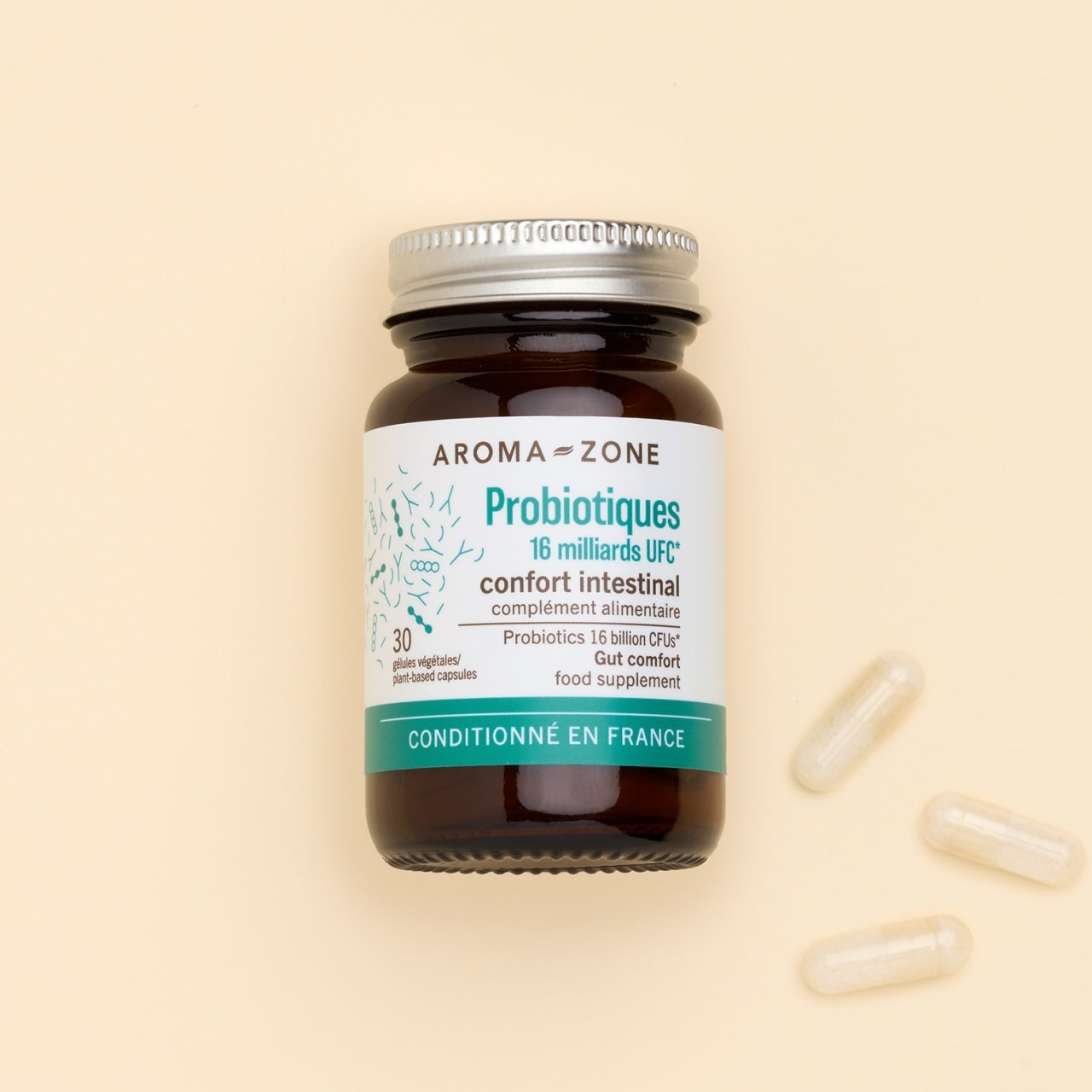
Gut Comfort Probiotics - 30 Capsules
Digestive comfort
£17.00
1 article
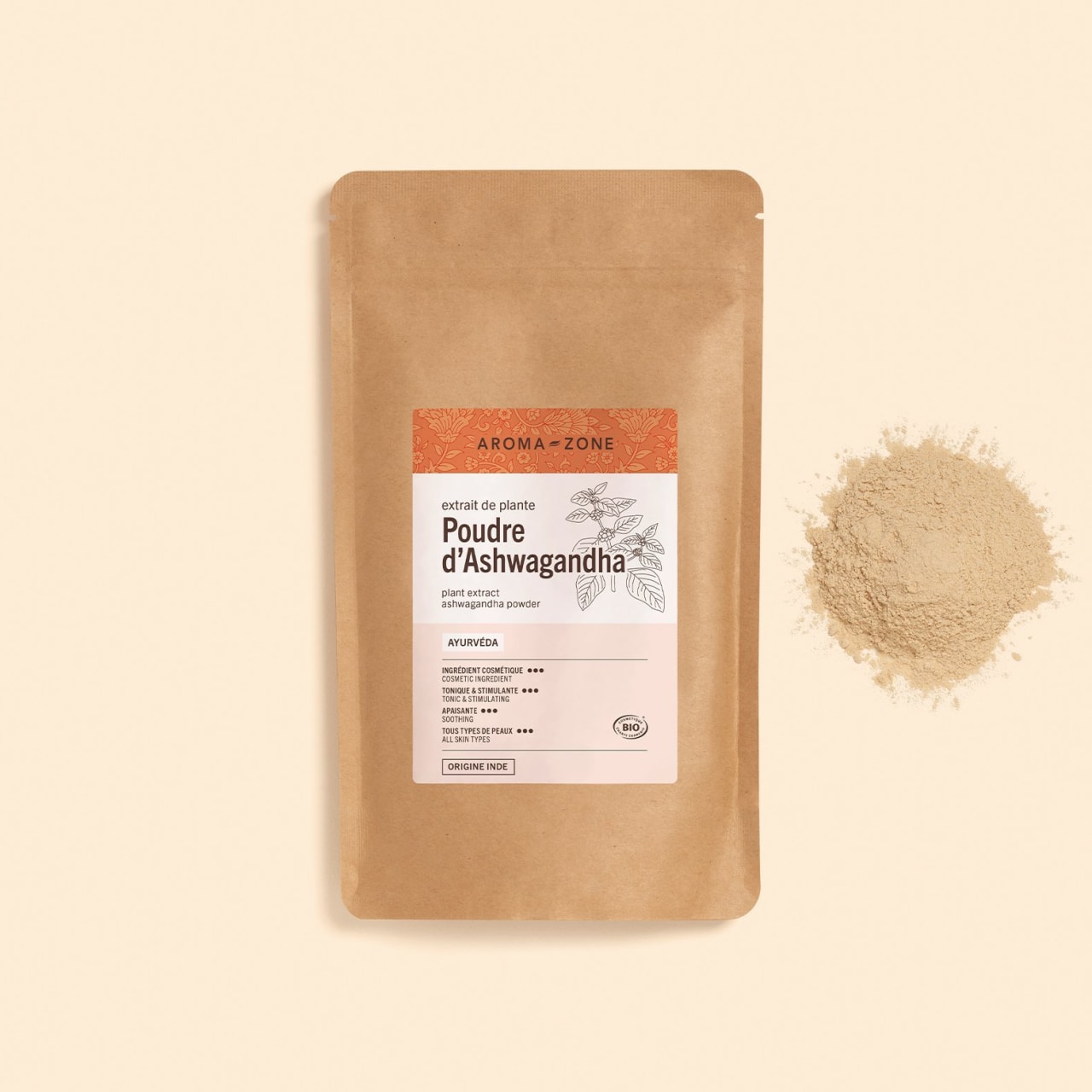
Organic Ashwagandha Powder
Anti-ageing
Repairing
£4.00
100 g
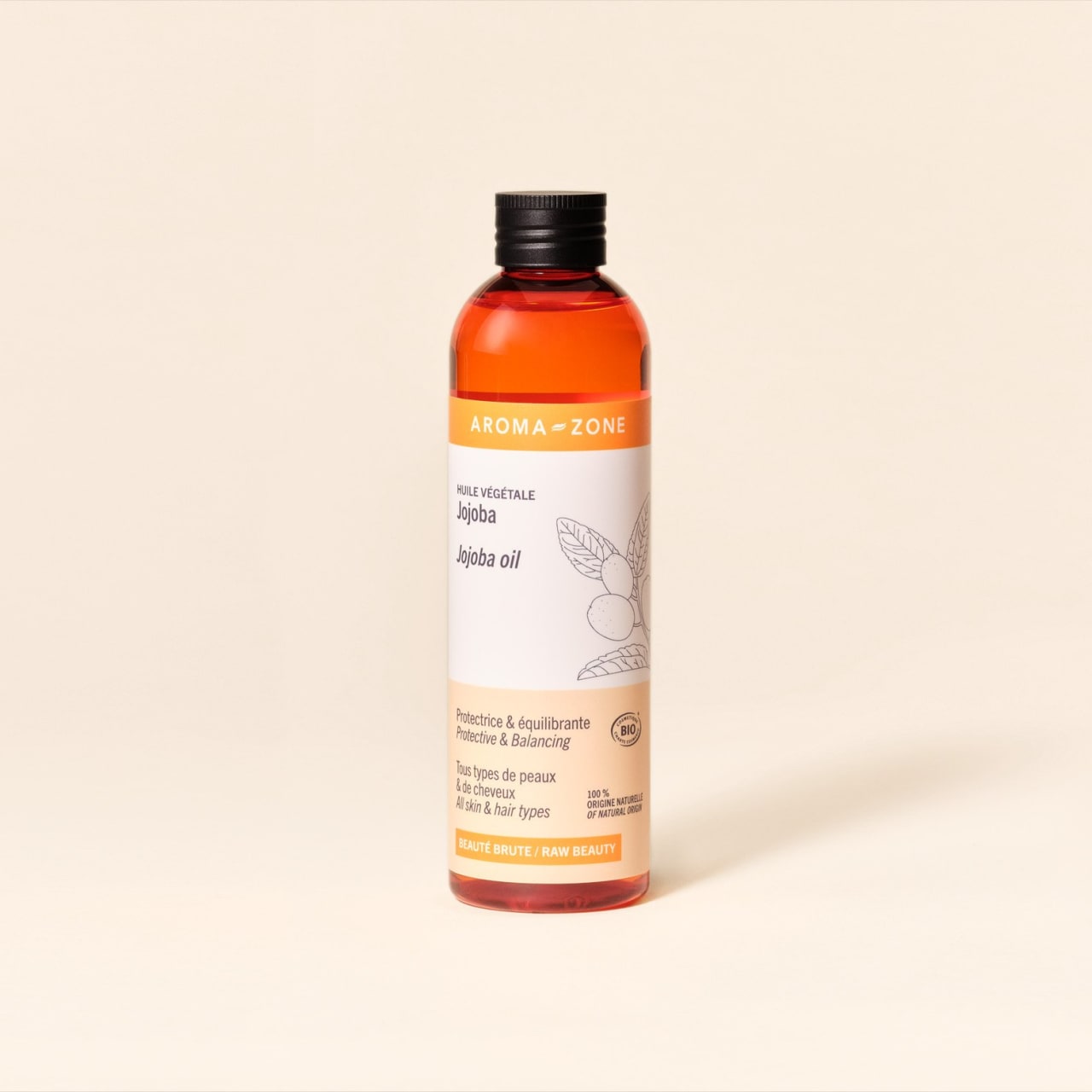
Organic Jojoba Oil
Protective
Purifying
£16.50
250 ml
2 options
Constipation: what is it?
What are the possible causes of constipation?
Good news: most issues with slow bowel movements are linked to poor dietary and hygiene habits. Therefore, before turning to remedies for constipation, make sure you don’t fit any of the descriptions below.
An unhealthy diet: You aren’t eating enough fibre and/or drinking enough water.
A weight-loss diet: You have drastically reduced your portion sizes, and your body has almost no “waste” left to eliminate.
Chronic stress: Your body releases adrenaline, disrupting the gut-brain axis, causing your bowel movements to become irregular and slow down.
A medical condition or certain medications: in this case, you should consult your doctor to find an appropriate solution.
What are the associated symptoms and discomforts?
Difficulty passing stools, straining during bowel movements.
Dehydrated stools, hard stools, drier consistency.
Feeling of intestinal discomfort and a full rectum.
Mild abdominal pain, in some cases.
Occasional nausea, loss of appetite, and significant fatigue (note that these symptoms are most often associated with other conditions, such as irritable bowel syndrome).
How can you pass a stool blockage naturally?
With bulk-forming laxatives: these contain a large amount of mucilage and dietary fibre. Their role is to increase the volume and mass of stools while making them softer. They thus stimulate digestive motility and encourage bowel movements.
With osmotic laxatives: These draw water into the intestine and hydrate the stool mass to soften it. They cannot be digested by the body and are excreted unchanged with the stool. They are divided into two categories: saline and sugar-based.
With stimulant laxatives: these are generally recommended as a last resort, when the “mild” laxatives mentioned above are ineffective. They are actually lubricating substances such as mineral oils and certain vegetable oils (castor oil). Use in moderation!
Natural home remedies for constipation and stool blockages
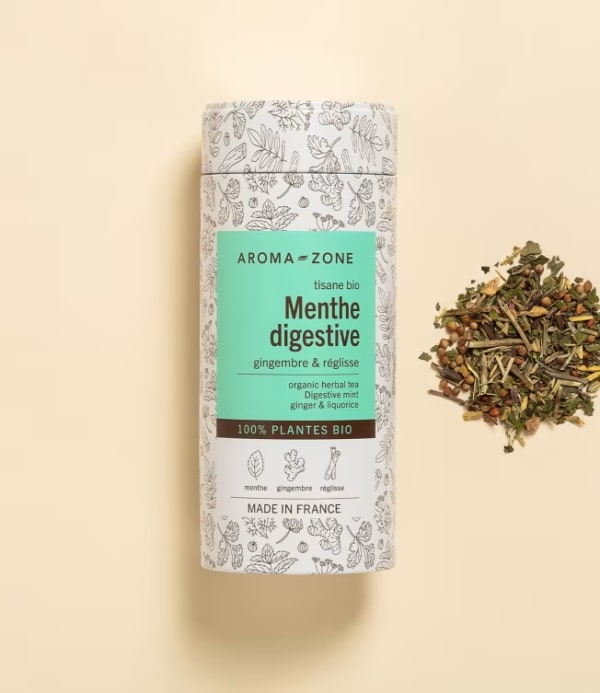
Herbal teas for constipation
The following plants are listed from mildest to strongest in terms of laxative power. The more laxative a plant is, the more potentially irritating it will be to the mucous membrane. To mitigate this, you can, for example, combine several plants (a strong one + a mild one).
Mallow (Malva sylvestris): known as a chest-soothing flower, it is also helpful for constipation. Steep 1 to 5 g of the plant in 250 mL of hot water (2 to 3 cups per day).
Marshmallow (Althaea officinalis): another bulk-forming laxative (like common mallow), it contains pectins that can help regulate bowel movements.
Buckthorn (Rhamnus frangula): It acts as a stimulant laxative. It is a flowering plant whose bark is primarily used in infusions to support bowel function.
Senna (Cassia senna): It is the basis of certain purgative medications (at higher doses). In herbal tea, it may be beneficial to combine it with mallow to limit its irritating effects.
Cascara (Rhamnus purshiana): Its bark is rich in cascarosides A, B, C, and D, which are remarkable stimulant laxatives. Do not confuse it with coffee cherry infusions (cascara also means “shell/skin” in Spanish).
Other natural products to combat constipation
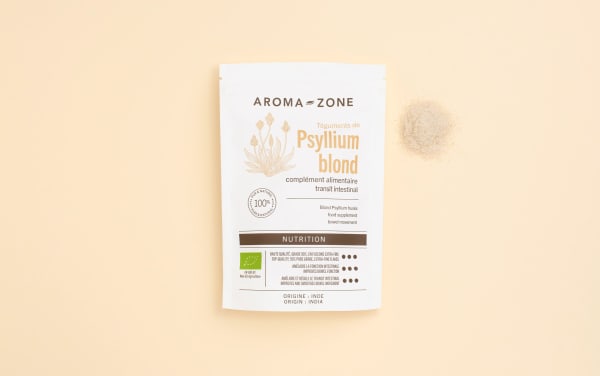
Psyllium: This is one of the best-known home remedies for constipation. Whether it’s blond, brown, or black, be sure to drink enough water after taking it (to help it swell!)
Wheat Bran: It has the advantage of being remarkably rich in insoluble fibre (about 40 g of fibre per 100 g). Don’t overdo it, as these fibres can be irritating.
Aloe juice: not to be confused with Aloe vera gel used for cosmetic purposes. Here, we’re talking about the sap that flows from a leaf when it’s cut. It’s a powerful stimulant laxative.
Ginger essential oil: It is considered a tonic for the digestive system. Apply in a circular massage on the abdomen, diluted in a vegetable oil.
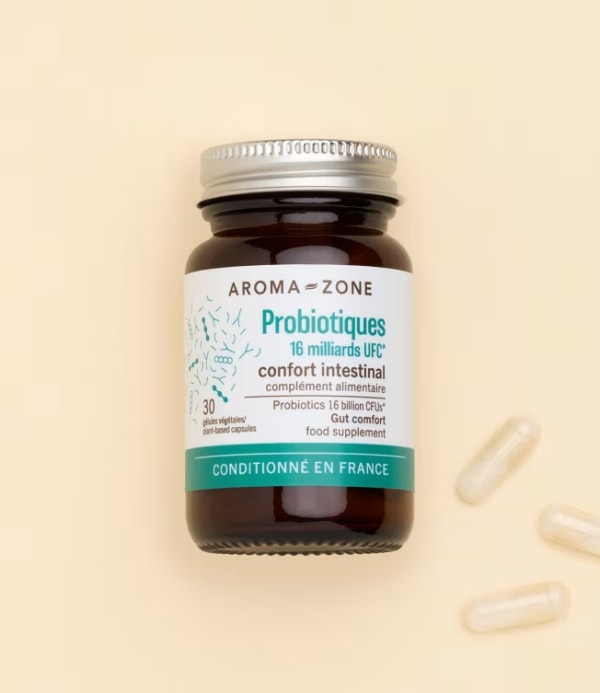
Probiotics: They can help repopulate the gut and maintain the balance of gut flora. Aim for a one-month “course” to start.
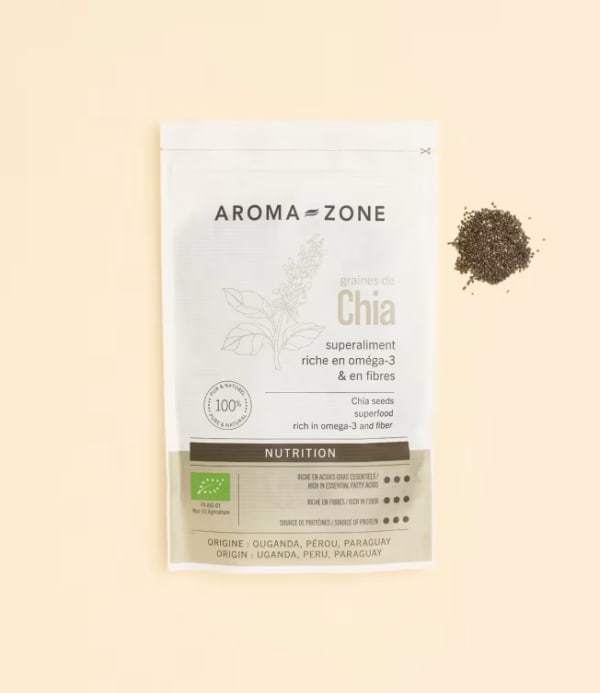
Tip: Some people add chia seeds, which, thanks to their high soluble fiber content, form a gel that acts as a bulking agent (like flaxseed).
Home remedy: flaxseeds
It’s hard to talk about home remedies for constipation without mentioning flaxseeds! They are, in fact, packed with mucilage. These are viscous plant substances that swell upon contact with water and turn into a gel. Once ingested, they form a gelatinous mass that acts as a bulk-forming laxative and promotes the expulsion of stool.
How to use them? It is traditionally recommended to take 10 to 15 grams of flaxseeds in 150 mL of liquid, 1 to 3 times a day. This could be yogurt or a smoothie, for example. Although it is more beneficial from a nutritional standpoint to grind the seeds, the opposite is true in cases of constipation. In this case, it is best to keep them whole: this prevents them from swelling in the stomach before reaching the intestines (where we need them!).
Summary table of high-fibre foods
Our daily anti-constipation tips
Stay well-hydrated. Drink at least 1.5 litres of water per day to help move your stool. Mineral waters rich in magnesium may also have beneficial effects on constipation.
Eat raw fruits and vegetables. They’re particularly juicy and high in water content! Aim for at least one raw fruit or vegetable per meal. Feel free to vary your raw vegetable intake throughout the day to broaden your nutritional intake.
Get plenty of fibre (25 to 35 g per day). You can find it in your diet and/or in the form of dietary supplements (such as psyllium). Examples: whole grains, dried fruit, chia seeds, split peas, artichokes, spinach, etc.
Engage in physical activity. Physical exertion is essential for stimulating your bowel movements. Conversely, when you remain inactive for too long (a sedentary lifestyle), you promote the stagnation of stool in your intestines.
Our massage routine to promote bowel movement
Precautions for use
Constipation, when prolonged, can lead to complications. Repeated straining, for example, can contribute to anal fissures and hemorrhoids. If you feel that your bowel issues are becoming chronic, consult a healthcare professional.
Although they are natural, the home remedies for constipation mentioned in this article may not be suitable for certain individuals depending on their health status (illness, medication, pregnancy, etc.). We recommend consulting your doctor.
Essential oils are potent substances. Before use, verify their compatibility with your condition. Handle them with care and follow the recommended dosages.
Expert advice
When it comes to clearing an intestinal blockage that has been “stuck” for days, no detail should be overlooked! Here’s a tip that may seem trivial but is often forgotten during bowel movements: start by adjusting your position on the toilet seat. To do this, place a stool under your feet to raise your legs. This simple step helps open the anorectal angle (35°), which optimises the alignment of the rectum with the anus. The result: stools pass more easily.
Focus on Our Writer: Hélène Betoux

Hélène Betoux is a French beauty journalist specialising in web media. Every day she writes tips, advice, and guides to help consumers choose the right beauty products. With a strong interest in natural, organic, and clean cosmetics, she analyses and shares trends and innovations in the sector.
Bibliography
Romane Labise. The Role of Herbal Medicine in the Management of Constipation in Adults. Pharmaceutical Sciences. 2021.
Vianna Costil, Pauline Jouët.
Dietary Guidelines for Constipation. French National Society of Gastroenterology (SNFGE), Discussion Group of Hepatogastroenterology Practices and Groups (CREGG).
Danièle Festy. My Bible of Essential Oils. LEDUC.S Éditions, Paris, 2008, pp. 247–248.