
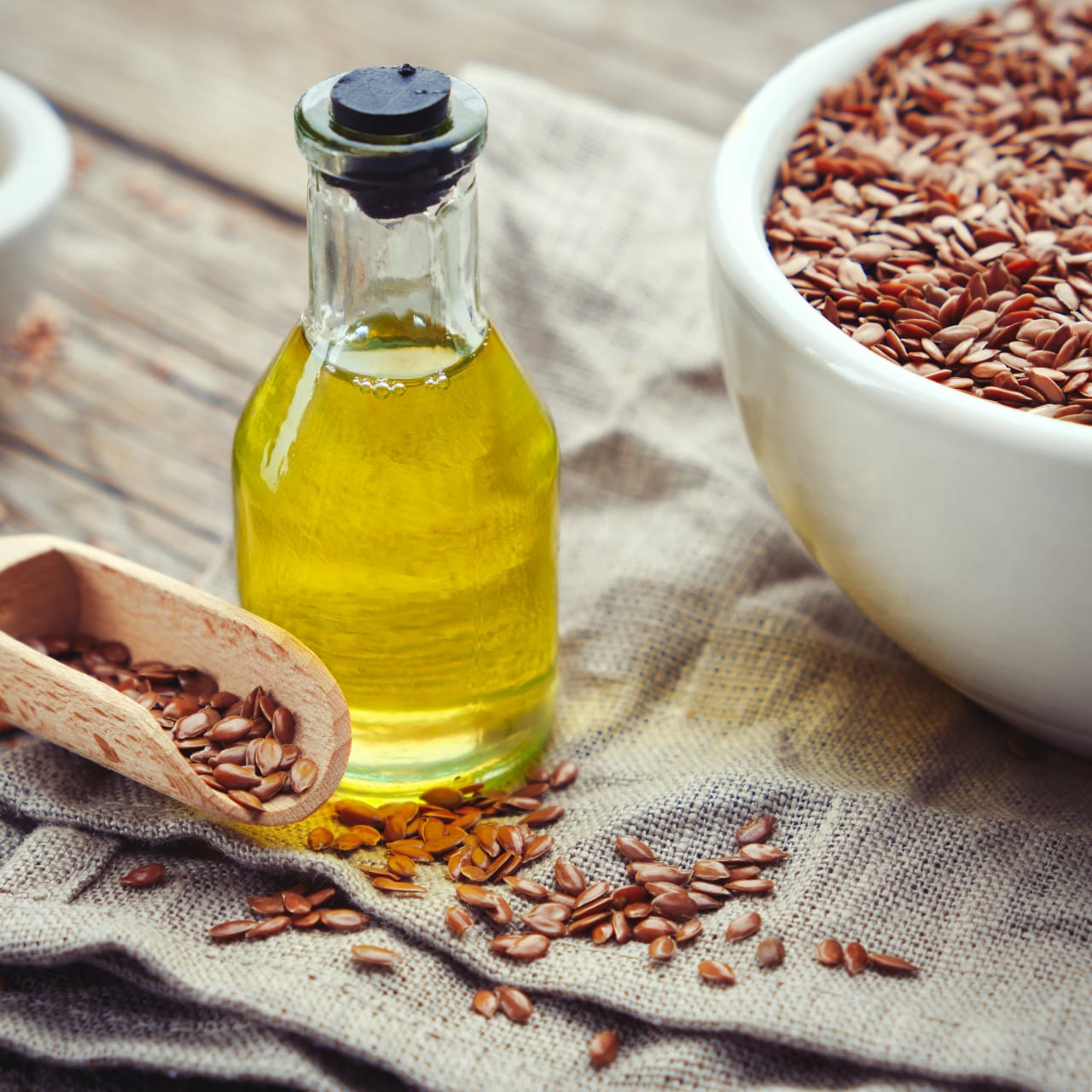
Linseed oil is a carrier oil extracted from linseed(Linum usitatissimum). It is generally produced by cold-pressing the seeds, a process that helps preserve its nutrients and health benefits. Among these are omega-3 fatty acids, particularly alpha-linolenic acid (ALA), which is beneficial for the body. Linseed oil is recognised by its golden-yellow colour and slightly distinctive aroma. When the oil has oxidised, it develops a rancid smell and should not be consumed. Linseed oil was banned in France during the 20th century due to concerns about rancidity, but it has been authorised again since 2009.
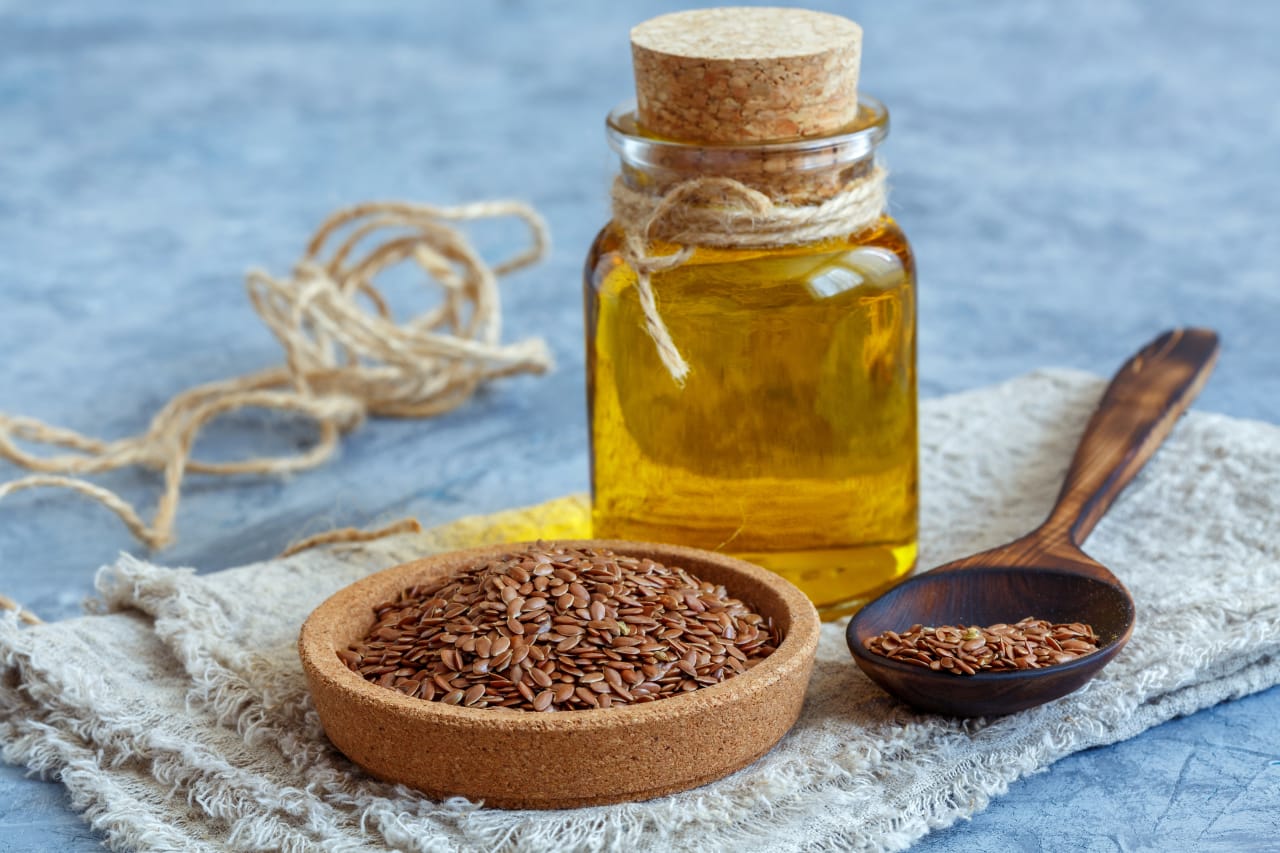
What are the benefits of linseed oil for the hair and face?
Published on: Monday, October 30, 2023, Updated on: Wednesday, September 30, 2026
When cold-pressed, linseed yields an oil with a wide range of benefits. A true everyday essential, this oil is one of the richest sources of omega-3 and can be used in many ways, both internally and externally. Let’s explore its benefits and how to use it correctly.
Contents
Related products
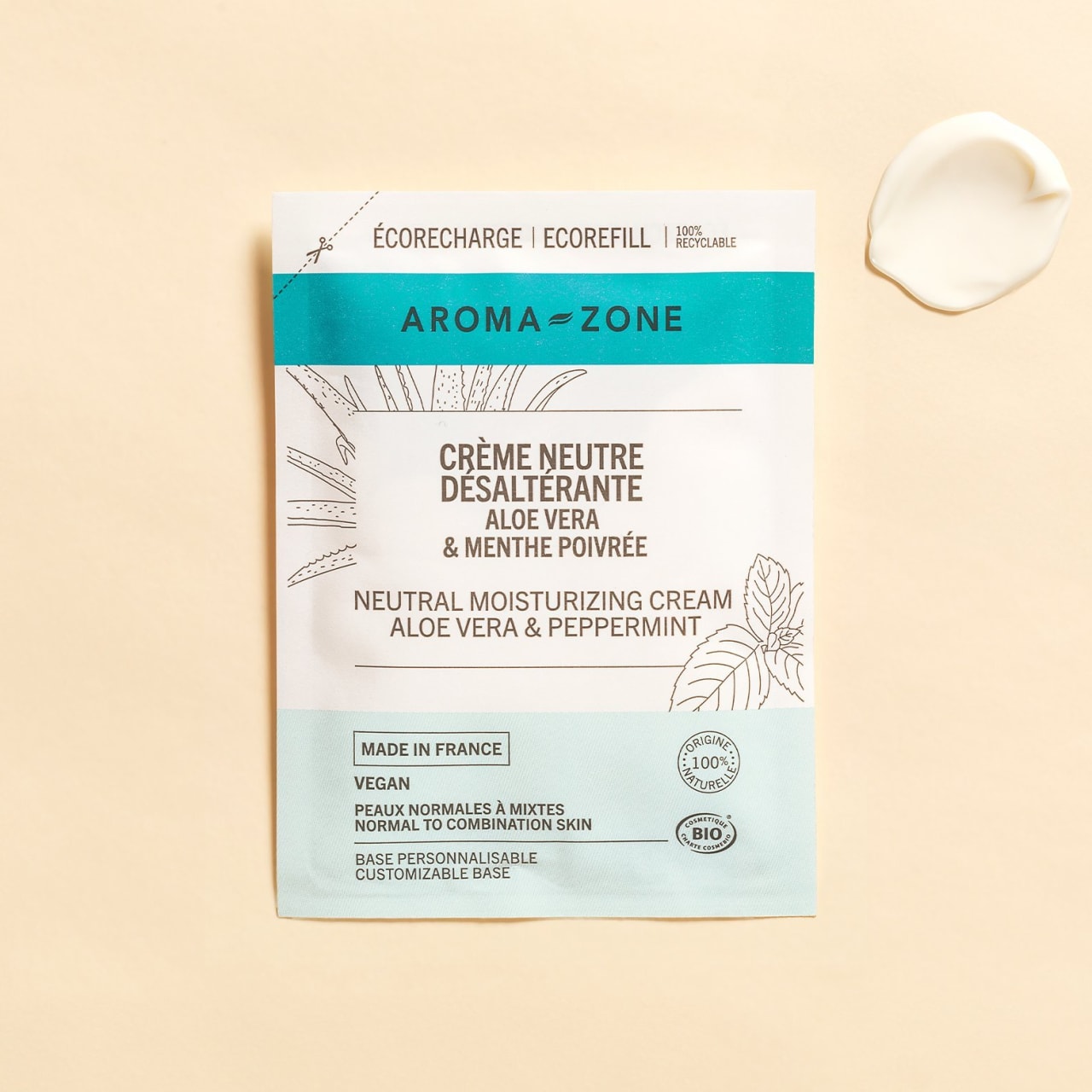
Neutral Moisturising Cream
Moisturising
Purifying
£4.50
50 ml
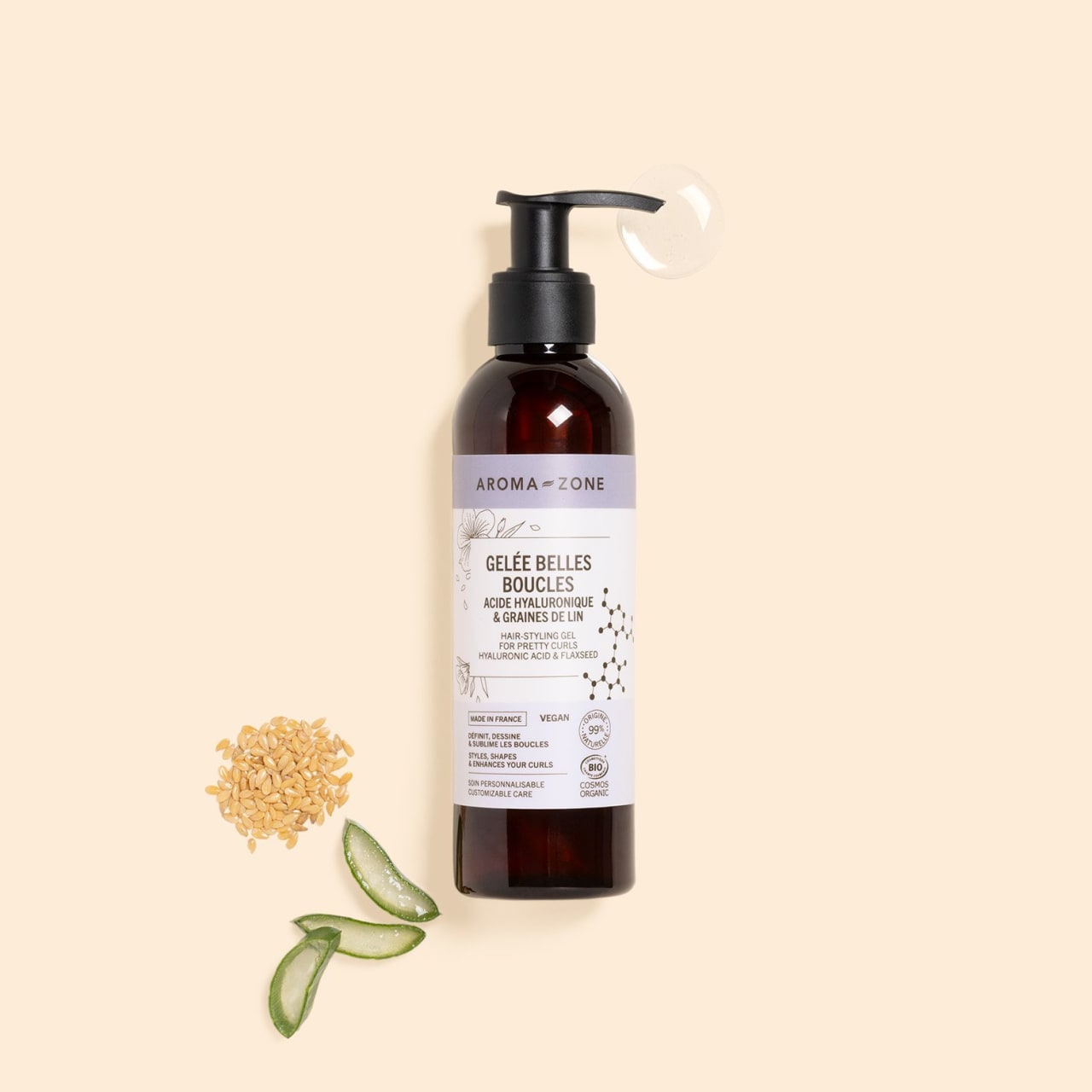
Curl-Defining Gel with Hyaluronic Acid & Flaxseed
Hair conditioner
Curl care
£10.50
200 ml
2 options
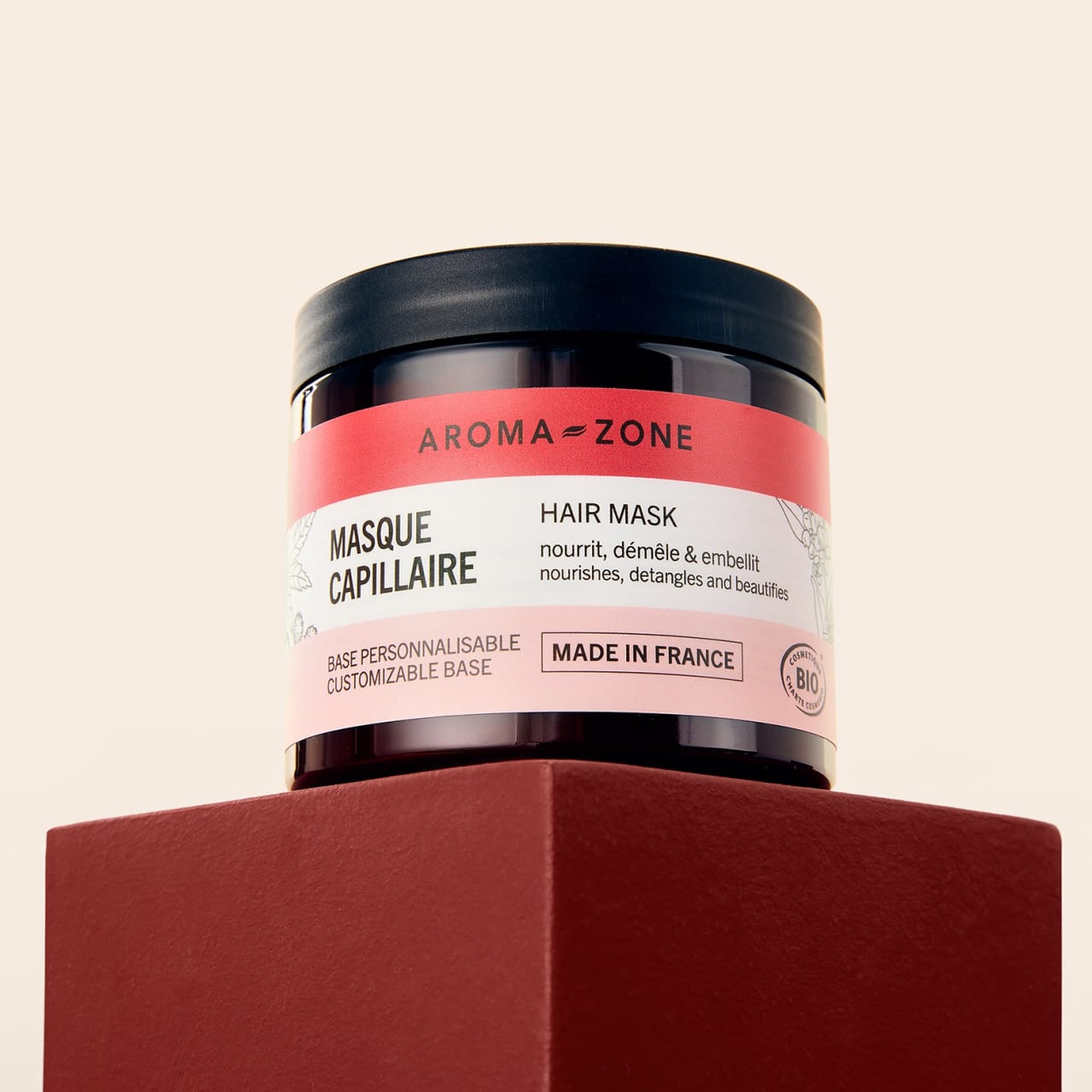
Neutral Hair Mask
Nourishing
Hair conditioner
£12.50
500 ml
What is linseed oil?
What are the benefits of linseed oil?
Reinforces the skin barrier: it helps strengthen the skin's protective barrier, making it an ideal choice for sensitive skin prone to irritation.
Prevents skin ageing: linseed oil's antioxidant properties help combat the signs of ageing, such as fine lines and wrinkles.
Laxative effects: linseed oil can be useful for regulating intestinal transit and reduce occasional constipation.
Cholesterol balance: thanks to its high omega-3 content, linseed oil helps maintain normal blood cholesterol levels and supports cardiovascular health.
Brain health: scientific research suggests that the polyunsaturated fatty acids found in linoleic acid may have potential neuroprotective effects.
Respiratory and urinary comfort: in traditional Ayurvedic medicine, linseed seeds are used as infusions to help soothe coughs, bronchitis and inflammation of the urinary tract.
Linseed oil: properties for hair
Linseed oil also has benefits for the hair. As a natural emollient, it helps to keep hair hydrated, leaving it soft, silky and less prone to dryness. It also works to repair split ends, making them less brittle. Linseed oil creates a natural barrier to protect hair from damage caused by heat, UV rays and pollution.
Regular application can not only add shine, improving texture and reducing frizz, but also play a role in hair growth, as the fatty acids promote a healthy scalp. Finally, its anti-inflammatory properties can soothe the scalp and limit dandruff problems.
It helps improve the appearance of split ends by making them less prone to breakage. Linseed oil forms a natural barrier that helps protect hair from damage caused by heat, UV rays and pollution.
Its nourishing and stimulating properties support scalp health, helping to maintain an environment conducive to healthy-looking hair growth. By supporting scalp hydration and overall scalp comfort, it may indirectly help limit breakage and support stronger hair.
Its anti-inflammatory properties help soothe the scalp and may reduce dandruff-related discomfort.
Properties for the face
Moisturising: linseed oil is an excellent natural moisturiser. It penetrates deep into the skin to nourish it, keeping it supple and soft.
Anti-ageing: thanks to its omega-3 fatty acids, linseed oil can help slow down the signs of skin ageing, such as fine lines and wrinkles. It promotes cell regeneration and improves skin elasticity.
Anti-inflammatory effect: the omega-3 fatty acids in linseed oil are known to reduce inflammation, both in the skin and throughout the body. This can be particularly beneficial for soothing irritated skin or skin prone to redness.
Balancing oily skin: regulates sebum production, reducing unwanted shine.
Deep cleansing: helps remove impurities and make-up residue, leaving skin clean and fresh.
Acne reduction: thanks to its anti-inflammatory and moisturising properties, linseed oil can help reduce acne and skin eruptions.
How can linseed oil be used?
In cooking, it can be used as a seasoning for salads or vegetables, particularly in preparing a vinaigrette. It can also be used as a food supplement . For external use, it can be applied directly to the face, body and hair.
Precautions for use
Do not use linseed oil for cooking at high temperatures, as it is sensitive to oxidation. The beneficial fatty acids it contains can become harmful when exposed to high temperatures. Choose more stable oils for cooking, such as olive oil or coconut oil.
If you have thyroid problems or are undergoing hormone treatment, it is advisable not to consume linseed oil without consulting a health professional. Certain components of linseed oil could interfere with these medical conditions.
It is advisable to avoid consuming linseed oil orally in children under the age of 3, as their digestive systems are still developing. Choose alternatives that are appropriate for their age.
Linseed oil is sensitive to oxidation due to its rich omega-3 composition. To prolong its shelf life, keep it in a cool place, preferably the fridge, and away from light. Once opened, it generally keeps for 6 to 8 months. Keeping to these storage instructions will help preserve the quality of the oil.
Spotlight On Our Writer: Lauréna Valette

Lauréna is a journalist specialising in lifestyle, wellness, and psychology. Between writing articles, she travels around the world discovering what it has to teach us.
Bibliography
Le lin, son huile, sa graine… et notre santé
https://link.springer.com/article/10.1007/s10298-010-0539-8
Effect of Linseed Intervention on Inflammatory Marker C-Reactive Protein: A Systematic Review and Meta-Analysis of Randomized Controlled Trials
https://www.ncbi.nlm.nih.gov/pmc/articles/PMC4808865/
Flax - phytotherapy - VIDAL
Flax - phytotherapy - VIDAL. (n.d.). VIDAL. https://www.vidal.fr/parapharmacie/phytotherapie-plantes/lin-linum-usitatissimum.html
Linolenic acid prevents neuronal cell death and paraplegia after transient spinal cord ischemia in rats.
Lang-Lazdunski, L., Blondeau, N., Jarretou, G., Lazdunski, M., & Heurteaux, C. (2003). Linolenic acid prevents neuronal cell death and paraplegia after transient spinal cord ischemia in rats. Journal of Vascular Surgery, 38(3), 564–575. https://doi.org/10.1016/s0741-5214(03)00473-7
Associated tips

Hair care tips
Natural actives


