
Constipation is a bowel transit disorder characterised by a reduced frequency of bowel movements and difficulty passing stools. It may be accompanied by harder stools, a sensation of incomplete evacuation, bloating, wind or abdominal discomfort. Depending on the individual, it can be occasional (due to changes in routine, stress, travel or diet) or more regular.
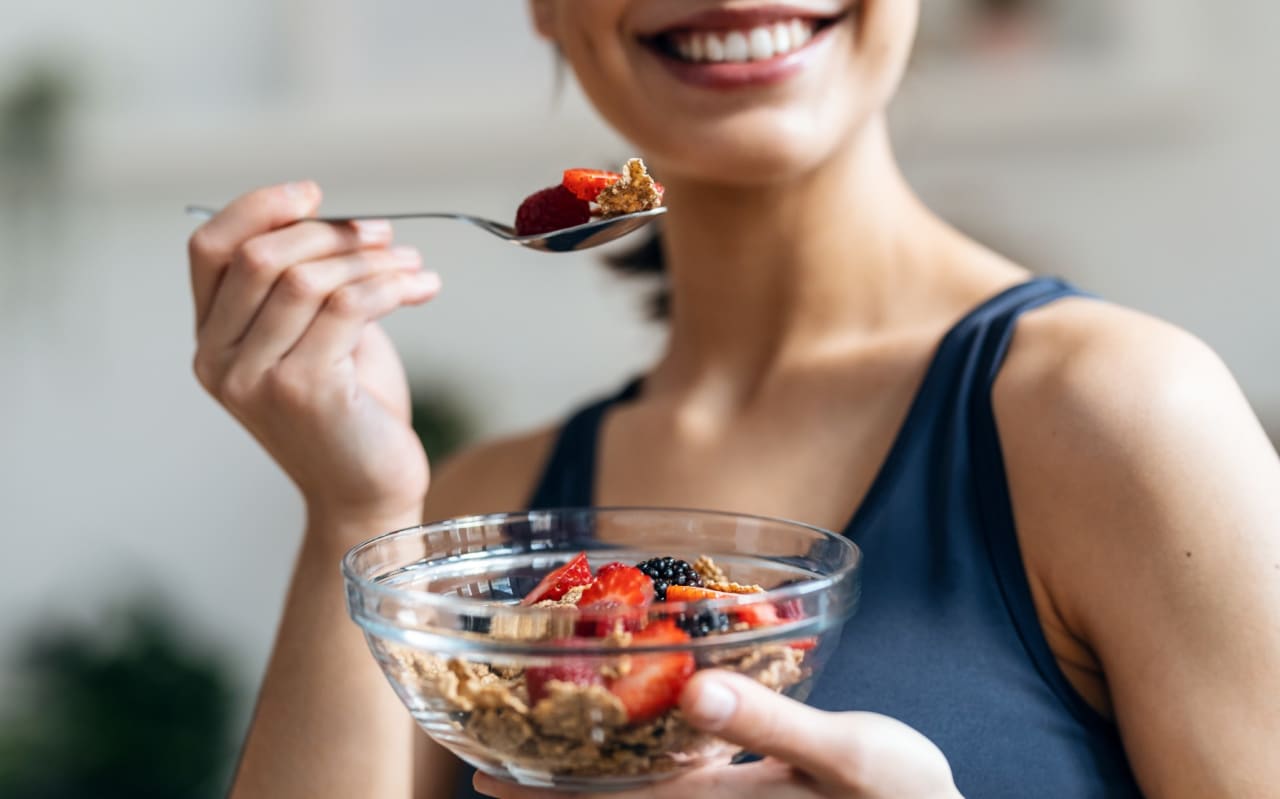
Food and constipation: What can you eat?
Published on: Saturday, January 27, 2024, Updated on: Wednesday, October 21, 2026
Constipation is characterised by slower bowel transit, with less frequent bowel movements that may be difficult to pass. It can be occasional or persistent, often accompanied by discomfort such as bloating, wind or a feeling of abdominal tightness. In this article, we explore the role of diet and the simple daily choices that can help support more regular bowel movements.
Contents
Related products
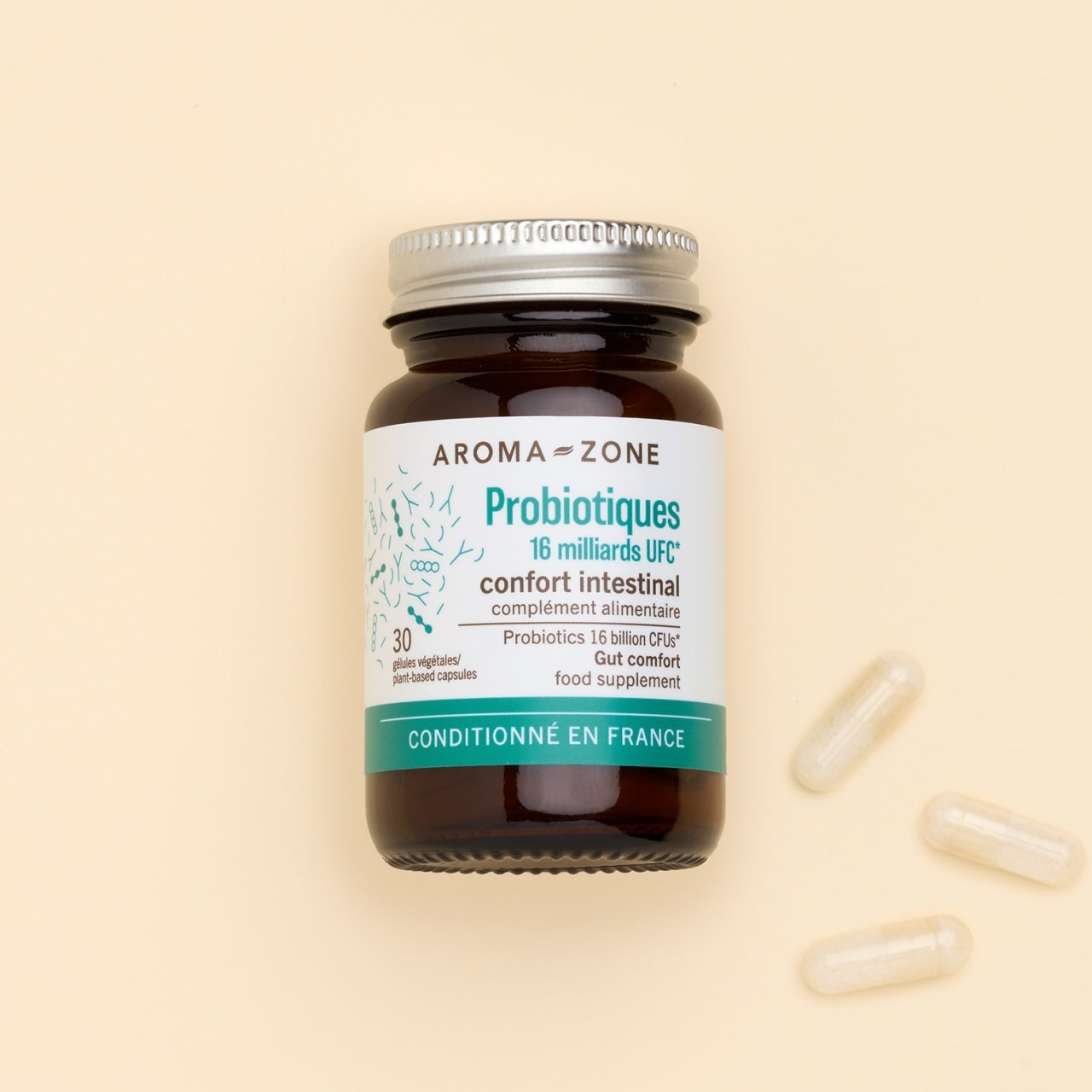
Gut Comfort Probiotics - 30 Capsules
Digestive comfort
£17.00
1 article
What is constipation?
What role does diet play in constipation?
Diet plays a central role in maintaining regular bowel transit. Certain dietary choices may contribute to slower transit, while others help keep stools softer and promote more regular elimination. Several nutritional factors may therefore be involved.
Insufficient fiber intake
Dietary fibre, found particularly in fruits, vegetables, wholegrains and pulses, plays an important role in supporting healthy bowel transit. There are two types of fibre with complementary roles: insoluble fibre, found in wholegrains and dried pulses, helps increase stool bulk and stimulate transit; and soluble fibre, present for example in oats, certain pulses and psyllium, which helps retain water in the stools and improve their texture.
An insufficient intake of fibre may lead to harder stools that are more difficult to pass (1).
Insufficient hydration
Fibre works by retaining water within the digestive tract. Without sufficient hydration, its effect is limited. Inadequate fluid intake may therefore contribute to dry, compact stools that are more difficult to pass (2)
High consumption of processed foods
Ultra-processed foods are often low in fibre and high in added sugars or fats. Regular consumption may unbalance the diet and is unlikely to support healthy bowel transit.
Certain foods consumed in excess
A high intake of foods rich in saturated fats, such as certain fatty meats or full-fat dairy products, may in some individuals contribute to slower bowel transit. Tolerance, however, can vary from person to person.
Irregular meals
Irregular meal times can disrupt the body’s natural digestive rhythm. Conversely, eating at regular times may help support more consistent bowel function.
Insufficient intake of certain nutrients
Certain minerals, such as magnesium, play a role in normal muscle function, including within the intestines. A diet lacking in variety may sometimes contribute to less efficient bowel transit.
Constipation is often multifactorial. Diet is an important factor, but other elements such as physical activity levels, stress or certain medications may also play a role. Gradually adjusting your diet by favouring a varied food intake and ensuring adequate hydration may, over time, help improve digestive comfort.
What diet should you follow if you are constipated?
In cases of constipation, certain dietary choices may help support more regular bowel movements, provided they are introduced gradually and combined with adequate hydration. It is not about radically changing your diet, but rather making small adjustments to your daily habits according to what is best tolerated by your digestive system.
Which fruits are best for constipation?
In general, fruit should preferably be eaten when ripe.
Rehydrated dried fruit (Prunes, dried figs, dates): rich in fibre, they help increase stool volume
Orchard fruits (Apples, pears): these provide fiber, particularly soluble fibre, which contributes to stool texture and digestion
Citrus fruits (Oranges, Grapefruit, Clementines): their fibre and water content helps hydrate the intestinal contents
Red fruits (Strawberries, raspberries, blackberries): valued for their high fibre content
Avocado: a source of fibre and fat, it contributes to regularity and stool texture
Which vegetables are best for promoting bowel movements?
Green vegetables (Spinach, broccoli, green beans, Brussels sprouts): rich in fibre and water
Carrots: their fibre content contributes to digestive comfort, and sensitive individuals may find them easier to tolerate when cooked
Squash (Butternut, Pumpkin) : these vegetables provide soft fibre and water, which can promote more comfortable digestion
Potatoes and sweet potatoes (with the skin if well tolerated): these provide fibre, especially when eaten with the skin
Alternating between raw and cooked vegetables can help tailor your diet to your personal digestive comfort.
Which grains and seeds should you choose?
Whole grains (brown rice, quinoa, oatmeal): these provide fibre, which increases stool volume and promotes more regular bowel movements when they replace refined grains.
Flax seeds: ground or soaked, they contribute to stool texture and comfortable bowel movements, provided they are consumed with sufficient hydration.
Wheat bran: rich in insoluble fibre, it is valued for its mechanical action on transit
Oat bran: a source of soluble fibre, it contributes to stool hydration and therefore better digestion.
These foods should be introduced gradually to limit digestive discomfort, such as bloating.
What foods should you avoid if you are constipated?
In cases of constipation, certain foods may contribute to slower bowel transit, particularly when consumed frequently or in large quantities. As tolerance varies from person to person, the key is to identify what may be affecting digestive comfort and gradually adjust your eating habits accordingly.
What foods can slow down digestion?
Ultra-processed foods: prepared meals, industrial products low in fibre
Dairy products: whole milk, full-fat cheeses, cream
Fatty meats: red meats high in fat
White rice and refined grains: low in fibre
Unripe bananas: high in starch, sometimes less well tolerated
Foods high in saturated fat: fried foods, very fatty dishes
These foods are generally low in fibre and can, in some people, contribute to slower digestion.
What drinks should be limited in case of constipation?
Excessive consumption of black tea and coffee: can lead to dehydration if not compensated for by drinking water
Alcohol: known for its dehydrating effect
When consuming these beverages, it is important to ensure adequate hydration throughout the day.
Natural solutions for constipation
Psyllium
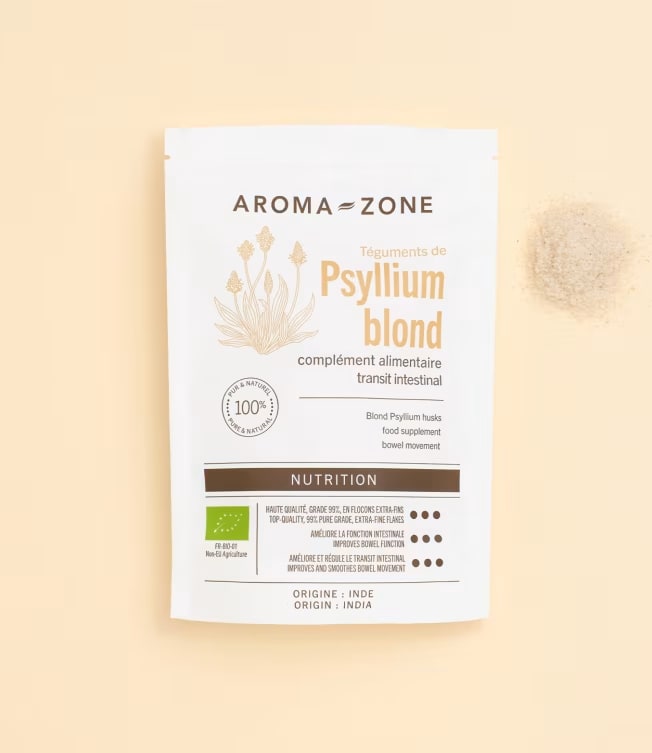
Organic blond psyllium - 300 g - Dietary supplement
Blond psyllium, also known as ispaghul, is rich in fibre and mucilage, which swells on contact with water. Its gentle mechanical action helps support healthy bowel function and regulate transit, whether it is too slow or too fast. Presented in the form of whole husks, it is easy to consume mixed in a glass of water, as part of a balanced diet and good hydration. (3)
Precautions for use:
Blond psyllium is not a substitute for a varied and balanced diet or a healthy lifestyle. It is intended for adults only and should not be consumed by pregnant or breastfeeding women. The recommended daily dose should not be exceeded. It is not recommended in cases of undiagnosed rectal bleeding, swallowing disorders, abnormal narrowing of the gastrointestinal tract, potential or existing intestinal blockage, intestinal paralysis, or megacolon. Psyllium should always be taken with sufficient water and at least one hour apart from medication. If you are taking medication, it is recommended that you seek the advice of a healthcare professional.
Chia seeds
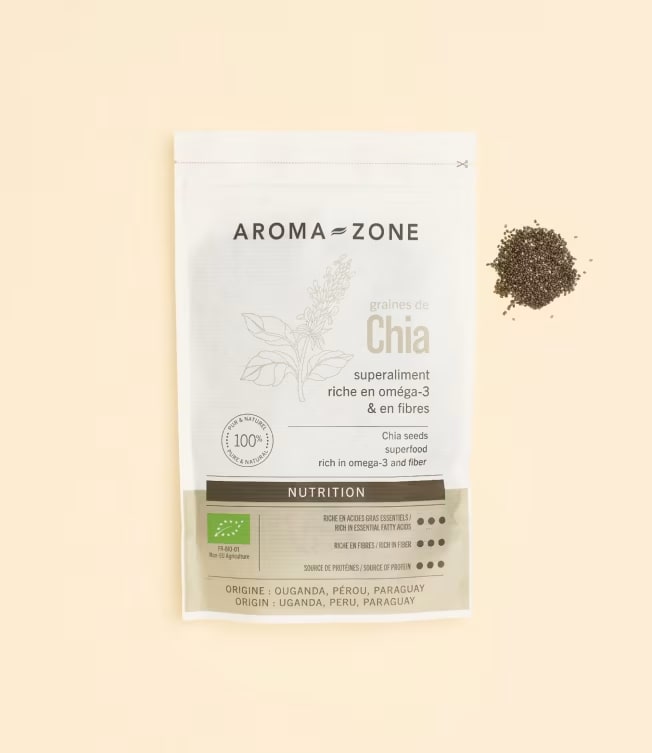
Superfood Organic chia seeds
Chia seeds are known to support healthy intestinal transit when incorporated into the diet. Their unique feature is that they form a mucilaginous gel when in contact with liquids, creating thick and nourishing textures in preparations. They can easily be added to everyday meals, such as breakfasts or snacks.
Precautions for use:
Do not exceed 15 g of chia seeds per day (approximately 1.5 to 2 tablespoons). Keep out of reach of children.
Probiotics to support the balance of the gut microbiota

Probiotics Intestinal Comfort - 30 capsules - Dietary supplement
This dietary supplement combines five patented and clinically tested probiotic strains, including the SynbÆctive® SmilinGut complex, with prebiotic fibers. This synergy is designed to support the balance of the intestinal flora and promote intestinal comfort, as part of a comprehensive approach to digestive well-being. Presented in the form of gastro-resistant capsules, the strains are released in a targeted manner in the intestine.
Precautions for use:
This dietary supplement is not a substitute for a varied and balanced diet or a healthy lifestyle. It is intended for adults only and is not recommended for pregnant or breastfeeding women. Do not exceed the recommended daily dose and keep the product out of the reach of children.
Recipes
Precautions
If constipation persists over time, worsens, or is accompanied by significant pain, it is advisable to seek the advice of a healthcare professional.
Expert advice
If you are constipated, it is better to introduce fiber gradually rather than increasing the amount suddenly, in order to limit bloating. Simple steps, such as soaking a few prunes before eating them or drinking prune juice occasionally, can help support digestion and improve intestinal comfort.
Focus on our wellness editor, Laura Almeras.

Laura is a health, beauty, and lifestyle writer. Passionate about travel and gastronomy, she shares all her nutritional tips for combining pleasure and well-being. Through her articles, she is committed to providing you with meaningful information and practical advice to nourish your body and mind.
Bibliography
ANSES. (2017). Dietary fiber: role, sources, and recommendations. French Agency for Food, Environmental and Occupational Health & Safety.
www.anses.fr/fr/content/les-fibres-alimentaires
EFSA Panel on Dietetic Products, Nutrition and Allergies. (2010). Scientific Opinion on Dietary Reference Values for carbohydrates and dietary fiber. EFSA Journal.
efsa.onlinelibrary.wiley.com/doi/10.2903/j.efsa.2010.1462
Vidal. (2023). Constipation: which dietary supplements can help?
www.vidal.fr/maladies/estomac-intestins/constipation-adulte/complements-alimentaires.html
Frequently Asked Questions
Associated tip

Digestion, detox & gut microbiota


