The effects of plant-derived charcoal vary from person to person due to the diversity of digestive systems and individual sensitivities. However, many users report a marked improvement within an hour of taking charcoal.
Why should you take plant-derived charcoal for good digestion?
Activated plant-derived charcoal is an increasingly popular food supplement. It is obtained by burning plant matter, such as wood. Made from plant origin, it has been used for centuries for its numerous properties. It is mainly used in the health and well-being field. In this article, find out more about the benefits of activated charcoal, its unique properties, advantages and the best ways to use it.

What is plant-derived charcoal?
Plant-derived charcoal is a remarkable product derived from the carbonisation of plant matter, such as poplar, willow, chestnut bark or coconut shells. This carbonisation process, also known as pyrolysis, consists of the thermal decomposition of raw plant materials in the absence of oxygen. This method preserves its natural properties, making it an exceptional adsorbent.
Plant-derived charcoal has been used for thousands of years to combat digestive discomfort and poisoning. Traces of its use can even be found in ancient times, notably in Egypt. Nowadays, activated charcoal is mainly taken for its digestive properties. It is also used in detox treatments to drain and eliminate accumulated toxins.
What is the difference between activated carbon and plant-derived carbon?
Activated charcoal, also known as activated carbon, is generally produced from organic materials such as peat, sawdust and even coconut shells. The main difference lies in the activation process. Activated carbon often involves the use of oxidising gases or steam, which gives it specific properties for adsorbing toxic substances.

Properties of our Aroma-Zone activated charcoal
What makes Aroma-Zone® activated charcoal so special? It is special because of how it is made and the origin of the wood. We have selected chestnut wood for its high adsorption power. Obtained by burning chestnut wood, our plant-derived charcoal is then activated through water vapour, which gives it a porous texture. During this activation phase, a multitude of internal pores are created on the surface of the charcoal, increasing its adsorption capacity. Thanks to these porous qualities, the coal is able to 'fix' or trap gases and liquids in its pores, as well as impurities. It can capture certain toxic or pathogenic elements, trapping the toxins, bacteria and impurities it encounters, making it easier to get rid of them for better digestive comfort.
Plant-derived charcoal and digestion: what's the link?
Plant-derived charcoal is known for its beneficial effects on digestion and is often used to relieve various kinds of digestive discomfort. Plant-derived charcoal has strong adsorbent properties due to its highly porous surface and is capable of absorbing gases and toxins in the digestive tract. It is this adsorption capacity (not to be confused with absorption) that means undesirable substances can be trapped and evacuated naturally. As a result, it relieves bloating and intestinal gas, helping to greatly reduce digestive discomfort. Its detoxifying effects help eliminate toxins and prevent minor digestive disorders. Hence, the link between plant-derived charcoal and digestion.
What are the benefits of our activated plant-derived charcoal on the stomach?
Detox effects: due to its porosity, it binds pathogenic or toxic elements such as heavy metals and pesticides, helping to eliminate them through the faeces. Therefore, natural activated charcoal is reputed to be an effective way to supplement detoxes.
Relief for bloating: plant-derived charcoal acts as a natural adsorbent in the gastrointestinal tract, absorbing the unwanted gases responsible for bloating.
Improved digestion: by trapping unwanted substances on its surface, plant-derived charcoal helps to purify the digestive system.
Reduced flatulence: the adsorbent properties of plant-derived charcoal help to reduce excessive flatulence by capturing the gases produced during the digestion process. This greatly improves digestive comfort and reduces any discomfort associated with flatulence.
Promotes a flat stomach: it helps combat aerophagia, bloating and intestinal gas. As a result, a flatter stomach can be achieved more quickly.
A closer look at our natural organic French-sourced activated charcoal - food supplement

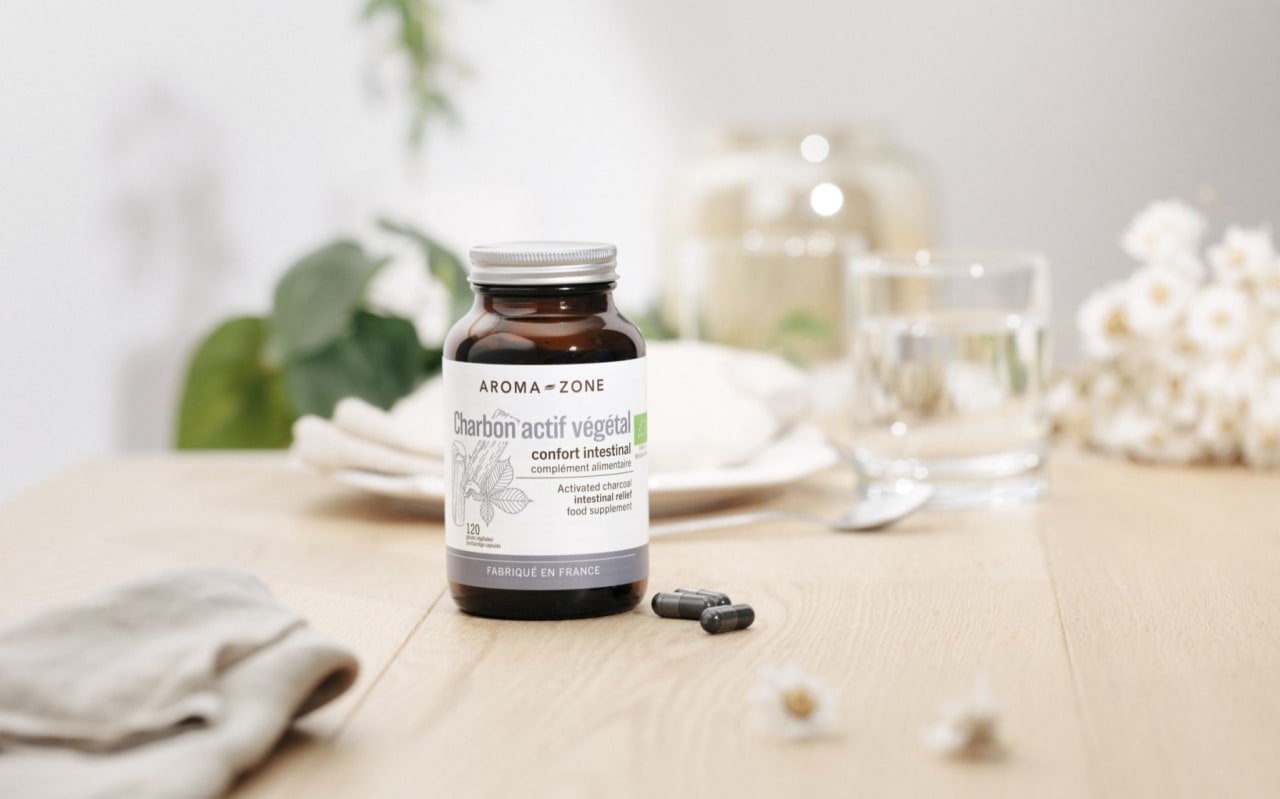
Certified organic, this activated plant-derived charcoal in capsules comes from sustainably-managed French chestnut forests and is steam-activated without any chemical agents. Thanks to its ultra-microporosity and high adsorption surface, this chestnut natural activated charcoal is particularly suitable for absorbing intestinal gases. It is a real help in terms of digestive comfort, mainly thanks to its detoxifying properties.
When should I start a course of charcoal?
Plant-derived activated charcoal can be beneficial after a heavy or hard-to-digest meal, helping you to feel lighter and preventing flatulence. When travelling, it supports intestinal comfort. During times of stress (particularly short periods), it can relieve aerophagia. Lastly, it is often recommended as a good accompaniment for detox treatments to capture toxins, heavy metals, chemical residues and pesticides in the body.
How do I follow a course of charcoal?
When should you take plant-derived charcoal?
Before meals: taking activated plant-derived charcoal before meals can be beneficial in warding off the potential adverse effects from digesting certain foods. This means the charcoal is present in the gastrointestinal tract at the time of digestion, acting as an adsorbent filter to capture unwanted gases and compounds early in the digestive process.
After meals: taking natural activated charcoal after meals can be beneficial for adsorbing undesirable residues produced during digestion. This can help reduce the risk of postprandial bloating and alleviate symptoms of unexpected flatulence.
Dosage
To benefit from the full effects of organic plant-derived activated charcoal, we recommend taking between 4 and 8 capsules a day with a large glass of water, divided into two doses: 4 capsules at least 30 minutes before a meal, then 4 capsules immediately afterwards.
One jar of organic plant-derived activated charcoal contains 120 capsules. This will provide a 15- to 30-day course, depending on the number of capsules taken daily.
Contraindications
It is not advisable to take plant-derived activated charcoal at the same time as other substances, such as food supplements, medicines or the contraceptive pill. The effectiveness of these products could be reduced due to the adsorbent power of charcoal.
Improve intestinal comfort with our natural solutions

Probiotics Intestinal Comfort - 30 capsules - food supplement
This natural food supplement is a combination of 5 patented and clinically tested probiotic strains, including the SynbÆctive® SmilinGut mix, with proven beneficial effects on the balance of intestinal flora and intestinal comfort, combined with prebiotic fibres. With a dose of 16 billion CFU per capsule for optimum effectiveness, in the form of gastro-resistant capsules for targeted release in the intestinal tract.
Discover Probiotics Intestinal Comfort - 30 capsules - food supplement

Organic Mint Digestion herbal tea
Deliciously fresh, perfectly minty and slightly spicy, Organic Mint Digestion herbal tea is particularly pleasant after a meal. Its highly original, complete composition combines 7 plants renowned for aiding digestion and helping you feel better after meals. A deliciously effective infusion to soothe digestive discomfort. It is theine-free so it can be consumed at any time of day.

Organic blond psyllium - 300 g - food supplement
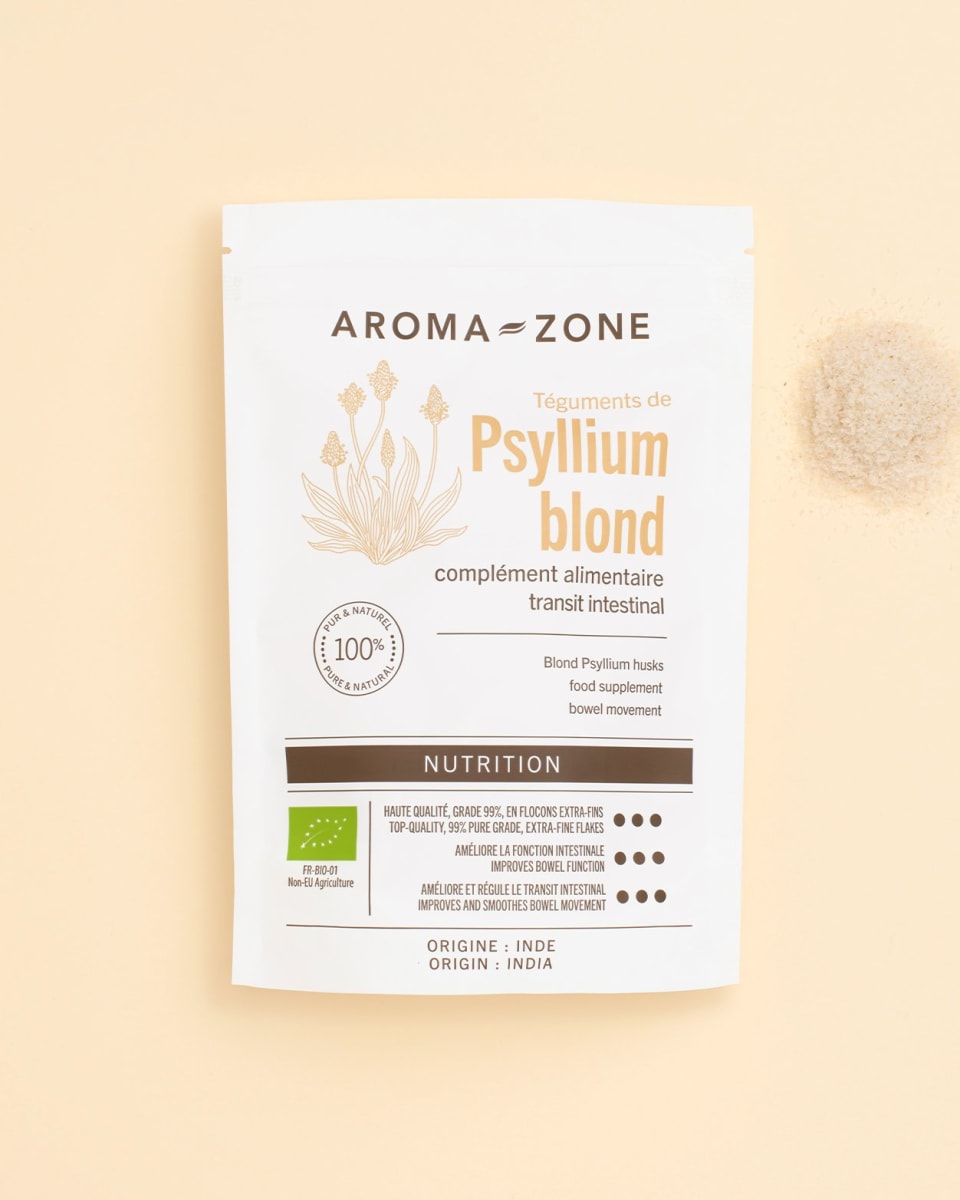
Organic blond psyllium of the highest quality, 99% grade. Also known as ispaghul, the tegument of blond psyllium is high in fibre and mucilage, which swells on contact with water. Known to support healthy intestinal function, its gentle mechanical effects help regulate intestinal transit, whether it's too slow or too fast. It comes in a 100% whole tegument form in a doypack so that you can simply adjust the dose and swallow it easily with a glass of water. For maximum effectiveness, it is important to drink enough water.
What routine should you adopt to boost your course of activated charcoal?
Keep sufficiently hydrated: during a course of activated charcoal, it's important to drink plenty of water throughout the day. This helps to eliminate the toxins captured by the charcoal and prevents any risk of constipation.
Eat a light, healthy diet: to support a detox, opt for a diet high in fresh vegetables, fruit, wholegrain cereals and lean proteins. Avoid foods that are too fatty, sugary or processed. However, be careful not to eat too much fibre, which ferments easily in the digestive system.
Massage to soothe the abdomen: massage your abdomen using clockwise circular movements. This can improve digestion and reduce discomfort.
Precautions for use
Activated charcoal should be stored in a dry place, away from moisture and light. Once opened, it is best to store it in an airtight container to prevent it from absorbing moisture. For internal use, it is advisable to consult a doctor or pharmacist beforehand. It may cause constipation; if symptoms occur, reduce the dose or discontinue use. It may also turn stools black, which is normal. If you see any unusual changes, consult a doctor.
Expert advice
If you wish to start a course of charcoal, the duration of the course may vary according to your needs and symptoms. As a general rule, courses of charcoal are designed to be temporary and should not be taken for too long. A typical course of treatment generally lasts from a few days to 1 week, as part of a detox or digestive imbalance treatment, for example.
Find out more

How long does it take for the effects to kick in?

How long does it take for the effects to kick in?

Where does plant-derived charcoal come from?

Where does plant-derived charcoal come from?
As its name suggests, plant-derived charcoal is obtained from plants. The most commonly used plant-based raw materials include poplar, lime, willow, aspen, ash wood and coconut shells.
Spotlight on our well-being editor, Laura Almeras

Laura is a health, beauty and lifestyle writer. Passionate about travel and gastronomy, she shares her nutritional advice on how to combine enjoyment and well-being. Through her articles, she strives to provide you with meaningful information and practical advice to nourish both your body and mind.
Bibliography
1
Sidhu, P. et al. "Activated Charcoal: Preparation, Characterization and Applications-A Review." Journal of Chemical Technology and Biotechnology