What causes digestive difficulties and how can you ease them naturally?

What causes digestive difficulties and how can you ease them naturally?


By Audrey Ho Van Cam

Published on: Monday, November 13, 2023, Updated on: Tuesday, October 13, 2026

Bloating, gas, sluggish bowel movements… What if our digestion isn’t as smooth as it used to be? This article helps you better understand the causes of difficult digestion and natural solutions for better digestion. Modern diets, a fast-paced lifestyle, and stress: all factors that disrupt a process that is, after all, natural. But how can you restore calm to your digestion without disrupting your daily routine? What steps can you take to restore balance? Insights and practical advice to help you gently regain control of your digestive comfort.

Contents

Related products

What is difficult digestion?

Difficult digestion manifests as various discomforts throughout the digestive system. These common and often mild issues can affect the stomach, intestines, or bowel movements, and may occur occasionally or more regularly:

  • Epigastric pain: located in the stomach area, this pain is particularly felt around the sternum and may be accompanied by acid reflux and heartburn.

  • Intestinal issues: gas, bloating, and a swollen, painful abdomen often occur after a meal that is too rich or too large.

  • Digestive issues: leading to diarrhea or constipation, bowel movements are disrupted following one or more meals.

While certain medical conditions may be the cause of these issues, they can also be linked to more situational and occasional factors: meals that are too rich or too large, poor eating habits, mild food intolerances, the context of the meal, excessive alcohol consumption, carbonated beverages, etc.

Better distinguishing these issues and their causes is the first step toward adopting the most appropriate solutions.

What causes digestive problems?

Digestive issues can stem from various sources, often linked to our lifestyle, eating habits, or emotional state. Understanding the causes is a key step toward adapting your daily routine and naturally relieving the discomfort you’re experiencing.

An unbalanced diet

Difficult digestion can simply result from an imbalance in our diet. Excessive consumption of fatty, sugary, or ultra-processed foods slows down the digestive process and leads to increased fermentation in the gut. Conversely, a lack of fiber, fresh vegetables, or essential nutrients can impair digestive function. The body then struggles to properly break down food, which often results in a feeling of heaviness or bloating after meals.

Unhealthy eating habits

The pace at which we eat plays an important role in our digestion. Gulping down a meal in a hurry, without taking the time to chew, disrupts the smooth progression of the various stages of digestion. Furthermore, regular consumption of carbonated drinks, alcohol, or coffee—especially between meals—can irritate the digestive lining and contribute to discomfort. Finally, constant snacking, without giving the digestive system time to rest, creates an overload that hinders nutrient absorption.

Stress and emotions

The link between digestion and emotional well-being is now well established. Since the digestive system is closely connected to the nervous system, stress, anxiety, or emotional fatigue can affect bowel movements, cause spasms, or alter intestinal motility. Some people even experience digestive issues before an important event or during periods of mental overload, a sign of heightened sensitivity to emotional factors.

Sensitivity to certain foods

For some people, even common foods can cause digestive discomfort. This is particularly true of lactose, gluten, or fermentable sugars found in foods rich in FODMAPs. While not true intolerances, these sensitivities can lead to symptoms such as bloating, excessive fermentation, or gas, depending on the amount consumed and the context of the meal.

Physiological or hormonal factors

Digestive function can also be influenced by internal factors such as age, hormonal fluctuations, or certain imbalances in the gut microbiota. At certain stages of life, particularly for women, digestion can become slower, more sensitive, or more irregular. These changes, while natural, can exacerbate digestive issues if no adjustments are made to diet or lifestyle.

Insufficient hydration

Water plays a key role in the entire digestive process. Adequate hydration helps soften dietary fiber, facilitates its passage through the digestive tract, and contributes to proper elimination. Conversely, a lack of water can slow down digestion. It is therefore essential to drink throughout the day, preferably between meals.

Eating while distracted

Mealtime is losing its central place in our daily lives. Whether it’s a phone, computer, TV, or a commute—it’s becoming common to eat while doing something else. This habit, seemingly harmless, can deeply affect digestion. Paying attention to your meal is essential, as it triggers vital physiological responses: saliva production, secretion of digestive enzymes, and more effective chewing. Mindful eating also promotes a better perception of satiety signals, which helps limit overeating and improves digestive comfort after a meal.

Insufficient fibre intake

Fiber plays a central role in digestive balance. Found in vegetables, fruits, whole grains, and legumes, it nourishes the beneficial microorganisms in the gut and facilitates bowel movements. When consumed in insufficient quantities, the digestive system can become sluggish, which can lead to regular discomfort. Gradually incorporating more fiber into your meals often helps restore a sense of lightness and regularity, while boosting the body’s vitality.

A sedentary lifestyle

A lack of movement during the day—and especially after meals—can hinder the digestive process. Sitting for too long, particularly after a heavy lunch, slows down digestive activity and leads to discomfort. Conversely, a gentle walk, even for just a few minutes, stimulates circulation, supports the digestive organs, and promotes better bowel regularity. This simple activity also helps regulate blood sugar levels and curbs afternoon cravings. Moving around a little, on a regular basis, is often enough to kick-start a sluggish digestive system.

What are the symptoms associated with difficult digestion?

Digestive issues can manifest in different ways depending on the person, the cause of the imbalance, or the time of day. Here are the most commonly reported symptoms:

  • Bloating: a feeling of swelling in the abdomen, sometimes accompanied by gas or discomfort.

  • Heaviness after meals: a feeling that digestion is slow, with a heavy or tight stomach.

  • Flatulence: excessive production of intestinal gas, often linked to the fermentation of undigested food.

  • Heartburn: a burning sensation in the chest or throat, mainly after a large or fatty meal.

  • Frequent belching: burping that may occur during or after meals.

  • Mild nausea: a feeling of digestive discomfort without vomiting.

  • Bowel movement issues: alternating between constipation and looser stools, sometimes accompanied by abdominal pain.

  • Diffuse abdominal pain: localized or widespread discomfort, which may be related to intestinal cramps.

Plants that aid digestion

As a form of traditional medicine, herbal medicine refers to the therapeutic use of plants and their active ingredients, which, until the rise of modern chemistry and synthetic drugs, were at the heart of pharmacology. Ten plants are particularly recognized for their digestive benefits:

  • Peppermint : reduces spasms, digestive cramps, and bloating

  • Cilantro: soothes the digestive tract

  • Licorice: supports normal digestive function

  • Sarasin sobacha: as an infusion, promotes digestive well-being

  • Sage: improves digestion and nutrient absorption

  • Cumin: reduces bloating, heartburn, constipation, flatulence, and intestinal spasms

  • Rosemary: helps tone the digestive system and eliminate bacteria responsible for fermentation

  • Artichoke leaves: may soothe digestive disorders of hepatic or renal origin

  • Black Radish: cleanses and tones the liver

  • Ginger: accelerates stomach emptying and helps stimulate movements that promote the passage of food

  • Fennel: reduces bloating

  • Thyme: reduces gas, bloating, and cramps

  • Turmeric: soothes abdominal pain in the stomach or liver area, relieves nausea or vomiting

Before use, refer to the contraindications and precautions for these plants, or consult a trained professional.

Our natural solutions for peaceful digestion every day

For everyday intestinal comfort

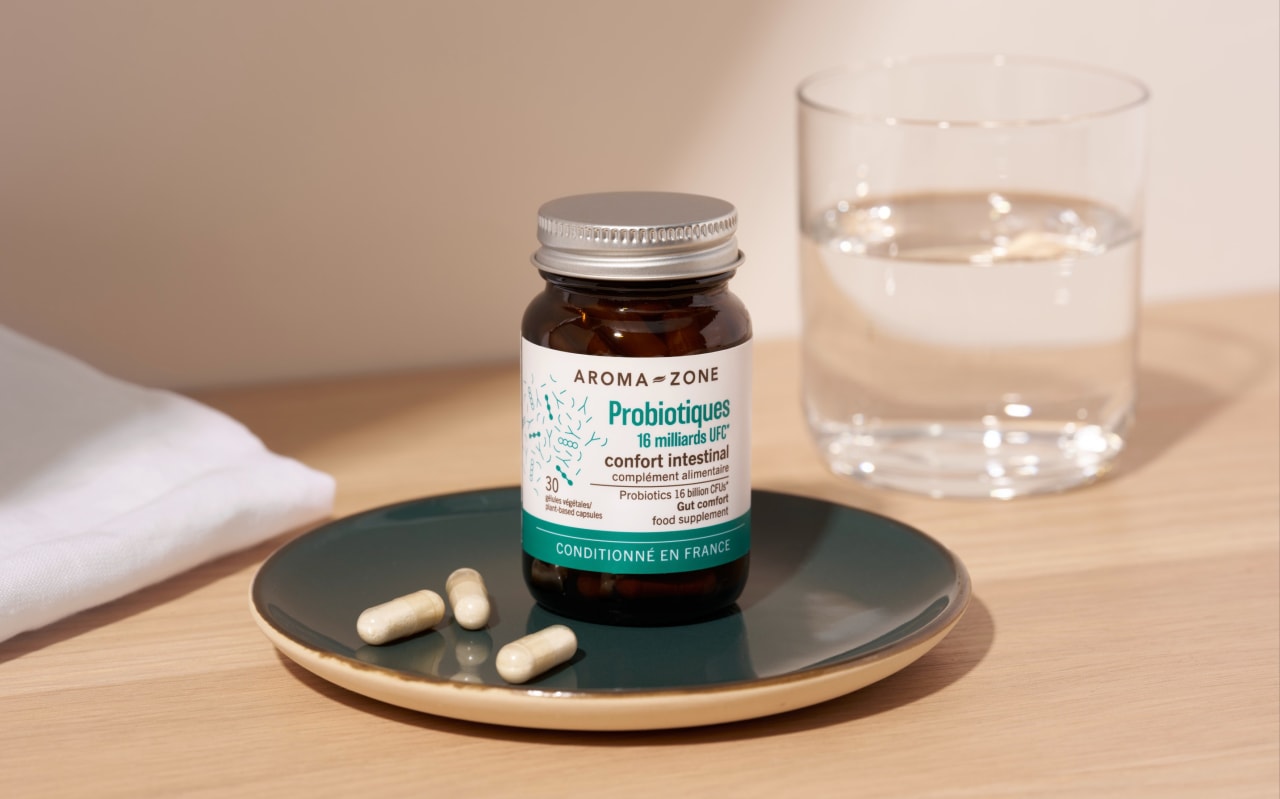
The Probiotics for Digestive Comfort dietary supplement combines 5 probiotic strains rigorously selected for their effectiveness, including the clinically tested, patented SynbÆctive® SmilinGut complex. This synergy supports the intestinal flora and promotes a better balance of the microbiome, resulting in regular and comfortable bowel movements. Each capsule contains 16 billion CFU for optimal, targeted action thanks to its enteric-coated formulation, which protects the microorganisms until they are released in the intestine. Formulated to meet daily digestive needs, this supplement is also useful after a temporary imbalance, in cases of sluggish bowel movements, or to prepare the body for travel abroad.

Discover our Probiotics for Digestive Comfort - 30 capsules - Dietary Supplement

This supplement is intended for adults only. It is not recommended for pregnant or breastfeeding women. It should be used as part of a healthy lifestyle and is not a substitute for a varied and balanced diet. Be sure not to exceed the recommended daily dose, and keep the product out of the reach of children.

A refreshing and soothing herbal tea to aid digestion

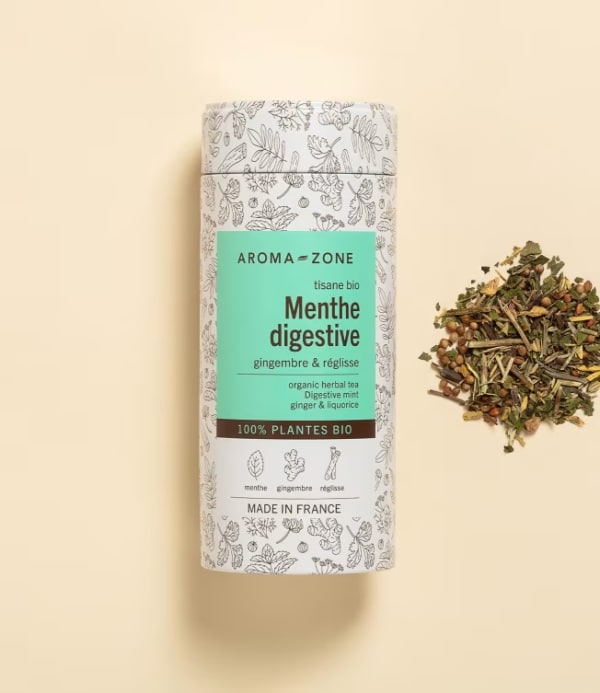
Delicately minty and naturally caffeine-free, the Organic Digestive Mint Herbal Tea is a unique blend of 7 herbs known for their digestive properties. Its original blend combines the freshness of peppermint, the mildness of roasted buckwheat (Sobacha), the potency of ginger, and the smoothness of licorice to create an infusion that is both flavorful and functional. Perfect after a meal, it helps relieve digestive discomfort such as bloating or heaviness, while providing an immediate feeling of lightness. It can be enjoyed at any time of day to naturally support digestion, even after the heartiest meals.

Discover Organic Digestive Mint Herbal Tea

Like any herbal infusion, this tea should be consumed as part of a balanced diet and a healthy lifestyle. Be sure to keep the package tightly closed, away from heat and moisture, to preserve the quality of the herbs. For optimal results, follow the recommended dosages and consult a healthcare professional if you are pregnant, breastfeeding, or undergoing specific medical treatment.

A natural ally against bloating

Ideal for regaining a flat stomach and digestive comfort after meals, Aroma-Zone’s Plant-Based Activated Charcoal capsules are known for their strong ability to absorb intestinal gas. Derived from French chestnut wood, certified organic and PEFC, this high-purity charcoal is activated with steam, without chemical agents, and features highly developed microporosity, making it particularly effective against digestive fermentation. Thanks to its high specific surface area (≥ 800 m²/g), it helps reduce flatulence, relieve bloating, and promote easier digestion. It is also a valuable ingredient to include in a detox regimen due to its recognized adsorbent properties.

Discover France BIO Plant-Based Activated Charcoal - 120 capsules - Dietary Supplement

For adults only. This supplement is not a substitute for a varied and balanced diet or a healthy lifestyle. Do not exceed the recommended dose. Keep out of reach of children. Pregnant or breastfeeding women, as well as those undergoing medical treatment, should seek medical advice. Due to its adsorbent effect, activated charcoal should be taken at least 2 to 3 hours apart from any medication or birth control pills to avoid affecting their effectiveness.

Natural immunity and digestion

With a 30% concentration of polysaccharides, the Chaga BIO extract in capsules supports the body’s natural defenses, helps strengthen the body, and promotes digestive comfort. Harvested in the wild from living birch trees, this pure, additive-free extract is obtained through a gentle water extraction process that respects traditional methods. It contains a natural synergy of antioxidants, flavonoids, and polyphenols, beneficial for overall and digestive well-being.

Discover Organic Chaga Extract - 60 capsules - Dietary supplement

This dietary supplement is intended for adults only and is not suitable for pregnant or breastfeeding women. It is not a substitute for a balanced diet or a healthy lifestyle. Do not exceed the recommended daily dose. Keep out of reach of children. Due to its high concentration of active ingredients, Chaga is not recommended for those with allergies to mushrooms or birch, or for those with gout or kidney stones (due to the presence of oxalic acid). It may interact with certain medications: anticoagulants, blood sugar medications, or in cases of autoimmune diseases. Medical advice is recommended if you are undergoing treatment or have a chronic condition.

Persistent digestive problems: what can you do?

When should you be concerned about digestive problems?

Temporary digestive issues are common and often harmless. But when discomfort becomes frequent, lasts over time, or intensifies, it’s important not to ignore it. Signs such as persistent fatigue, unexplained weight loss, ongoing abdominal pain, or digestive symptoms occurring several times a week over a long period warrant a thorough medical evaluation.

What are the warning signs?

Certain signs deserve special attention:

  • Your digestive issues have been daily or recurring for more than six months.

  • You notice weight loss, signs of dehydration, or significant fatigue.

  • You notice blood in your stool.

  • You have recently traveled to a high-risk area and developed unusual symptoms.

These situations warrant prompt medical attention.

What are the underlying causes?

When digestive issues are persistent, they may stem from more complex causes. These include:

  • functional disorders such as irritable bowel syndrome or dyspepsia,

  • inflammatory diseases such as Crohn’s disease, ulcerative colitis, or celiac disease,

  • bacterial infections (Helicobacter pylori, SIBO, gastroenteritis),

  • or food intolerances or allergies (lactose, histamine, milk proteins).

Certain conditions, such as endometriosis, can also affect the digestive system.

Only a diagnosis by a healthcare professional can clearly identify the cause.

Which professional should you consult for a diagnosis?

A gastroenterologist is a specialist in the digestive system. Based on your symptoms, they can order appropriate tests to make an accurate diagnosis and recommend personalized treatment, working with other healthcare professionals as needed.
What simple steps can you take to prevent digestive problems?

Incorporating a few simple, natural habits into your daily routine can significantly improve digestive comfort. Here are the key steps to support smoother, more comfortable digestion.

  1. Take time to eat : Eating slowly, without distractions, allows the body to prepare for digestion. Chewing thoroughly makes the stomach’s job easier and promotes nutrient absorption from the very first bites.

  2. Eat at regular times: Sticking to consistent meal times supports the digestive system’s natural rhythm. This limits unnecessary snacking and allows the body to better anticipate periods of digestive effort.

  3. Listen to your hunger and fullness cues: Reconnecting with your body’s hunger signals helps you adjust portion sizes to your actual needs. This helps prevent digestive overload, which often causes heaviness or bloating.

  4. Move around after a meal: A gentle 10- to 15-minute post-meal walk is enough to stimulate bowel movement and activate digestive circulation. It also helps regulate blood sugar levels and curb midday cravings.

  5. Stay well-hydrated: Drinking regularly throughout the day promotes balanced bowel movements and healthy intestinal function. It is recommended to drink between meals rather than during them, so as not to dilute digestive juices.

  6. Choose a high-fiber diet: Incorporating more fresh vegetables, fruits, legumes, and whole grains supports gut microbiota activity and promotes regular bowel movements.

  7. Choose simple foods and home-cooked meals: The quality of food plays a central role in digestive comfort. It’s best to choose raw, minimally processed ingredients sourced from farming practices that respect both the environment and people. Home-cooked meals allow you to better control your intake, avoid additives, excess salt, or sugar, and respect the body’s natural rhythm. Preparing your own meals with seasonal ingredients and gentle cooking methods supports more harmonious and mindful digestion.

  8. Reduce irritating foods: Limiting ultra-processed foods, excess saturated fats, alcohol, or coffee can ease the digestive burden and reduce feelings of discomfort after meals.

  9. Incorporate fermented foods: Naturally rich in beneficial microorganisms, fermented foods such as kefir, plain yogurt, raw sauerkraut, or miso can support the balance of gut flora. Consuming them regularly in small amounts helps diversify the microbiome and improve the quality of digestion. Be sure to choose unpasteurized versions to fully reap their benefits.

  10. Physical activity, an underestimated lever: Movement plays an essential role in digestion. By stimulating internal organs, breathing, and circulation, regular physical activity supports healthy bowel movements and contributes to the balance of the digestive system. Without requiring intense effort, moderate activity, practiced regularly, also helps regulate stress, a factor often involved in digestive imbalances. Walking, breathing deeply, stretching… These simple actions have a direct impact on intestinal comfort and overall well-being.

Note: While daily adjustments are helpful, they aren’t always enough to relieve persistent digestive issues. Today, more than one in two French people suffer from them regularly. These imbalances may reflect a depleted microbiome, dysbiosis, or enzyme deficiencies affecting digestion. In such cases, targeted natural support (herbs, probiotics, or micronutrients) can assist the body in a gradual and gentle way.

Precautions for use

Natural remedies can effectively support digestive comfort, provided they are used with care. Before starting any treatment—even one based on herbs or dietary supplements—it’s important to thoroughly research their use, dosage, and potential contraindications. Certain plants or active ingredients are not recommended for pregnant or breastfeeding women, young children, or those currently undergoing medical treatment. If in doubt, or if digestive issues persist over time, it is recommended to consult a healthcare professional to safely tailor solutions to your personal situation.

Expert advice

There is no one-size-fits-all solution for relieving digestive discomfort. Every body is different, and it’s essential to start by paying attention to your own signals: when does the discomfort occur? After eating certain types of food? How is the quality of my sleep or my stress level?

Returning to a simple diet, choosing the right foods, taking the time to cook and eat mindfully, getting a little exercise every day… These steps may seem basic, but they have a real impact. And when additional support is needed, it can be helpful to explore natural options such as certain plants, probiotics, or tailored regimens.

It’s also possible to seek guidance from a healthcare professional or a nutritionist, especially when symptoms become frequent or persistent. An outside perspective helps tailor solutions and move forward with greater peace of mind.

Spotlight on our editor, Audrey HO VAN CAM

Audrey Ho Van Cam - ID 0267 - 12576

Audrey Ho Van is the author of the book Vivre en paix avec ses intestins, published by Larousse, and co founder of Ginette et Josiane, an online support platform dedicated to Irritable Bowel Syndrome.

After 15 years of friendship and 10 years of exploration, unexpected experiences, medical tests and daily conversations on the subject, Audrey and Audrey, two childhood friends both living with Irritable Bowel Syndrome, chose to turn their personal and professional journeys into something meaningful. Together, they created Ginette et Josiane, a genuine support platform designed to help people live better with Irritable Bowel Syndrome and digestive disorders more broadly.

Their ambition is clear. To provide practical, concrete solutions, and above all to bring patients and healthcare professionals together within one shared community, raising awareness of this condition and transforming it into a collective movement.

Bibliography

  1. Safety of proton pump inhibitors (PPIs). Jean-François Bretagne. Hepato-Gastro & Digestive Oncology. 2011;18(5):519-527. doi:10.1684/hpg.2011.0643

  2. Proton pump inhibitors for functional dyspepsia. Pinto-Sanchez MI, Yuan Y, Hassan A, et al. Cochrane Database Syst Rev 2017, Issue 11. DOI: 10.1002/14651858.CD011194.pub3

  3. Recognizing irritable bowel syndrome (or functional colopathy), Ameli, February 26, 2025, accessed in December 2025. https://www.ameli.fr/assure/sante/themes/syndrome-intestin-irritable/reconnaitre-syndrome-intestin-irritable#:~:text=Irritable bowel syndrome combines disorders of the,diarrhea, or alternating between the two).

  4. What is dyspepsia?, Ameli.fr, February 26, 2025. https://www.ameli.fr/assure/sante/themes/dyspepsie-mauvaise-digestion/definition-causes-symptomes-dyspepsie

  5. Lin SK, Lambert JR, Wahlqvist ML. Nutrition and gastrointestinal disorders. Asia Pac J Clin Nutr. 1992 Mar;1(1):37-42. PMID: 24323003.

  6. Hollis JH. The effect of mastication on food intake, satiety and body weight. Physiol Behav. 2018 Sep 1;193(Pt B):242-245. doi: 10.1016/j.physbeh.2018.04.027. Epub 2018 Apr 21. PMID: 29684415.

  7. Konturek PC, Brzozowski T, Konturek SJ. Stress and the gut: pathophysiology, clinical consequences, diagnostic approach and treatment options. J Physiol Pharmacol. 2011 Dec;62(6):591-9. PMID: 22314561.

  8. Gibson PR, Halmos EP, Muir JG. Review article: FODMAPS, prebiotics and gut health—the FODMAP hypothesis revisited. Aliment Pharmacol Ther. 2020 Jul;52(2):233-246. doi: 10.1111/apt.15818. Epub 2020 Jun 20. PMID: 32562590.

  9. Sato K, Hara-Chikuma M, Yasui M, Inoue J, Kim YG. Sufficient water intake maintains the gut microbiota and immune homeostasis and promotes pathogen elimination. iScience. 2024 May 3;27(6):109903. doi: 10.1016/j.isci.2024.109903. PMID: 38799550; PMCID: PMC11126815.

  10. Chaudhri O, Small C, Bloom S. Gastrointestinal hormones regulating appetite. Philos Trans R Soc Lond B Biol Sci. 2006 Jul 29;361(1471):1187-209. doi: 10.1098/rstb.2006.1856. PMID: 16815798; PMCID: PMC1642697.

  11. Tabares-Tabares M, Moreno Aznar LA, Aguilera-Cervantes VG, León-Landa E, López-Espinoza A. Screen use during food consumption: Does it cause increased food intake? A systematic review. Appetite. 2022 Apr 1;171:105928. doi: 10.1016/j.appet.2022.105928. Epub 2022 Jan 17. PMID: 35051544.

  12. Dhingra D, Michael M, Rajput H, Patil RT. Dietary fiber in foods: a review. J Food Sci Technol. 2012 Jun;49(3):255-66. doi: 10.1007/s13197-011-0365-5. Epub 2011 Apr 12. PMID: 23729846; PMCID: PMC3614039.

  13. Chen J, Ruan X, Fu T, Lu S, Gill D, He Z, Burgess S, Giovannucci EL, Larsson SC, Deng M, Yuan S, Li X. Sedentary lifestyle, physical activity, and gastrointestinal diseases: evidence from Mendelian randomization analysis. EBioMedicine. 2024 May;103:105110. doi: 10.1016/j.ebiom.2024.105110. Epub 2024 Apr 6. PMID: 38583262; PMCID: PMC11004085.

  14. Kmail A. Mitigating digestive disorders: Action mechanisms of Mediterranean herbal active compounds. Open Life Sci. 2024 Apr 18;19(1):20220857. doi: 10.1515/biol-2022-0857. PMID: 38645751; PMCID: PMC11032100.

  15. Wu KL, Rayner CK, Chuah SK, Changchien CS, Lu SN, Chiu YC, Chiu KW, Lee CM. Effects of ginger on gastric emptying and motility in healthy humans. Eur J Gastroenterol Hepatol. 2008 May;20(5):436-40. doi: 10.1097/MEG.0b013e3282f4b224. PMID: 18403946.

  16. Agah S, Taleb AM, Moeini R, Gorji N, Nikbakht H. Cumin extract for symptom control in patients with irritable bowel syndrome: a case series. Middle East J Dig Dis. 2013 Oct;5(4):217-22. PMID: 24829694; PMCID: PMC3990147.

  17. Naqvi S, Rehman NU, Azhar I, Palla A. Unraveling the multi-faceted role of Rosmarinus officinalis L. (rosemary) and diosmetin in managing gut motility. J Ethnopharmacol. 2024 Oct 5;332:118395. doi: 10.1016/j.jep.2024.118395. Epub 2024 May 25. PMID: 38801915.

  18. Ben Salem M, Affes H, Ksouda K, Dhouibi R, Sahnoun Z, Hammami S, Zeghal KM. Pharmacological Studies of Artichoke Leaf Extract and Their Health Benefits. Plant Foods Hum Nutr. 2015 Dec;70(4):441-53. doi: 10.1007/s11130-015-0503-8. PMID: 26310198.

Frequently Asked Questions

Frequently Asked Questions