
Digestive acne is a skin condition linked to an imbalance in the digestive system. Unlike hormonal or bacterial acne, it is often linked to intestinal disorders. When digestion is disrupted (due to poor diet, an imbalance in the microbiota, or slow digestion), the body's internal balance can be affected. These imbalances can promote inflammation and manifest on the skin. The result: pimples, dull complexion, microcysts... The skin becomes a reflection of a dysfunction in the body.

Digestive acne: what natural solutions are available?
Published on: Friday, June 27, 2025, Updated on: Monday, October 05, 2026
Localized blemishes, dull complexion, small inflammatory pimples... What if your skin was telling you about your digestion? Often downplayed, digestive acne is a skin imbalance sometimes linked to our lifestyle, diet, and the health of our gut microbiota. Increasingly recognized by skin and health professionals, this form of acne can be alleviated through simple steps and targeted active ingredients. We help you understand the causes of digestive acne, identify its signs, and adopt gentle, effective, and natural solutions.
Contents
Related products
What is digestive acne?
How can you tell the difference between hormonal acne and digestive acne?
Hormonal acne and digestive acne are often confused, as both can appear on the lower part of the face. However, their origins and triggers are not the same.
Hormonal acne mainly affects adult women. It develops cyclically, with flare-ups generally occurring before menstruation. Blemishes are concentrated on the chin, jawline, and sometimes the neck. They can intensify when changing contraception, after childbirth, or in the event of hormonal imbalance.
Digestive acne is more commonly associated with intestinal disorders or an unbalanced diet. Pimples can appear after overeating, a period of stress, ordifficult digestion. They are often located around the mouth, on the chin, sometimes on the temples or upper back, and tend to resist surface-only treatments.
Sometimes these two forms of acne occur together. This is because intestinal balance also influences hormonal balance. A weakened microbiota can disrupt the way certain hormones are metabolized by the body. This is why, even when there is a hormonal component, it is still important to support digestion in order to restore clearer skin.
What are the possible causes?
Digestive acne is most often the result of several factors combined. Here is a non-exhaustive list of the most common causes.
An unbalanced diet
A diet rich in fast sugars, ultra-processed foods, saturated fats, or dairy products can disrupt the intestinal balance and promote inflammation. Some studies suggest that a high glycemic load can influence sebum production and accentuate blemishes in sensitive individuals (1).
An unbalanced gut microbiota
Our intestines are home to billions of microorganisms that contribute to immune and metabolic balance. In cases of dysbiosis (stress, antibiotics, low-fiber diet, etc.), this balance can be weakened.
A heavily burdened liver
The liver transforms and helps eliminate many substances from food or metabolism. When it is overworked, for example by an unbalanced diet or regular consumption of alcohol, certain functions can be slowed down. This can manifest itself in a dull complexion or chronic blemishes.
Stress and emotions
The digestive system is closely linked to the nervous system. During periods of chronic stress, digestion can slow down, transit can be altered, and the balance of the microbiota can be disrupted. This context sometimes promotes the appearance of imperfections, particularly in people who are already prone to digestive disorders.
Nutritional deficiencies
The skin needs specific nutrients to maintain its balance: zinc, B vitamins, vitamin C, omega-3, etc. Insufficient intake can weaken the skin barrier and create conditions conducive to blemishes.
What are the associated symptoms?
Digestive acne manifests itself through skin and digestive symptoms:
Pimples around the mouth, chin, or jaw: This area is frequently affected by this type of acne, and pimples generally appear cyclically, after overeating (too much fat and/or too much sugar) or after consuming alcohol. The pimples are red or white and may be painful
A dull complexion, enlarged pores, oily skin in some areas and dry in others: these skin imperfections can be a sign of an internal imbalance: when the body's functions are disrupted, the complexion is duller and the skin less even
Associated digestive problems: skin imperfections are accompanied by digestive problems: bloating, constipation, heaviness after meals, etc.
Ineffective cosmetic treatments: if acne is caused by digestive problems, it is more difficult to achieve results or visible improvement when using acne treatments.
Some symptoms are similar to those seen in "classic" hormonal acne. Digestive problems associated with skin symptoms are therefore the main sign that acne is caused by digestive issues.
Our natural solutions
Recommended Aroma-Zone products
When skin imperfections appear to be linked to digestive imbalance, it may be beneficial to support the body's elimination functions and the balance of the microbiota. Certain natural formulas can accompany this approach.
Dietary supplements
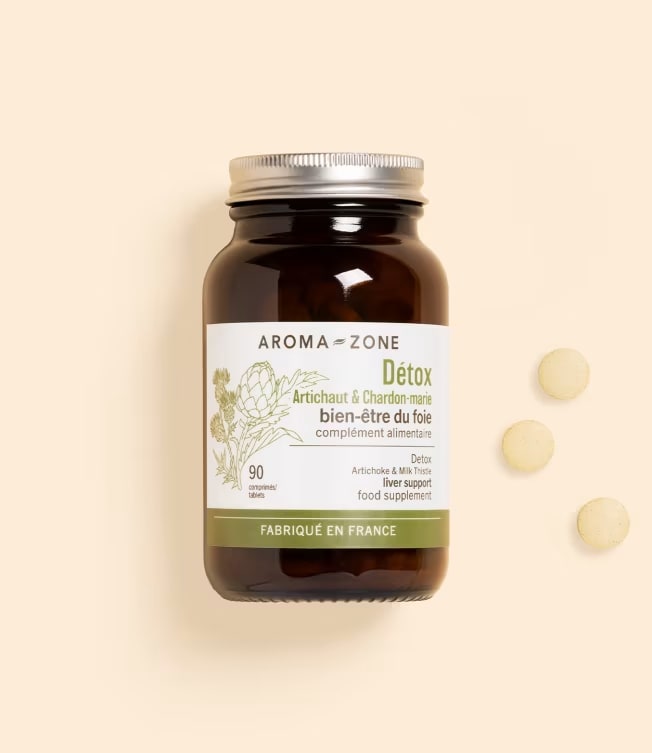
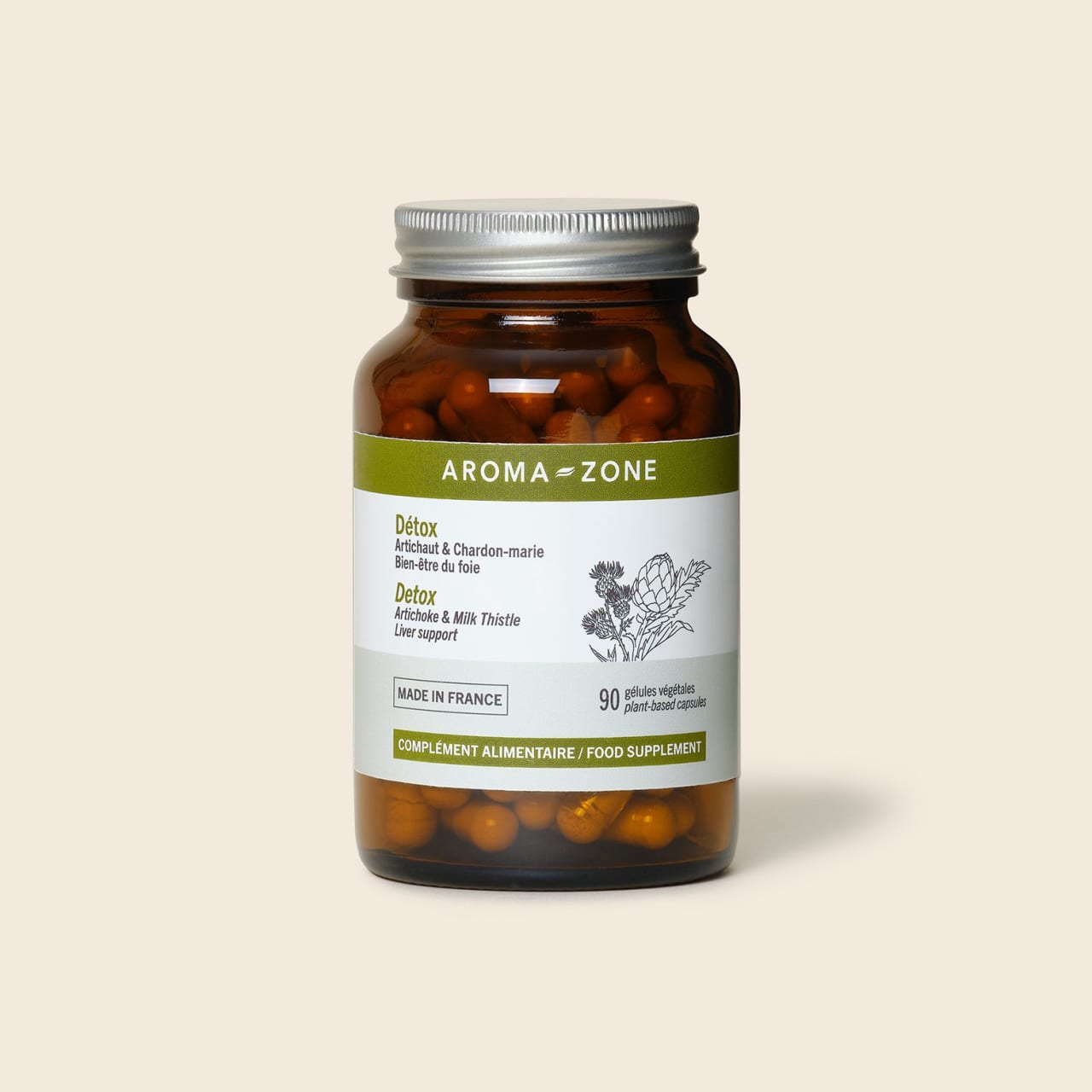
Focus on our Liver Detox & Wellness - 90 tablets
This dietary supplement combines Altilix® artichoke extract, with clinically proven efficacy, and milk thistle extract, highly titrated in silymarin. These plants are used to promote liver health and support its natural functions. The formula is complemented by dandelion extract, often used to promote drainage and elimination.
Precautions: this dietary supplement is not a substitute for a varied and balanced diet or a healthy lifestyle. It is important not to exceed the recommended daily dose. It is for adult use only. It is not recommended for pregnant or breastfeeding women. It is also not recommended in cases of peptic ulcer, biliary obstruction, heart failure or edematous renal failure, or in cases of known cross-allergy, particularly to plants of the Asteraceae family. Keep out of reach of young children.

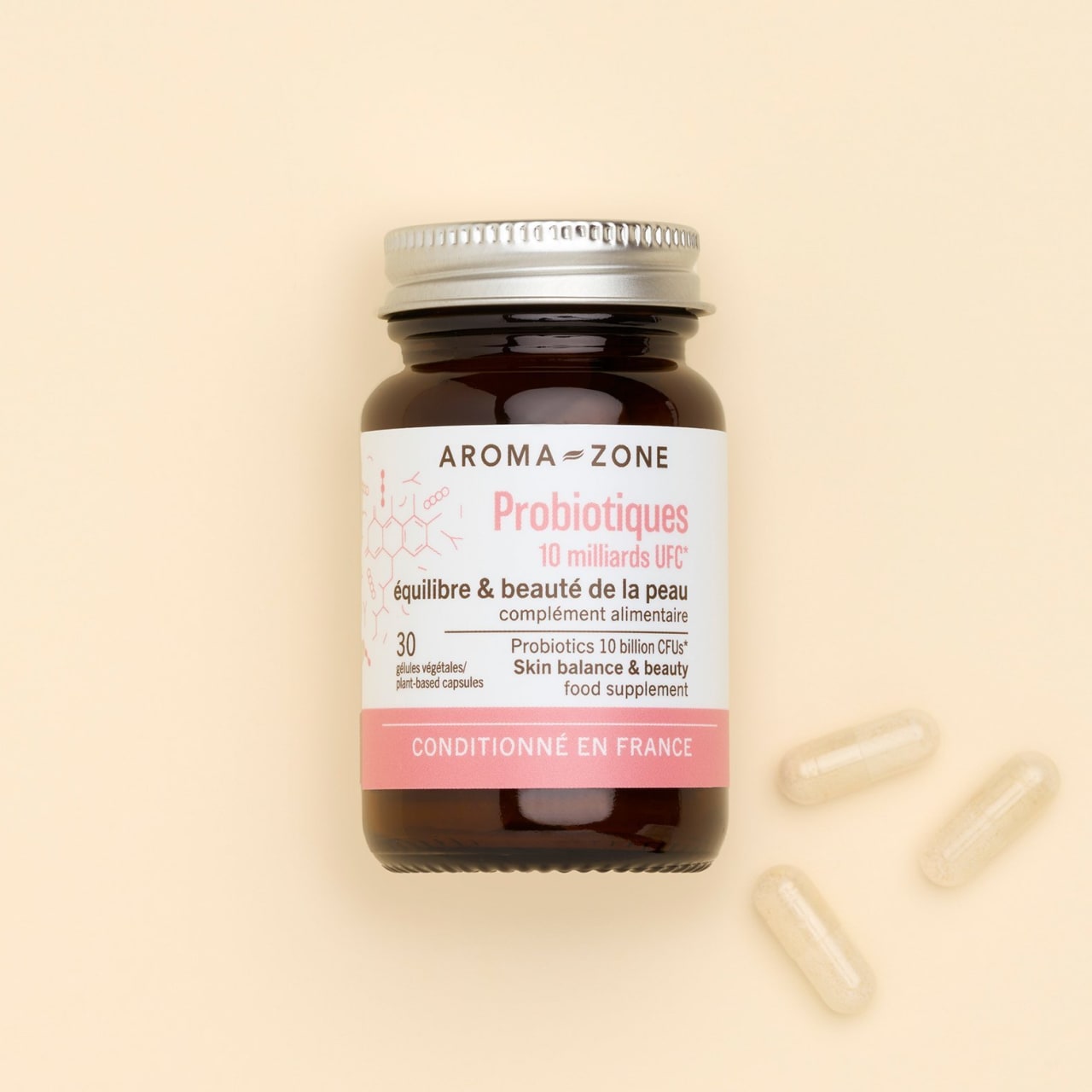
Focus on our Probiotics Balance & Skin Beauty - 30 capsules
Ideal for skin problems, this natural dietary supplement combines six patented probiotic strains clinically proven to be effective on blemished skin and skin prone to redness, with naturally sourced vitamin B2, which helps maintain normal skin.
Precautions: this dietary supplement is not a substitute for a varied and balanced diet or a healthy lifestyle. Do not exceed the recommended daily dose. For adult use only. Not recommended for pregnant or breastfeeding women. Keep out of reach of children.
Herbal teas
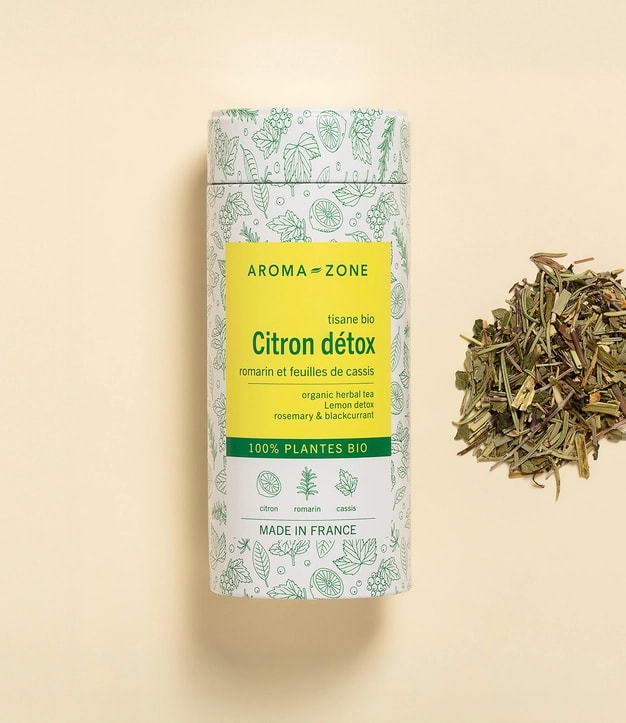
Focus on our Organic Detox Lemon Herbal Tea
Feel the benefits from the very first cup with our Organic Lemon Detox herbal tea, an aromatic blend of plants, including rosemary and lemon, which effectively supports liver function and promotes elimination for a gentle and pleasant detox. Caffeine-free, enjoy it all day long and savor the subtle flavors of plants grown mainly in France using organic farming methods.
Find our general routine here.
What natural skincare routine can help you achieve clearer skin?
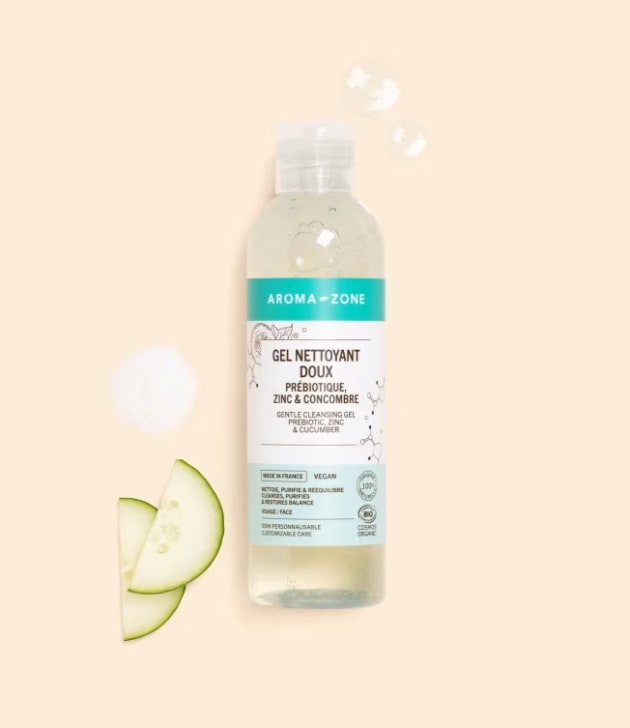
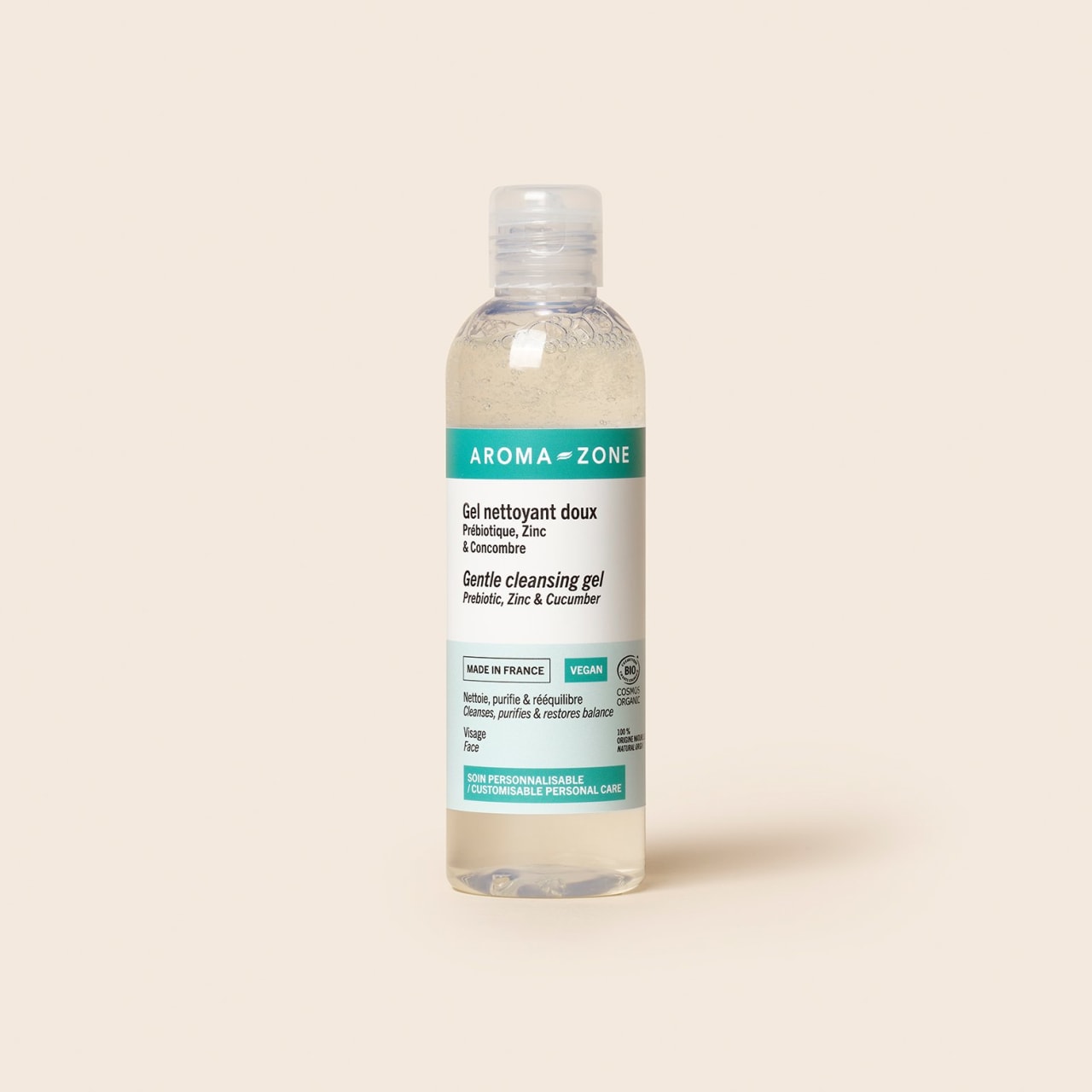
Step 1: Cleanse gently
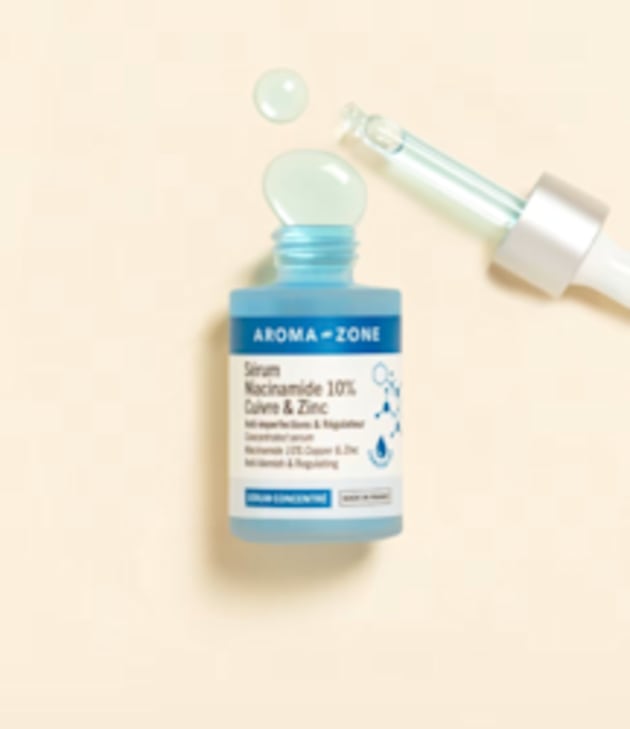
Step 2: Targeting imbalances
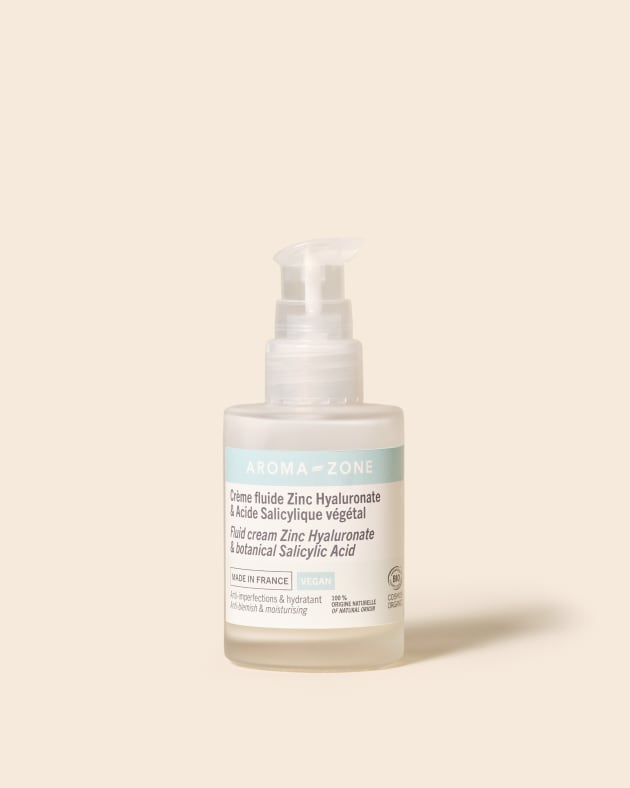
Step 3: Moisturise without weighing the skin down
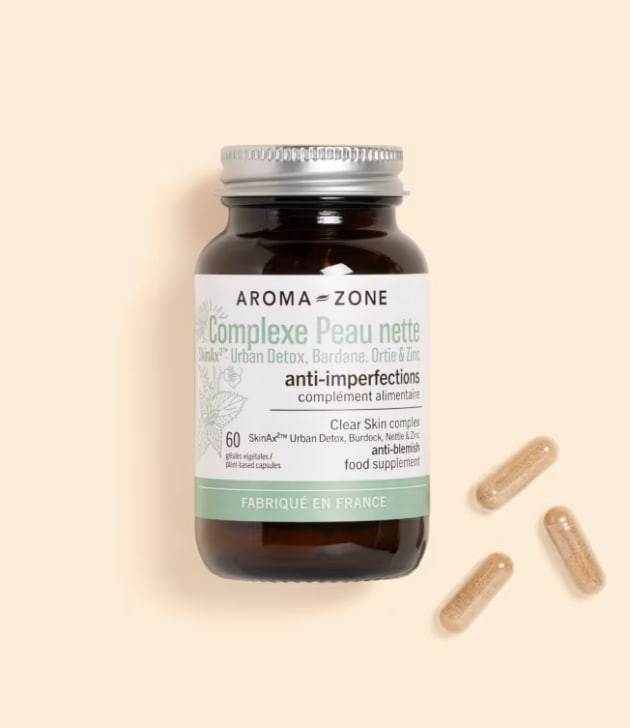
Step 4: Take action from the inside
Use and precautions for the dietary supplement: The Clear Skin Complex combines plant extracts, from burdock to zinc, and is a natural solution to support skin balance on a daily basis. Take 2 capsules a day, to be swallowed with a glass of water. Not a substitute for a varied and balanced diet and a healthy lifestyle. Do not exceed the recommended daily dose. For adults only. Not recommended for pregnant or breastfeeding women, or in cases of oedematous heart or kidney failure. Not recommended in cases of allergy to salicylate derivatives or known cross-allergies, particularly to plants of the Asteraceae family. Keep out of reach of children.
To find out more, discover our anti-blemish routine.
Our grandmothers' natural remedies
Certain simple habits, often passed down through generations, can support digestion and help achieve clearer skin when blemishes appear to be linked to lifestyle.
Traditional one-off measures
Drinking a glass of warm water with lemon juice when you wake up is a well-known ritual for gently kick-starting digestion after a night's sleep. This habit is not recommended for people with acid reflux or sensitive stomachs.
Rosemary tea is often recommended after a heavy meal. It can easily be incorporated into a routine aimed at maintaining good digestive balance.
Green clay is popular as a poultice and can be applied warm to the stomach for about 20 minutes in cases of digestive problems.
Daily habits to prevent digestive acne
Beyond these specific actions, prevention is mainly based on lifestyle choices. Reducing processed and sugary foods, favoring fiber-rich foods such as green vegetables or flax seeds, incorporating fermented foods such as kefir, miso, or raw sauerkraut, and drinking enough water or digestive herbal teas all contribute to intestinal balance.
Taking the time to eat calmly, chewing properly, and limiting stress at mealtimes are also simple habits that support digestion. A varied diet rich in raw products and good fats such as Omega-3, combined with quality sleep, is very important in limiting imbalances that can be reflected in the skin.
Precautions for use
The dietary supplements presented in this article are part of a wellness approach and are not a substitute for a varied and balanced diet or a healthy lifestyle.
Each formula has specific contraindications, detailed above and on the corresponding product pages. If you are undergoing medical treatment, have a known medical condition, persistent digestive problems, or any doubts, it is recommended that you seek the advice of a healthcare professional before taking any supplements.
Expert advice
Digestive acne can be seen as a warning sign: your skin often reflects what is happening inside your body. Rather than increasing the number of external treatments, it may be useful to take the time to observe your digestion, diet, and lifestyle. Slowing down, eating more mindfully, and supporting your intestinal balance are often a good first step. By taking care of your stomach, you provide your skin with a more favorable environment to regain its balance.
Spotlight on Our Specialist Writer: Charlie Morel

Charlie holds a Master’s degree in cosmetic formulation. Passionate about cosmetology but also a great lover of words, she decided in 2020 to become a web editor specialising in cosmetics and beauty. It was her desire for a career change that gave her the idea of going freelance, as she wanted to be able to work from anywhere in the world.
Bibliography
Smith RN, Mann NJ, Braue A, Mäkeläinen H, Varigos GA. A low-glycemic-load diet improves symptoms in acne vulgaris patients: a randomized controlled trial. Am J Clin Nutr. 2007 Jul;86(1):107–115. pubmed.ncbi.nlm.nih.gov/17616769/
Trinity Stodola. Acne and Digestive Health. Canadian Digestive Health Foundation. July 2023.
Lee YB, Byun EJ, Kim HS. Potential Role of the Microbiome in Acne: A Comprehensive Review. J Clin Med. 2019 Jul 7;8(7):987.
Bowe WP, Logan AC. Acne vulgaris, probiotics, and the gut-brain-skin axis—back to the future? Gut Pathog. 2011 Jan 31;3(1):1.

Frequently Asked Questions
Associated tips

Skin care tips


