Which plants should you choose if you have digestive problems?

Digestion is one of the body’s natural functions. Yet at times, this essential process can become more challenging, leading to a feeling of discomfort after meals. Diet, lifestyle or stress can disrupt digestive balance on a daily basis. In this context, certain plants are traditionally used to support digestion and promote greater comfort after eating.

Reading time: 0 min.

What are the symptoms of digestive problems?

Difficult digestion corresponds to a slowing down or reduced efficiency of the digestive process. In concrete terms, the various stages of digestion (from the stomach to the intestine) do not proceed as smoothly, which can lead to discomfort after meals. This more complicated digestion process may be temporary or become permanent, especially when the body is subjected to repeated stress.

What are the possible causes of digestive problems?

A diet that is not well suited to the digestive rhythm

Difficult digestion can result from meals that are too large, too high in fat or eaten too quickly. When food intake is excessive or poorly distributed throughout the day, the digestive system may become overworked, making the different stages of digestion more demanding.

Stress and lifestyle

The digestive system is closely linked to the nervous system. Repeated stress, intense mental pressure or simply not taking the time to eat calmly can disrupt digestive processes. Under these conditions, the body redirects its resources elsewhere, sometimes at the expense of digestion.

An unbalanced lifestyle

A sedentary lifestyle, lack of physical activity, or irregular meal times can also affect digestion. Movement naturally contributes to proper digestive function, while a disorganized lifestyle can disrupt the physiological signals related to hunger and digestion.

Taking certain medications

Certain medications can affect digestive balance by altering the intestinal flora. 

What are the associated symptoms?

Difficult digestion can manifest itself in a variety of symptoms, which most often appear after meals.

  • Feeling of abdominal heaviness: feeling that digestion is slow after a large meal

  • Bloating: swelling of the stomach due to gas accumulation

  • Swollen stomach: feeling of abdominal distension, sometimes visible

  • Intestinal gas: increased gas production that can cause discomfort or pain

  • Mild nausea: slight digestive discomfort, without vomiting

Which plants can relieve digestive problems?

Certain plants are traditionally used to aid digestion. Depending on their nature and mode of action, they can support digestive comfort in different ways, particularly through their natural composition or by mechanical action in the intestines.

Plants that aid digestion through their active ingredients


Peppermint

Peppermint is valued for its ability to aid digestion, particularly when consumed as an infusion after meals. 

Lemon balm

It is traditionally used for its soothing effect on the digestive system. Lemon balm tea can be particularly beneficial when difficult digestion is related to stress. 

Ginger

Ginger is a root widely used in food to aid digestion. Used fresh, powdered, or as an infusion, it can help support digestion, especially after heavy meals. It is also appreciated for its slightly spicy and warming taste.

Fennel

Fennel seeds are commonly used in infusions after meals, especially in cases of bloating. 

Green anise

Green anise is appreciated for aiding digestion, especially as an infusion after heavy meals. 

Dandelion

Its leaves can be eaten in salads, while its root is often used in infusions. 

Caraway

Caraway is an aromatic plant traditionally used to aid digestion. Caraway seeds can be consumed as an infusion or added to culinary preparations. They are often used after meals to promote digestive comfort.

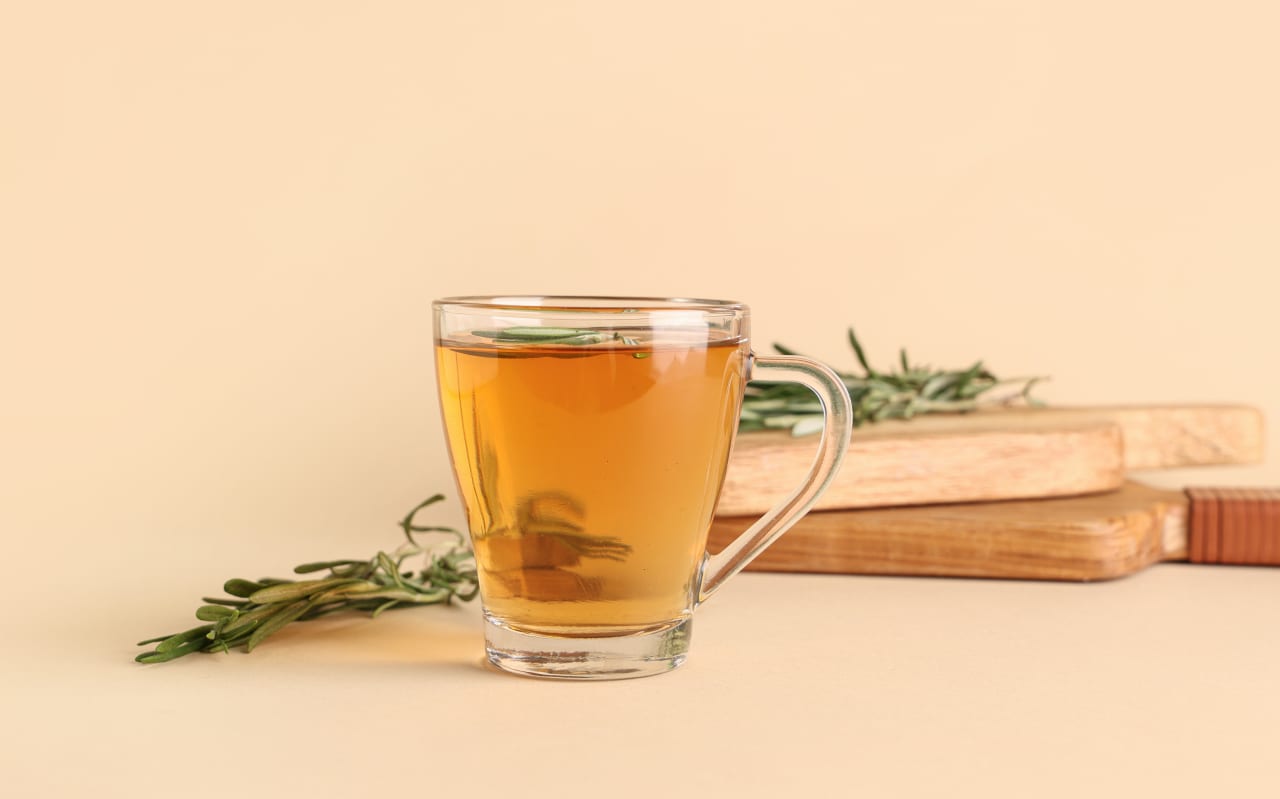
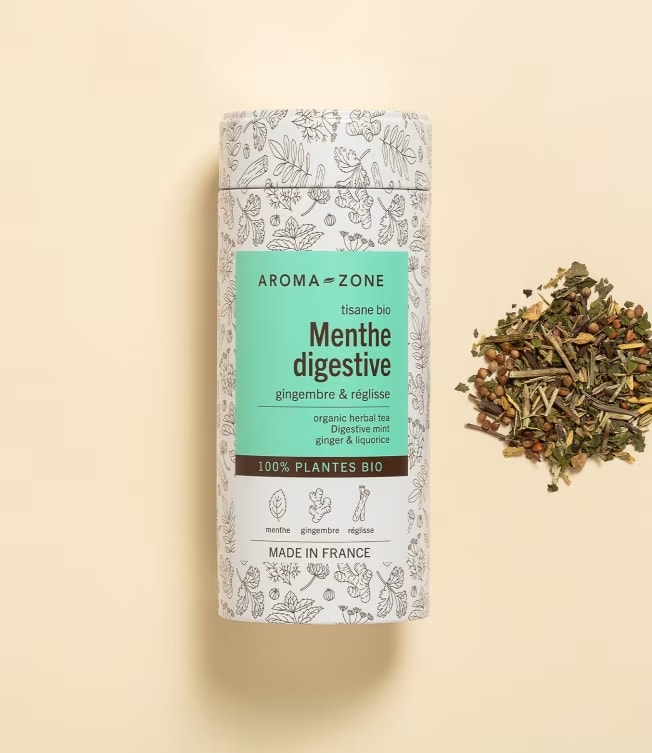
Focus on Digestive Mint Herbal Tea

Plants that aid digestion through mechanical action

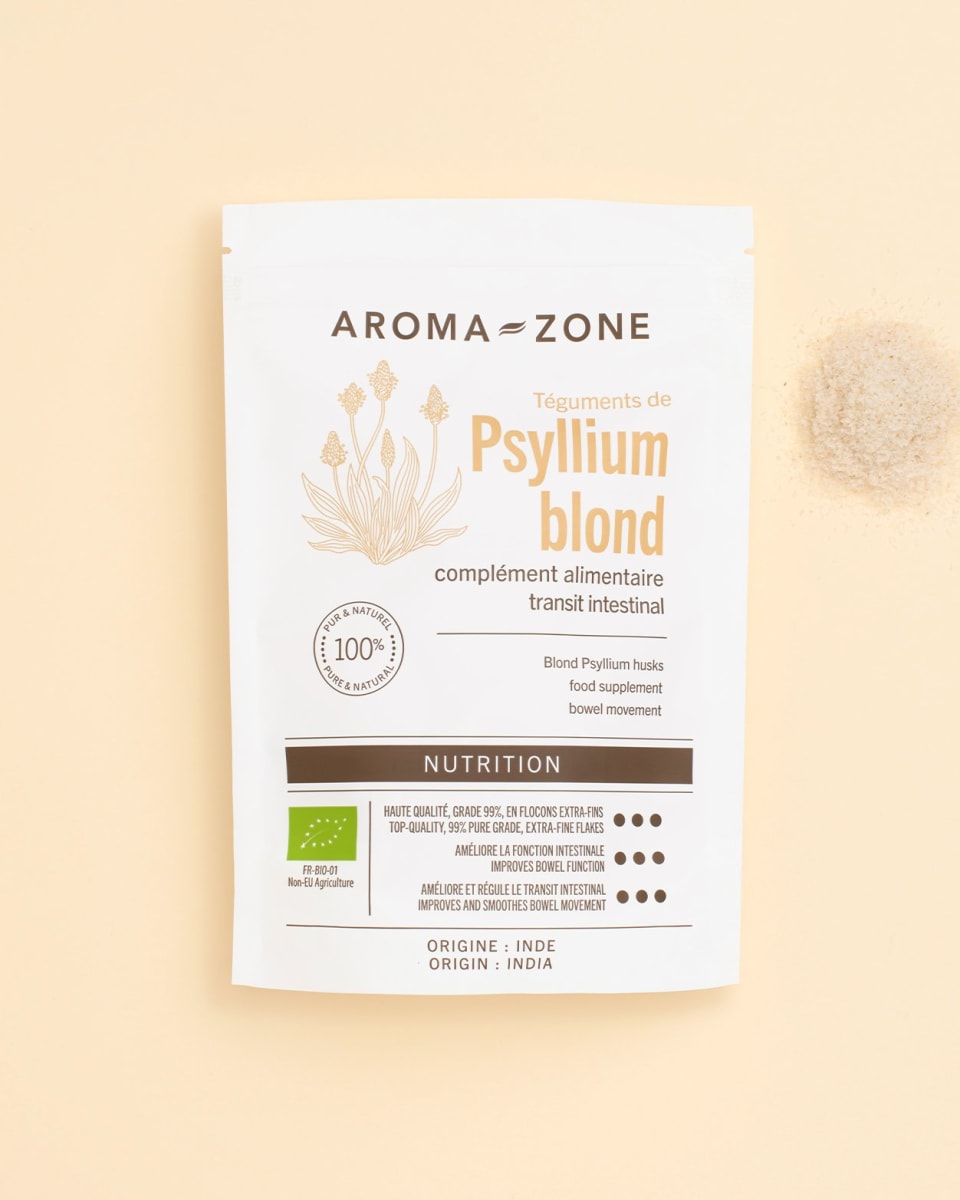
Some plants aid digestion not through their aromatic composition, but through their natural fiber content. This is particularly true of psyllium, which has a mechanical action.

Focus on blond psyllium

How can you prevent digestive problems?

Adopting certain daily habits can help maintain digestive comfort and limit discomfort after meals. Here are some simple tips to incorporate into your routine.

  1. Take time to eat: eating slowly and calmly facilitates digestion and improves meal tolerance

  2. Adapt your diet: favor balanced meals, avoid excess fat or overly rich dishes

  3. Stay hydrated: drink enough water throughout the day

  4. Incorporate digestive herbs into your daily routine: drink herbal teas regularly or use certain herbs in cooking

  5. Maintain regular physical activity: movement naturally contributes to good digestion

  6. Manage stress: Set aside time for relaxation, such as breathing or relaxation exercises, to help limit the impact of stress on digestion

Precautions for use

The plants presented here are used as part of a varied and balanced diet and a healthy lifestyle. In case of persistent digestive problems, special circumstances (pregnancy, breastfeeding, known medical conditions), or if you are taking medication, it is recommended that you seek the advice of a healthcare professional before use. 

Expert advice

Chewing is an essential step in digestion and lays the foundation for good digestive comfort. Taking the time to chew until the food reaches an almost liquid texture helps prepare it before it reaches the stomach.

Find out more

What is the best plant for digestion?

There is no universal plant suitable for all situations, as digestive difficulties can manifest themselves in different ways depending on the individual. Certain plants, such as peppermint, fennel, and lemon balm, are traditionally used to promote digestive comfort after meals. The choice therefore depends on individual needs and how the body reacts.

Which leaves aid digestion?

Certain aromatic leaves are commonly used to support digestion, including peppermint and lemon balm leaves. Consumed as an infusion, they can contribute to more comfortable digestion, especially after a heavy meal. They can easily be incorporated into a daily routine.

Focus on our wellness editor, Laura Almeras

Laura is a health, beauty and lifestyle writer. Passionate about travel and gastronomy, she shares her nutritional insights to help you combine pleasure with wellbeing. Through her articles, she is committed to delivering meaningful information and practical advice to nourish both body and mind.

Bibliography

1

EFSA Panel on Dietetic Products, Nutrition and Allergies (NDA). (2010). Scientific Opinion on Dietary Reference Values for carbohydrates and dietary fiber. EFSA Journal, 8(3):1462.

2

Vidal. (2023). Constipation: which dietary supplements can help? Vidal.fr

3

Gayet, C. (2018). My herbalism bible – How to use plants: in herbal teas, capsules, and essential oils. Éditions Leduc.s