
Bloating refers to an excessive buildup of gas in the digestive tract, leading to a feeling of a swollen stomach and sometimes abdominal pain. It is often caused by difficult digestion, a diet high in fermentable fibre, or swallowing too much air (aerophagia). Although benign in most cases, bloating can become bothersome in daily life and sometimes requires dietary adjustments or consultation with a healthcare professional.
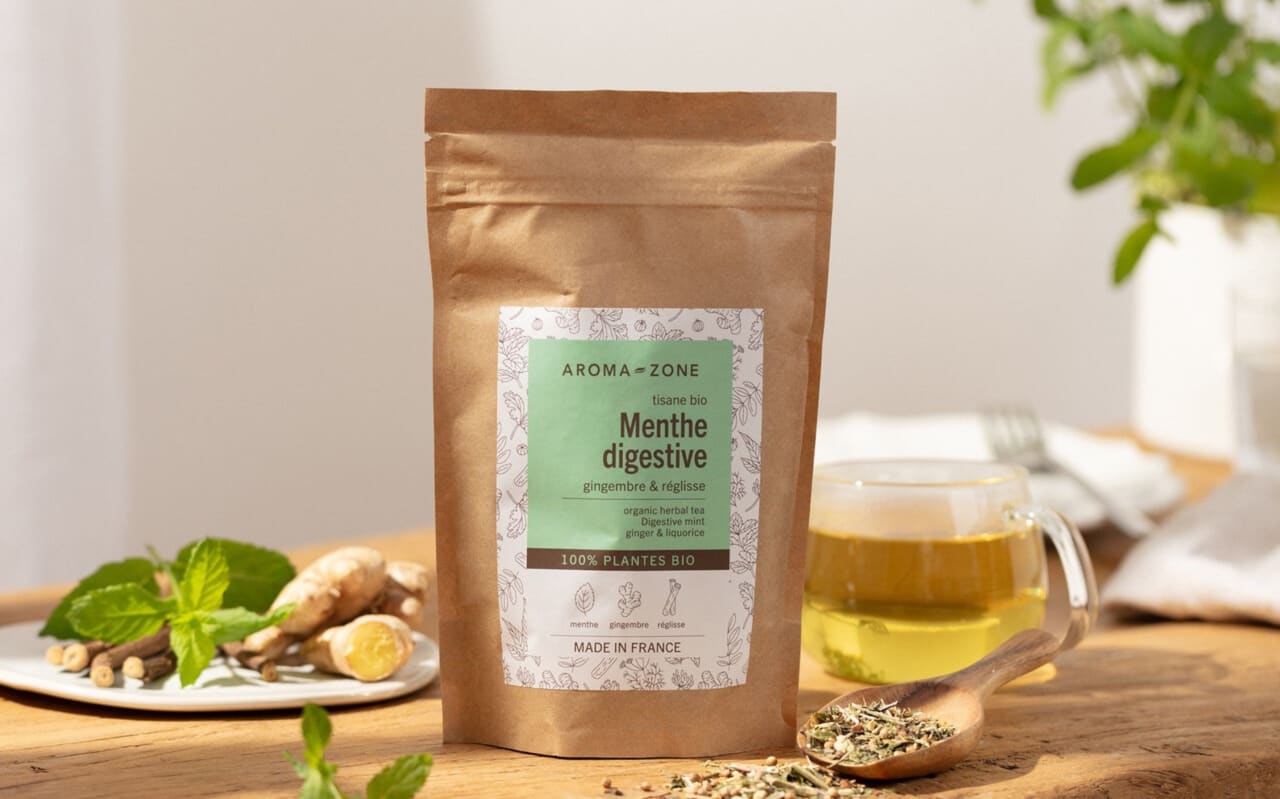
Which digestive herbal teas are recommended for bloating?
Published on: Wednesday, December 18, 2024, Updated on: Wednesday, October 28, 2026
Do you often feel bloated after meals? Don’t panic! Digestive herbal teas are simple and effective natural remedies for relieving digestive discomfort. From peppermint to roman chamomile and fennel, each herb offers specific benefits to reduce gas and pain. In this article, discover the best anti-bloating herbal teas to try for renewed well-being and a lighter feeling.
Contents
What is bloating?
What are the possible causes of bloating?
Bloating can have many causes. Understanding what causes a bloated stomach is an essential step toward establishing healthy lifestyle habits that promote better digestive health.
Not chewing food thoroughly
Eating too quickly without chewing your food properly can increase the amount of air swallowed and lead to incomplete digestion. When we don’t take the time to eat calmly, our digestion can be affected. This causes gas to build up in our digestive system and leads to bloating.
Insufficient fluid intake and/or frequent consumption of carbonated beverages
Not drinking enough water can slow down your digestive system and disrupt the proper elimination of intestinal toxins. Dehydration can therefore lead to a buildup of waste and gas, thereby worsening bloating issues. Conversely, carbonated beverages (sparkling water, sodas, etc.) are a common cause of bloating, as they introduce air into the digestive system. This gas accumulates in the stomach and intestines, causing an uncomfortable feeling of swelling, especially if consumed in large quantities or very quickly.
A diet rich in fermentable foods
Certain foods, such as legumes, cruciferous vegetables (cabbage, broccoli), garlic, onions, and products containing FODMAPs, promote fermentation in the gut. This process releases gas, leading to bloating. Did you know? FODMAPs are fermentable carbohydrates that our small intestine has trouble absorbing. When they reach our colon, they are fermented by our gut bacteria, which leads to gas production.
Poor management of stress and anxiety
When we’re under prolonged stress, our cortisol levels rise and stay high. This stress affects our intestinal motility and disrupts the proper processing of food. This imbalance promotes the fermentation of undigested food in the colon and can cause bloating.
How can you tell if you’re bloated?
Bloating is often accompanied by unpleasant symptoms such as:
Abdominal pain: When bloated, you may experience discomfort of varying intensity related to excess gas and intestinal spasms.
Flatulence: A significant release of intestinal gas resulting from the fermentation of food in the digestive system is common and normal if you have bloating.
Constipation: You may also suffer from constipation due to a slowed digestive process caused by the body’s difficulty in properly digesting food.
Belching: Frequent release of air through the mouth, especially after eating too quickly or drinking carbonated beverages, often accompanies a bloated stomach.
A feeling of bloating: You may also feel that your stomach is tight and swollen due to the accumulation of gas in the abdomen.
Warning: Symptoms of bloating can be a sign of a deeper imbalance. If you’re experiencing one or more of the mentioned symptoms, don’t hesitate to consult your doctor to assess your health.
Which herbs are recommended for bloating?
Suffering from bloating can affect daily life and cause discomfort and pain. Fortunately, herbal medicine offers a variety of beneficial plants to naturally restore digestive well-being. Want to discover our favourite anti-bloating plants? Follow the guide.
Detoxifying herbs
Purifying herbs are excellent allies for cleansing the body and relieving the digestive system after meals that are a bit too rich. They help the emunctory organs, such as the liver and kidneys, eliminate toxins, thereby helping to reduce bloating.
Artichoke: Rich in cynarin, artichoke is worth getting to know. It naturally stimulates bile production and helps our liver eliminate toxins through natural pathways. It also aids in the digestion of fatty foods, helping to reduce feelings of heaviness after a rich meal.
Dandelion: thanks to its sesquiterpene lactones, the dandelion helps protect the liver-intestine system and thus promotes healthy digestion. It is also known to help eliminate excess water and toxins, reducing bloating in a simple and natural way.
Milk Thistle: milk thistle is a liver-friendly plant that contains silymarin, an antioxidant that supports the regeneration of this vital organ. Taking it therefore improves digestion, particularly in terms of fat processing, and thus helps reduce abdominal discomfort associated with bloating.
Carminative herbs
Carminative herbs are ideal for soothing issues related to intestinal gas. By promoting the release of these gases and reducing cramps, they offer quick and effective relief from digestive discomfort caused by bloating.
Fennel: Fennel contains an active ingredient known for its antispasmodic and carminative properties: anethole. This compound, which has been the subject of numerous studies, is known for its soothing effect on intestinal cramps caused by bloating. Fennel is therefore an excellent ally in cases of aerophagia.
Peppermint: The menthol in peppermint acts as a natural muscle relaxant for the digestive tract. It helps relieve spasms and promotes the expulsion of gas.
Star anise: The active compounds in star anise help reduce the fermentation of undigested food in the colon and naturally soothe digestive discomfort after a heavy meal.
Soothing herbs
If stress or heavy meals are disrupting your digestion, soothing herbs are ideal for providing the calm you need to digest properly. Drinking them helps relax the intestinal muscles for a calmer stomach and optimal digestion.
Roman chamomile: Chamomile contains flavonoids and sesquiterpene lactones, beneficial compounds that help soothe intestinal spasms and provide relief from digestive pain associated with bloating.
Lemon balm: Rich in phenolic acids and citral, lemon balm is well worth discovering. It helps relax the intestinal muscles and reduces feelings of bloating caused by digestive stress.
Herbs for Digestive Health
Irregular bowel movements are often closely linked to bloating. These fibre-rich herbs are gentle on the gut and help restore a natural balance for easier digestion.
Psyllium seeds: Psyllium is a top choice for promoting optimal bowel movement. Thanks to their soluble fibre, psyllium seeds help regulate bowel movement in cases of constipation or sluggishness, thereby preventing bloating.
Caraway: Caraway, a cousin of cumin, contains carvones that help prevent excessive fermentation in the gut, thereby relieving the bloating we may experience when our food is poorly digested.
What are the best digestive herbal teas for relieving gas and bloating?
Digestive herbal teas are an effective way to gently care for your digestive system and relieve discomfort caused by bloating.
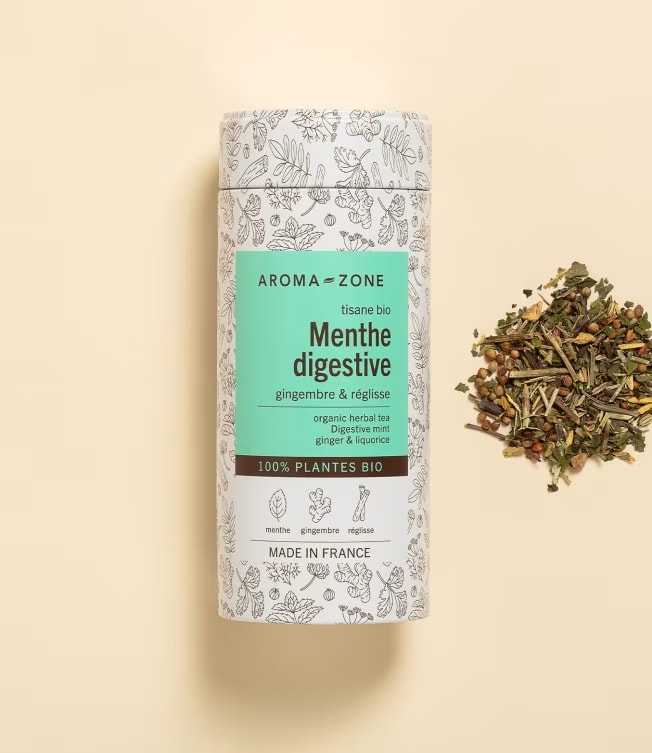
Peppermint tea to relieve bloated stomachs
Peppermint tea is a beneficial natural remedy worth trying if you often suffer from bloating. After a heavy meal or simply to treat yourself throughout the day, peppermint tea encourages the natural release of excess gas and helps relax the intestinal muscles. Our Organic Digestive Mint Herbal Tea contains a blend of herbs such as peppermint, ginger, fennel, coriander, and licorice. These herbs work together to gently support your digestion.
How to enjoy the mint herbal tea?
Steep one teaspoon of our Organic Digestive Mint Herbal Tea in a cup of simmering but not boiling water. Let it steep for 5 to 10 minutes, then strain before drinking. Enjoy a cup of herbal tea after your main meals to aid digestion.
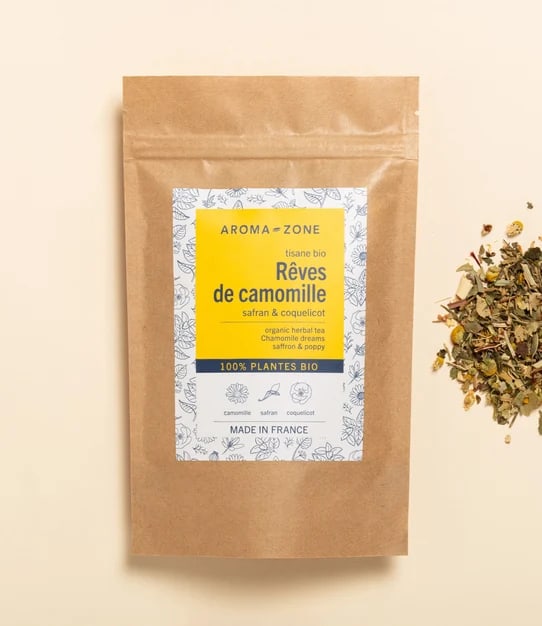
Chamomile tea to support digestion and soothe the gut
Chamomile tea is ideal for combining digestive benefits with a soothing effect. Chamomile is recommended to calm an irritated digestive system, soothe intestinal spasms, and reduce "digestive stress." Our Organic Chamomile Dreams Herbal Tea contains chamomile combined with poppy, lemon balm, linden, and saffron. A carefully selected blend to bring relaxation and soothing relief to the entire body.
How to enjoy chamomile herbal tea?
To prepare your chamomile herbal tea, steep one tablespoon of the tea in a cup of hot water for 10 minutes. This tea is perfect before bedtime to combine relaxation with digestive benefits.
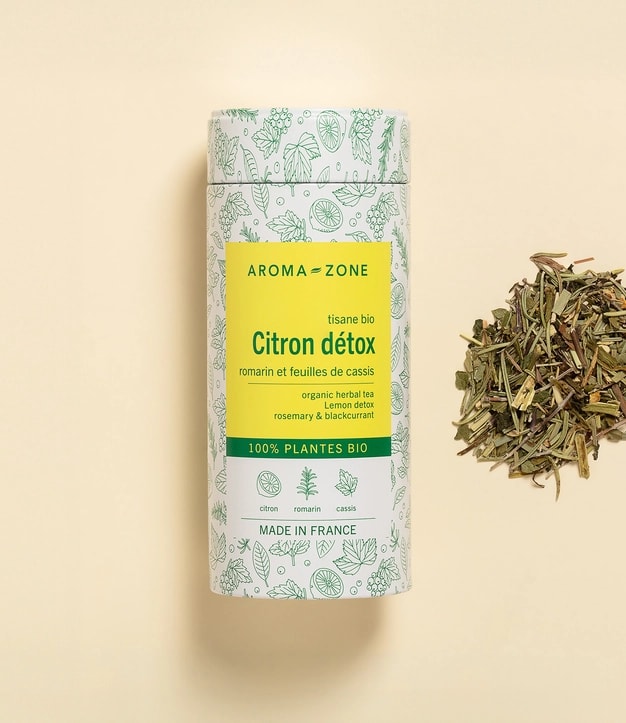
Lemon herbal tea to gently detoxify the digestive system
Lemon naturally stimulates bile production thanks to its citric acid, which improves fat digestion and limits gas formation. Its antioxidants also help reduce intestinal inflammation. A lemon herbal tea is therefore ideal for stimulating the digestive system and promoting the healthy elimination of waste. Want to gently detoxify your body? Try our Lemon Detox Herbal Tea, a blend of herbs known to support liver function and promote natural elimination.
How to enjoy Lemon Herbal Tea?
Use one teaspoon of Lemon Herbal Tea and steep it for 5 minutes in gently simmering water. This tea is perfect to enjoy with a hearty meal, or first thing in the morning to gently wake up your digestive system.
How can you prevent bloating?
To avoid bloating, it’s essential to establish good lifestyle habits in the broadest sense.
Take the time to chew your food thoroughly: Chewing slowly is truly one of the keys to good digestion. It not only helps break down food into smaller particles but also prevents you from swallowing air, which is one of the causes of bloating. So, take your time to savour every bite, and you’ll see that your digestion will improve.
Don’t overindulge in carbonated drinks: Fizzy drinks can be very enjoyable with a meal. However, the bubbles they contain can cause bloating. In addition to introducing gas into your stomach, they can sometimes irritate your digestive system. Try opting for still water or a light herbal tea instead; it will be much gentler on your stomach.
Treat yourself to a digestive herbal tea after a meal: after a big meal, there’s nothing like a nice cup of herbal tea to aid digestion. Herbs like peppermint or chamomile can really work wonders to soothe gas and cramps. Enjoy a cup of herbal tea, at your own pace, after each meal to feel lighter and more relaxed.
Consider self-massaging your stomach: it gently stimulates bowel movements and helps release gas. Use circular motions in a clockwise direction around your navel, applying light pressure with the palm of your hand to relieve tension and aid digestion.
Precautions for use
For safe use of digestive herbal teas, be sure to check the contraindications of the plants used and follow the recommended dosages.
Expert advice
Here’s a quick tip if you’d like to incorporate anti-bloating digestive herbal teas into your wellness routine. Add a pinch of fresh grated ginger to your herbal tea to boost its effectiveness against bloating. Ginger helps soothe spasms and aids digestion, while adding a warm and slightly spicy touch. Enjoy it at your own pace and according to your preferences.
Spotlight on Our Naturopathic Writer: Marine Leleux

Marine is a naturopath specialising in children’s well-being and a parenting coach. With 10 years’ experience supporting families, she now channels her passion into serving her community by sharing natural and caring advice.
Bibliography
Good Digestion Means Good Health by Dr. Martine Cotinat, Éditions Thierry Souccar, 2018.
The keys to good digestion: tips and advice, Passeport Santé.
Herbal Teas and Infusions: Benefits and Natural Recipes, by Anne-Laure Jaffrelo, Marabout Publishing, 2020.



