
Zinc is one of the essential trace minerals that must be consumed daily to maintain good health. The body does not produce or store zinc; in fact, it is present in only small amounts, yet it plays a major role. About 2 to 3 grams are found in red blood cells, endocrine glands, the skin, and the appendages. Zinc deficiency becomes more common after age 60.

What Are the Health Consequences of a Zinc Deficiency?
Published on: Wednesday, December 20, 2023, Updated on: Wednesday, October 28, 2026
An essential trace element, zinc is vital for the body to function properly. However, since the body can't produce it on its own, it needs to be obtained daily through food. A deficiency in this antioxidant can be very problematic for health. Let's take a closer look at the symptoms of zinc deficiency and the foods that can help address it.
Contents
Related products
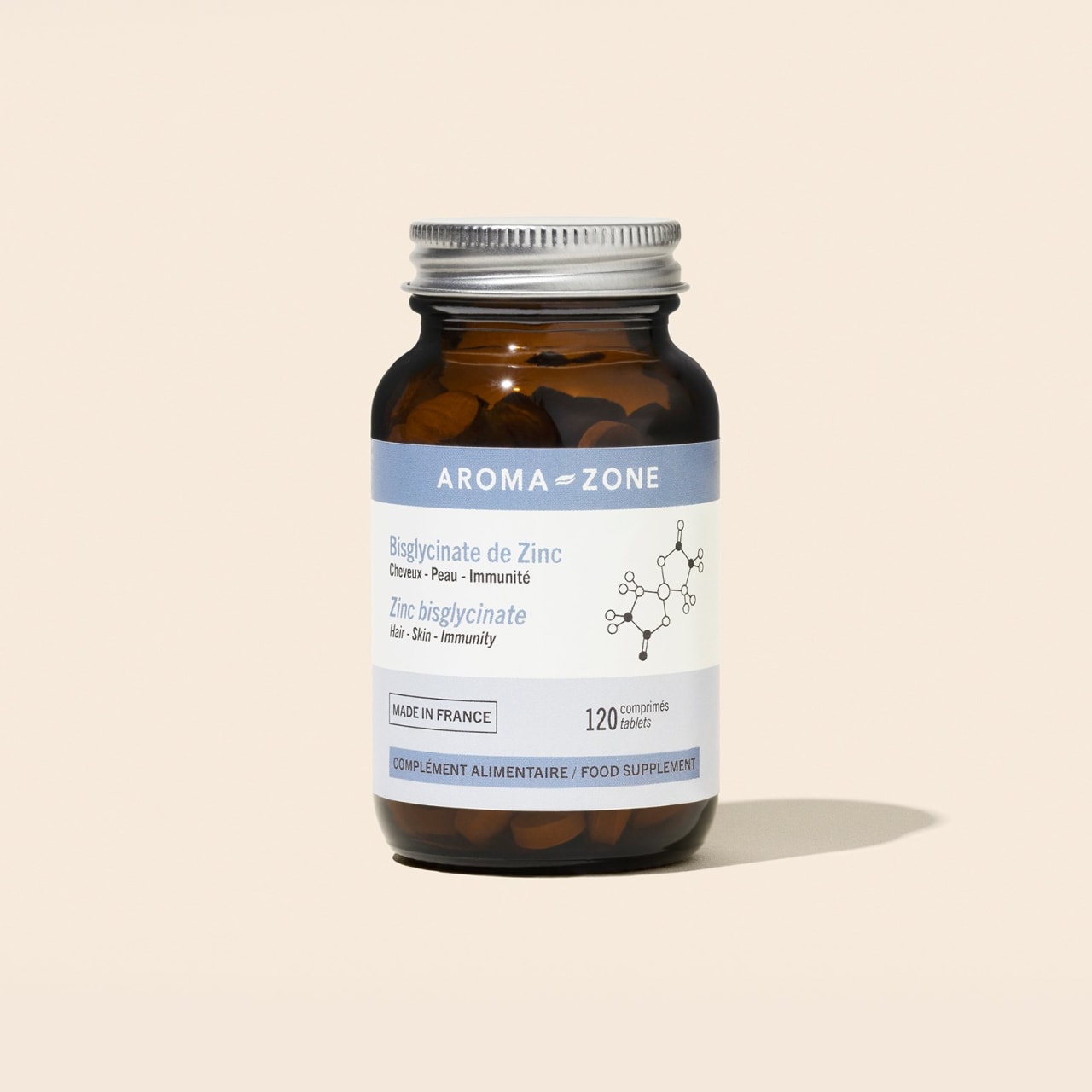
Zinc Bisglycinate - 120 Tablets
Skin
Hair
£9.00
49.5 g
£8.00
50 ml
2 options
What is zinc?
What effect does zinc have on the body?
Immune system: It is crucial for the normal functioning of the immune system.
Wound healing: It plays a role in tissue formation and repair, including in the process of wound healing.
Sense of taste and smell: Zinc is associated with the normal functioning of taste and smell receptors.
Hair growth: Zinc is involved in hair growth.
Hormone regulation: It helps regulate testosterone in men and estrogen and progesterone in women.
Antioxidant: It protects muscle cells from damage caused by free radicals.
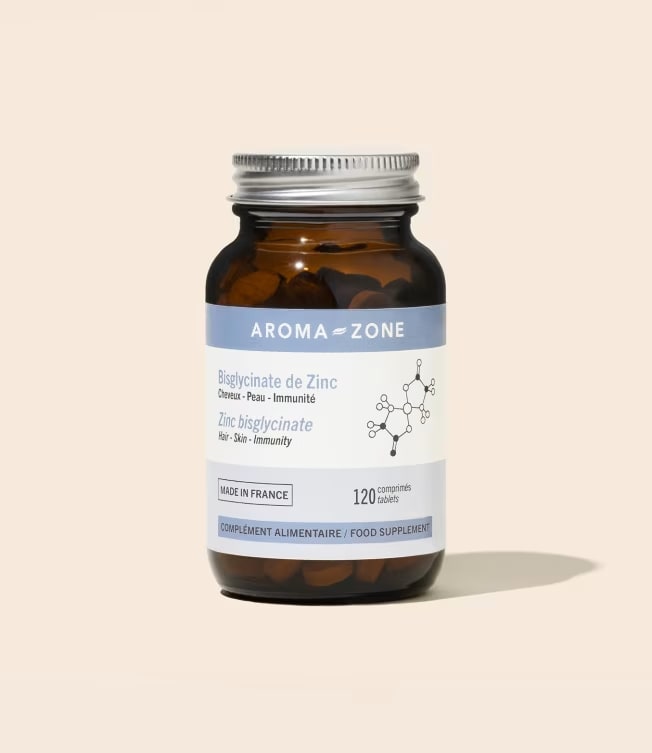
Zinc Bisglycinate – 120 tablets – Dietary supplement
A highly bioavailable form of zinc in a tablet formulated to provide 100 per cent of the recommended daily intake. Essential for the body to function properly, zinc has recognised benefits for immunity and fertility, as well as for the health and beauty of hair and skin. It helps protect our cells against oxidative stress. An essential trace element that is often lacking in our diet!
What are the consequences of a zinc deficiency?
Various symptoms may indicate a zinc deficiency: ridged nails, a diminished sense of taste and smell, stunted growth… This trace element is essential for proper health development, and its absence can have repercussions.
Weakened sense of smell
Zinc plays a role in the proper functioning of olfactory receptors. Consequently, a deficiency can weaken the sense of smell and reduce the synthesis of taste and smell enzymes. As a result, the transmission of olfactory signals to the brain will not occur properly. Researchers have found a link between zinc and vision, as it helps transport vitamin A from the liver to the retina. If it fails to transport it, the eyes perceive light less effectively.
Zinc Deficiency and Hair Loss
A zinc deficiency is associated with hair loss because this trace element is essential for hair growth and health. It is necessary for protein synthesis and can notably impact keratin production. Hair loss can be particularly common in adolescents in cases of deficiency. Finally, it also affects the nails, making them more fragile, brittle, and ridged.
Weakened immune system and fatigue
Zinc helps fight respiratory and ENT infections. Therefore, if you are deficient in zinc, your immune system may be compromised, and your body may struggle to defend itself against infections. Indeed, it has been shown that its antiviral properties interfere with viruses. It is therefore very useful in the prevention and treatment of colds and other viral infections.
Unexplained weight loss in adults and children
If you have a zinc deficiency, you may notice a decrease in your body weight. Losing weight for no specific reason, without changing your physical activity or diet, can be one of the signs of a zinc deficiency.
Intestinal disorders
A zinc deficiency can cause diarrhoea and loss of appetite. This can lead to damage to the intestinal barrier, thereby increasing intestinal permeability and allowing unwanted substances to pass through the intestinal wall. It can also contribute to conditions such as leaky gut syndrome.
Slower Healing
Zinc is necessary for the normal synthesis of collagen, a structural protein crucial for the formation of scar tissue. Zinc deficiency can hinder collagen production, which may affect the quality of healing.
Slowed growth
In children and adolescents, zinc is essential because it enables cartilage formation. When deficient, young people experience a slowdown or delay in their growth, in terms of both height and weight.
Other symptoms characteristic of zinc deficiency
Loss of appetite
Open sores on the skin
Excessive cravings for sweets
Deterioration in mood (apathy)
Difficulty concentrating
Erectile dysfunction in men
Decreased alertness
Complications during pregnancy
Skin problems (acne)
Psoriasis
Inflammation of the mouth
What causes a zinc deficiency?
A zinc deficiency can arise from various causes. Diet is a primary factor, as insufficient intake of foods, proteins, or foods containing phytates (whole grains, nuts, vegetables) contributes to a deficiency. Similarly, medical conditions—whether related to alcohol consumption, chronic kidney disease, diabetes, or liver disease—can cause a zinc deficiency. Finally, certain medications, particularly diuretics, can contribute to this.
Which food is the richest in zinc?
Zinc is found primarily in plant- and animal-based foods, such as meat, cheese, fish, seafood, legumes, and whole-grain products.
Meats: red meats (6.43 mg in ground beef), chicken, pork, beef (10.5 mg), lamb, and liver (12.9 mg in veal liver) are sources of zinc.
Fish and seafood: Oysters (16.7 mg), crab, shrimp, tuna, and salmon (an average of 0.55 mg for cooked fish) can be consumed if you have a zinc deficiency.
Dairy products: cheese, yogurt, and milk (0.51 mg) provide zinc.
Eggs: The yolk (3.05 mg) is a source of zinc.
Legumes: red or green lentils (1.3 mg), chickpeas, and beans (1.1 mg) are good plant-based sources of zinc.
Nuts and seeds: flaxseeds (6.05 mg), sesame seeds (7.24 mg), cashews, pecans (4.61 mg), walnuts (2.7 mg), hazelnuts (2.25 mg), and almonds (2.85 mg) are rich in zinc.
Whole grains: whole wheat, oats, and brown rice contain zinc. Whole-grain bread contains 1.23 mg.
How much zinc do you need per day?
Zinc requirements vary from person to person, depending on age, gender, and health status.
For men: 12 mg/day;
For women: 10 mg/day;
For pregnant women: 14 mg/day;
For children ages 1 to 3: 6 mg/day;
For children aged 4 to 12: 7 to 12 mg/day.
Spotlight On Our Writer: Lauréna Valette

Lauréna is a journalist specialising in lifestyle, wellness and psychology. Alongside her writing, she travels the world, discovering all it has to teach us.
Bibliography
Zinc Deficiency in Children: From Diagnosis to Treatment
https://www.sciencedirect.com/science/article/pii/S0987798317300294
Zinc—a vital trace element with great potential
https://pdfs.semanticscholar.org/88af/d9afb4417cfb3c571c21e1898612874c9ace.pdf


