Iron Deficiency: Natural Remedies

Iron Deficiency: Natural Remedies


By Claire Trommenschlager

Published on: Monday, February 27, 2023, Updated on: Wednesday, October 28, 2026

Winter is on its way; the days are getting shorter, and fatigue often sets in at this time of year!

If this sounds familiar, you can tackle it by paying attention to your lifestyle and diet (getting a good night’s sleep, exercising regularly, eating balanced meals, and keeping stress levels in check, etc.). If that isn’t enough, superfoods and dietary supplements can help you before you need to resort to more medicalised treatment.

Several factors may cause this fatigue; we’ll take a closer look at one of the most common deficiencies, particularly among women: iron!

Contents

Related products

In brief

  • Winter fatigue isn’t necessarily linked to iron deficiency, but this common condition – particularly amongst women – is worth considering when fatigue sets in or persists

  • The article first recommends a healthy lifestyle: sufficient sleep, regular physical activity, balanced meals and moderate stress levels. Superfoods and supplements such as spirulina, brewer’s yeast, and guarana are also presented as possible options

  • These natural solutions are no substitute for a medical diagnosis or treatment if a deficiency is confirmed. Ginseng, guarana, and matcha tea can be particularly helpful in combating temporary fatigue thanks to their revitalising properties, notably their caffeine content

Why Do We Become Iron-Deficient?

Iron deficiency is one of the most common nutritional deficiencies worldwide. It occurs when the body does not have enough iron to meet its needs and can lead to iron-deficiency anaemia if left untreated. Common causes include blood loss, particularly during menstruation, and insufficient dietary intake.

Less commonly, iron deficiency may be linked to a digestive disorder that affects iron absorption or to conditions that interfere with the body’s ability to use iron effectively.

Those most at risk of iron deficiency are:

  • Children aged 6 months to 3 years (often between 6 and 18 months) due to high iron requirements linked to their growth

  • Pregnant women and iron deficiency: this is linked to an increase in blood volume and the significant demands of the foetus, which draws on its mother’s reserves

  • Women with very heavy or prolonged periods

  • People following a vegetarian or vegan diet
What Are the Signs of Iron Deficiency?

In its early stages, iron deficiency is often invisible, but it is when it becomes chronic or worsens that the following symptoms may appear:

  • Paleness, fatigue, shortness of breath, headaches, dizziness, light-headedness, a weakened immune system, muscle cramps and a rapid heartbeat

  • Dry skin and hair, and brittle nails

These are the main symptoms of iron deficiency. If in doubt, consult your doctor for a blood test. You should not take supplements or unnecessarily increase your iron intake if you do not have a deficiency (an excess of iron can be harmful to the body).

How Can You Increase Your Iron Intake?

1. Eat foods rich in iron, such as:

  • Meat (particularly offal such as liver and red meat), fish and shellfish, eggs, and dairy products

  • Legumes (lentils, white beans), cereals, nuts

  • Spirulina, a type of algae that is very rich in iron and, what’s more, highly bioavailable

Please Note

Iron of plant origin, found in pulses and cereals for example, is absorbed less efficiently (5% compared with 25% for so-called ‘haem’ iron); you will therefore need to consume greater quantities of it if you follow a vegetarian or vegan diet, for example.

2. Add a source of Vitamin C to your meal

For example, raw fruit or vegetables, lemon juice or even baobab fruit pulp powder, as this will help increase iron absorption.

3. Avoid drinking tea close to mealtimes

This reduces iron absorption.

4. Choose foods rich in Vitamin B9 and Vitamin B12

This is because Vitamin B9 (cabbage, broccoli, asparagus, peas, etc.) and Vitamin B12 (meat, fish, eggs, dairy products) promote iron absorption.

Iron Deficiency: What to Do if You’re Still Feeling Tired?

The first thing to do is to ensure you have a balanced and varied diet, rich in whole, minimally processed foods to provide all the micronutrients your body needs. Don’t hesitate to consult a dietitian or nutritionist to help you with this if you feel the need

Alongside this, there are what are known as superfoods, which are rich in certain nutrients and antioxidants that support the body’s healthy functioning.

These include:

Organic Brazilian ginseng (Pfaffia) powder – dietary supplement

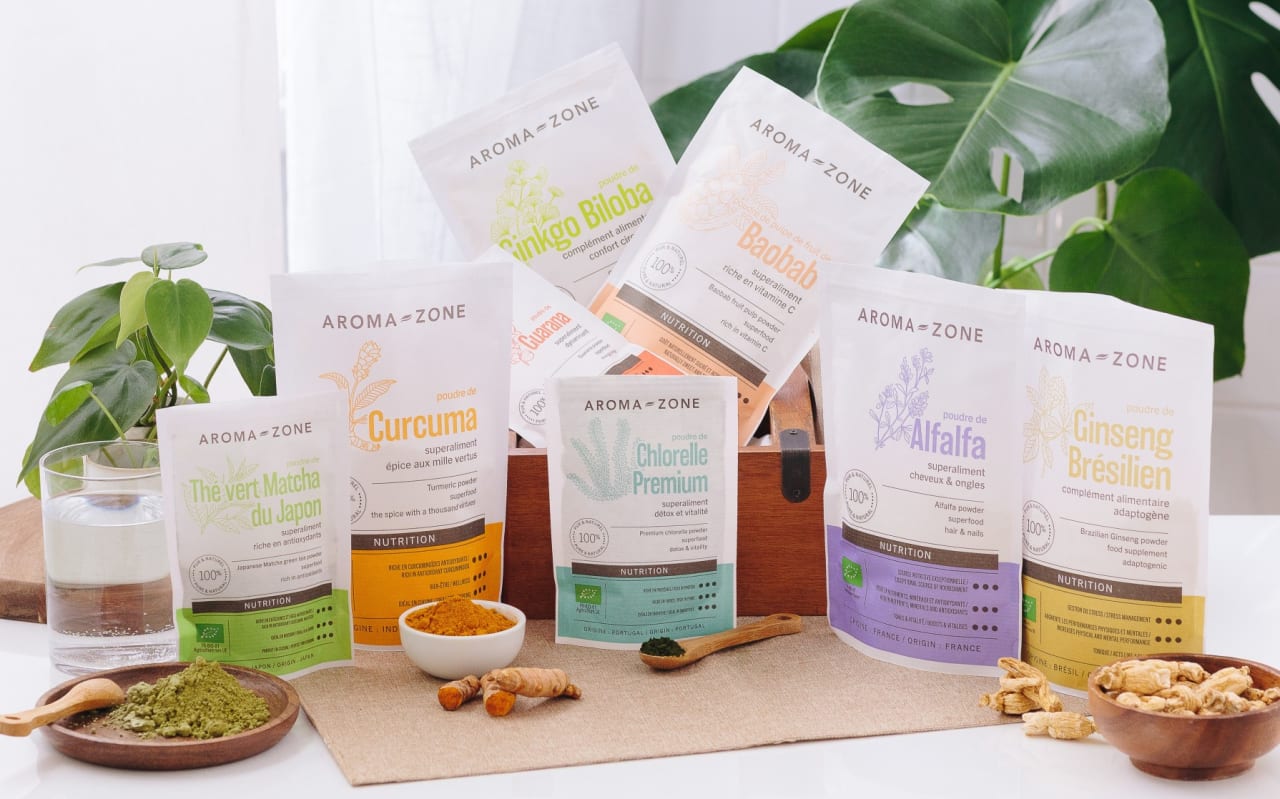
Ginseng: Whether as a tea or in a smoothie, it will give you a physical and mental boost when you’re feeling temporarily tired.

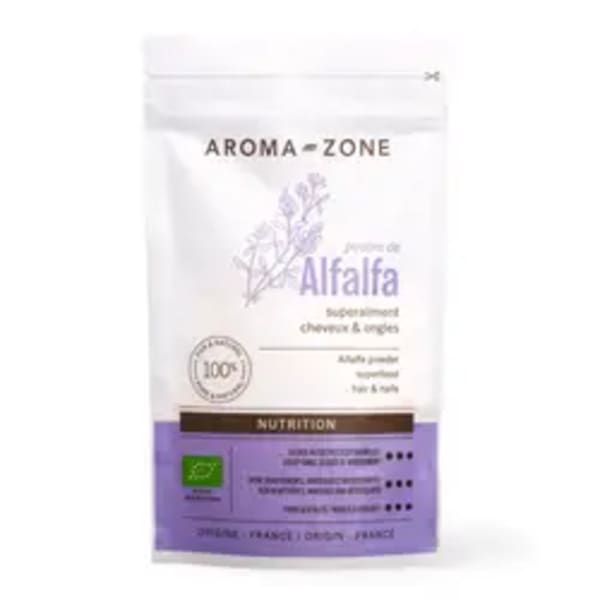
Catalogue_SA_Alfalfa_1

Alfalfa powder (alfalfa): sprinkled over your meals or brewed as a tea, it combats temporary fatigue and strengthens nails and hair.

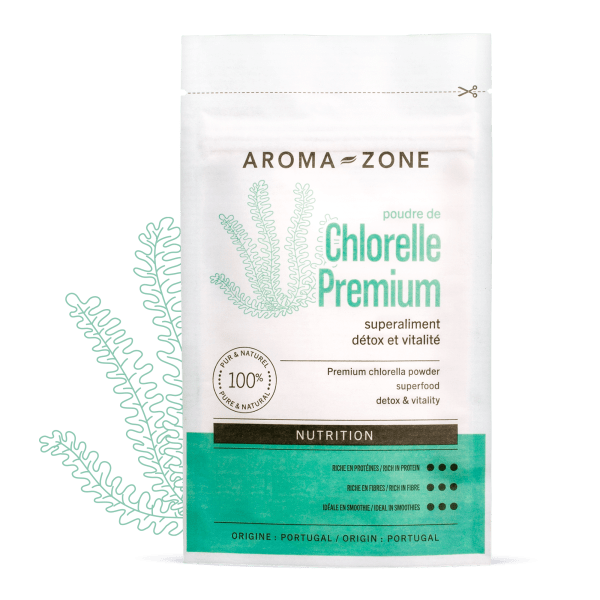
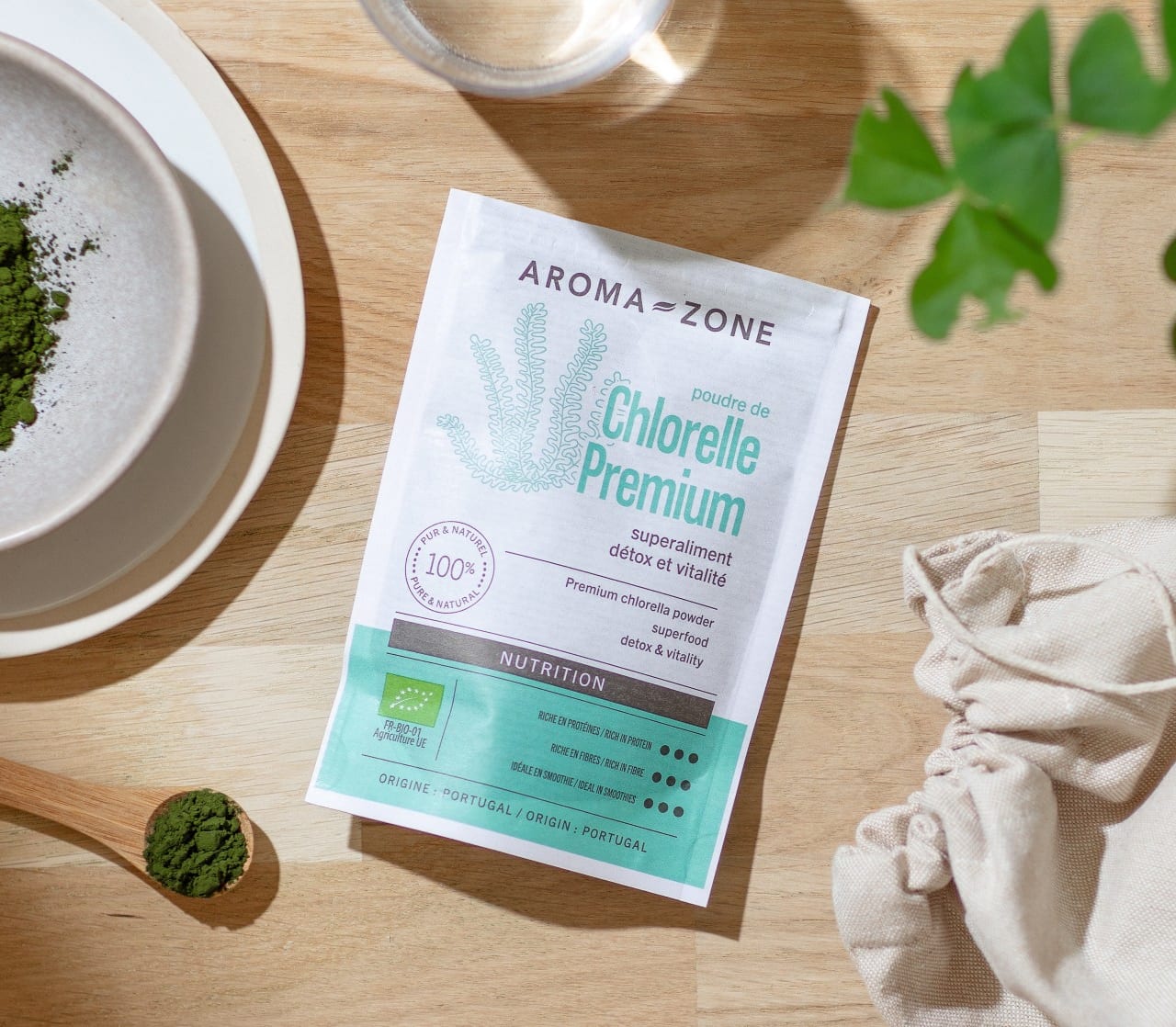
Chlorella: Whether in juice or a smoothie, it is particularly popular with athletes for its protein and micronutrient content and also helps combat temporary fatigue.

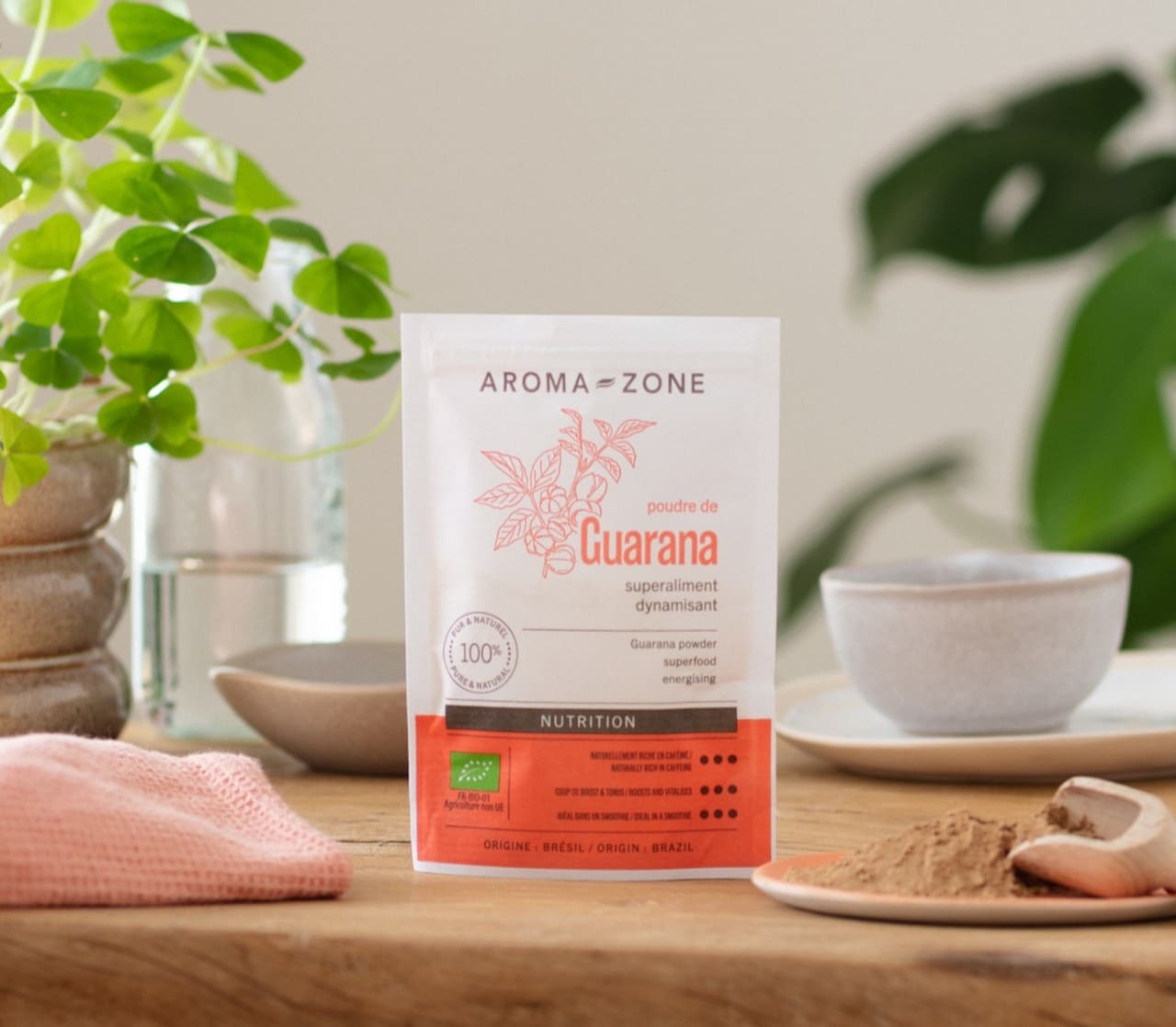
Guarana: Whether as a tea, juice or even in a biscuit, it is known for its revitalising properties and will give you a boost thanks to its caffeine content.

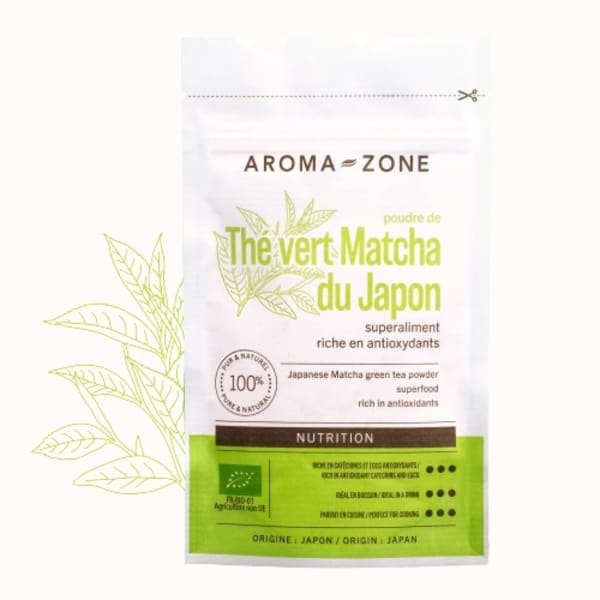
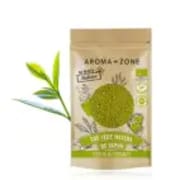
Matcha tea: Whether enjoyed as a drink or in baked goods, this antioxidant-rich tea is also revitalising thanks to its high caffeine content (without the stimulating effect of coffee, thanks to L-theanine, an amino acid that balances the effects of caffeine).

Finally, taking part in regular physical activity is the key to staying fit all year round.

As you’ll have realised, the secret to staying fit lies in what we eat and in our trainers!

Some Recipe Examples

Spotlight on Our Dietitian and Writer: Claire

Claire, a dietitian and author of several books, who runs the Instagram account @Claire.happydiet, shares her helpful advice on nutrition and creates healthy, delicious recipes for Aroma-Zone.