What are the benefits of Chlorella algae?

Chlorella or Chlorella algae is a chlorophyll-rich microalgae found in freshwater. It is renowned for its applications in the fields of well-being and natural nutrition. But what makes it so special and why is it often confused with Spirulina? Find out more about Chlorella in this article. Discover its properties and benefits, and how to use it to maximise its effects.

Reading time: 0 min.

Chlorella ID card

  • IUPAC name (chemical name) : Chlorella vulgaris

  • Common name: Chlorella

  • Origin: Chlorella is a green micro-algae that grows in freshwater, particularly in nutrient-rich environments. It is grown mainly in Asia, particularly Japan and China.

  • Production method: Chlorella is generally grown in a controlled environment in freshwater ponds or photobioreactors. After harvesting, it is dried and processed into powder or extracts for use in food supplements and cosmetics.

The composition of Chlorella

Biochemical composition: Chlorella is rich in nutrients and its biochemical composition includes:

  • Protein: Approximately 50-60% of its dry mass, containing all the essential amino acids.

  • Vitamins: Rich in B vitamins, in particular vitamin B12, as well as vitamins A, C, E and K.

  • Minerals: Contains minerals such as iron, calcium, magnesium and potassium.

  • Chlorophyll: High chlorophyll content, giving it its green colour and detoxifying properties (approx. > 1800 mg/100 g) .

  • Rich in carotenoids with antioxidant properties, particularly lutein > 500 mg/ 100 g.

  • Essential fatty acids: Contains polyunsaturated fatty acids, such as alpha-linolenic acid (ALA).

  • Antioxidants: Contains carotenoids and other phytochemicals with antioxidant properties.
What are the benefits of Chlorella?

This remarkable composition makes it a super food that is particularly suitable for a wide range of situations.

  • To support a vegan diet: It offers a concentrated source of complete proteins, essential amino acids, vitamins and minerals, filling the potential gaps associated with the absence of animal products in the diet.

  • To support a slimming diet: Thanks to its high protein and fibre content, it promotes satiety, helping to control appetite.

  • During detox cures: Chlorella is recognised for its detoxifying properties and its ability to trap heavy metals and pollutants, Chlorella is appreciated as a seasonal cure.

  • As part of an athlete's dietary routine: It promotes muscle recovery, boosts endurance and helps prevent nutritional deficiencies that can occur with intense training.

  • For temporary fatigue: Chlorella provides a natural source of energy. Its nutrients, such as B vitamins, iron and amino acids, help to produce cellular energy.

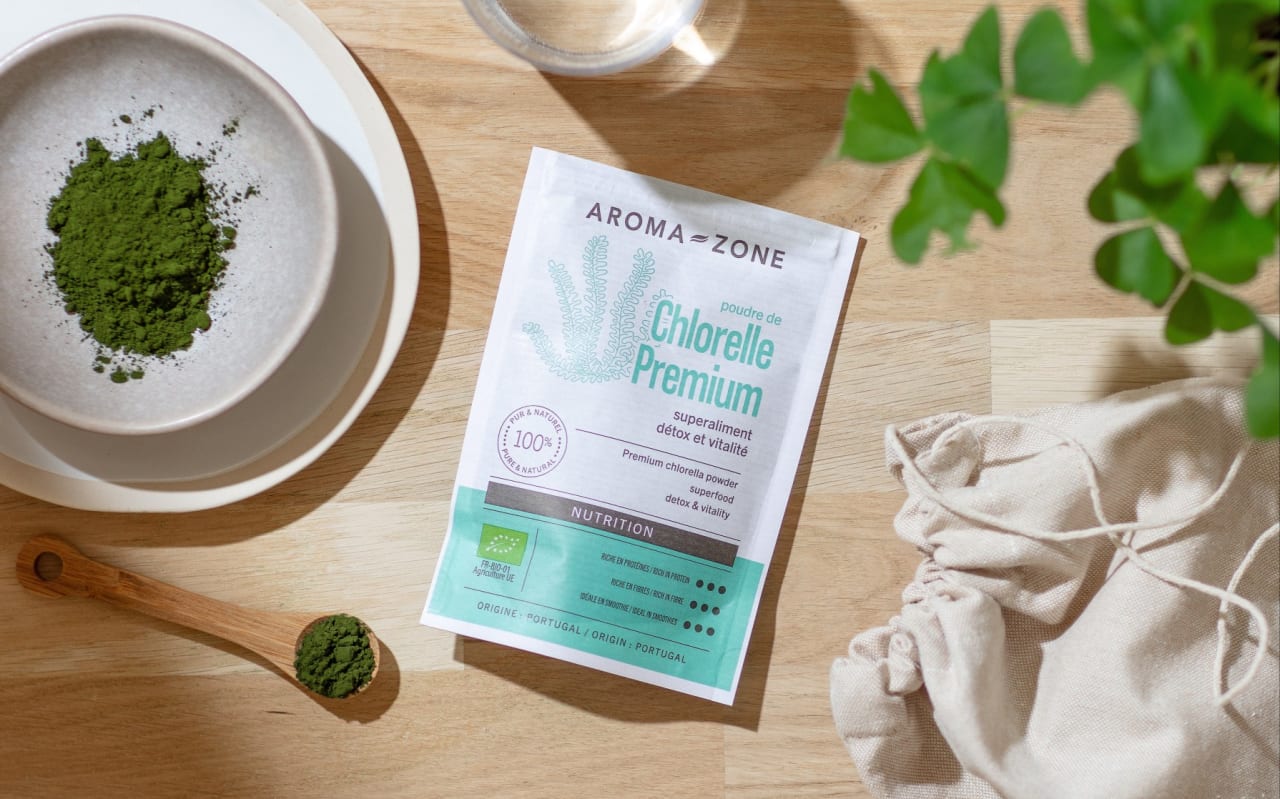
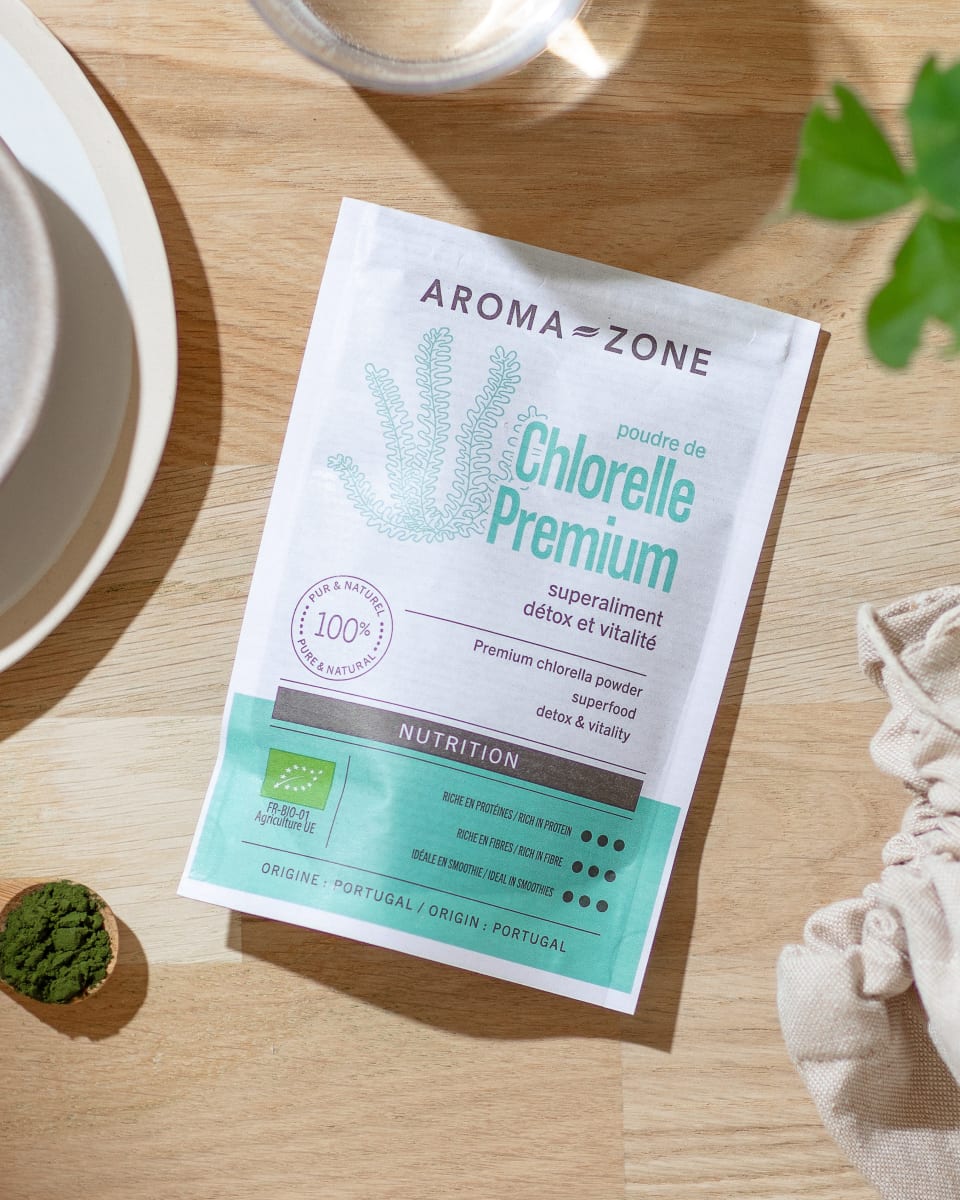
Focus on our Premium Chlorella powder

How should Chlorella be taken?

  • As a drink: Add 1 to 2 teaspoons of Chlorella powder to a glass of water or fruit juice.

  • In shakes and smoothies: Add 1 to 2 teaspoons of Chlorella powder to your smoothie or shake.

  • In salads: Sprinkle 1 to 2 teaspoon(s) of Chlorella powder over your salads or dishes.

How much Chlorella should I take?

We recommend taking 1 to 2 teaspoons a day, i.e. 2 to 5 g. If it is sprinkled on hot dishes, wait until the last moment to avoid altering its benefits.

To benefit from the effects of Chlorella, it must be taken regularly for at least several weeks. Find out more about superfoods.

Storage method

Chlorella powder should be kept in a cool, dry place away from light. Close the sachet tightly after opening.

What are the associations and compatibilities?

In terms of positive associations, Vitamin C can help improve the absorption of the iron contained in Chlorella. By consuming these two together, you can maximise the nutritional benefits. What's more, as Chlorella is rich in protein, consuming it with other protein sources such as pulses or nuts can be beneficial for a balanced diet.

However, it is essential to exercise caution. If you are taking anticoagulants, consult a health professional before adding Chlorella to your diet, as it can affect blood clotting. Similarly, it is advisable to avoid taking iron supplements at the same time as Chlorella, as this could interfere with iron absorption. If you are taking immunosuppressive drugs, it is advisable to speak to a health professional before including Chlorella in your diet.

Aroma-Zone recipes with Chlorella

Fresh green drink with Chlorella

Ingredients (with scale)

Preparation

1

Blend the cucumber with the mint and basil leaves.

2

Add the rest of the ingredients and mix.

3

Chill until ready to serve.

4

You can enjoy!

To delight your taste buds!

Refreshing drink for summer days... To find out more about the benefits of chlorella, read our dedicated guide.

Chlorella detox juice

Ingredients

Preparation

1

Squeeze the lime.

2

Add the ORGANIC Premium Chlorella powder and mix.

3

Add the fruit juices

4

Mix everything together and refrigerate for at least half an hour before serving. Now it's ready!

Chlorella seaweed smoothie

Ingredients (with scale)

Preparation

1

Pour all the ingredients into a bottle.

2

Blend until smooth.

3

Enjoy without delay.

To delight your taste buds!

Ideal for boosting your energy levels, this mild-tasting smoothie lets you enjoy all the benefits of chlorella, a micro-algae with super detoxifying powers. Coconut milk gives this drink a creamy, authentic, slightly sweet flavour.

What are the side effects of Chlorella?

First and foremost, Chlorella activates intestinal transit. Other possible side-effects include slight signs of detoxification, linked to the elimination of heavy metals.

If you notice such effects, which are more likely to occur when Chlorella is taken as a food supplement than as a superfood, we recommend that you increase the dose occasionally for the duration of the symptoms, before gradually returning to a normal daily intake.

What are the contraindications to Chlorella?

Chlorella has very few contraindications. As a precaution, however, it is not recommended during pregnancy or while breast-feeding.

It should also be avoided by people suffering from phenylketonuria, a hereditary genetic disease that prevents them from assimilating phenylalanine. Finally, if you are taking anticoagulants, consult a health professional before adding Chlorella to your diet, as it can affect blood coagulation. Similarly, it is advisable to avoid taking iron supplements at the same time as Chlorella, as this could prevent iron absorption.

Precautions for use

Be aware that not all Chlorella are created equal. The chelating properties of this micro-algae, which are beneficial for eliminating heavy metals, mean that it runs the risk of containing pollutants of all kinds if its cultivation environment is not controlled. Check that the Chorella you consume is rich in active ingredients, and that its biological purity and absence of contaminants and heavy metals is controlled and certified.

Find out more

Does Chlorella make you slimmer?

Chlorella has hypoglycaemic effects: an analysis revealed that Chlorella significantly reduces fasting blood sugar levels. It is also thought to accelerate metabolism, an interesting property to combat weight gain. It also has a strong satiety effect and a high protein content, which is of interest when it comes to rebalancing your diet.

What are the main forms of Chlorella available on the market?

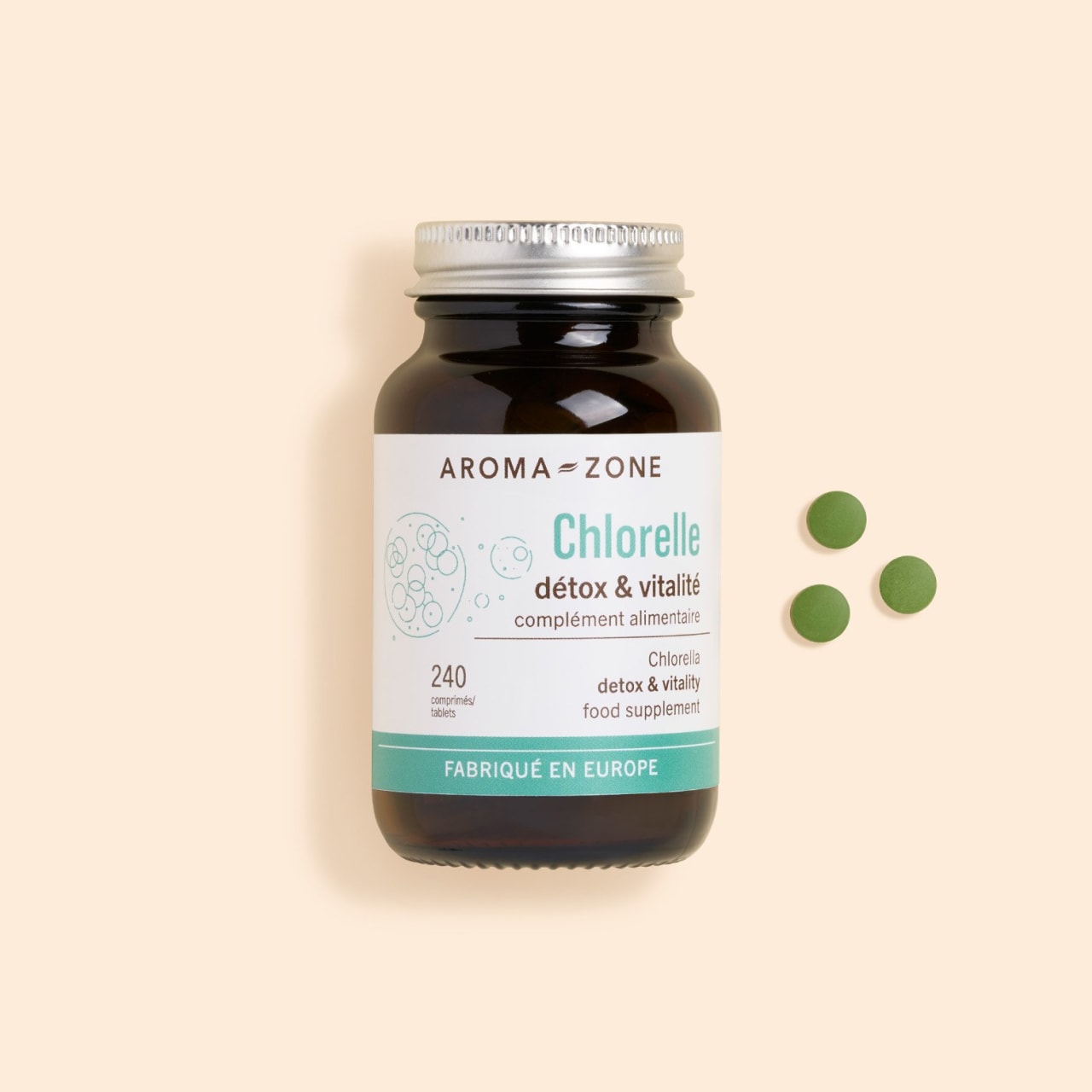
Chlorella is generally available in powder, tablet or capsule form. The powder can be added to smoothies, juices or soups, while tablets and capsules are more convenient for a course of treatment and precise dosing.

Can Chlorella interact with medicines?

Chlorella can potentially interact with certain medications, particularly anticoagulants and diabetes medication. It is therefore advisable to consult a doctor before adding Chlorella to your diet if you are taking medication.

Article written by Lou Dumas, Naturopath

Lou graduated from HEC in 2012. She gained ten years of experience in marketing for cosmetics and perfumes before becoming an independent consultant in this field. She recently completed a three-year naturopathy program at the European College of Holistic Naturopathy (CENATHO, Paris) with the goal of supporting the physical and mental health of the people she works with through a holistic approach to lifestyle.