What homemade foot care treatments should you use?

What homemade foot care treatments should you use?


By Hélène Betoux

Published on: Monday, April 22, 2024, Updated on: Wednesday, September 30, 2026

Why not take a few minutes out of your day to pamper your feet like they deserve? Between cracks, calluses, corns, dryness and dead skin build-up, feet could do with some TLC. You can easily treat yourself to a home foot treatment without a mountain of products or ingredients. Foot bath, scrub and repairing mask: here are simple, natural tips to keep your feet comfortable, soft and good to look at.

Contents

Related products

Why do a homemade foot treatment?

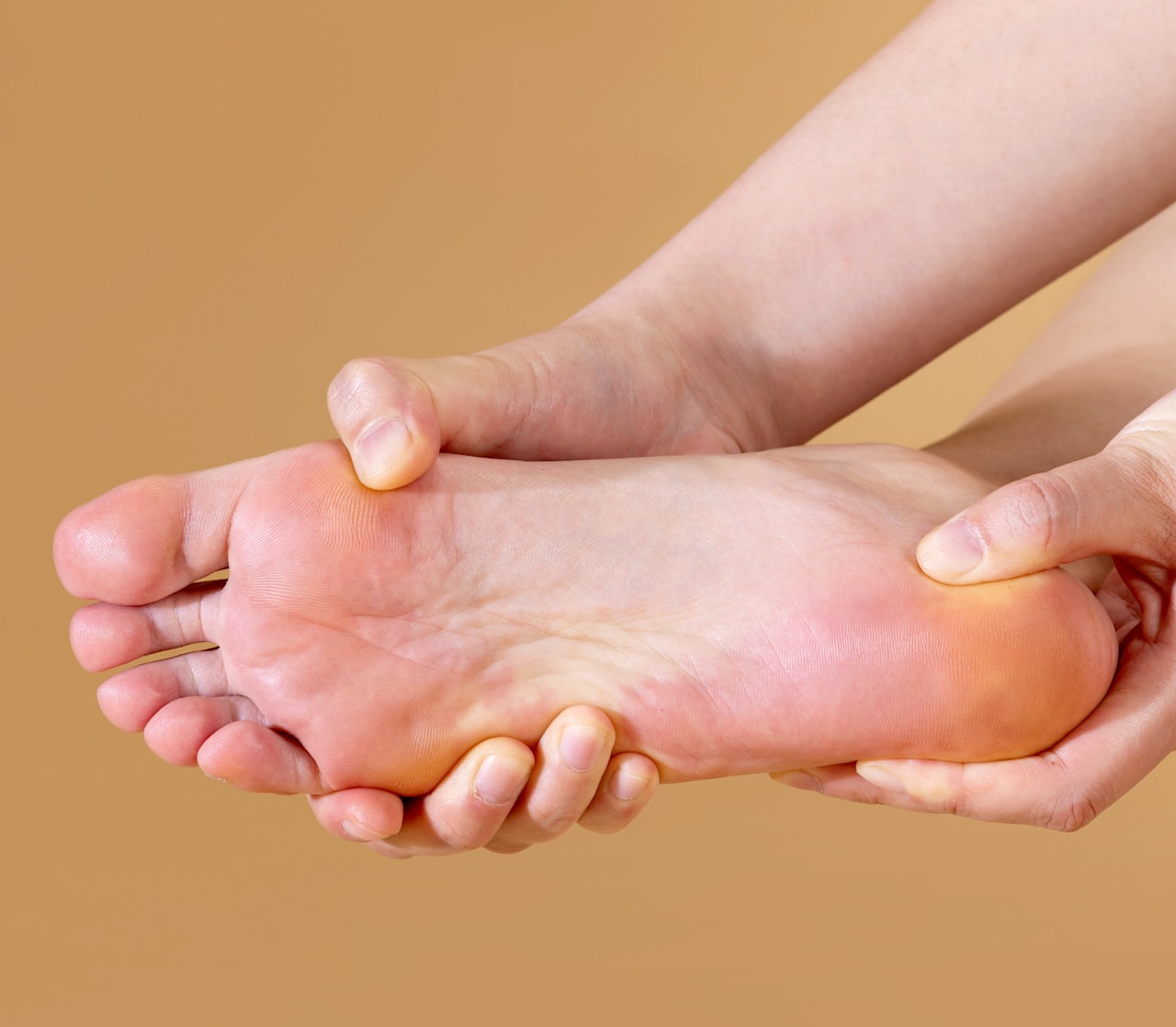
Feet often get little attention in beauty routines. Yet they support you every day and carry your full body weight. Constant pressure puts their skin under stress and often, to protect itself, the skin thickens. This can lead to visible issues like calluses and dry, cracked skin.

The advantage of home foot care is that it gives you complete control over the ingredients you use. You are also in a familiar environment (your bathroom!), which can help you relax. If you are bothered by the appearance of your feet (cracks, dryness, etc.), this simple ritual helps you stay comfortable and relaxed while you wait for your next pedicure.
What are the benefits?

  • Preserve the moisture and comfort of the skin on your feet.

  • Remove dead skin that gives a "white effect" on dry areas.

  • Fight against corns and calluses.

  • Improve the appearance of cracked heels.

  • Prevent the onset and development of unpleasant odours.

  • Maintain the beauty of nails and cuticles.

Our natural solutions for beautiful feet

To make a foot bath

A foot bath is an easy and enjoyable ritual. It is ideal for tired and overheated feet, helping them to relax at the end of the day. It is also an excellent choice for feet prone to unpleasant odours caused by perspiration, especially for athletes. Ideal as the first step in a home foot care routine, it also helps to soften corns and calluses (hard skin).

How to do it Simply soak your feet in a basin filled with warm to hot water up to your ankles. Depending on your needs at the time, add one of the ingredients below to maximise the benefits. Soak your feet for about ten minutes.

Epsom salt

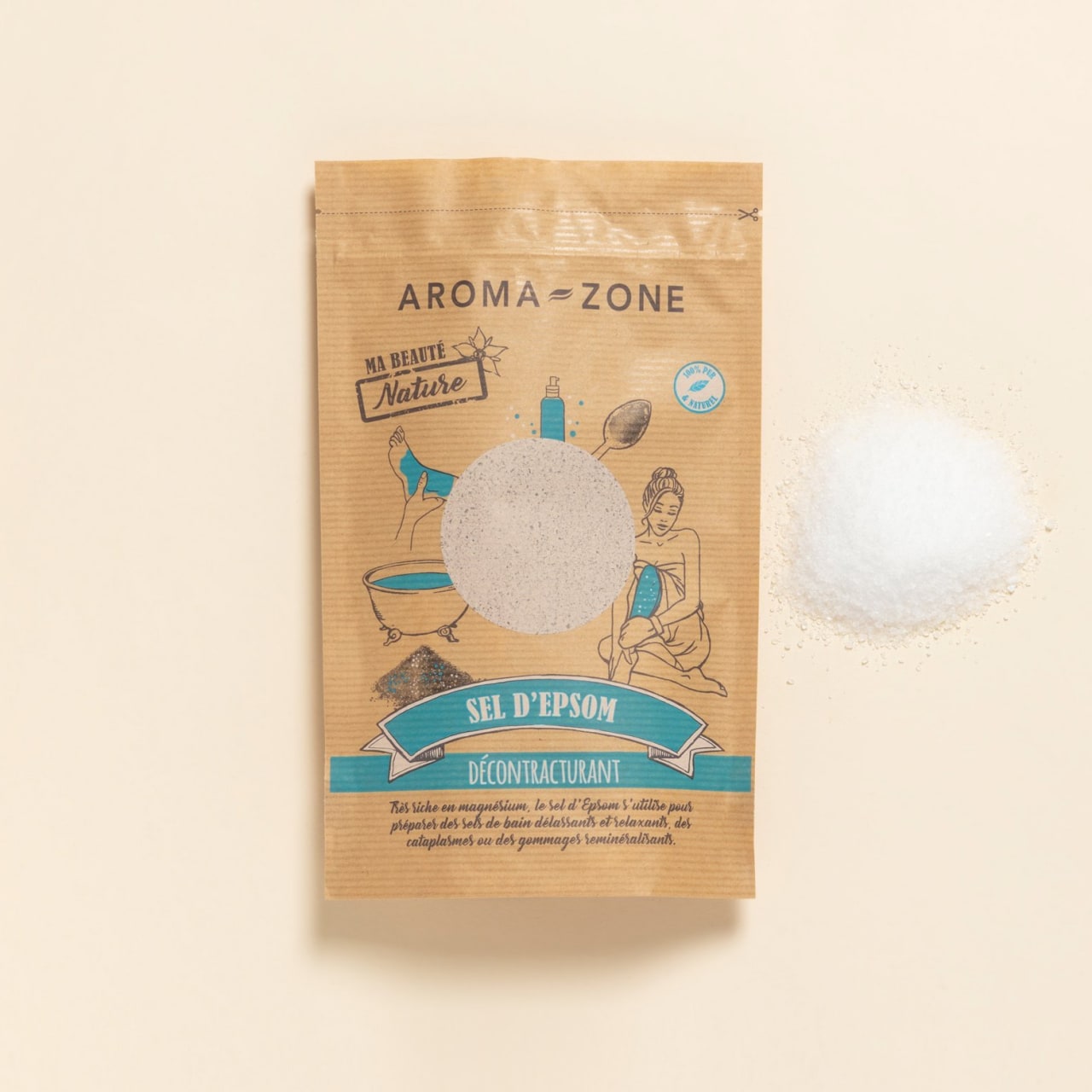
Epsom salt: it's ideal for a relaxing foot bath, especially after a long day of walking or standing. Rich in magnesium, it has remineralising properties.

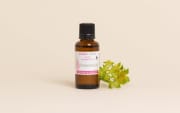
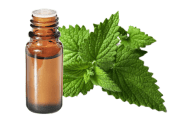
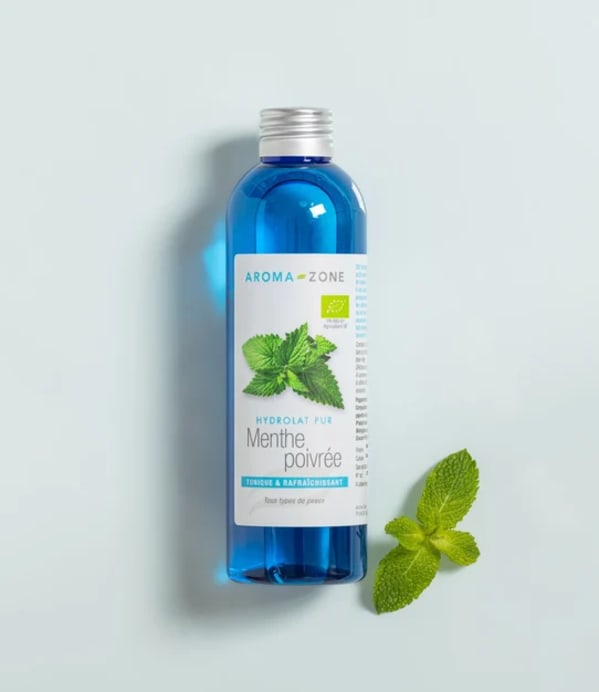
Mint hydrosol : you can add 3 tablespoons of peppermint hydrosol (refreshing) or palmarosa hydrosol (purifying) to the water in your basin.

To exfoliate dead skin

Exfoliation is key to removing all the dead skin that accumulates on our feet. It is particularly prevalent in areas that are most exposed to pressure, such as the heels and soles of the feet. It gives the skin an unattractive snakeskin-like appearance. Exfoliating your feet will help remove calloused cells and quickly restore soft skin.

How to do it If you don't have an exfoliating treatment, you can make a quick scrub. Simply mix a little exfoliating particles (see below) with a dose of moisturising foot cream. Massage your skin, rinse and wipe off any residue with a damp cloth.

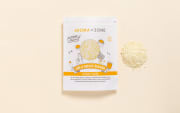
Olive kernel powder: it deeply cleanses the skin of the feet, tones its appearance, and helps smooth rough areas.

Coffee bean powder : this exfoliating powder with a delicious scent can be used to make softening scrubs for the feet, body, and hands.

To make a moisturizing foot mask

The skin on our feet is naturally drier than elsewhere. It is also subject to numerous stresses (friction, pressure, impact, etc.). Without moisturising care, it develops visible dryness and calluses. In the most advanced cases, corns can develop. Good hydration is therefore essential to maintain suppleness and comfort.

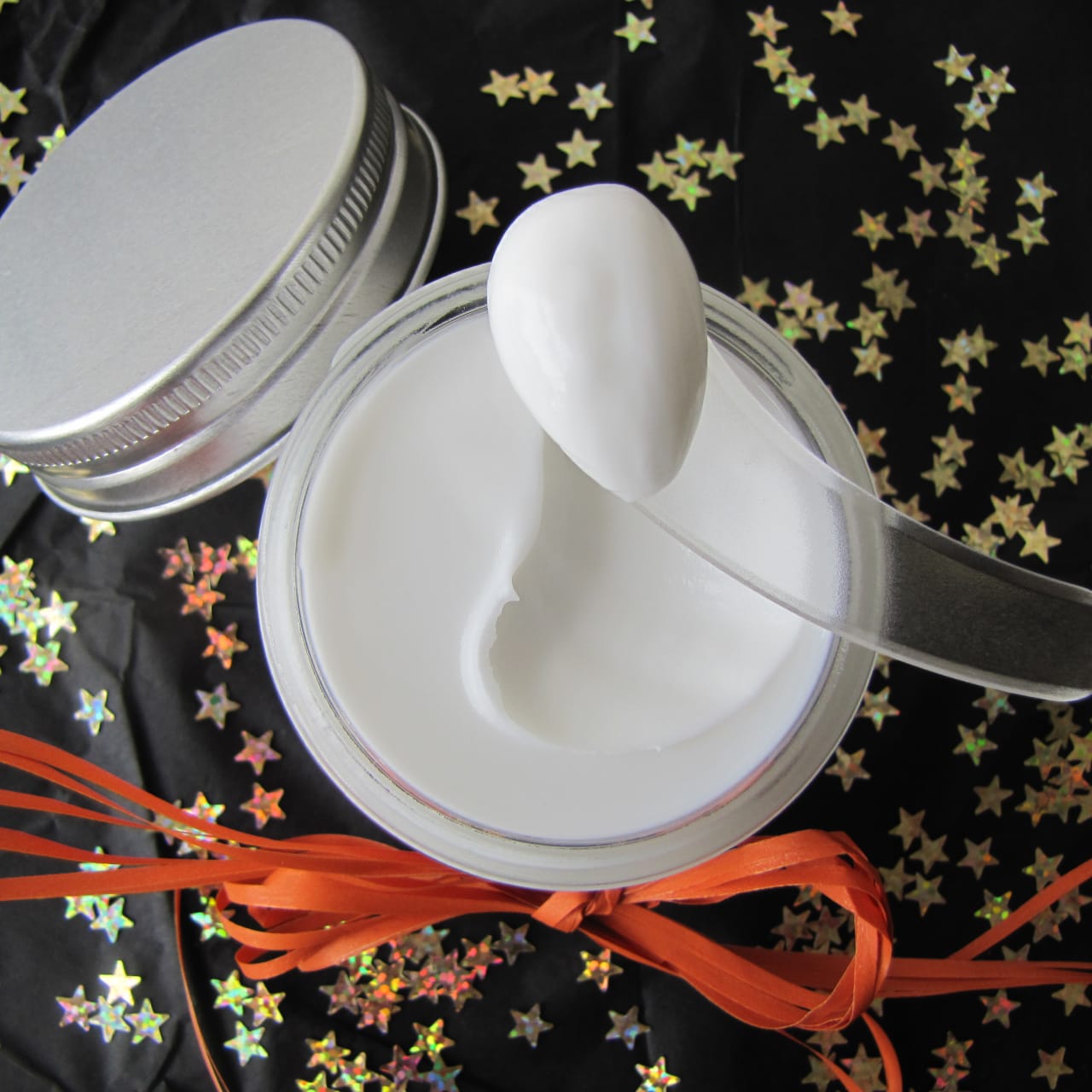
How to do it A rich foot cream is all you need for a moisturizing homemade foot treatment. Apply a thick layer to the top and bottom of your feet, from your toes to your heels. Leave on for 15 minutes to overnight (under cotton socks).

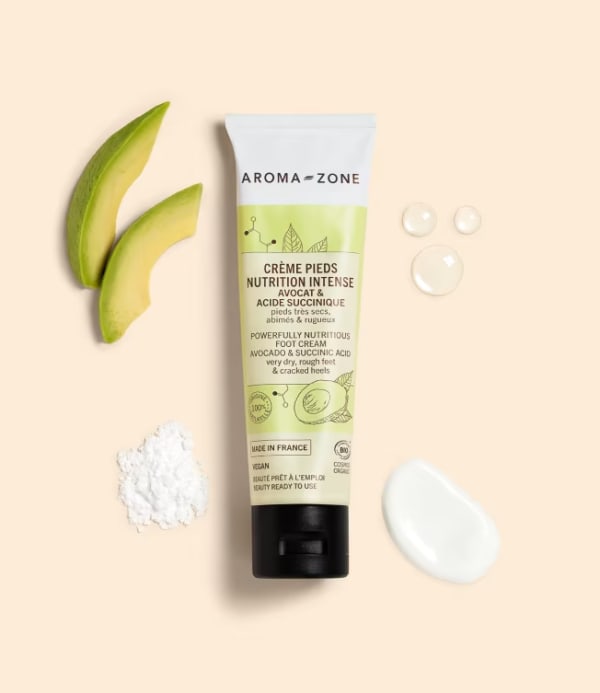
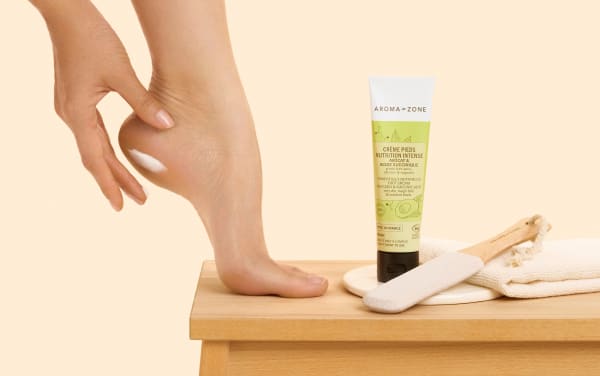
Foot cream – Avocado & Succinic Acid

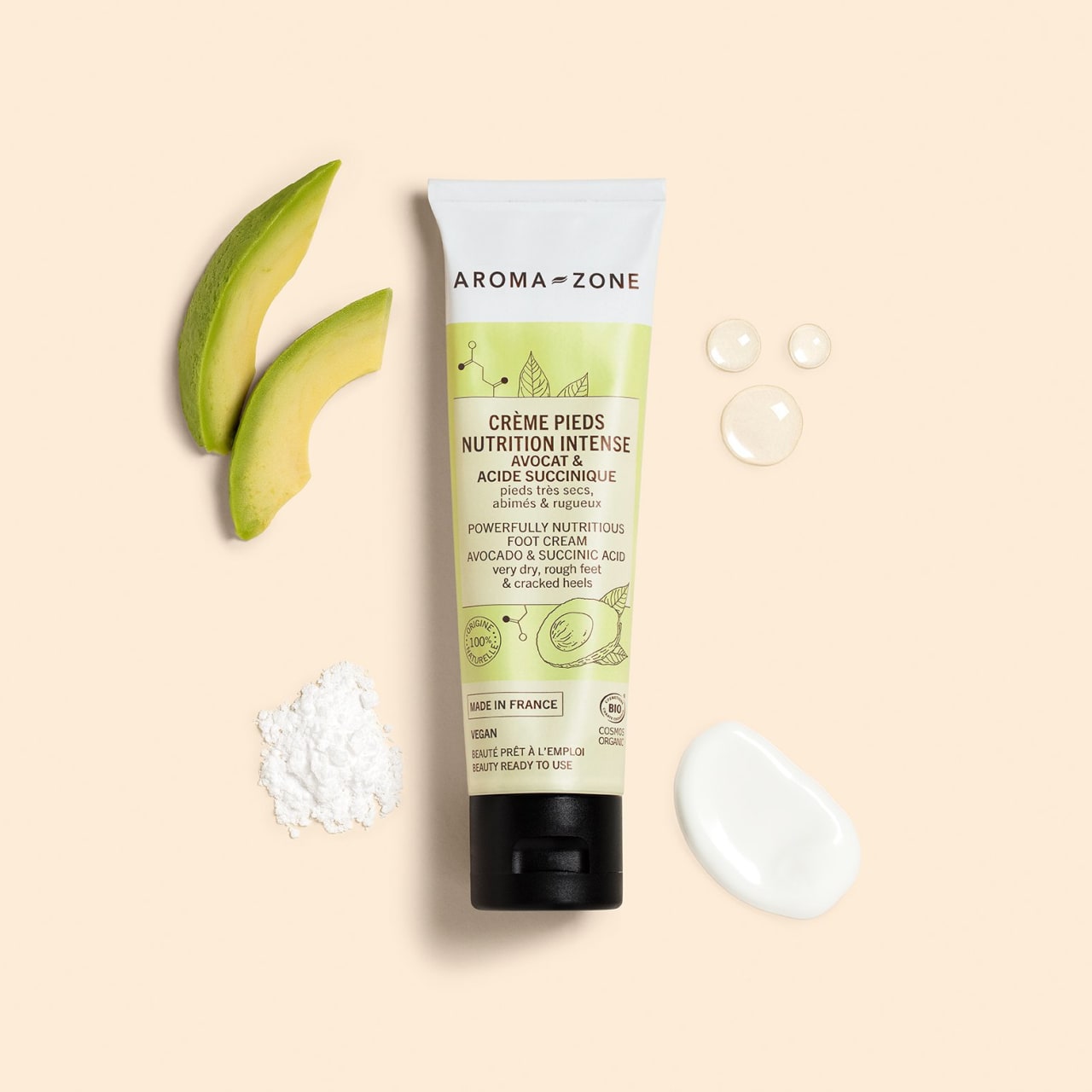
Foot Cream - Avocado & Succinic Acid: Ultra-repairing, this cream exfoliates, softens, nourishes, and protects dry and damaged feet. Its 100% natural and certified organic formula combines keratolytic succinic acid with repairing and protective chia seed extract to prevent and reduce calluses and roughness on hard-working feet.

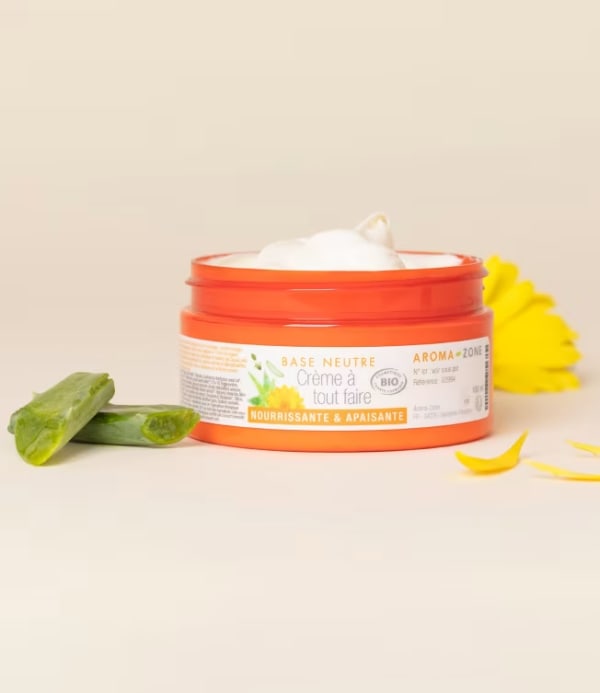
All-purpose cream

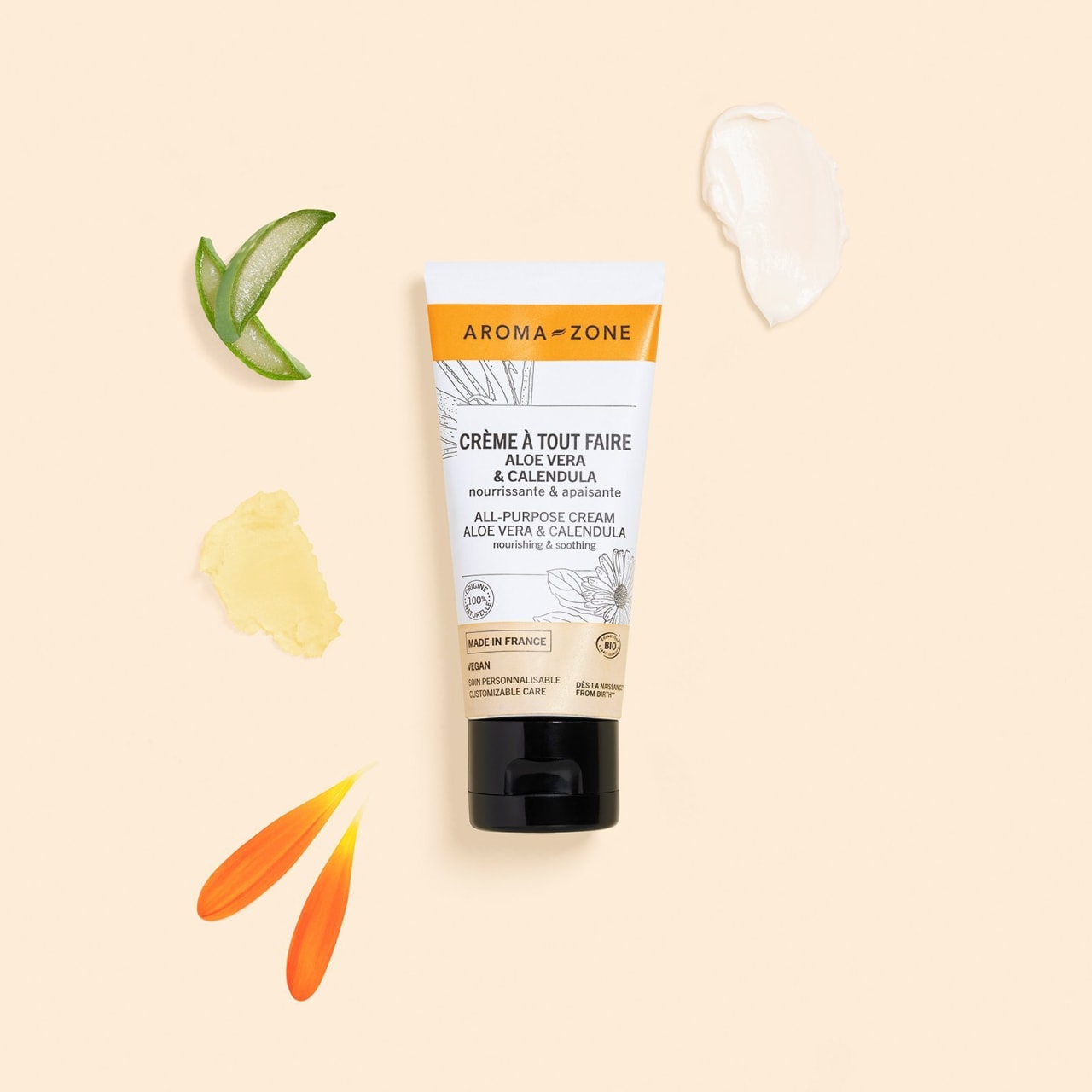
All-purpose cream: This multi-purpose cream nourishes, protects, and softens the skin on your hands, feet, body, and face. 100% natural, it is suitable for the whole family.

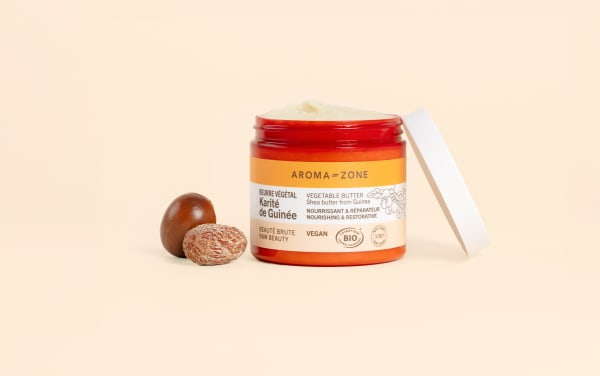
Banner FT Shea Butter from Guinea Open Jar and Ingredients 2500px1566px

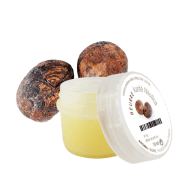
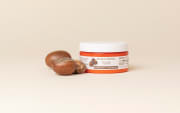
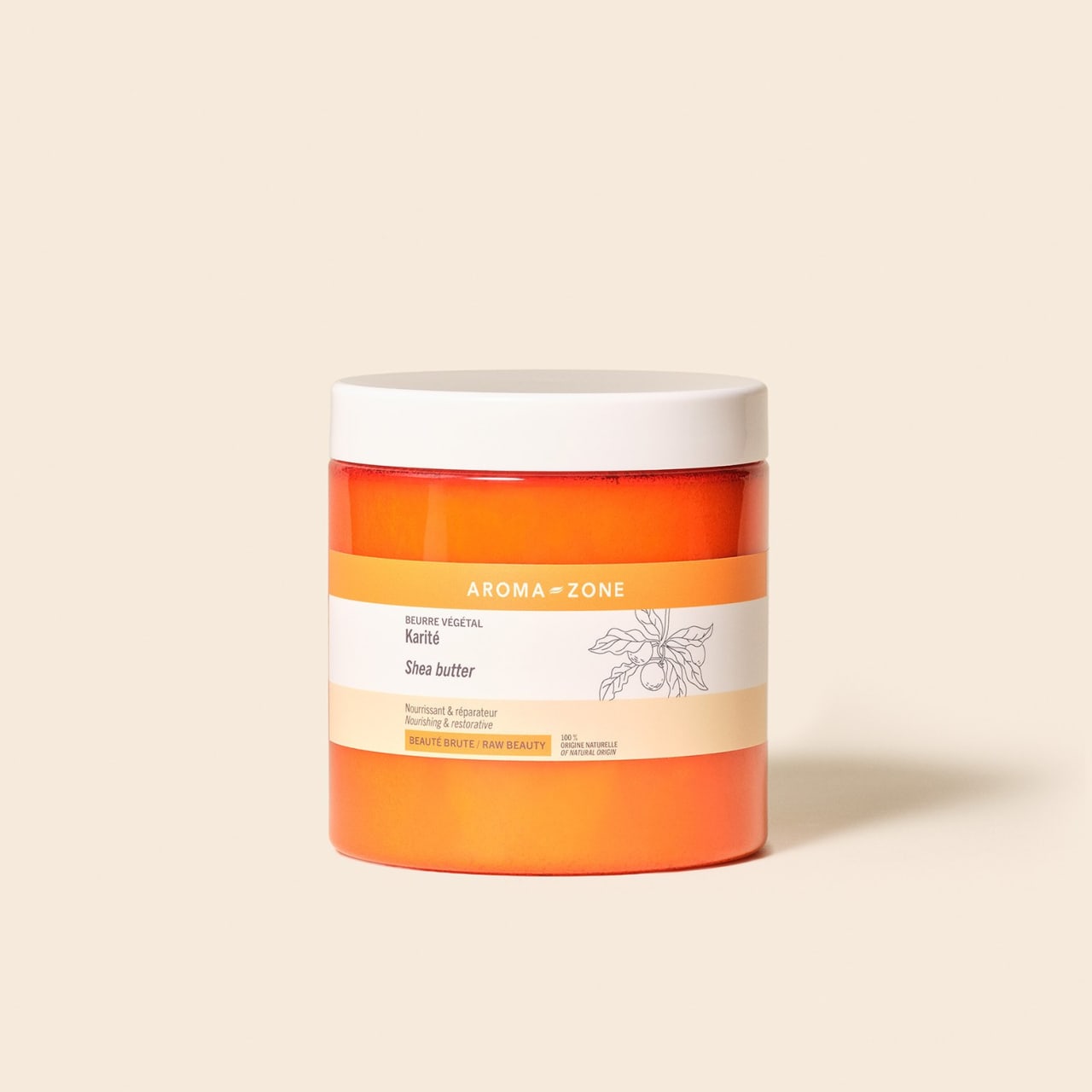
Organic Guinea Shea Butter : highly nourishing, repairing, and protective, this plant-based butter provides intensive care for damaged or cracked heels.

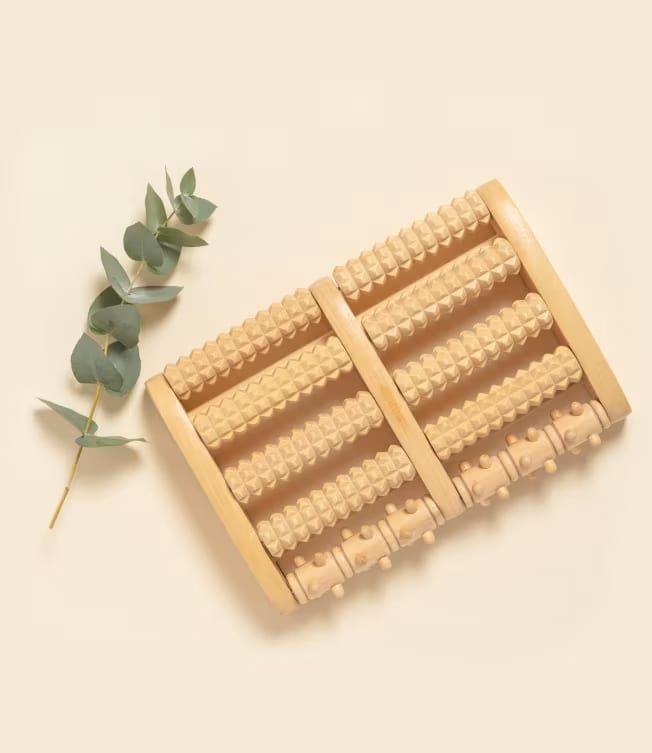
Focus on our wooden foot massager

Wooden foot massager

Wooden foot massager

This massager is the ideal accessory to accompany your homemade foot care routine. Simply roll it under your feet to experience a moment of intense well-being. Its 10 sculpted lotus wood rollers stimulate the arch of the foot according to the principles of reflexology. It helps to relax tired legs and feet. Use it with foot oil or cream.

How to do a pedicure at home?

Epsom salt

1. Start with a foot bath to soften the skin and prepare the nails. Add 2 tablespoons of Epsom salt to a basin of warm water and soak your feet for about ten minutes. Then dry them with a clean towel.

2. Follow up with a foot scrub to remove dead skin cells and soften the skin. Use our olive kernel exfoliating treatment, mixed with a dab of moisturising foot cream, all over the surface of the foot. Focus on the driest and hardest areas. Rinse and dry your skin.

Visual-FT Wooden Foot File Model 3

3. If you have very dry heels or localised thickening of the skin, complete your scrub by using a foot file or a pumice stone on the affected areas.

Foot cream – Avocado & Succinic Acid

4. Next, apply our Avocado & Succinic Acid Foot Cream. Massage the formula in using circular motions, focusing on the driest areas, until it is completely absorbed.

5. Give yourself a foot massage with oil to relax and stimulate blood circulation. Warm a small amount of sweet almond oil, then work on each area of the foot with slow, firm movements, focusing on the arch and heels. Don't forget to wipe off any oil residue with a tissue to prevent slipping!

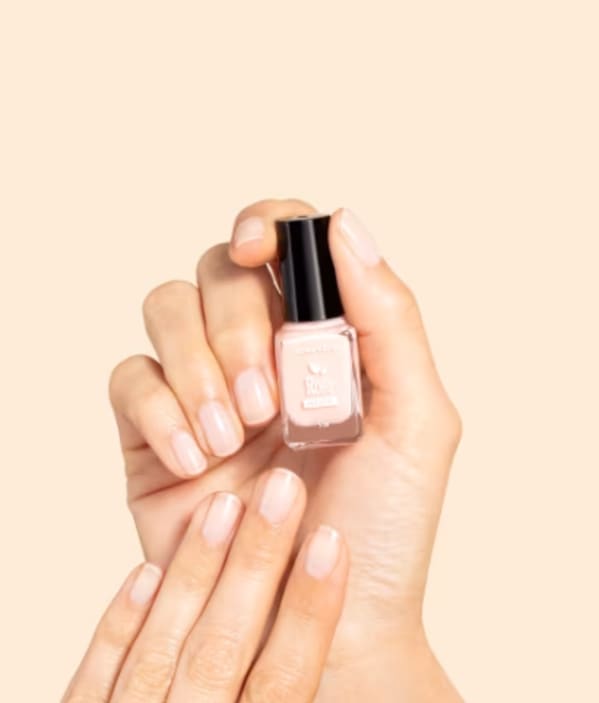
Rose nude nail polish

5. Finally, make your toenails look fabulous! Cut and file your toenails into the shape you want and push back the cuticles. If you want nails without polish, buff their surface with a polishing block, otherwise apply a natural polish preceded by a protective base coat, followed by a top coat.

Our homemade recipes for damaged feet

Precautions

If you notice a recent change in the colour, thickness or shape of your nails, consult a healthcare professional. They will be able to make an accurate diagnosis and recommend appropriate treatment if necessary.

Expert advice

Putting on socks after applying a foot treatment helps optimise the absorption of active ingredients by the skin. Socks create an occlusive effect that increases penetration and prolongs the action of moisturisers. After generously applying your treatment to clean, dry feet, massage until the product begins to penetrate, then put on clean socks, ideally cotton ones. Leave on for at least 20 minutes, or even overnight. This step enhances the effectiveness of your at-home pedicure.
Focus on Our Writer: Hélène Betoux

Hélène Betoux is a French beauty journalist specialising in web media. Every day she writes tips, advice, and guides to help consumers choose the right beauty products. With a strong interest in natural, organic, and clean cosmetics, she analyses and shares trends and innovations in the sector.
Bibliography

  1. NIH, Morphology and composition play distinct and complementary roles in the tolerance of plantar skin to mechanical load, 2019

    https://pmc.ncbi.nlm.nih.gov/articles/PMC6785259/

  2. NIH, Optimal foot skin care for diabetes-related foot ulcer prevention: scoping review, 2025

    https://pmc.ncbi.nlm.nih.gov/articles/PMC12209484/

Frequently Asked Questions

Frequently Asked Questions