Which Vitamins Give You Beautiful Hair?

Which Vitamins Give You Beautiful Hair?


By Hélène Betoux

Published on: Friday, October 04, 2024, Updated on: Wednesday, September 30, 2026

Vitamins are, in a sense, the organic fuel for our hair. And when this energy source runs low at the level of the hair follicles, it shows. Hair seems to grow more slowly, loses vigour, and can fall out in greater numbers. The first place to find vitamins remains, of course, the contents of your plate. You can also boost your hair care routine by taking a hair supplement. Brewer's yeast, an absolute essential rich in B vitamins, ticks many boxes when it comes to supporting the maintenance of normal hair.

Contents

Related products

Vitamins and Hair Health: What's the Connection?

Although most of the hair attached to our scalp is made up of dead cells, the hair follicles themselves are very much alive. To produce new hair and support its growth, they rely on the scalp's microcirculation to deliver a constant supply of nutrients through the bloodstream. These nutrients play an essential role in the hair growth cycle, supporting cellular activity and, in turn, influencing both hair growth and overall hair quality.

Vitamins are organic compounds that the body cannot produce on its own in sufficient amounts. Whatever their role in supporting healthy hair, they must come from one source: our diet. That's why eating a varied and balanced diet every day is so important. Beautiful, healthy hair always starts from within.
Do you know the exception that proves the rule? It’s vitamin D, the only vitamin our body can synthesise under the influence of UVB rays.

Why Take Vitamins in the Form of a Hair Food Supplement?

Did you know? Several vitamin deficiencies are associated with hair loss. This is particularly true for vitamin B5, vitamin B6, and vitamin B8.

There may be times when our body feels a bit sluggish—during seasonal changes, a stressful period, or when we’re overly tired. This is a time when it’s more vulnerable and less efficient. In such cases, without replacing a healthy and varied diet, taking dietary supplements can help support its natural function. When it comes to hair, the goal is usually to prevent occasional hair loss and help maintain healthy hair.

For example, many people look for hair vitamins in autumn, a time of year when seasonal hair shedding tends to increase (often exceeding 100 hairs per day). To help support hair during this period, some choose to take a course of Biotin (vitamin B8) as part of their hair care routine.

What Are the Benefits of Vitamins for Healthy, Beautiful Hair?

Good to know: While vitamin deficiencies can have a negative impact on hair health, excessive intake can be just as harmful. Taking more than your body needs may sometimes have the opposite effect to the one you're looking for, including contributing to hair shedding. The key to healthy hair lies in maintaining balance: not too much, not too little—just the right amount.

Water-Soluble Vitamins

  • B vitamins: These are among the most important vitamins for maintaining healthy-looking hair. There are eight of them, all involved in cellular energy metabolism. A deficiency in B2, B8, B9, and B12 leads to hair loss.

  • Vitamin C: It is a powerful antioxidant. In addition, it is known to promote iron absorption. Since iron is an essential micronutrient for hair, it may be beneficial for reducing the risk of hair loss due to iron-deficiency anaemia.

Fat-Soluble Vitamins

  • Vitamin A: It limits the harmful effects of oxidative stress and may also promote the production of melanin (the hair’s natural pigment). More than a deficiency, it is excessive intake (hypervitaminosis A) that is associated with a risk of alopecia.

  • Vitamin D: Helps stimulate cell proliferation, regulate the hair growth cycle and support hair regeneration. The risk of deficiency tends to increase during autumn and winter, which may partly explain why seasonal hair shedding is often more noticeable at these times of the year.

  • Vitamin E: Acts as a natural antioxidant, helping to protect cell membranes from damage caused by free radicals. By limiting oxidative stress, it may help reduce the premature ageing of the hair fibre, such as the appearance of white hair, thinning hair and increased hair shedding. Vitamin E can also be applied topically as a cosmetic ingredient in hair and skincare formulations.

Focus on Keratin - Dietary Supplement

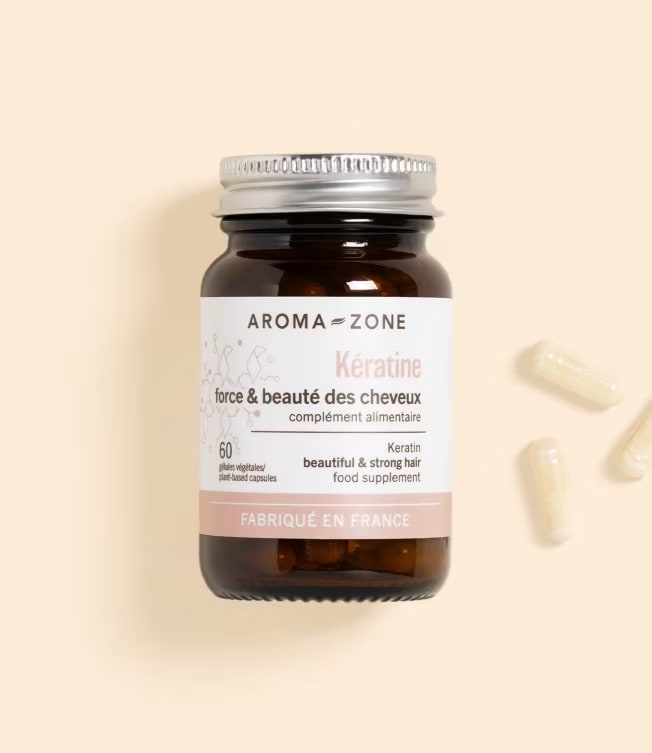
These capsules contain Cynatine HNS®, a patented grade of hydrolysed keratin derived from an innovative process that preserves the amino acids that make up keratin and optimises their bioavailability. Its effectiveness has been clinically demonstrated in improving hair resilience, strength and shine, as well as hair quality and reducing daily hair loss associated with styling. Studies also show benefits for skin beauty, elasticity, and the quality and strength of nails.

Discover Keratin - Dietary Supplement

Which Is the Best Vitamin for Healthy Hair?

Hair Loss: Which Vitamin Should You Choose?

Vitamin B8 (also known as “Biotin” or “Vitamin H”): If you choose to take a food supplement, opt for a product providing a minimum concentration of 7.5 mg of Biotin per 100 g or 100 mL.

In my diet: Biotin can be found in foods such as chicken liver, kidneys, brewer’s yeast, almonds, whole grains, egg yolks, mushrooms, lentils and more.

Which Vitamin Helps Thicken Hair?

Vitamin E: Oral supplementation with tocopherols showed encouraging results for hair growth in a 2010 study. Hair count increased by 34.5% over 8 months. These results may be linked to its antioxidant properties. Note, however, that vitamin E deficiencies are very rare. Rather than opting for a supplement, which may not necessarily be of much help, start by monitoring your intake through your diet.

On my plate: wheat germ oil, nuts such as cashews, butter, walnut oil, etc.

The Winning Combination for Hair: Vitamins, Minerals and Trace Elements

Dietary supplements containing vitamins for hair are blends of various ingredients. These are active ingredients designed to work together synergistically to provide complementary benefits for the hair. In your “treatment” capsules, vitamins are therefore often combined with other relevant nutrients, such as minerals and trace elements.

  • Sulfur: A component of keratin, the main protein that makes up hair, sulfur is essential for hair formation and growth.

  • Selenium: Involved in the synthesis of more than 35 proteins, selenium also has antioxidant properties that may help protect hair and nails from premature ageing.

  • Iron: As a component of haemoglobin, iron helps transport oxygen to cells. Iron-deficiency anaemia is one of the factors commonly associated with hair loss, particularly in women.

  • Zinc: It supports the process of keratogenesis, i.e., hair production (= keratin shafts). Zinc deficiencies are sometimes associated with alopecia.

  • Copper: Essential for melanogenesis, it contributes to hair pigmentation. It also helps protect against free radicals and maintain connective tissue.

OUT (Cosmetic Care): Which Natural Routine Can Help Strengthen Hair?

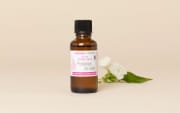
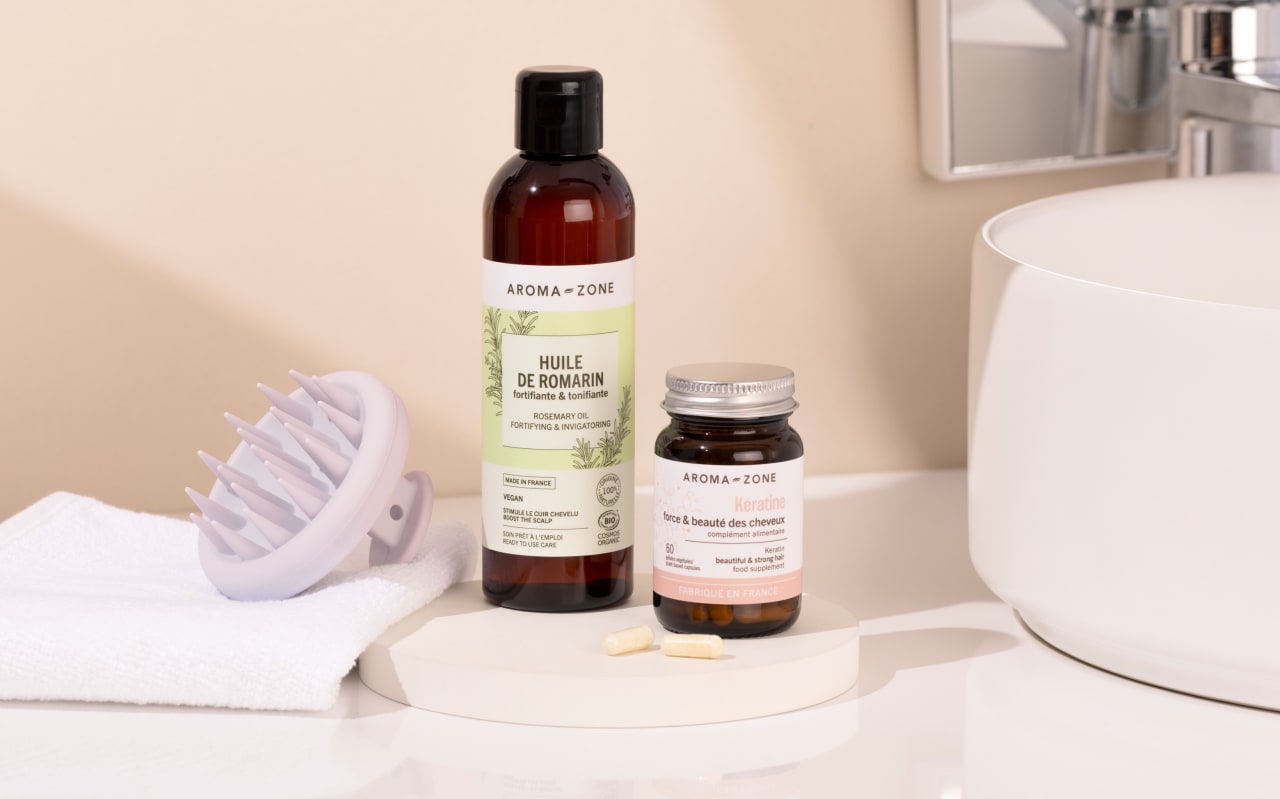
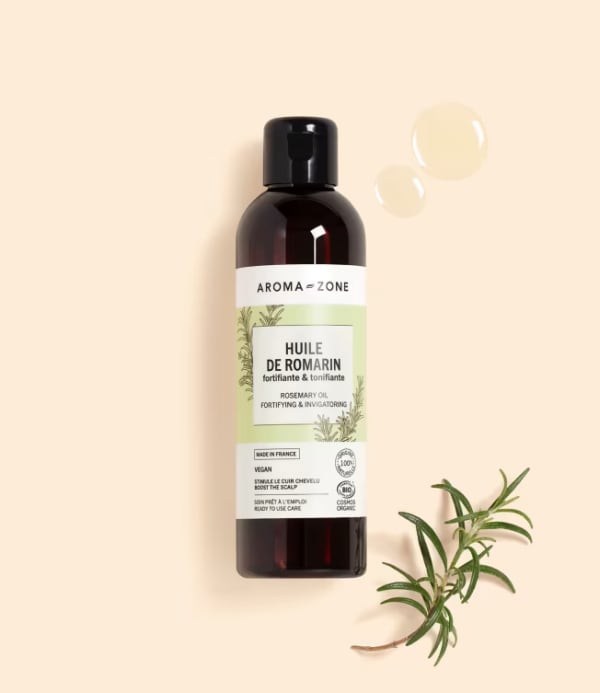
1. Massage your scalp with Rosemary Oil Macerate. Easy to use, this oil-based treatment is ideal for toning the scalp and supporting hair growth. Apply a few drops to your roots, section by section. Use your fingertips to perform slow, deep circular massages. Leave on for 10 to 30 minutes before rinsing.

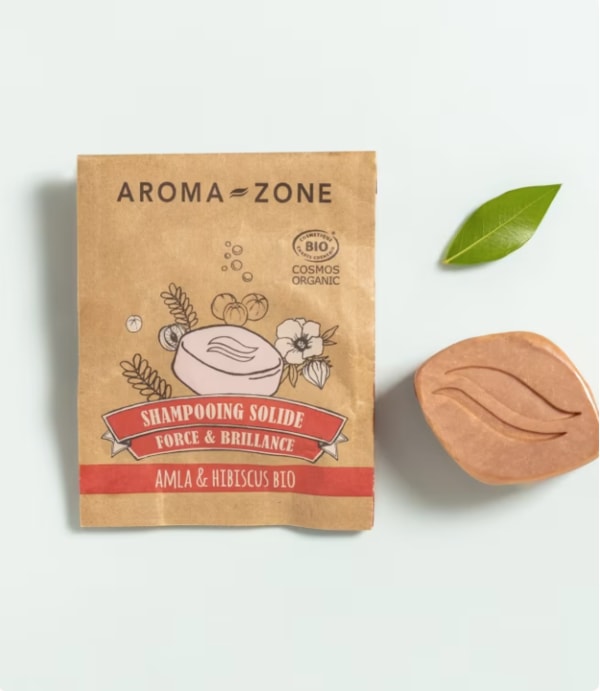
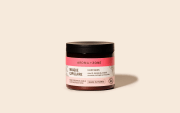
2. Wash your hair with the Force & Brilliance Solid Shampoo. Its BIO blend of Amla powder, Mustard oil and Hibiscus oil makes it particularly suitable for brittle and dull hair. Wet your hair, quickly run the shampoo bar under warm water and massage it into your roots. Work into a lather, then rinse thoroughly. Follow with a conditioner if needed.

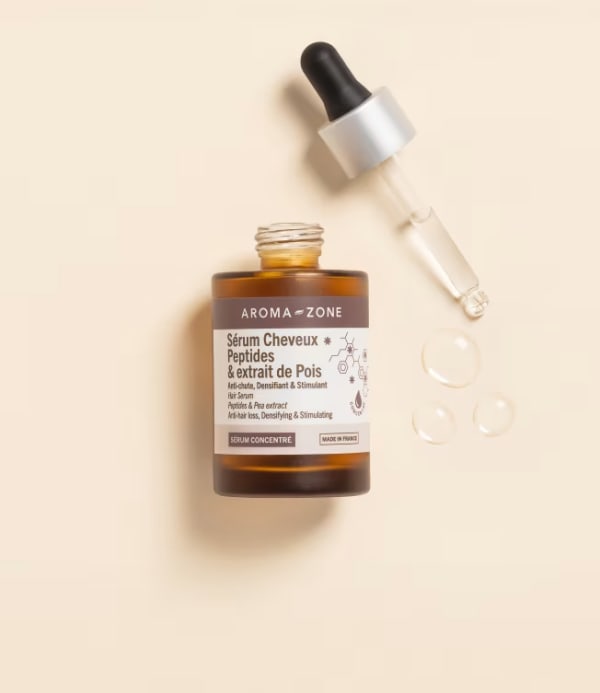
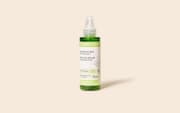
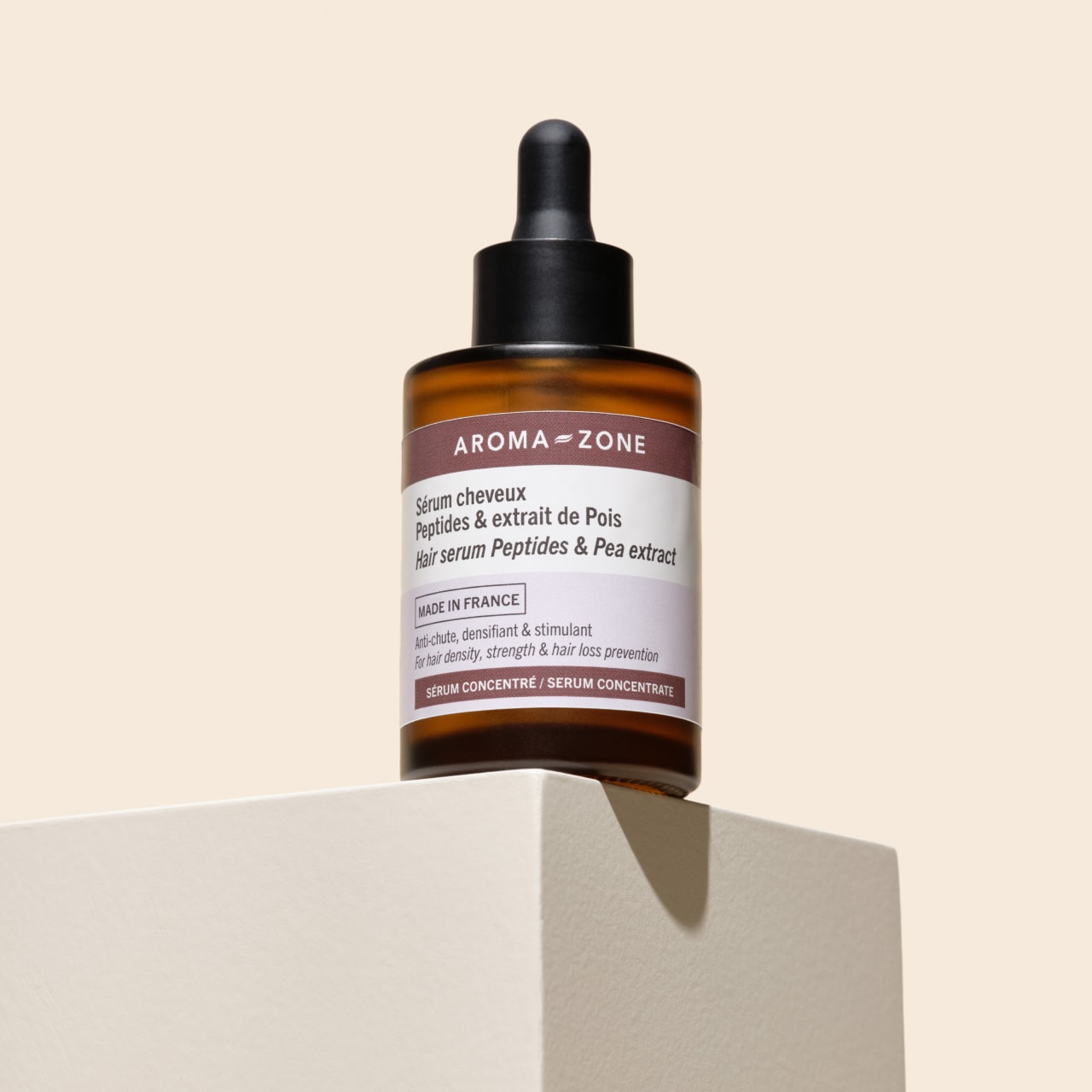
3. Dry your hair. Finish with the Anti-Hair Loss Serum. Its concentrated formula is designed to help reduce occasional hair shedding linked to nutritional deficiencies, stress, seasonal changes or hormonal fluctuations. Every day, massage 1 to 2 pipettes directly into your scalp.

IN (Food Supplements): Our Natural Solutions to Strengthen Hair

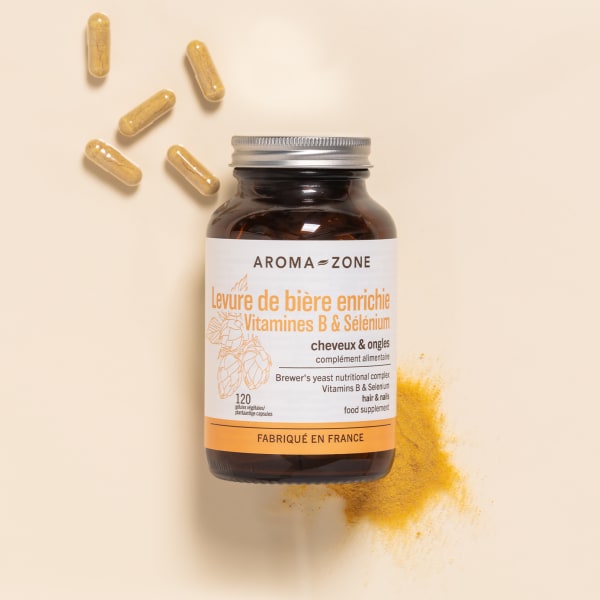
1. Enriched Brewer’s Yeast: This food supplement contains all the B vitamins (B1, B2, B3, B5, B6, B8, B9 and B12). Its strengthening and beautifying benefits are enhanced by selenium-enriched yeast, a source of selenium. Formulated without unnecessary additives.

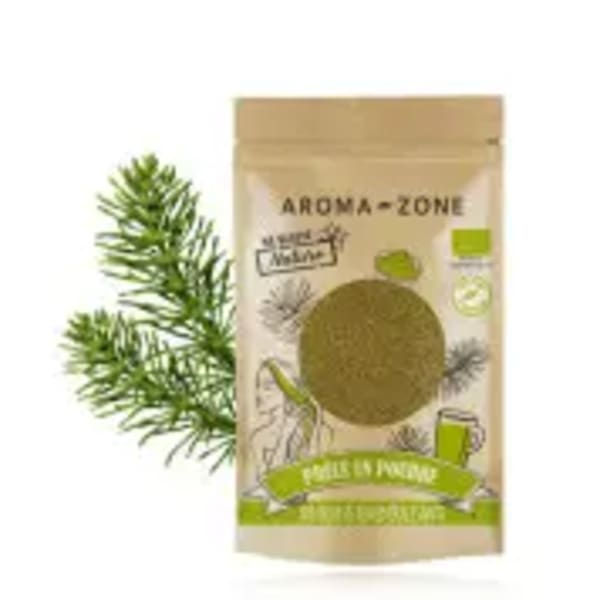
2. Organic Horsetail Powder: Horsetail is a plant-based ally that has long been recognised for its benefits on limp, fragile and damaged hair. Naturally rich in silica, it is known for helping strengthen the hair fibre and support hair growth.

spiruline

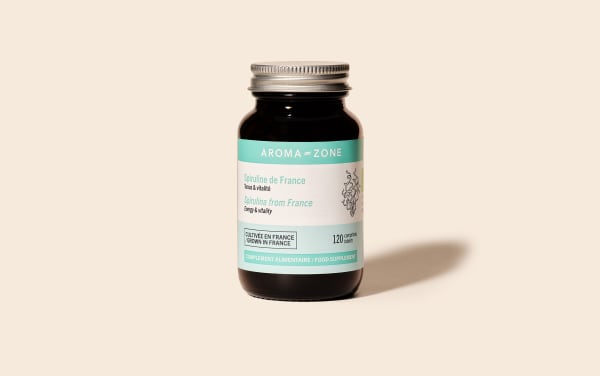
3. Organic Spirulina from France: This is a high-quality, nutrient-rich algae. Its cold-compression process helps preserve its naturally high content of iron, proteins, and phycocyanin (an antioxidant). Ideal for a strengthening and beauty-focused hair care treatment.

Our Homemade Recipes to Enhance Your Hair’s Beauty

Precautions for Use

Food supplements should not be used as a substitute for a varied and balanced diet or a healthy lifestyle. Do not exceed the recommended daily intake. For adults only.

The supplements mentioned here may not be suitable or may be contraindicated for certain individuals depending on their health status. We recommend seeking advice from a healthcare professional before starting a vitamin-based hair supplement.

Some cases of alopecia (hair loss) may require medical attention if they persist for more than 6 weeks. Do not hesitate to consult a healthcare professional.

Expert Advice

Vitamins are important, but they are not enough on their own to achieve beautiful hair! Hair strength relies on maintaining a balanced nutritional intake day after day. Alongside proteins, we often overlook the importance of so-called “anti-inflammatory” foods. These include natural sources of omega-3, such as oily fish, flaxseed oil and marine algae. By helping regulate inflammatory processes, these nutrients support an optimal hair growth cycle.

Focus on Our Writer: Hélène Betoux

Hélène Betoux is a French beauty journalist specialising in web media. Every day she writes tips, advice, and guides to help consumers choose the right beauty products. With a strong interest in natural, organic, and clean cosmetics, she analyses and shares trends and innovations in the sector.

Bibliography

  1. Almohanna HM, Ahmed AA, Tsatalis JP, Tosti A. The Role of Vitamins and Minerals in Hair Loss: A Review.

    Dermatol Ther (Heidelb). 2019 Mar;9(1):51-70. doi: 10.1007/s13555-018-0278-6. Epub 2018 Dec 13. PMID: 30547302; PMCID: PMC6380979.

  2. Rajput RJ. Influence of Nutrition, Food Supplements, and Lifestyle on Hair Disorders.

    Indian Dermatol Online J. 2022 Oct 21;13(6):721-724. doi: 10.4103/idoj.idoj_175_22. PMID: 36386748; PMCID: PMC9650738.

  3. Beoy LA, Woei WJ, Hay YK. Effects of tocotrienol supplementation on hair growth in human volunteers. Trop Life Sci Res.

    2010 Dec;21(2):91-9. PMID: 24575202; PMCID: PMC3819075.

Frequently Asked Questions

Frequently Asked Questions