











How do I start a course of magnesium?

How do I start a course of magnesium?


By Lucie Granjon

Published on: Thursday, December 07, 2023, Updated on: Wednesday, October 28, 2026

Fatigue, muscle cramps, irritability, low mood, difficulty coping with stress… there are several signs that may indicate you are suffering from a magnesium deficiency. We’ll take a closer look at the different forms of magnesium, the benefits of taking supplements, and all our tips for successful treatment with a mineral that is essential for wellbeing.

Contents

Related products

Magnesium: what is it?

Magnesium, alongside sodium, potassium and calcium, is one of the human body’s most abundant minerals. The vital mineral, which plays a role in over 300 enzymatic reactions within the body, belongs to the alkaline earth metals family. On the periodic table of elements, its atomic number is 12 and its symbol is Mg. Magnesium is found in nature (in the Earth’s crust, on land and in the oceans) and in the human body, where it plays a role in numerous metabolic processes and physiological functions. In our bodies, magnesium is mainly stored inside our cells, bones and teeth (50 per cent of our magnesium reserves), with the remainder found in the muscles, liver, heart and kidneys. Magnesium is essential for the formation of bones and teeth, and for proper nerve and muscle function. Magnesium plays a role in the absorption of vitamin D, in potassium metabolism and, above all, in calcium metabolism. Indeed, one of magnesium’s main roles is to balance calcium absorption by helping the bones to bind it. Please note: Magnesium is neither synthesised by the human body nor stored; therefore, this mineral must be obtained through the diet and, in the event of a magnesium deficiency, via dietary supplements.

Minerals and trace elements: what’s the difference?

Magnesium is not a trace element. Magnesium is one of the major minerals in the body, found in abundance inside it alongside potassium, calcium, phosphorus and sodium. These essential minerals are referred to as mineral salts, mineral compounds or macronutrients. Trace elements, on the other hand, are also minerals but are present in the body in very small quantities. If taken in excess in the form of dietary supplements, certain trace elements can become toxic. Examples of these trace elements include fluorine, iron, copper, manganese, selenium and zinc.

What are magnesium’s chemical properties?

Symbol: Mg

Atomic number: 12

Group: Alkaline earth metals (Group 2 of the periodic table)

Reactivity:

  • Reacts with hot water (slowly) and with water vapour.

  • Reacts vigorously with acids, releasing hydrogen.

  • Burns with a bright white flame in the presence of oxygen to form magnesium oxide (MgO).
What are the properties of magnesium?

In our bodies, magnesium is mainly stored inside our cells, in our bones and teeth (50 per cent of our magnesium reserves), with the rest found in the muscles, liver, heart, kidneys… Magnesium is essential for the formation of bones and teeth, and for proper nerve and muscle function. Magnesium plays a role in the absorption of Vitamin D, as well as in the metabolism of potassium and, above all, calcium. Indeed, one of magnesium’s main roles is to balance calcium absorption by helping the bones to bind calcium.

What are the benefits of a magnesium treatment?

  • Helps combat stress: Magnesium helps prevent depression and mood disorders. It contributes to the normal functioning of the nervous system

  • Relieves cramps: Magnesium helps prevent muscle cramps and tetany

  • Regulates minerals in the body: Magnesium helps maintain electrolyte balance 

  • Contributes to protein synthesis: Magnesium promotes the regeneration of muscle tissue after exercise, the proper functioning of the immune system, and the health of the skin, nails and hair.

  • Reduces fatigue: Magnesium reduces fatigue by playing a role in the production of ATP (adenosine triphosphate), the cells’ main source of energy. A magnesium deficiency can lead to feelings of tiredness, weakness or even exhaustion, as the cells can no longer produce enough energy.

  • Contributes to energy metabolism: Magnesium enables the body to efficiently convert the nutrients we ingest into energy from the food we eat.

Signs of a magnesium deficiency

Neurological and psychological symptoms

  • Persistent fatigue

  • Anxiety, irritability

  • Sleep disorders

  • Frequent headaches or migraines

Muscle symptoms

  • Muscle cramps (especially at night)

  • Spasms, involuntary contractions (particularly of the eyelids or calves)

  • Tingling or numbness

Cardiovascular symptoms

  • Palpitations, arrhythmias (irregular heartbeat)

  • Hypertension (high blood pressure)

Digestive symptoms

  • Loss of appetite

  • Nausea, vomiting

  • Constipation

Other signs

  • Brittle nails, hair loss

  • Hypocalcaemia (low calcium levels) or hypokalaemia (low potassium levels), often occurring together

How do I start a course of magnesium? Our advice

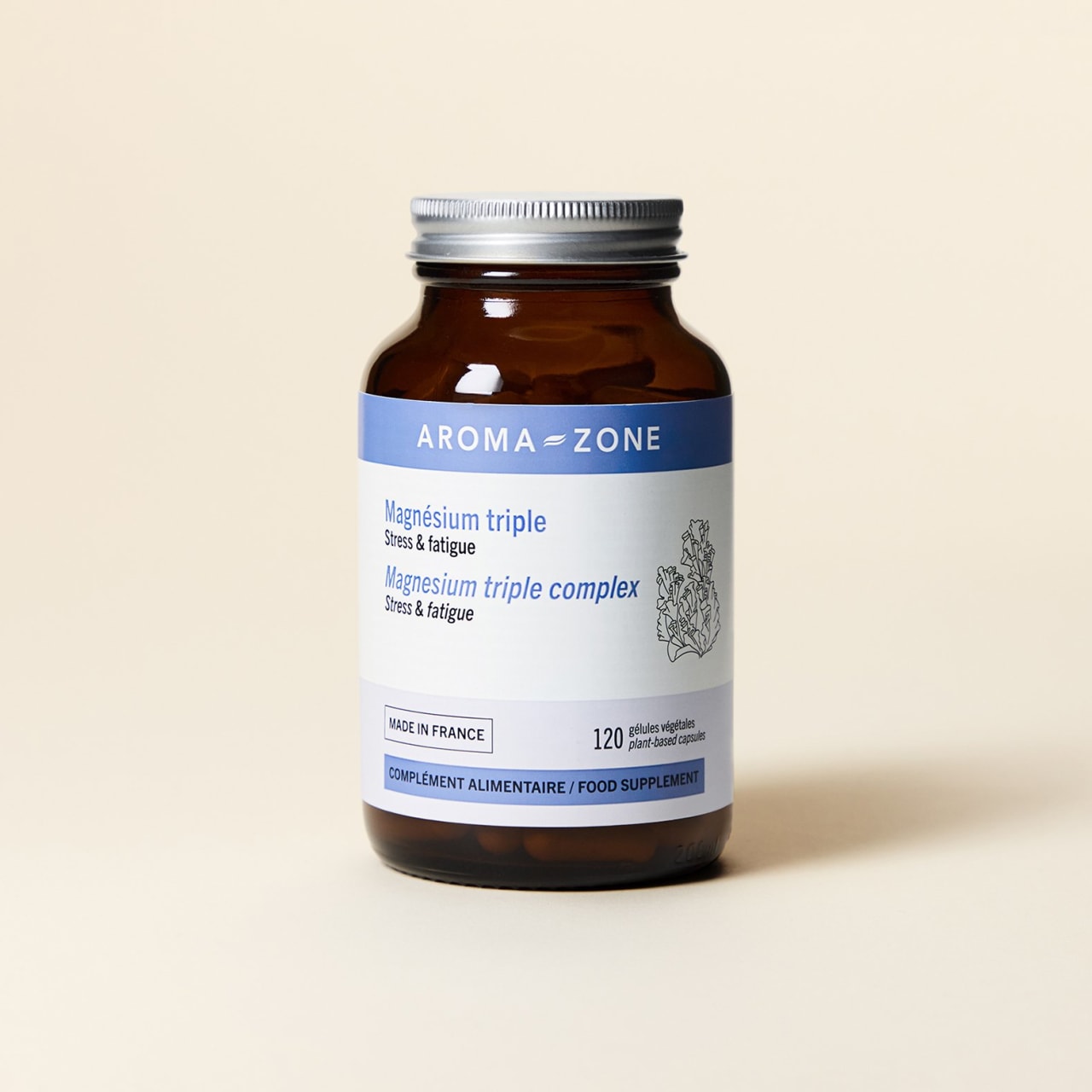
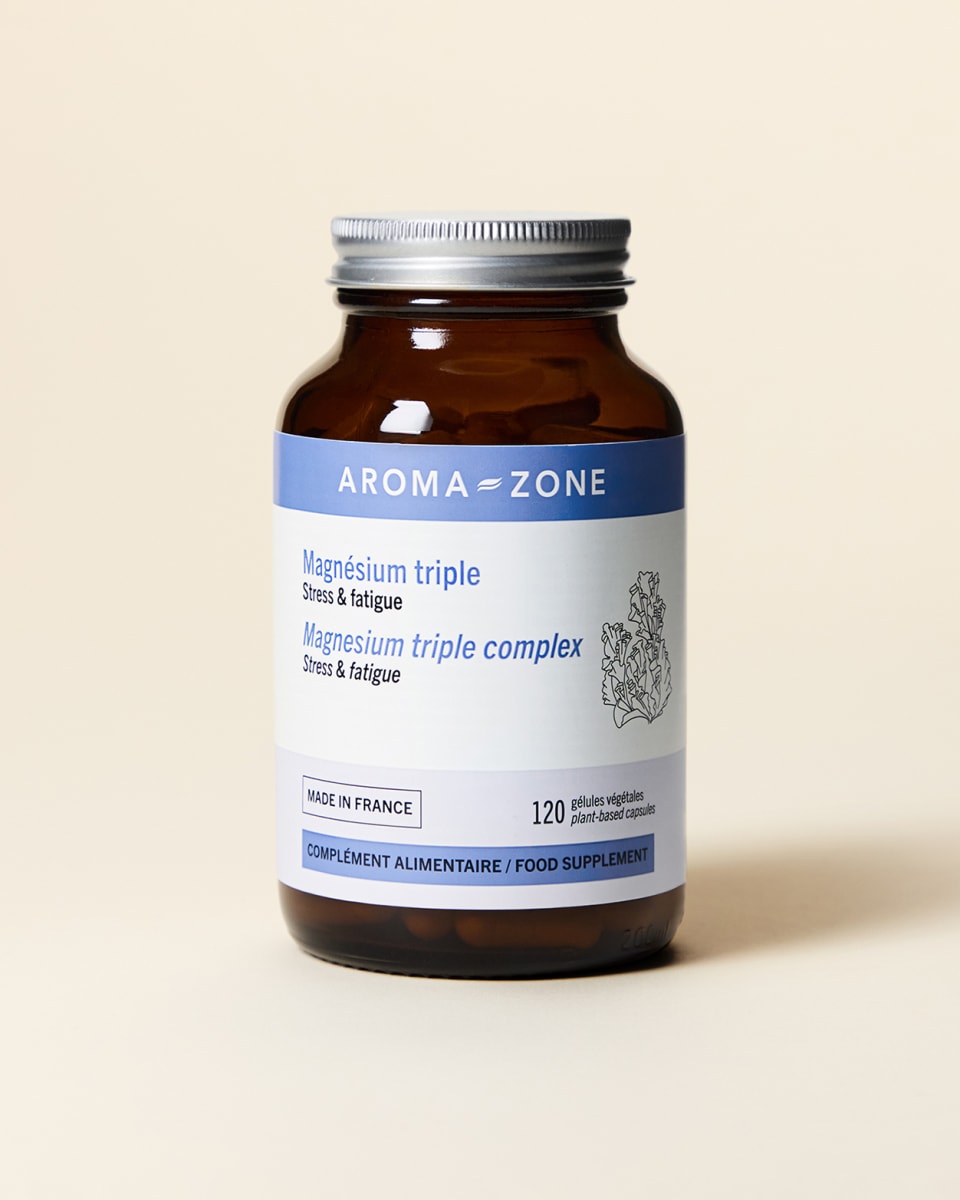
The Aroma-Zone Marine Magnesium dietary supplement combines three highly bioavailable forms of magnesium in plant-based capsules, free from unnecessary additives. This vegan dietary supplement combines three forms of magnesium to offer high magnesium content: 

  • Magnesium bisglycinate: recognised as one of the best sources of magnesium, highly bioavailable and very well tolerated by the digestive system. It is 100% pure, 100% chelated and free from magnesium oxide.

  • Marine magnesium: extracted from seawater off the coast of Ireland and highly purified, this 100% naturally sourced form of magnesium contains 72 other trace minerals that work synergistically to optimise the body’s use of magnesium. Studies show that it is well absorbed by the body

  • Organic sea lettuce extract: this 100% natural extract has a magnesium content of 25%, increasing the magnesium content of our supplement and so reducing the number of capsules needed each day.

Magnesium_Triple_120_capsules_-_Dietary_supplement

Triple Magnesium dietary supplement

This dietary supplement combines three forms of magnesium for optimal effectiveness, offering both high bioavailability and a high magnesium content: magnesium bisglycinate, marine magnesium and organic sea lettuce extract. Recommended for fatigue and stress, as well as for muscle recovery, magnesium helps reduce fatigue and supports the proper functioning of the nervous system; it promotes normal muscle function and protein synthesis, and contributes to bone health.

Discover our Triple Magnesium dietary supplement

Why take a magnesium supplement?

Several factors can lead to a magnesium deficiency and prompt you to take a magnesium supplement: 

You lead a very hectic and stressful lifestyle: If you have a confirmed magnesium deficiency, a magnesium supplement course is a recognised way to help to reduce fatigue, manage stress more effectively, alleviate sleep disturbances, and relieve nervousness.

You have been suffering from prolonged constipation: If you are suffering from constipation, a magnesium course can help you relax and may have a mild laxative effect.

To promote muscle recovery: For athletes, particularly when an intense training session is planned, magnesium should ideally be taken after exercise to promote relaxation, muscle recovery and prevent cramps.

Is it a good idea to take a course of magnesium?

Generally speaking, a course of magnesium can be very beneficial, especially if you’re experiencing signs of a deficiency or your lifestyle puts you at risk of increased magnesium loss. But as with everything, it needs to be well-targeted and tailored to your needs. We’ll go into more detail about when to consider a course of magnesium.

When should you take magnesium?

Fatigue: Often, one of the first symptoms of a magnesium deficiency is the well-known twitching eyelid. Several other signs may alert you to a possible magnesium deficiency, including feeling tired as soon as you wake up despite a full night’s sleep, followed by bouts of fatigue during the day.

Muscle cramps: Physically, it is common to experience muscle cramps when magnesium levels are low, including night-time calf cramps. You may also feel a tingling sensation in your hands and feet. Some people are also prone to heart palpitations

Mood swings: A magnesium deficiency can also affect your mood, leading to feelings of depression, anxiety, irritability, distress, nervousness and difficulty coping with stress. A lack of magnesium can also disrupt sleep, leading to insomnia.

Brittle nails: Other signs of magnesium deficiency include: greater than normal hair loss, brittle nails, and reduced resistance to seasonal viruses.

Please note: If you experience one or more of these symptoms, you may need to increase your magnesium intake. Taking magnesium as a short course of treatment may therefore be beneficial.

How to take a course of magnesium?

Time of day

Morning or evening: You can take magnesium capsules at any time of day, but for better absorption it is advisable to take this dietary supplement with a meal. 

To promote sleep: Taking a dose in the evening is beneficial, and to combat stress, taking a dose in the morning may be helpful. If you take 2 or 3 capsules a day, it is also a good idea to spread the doses out over different times (for example, morning and evening) to ensure a steady intake.

Duration: Generally 1 to 2 months 

Please note: Consistency is an important way of ensuring dietary supplements are effective, so we recommend getting into the habit of taking your capsules at the same time every day, for example one in the morning with breakfast and one in the evening with dinner.

Dosage

Our Aroma-Zone Triple Magnesium dietary supplement, taken as 3 capsules a day, provides the recommended daily intake of 300 mg per day or 80% of the NRV, which corresponds to the dose most commonly recommended by professionals for magnesium supplementation. Spreading this dose over 3 capsules allows you to space out your intake throughout the day, ensuring a continuous supply and better absorption, whilst also enabling you to adjust the dose according to individual needs and circumstances, by taking between 1 and 3 capsules a day.

Duration of the course: We recommend a course of 40 days to 3 months to reap the benefits of magnesium supplementation.

Contraindications

Organic sea lettuce extract (seaweed) provides a small amount of iodine (< 10 µg for the daily dose of 3 capsules, i.e. less than 6.7 per cent of the reference nutritional value of 150 µg/day for iodine). If you have thyroid problems, seek advice from your doctor.

Do not exceed the recommended dose: magnesium may cause laxative side effects in some people. If you experience diarrhoea whilst taking magnesium supplements, stop taking them and speak to your doctor. You may also opt for magnesium malate, the most bioavailable form of magnesium. It aids the absorption of nutrients in the gut and helps prevent digestive discomfort.

Similarly, magnesium supplementation is intended for adults only. If you suspect your child has a magnesium deficiency, speak to your paediatrician or GP, who will be able to make a diagnosis and offer advice.

See also our article on Magnesium Citrate, which also has good bioavailability.

What routine should you follow to maximise the benefits of your magnesium treatment?

  1. Stay hydrated with magnesium-rich water: Opt for mineral waters, known for their high magnesium content. Regular hydration helps your body absorb minerals.  

  2. Choose a magnesium-rich diet: Include foods that are naturally rich in magnesium in your meals, such as: Dark chocolate (70 per cent cocoa or more), walnuts, almonds and pumpkin seeds, bananas, spinach, avocados and pulses

  3. Maintain a good electrolyte balance: Electrolytes work in synergy with magnesium to support your muscle and nerve functions.  

  4. Choose the right supplements: Follow the dosage recommended by your healthcare professional to avoid any risk of overdose. Opt for supplements containing magnesium in an easily absorbed form, such as bisglycinate.

  5. Minimise factors that lead to magnesium loss: Avoid excessive consumption of alcohol, caffeine and refined sugars, which can limit magnesium absorption.

Magnesium deficiency: what are the risks?

In the body, calcium and magnesium form a balanced pair that work together. Magnesium acts as a calcium channel blocker at the cellular level. A magnesium deficiency leads to an excess of calcium, which enters the cells and causes muscle cramps, fibromyalgia, vasoconstriction, headaches and anxiety. Magnesium helps the bones to bind calcium. A lack of magnesium can therefore cause calcium to be released from the bones, leading to calcifications, particularly in older people. This calcium can also migrate into the arteries – a condition known as calcific atherosclerosis – or into the kidneys, causing kidney stones. If the magnesium deficiency is severe, this is known as hypomagnesaemia, which can then cause nausea, cramps, vomiting, loss of appetite, muscle spasms and tremors.

Precautions

The Aroma-Zone Triple Magnesium dietary supplement is not a substitute for a varied and balanced diet and a healthy lifestyle. Do not exceed the recommended daily dose (1 to 3 capsules per day for the Aroma-Zone Triple Magnesium dietary supplement).

Expert advice

Magnesium supplementation during pregnancy: A magnesium deficiency in pregnant women can be exacerbated by the demands of the foetus and, subsequently, the newborn during breastfeeding. It is recommended to take a course of magnesium supplements during pregnancy and at the start of breastfeeding; however, pregnant or breastfeeding women should always seek advice from a doctor or midwife before taking any supplements.

Spotlight on Our Naturopathic editor, Lucie Granjon

Long passionate about plants and their properties, Lucie started her career with a perfumer before moving into the world of natural beauty and aromatherapy over 10 years ago. She supports ethical and socially responsible brands with their development strategy, product formulation and the expertise behind the advice they provide to their customers. Lucie has worked with our Aroma-Zone teams on several books, notably *The Comprehensive Guide to Aromatherapy and Natural Cosmetics*. Alongside all this, she has been training for several years in the practices of aromatherapy, herbalism and the distillation of essential oils, whilst also supporting the work of French plant growers.

Bibliography

  1. “The Role of Vitamin D in the Regulation of Magnesium Homeostasis” (2015) - [The Role of Vitamin D in the Regulation of Magnesium Homeostasis]

    https://www.mdpi.com/2072-6643/7/7/463

  2. Grases, F., et al. “Effect of Phytates on Elemental Bioavailability in the Human Body.” The Journal of Nutritional Biochemistry, vol. 15, no. 5, 2004

Frequently Asked Questions

Frequently Asked Questions

Associated recipe

Associated tips