Magnesium bisglycinate - what is it?

Of all the forms of magnesium, bisglycinate is without doubt the one that is best absorbed by the body. With virtually no side effects, it is particularly recommended for physically active people and top-level athletes because of its action on muscle recovery. But what is it made of, how does it work, and are there any contraindications? We tell you all about magnesium bisglycinate.

Reading time: 0 min.

What is magnesium bisglycinate?

Magnesium is an essential mineral for our bodies to function properly. While in its 'natural' form it is found in many of our foods, there are 'synthetic' formulas that are excellent for our health. Among the various forms of magnesium supplements available on the market, bisglycinate stands out for its high bioavailability and excellent tolerance.

Magnesium bisglycinate is a form of magnesium in which one molecule of magnesium is linked to two molecules of glycine, an essential amino acid. This bond means that the magnesium is more soluble and more easily absorbed by the body. Unlike other forms of magnesium, such as magnesium oxide, known for its laxative effects, magnesium bisglycinate is also very well tolerated by the digestive system.

Why take magnesium bisglycinate?

Magnesium bisglycinate is particularly beneficial for people prone to digestive or intestinal sensitivities. Thanks to its 'chelated' form, i.e. formed by a bond between a mineral (magnesium) and an organic molecule (glycine, an amino acid), bioavailability is increased and absorption is facilitated. Magnesium bisglycinate passes easily through the intestinal barrier into the bloodstream, ensuring even distribution throughout the body.

While magnesium can be poorly digested by some people and cause various intestinal disorders, this is not the case with magnesium bisglycinate. Thanks to its unique formula, even people with sensitive stomachs can enjoy the benefits without fear of side effects.

What are the benefits of magnesium bisglycinate?

Magnesium bisglycinate, like conventional magnesium, offers a host of health benefits. Here are just some of the benefits of this form of magnesium:

  • Support for bone health: Magnesium plays a crucial role in bone health by helping to build and maintain bone density. It works in combination with calcium and vitamin D to build and maintain strong bones. Magnesium bisglycinate is therefore particularly important in preventing osteoporosis.

  • Improved muscle function: Magnesium bisglycinate is beneficial both for relaxing muscles and for helping to prevent muscle cramps and spasms. This form of magnesium facilitates muscle relaxation after exercise and contributes to better recovery. It is regularly recommended for top-level athletes, sportspeople and bodybuilders who put intense strain on their muscles.

  • Improved sleep: Thanks to its effects on muscle relaxation and regulation of the nervous system, magnesium bisglycinate can also improve the quality of sleep. It helps to alleviate insomnia and reduce night-time awakenings by encouraging a restful sleep, essential for general wellbeing.

  • Blood sugar control: Magnesium plays a role in glucose and insulin metabolism, regulating blood sugar levels. Supplementing with magnesium bisglycinate as a complement to conventional treatment can be beneficial for people with diabetes or those at risk of developing this condition. If you have diabetes or are considering supplementing with magnesium, we advise you to seek advice from your GP. They will be able to recommend the most appropriate treatment for your profile.

  • Improved digestion: Although magnesium bisglycinate is chosen primarily for its good absorption and low impact on the digestive system, it can make a significant contribution to digestive health. By acting directly on the intestinal wall and muscles, it facilitates movement of the intestinal tract to prevent constipation.

While supplementation may be essential in certain cases, the best magnesium is that found naturally in our diet. You'll find it in bananas, chocolate and green vegetables, for example.

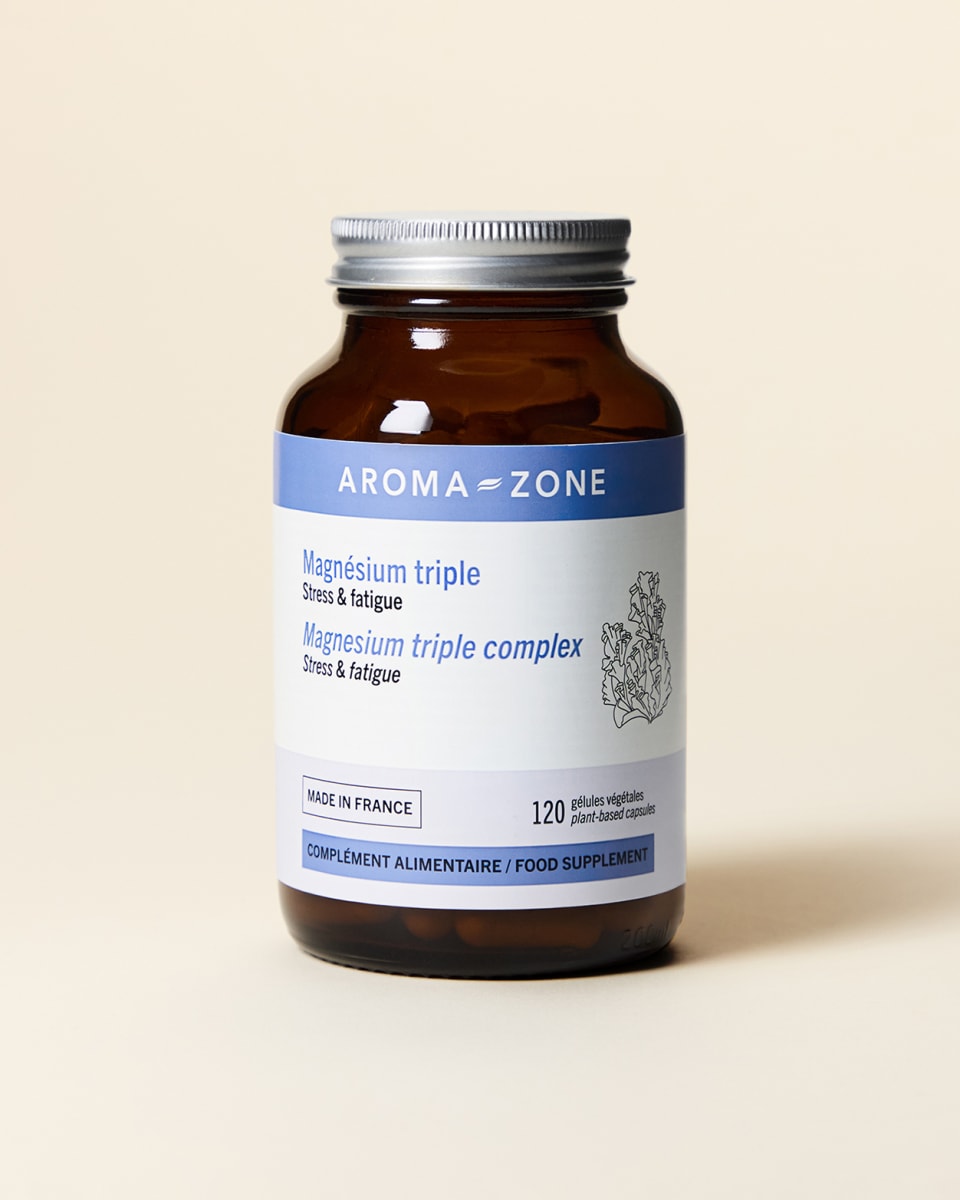
Spotlight on Triple Magnesium - Food supplement

What form of magnesium is most easily assimilated?

Studies have shown that magnesium bisglycinate is one of the most easily assimilated forms of magnesium. Its unique chemical structure promotes absorption into the body, making it a preferred choice for those seeking to optimise their magnesium intake.

The bioavailability of magnesium, i.e. its ability to be absorbed and used by the body, is a factor to consider when choosing a magnesium supplement. Studies have shown that, thanks to its unique formula, magnesium bisglycinate is better absorbed than any other form. It is absorbed not only by the intestinal cells, but also by the blood, which means it is very well assimilated by the body.

How to successfully take a magnesium treatment

When should I take magnesium?

There's no right or wrong time to take magnesium bisglycinate, it depends on the desired effects. This type of magnesium can have energising and fatigue-reducing effects, as well as calming and soothing effects. Here are a few points that may help to determine the ideal time to take it:

  • To improve sleep: Taking magnesium bisglycinate in the evening, about 30 minutes to 1 hour before bedtime, can help relax the nervous system and muscles. You'll find that your sleep is deeper and more restful.

  • For stress and anxiety: A dose in the morning can help to manage day-to-day stress, while a dose in the evening can help to reduce anxiety before bedtime.

  • For muscle recovery: If you use magnesium for its ability to boost muscle recovery after exercise, you can take it immediately after your workout. Otherwise, add it to your sports drink just before your workout to boost your performance.

How do I use Triple Magnesium complex?

  1. Take 1 to 3 capsules a day, preferably with a large glass of water, according to your needs and the recommendation of a health professional.

  2. One pot of capsules lasts from 40 days to 4 months, depending on the dosage chosen.

What quantity?

The recommended dosage of magnesium bisglycinate can vary depending on a number of factors, including age, sex, general state of health and individual needs. General recommendations suggest a daily magnesium intake of:

  • 340 to 360 mg per day for adult women

  • 400 to 420 mg per day for adult men

Contraindications

If you are pregnant or breastfeeding, you should consult a health professional before taking any supplements. In addition, the sea lettuce extract contained in Triple Magnesium supplements provides a small amount of iodine. If you have thyroid problems, it is advisable to seek your doctor's advice before starting a treatment course.


What are the best combinations with magnesium?

Vitamin C

Combine your magnesium supplements with a Vitamin C supplement for an energy boost and support for your immune system. Available in powder form and combined with a measuring spoon, this optimised Vitamin C is perfect for high-dose vitamin C treatments. It is easy to use mixed in a glass of water or fruit juice.

Discover Optimised Vitamin C powder

Organic Mint Digestion herbal tea

If you use magnesium bisglycinate to support your digestion and reduce tension, you can combine it with our mint digestion herbal tea. This herbal tea is particularly pleasant after a meal. Its complete composition combines 7 plants renowned for aiding digestion and contributing to wellbeing after meals. A deliciously effective infusion to soothe digestive discomforts.

Discover organic Mint Digestion herbal tea

Pillow Mist

Magnesium is recommended for fatigue and stress. To maximise the effects of supplements, use our Orange Blossom & Lemon Balm Peaceful Night Pillow Mist to promote relaxation and deep sleep. Its soft, floral, comforting scent helps you fall asleep. Spray on bed linen, pillows and in the bedroom.

Orange Blossom & Lemon Balm Peaceful Night Pillow Mist

How can I boost my magnesium intake?

  1. Determine the right dose: The recommended dose of magnesium may vary according to age, sex and individual needs. The recommended daily intake of magnesium generally varies between 300 mg and 400 mg for adults. We recommend that you start with a low dose and adjust it according to your needs and your body's reactions.

  2. Take regularly: For optimal results, it's important to take your magnesium supplement regularly. Consistency is the key to long-term benefits.

  3. Eat a balanced diet: A magnesium-rich diet can complement your supplements. Don't hesitate to include foods such as spinach, almonds, avocados and bananas, which are naturally rich in magnesium. In addition to magnesium-rich foods, it's essential to eat a balanced diet in general.

  4. Stay well hydrated: Drinking enough water throughout the day can help optimise magnesium uptake and prevent possible side effects and digestive problems. Remember to drink at least 1L and even 1.5L of water a day.

  5. Ask a doctor for advice: Before starting magnesium supplementation, and any supplementation in general, we advise you to consult a doctor. If you are already taking medication, this is all the more important to avoid any interactions.

Our ideas for recipes rich in magnesium

Banana coconut smoothie recipe

Ingredients

Preparation

1

Mix the banana powder with the coconut milk powder and baobab powder.

2

Add the peeled apple in pieces with the mineral water or plant milk.

3

Blend to obtain a smooth, creamy mixture.

4

Pour into a glass.

5

It's ready to enjoy!


Make a creamy smoothie with this recipe using our organic banana and baobab powders, coconut milk powder, mineral water or plant milk. Enjoy immediately after preparation to preserve all the flavour and freshness.

Vitamin-packed replenishing smoothie

1

Add all the ingredients to your blender.

2

Blend until smooth and enjoy!

Precautions to take

Warning: As magnesium bisglycinate is a highly bioavailable form of this mineral, you may need a lower dose than that recommended for other forms of magnesium to get the same effects.

Although magnesium bisglycinate is generally safe for most people, certain situations require extreme caution:

  • Kidney failure: People with kidney failure should avoid magnesium supplementation, as their kidneys may have difficulty removing excess magnesium from the body.

  • Medication: Magnesium can interact with certain medications, including diuretics, antibiotics and osteoporosis drugs. It is important to consult a doctor before starting magnesium supplementation if you are undergoing treatment.

  • Specific medical conditions: Some conditions, such as heart disease, may require close monitoring or no supplementation. Always seek medical advice before starting a new course of treatment.

While a magnesium deficiency can be harmful in the long and short term, an overdose can also be harmful to health. There are certain side effects that are frequently associated with taking magnesium bisglycinate, such as diarrhoea, nausea and abdominal cramps. If you notice any side effects, reduce the dose or consult a health professional.

Expert advice

In some cases, taking magnesium on an empty stomach can cause undesirable effects such as nausea or stomach ache. These symptoms are often due to stomach irritation, as some forms of this mineral, such as magnesium oxide, are less well absorbed and more likely to cause digestive problems. To avoid these inconveniences, it is generally advisable to take magnesium during or after meals, which makes it easier to tolerate.

Find out more

Magnesium bisglycinate or marine magnesium: which should you choose?

The question of which type of magnesium to choose depends on your specific needs, your digestive health and your sensitivity to different compounds. Let's look at the differences between magnesium bisglycinate and marine magnesium.

  • Magnesium bisglycinate is renowned for its high bioavailability and excellent digestive tolerance. Because it is bound to two molecules of glycine, an amino acid, it is absorbed efficiently in the intestine. This form minimises the risk of diarrhoea, a common side effect. This form is particularly recommended for those with digestive sensitivities or those seeking to improve their sleep by relieving stress and anxiety.

  • Marine magnesium, on the other hand, is extracted directly from seawater and contains a mixture of different magnesium salts, mainly magnesium chloride. It can be beneficial for those looking to supplement their magnesium intake in a more 'natural' way. Marine magnesium is often valued for its effects on bone and cardiovascular health.

Marine magnesium may be less well tolerated by the digestive system and may cause laxative side effects in some people. Choose magnesium bisglycinate to avoid side effects as much as possible.

Magnesium glycerophosphate or bisglycinate?

Choosing between magnesium glycerophosphate and magnesium bisglycinate depends on your preferences and sensitivity to supplements.

  • Magnesium glycerophosphate is a form of magnesium bound to glycerophosphoric acid, giving it good bioavailability and excellent digestive tolerance, similar to bisglycinate. This form is often recommended for those looking for gentle, effective supplementation, but without the laxative effects. Glycerophosphate is prized for its energising properties, as it is involved in the production of cellular energy.

  • Magnesium bisglycinate, as mentioned above, is renowned for its optimal absorption and minimal impact on the digestive system. It is ideal for those with gastrointestinal problems or who are looking for a highly absorbable form of magnesium for stress, sleep or muscle recovery.

If you suffer from low levels of magnesium, don't hesitate to try these two forms. You can easily assess how your body reacts and adapts to the supplement.

Can several forms of magnesium be combined?

Yes, it is perfectly possible to take several forms of magnesium at the same time. However, each form of magnesium has a different bioavailability and can affect your digestive system in different ways. That's why it's best to opt for food supplements that combine several forms of magnesium, so you can benefit from an optimal dosage without any risk of digestive side effects.

Spotlight on our well-being editor, Laura Almeras

Laura is a health, beauty and lifestyle writer. Passionate about travel and gastronomy, she shares her nutritional advice on how to combine pleasure and wellbeing. Through her articles, she aims to provide you with meaningful information and practical advice to nourish your body and mind.

Bibliography

1