Magnesium deficiency: symptoms, causes and natural solutions

What are the signs of magnesium deficiency? Trembling eyelids, persistent tiredness, muscle cramps or heart palpitations may indicate a magnesium deficiency. What are the causes of a magnesium deficiency and how can it be remedied through diet or a course of marine magnesium? That's the subject of this article, which provides a complete overview of the benefits of magnesium and all the natural solutions to a magnesium deficiency.

Reading time: 0 min.

In short

  • Magnesium deficiency is common and can cause fatigue, cramps, nervousness, or sleep disturbances, but it is not universal and depends on lifestyle, diet, and certain physiological factors.

  • To prevent or correct a deficiency, it is advisable to increase consumption of magnesium-rich foods (nuts, whole grains, legumes, dark chocolate) and, if necessary, consider natural supplements, taking into account the appropriate dosage.

  • The article notes that self-medication is not always appropriate, particularly in cases of existing medical conditions or ongoing treatments, and recommends consulting a healthcare professional before taking any supplements.

Magnesium: what is it?

Magnesium is a very important mineral that is involved in over 300 biochemical reactions in the body. It is not manufactured by the human body and must be supplied by our diet.

In the human body, most magnesium is stored in the bones (50% of our magnesium reserves). It is necessary for the formation of bones and teeth and for the proper functioning of the nerves and muscles. Magnesium is involved in the metabolism of potassium and, above all, calcium. In fact, one of magnesium's main roles is to balance calcium uptake by helping to fix calcium in the bones.

What are the causes of magnesium deficiency?

What causes magnesium deficiency?

There are a multitude of causes that can lead to a magnesium deficiency, linked to our lifestyle, dietary choices, certain pathologies and our general health habits.

Stress: Prolonged stress can create a magnesium deficiency, as the body will excrete excess magnesium in the urine.

Processed food: A highly processed diet with frequent consumption of ready-made meals that are low in essential nutrients, vitamins and minerals will not provide a sufficient daily intake of magnesium.

Pregnancy: More magnesium is needed during pregnancy to provide sufficient quantities for the foetus and then the baby after birth during breastfeeding.

Intensive sport: Intensive sport accelerates magnesium losses through perspiration, as magnesium is an electrolyte.

Smoking: Regular smokers are often deficient in vitamins and magnesium. By ingesting regular doses of nicotine, smokers feel less tired and may not notice the signs of deficiency.

Diarrhoea: Severe diarrhoea can lead to dehydration and demineralisation with a magnesium deficiency.

Taking medication: The contraceptive pill, aspirin, cortisone and antibiotics can interfere with the proper assimilation of magnesium and lower our magnesium levels.

Ageing: As we age, our magnesium reserves diminish. With the loss of bone density associated with natural ageing, we also lose magnesium, which is abundant in the bones.

What are the symptoms of magnesium deficiency?

Deficiencies often appear at times when the pace of life is very intense (e.g. through work, studies), during periods of recovery (e.g. from illness or depression) or when we do not take sufficient care of our lifestyle (e.g. drinking alcohol, smoking, lack of sleep).

  • Fatigue: feeling exhausted as soon as you wake up and having several bouts of tiredness during the day.

  • Stress: you may feel overwhelmed and stress management becomes complicated.

  • Mood disorders: you may feel nervous, irritable, depressed, or down.

  • Muscle cramps: these can occur at any time, with calf cramps frequently occurring at night.

  • Insomnia: a lack of magnesium can lead to sleep disorders, difficulty falling asleep, waking up at night and insomnia.

  • Eyelid tremor: this is often one of the first signs of magnesium deficiency. The eyelid (or the lower part of the eye) twitches uncontrollably.

  • Tingling: a magnesium deficiency can cause numbness or tingling sensations in the extremities.

  • Palpitation: Extrasystoles (heartbeat disturbances) may be caused by a lack of magnesium. You may feel your heartbeat is irregular or stronger than usual. In all cases, you should consult your doctor.

What are the consequences of magnesium deficiency?
Lack of sleep

First of all, magnesium deficiency leads to extreme fatigue, mood disorders and numerous physical symptoms that can be distressing or difficult to cope with on a daily basis. On a physiological level, magnesium deficiency generates an imbalance that disrupts the body's essential functions.

A significant magnesium deficiency causes an excess of calcium to enter the cells, leading to muscle cramps, fibromyalgia, vasoconstriction, headaches and anxiety.

Lack of calcium

Magnesium helps to fix calcium in the bones. A lack of magnesium can cause calcium to separate from the bone, leading to calcification, particularly in the elderly. This calcium can also migrate into the arteries, leading to calcifying atherosclerosis, or into the kidneys, causing kidney stones.

If the magnesium deficiency is significant, we speak of hypomagnesaemia, which can then cause nausea, cramps, vomiting, loss of appetite, muscle spasms and tremors.

How can you tell if you're deficient in magnesium?

If you are concerned about magnesium deficiency and are experiencing a number of symptoms that are bothersome and/or could suggest a deficiency, talk to your doctor, who may prescribe a blood test. These blood tests will determine whether your magnesium levels are low, so you can decide whether or not you have hypomagnesaemia.

Diagnosis and treatment with your doctor: Some symptoms, such as dizziness or numbness, may also indicate other deficiencies, such as a lack of iron. Your doctor will be able to advise you on the most appropriate treatment for magnesium deficiency, most often oral magnesium supplementation.

How can I boost my magnesium levels?

In Europe, the nutritional reference value (NRV) for an adult is set at 375 mg for magnesium. Part of these magnesium requirements is provided by our daily diet. However, magnesium requirements vary from one person to another depending on age, level of physical activity, stress and eating habits. Requirements are higher for athletes and in particular during pregnancy, but they are also increased during periods of stress. Certain drugs, such as proton pump inhibitors or anti-diabetic medications, can also affect magnesium uptake. When magnesium intake from food is inadequate, a course of marine magnesium can be a useful way of quickly replenishing magnesium reserves and regaining energy during periods of temporary fatigue. In France, regulations set the maximum magnesium content of a food supplement at 300 mg per day, which corresponds to 80% of the NRV (nutritional reference value).

Our natural magnesium solutions

Food supplements

Magnesium food supplements


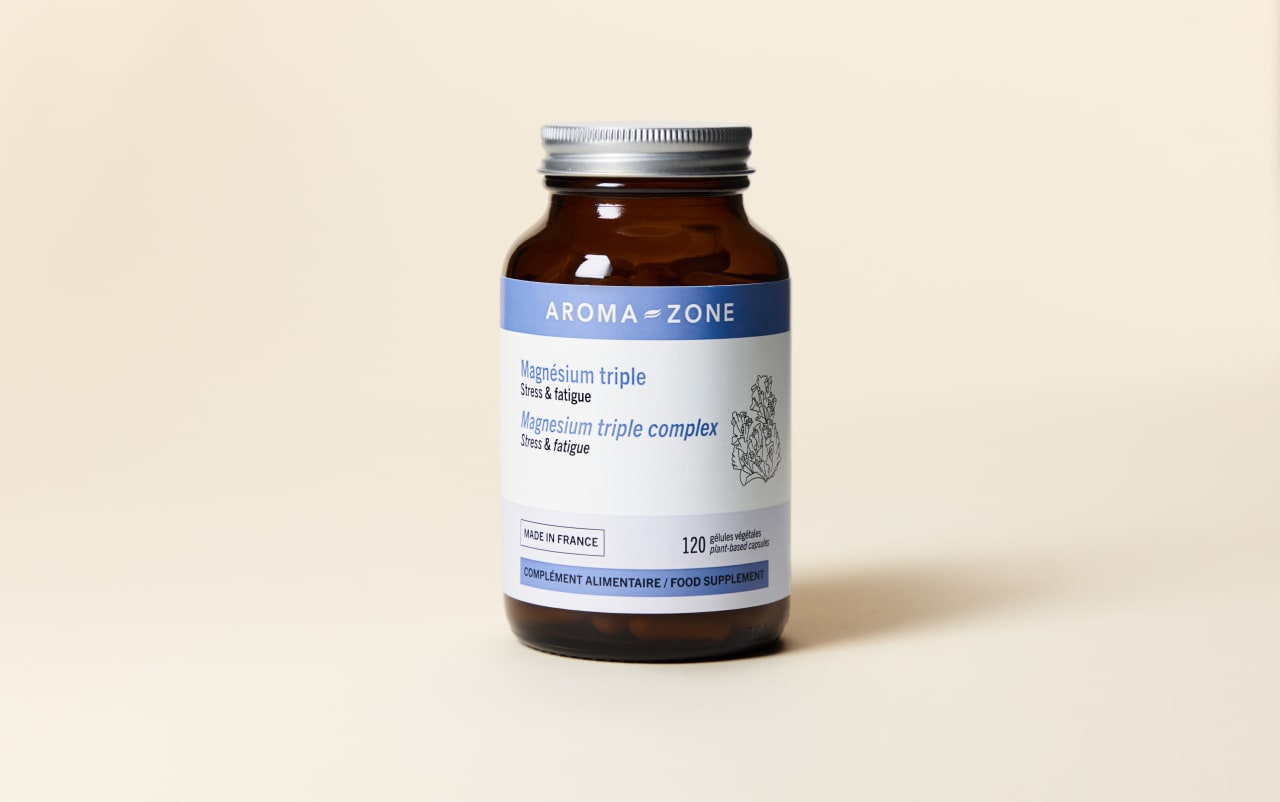
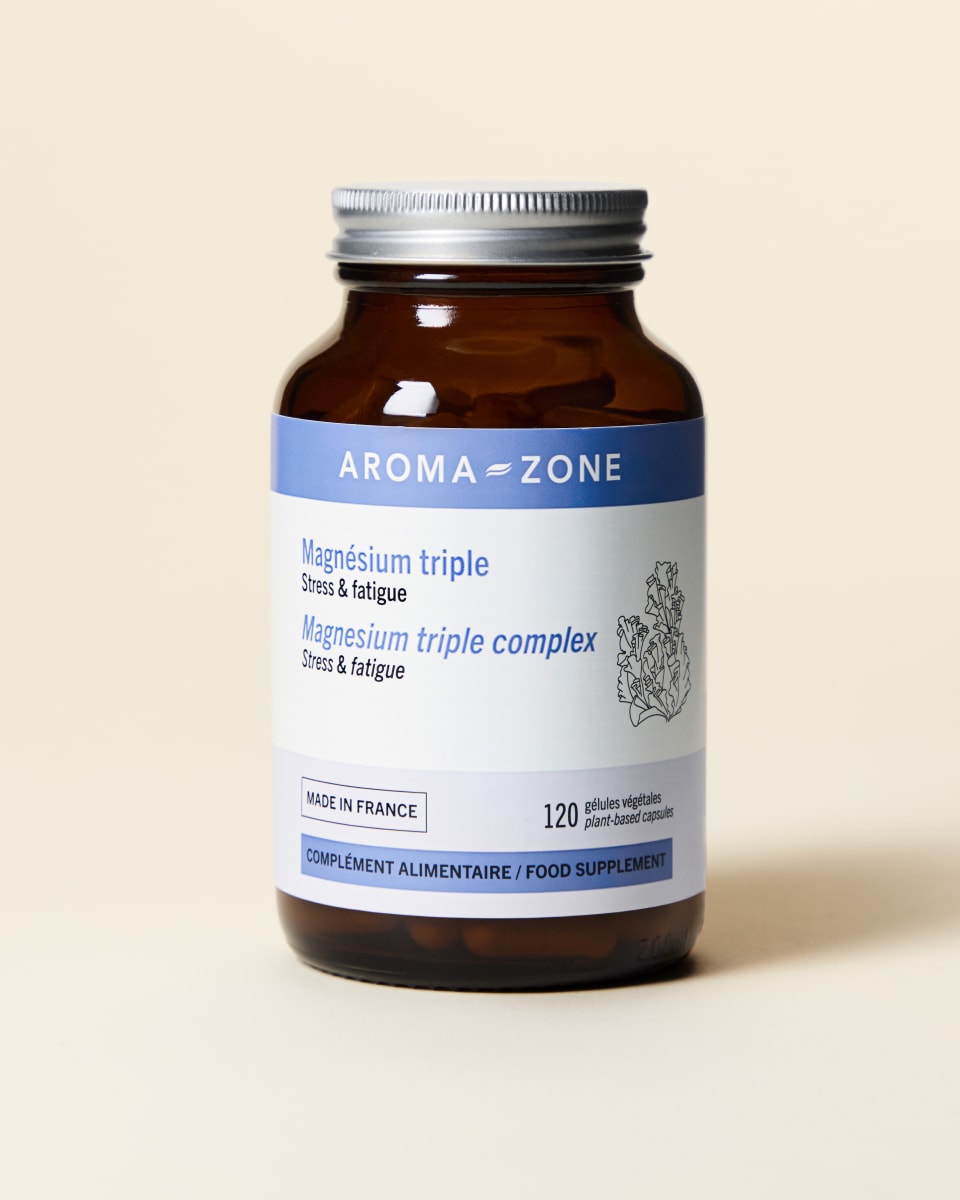
Our Triple Magnesium Complex food supplement combines three forms of magnesium (magnesium bisglycinate, marine magnesium and organic sea lettuce extract), which are renowned for their ability to combat fatigue, stress and muscle cramps. This complex supports the proper functioning of the nervous system, supports bone health, and promotes the development of muscle mass.


Taking 3 capsules a day covers daily magnesium requirements.


Discover our Triple magnesium complex - 120 capsules - Food supplement

Taking electrolytes


Our electrolyte powders combine magnesium, potassium, calcium and zinc to restore electrolyte balance, helping to reduce fatigue, support muscle function and optimise energy metabolism. Designed to provide the body with the optimal dose of minerals during exercise or on a daily basis, this rehydration powder is ideal as an instant drink before, during and after sport, or at any time of day if you need extra hydration.


Discover our Electrolyte powders

Organic Coconut Milk Powder - 150g


Containing 100% pure coconut, this coconut mik powder is obtained through freeze-drying, a low-temperature process that preserves all the plant's properties. With no additives, this powder can be used in cooking to add a unique, creamy flavour to your dishes and desserts, or to prepare luxury hot or cold drinks.


Also lactose-free, our coconut milk powder is a good source of fibre, magnesium and zinc, and is the perfect replacement for traditional coconut milk in your cupboards!


Discover our organic Coconut Milk Powder - 150g

Foods rich in magnesium

To avoid magnesium deficiency, we need to ensure that our intake comes first and foremost from what we eat. Our body absorbs around 30% of the magnesium contained in food. So, to avoid deficiencies, remember to vary the sources of magnesium in your diet and eat foods with a high magnesium content every day. Here is a list of magnesium-rich foods to include in your daily recipes to fill up on minerals:

  • Wholegrain cereals: spelt, buckwheat, millet, rice, wheat, barley, oats, maize.

  • Dark green leafy vegetables: spinach, kale, cabbage, rocket, chard.

  • Dark chocolate: an excellent source of magnesium, as long as you choose a quality chocolate with very little sugar.

  • Oilseeds: Brazil nuts, hazelnuts, almonds, sesame, cashew nuts.

  • Dried fruit: dried apricots, figs, dates.

  • Seeds: pumpkin seeds, chia seeds, flax seeds.

  • Seafood: periwinkles, mussels, clams, cockles.

  • Pulses: dried beans, lentils, chickpeas.

  • Banana: the fruit richest in magnesium.

Magnesium-rich recipe ideas

Banana coconut smoothie recipe

1

Mix the banana powder with the coconut milk powder and baobab powder.

2

Add the peeled apple in pieces with the mineral water or plant milk.

3

Blend to obtain a smooth, creamy mixture.

4

Pour into a glass.

5

It's ready to enjoy!

Vitamin-packed replenishing smoothie

1

Add all the ingredients to your blender.

2

Blend until smooth and enjoy!

Chocolate banana sorbet

1

Bring the water and sugar to the boil in a saucepan for 2 minutes.

2

Remove from the heat and whisk in the bitter cocoa, then the chopped chocolate and banana powder.

3

Leave to cool, then whisk to combine.

4

Place in the freezer for 6 hours, stirring with a spoon every half hour.

5

Pour the mixture into the cylindrical moulds and place sticks in them.

6

Leave to set in the freezer.

7

Remove the sorbet 10 minutes before serving.

Dosage and precautions

How much magnesium should I take every day?

Our Aroma-Zone Triple Magnesium food supplement, taken 3 times a day, covers a dose of 300 mg or 80% of NRV, which is the dose most often recommended by professionals for magnesium supplements. By dividing this dose between 3 capsules, you can spread your intake throughout the day, for a continuous supply and better assimilation, but you can also adapt the dose according to individual needs and periods, by taking from 1 to 3 capsules a day . We recommend starting with the lowest dose and observing how you feel.

Recommended precautions

  • Keep out of reach of children

  • Not a substitute for a varied and balanced diet and a healthy lifestyle. Do not exceed the recommended daily dose.

  • For adults only.

  • Pregnant or breastfeeding women should seek the advice of a health professional before taking any supplements.

  • Magnesium may have laxative effects in some people.

  • Organic sea lettuce extract (seaweed) provides a small amount of iodine (< 10 µg for the daily dose of 3 capsules, i.e. less than 6.7% of the nutritional reference value of 150 µg / day for iodine). If you have thyroid problems, ask your doctor for advice.

    ***

Expert advice

To optimise magnesium absorption and improve its assimilation, it is also useful to adopt favourable dietary and lifestyle habits. For example, consume sources of vitamin D, which help to improve the body's absorption of magnesium.

Find out more

Can magnesium impact the quality of my sleep?

Yes, magnesium promotes muscle relaxation and regulates serotonin production. Magnesium deficiency can be associated with sleep disorders such as insomnia or frequent waking.

Can a magnesium deficiency be caused by a more serious condition?

Yes, certain conditions such as diabetes, kidney disease or digestive disorders can affect the assimilation of magnesium, increasing the risk of deficiency.

Can certain foods inhibit the absorption of magnesium?

Yes, foods rich in oxalates (such as spinach) or phytates (such as certain wholegrain cereals) can inhibit magnesium absorption. It's important to include a variety of foods and not to rely too heavily on these sources without combining them with other magnesium-rich foods.

Spotlight on our Naturopathic editor, Lucie Granjon

Passionate about plants and their properties, she started her career as a perfumer before moving to the world of natural beauty and aromatherapy over 10 years ago. Lucie supports ethical and committed brands with strategy development, product formulation and expert advice for their customers. She has worked with the Aroma-Zone team on several books, including "Le grand guide de l'Aromathérapie et des cosmétiques naturels" ("The Complete Guide to Aromatherapy and Natural Cosmetics"). She also has years of training in aromatherapy, herbalism and essential oil distillation, and supports the work of French plant growers.

Bibliography

1

The Role of Vitamin D in the Regulation of Magnesium Homeostasis" (2015)

2

Grases, F., et al.

"Effect of Phytates on Elemental Bioavailability in the Human Body." The Journal of Nutritional Biochemistry, vol. 15, no. 5, 2004

3

Magnesium – Fact Sheet for Health Professionals.

NIH – National Institutes of Health (USA)

4

Scientific Opinion on the substantiation of health claims related to magnesium.

EFSA Journal, 2010;8(10):1756.

5

Dietary Reference Intakes for Vitamins and Minerals (2021)

ANSES

6

Magnesium in Prevention and Therapy

Gröber U. et al, Nutrients, 2015;7(9):8199–8226.