Digestive Irritation and Acid Reflux
One of the main drawbacks of peppermint lies in its side effects on the digestive system. Indeed, when peppermint essential oil comes into direct contact with the oesophagus or stomach, it can cause irritation to the mucous membranes. This results in heartburn or gastro-oesophageal reflux. To avoid these problems, peppermint essential oil must be encapsulated in enteric-coated capsules.
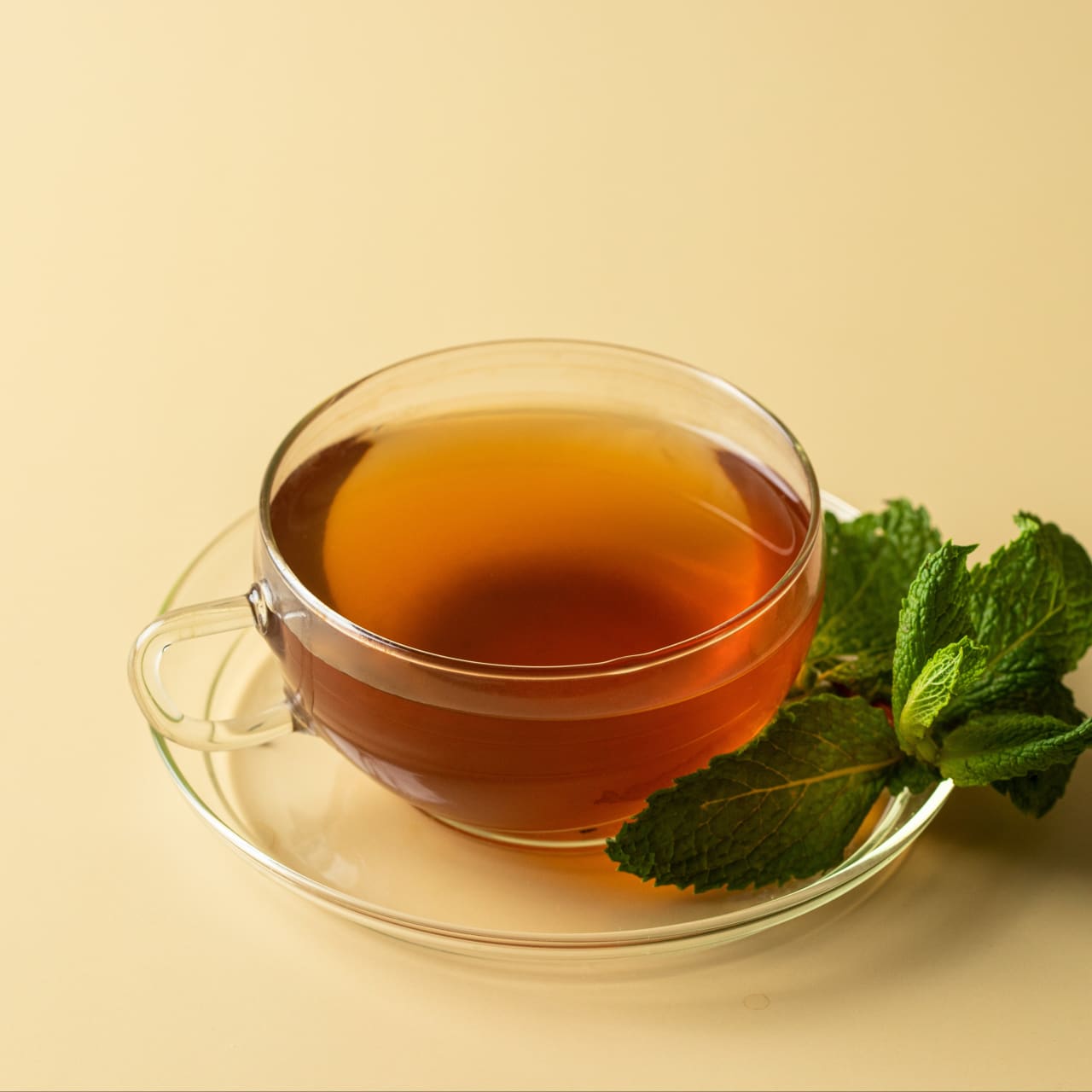
It is also worth noting that this effect is sometimes exacerbated by the regular consumption of mint tea.
Risks for Children
Peppermint can be dangerous for young children. In children under the age of two, it can cause a laryngeal spasm and trigger reflex apnoea. Cases of infantile convulsions have also been reported following exposure to cosmetics containing menthol. The use of products containing peppermint is therefore contraindicated in children under two years of age, not recommended for children aged two to four, and should be avoided by children prone to seizures.
Drug Interactions
Peppermint interferes with the metabolism of many medicines. In particular, it inhibits certain liver enzymes involved in the elimination of active substances, which can increase the blood concentration of these substances and, consequently, their side effects. It also reduces the effectiveness of certain cardiovascular treatments, such as calcium channel blockers. Anyone undergoing long-term treatment should consult a healthcare professional before starting a course of peppermint or consuming it regularly.
Risks Associated With Overdose
Among the drawbacks of mint, accidental overdose is very common. An overdose of essential oil can cause serious symptoms: skin rashes, headaches, a slowed heart rate, and dizziness. In severe cases, hospitalisation may be necessary. Older people are more susceptible to these adverse effects, as they are at increased risk of agitation and confusion.