
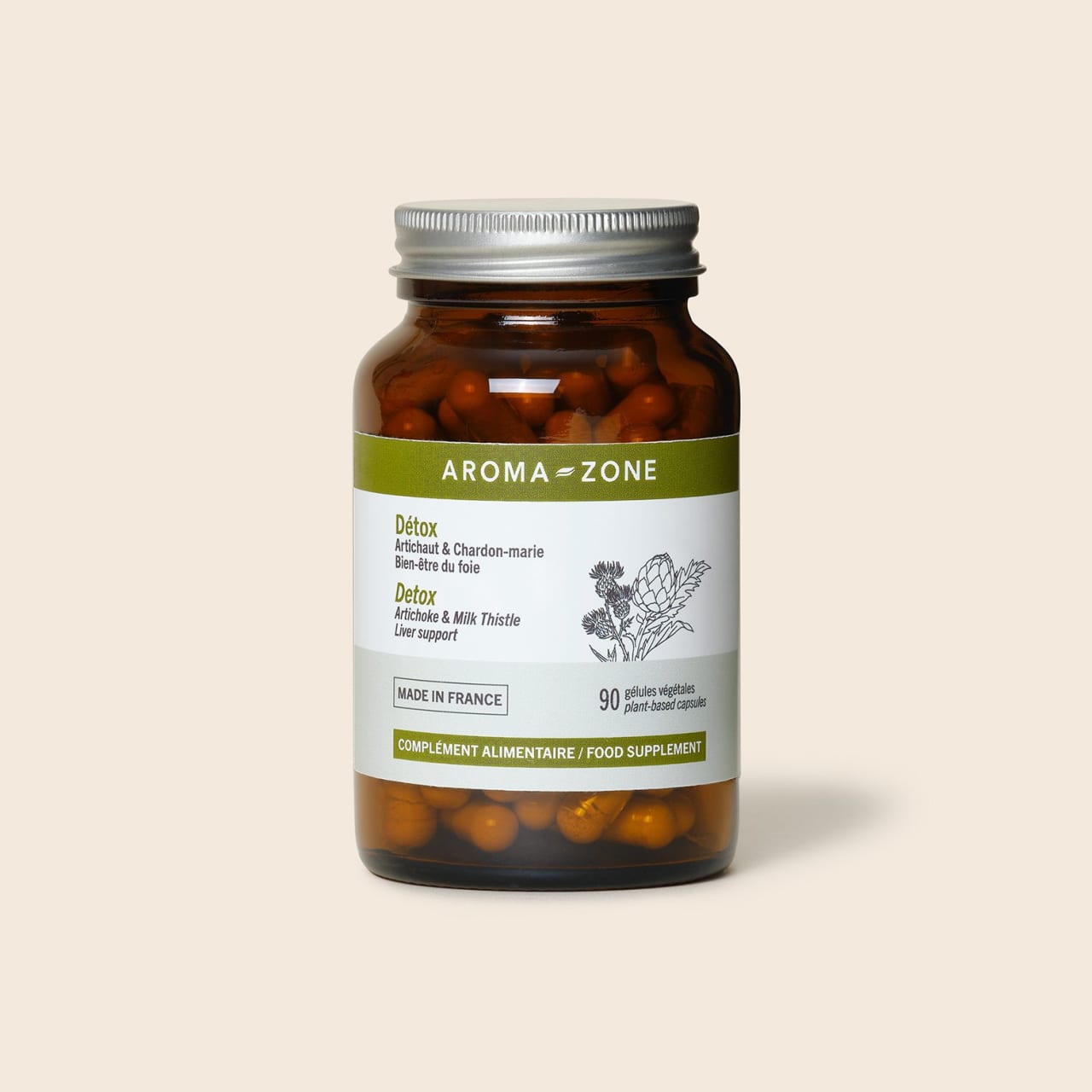


Vitamins are micronutrients, meaning they are present in small quantities in the body and the body cannot synthesise them, except for small amounts of vitamins D, E, and K. Vitamins fall into two categories: water-soluble and fat-soluble. Water-soluble vitamins, such as vitamins B and C, are abundant in water-rich foods such as fruit, vegetables and whole grains. They dissolve quickly in water and are therefore easily excreted in urine, so a sufficient and regular intake through diet is necessary. Fat-soluble vitamins are found mainly in high-fat foods such as vegetable oils and oily fish. They require lipids for absorption and can be stored in adipose tissue and the liver, increasing the risk of accumulation if intake is too high.
Vitamins play many roles in the body, such as energy production, brain and hormonal function, skin health and vision, amongst others. Each vitamin plays a specific role, so they are all essential. Hypervitaminosis – that is, an excess of certain vitamins in the body – can occur as a result of excessive intake and may have harmful effects on our health. A varied and balanced diet generally provides us with most vitamins in sufficient quantities; this is why vitamin supplements should only be considered after careful consideration, and only in cases of proven deficiency or increased requirements – such as in athletes or vegetarians – and following advice from a healthcare or nutrition professional. Find out about the symptoms of vitamin D excess.