
Vitamin C is the most important vitamin for human nutrition and is supplied by fruit and vegetables. L-ascorbic acid (AA) is the main biologically active form of vitamin C. Since humans cannot synthesise ascorbic acid, our main source of vitamin C is fruit and vegetables in our diet. Fruits, particularly citrus fruits and certain tropical fruits, are the best sources of this vitamin. Precisely measuring the specific amount of vitamin C in fruit is extremely important to understand the relationship between dietary intake and human health.
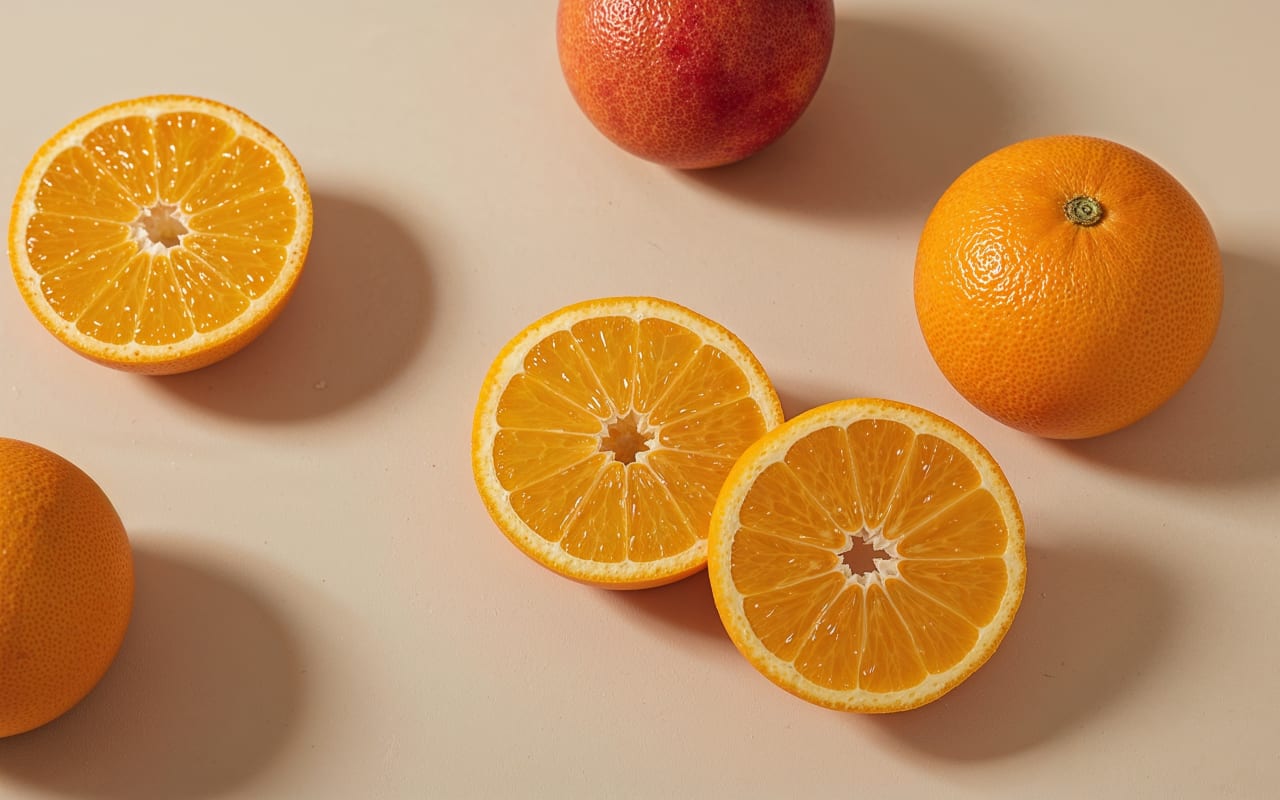
Which fruits have the most vitamin C?
By Gipsy Dauge
Published on: Wednesday, January 17, 2024, Updated on: Wednesday, October 21, 2026
Some fruits are bursting with vitamin C. Among the champions of this vitamin are acerola, sea buckthorn, kiwi and guava. These delicious, health-giving fruits boost the immune system and promote radiant skin.
Contents
Related products

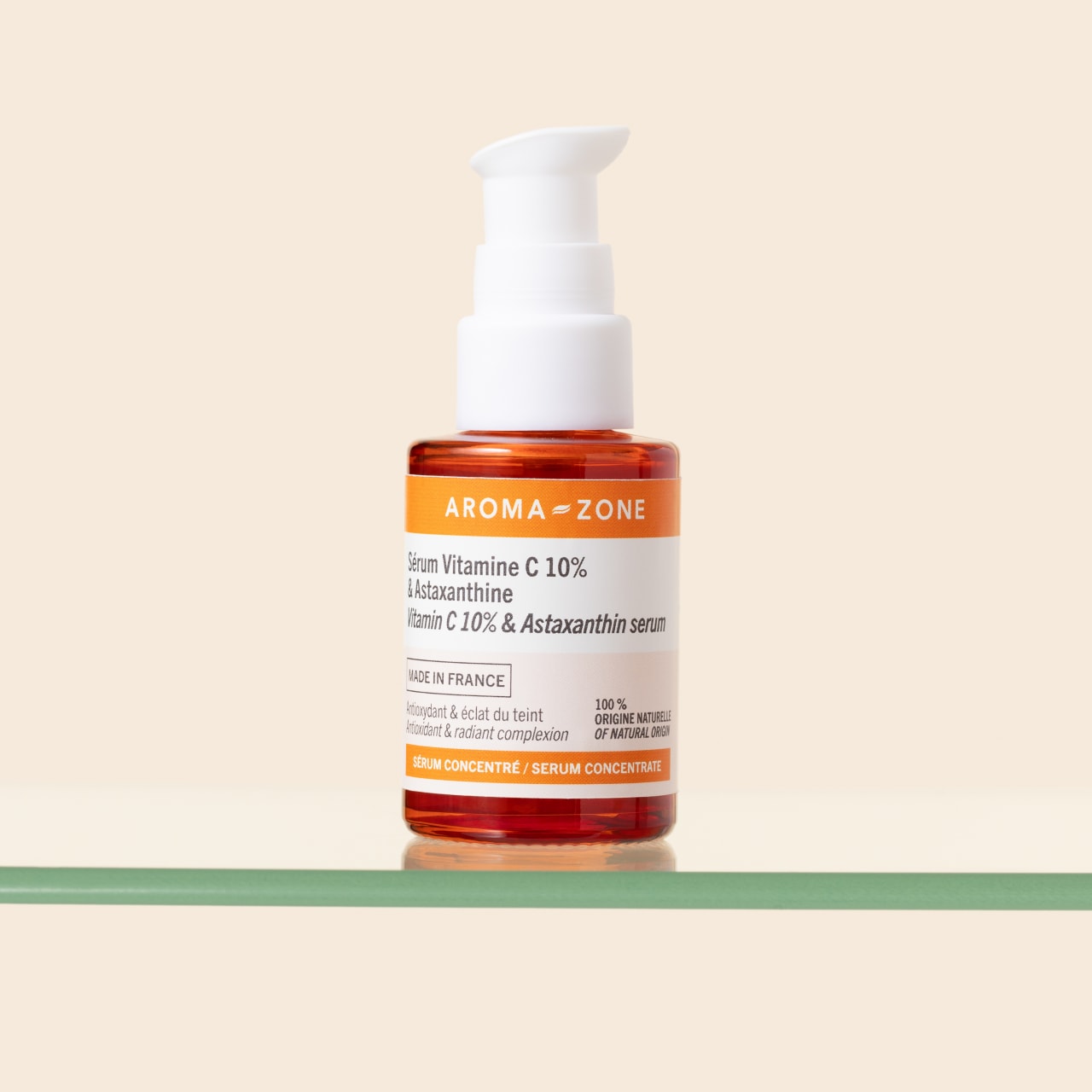
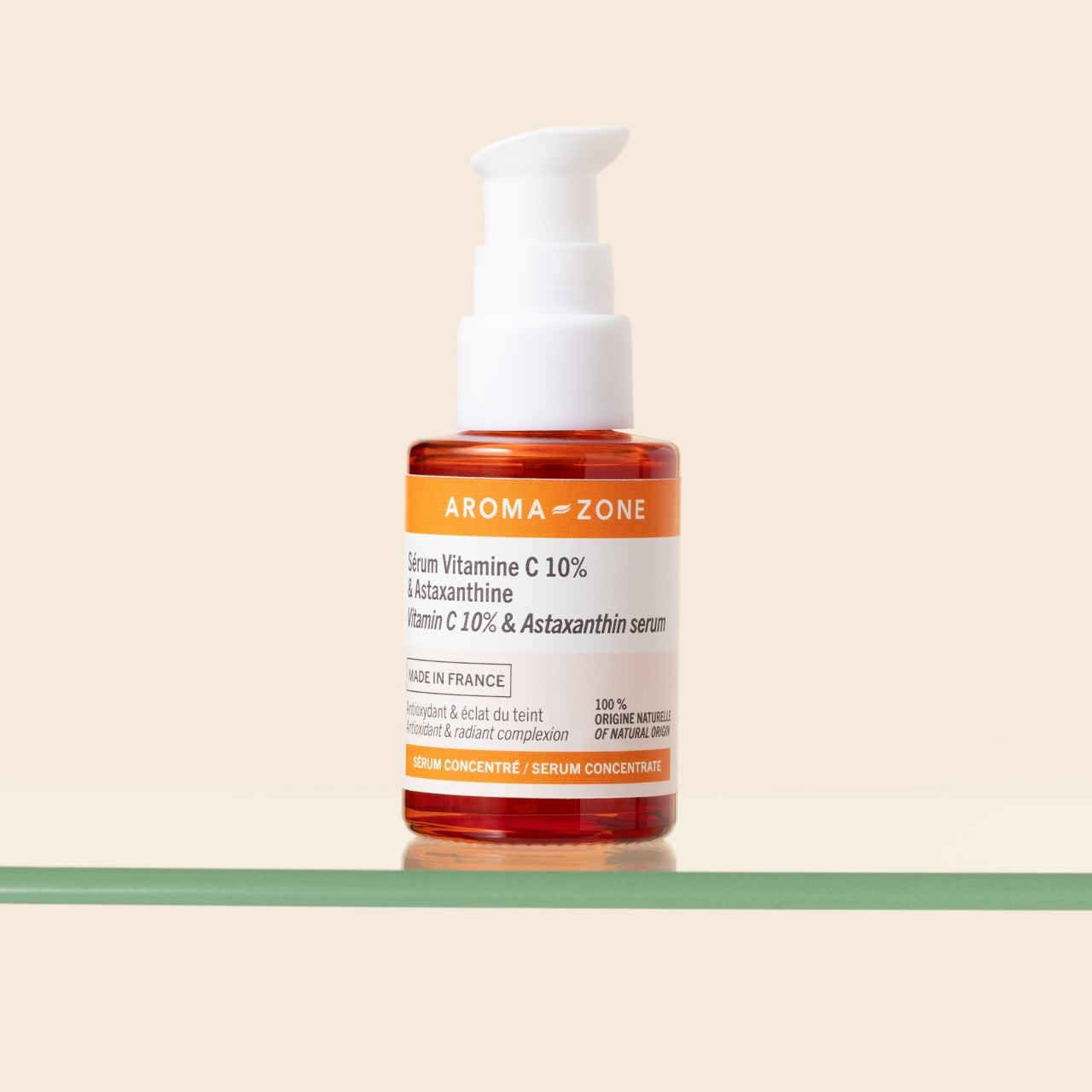
Vitamin C 10% & Astaxanthin Serum
Radiant complexion
Antioxidant
£9.00
30 ml
2 options
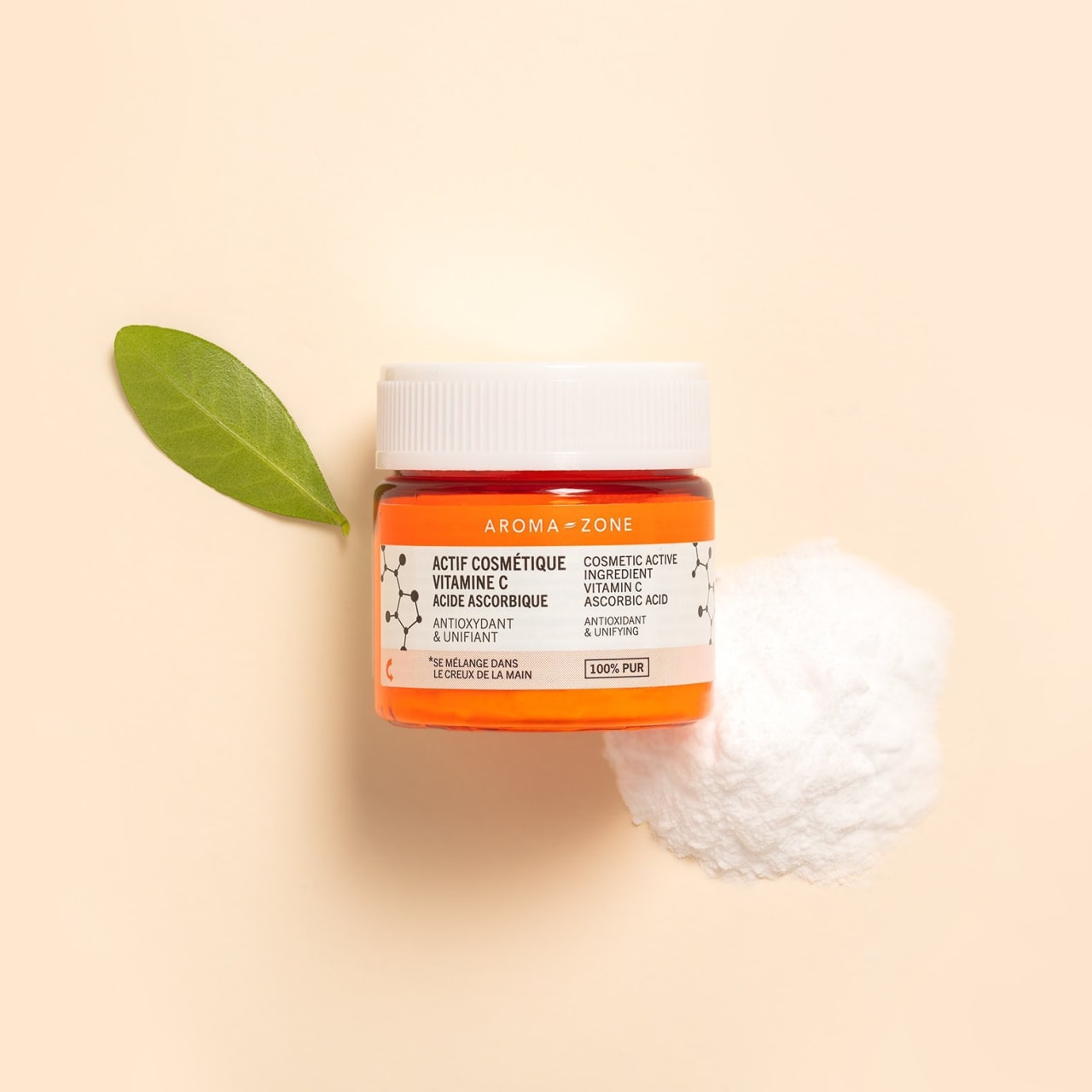
Ascorbic Acid Pure Vitamin C Active Ingredient
Radiant complexion
Antioxidant
£4.00
10 g
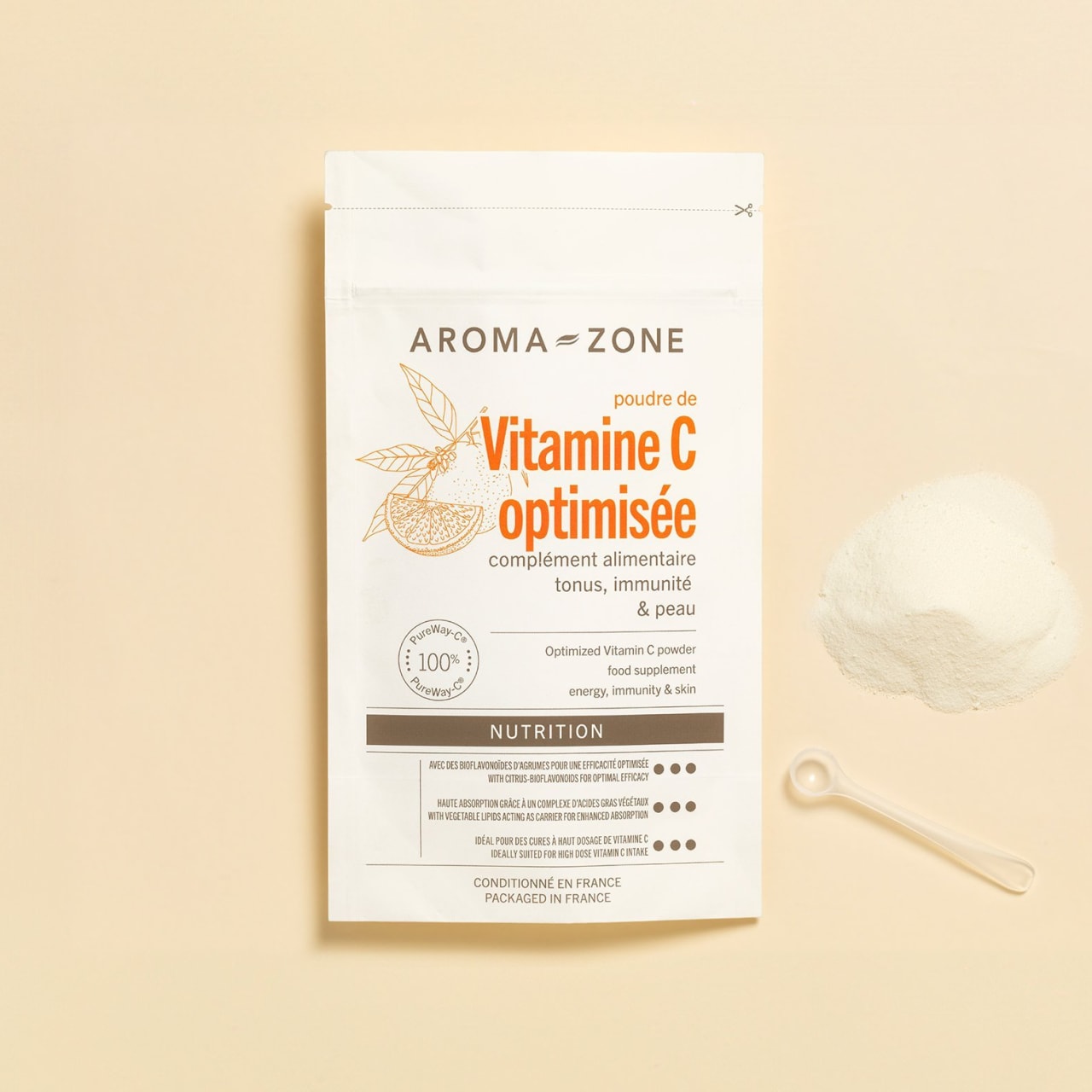
Optimised Vitamin C Powder
Vitality
£16.00
150 g
What is vitamin C?
Which fruits are richest in vitamin C?
Discover the list of fruits richest in vitamin C, with their content per 100 gram serving:
Acerola approx. 2,850 mg vitamin C.
Sea buckthorn berry: approx. 1,550 mg vitamin C.
Guava: approx. 220 mg vitamin C.
Blackcurrant: approx. 180 mg vitamin C.
Kiwi: approx. 90 mg vitamin C.
Lychee: approx. 70 mg vitamin C.
Strawberry: approx. 60 mg vitamin C.
Papaya: approx. 60 mg vitamin C.
Orange: approx. 50 mg vitamin C.
Lemon: approx. 50 mg vitamin C.
Clementine: approx. 50 mg vitamin C.
Pineapple: approx. 45 mg vitamin C.
Gooseberry: approx. 40 mg vitamin C.
Grapefruit: approx. 30 mg vitamin C.
Acai berry about 20 mg vitamin C.
These fruits contain lots of vitamin C; including them in your diet can be beneficial for your health.
Which citrus fruit contains the most vitamin C?
Lemons are renowned for their high vitamin C content. Around 50 mg of vitamin C can be found in 100 grams of lemon. This acidic, refreshing fruit is widely used in cooking and eaten in a variety of forms, providing a significant level of vitamin C to the diet.
What are my vitamin C requirements?
Nutritional recommendations suggest a daily intake of 100 mg for an adult and 120 mg during pregnancy. For smokers, vitamin C requirements are increased, with recommendations between 200 and 250 mg per day. For colds, studies have used a dose of 2 g a day, divided into 4 doses.


A closer look at our vitamin C food supplement
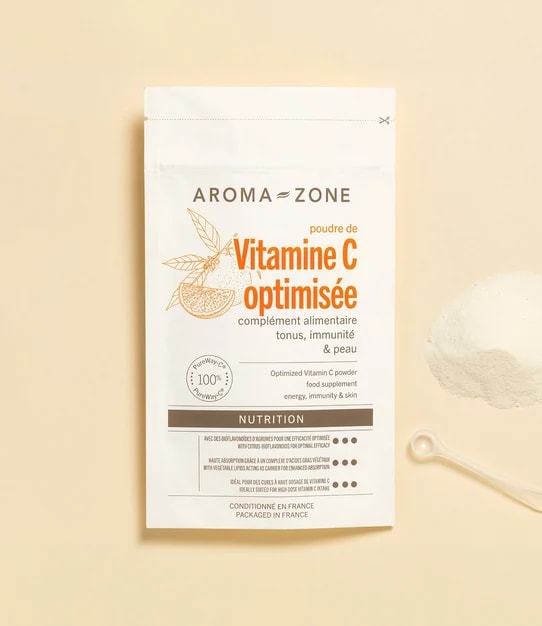
Our Vitamin C-enriched Food Supplement powder is easily absorbed by the body and has excellent digestive tolerance. Thanks to PureWay-C®, a combination of vitamin C, vegetable lipids and citrus bioflavonoids, this form of vitamin C is particularly beneficial for boosting the immune system before winter or during periods of temporary fatigue. It can be added to your diet on a daily basis as an essential food supplement or used as part of a revitalising course of treatment. In addition to its immune-boosting properties, vitamin C has skin health benefits, as it promotes collagen synthesis and helps to counter oxidative stress.
Our recipes enriched with vitamin C
Spotlight on our writer: Gipsy Dauge

Gipsy is a graduate of ESJ Paris. After 10 years’ experience in general and women’s magazines, she decided to specialise in writing about health and wellbeing. With a yin yoga qualification under her belt, she now skilfully combines her writing with her yoga mat. Her aim goes far beyond mere words. Her commitment runs deep: to help readers incorporate small tips into their daily lives that help them look after themselves and their environment. Every word is an invitation to adopt a balanced and fulfilling lifestyle.
Bibliography
Vitamin C and genomic stability
https://www.sciencedirect.com/science/article/abs/pii/S0027510701000720
Vitamin C Content in Fruits: Biosynthesis and Regulation
https://www.frontiersin.org/articles/10.3389/fpls.2018.02006/full?utm_source=ad&utm_medium=tw&utm_campaign=ba_sci_fpls
Determination of vitamin C in tropical fruits: A comparative evaluation of methods
https://www.sciencedirect.com/science/article/abs/pii/S030881460500302X
Frequently Asked Questions
Associated recipe
Associated tips
Face care tips
Nutrients, Vitamins, Minerals & Antioxidants

Nutrients, Vitamins, Minerals & Antioxidants

Face care tips

Health and nutrition
Nutrients, Vitamins, Minerals & Antioxidants


