High Vitamin B12 Levels: What Are the Signs?

Excessive vitamin B12 levels: a little-known imbalance, but one not to be ignored. Persistent fatigue, headaches, digestive issues… What if an excess of B12 were the cause? This vitamin is essential, but like any nutrient, too much of it can cause problems. How can you detect high levels? And most importantly, what can you do to restore balance naturally? We’ll guide you to better understand, prevent and take informed action.

Reading time: 0 min.

In short

  • Vitamin B12, essential for red blood cell production and proper nervous system function, is used to boost energy, but elevated levels may signal an imbalance or certain underlying conditions.

  • A blood test can identify vitamin B12 toxicity, with reference values that must be interpreted based on the context (supplement use, liver disease, blood disorders); the article explains how to adjust intake and details natural solutions to relieve symptoms, while offering optimisation tips to explore.

  • The article specifies warning signs (fatigue, digestive issues, skin rashes) as well as contraindications—for example, in people with certain liver diseases—and precautions to take before any prolonged supplementation.

What is vitamin B12?

Vitamin B12, also known as “cobalamin,” is a water-soluble vitamin essential for the body’s proper functioning. It plays a role in red blood cell formation, cellular metabolism, and nervous system balance. It is also involved in DNA synthesis and the methylation cycle, a process vital for regulating metabolic functions.

Found almost exclusively in animal-based foods (meat, fish, eggs, dairy products), vitamin B12 must be obtained through diet, as our bodies cannot produce it on their own. People following a vegan diet, or those with intestinal absorption disorders, may be at greater risk of an imbalance, whether it be a deficiency or, more rarely, an excess.

High vitamin B12 levels: what could be the causes?

Cases of high vitamin B12 levels in the blood remain relatively rare, but they can occur in certain specific situations. Here are the main identified causes:

Excessive supplementation

Prolonged or improperly dosed use of dietary supplements containing B12 can lead to an excess in the body, especially if your actual needs are already met by your diet. That’s why it’s important to always adjust the dose to your actual needs and avoid prolonged self-supplementation.

Certain liver conditions

Liver diseases, such as hepatitis, cirrhosis, or certain biliary disorders, can disrupt the storage and release of vitamin B12, leading to elevated blood levels. In these cases, the high level is often a marker of a liver disorder rather than a direct cause of symptoms.

Blood or inflammatory disorders

Certain myeloproliferative syndromes (rare conditions affecting the bone marrow) or chronic inflammatory conditions can cause a temporary or persistent increase in B12 levels. This type of cause requires specific medical monitoring and a thorough evaluation to determine the exact origin.

Kidney dysfunction

The kidneys play a role in eliminating vitamin B12. In cases of kidney dysfunction, elimination may be slowed, which can lead to a gradual buildup. Monitoring kidney function and hydration is therefore essential to prevent an overload.

A misinterpreted test result

In some cases, high vitamin B12 levels may result from a biological artifact or a misinterpreted test. This is why it is essential to cross-reference the results with other tests and seek medical advice. A follow-up test often confirms or rules out an actual excess.

Vitamin B12 toxicity during pregnancy

Some observational studies have shown that, compared to women who carried their pregnancies to term, women who gave birth prematurely—with or without preeclampsia—had higher levels of vitamin B12 and homocysteine. These findings need to be confirmed by further research, but they suggest that excess B12 might sometimes be observed in this specific context.


High vitamin B12 levels: what are the signs?

High levels of vitamin B12 in the blood are most often asymptomatic. However, in some cases, they may be accompanied by symptoms that, paradoxically, resemble those seen in a B12 deficiency.

Possible symptoms include:

  • Persistent fatigue, despite getting enough sleep.

  • Frequent or unusual headaches.

  • Digestive issues (bloating, nausea, abdominal discomfort).

  • Numbness or tingling in the extremities.

  • Mood swings, irritability, or nervousness.

  • Unexplained skin rashes or redness.

  • Muscle tension or stiffness.

  • Sleep disturbances or nighttime restlessness.

These symptoms are nonspecific and may be linked to many other causes. Only a blood test can confirm elevated levels and determine the cause.

What are the natural solutions to relieve symptoms?

When vitamin B12 levels are too high, certain issues such as digestive discomfort, nervousness, sleep disturbances, or skin reactions may arise. While not a substitute for medical advice, certain natural solutions can support the body during its rebalancing phase.

Restore optimal digestive comfort

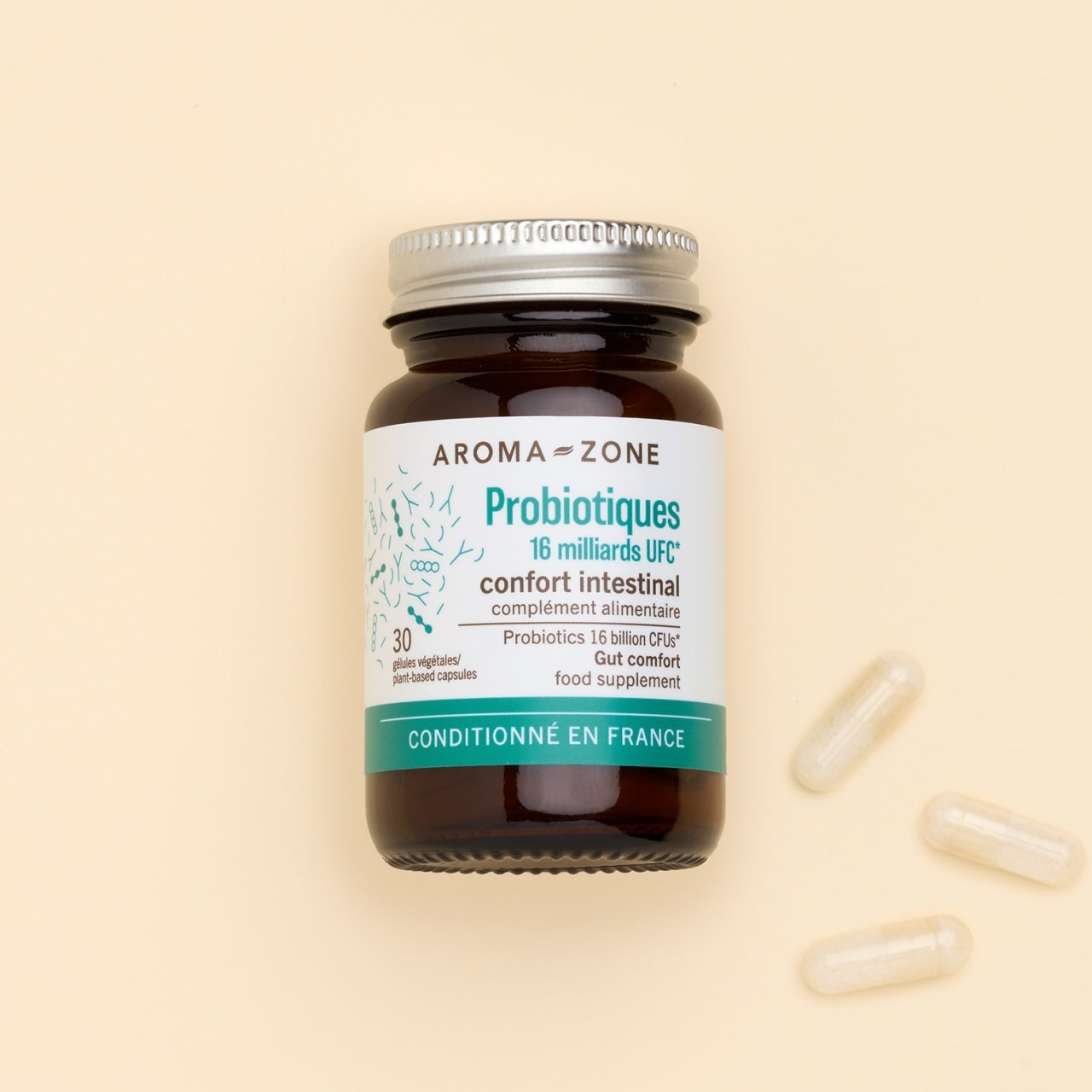
Probiotics promote the balance of gut flora and contribute to improved digestive comfort, which is often compromised by nutritional imbalances. This synergy of probiotic strains helps gently restore a healthy gut environment.

Discover the Probiotics for Gut Comfort dietary supplement

Soothe and promote sleep

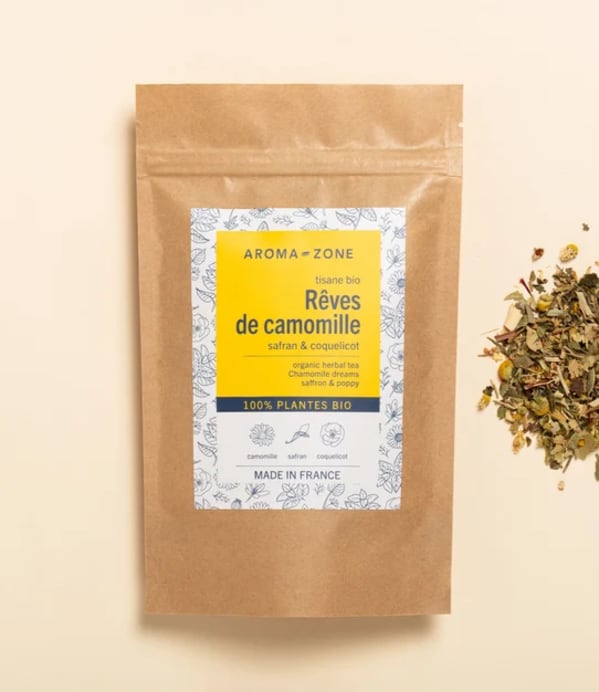
A herbal tea made with soothing plants can help reduce nervousness and promote restful sleep, especially when excess vitamin B12 is accompanied by difficulty falling asleep. This organic infusion combines gentleness and effectiveness to help you enjoy calmer nights.

Discover Organic Chamomile Dreams Herbal Tea

Supporting nervous and muscular balance

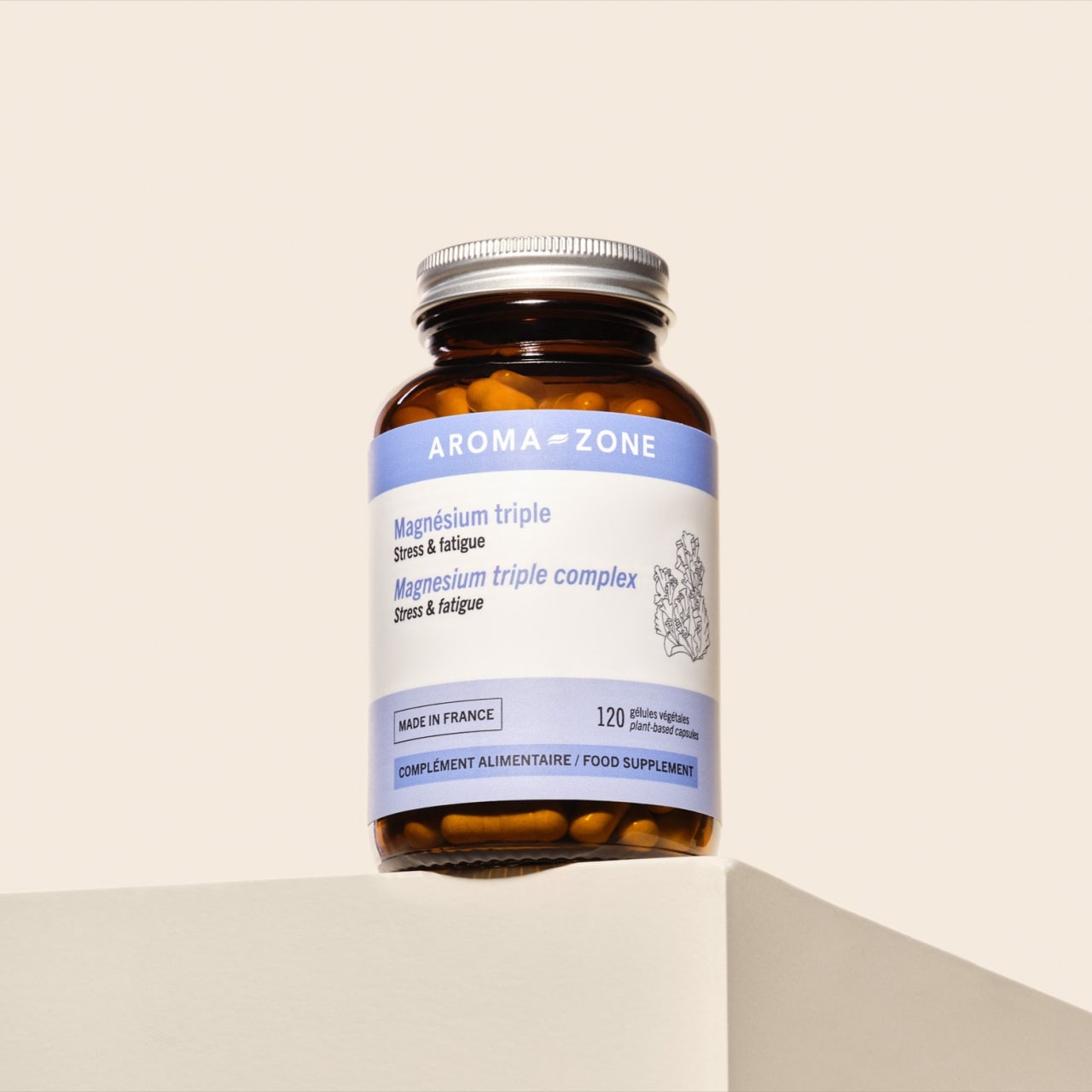
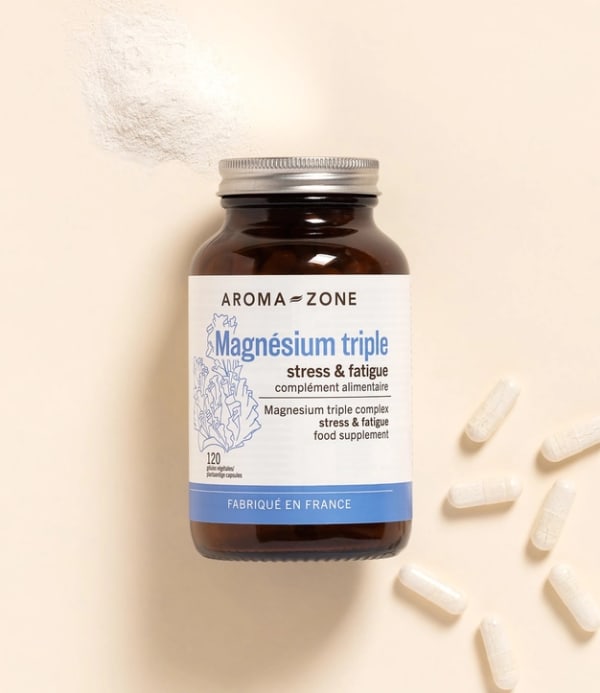
Magnesium is known for its role in muscle relaxation and the proper functioning of the nervous system. During times of stress or irritability, it can help soothe the body and regulate energy.

Discover the Magnesium Triple dietary supplement

Support energy and natural defenses

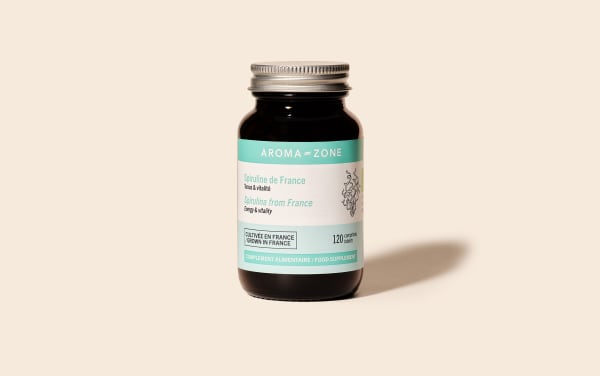
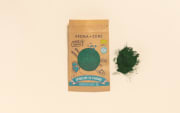
Organic French Spirulina is a natural source of protein, minerals, and antioxidants. It helps maintain vitality and can support the body during periods of fatigue or increased need for essential nutrients.

Discover the Spiruline de France BIO dietary supplement

Restore energy and vitality

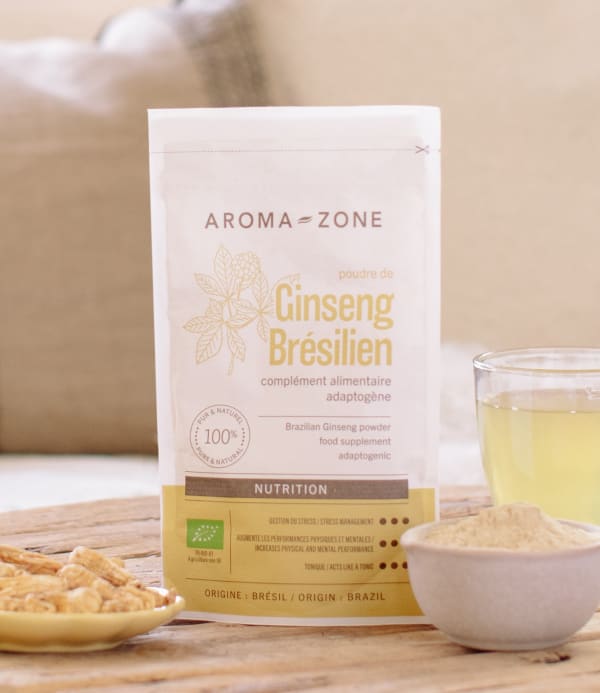
Brazilian ginseng is traditionally used to support the body’s vitality and resistance to fatigue. It can be a helpful ally during periods of low energy linked to internal imbalances.

Discover the Organic Brazilian Ginseng Powder dietary supplement

Protecting cells and strengthening defenses

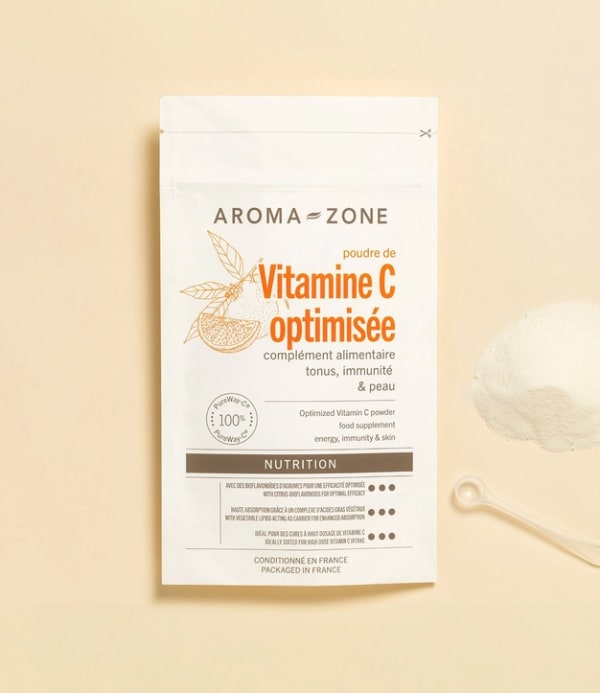
Vitamin C, thanks to its antioxidant action, helps protect cells against oxidative stress. It also contributes to the proper functioning of the immune system and helps maintain vitality.

Discover the Optimized Vitamin C Powder Dietary Supplement

How can you prevent this risk?

Cases of high vitamin B12 levels can generally be avoided through a balanced diet and sensible use of nutritional supplements.

Adopt a varied diet, without excessive consumption of fortified or ultra-processed foods. A balanced diet is usually sufficient to meet daily needs:

  • Avoid routine supplementation, especially if you show no signs of a confirmed deficiency.

  • Monitor your B12 intake if you follow a specific diet (vegan, high in animal products, high-protein, etc.).

  • Have your vitamin B12 levels checked if you experience unusual symptoms or before starting a treatment regimen.

  • Always consult a healthcare professional before taking a dietary supplement, even a natural one.

  • When taking a course of treatment, follow the recommended dosage and duration as specified in the product information sheet.

High vitamin B12 levels: what are the recommendations?

If your vitamin B12 levels are abnormally high, it’s crucial not to jump to conclusions. This imbalance can stem from various causes, some benign, others more complex. Before making any decisions, it’s recommended to consult a healthcare professional, who can order additional tests and assess your overall situation.

You should not stop or start taking supplements without medical supervision. A personalised nutritional assessment, taking into account your diet, medical history, and lifestyle habits, remains the best approach to restoring a lasting balance.

What level of vitamin B12 is cause for concern?

Vitamin B12 levels are measured via a blood test, expressed in picograms per milliliter (pg/mL) or picomoles per liter (pmol/L). Reference values may vary slightly between laboratories, but a value between 670.1 and 913.6 pmol/L is generally considered high.

A result above this range does not automatically indicate a health problem, but it warrants further testing to determine the cause. It is the combination of the blood level, any symptoms, and the medical context that allows for an assessment of the true significance of this figure.

High vitamin B12 levels in the blood: is it dangerous?

If vitamin B12 levels are too high in the blood, this isn’t necessarily cause for concern in itself, but it can be a sign of an underlying imbalance. In some cases, this elevation reflects poor elimination, a liver disorder, or the body’s reaction to chronic inflammation . It may also result from inappropriate supplementation.

To date, no direct toxicity has been formally demonstrated in healthy adults. However, an abnormally high concentration of B12 that persists over time warrants special attention, particularly to rule out any pathology or metabolic overload. As a precaution, it is therefore advisable to monitor your intake and seek medical advice if in doubt.

Our recipes to try at home

Anti-Redness Youth Cream

Ingredients (no scale required)

Preparation

1

Add the active ingredient and essential oil directly to the jar containing the neutral cream.

2

Close the jar and shake vigorously for 30 seconds. It’s ready!

Due to a stock shortage of our 50ml Youth Cream, we are offering the 100ml size. Please use a 50ml container for your homemade skincare or double the amounts of active ingredients to accommodate this cream size.

Note: The pH of this preparation is approximately 4.7–5.7.

Store your jar away from light and heat.

* Shelf life: When stored properly and made under optimal hygienic conditions, your product will keep for at least 3 months.

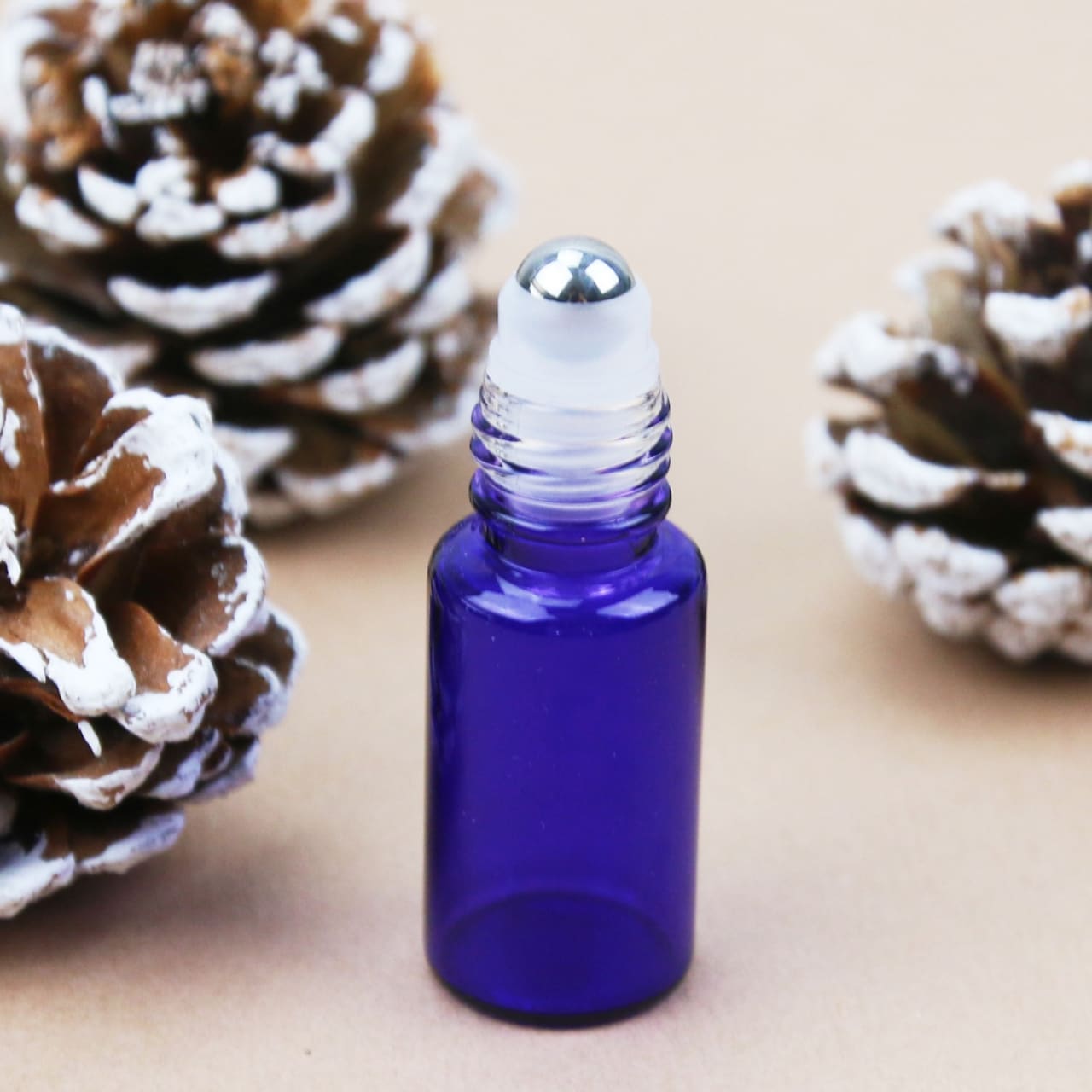
Anti-fatigue roll-on

Preparation

1

Put essential oils in a roll-on bottle.

2

Fill the bottle with jojoba vegetable oil.

3

 Close the bottle and shake.


Do not use in pregnant or breastfeeding women, children under 6 years of age, or people with epilepsy.

Store your bottle away from heat.

* Shelf Life: When stored properly and manufactured under optimal hygienic conditions, your product will remain fresh for at least 6 months.

Spirulina & Chlorella Detox & Vitality Capsules

Ingredients without balance

30 g, or ~60 capsules

Preparation

1

Transfer the powders to a bowl and mix until smooth.

2

Fill the size 00 capsules with the powder mixture using the capsule filler.

Store your capsules in an airtight container away from light and heat. KEEP CAPSULES OUT OF REACH OF CHILDREN. For adults only. Not recommended for pregnant or breastfeeding women.

* Storage: When stored properly and manufactured under optimal hygienic conditions, your product will remain fresh for at least 1 month.

To learn more, visit

This "Spirulina & Chlorella Detox and Vitality Capsules" recipe combines the best of two superfoods:

  • Organic Spirulina, with remarkable nutritional properties thanks to its high content of protein, minerals, essential fatty acids, and vitamins.

  • With detoxifying properties and the ability to bind heavy metals.

A powerhouse duo in dietary supplements to help you navigate seasonal changes and combat fatigue.

Precautions for use

Although vitamin B12 is essential for the body’s proper functioning, its intake—especially in supplement form—must remain reasonable and tailored to each individual’s needs. It is recommended not to self-supplement, except in cases of a confirmed diagnosis or upon the advice of a healthcare professional.

People with liver, kidney, blood, or inflammatory disorders should exercise caution, as should those taking medication or following a specific diet. In cases of pregnancy, breastfeeding, or chronic illness, medical supervision is essential.

Finally, it is advisable to follow the dosages indicated on the products, not to extend a course of treatment without medical supervision, and to monitor for any unusual symptoms.

Expert advice

Vitamin B12 plays a central role in the body’s overall balance. While it is essential, an excess—though rare—warrants close monitoring. Before considering a treatment or supplementation, it’s best to assess your diet: in most cases, a balanced and varied diet is sufficient to meet your needs.

In cases of persistent fatigue, digestive issues, or unusual symptoms, a blood test can determine if your vitamin B12 levels are too high and allow you to take informed action. Listening to your body, moderation, and personalised monitoring are the best ways to maintain your well-being, avoiding both excess and deficiency.

Learn more

Which condition causes vitamin B12 levels to rise?

If vitamin B12 levels are too high, this can sometimes be linked to conditions that affect its storage or release in the body. Certain liver diseases, such as cirrhosis, hepatitis, or certain biliary disorders, can cause excessive release of B12 into the blood. Rare blood disorders, such as myeloproliferative syndromes, as well as certain chronic inflammations, can also be the cause. In these situations, the elevated B12 level is often not the direct cause of the symptoms, but rather an indicator of an underlying imbalance. It is therefore essential to consult a healthcare professional, who can recommend further tests to precisely identify the cause of this elevation.

Which foods contain vitamin B12?

Vitamin B12 is found primarily in animal products, where it occurs naturally in a form that the body can easily absorb. The richest sources include liver (particularly beef or poultry), red and white meat, fish such as salmon, tuna, or cod, as well as eggs and dairy products (cheese, yoghurt, milk). People following a vegan or very restrictive diet must be particularly vigilant, as B12 is virtually absent from plant-based foods. Some fortified plant-based products, such as plant-based beverages or certain cereals, may contain it, but their content varies. Regular monitoring ensures that needs are adequately met.

For more information, see our article Which foods are richest in vitamin B12?

Where can vegetarians find vitamin B12?

Since vitamin B12 is primarily found in animal-based foods, intake may be limited for vegetarians. Eggs, milk, yoghurt, and cheese—especially hard cheeses—are good sources. Some plant-based beverages or fortified cereals may also contain it, but their levels vary.

In practice, even with a varied diet, supplementation is usually necessary to meet long-term needs. A blood test and consultation with a healthcare professional can help determine the appropriate intake.

Spotlight on our nutrition and food expert, Marie-Anne Vion

Faced with digestive disorders such as IBS and SIBO, Marie-Anne turned to nutrition and natural solutions. Passionate about wellness, she is now studying dietetics and nutrition. She shares her expertise through articles, offering accessible advice and insights. Attracted by the brand’s natural approach, she helps promote a balanced diet and self-reliance in health matters.

Bibliography

1

MSD Manuals

2

Vidal

3

Wikipedia

4

PubMed

5

RevMed

6

The Doctor’s Daily Practice

7

Santé publique France