



Common mistakes when taking dietary supplements (and how to avoid them)

Common mistakes when taking dietary supplements (and how to avoid them)


By Marie Anne Vion

Published on: Tuesday, March 17, 2026, Updated on: Monday, October 12, 2026

Dietary supplements can support certain wellness routines, provided they are used sensibly. However, many mistakes can limit their benefits or lead to avoidable discomfort. Product choice, dosage, timing of intake or combining active ingredients: a few simple habits can go a long way towards avoiding disappointment. How can you recognise these common pitfalls and adopt a more consistent daily routine? In this article, discover the common mistakes when taking dietary supplements and essential tips for making more informed choices.

Contents

Related products

What is a dietary supplement? And what isn’t it?

A dietary supplement is a concentrated source of nutrients or substances with a nutritional or physiological effect. Its role is to supplement the diet when intake may be insufficient or when the body’s needs increase. For example, it can address a shortfall in intake, a confirmed deficiency, a deficiency effectively linked to lifestyle, or even certain situations where the absorption of nutrients is less than optimal. However, a dietary supplement is no substitute for a varied diet or a balanced lifestyle, and is not a ‘miracle’ solution.

Dietary supplements comprise several main groups of ingredients: vitamins and minerals, plants and plant extracts, fatty acids or even probiotics. They also come in various dosage forms, tailored to individual preferences: capsules, powders, oils, ampoules or oral solutions. Understanding these distinctions already enables you to make more informed choices and avoid certain common mistakes when taking dietary supplements.


8 common mistakes when taking dietary supplements

Mistake 1 — Starting without a clear goal

Before choosing a dietary supplement, it is essential to set a specific goal. Many people start a course of supplements without knowing exactly what they wish to improve: vitality, the condition of their skin, hair or nails, digestive comfort, sleep or even stress management. However, a clearly defined goal helps guide the choice of product and makes it easier to assess the effects felt over time.

To be useful, this goal can be simple and practical: improving digestive comfort, re-establishing a more regular sleep pattern, or supporting exercise tolerance during a period of intense activity. This approach also helps to avoid accumulating unnecessary supplements.

Before starting a course of supplements, there are a few factors worth taking into account: dietary balance, lifestyle, level of physical activity, exposure to sunlight, and any dietary restrictions (vegetarian diet, periods of fasting, etc.). These guidelines help you better understand your needs and avoid some common mistakes when taking dietary supplements.

Our advice : take a few minutes to clarify your goal before starting a course of supplements. A dietary supplement is always most effective when incorporated into a consistent and gradual routine that suits your lifestyle.

Mistake 2 — Taking too many products and duplicating active ingredients

One of the common mistakes when taking dietary supplements is to take several products containing the same nutrients. For example, combining a multivitamin complex, a supplement designed to support immunity and magnesium can lead to repeated intakes of certain minerals. Similarly, many multivitamin complexes designed for the skin, hair and nails often contain similar ingredients such as zinc, biotin or certain B vitamins.

These overlaps sometimes go unnoticed when supplements are taken separately, but their intakes add up over time. A simple way to spot them is to read the labels carefully, compare the recommended daily intake, identify the active ingredient and its form, and then add up the intakes from each product.

Our advice : opt for a simple, consistent routine, using a limited number of multivitamin formulas. This approach makes it easier to stick to your regimen and helps you avoid taking the same nutrients twice.

Mistake 3 — Not following the recommended dose

Increasing the dose in the hope of achieving faster results is a common mistake when taking dietary supplements. However, each product specifies a recommended daily intake, designed to meet the body’s needs whilst ensuring safe use. Exceeding these amounts can lead to excessive intake, particularly for certain fat-soluble vitamins (A, D, E, K) or for certain minerals, the build-up of which in the body can cause imbalances.

Sticking to the recommended dose also makes it easier to assess individual tolerance. In some cases, it may be advisable to start with the minimum recommended dose where the label suggests this, and then adjust gradually if necessary. Introducing just one supplement at a time also makes it easier to identify any discomfort.

What are the effects of an overdose of dietary supplements?

An overdose of dietary supplements can cause various effects depending on the active ingredients involved. The most common symptoms include digestive discomfort, headaches, sleep disturbances or even certain mineral imbalances when several nutrients are consumed in excess. The risk increases when several products are taken simultaneously, as their intakes can add up without you realising it.

If in doubt, it is best to stop taking the supplement, read the label carefully to identify any overlapping active ingredients, and then seek advice from a healthcare professional – particularly if symptoms are severe, persistent or if you are already undergoing treatment.

Our advice: always opt for a gradual and measured approach. Sticking to the recommended doses and introducing supplements one at a time ensures a more relaxed approach that is better suited to your needs.

Mistake 4 — Taking your dietary supplement at the wrong time

The time of day you take a supplement can affect how well certain supplements are tolerated and absorbed. For example, many active ingredients are better tolerated when taken with a meal, which helps to minimise digestive discomfort. Conversely, some supplements may be better taken in the evening if taking them on an empty stomach or during the day causes discomfort.

The bioavailability of certain nutrients also depends on dietary context. Fat-soluble vitamins (A, D, E, K) are generally better absorbed when taken with a meal containing a small amount of fat. Certain minerals, on the other hand, may be harder on the stomach when taken on an empty stomach.

Certain food interactions can also influence absorption. For example, coffee or tea can limit the absorption of certain minerals when consumed at the same time. Similarly, a diet very high in fibre may sometimes require certain doses to be spaced out to promote optimal absorption.

To help you navigate this, here are a few examples of when to take certain dietary supplements:

Dietary supplement

Recommended time to take them

Why?

Vitamin D

With the most substantial meal of the day

Fat-soluble vitamins are better absorbed in the presence of dietary fats.

Magnesium

In the evening if a relaxing effect is desired

In the morning or during the day if you wish to boost your energy levels

The timing can be adjusted according to your goals and individual tolerance.

Zinc

Preferably taken away from meals very high in phytates (wholemeal cereals, pulses)

Phytates can limit the absorption of certain minerals.

Iron

Best taken separately from coffee or tea, and ideally combined with a source of vitamin C

The polyphenols found in coffee and tea can reduce iron absorption, whereas vitamin C actually helps to improve its absorption when consumed together.

Probiotics

Often on an empty stomach or around 30 minutes before a meal

The digestive environment may be more favourable to the survival of certain bacterial strains.

Vitamin C

With a meal, for example in the morning but also possible in the evening

Taking it with food may improve digestive tolerance.

Omega-3

With a meal containing fats

It is advisable to take them with a meal to ensure better absorption of the fatty acids alongside food.

Psyllium or activated charcoal

Take at a distance from medication

They may slow down or limit the absorption of certain medicines in the gut when taken at the same time. Psyllium: leave at least 1 hour between doses

Activated charcoal: take at least 2–3 hours apart

Our advice : always check the dosage instructions on the label and adapt when you take them to suit your daily routine. Taking them regularly, at a time that suits you best, makes them easier to use and better tolerated.

Mistake 5 — Ignoring interactions and contraindications

Certain interactions may occur when dietary supplements are taken alongside medicines or other active substances. For example, certain nutrients or plant extracts may interact with anticoagulant treatments, thyroid treatments or other specific medicines. These situations highlight the importance of remaining vigilant when taking several products at the same time.

Combinations of plants or plant extracts may also require particular attention. The combination of several ingredients with similar effects, particularly stimulant plants, can sometimes affect digestive comfort, sleep patterns or overall tolerance of the course of treatment.

Here are a few examples of combinations to watch out for:

Active ingredients found in certain supplements

Combinations to watch out for

Why?

Iron

Zinc

These nutrients may compete with one another and limit iron absorption when taken at the same time. It is generally advisable to space out your intake throughout the day.

Stimulant plants (Guarana, Ginseng)

Caffeine or other stimulants

Combining these can sometimes affect nervousness or the quality of sleep.

Ginkgo biloba

Anticoagulant or blood-thinning medicines

Combining these may affect blood clotting balance.

Magnesium

Calcium

They may compete with one another in terms of absorption.

Psyllium

Medicines in general, particularly those that reduce bowel movements

Psyllium fibre may limit the absorption of certain medicines and alter bowel movements.

Curcumin

Anticoagulant medicines

Curcumin may affect blood clotting mechanisms.

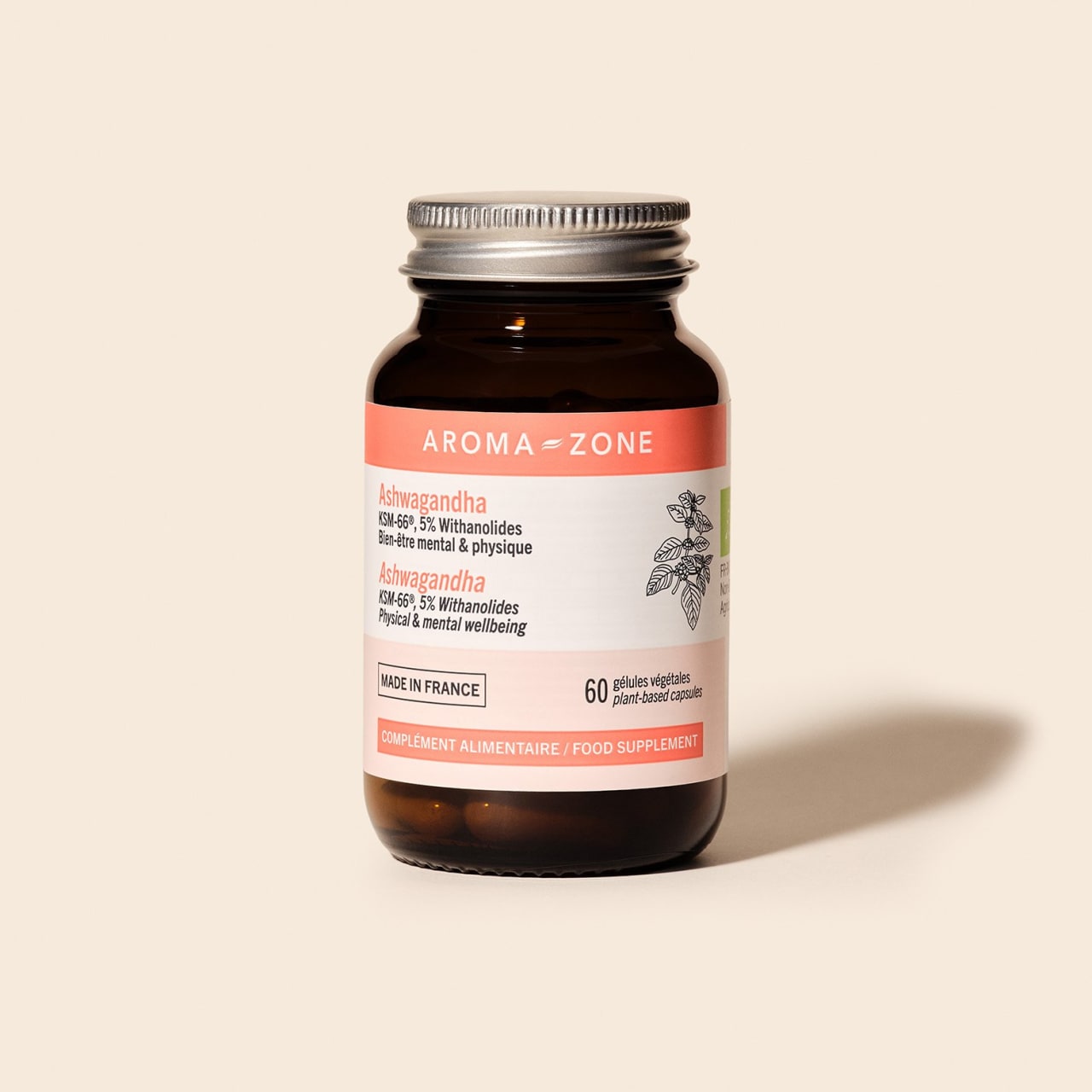
Ashwagandha

Medicines with a depressant effect on the central nervous system

This herb may enhance the sedative effects of certain medicines that act on the nervous system.

Marine iodine

Anticoagulant treatments, treatments for hyperthyroidism and medicines containing lithium

Iodine may interact with certain treatments and affect the balance of thyroid function, whilst lithium may also reduce its absorption.

Our advice : if you are on medication, if you are considering combining several supplements, or if you have any particular sensitivities (particularly regarding sleep), take the time to check the precautions listed on the label and seek advice from a healthcare professional before starting a new supplement regimen.

Mistake 6 — Not being consistent enough

Consistency plays a vital role in the use of dietary supplements. Healthcare professionals often refer to ‘adherence’ to describe the practice of following a recommended intake schedule regularly and for the intended duration. When adherence is insufficient, it becomes more difficult to assess the effects of a course of treatment.

Some courses of treatment are therefore stopped too soon, as soon as an improvement is noticed, whilst others are taken irregularly or in smaller quantities than recommended. These habits can undermine the consistency of the approach and make it more difficult to assess the effects experienced.

Adopting a simple, regular routine helps the body to benefit from the recommended course of treatment. It may also be useful to reassess the supplementation after this period, in the event of discomfort or if the initial objective changes. Depending on the supplements and the instructions on the label, taking breaks between courses of treatment may also be advisable as part of a gradual approach.

Our advice: make a habit of taking your supplement at a fixed time of day (for example, at breakfast or dinner). This helps you stick to a regular routine and makes it easier to track your progress.

Mistake 7 — Not knowing how to read the label

The label on a dietary supplement contains essential information for understanding the product’s composition and intended use. However, it is often skimmed over too quickly. A good starting point is to check the recommended daily intake, as well as the precise dosage of each active ingredient. For plant-based supplements, the ‘titration’ information also helps to identify the actual concentration of active compounds.

The form of the nutrient can also affect how well it is tolerated or absorbed. Certain minerals, for example, exist in different forms, some of which may be better absorbed or better tolerated by certain individuals. The label also lists the excipients, i.e. the ingredients used in the manufacture of the supplement.

Beyond the composition, several factors provide information on the product’s quality: the traceability of raw materials, the origin of ingredients, the tests carried out, and the consistency of the claims made. Taking the time to read this information enables you to make a more informed choice.

Our advice : before you start taking a supplement, take a few moments to read the label carefully and compare products if necessary. This simple habit will help you avoid some common mistakes when taking dietary supplements and ensure you choose a product suited to your needs.

Mistake 8 — Expecting results without making lifestyle changes

Dietary supplements form part of a holistic approach to wellbeing. Expecting results without taking into account your diet, sleep quality, hydration or level of physical activity can lead to unrealistic expectations. A dietary supplement complements your daily routine, but does not replace the essential habits that support the body’s balance.

Adopting a few simple guidelines – such as eating a varied diet, maintaining a regular sleep pattern, staying active and staying sufficiently hydrated – helps to create a more favourable environment for taking dietary supplements.

Our advice : think of dietary supplements as a way to support your daily routine, rather than as a stand-alone solution. By combining supplementation with a balanced lifestyle, you’ll foster a more consistent and sustainable approach.

When medical advice is essential: at-risk groups and situations

Certain situations require particular caution before starting a course of supplements. This is particularly the case during pregnancy and whilst breastfeeding, for teenagers, or for people taking multiple medicines. In these circumstances, nutritional balance and potential interactions between nutrients, herbal remedies or medical treatments must be carefully assessed. Similarly, people with a history of allergies or particular sensitivities may be advised to seek professional advice before starting a course of supplements.

It is also important to remain alert to signs of intolerance whilst taking a dietary supplement. The onset of digestive discomfort, headaches, sleep disturbances or any unusual reaction should prompt you to stop taking the supplement and reassess the situation. In the event of persistent symptoms or when treatment is already underway, seeking guidance from a healthcare professional allows for a more cautious and appropriate approach.

Our experts’ advice

A word from the nutritionist

"People often ask: do you always need to have a blood test before starting a course of supplements? Not necessarily. It is certainly not necessary for short-term courses (for example, for magnesium, probiotics or low-dose vitamin D). However, for vitamin or mineral supplements where there is a risk of overdose (such as high-dose vitamin D, vitamin A, iron or calcium), it is best to discuss this with your doctor. They will decide whether a blood test is necessary, based on your personal circumstances. If you have a medical condition, are taking medication, are pregnant or are breastfeeding, medical advice is always recommended."

Lila Bouber, PhD in Nutrition and Scientific Consultant

A word from the functional medicine doctor

"To optimise the absorption and effectiveness of dietary supplements, what I most often advise – apart from prebiotics, which should be taken on an empty stomach in the morning, well before breakfast – is to take into account the bioavailability of the supplements. For example, vitamin D should be taken with a fairly fatty meal, whilst magnesium is better absorbed in its bisglycinate form… Generally speaking, it is best to take supplements in the middle or at the end of a meal.”

Dr Yoni Assouly, functional medicine doctor and author

Precautions

If in doubt, always consult a qualified professional, such as your GP, pharmacist or a nutrition and natural health expert. Their guidance will help you tailor your supplementation to your individual circumstances and avoid certain mistakes.

Certain situations require particular caution: pregnancy and breastfeeding, adolescence, taking multiple medicines, or a history of allergies. In these cases, it is best to seek advice from a healthcare professional before starting a course of supplements.

You should also watch out for signs of poor tolerance (digestive discomfort, headaches, sleep disturbances or any unusual reactions). If these symptoms occur, stop taking the supplement and reassess the situation with a healthcare professional.

Spotlight on Our Nutrition and Food Expert, Marie-Anne Vion

Marie-Anne Vion.jpg

Faced with digestive disorders such as IBS and SIBO, Marie-Anne turned to nutrition and natural solutions. Passionate about wellbeing, she is now studying dietetics and nutrition. She shares her expertise through articles that offer accessible advice and insights. Drawn to the brand's natural approach, she helps promote a balanced diet and self-reliance in health matters.

Bibliography

  1. Ronis MJJ, Pedersen KB, Watt J. Adverse Effects of Nutraceuticals and Dietary Supplements. Annu Rev Pharmacol Toxicol. 6 January 2018;58:583–601. doi: 10.1146/annurev-pharmtox-010617-052844. Epub 6 October 2017. PMID: 28992429; PMCID: PMC6380172.

  2. ANSES. Dietary supplements: the need for informed consumption. 21 March 2025. Accessed in March 2026. https://www.anses.fr/fr/content/les-complements-alimentaires-necessite-dune-consommation-eclairee

  3. Mehta N, Germain MS, Quiel L. Dietary supplements: When too much of a good thing becomes harmful. Clin Case Rep. 15 September 2021;9(9):10.1002/ccr3.3614. doi: 10.1002/ccr3.3614. PMID: 34552730; PMCID: PMC8443412.

  4. Dopter A, Margaritis I. Food supplements: real food or fake medicine? [Food supplements: real food or fake medicine?]. Rev Prat. February 2021;71(2):160–163. French. PMID: 34160972.

  5. EFSA, Food supplements. Accessed March 2026. https://www.efsa.europa.eu/fr/topics/topic/food-supplements#faq

  6. Santé.gouv, Food supplements. 25 February 2025. Accessed March 2026. https://sante.gouv.fr/sante-et-environnement/denrees-alimentaires/article/complements-alimentaires

Frequently Asked Questions

Frequently Asked Questions