

Why use an anti-ageing food supplement?
Over time, skin and the body go through some fairly well-documented changes, less elasticity, fine lines and wrinkles, a duller complexion, and beyond skin, muscular fatigue and a general dip in resilience. External factors like oxidative stress, pollution and a less-than-ideal diet tend to make all of this show up sooner rather than later.
What can a food supplement actually offer here?
Worth being upfront about this: a food supplement is exactly that, supplementary. It's not a substitute for a good diet, and for a lot of what's sold under "anti-ageing," the evidence behind it is more traditional than proven. A few ingredients genuinely do have a recognised role, most don't, knowing which is which makes it easier to choose sensibly rather than on marketing alone.
How do I choose the right anti-ageing food supplement?
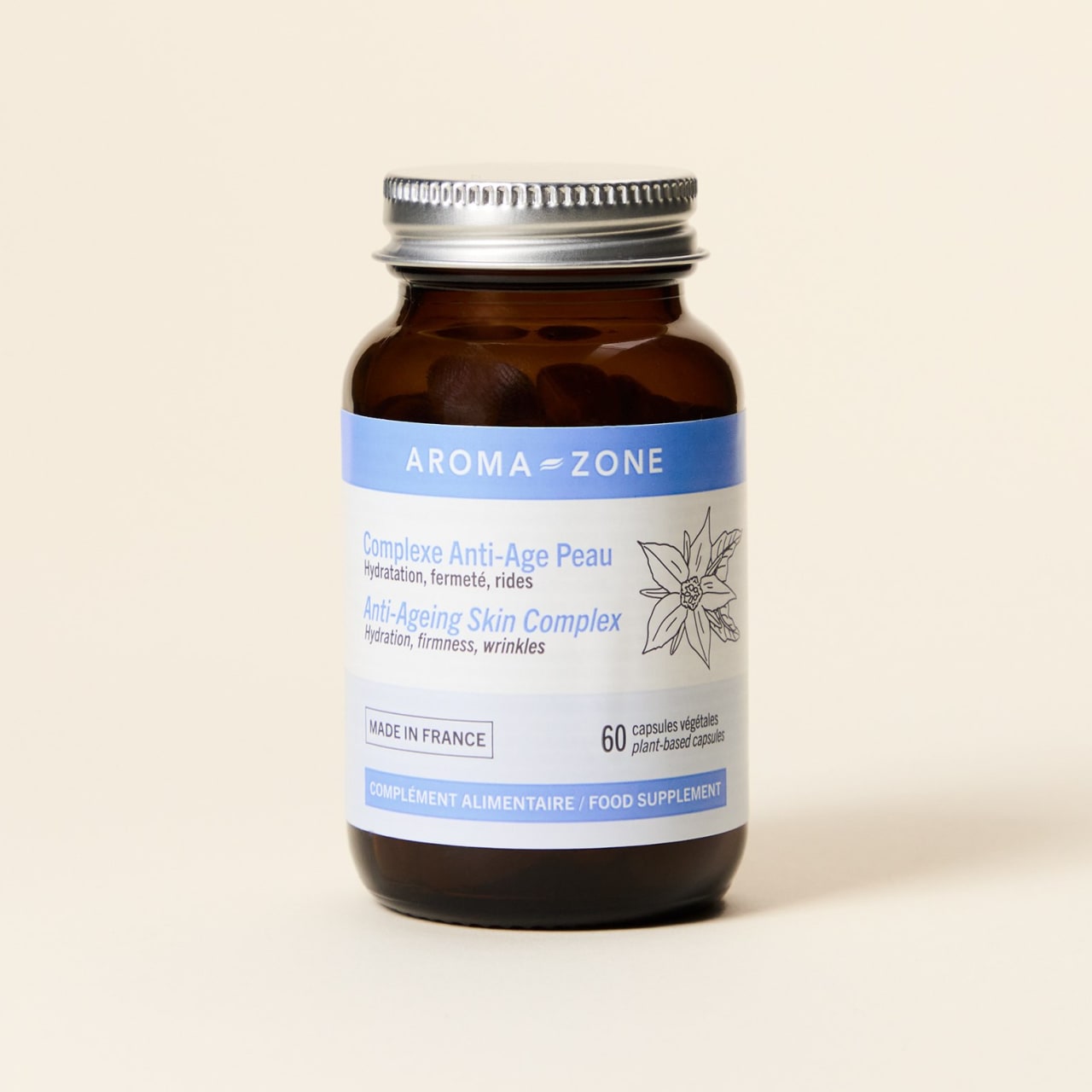
For visible signs of ageing
As skin ages, elasticity, hydration and evenness of tone are usually the first things people notice changing.
A few nutrients are worth knowing about here:
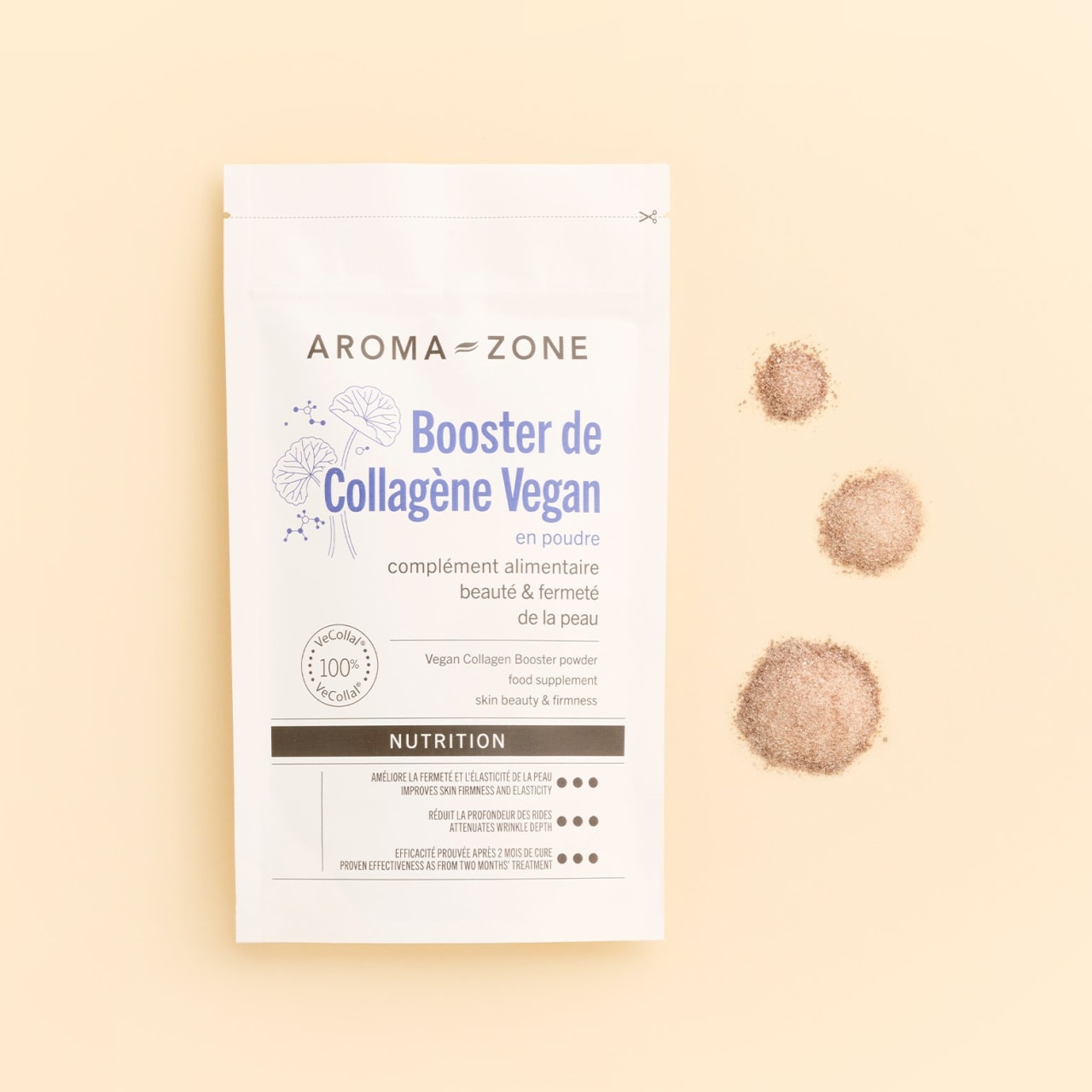
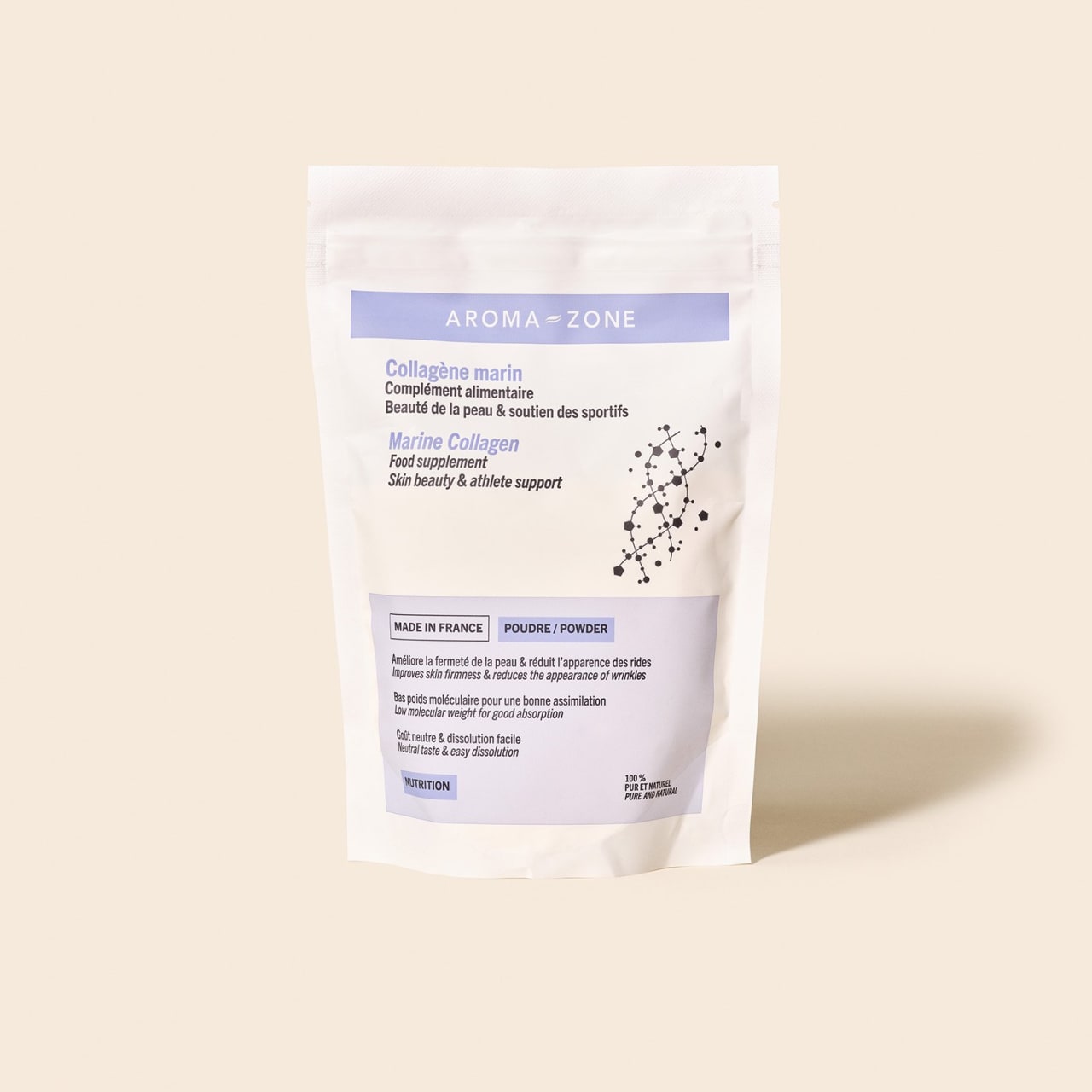
For firmness, Marine Collagen and the Vegan Collagen booster are a source of protein and amino acids, genuinely true, though there isn't currently a recognised claim linking collagen supplementation specifically to firmer-looking skin or fewer wrinkles, whatever you may have seen elsewhere.
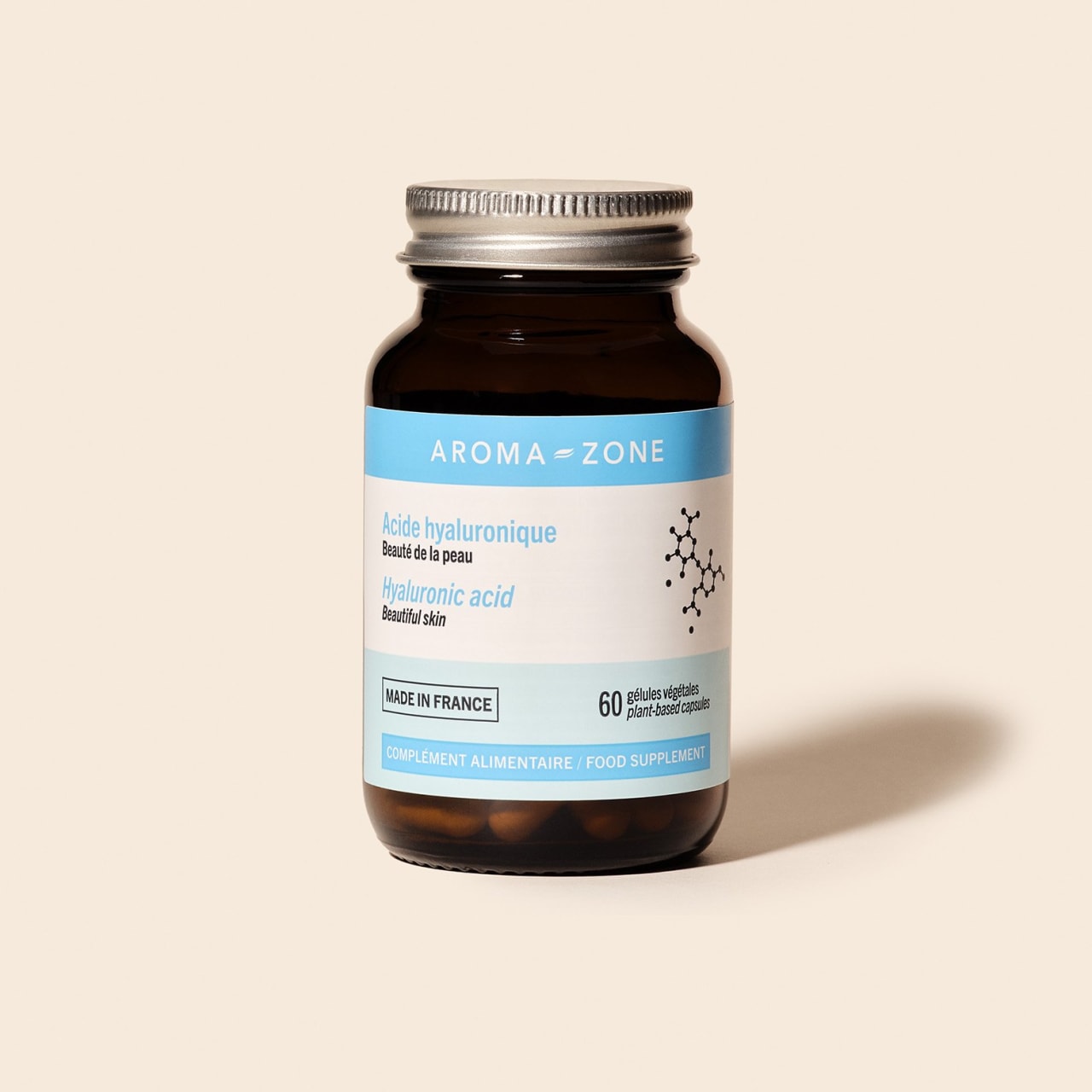
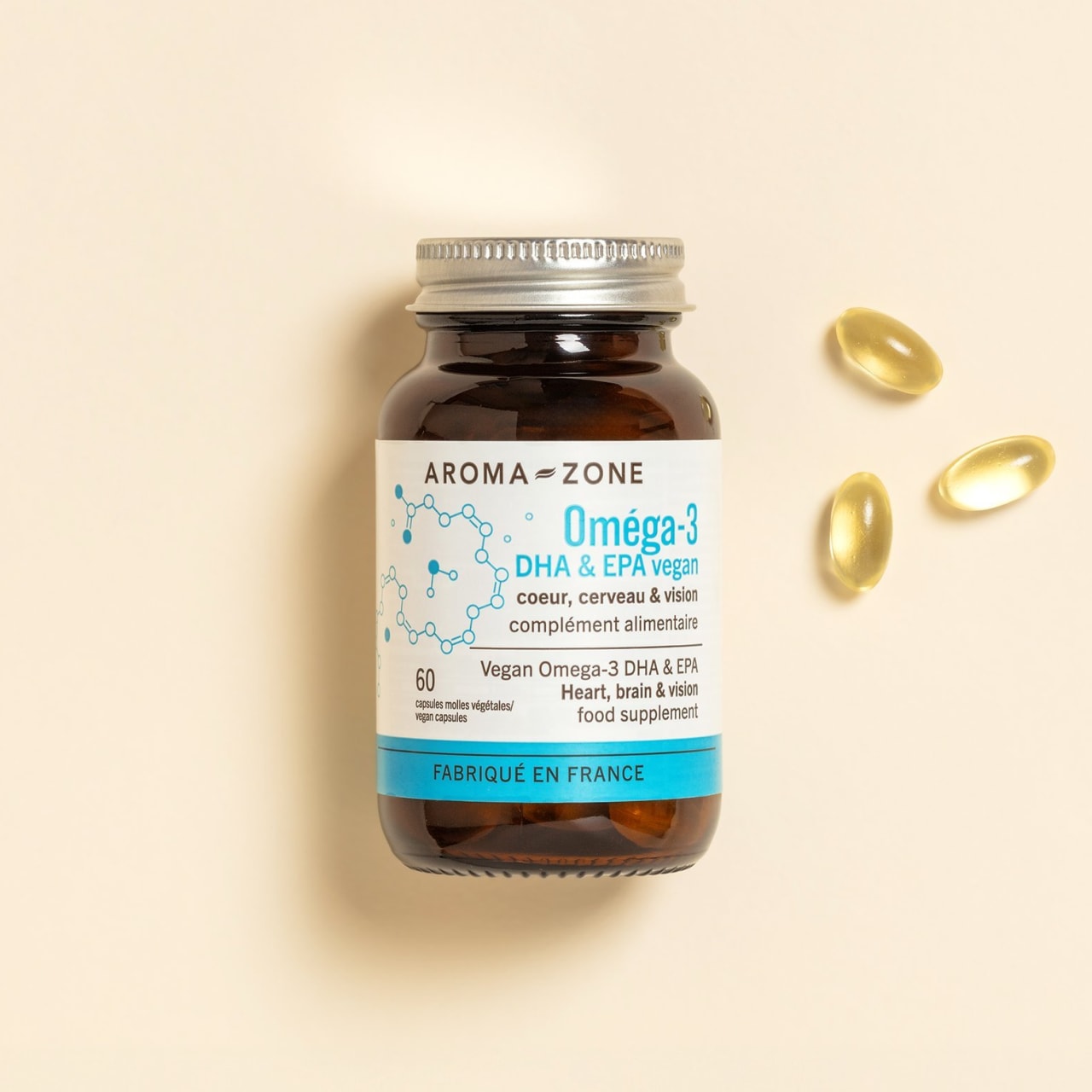
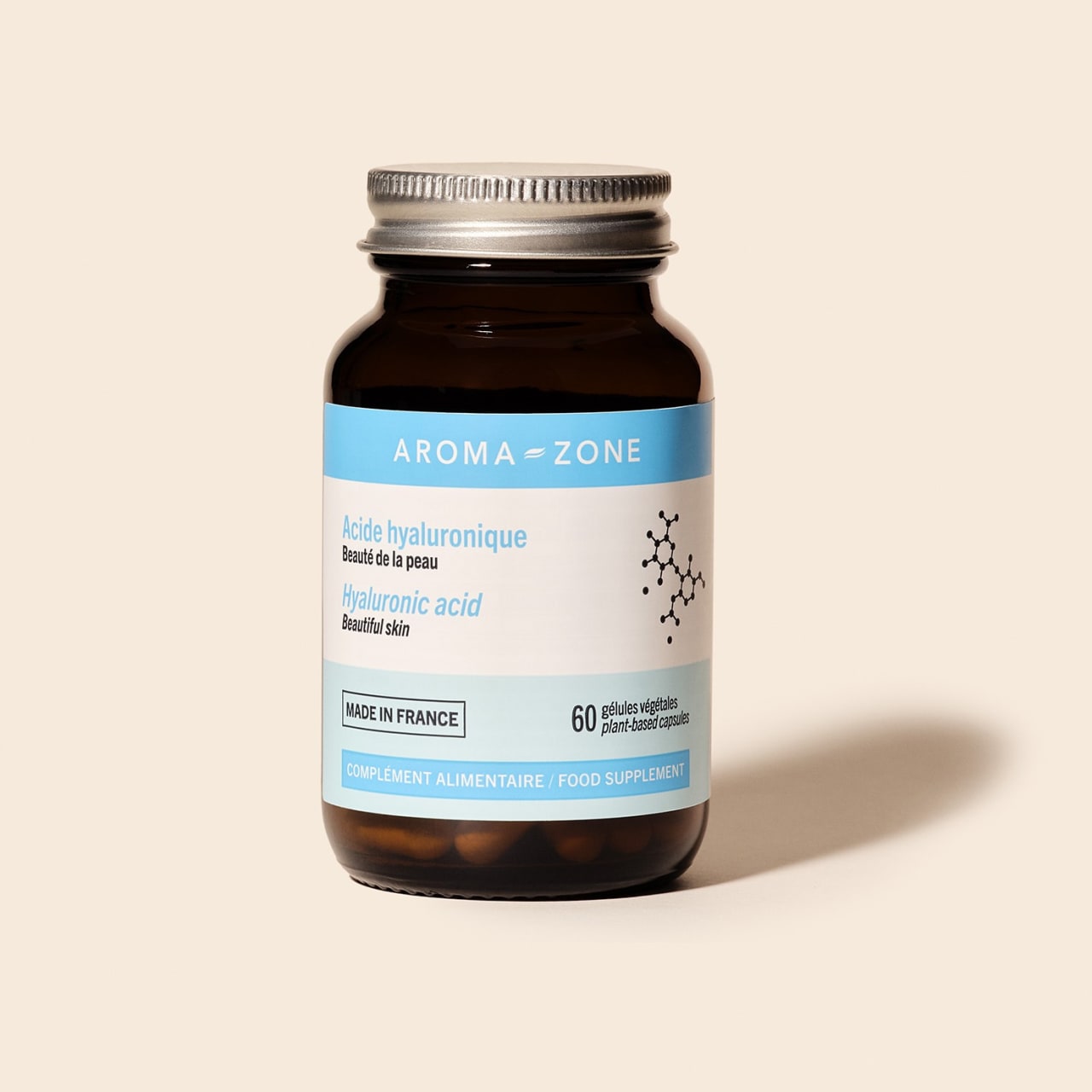
For hydration and suppleness, hyaluronic acid taken as a food supplement and our Vegan Omega-3 both get reached for here, omega-3 is a genuinely essential fatty acid the body can't make on its own, useful if your diet runs a little low in it, though neither carries a specific recognised skin-hydration claim.
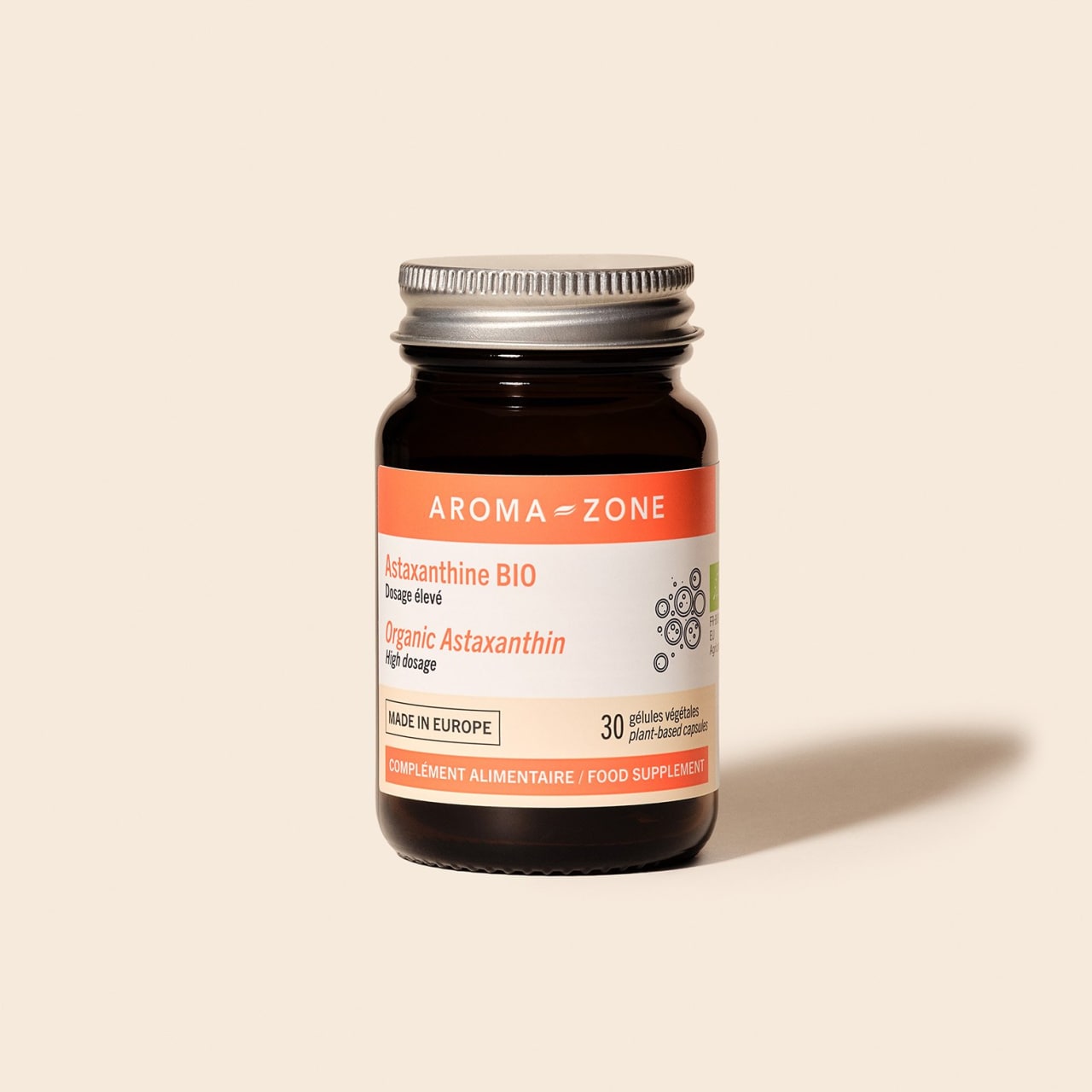
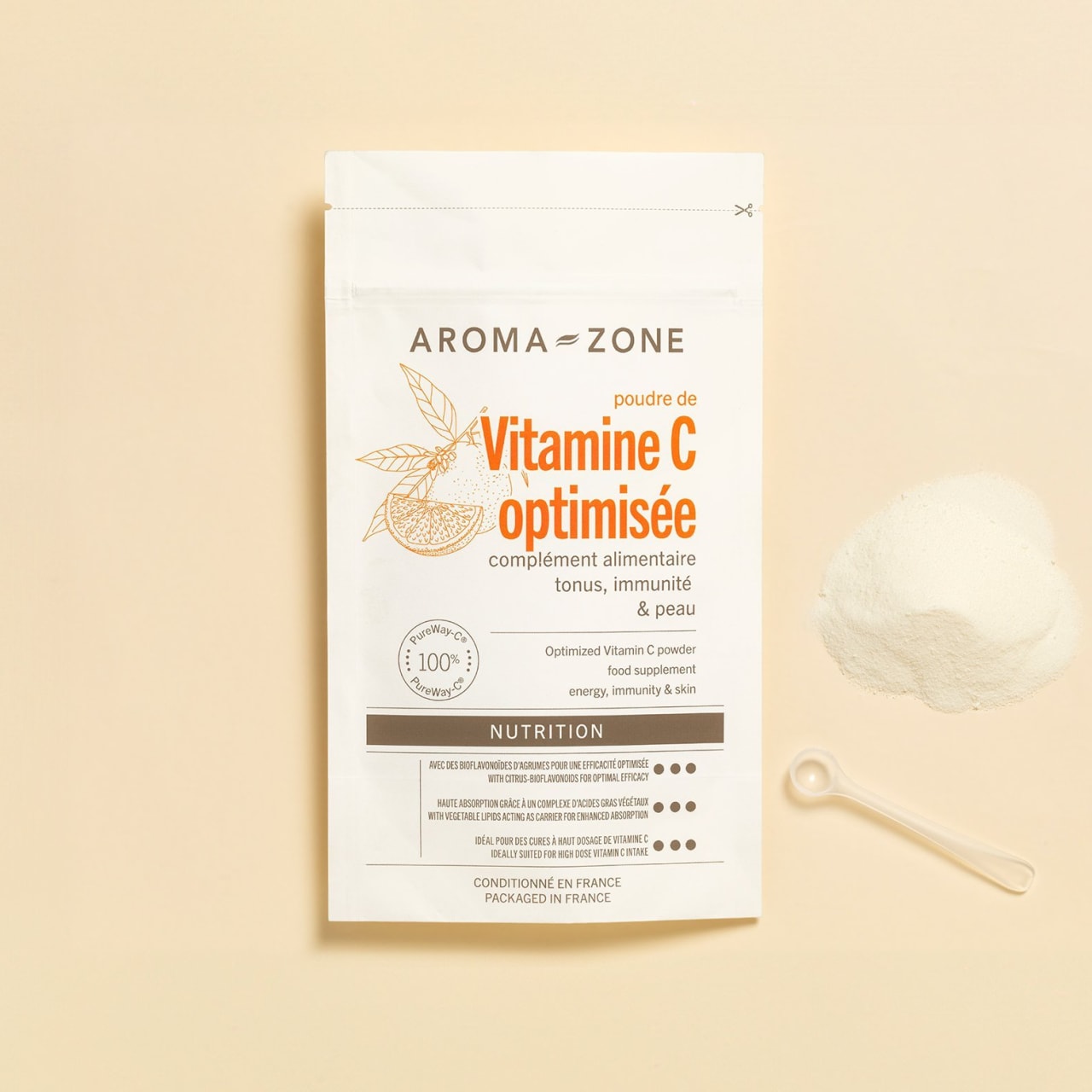
For a brighter, more even-looking complexion, organic astaxanthin is a naturally occurring antioxidant pigment (our guide to astaxanthin explains what it actually is), and Vitamin C is the one clear exception on this list, recognised as contributing to normal collagen formation for the normal function of skin, a genuine, EU-authorised claim. Worth noting the Vitamin C powder is currently out of stock on the live page.
To maintain vitality and wellbeing
Ageing isn't only a skin story, joints, energy and general resilience matter just as much:
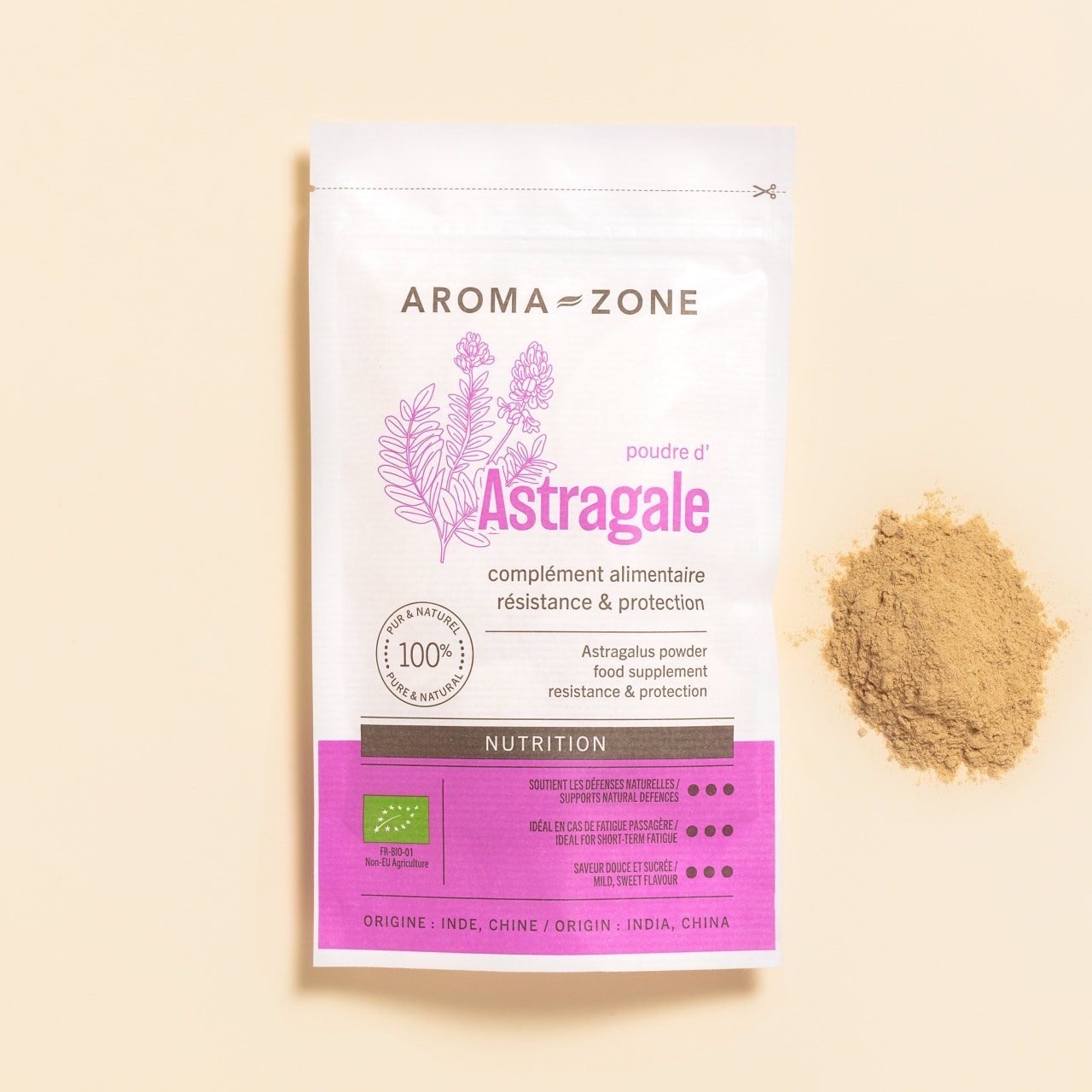
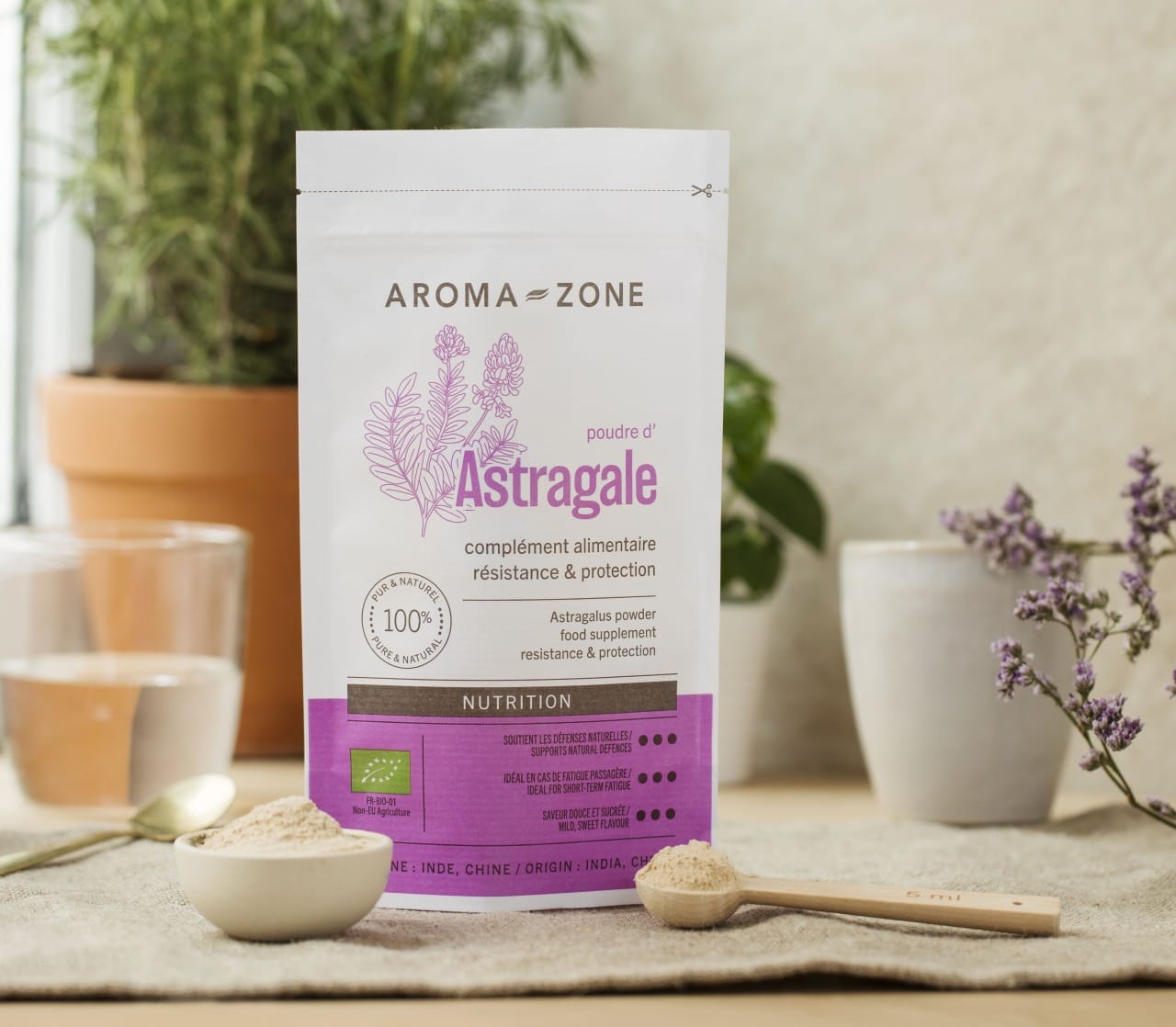
For joints and general vitality, our Organic Astragalus Powder reflects a long tradition in Chinese herbal practice, our guide to astragalus covers that tradition, and its precautions, properly.
If energy, memory or circulation is the main concern, those are better served by a more targeted selection than this page, our food supplements for fatigue range is a good place to look instead.
How can anti-ageing food supplements be incorporated into your diet?
For the skin
Consistency is what makes the difference here, far more than any single dose. Antioxidant powders like vitamin C and astaxanthin are often taken in the morning as part of a routine, while collagen and omega-3 suit an evening habit just as well, there's no strict rule either way.
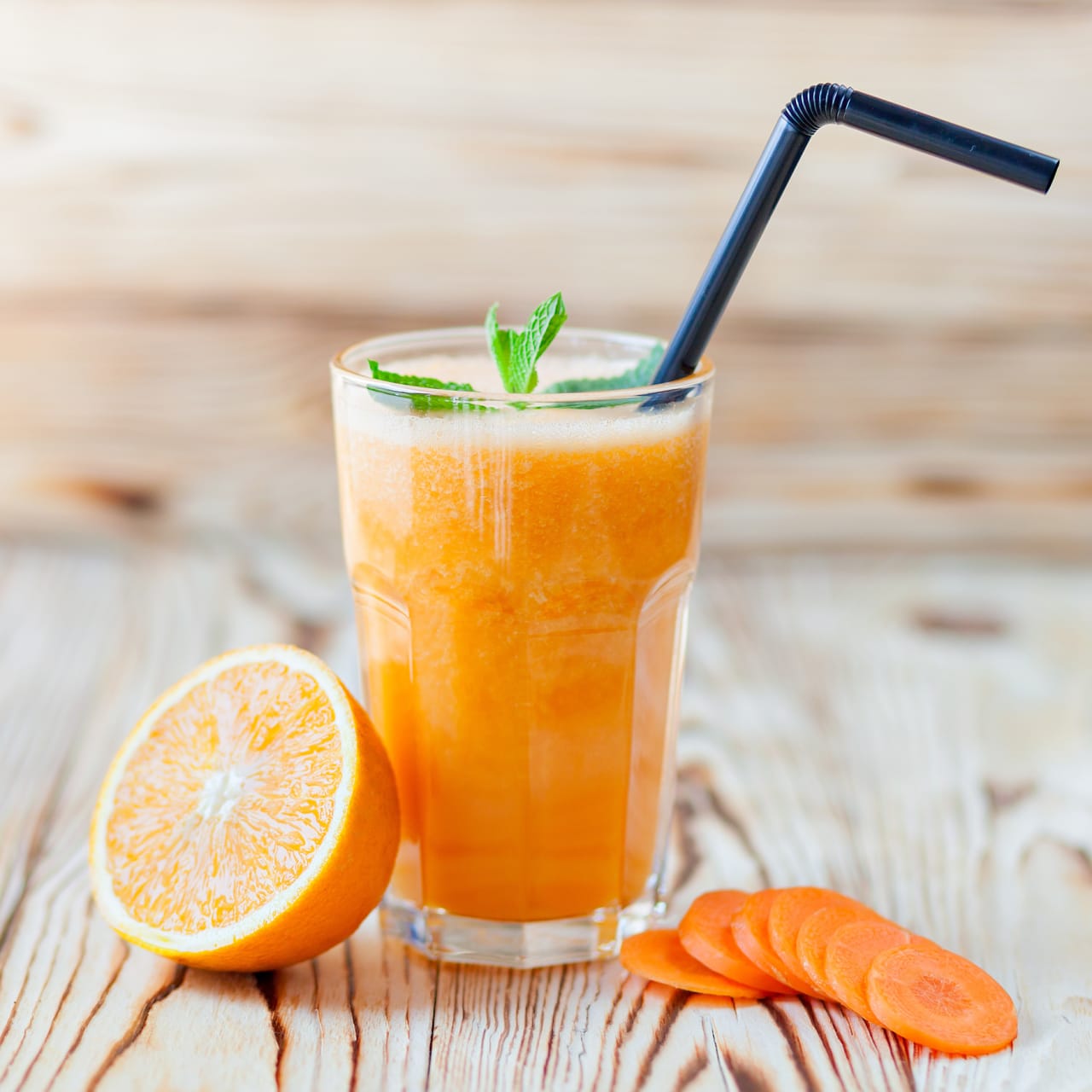
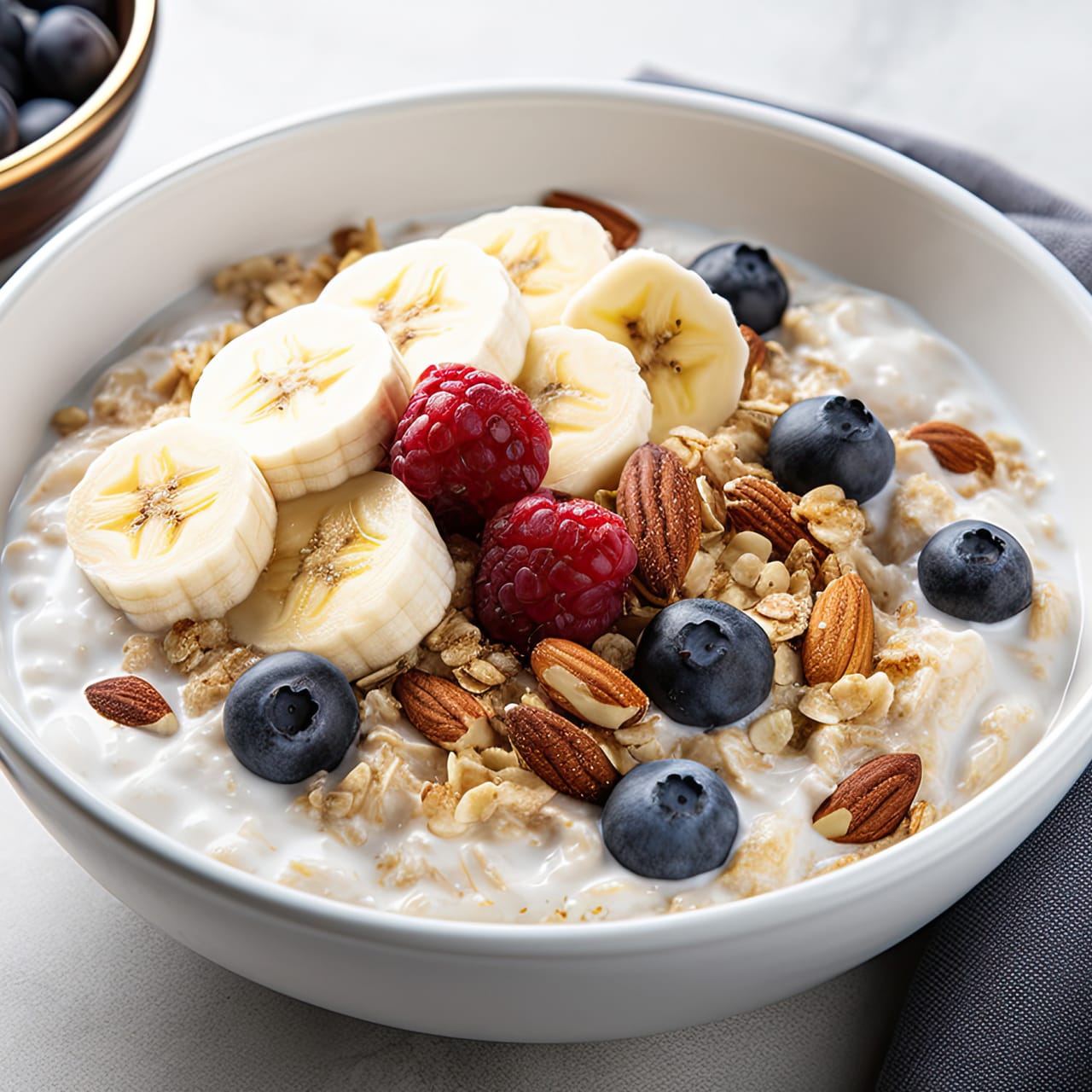
Powders mix easily into a smoothie, a glass of water or a bowl of porridge, capsules are simplest taken with a meal and a full glass of water. Hyaluronic acid and vitamin C are often taken together as part of the same routine, same with omega-3 and collagen. If you're building a topical routine alongside this, our anti-ageing serums selection is worth a look too.
For your general wellbeing
The same logic applies beyond skin, regular use alongside a sensible diet matters more than when exactly something's taken.
If fatigue or low energy is the main driver, our food supplements for fatigue selection has more detail on timing and routine specific to that.
Other things worth doing for healthy ageing
A supplement is one small piece of a much bigger picture, and some of what matters most doesn't come in a capsule at all:
Daily sun protection. Of everything linked to how skin ages, consistent SPF use has by far the most evidence behind it, more than any single ingredient on this page.
Not smoking. Which is well documented to affect skin's texture and tone over time, among its many other, better-known effects.
A varied, protein-and antioxidant-rich diet, oily fish, colourful fruit and vegetables, nuts and seeds, tends to do more for how skin and the body hold up than any one supplement in isolation.
Enough good-quality sleep, skin repairs itself overnight, and poor sleep is increasingly linked to how skin looks day to day.
Regular movement, which supports circulation and general resilience, alongside pretty much everything else it's good for.
Managing stress where you can, chronic stress is well documented as something that affects both skin and general wellbeing over time.
A consistent topical routine, cleansing, a treatment step suited to your concern, and a daily moisturiser, do as much for how skin looks as anything taken internally, our
anti-ageing serums selection is a good place to start building one.
A couple of things worth knowing
Stick to the dose stated on the packaging rather than exceeding it, a food supplement is meant to complement a varied, balanced diet, not replace one. If you're pregnant, breastfeeding, taking medication or managing an existing health condition, check with a doctor or pharmacist before starting anything new, this matters particularly for astragalus, which can interact with certain medications.


