Which dietary supplements can help improve memory and concentration?

Dietary supplements for memory and concentration are attracting growing interest, particularly during periods of mental fatigue, work overload or exams. Brain fog, frequent forgetfulness or difficulty maintaining focus: everyday life can sometimes put our cognitive abilities under severe strain. To support brain function, targeted formulations combine vitamins, minerals and plant extracts recognised for their role in the nervous system. However, choosing the right supplement requires an understanding of the mechanisms of memory and the factors that influence it. Beyond taking supplements, adopting good habits remains essential for preserving your intellectual abilities in the long term.

Reading time: 0 min.

What factors influence memory?

Memory relies on two complementary mechanisms: learning, which enables us to store new information, and retrieval, which enables us to recall it at the right moment. This complex process can be influenced by numerous factors, ranging from sleep and diet to stress and physical activity.

Sleep: essential for consolidating memories

Sleep plays a key role in memory formation. It is particularly during the deep sleep phases that the brain consolidates information and stores it in long-term memory. When sleep is insufficient or of poor quality, information learnt during the day is not retained as effectively.

Stress, which can disrupt cognitive abilities

During periods of stress, the body secretes more cortisol, a hormone that can disrupt attention, concentration and memory. When stress becomes chronic, it can also impair the functioning of the hippocampus, an area of the brain involved in memory formation.

Age: a natural factor in memory changes

As we get older, certain cognitive functions change naturally. The speed at which we process information may slow down, whilst the ability to form new neural connections gradually diminishes. These changes are part of the body’s natural ageing process and do not necessarily indicate a medical condition.

Diet and hydration: essential for healthy brain function

The brain needs a regular supply of nutrients to function properly. B vitamins, omega-3s, iron and magnesium, in particular, help to maintain balanced cognitive function. Hydration also plays an important role: when water intake is insufficient, concentration and alertness may be impaired.

Physical activity: a boost for cognitive function

When practised regularly, physical activity promotes blood circulation, including to the brain. It thus helps to support oxygenation of the brain and the proper functioning of cognitive abilities. Even a gentle activity, such as walking, can form part of a routine that benefits memory and concentration.
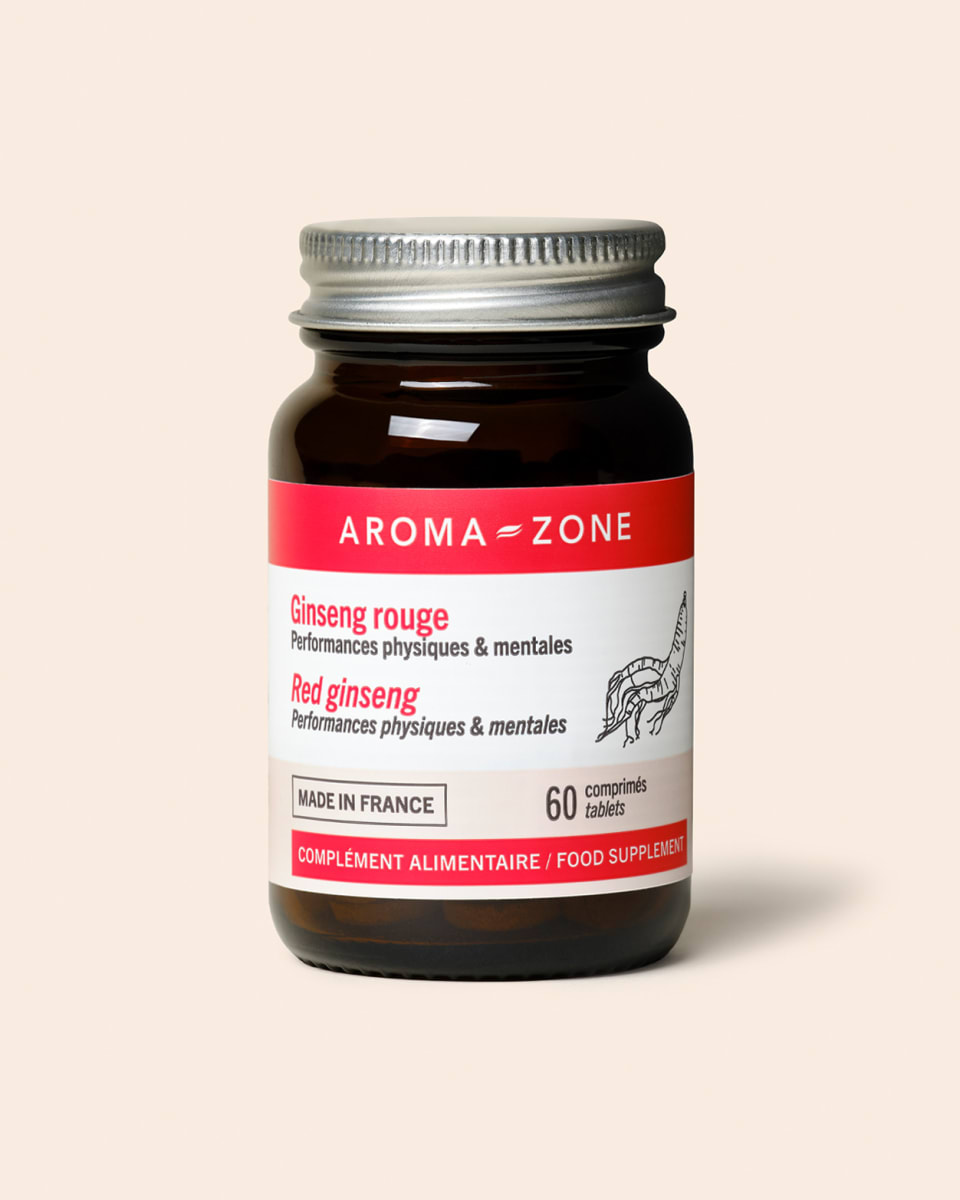
Who are dietary supplements for memory and concentration intended for?

A dietary supplement cannot, on its own, miraculously improve memory. Rather, its role is to support cognitive function by providing certain nutrients, plants or targeted active ingredients, particularly when fatigue, stress, lack of sleep or increased demands put concentration and memory under strain. These needs may particularly apply to:

  • Students during exam periods: revision, exams, shorter nights, heavy mental workload… These periods of intense intellectual demand place memory and concentration under severe strain. In this context, taking supplements may be beneficial to support cognitive functions, particularly when stress and lack of sleep disrupt the nervous system’s balance. Magnesium, for example, can be helpful during periods of fatigue or temporary stress

  • Older adults wishing to maintain their cognitive function: as we age, memory and concentration naturally tend to change. Alongside a balanced diet, regular physical activity and mental stimulation, certain dietary supplements can help support cognitive function, particularly during periods of fatigue or reduced energy levels

  • Working people under heavy mental strain: a hectic pace, fragmented days, multiple demands… Working life can also put concentration to the test. When mental fatigue sets in, certain dietary supplements can support cognitive function, alongside sufficient sleep, regular breaks and a balanced diet.

Why take dietary supplements to support memory?

Dietary supplements designed to support memory and concentration are not miracle cures. Their benefit lies instead in a holistic approach, addressing certain factors that directly influence cognitive function: fatigue, stress, disturbed sleep or a decline in vitality. Depending on individual needs, various active ingredients can thus support the functioning of the nervous system and the ability to concentrate.

Promoting good-quality sleep

Sleep is essential for memory formation. It is during the night that the brain sorts, consolidates and stores the information recorded during the day. When sleep is insufficient or of poor quality, the ability to concentrate and remember may be impaired. Certain active ingredients such as melatonin or magnesium may be beneficial when sleep is disrupted or less restorative. Magnesium, in particular, contributes to the normal functioning of the nervous system and helps reduce fatigue.

Supporting the nervous system during times of stress

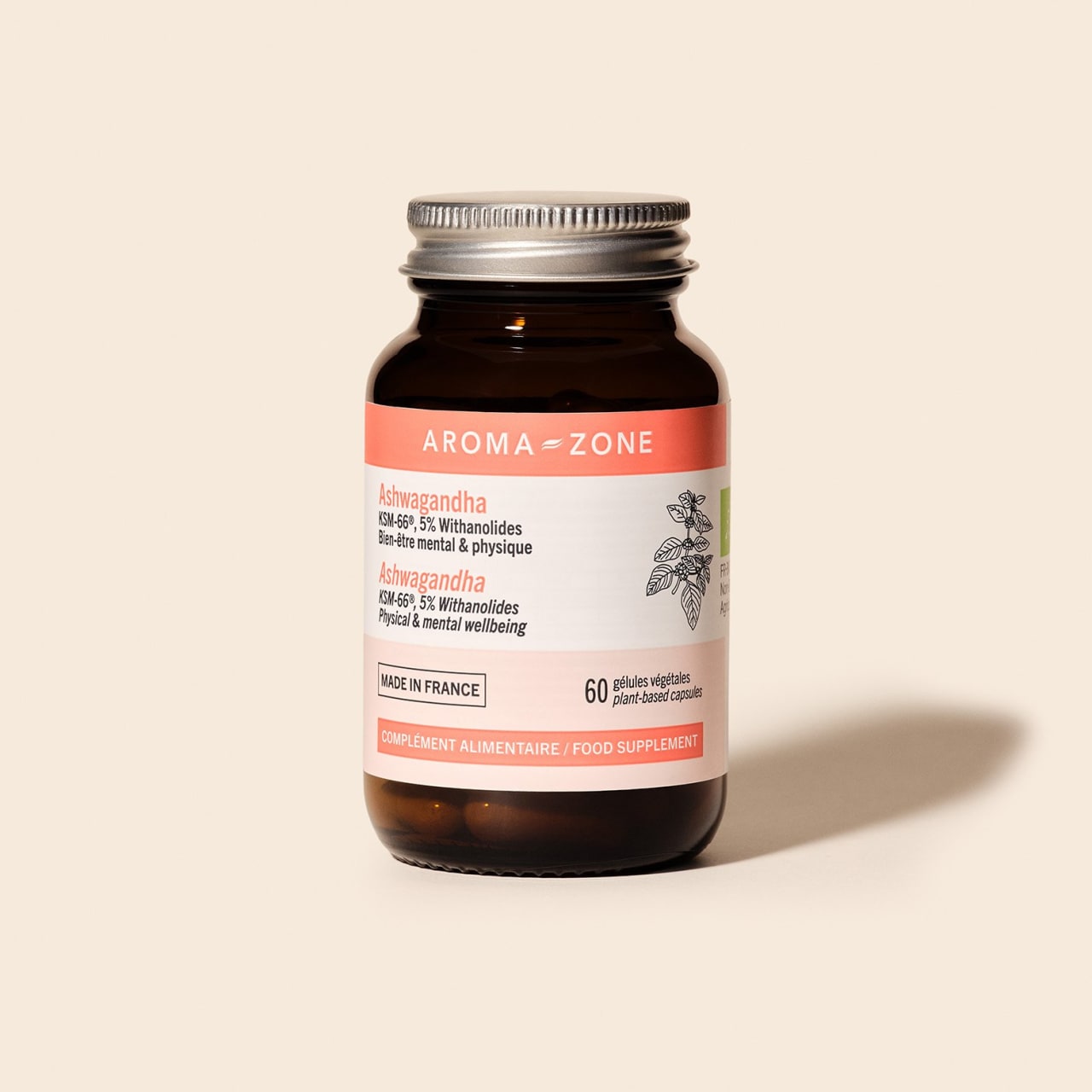
Prolonged stress can have a direct impact on cognitive abilities, particularly on attention and memory. During periods of mental overload, the nervous system may be under greater strain, which can exacerbate mental fatigue and difficulties concentrating. B vitamins contribute to the normal functioning of the nervous system. Certain adaptogenic plants, such as Ashwagandha, are also used to help the body adapt better to emotional and physical stress.

Regaining energy when feeling mentally tired

Fatigue can quickly affect alertness, concentration and memory. When the body lacks energy, the brain may also function less effectively. Certain nutrients, such as iron, play a part in the normal transport of oxygen throughout the body and thus contribute to healthy cognitive function. Plants such as ginseng are traditionally used to support physical and mental vitality and to help manage periods of temporary fatigue.

Promoting good blood flow to the brain

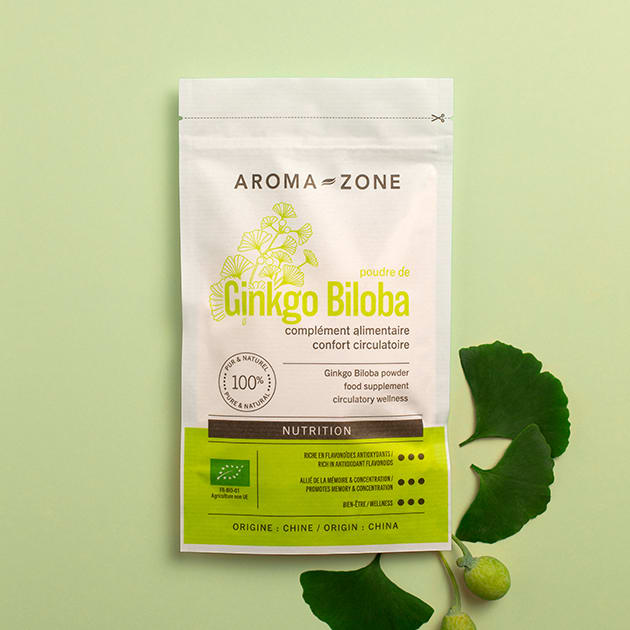
The brain needs a constant supply of oxygen and nutrients to function properly. Microcirculation therefore plays an important role in maintaining cognitive function. Ginkgo biloba is traditionally used to support cerebral circulation and aid memory and concentration, particularly as we age. Its antioxidant compounds are also being studied for their potential role in maintaining cognitive performance.

What natural remedies are there for memory?

To support memory and concentration, certain natural solutions can help during periods of mental fatigue, stress or intense mental exertion. The aim is not to seek an immediate effect, but to help the brain function optimally using active ingredients traditionally used to support cognitive function, vitality and cerebral circulation.

Step 1 – Supporting memory and concentration

Step 2 – Regain mental energy

Which dietary supplements are best for memory?

To support memory and concentration, several dietary supplements may be considered depending on individual needs. Mental fatigue, stress, lack of sleep or difficulty concentrating can indeed affect cognitive function. Certain natural remedies are traditionally used to support the nervous system, boost mental energy or help maintain a good memory.

To help manage periods of mental fatigue

Organic Guarana Powder

Naturally rich in caffeine, guarana is traditionally used to support alertness and help reduce temporary energy slumps. It may be beneficial during periods of intense mental exertion, when mental fatigue affects concentration and attention.

Precautions for use: this food supplement is not a substitute for a varied and balanced diet or a healthy lifestyle. Do not exceed the recommended daily dose. For adults only. Not recommended for pregnant or breastfeeding women, people sensitive to caffeine, or those with high blood pressure or heart conditions. Avoid taking in the evening. Keep out of reach of children.

Discover Organic Guarana Powder

To support the nervous system during times of stress

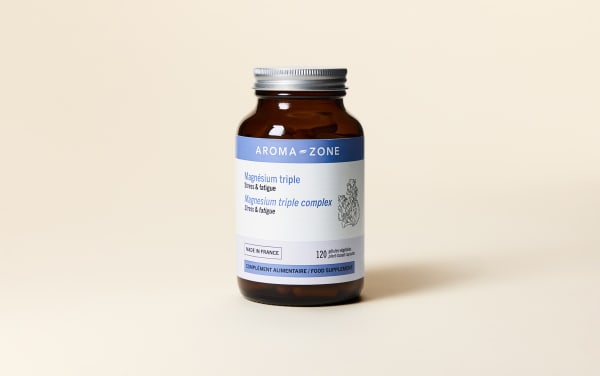
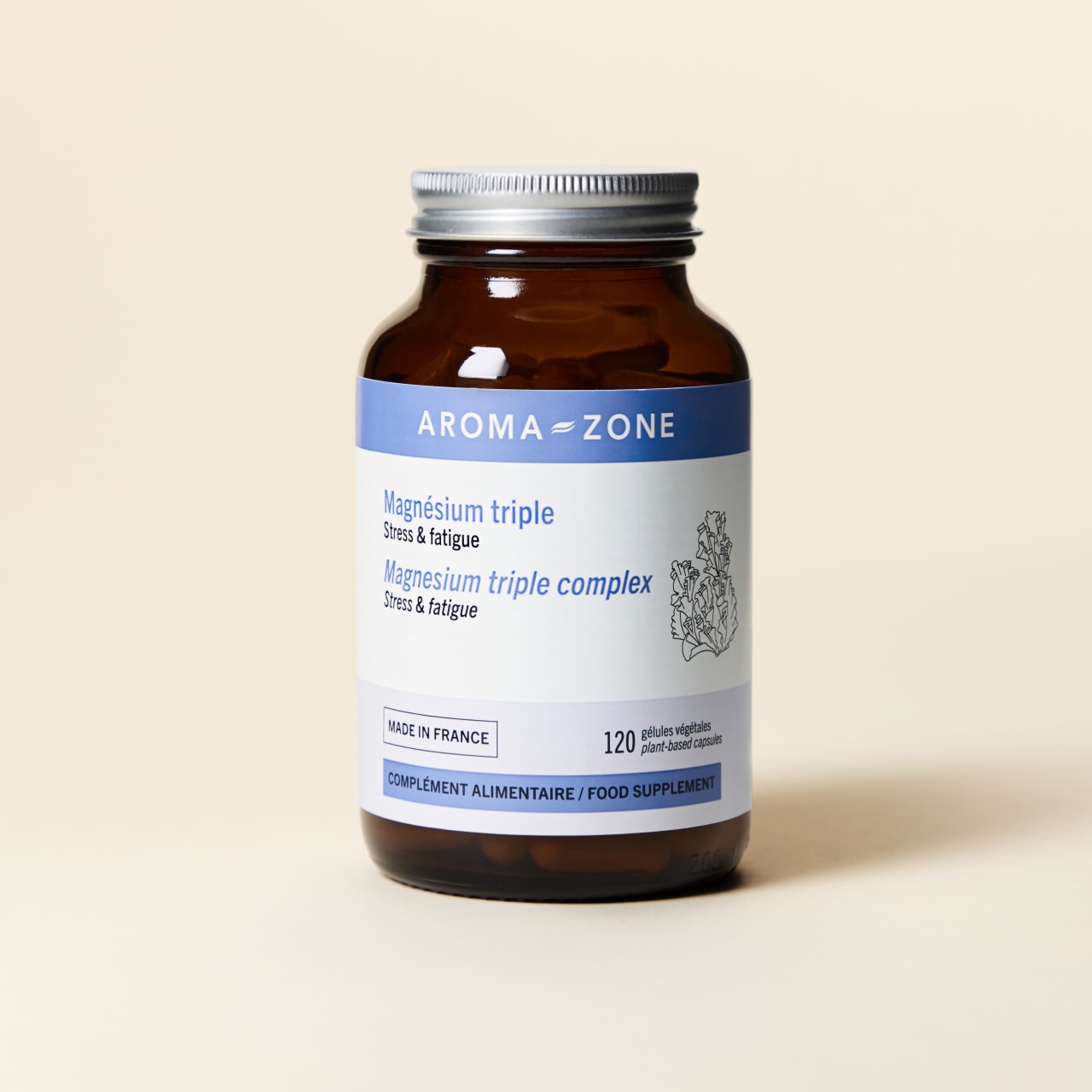
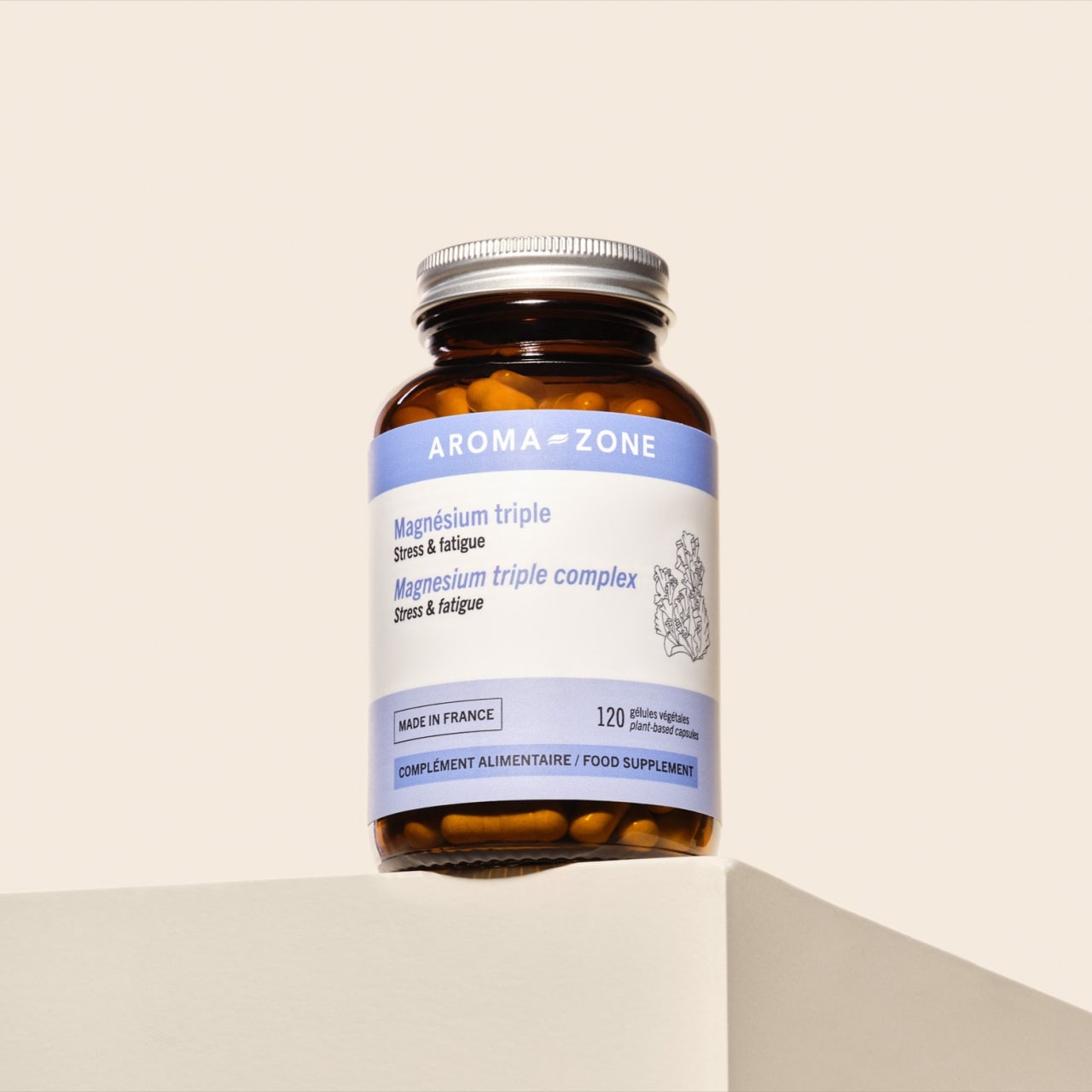
Triple Magnesium 120 capsules – Food supplement

This formula combines three forms of magnesium — magnesium bisglycinate, marine magnesium and organic sea lettuce extract — to offer a combination of bioavailability, a high magnesium content and good digestive tolerance. Recommended for fatigue, temporary stress or a lack of energy, magnesium helps reduce fatigue, supports the normal functioning of the nervous system and maintains normal psychological functions. It may therefore be beneficial when mental strain, nervous tension or disturbed sleep affect concentration and memory.

Precautions for use: this food supplement is not a substitute for a varied and balanced diet or a healthy lifestyle. Do not exceed the recommended daily dose. For adults only. Seek advice from a healthcare professional if you are pregnant, breastfeeding, have kidney failure or are undergoing medical treatment. Keep out of reach of children.

Discover Triple Magnesium: Bisglycinate, Marine & Sea Lettuce - Aroma Zone

To boost mental energy

Spiruline France Organic – 120 tablets – Food supplement

Grown in France, cold-pressed and free from additives, this organic spirulina stands out for its nutritional richness and high phycocyanin content, an antioxidant naturally present in spirulina. Rich in protein and a source of iron and vitamin B12, it is particularly beneficial in cases of temporary fatigue or when the diet requires additional nutritional support. Iron contributes in particular to normal energy metabolism and helps reduce fatigue, two important factors when a lack of energy affects concentration and alertness.

Precautions for use: this food supplement is not a substitute for a varied and balanced diet or a healthy lifestyle. Do not exceed the recommended daily dose. Not recommended for people with phenylketonuria. Seek advice from a healthcare professional if you are pregnant, breastfeeding, undergoing medical treatment or have a specific medical condition. Keep out of reach of children.

Discover Spiruline France BIO – 120 tablets – Food supplement

To support cognitive function on a daily basis


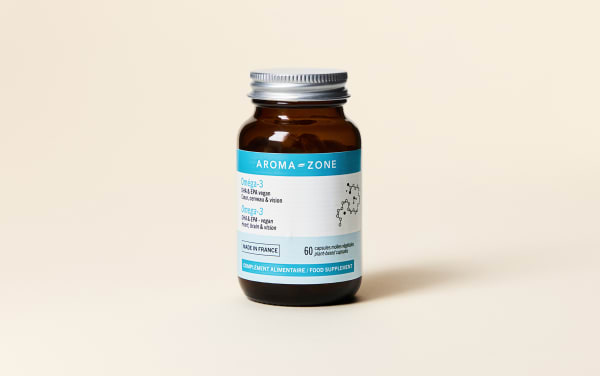
Vegan Omega-3 – 60 capsules – Food supplement

Highly concentrated in DHA and EPA derived from microalgae, these vegan omega-3 capsules are beneficial for supporting brain function, particularly among students, older adults, people under significant mental strain, or those who eat little or no fish. DHA contributes to normal brain function, with a beneficial effect achieved through the daily intake of 250 mg of DHA. This 100% vegan formula therefore offers an alternative to fish oils, with omega-3s derived from microalgae and designed for effective absorption.

Precautions for use: this food supplement is not a substitute for a varied and balanced diet or a healthy lifestyle. Do not exceed the recommended daily intake. Seek advice from a healthcare professional if you are pregnant or breastfeeding. Not recommended for children under 12 years of age.

Discover Vegan Omega-3 – 60 capsules – Dietary supplement

What habits should you adopt to help your memory function effectively?

Looking after your memory isn’t just about dietary supplements. Memory, attention and concentration also depend on lifestyle, sleep, diet, stress levels and cognitive stimulation.

  1. Supporting the brain through diet: the brain needs a regular supply of nutrients to function properly. Omega-3s, found particularly in oily fish such as sardines, mackerel and salmon, contribute to normal brain function. Red berries provide antioxidants, whilst walnuts and almonds contribute to your intake of fatty acids, vitamin E and magnesium.

  2. Maintaining good-quality sleep: Sleep is essential for consolidating memories. Going to bed and getting up at regular times, sleeping in a cool, dark and quiet bedroom, and limiting screen time before bed: these are all habits that promote more restorative sleep.

  3. Better managing everyday stress: Stress can disrupt attention, concentration and memory. Cardiac coherence, deep breathing, meditation, walking outdoors or taking regular breaks can help the nervous system to slow down, especially during periods of high stress.

  4. Regular exercise: Physical activity promotes blood circulation and oxygenation of the brain. Intensity matters less than regularity: walking, cycling, yoga, swimming or outdoor activities can already support a healthy cognitive lifestyle.

  5. Stimulate your memory: reading, learning a language, playing a musical instrument, discovering a new skill or playing logic games stimulates neural connections. Just a few minutes a day are enough to make it part of your daily routine.

  6. Maintaining social connections: exchanges, conversations and social interactions naturally engage the memory, language, attention and thinking. Maintaining an active social life therefore helps to stimulate cognitive functions.

Precautions for use

If you are taking dietary supplements, you should consult a healthcare professional to ensure they are suitable for your personal circumstances and compatible with any other treatments you may be taking. Always refer to the supplement’s package leaflet and follow the recommended doses. Pregnant or breastfeeding women must always seek their doctor’s advice before taking any supplements, as certain supplements are contraindicated during pregnancy or breastfeeding.

Expert advice

Before choosing a dietary supplement, it is best to take the time to identify what is affecting your memory or concentration. Fatigue, stress, disturbed sleep, exam periods: needs vary, and so should the approach. Taking supplements can be helpful when they address a specific situation over a given period. The aim is not to make it an automatic habit, but to use it as a support, alongside a healthy lifestyle.

Find out more

How long does it take for a dietary supplement for memory to take effect?

The effects of a dietary supplement for memory and concentration can vary depending on the active ingredients used, the body’s needs and overall lifestyle. Some people experience an improvement in their well-being more quickly, particularly in terms of fatigue or alertness, whilst the effects on cognitive function are generally long-term. A course of several weeks is often recommended to support the nervous system and concentration.

Which vitamin boosts memory?

B vitamins play an important role in the functioning of the nervous system and psychological functions. Vitamins B6, B9 and B12, in particular, contribute to normal cognitive function and help reduce fatigue. A varied diet generally meets these needs, but supplementation may be considered in certain situations, particularly during periods of fatigue or high mental demand.

Which dietary supplement for memory should you choose, depending on your age and needs?

The choice depends above all on the specific need. During exam periods or times of high mental strain, you may wish to prioritise active ingredients that support alertness and concentration, such as guarana, omega-3s or magnesium. In cases of temporary fatigue, spirulina or ginseng can help boost vitality. As we age, ginkgo biloba and omega-3s are often sought after to support memory and cognitive function.

What is the best thing to take for memory?

There is no one-size-fits-all solution for memory. Memory capacity depends just as much on sleep, stress, diet and physical activity as it does on supplementation. Certain active ingredients, such as omega-3, magnesium or Ginkgo biloba, can support cognitive function, but they are primarily part of a holistic approach to a healthy lifestyle.

Spotlight on our specialist writer, Guillaume RENAUD

Guillaume is a pharmacy technician specialising in dermocosmetics. With over ten years’ experience in pharmacy, he now assists health and cosmetics brands in writing blog articles. Having studied naturopathy, he appears on podcasts to demystify health and cosmetics.

Bibliography

1

Born, J., & Wilhelm, I. (2012), System consolidation of memory during sleep, Psychological Research

DOI: 10.1007/s00426-011-0335-6

2

Hack, B., et al. (2023), Effect of Guarana (Paullinia cupana) on cognitive performance: A systematic review and meta-analysis, Nutrients

DOI: 10.3390/nu15020434

3

Liu, H., Ye, M., Guo, H., et al. (2020), An updated review of randomised clinical trials testing the improvement of cognitive function of Ginkgo biloba extract in healthy people and Alzheimer’s patients, Frontiers in Pharmacology

doi: 10.3389/fphar.2019.01688

4

Dighriri, I. M., et al. (2022), Effects of omega-3 polyunsaturated fatty acids on brain functions: A systematic review, Cureus

DOI: 10.7759/cureus.30091

5

Noah, L., Pickering, G., Mazur, A., et al. (2021), Effect of magnesium and vitamin B6 supplementation on mental health and quality of life in stressed healthy adults, PLOS ONE

DOI: 10.1002/smi.3051

6

Chen, F., Du, M., Blumberg, J. B., et al. (2024), Magnesium and cognitive health in adults: A systematic review, Advances in Nutrition

DOI: 10.1016/j.advnut.2024.100272