
Ginkgo biloba is a tree in the Ginkgoaceae family, growing up to 30 metres tall. Originally from south-east China, it is now grown in many parts of the world, including Korea, Japan, the south of France and the United States. Its leaves have been used for centuries for their medicinal properties. Ginkgo biloba extracts are often made from the tree's fruit and leaves and used in the form of food supplements, mother tinctures or liquid extracts.
What are the benefits of ginkgo biloba?
By Emilie Turin
Published on: Friday, October 13, 2023, Updated on: Wednesday, October 21, 2026
Ginkgo biloba is a thousand-year-old tree. It is often nicknamed the 'maidenhair tree' or the 'silver apricot' because of the shape of its leaves, which consist of two palm-shaped lobes, and its brilliant yellow colour in the sun. Ginkgo biloba has been used in traditional Chinese medicine for over 5,000 years, and its special features are its resistance to extreme climatic conditions and its long lifespan (up to 600 years). In fact, ginkgo biloba is the only tree to have survived the Hiroshima bombing. But what are its benefits and how do you use it? In this guide, you'll find all our advice and tips on using ginkgo biloba and discover its many therapeutic powers for your health.
Contents
What is ginkgo biloba?
Why use ginkgo biloba?
Ginkgo biloba can be used for a variety of purposes, including improving memory and concentration, promoting good blood circulation, reducing anxiety and the symptoms of dementia, and supporting eye health. It is particularly used by the elderly who are looking for natural solutions to maintain their cognitive wellbeing.
What are the benefits of ginkgo biloba?
The active ingredients in ginkgo biloba offer a wide range of health benefits:
Improved blood circulation: As a venous tonic, ginkgo biloba helps to increase blood circulation. It facilitates tissue oxygenation and can improve the symptoms of venous insufficiency (heavy legs, varicose veins, haemorrhoids).
Support for cognitive functions: Ginkgo biloba is often used for memory loss, lack of concentration and attention disorders because it supports cerebral circulation. It has a positive effect on hearing loss and tinnitus. It can also improve the condition of people suffering from age-related cognitive disorders, such as dementia and Alzheimer's disease.
Powerful antioxidant: Rich in antioxidants, particularly polyphenols and flavonoids, it helps protect cells against damage caused by free radicals. Considered an 'elixir of life', it helps slow down the ageing process.
Supporting vitality: It helps boost the energy of those who are recovering from illness or medical treatments, as well as postnatal women.
Reducing anxiety: Research has shown ginkgo biloba to have a positive effect on anxiety symptoms in adults and the elderly.
Support for the immune system: Its antiviral properties help to strengthen the body's natural defences and prevent winter infections (e.g. sore throats, colds, fevers).
Regulating bowel movements: By stimulating the functions of the gall bladder and liver, ginkgo biloba improves digestion and helps to eliminate waste from the body.
Support for eye problems: Ginkgo biloba helps to improve vision by promoting blood circulation to the eyes. Studies have demonstrated the effectiveness of ginkgo biloba in people with glaucoma or age-related macular degeneration (AMD).
How should ginkgo biloba be taken?
Ginkgo biloba is commonly available in the form of vegetarian capsules, powder, integral fresh plant suspension (IFPS), aqueous ampoule extracts, macerated oils, herbal teas or decoctions. The recommended dosage may vary according to individual needs and the recommendations of your healthcare professional:
If you choose to take it as an herbal tea or decoction, we recommend using 1 tablespoon of dried ginkgo biloba leaves per cup of simmering water.
Ginkgo biloba macerated oil should be taken in doses of 10 to 15 drops a day.
For forms to be diluted (ampoule, SIPF, ginkgo biloba extract), we recommend referring to the instructions on the packaging of your product or seek advice from your specialist (herbalist, naturopath).
In powder form, we recommend taking ½ teaspoon a day in your drink, sauce or food.
It is important to follow the instructions on the packaging of the chosen product and not to exceed the recommended doses.
What are the contraindications to using ginkgo biloba?
Although ginkgo biloba has many health benefits, it should be used with caution in certain cases:
Haemophiliacs: People with bleeding disorders should refrain from taking ginkgo biloba because of its anticoagulant properties.
Pregnancy and breastfeeding: Ginkgo biloba should not be taken by pregnant or breastfeeding women, due to the risk of bleeding and its depurative effects.
Imminent surgery: If you are planning surgery, it is recommended that you stop taking ginkgo biloba at least 15 days before the procedure.
Drug interactions: Ginkgo biloba may reduce the effects of certain drugs, particularly anticoagulants, antiplatelet agents, antidepressants, anticonvulsants, antiepileptics, sedatives and anti-inflammatories. It is also not recommended in cases of high blood pressure. We advise you to seek your doctor's advice before taking any supplements if you are taking medication.
What are the side effects of ginkgo biloba?
Although ginkgo biloba is generally well tolerated, it can cause side effects in some people. Common side effects include headaches, gastrointestinal problems, dizziness, heart palpitations, light-headedness and allergic skin reactions. Consult a healthcare professional if you experience any of these side effects.
Can ginkgo biloba prevent you from sleeping?
Ginkgo biloba is not generally known to cause sleep disorders. In fact, it can even have a positive effect on sleep quality for some people by reducing anxiety and stress and maintaining mental wellbeing. However, as with any supplement, individual reactions can vary, and it is possible that some people may experience stimulating effects from this herbal medicine. If this is the case, we recommend taking ginkgo biloba in the morning rather than in the evening.
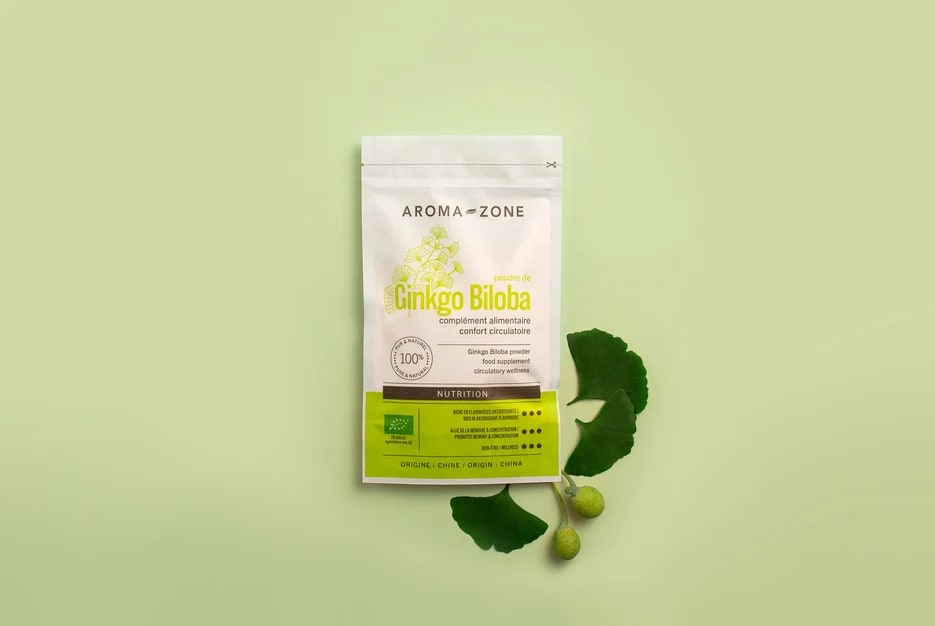
A closer look at our Ginkgo Biloba Powder superfood
Our Aroma-Zone Ginkgo Biloba Powder is 100% pure and natural and contains no additives.
Our ginkgo biloba powder is organically grown and has been carefully selected for its quality and traceability, guaranteeing its purity and absence of contaminants such as heavy metals or pesticides. It is part of a range of superfoods selected for their nutritional benefits and richness in active ingredients.
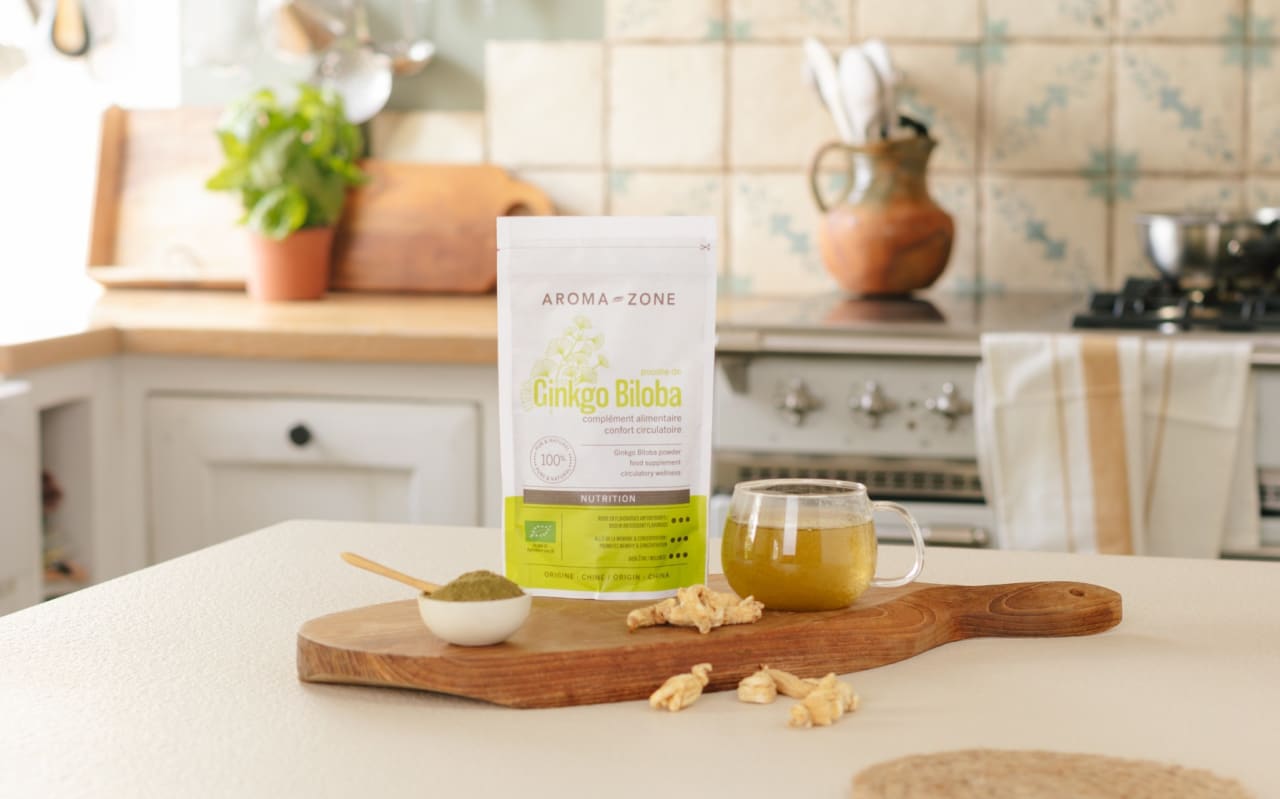
It can easily be added to an herbal tea, a glass of water, a fruit or vegetable juice, or sprinkled on your food. Rich in flavonoids, ginkgo biloba powder is the ideal superfood for maintaining good circulation, memory and mental balance.
Our recipes using Ginko biloba
Article written by Emilie Turin, naturopath

A naturopath, kinesiology and Chi Nei Tsang practitioner, Emilie helps her consultants to improve their dietary, physical and emotional health.
Passionate about natural medicine and food, and keen to raise awareness of preventive health care, Emilie regularly runs naturopathic workshops and shares her naturopathic advice and healthy recipes on her Instagram account (@lacaznaturo).
Associated tips
Dietary supplements
Nutrients, Vitamins, Minerals & Antioxidants
Superfoods

Superfoods

Health and nutrition


