
Hyaluronic acid is one of those ingredients that's earned its reputation rather than just ridden on hype. It's a humectant your own skin already produces, found naturally in the deeper layers of skin and in connective tissue, and it's widely described as able to draw in and hold onto many times its own weight in water.
The amount your skin makes naturally declines with age, which is a big part of why hyaluronic acid shows up in so much of modern skin care, it's less about adding something foreign and more about topping back up what skin already knows how to use.
What can hyaluronic acid actually do for your skin?
Used well, it earns its place for a handful of genuinely noticeable reasons:
Instant plumping
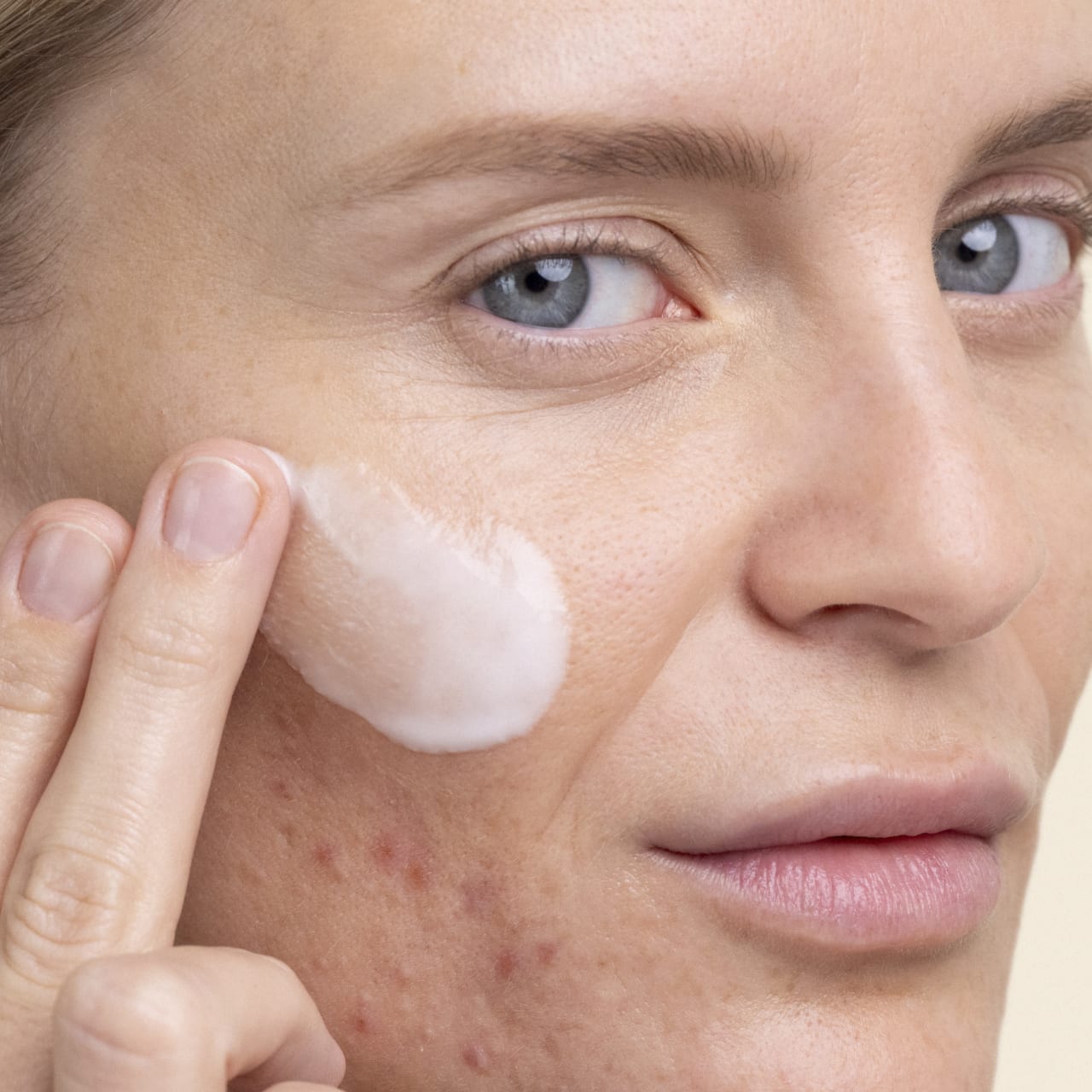
Skin that's properly hydrated looks fuller and smoother almost straight away, which is why a hyaluronic acid serum is such a popular first step before make-up or in the evening.
Deep, lasting hydration
Unlike a rich cream that mostly sits on the surface, hyaluronic acid works at different depths depending on its molecular weight, which is why it's often paired with a moisturiser rather than used instead of one.
A softer look for fine lines caused by dehydration
Worth being precise here: dehydration lines (the fine ones that show up more on a dry day) respond well to hyaluronic acid, deeper, expression-related wrinkles are a different story and need a different kind of ingredient altogether.
A smoother, more comfortable feel
Particularly on skin that tends to feel tight or rough after cleansing.
Choosing the right format for your routine
Hyaluronic acid turns up in more formats than people expect, and each one earns its place differently:
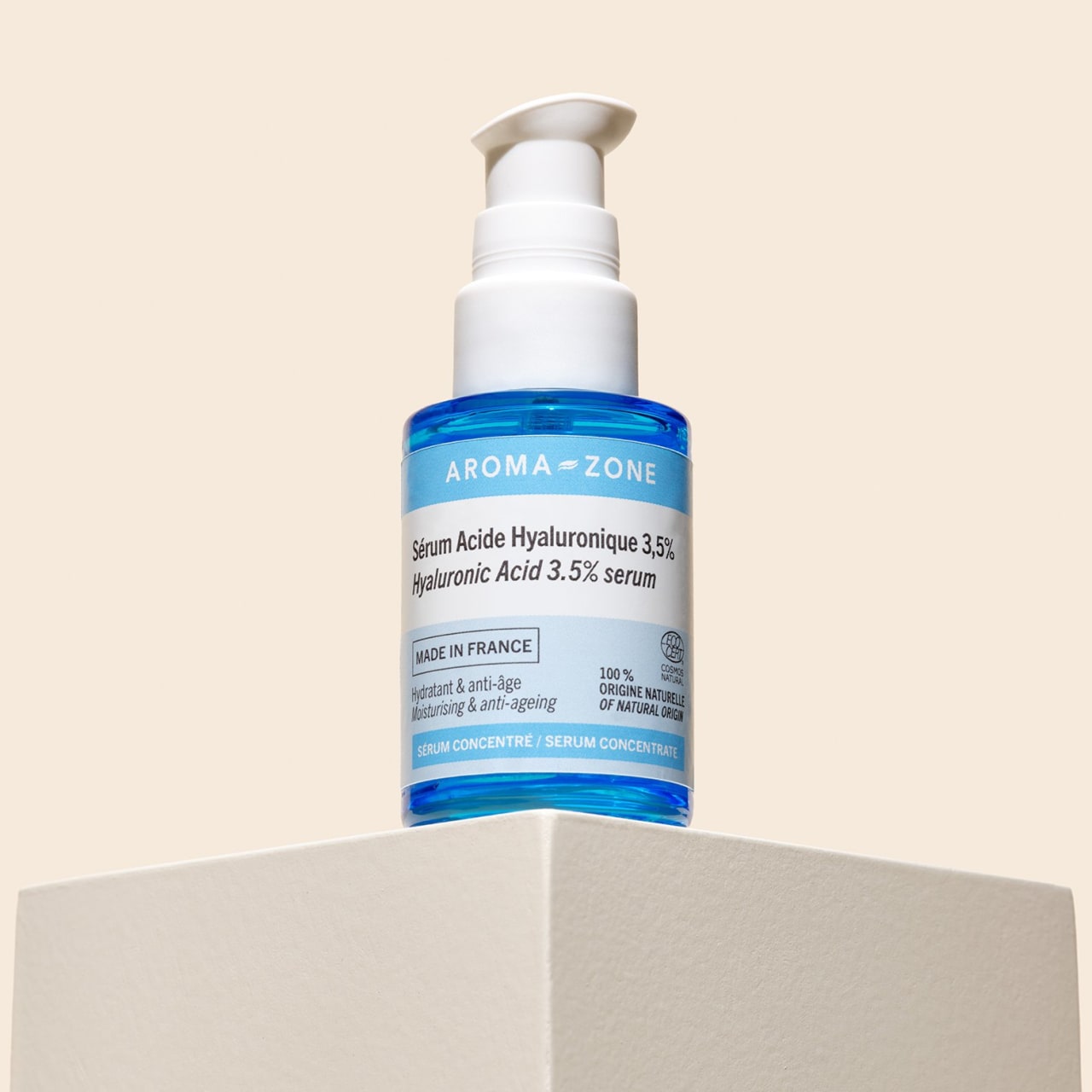
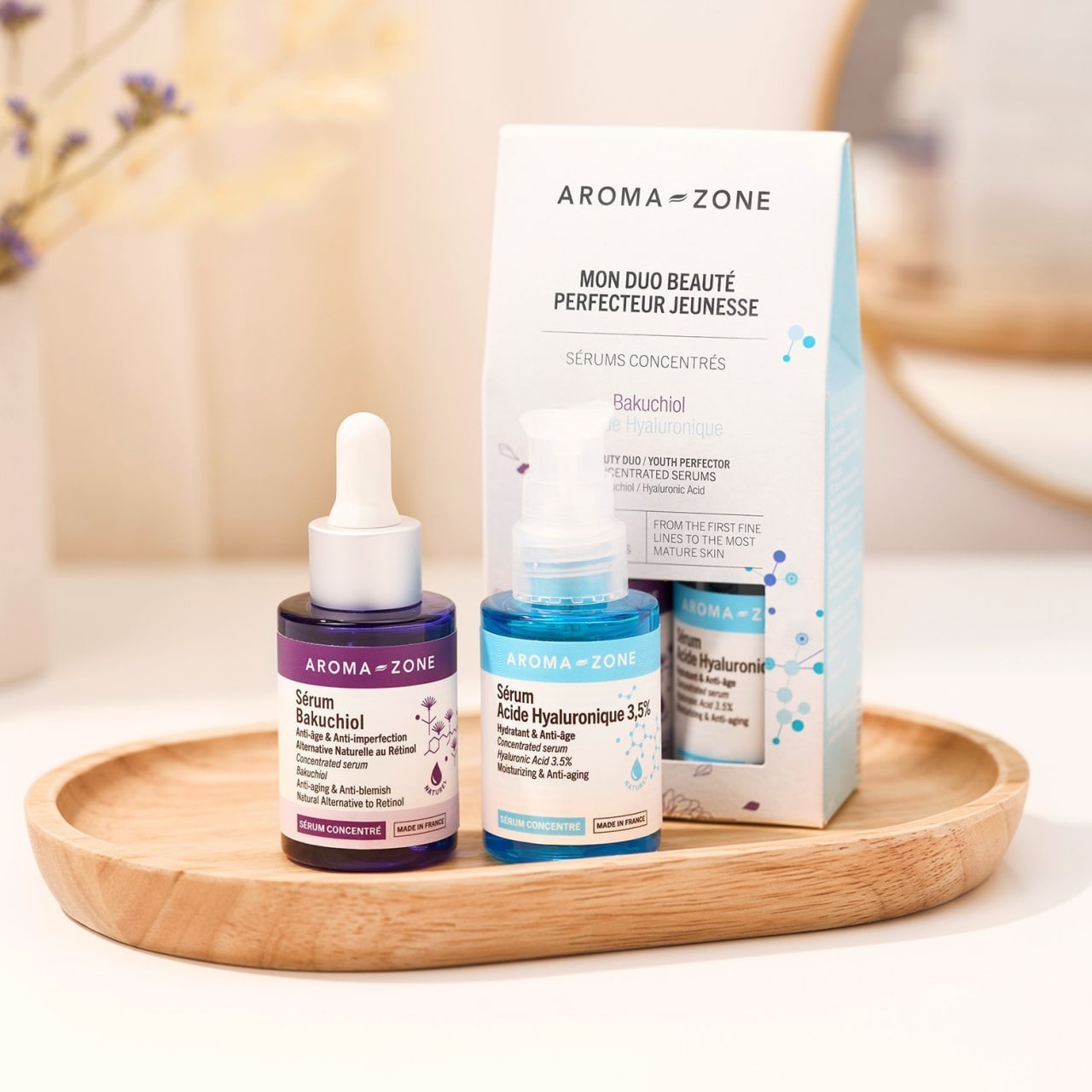
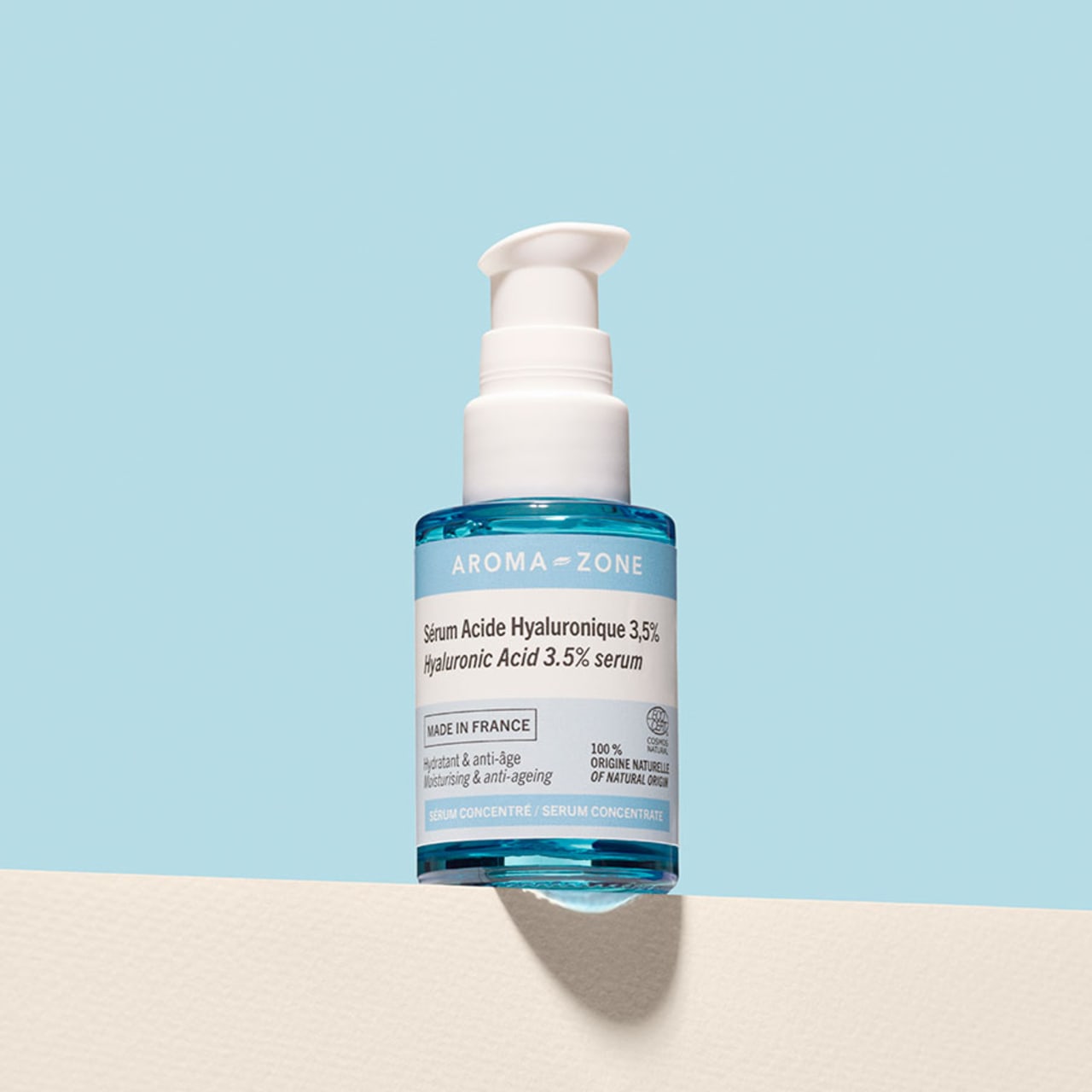
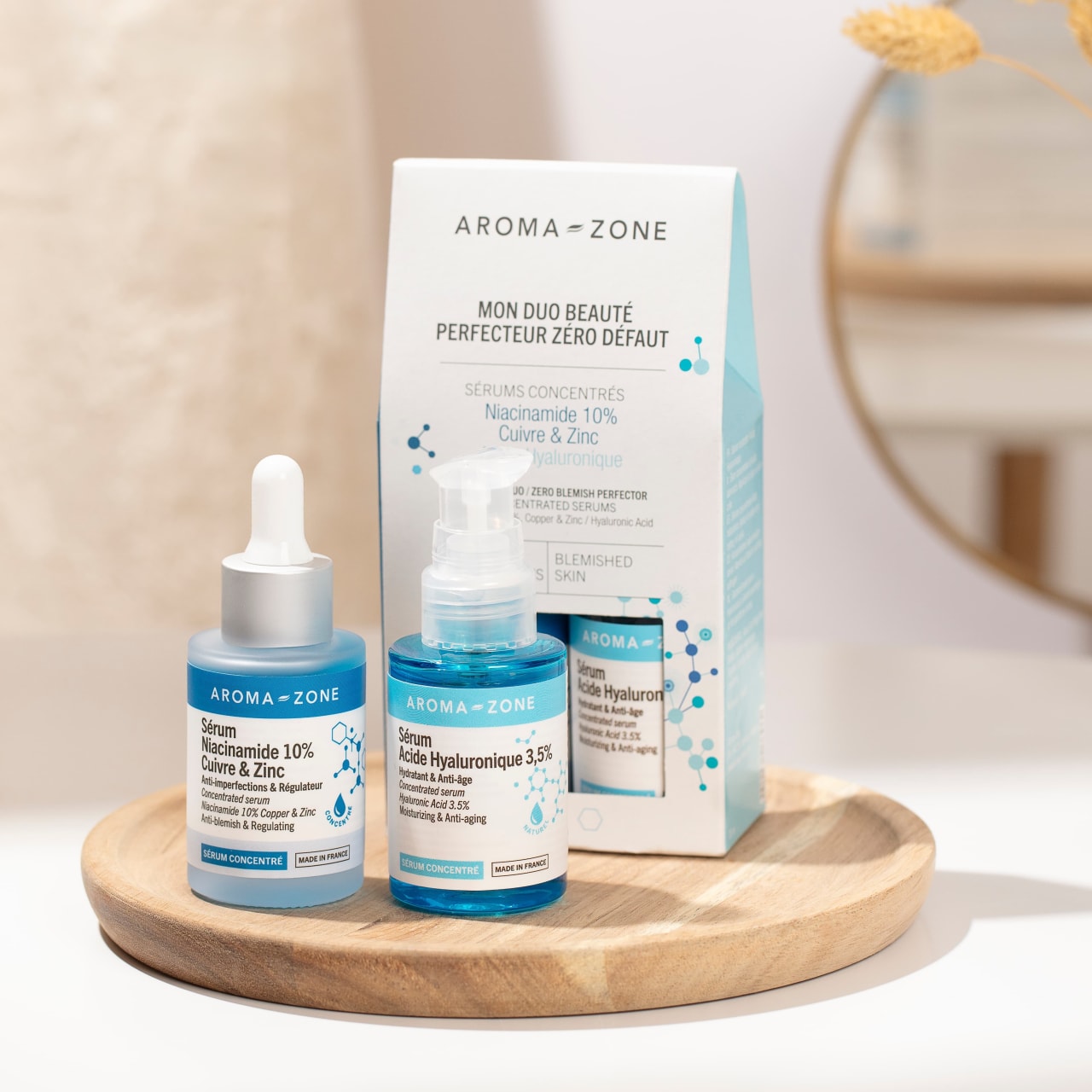
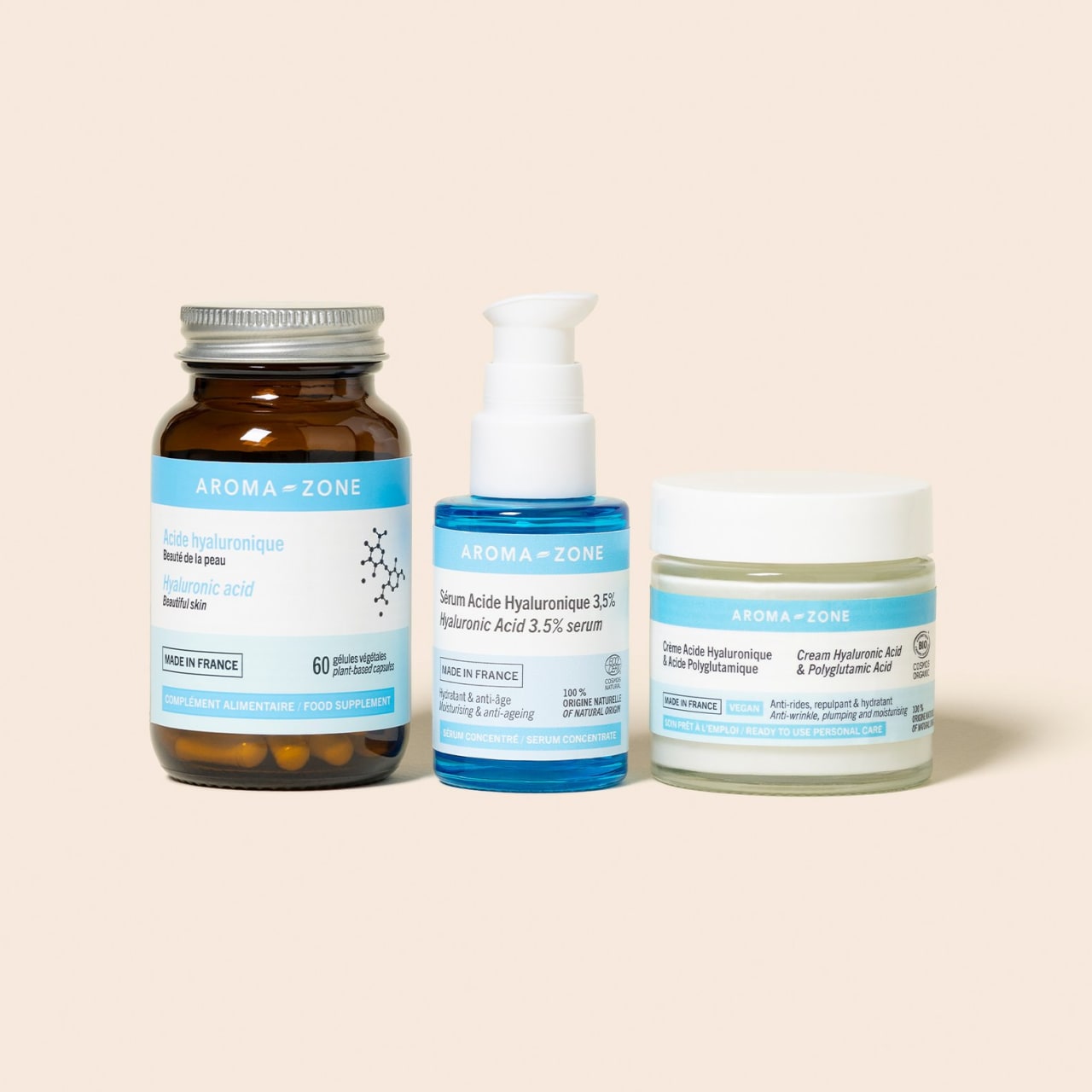
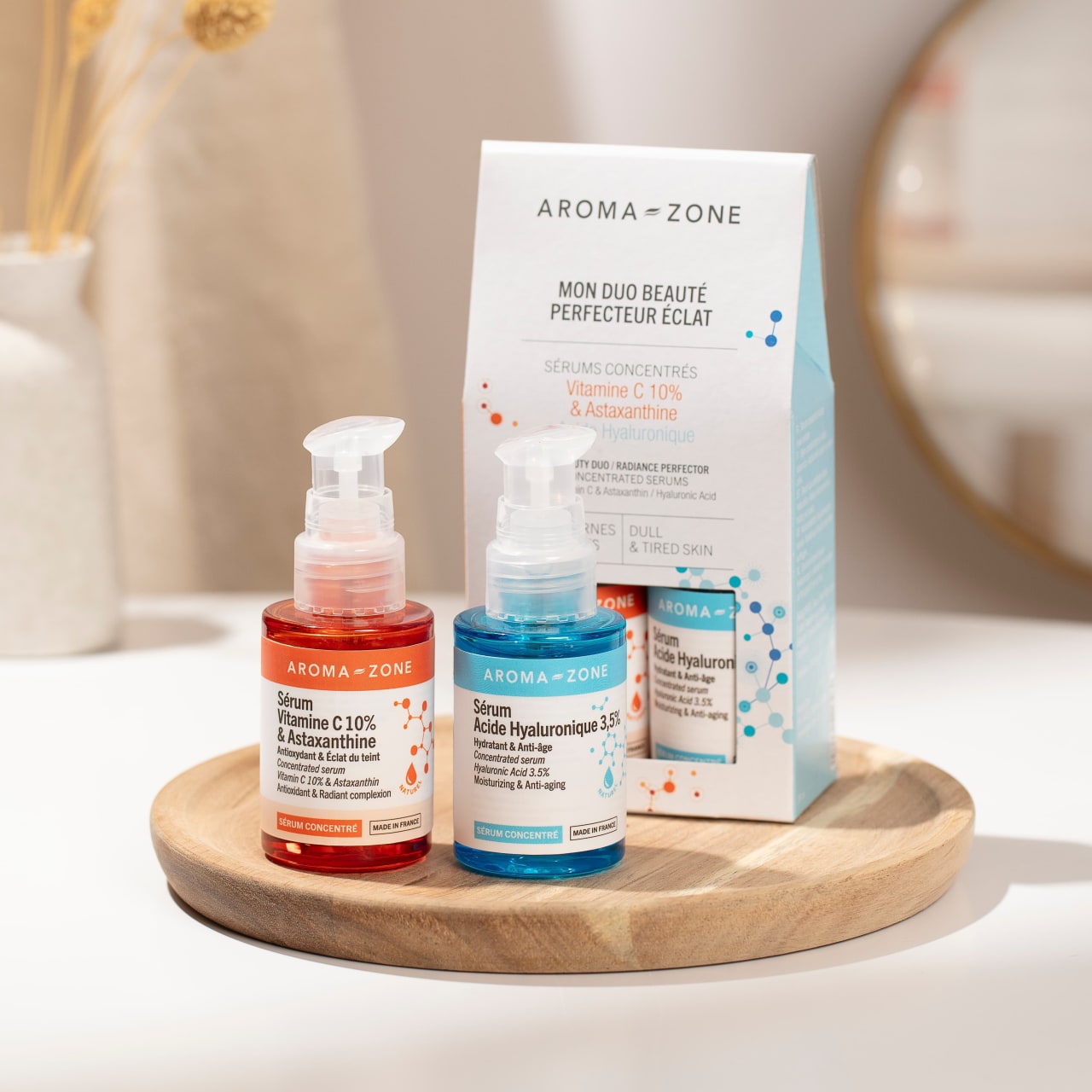
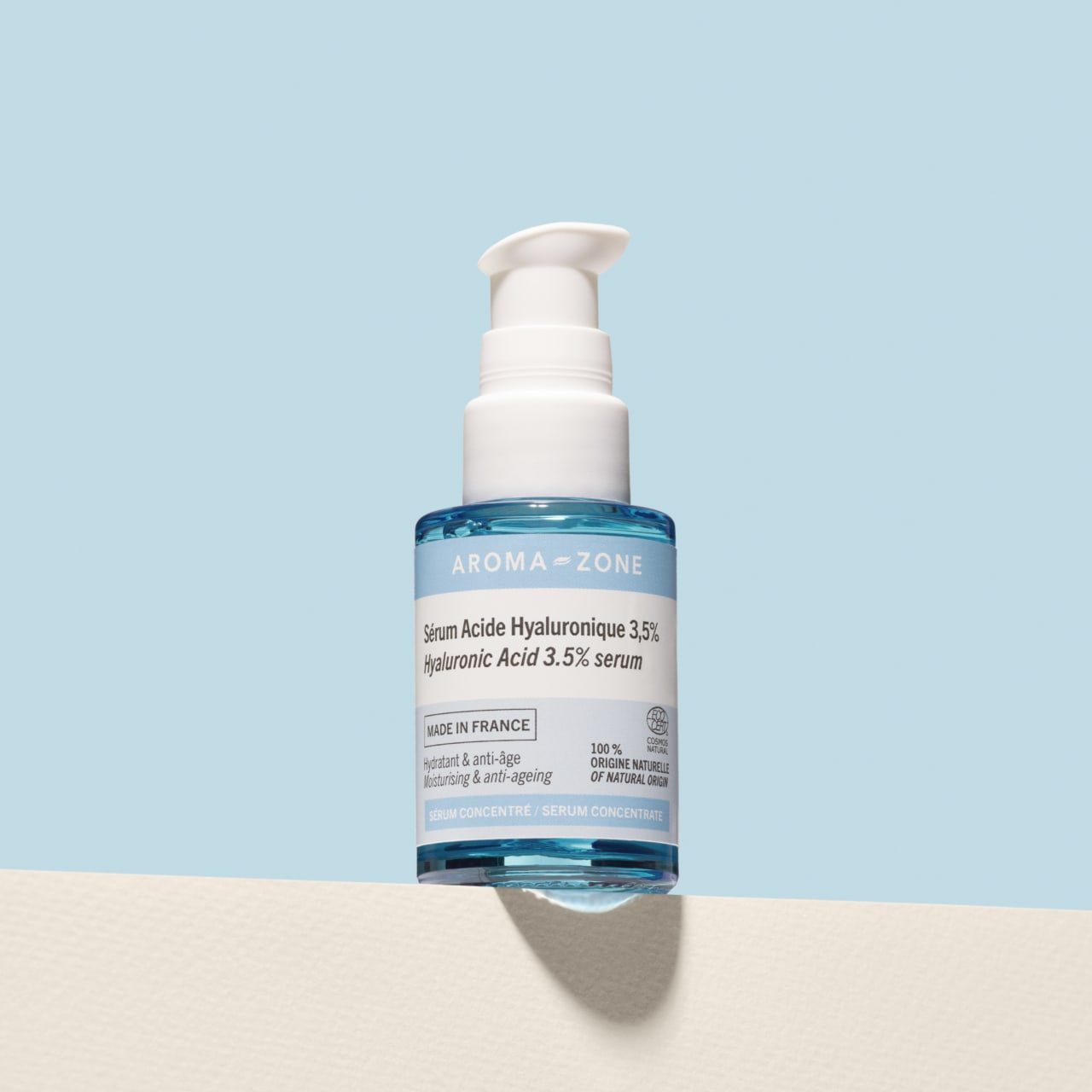
A concentrated serum, like our Hyaluronic Acid 3.5% Serum, is the most direct way to get a meaningful dose, applied to damp skin before anything richer goes on top.
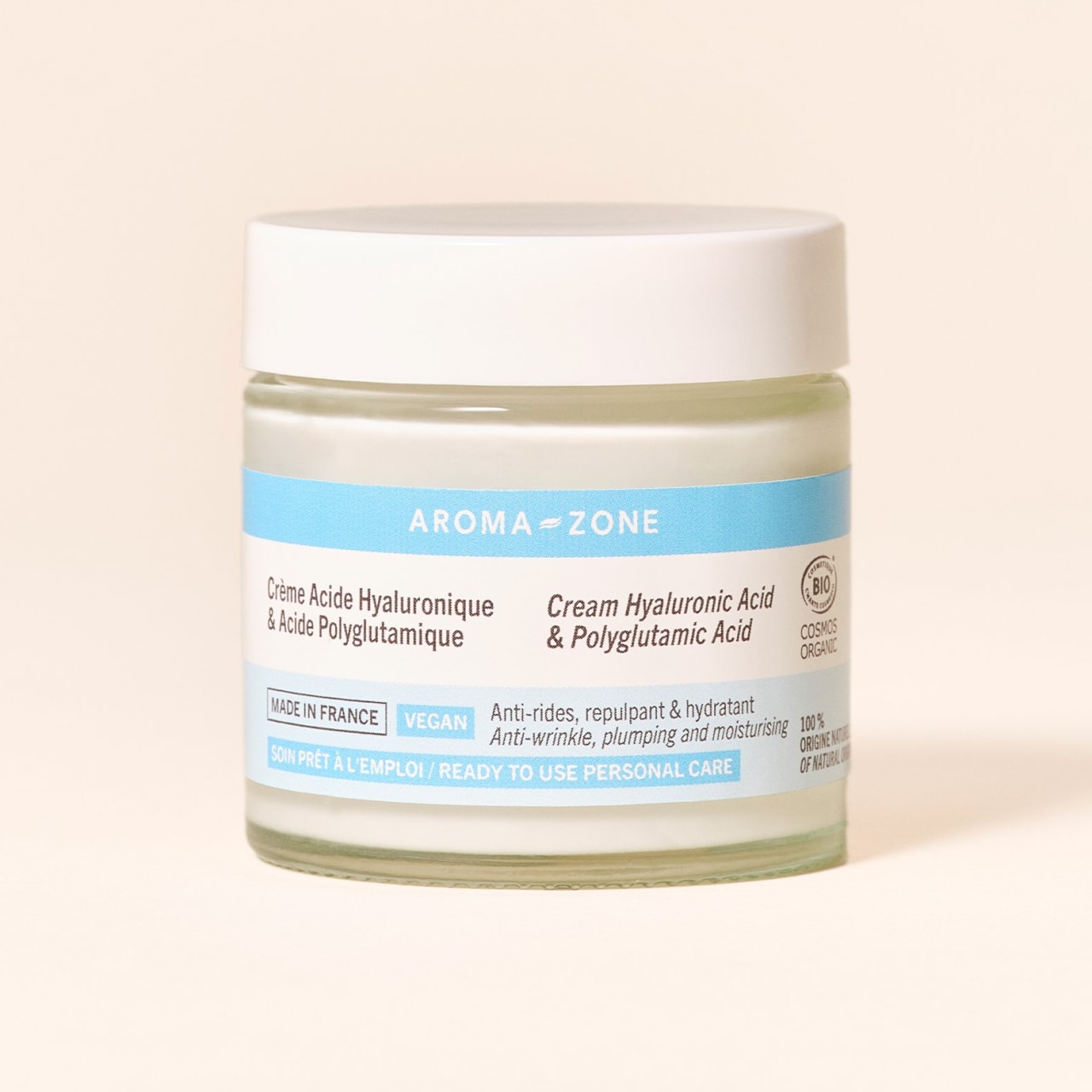
A cream, our Hyaluronic Acid & Polyglutamic Acid Cream pairs it with polyglutamic acid, another humectant, to help lock that hydration in rather than let it evaporate back out.
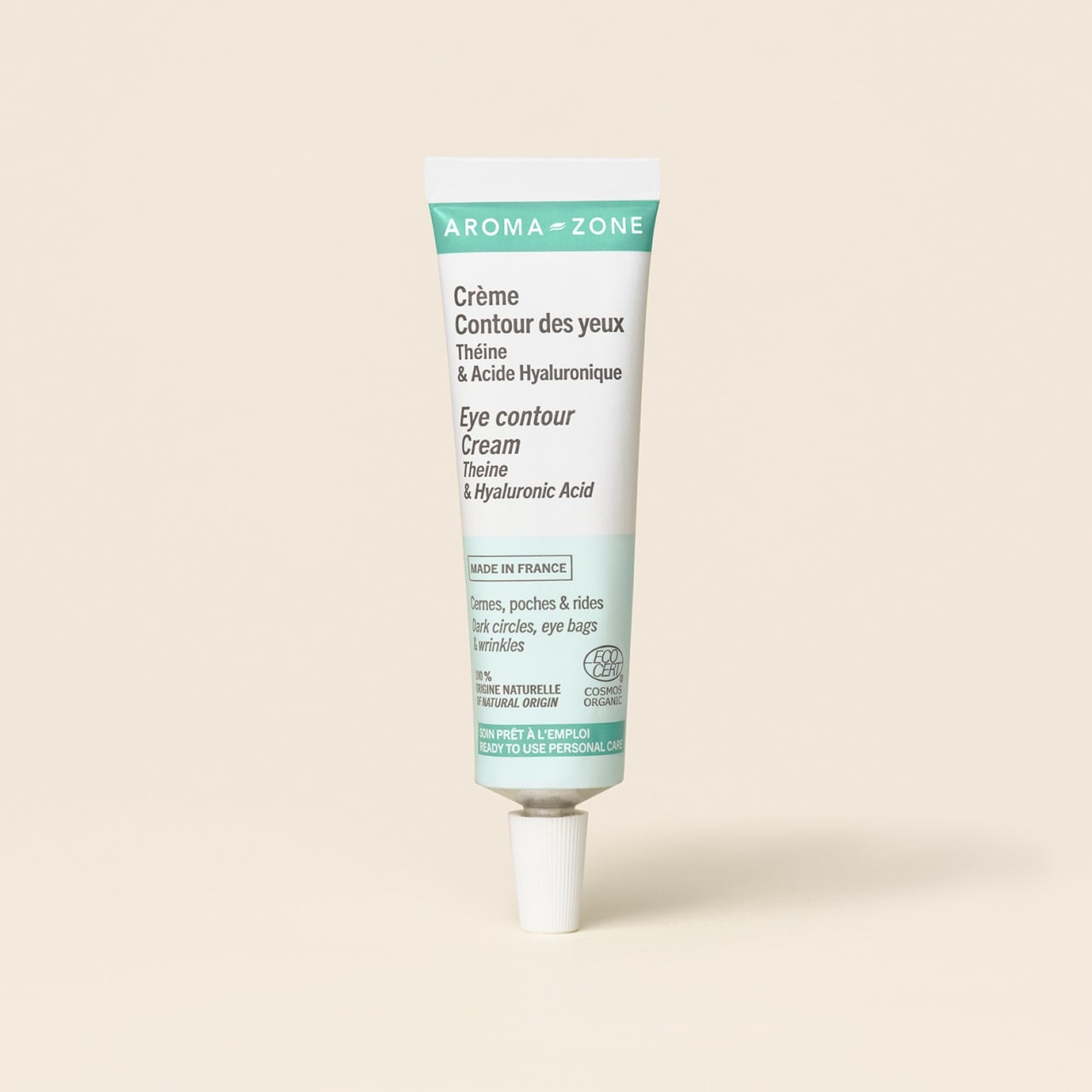
An eye contour cream, skin around the eyes is thinner and dries out faster than the rest of the face, our
Theine & Hyaluronic Acid Eye Contour Cream is built with that in mind.
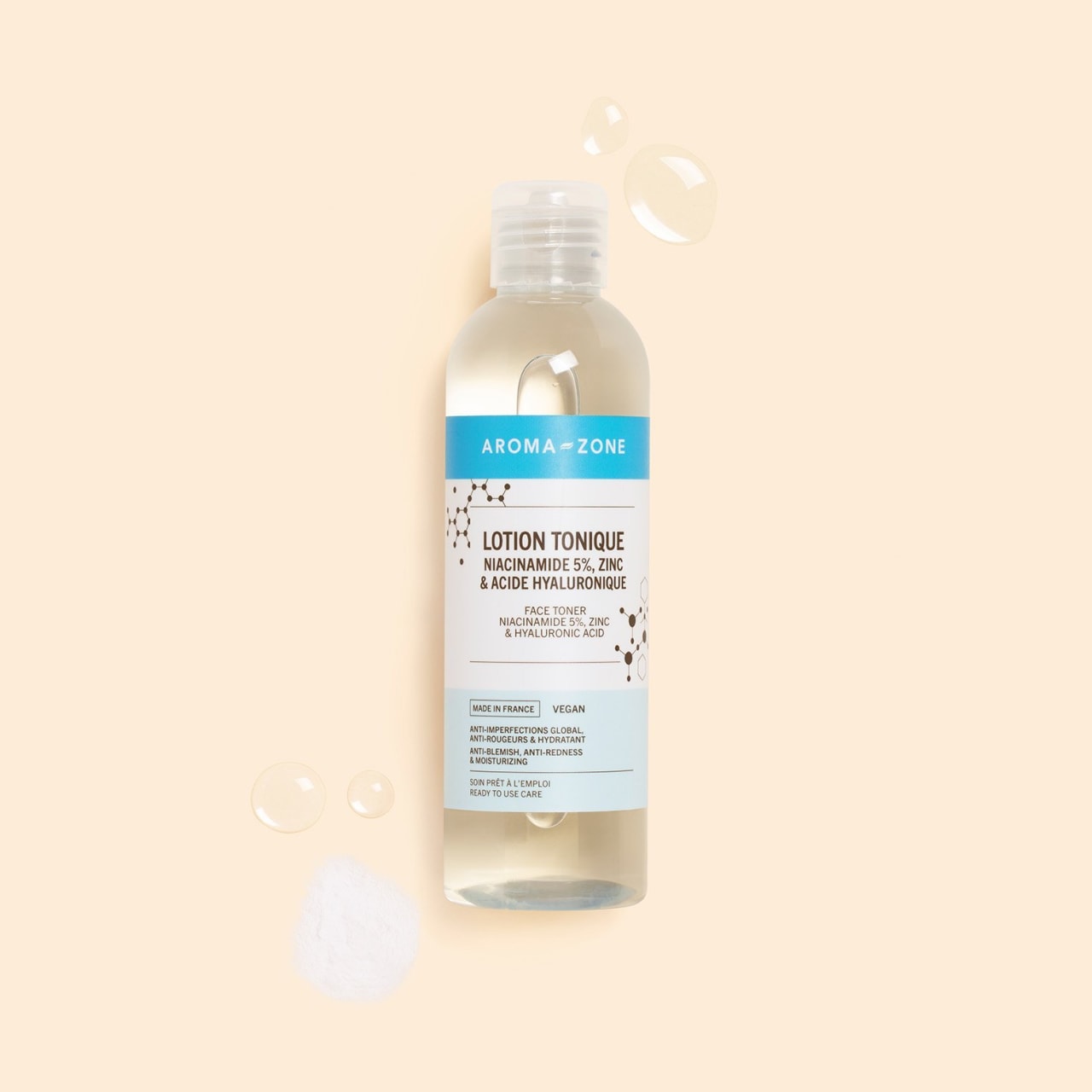
A toner, our Niacinamide 5%, Zinc & Hyaluronic Acid Toner is a good way to add a hydrating step right after cleansing, before the rest of the routine.
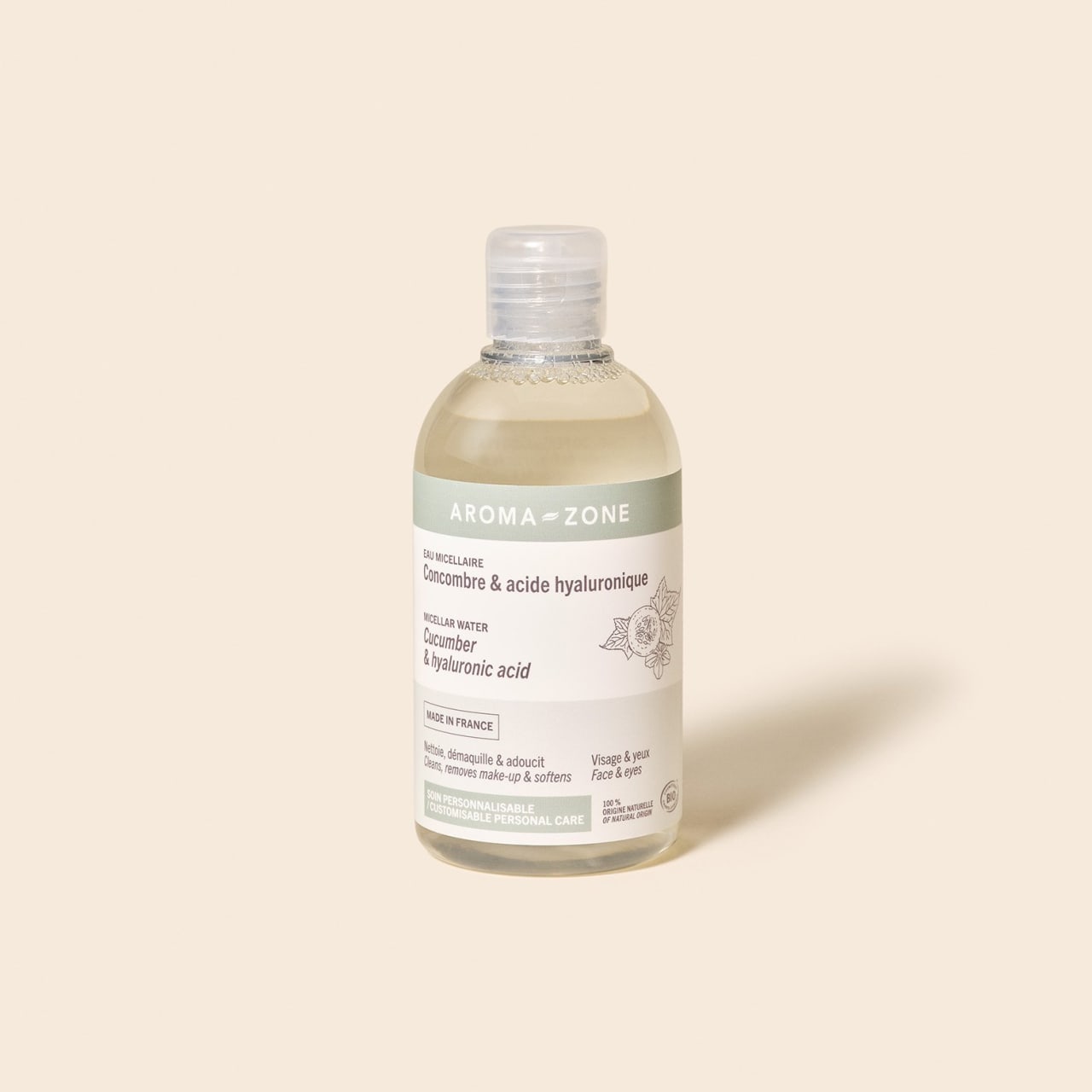
A micellar water, our Organic Cucumber & Hyaluronic Acid Micellar Water means cleansing doesn't have to undo the hydration you're trying to build.
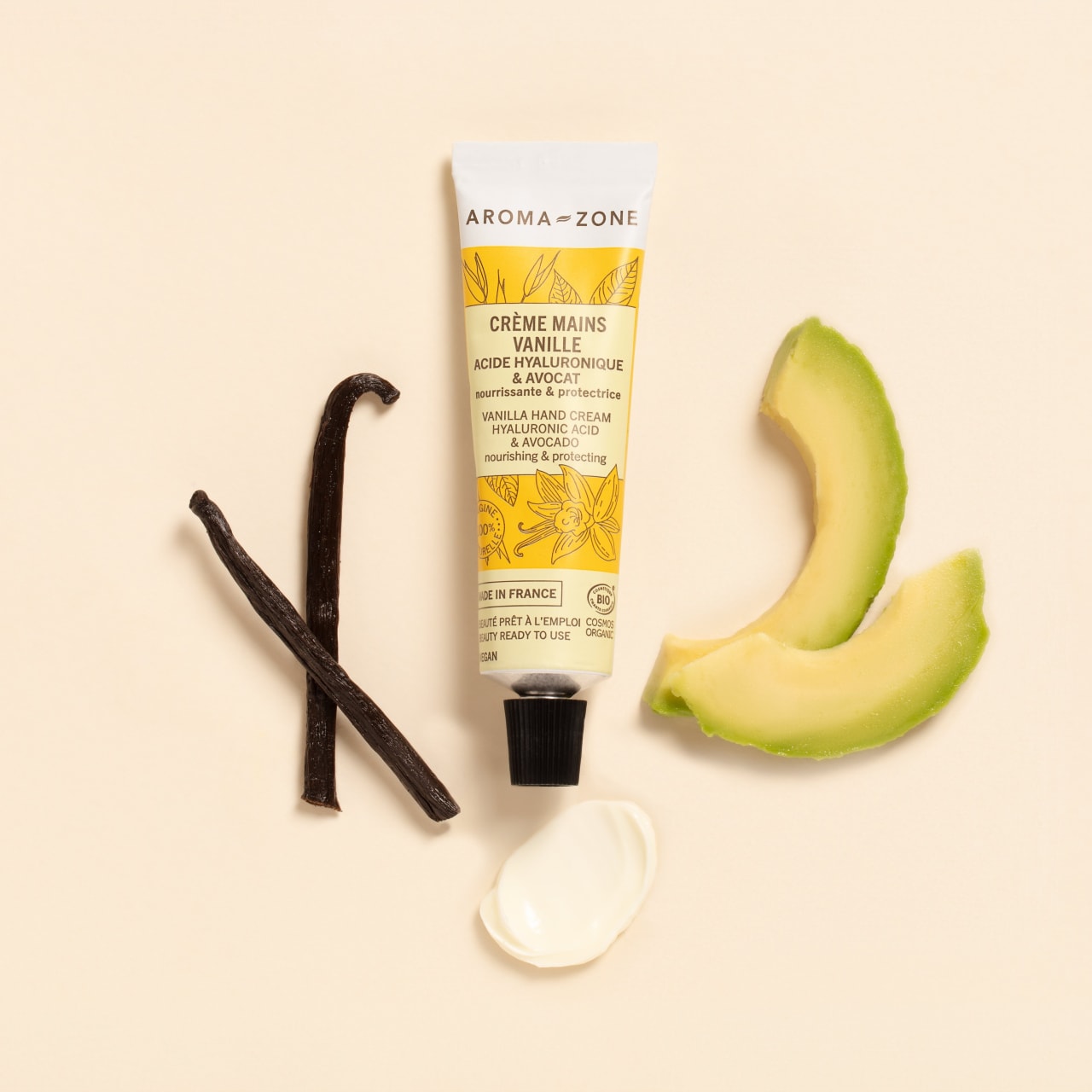
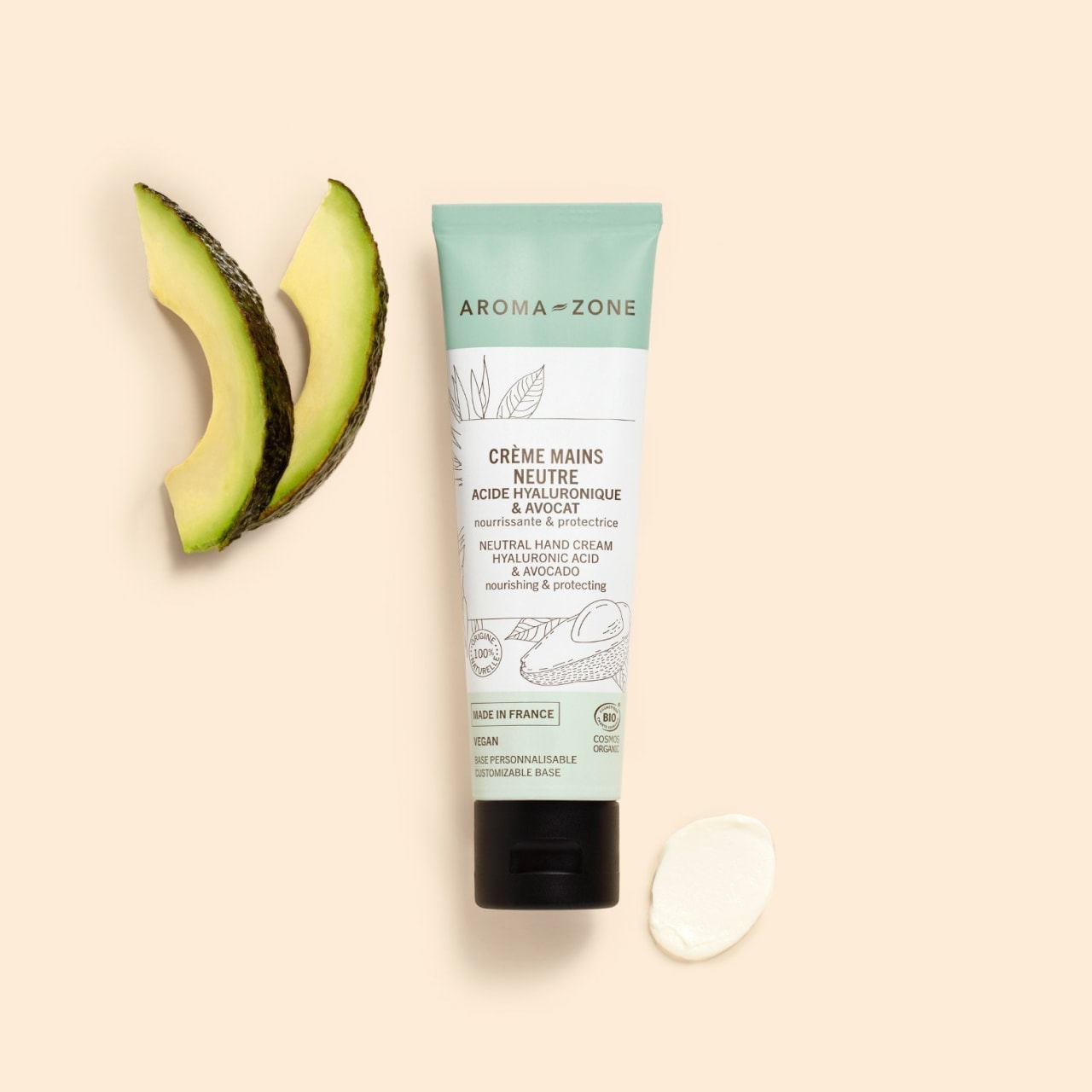
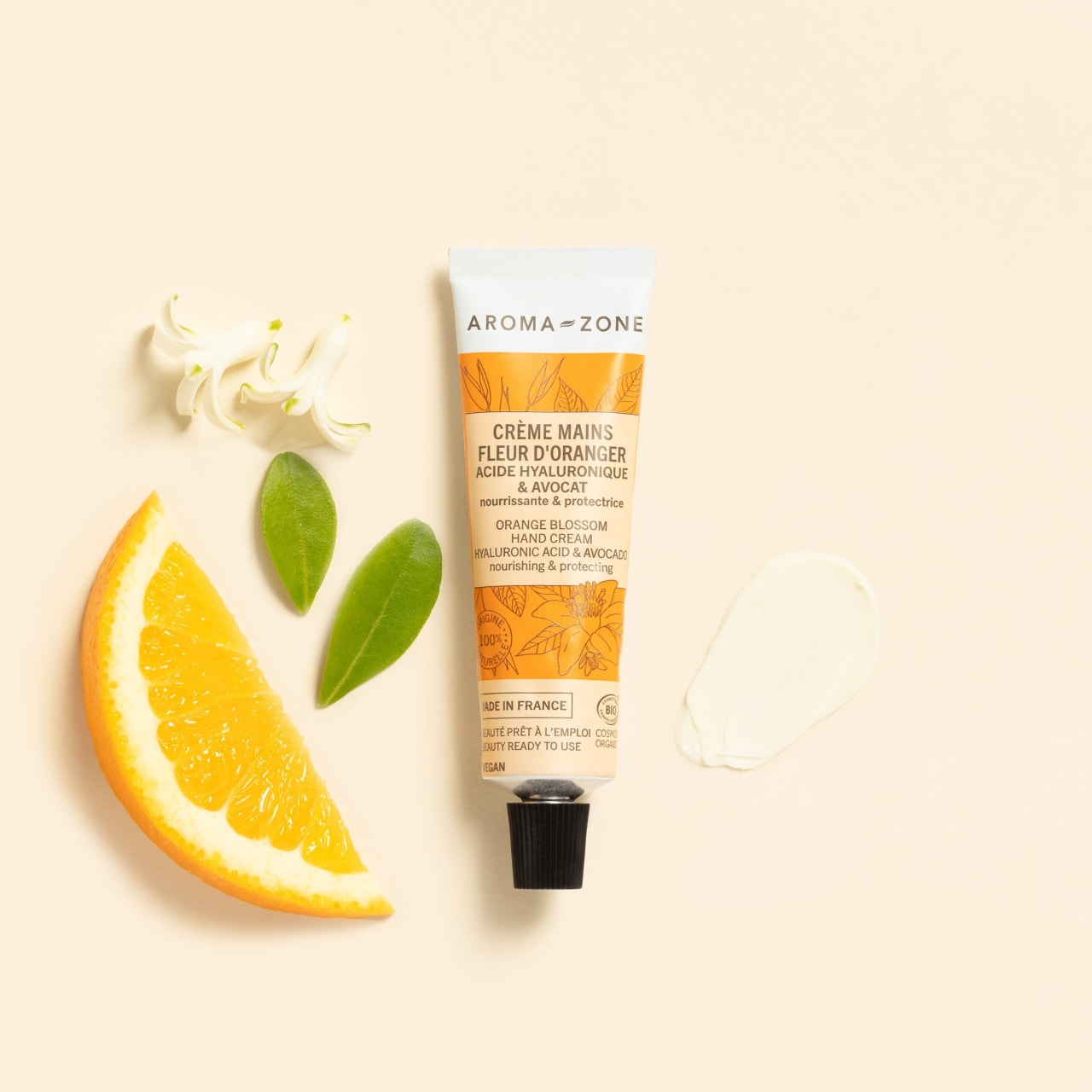
A hand cream, hands are exposed and washed constantly, our Hyaluronic Acid & Avocado Hand Cream is an easy, often-overlooked place to use it too.
Matching it to what your skin's actually dealing with
Hyaluronic acid is genuinely suited to most skin types, but it's rarely used entirely on its own, it's usually paired with another active chosen for a specific concern:
If breakouts are the main worry, hyaluronic acid has a reputation for being too rich for blemish-prone skin, which isn't accurate, it's a humectant rather than an oil, so it doesn't clog pores the way people often assume. Aroma-Zone's Hyaluronic acid and acne guide goes through this properly, and our My Beauty Duo Zero Blemish Perfector pairs it with ingredients chosen for acne-prone skin.
If skin is starting to look like it's lost some bounce, our My Beauty Duo Youth Perfector combines hyaluronic acid with anti-ageing actives, worth a look too if this is mainly what's on your mind.
If skin feels properly, persistently dehydrated rather than just occasionally dry, the Intense Hydration Trio with Hyaluronic Acid builds a fuller routine around it, our intense hydration selection has more if that's the main concern.
Getting the most out of it
Hyaluronic acid works best applied to slightly damp skin, on dry skin it can occasionally pull moisture from the skin itself rather than from the air, which is the opposite of what you want.
A light mist of water or a hydrating toner first, then the serum, then a cream to seal it in, is the order that tends to work best. Our guide to using a hyaluronic acid serum concentrate and our complete guide to hyaluronic acid both go into more detail if you'd like the full picture.
What about taking it rather than applying it?
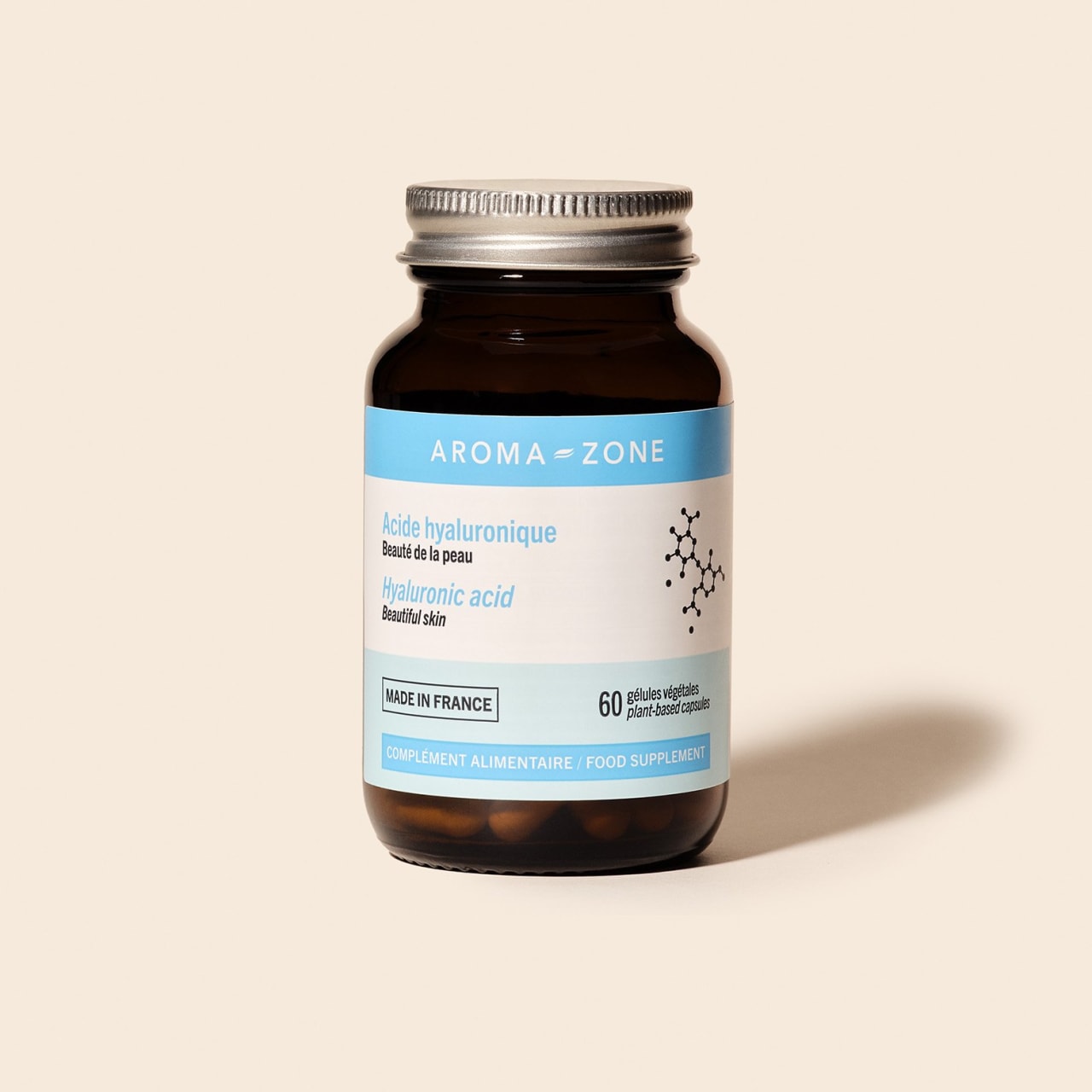
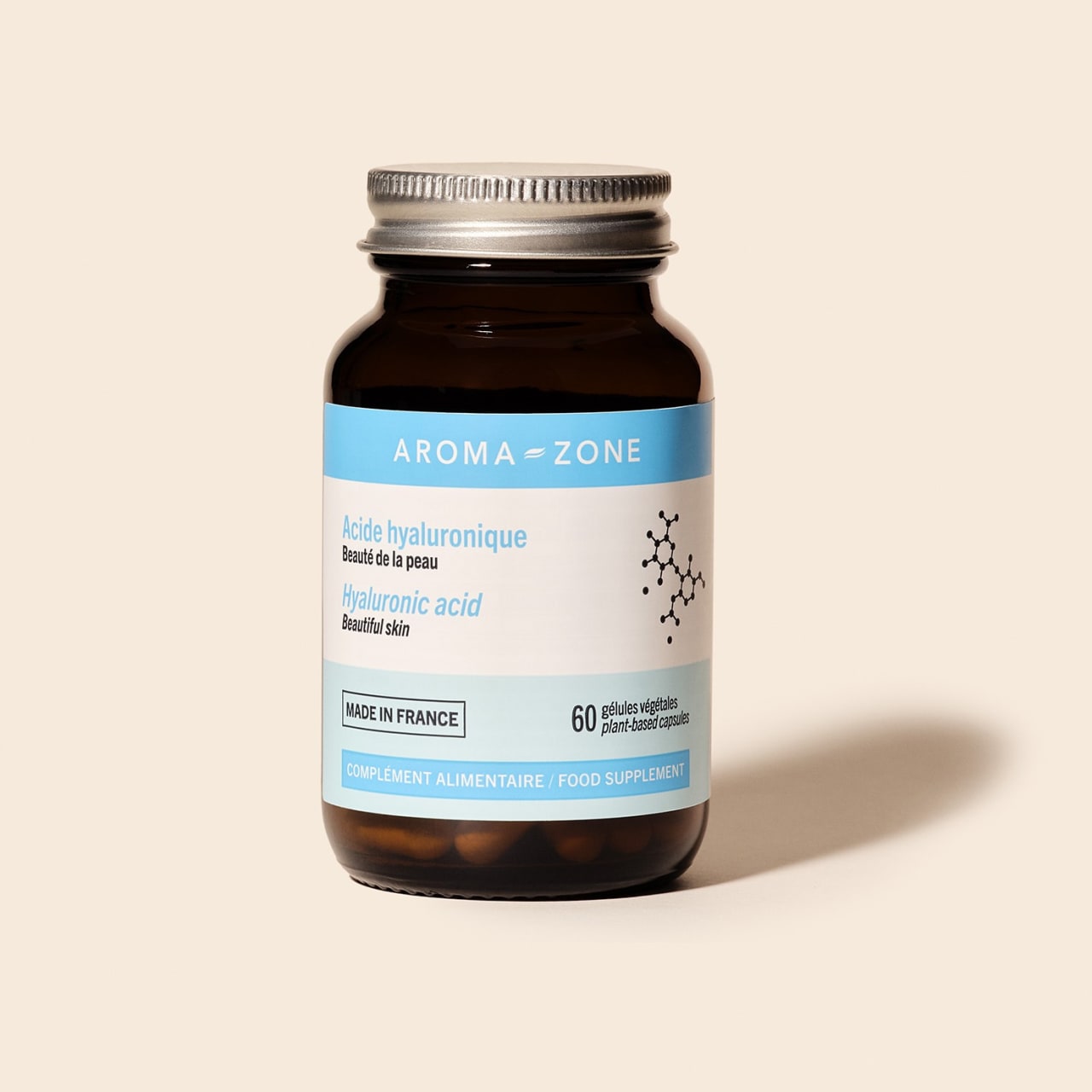
Hyaluronic acid is also available as a food supplement, for anyone who'd rather support hydration from the inside as well as the outside. The guide to hyaluronic acid as a food supplement covers what's currently understood about it in more detail than we can properly do justice to here.
A couple of things worth knowing
Hyaluronic acid is one of the gentler, better-tolerated actives out there, suited to most skin types including sensitive skin, but it's still worth patch testing anything new, and introducing one new product at a time so you can actually tell what's working.
Results build gradually with consistent use rather than overnight, though the plumping effect of a good serum is often visible within minutes.


