How do I use Hyaluronic acid serum concentrate?

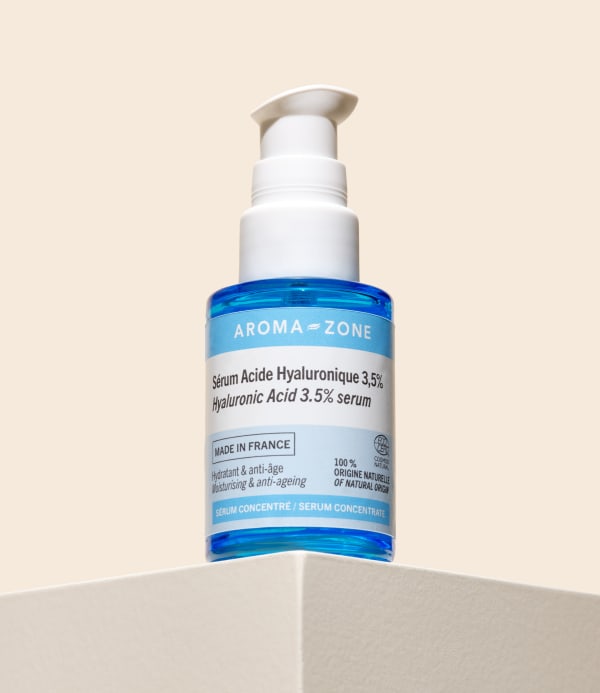
Hyaluronic acid, often hailed as 'the fountain of youth' in cosmetology, has become a must-have for those seeking more hydrated, plumped and radiant skin. Naturally present in our bodies and playing an essential role in maintaining skin hydration, Hyaluronic acid is also increasingly present in skincare and beauty procedures. But how do you use this miracle molecule correctly to maximise its benefits? In this article, we offer a complete guide to the best use of our Hyaluronic acid serum concentrate for radiant skin.

By The Aroma-Zone editorial team

Reading time: 0 min.

What is the role of hyaluronic acid?

First and foremost, hyaluronic acid is a polysaccharide that is not attached to a central protein and is distributed mainly in connective tissues and in particular in the extracellular matrix (present in the skin for 50% of the total stock of hyaluronic acid). Naturally present in the human body, this glycosaminoglycan is synthesised by three transmembrane enzymes, hyaluronan synthases (1, 2 and 3), present in epithelial and immune cells in particular.

Its molecular weight varies between 10 to the 5th Dalton to 10 to the 7th Dalton. Depending on the molecular weight of the hyaluronic acids, their actions change: high molecular weights have a more anti-inflammatory action, while low molecular weights increase angiogenesis (formation of blood vessels) and tissue repair, for example.

On a more practical level, the main roles of hyaluronic acid are for:

  • The skin: skin hydration (powerful hydrophilic), tissue cohesion (therefore role in skin texture, elasticity and firmness), restoration of the skin barrier (cell regeneration and skin healing), regulation of angiogenesis, anti-inflammatory role (reduction in redness and skin discomfort). All in all, fine lines are reduced and the skin is plumper and more hydrated.

  • Joints: increase in the viscosity of synovial fluid (thus reducing joint friction and relieving any pain), maintenance of cartilage elasticity.

  • Hair: the intense hydration it provides makes it an indispensable ally for the hair. It can retain up to 1,000 times its weight in water, making it an excellent ingredient for deeply moisturising dry, damaged hair. It helps to soften hair and make it easier to style, reducing frizz and split ends.

This molecule is extremely well tolerated, with no risk of side effects. It is therefore also suitable for highly sensitive or intolerant skin.

Finally, hyaluronic acid is broken down by an enzyme, hyaluronidase, which is naturally present in our bodies. Its breakdown is all the more stimulated in the event of significant oxidative stress, inflammation, smoking or exposure to UV sunlight.
What are the effects of hyaluronic acid on the face?

  • Moisturises the different layers of the skin, providing comfort and plumping up the skin

  • Reduces the appearance of fine lines and wrinkles, smoothing the skin (by reducing the appearance of fine lines)

  • Restores the epidermal barrier, which can be damaged by UV radiation and external aggressions (pollution, etc.)

  • Plumps up the skin and improves its texture, by stimulating collagen synthesis and fibroblasts

  • Restores radiance to the complexion

  • Combats oxidative stress

Adopting it as part of your skincare routine is a must, thanks to its varied actions on the signs of ageing and skin hydration!

Don't hesitate to apply it morning and night, and also to take hyaluronic acid internally (orally). It can also be safely applied around the eyes as part of your skincare routine.


Focus on our serum enriched with hyaluronic acid

How should Hyaluronic Acid be used on the face?


Our hyaluronic acid serum can be used on all skin types and will provide a moisturising effect. It is particularly recommended for:

  • Mature skin

  • Dry skin

  • Dehydrated skin

  • Oily skin

  • Sensitive skin.

However, we do not recommend it if you have irritated or damaged skin.

Our advice on applying the hyaluronic acid serum

To apply our serum enriched with hyaluronic acid, we recommend:

  1. Apply to slightly damp skin

  2. Take 2 pumps of serum and apply to your cleansed face.

  3. Use small circular movements to massage the product into your skin.

  4. Follow with a face cream or oil.

  5. Use the serum in the morning and/or evening according to your preferences and skin care habits. There is no risk of sun exposure. It is advisable to apply a sun cream before any exposure.

BONUS: Can also be used around the eyes

Although it's not specifically designed to care for the eye area, hyaluronic acid can still be applied to this area to provide moisturising action. It can reduce the appearance of fine lines and rehydrate your eye area. For a more targeted treatment for the eye area, we recommend our Caffeine & Helichrysum eye contour serum concentrate to effectively combat dark circles and bags.

Advice from formulation expert Orianne on how to avoid clumping

Before use: Apply to damp skin

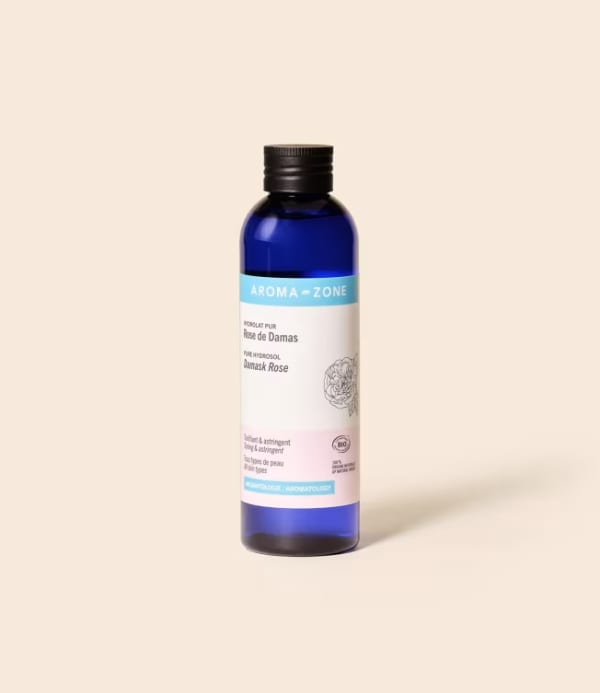
Apply hyaluronic acid to damp skin. You can use a hydrosol such as Damask Rose hydrosol, a toner or even water to moisten the skin. Then you can apply the Hyaluronic Acid serum.

Why should you do this? Because the molecule is attracted to water and penetrates the skin more quickly and effectively. Application to damp skin is therefore more effective, as the molecule penetrates better and more quickly.

After: apply a cream or oil

Applying a skincare oil or cream after the serum reinforces the skin's hydrolipidic film, forming a protective barrier to prevent undetectable water loss from the skin. Our skin needs a dual moisturising and nourishing action to maintain its moisture levels:

  • The serum is a hydration boost, reinforcing the hydrophilic part of the skin barrier.

  • The cream reinforces the skin's hydration and lipidic cement. It therefore has a dual action on the hydrolipidic film, moisturising and nourishing.

  • Treatment oil, made up entirely of fats, is a nutrition boost for the skin and reinforces the lipidic part of the hydrolipidic film. It is essential to maintain the correct balance of the skin's hydrolipidic film to prevent undetectable water loss.

How do you use hyaluronic acid in your routine?

Here's a skincare routine you can adopt to make the most of the benefits of our serum:

1. Wash your face, rinse and dry gently:

Thanks to the combination of oils known for their purifying, cleansing and soothing properties of Lavender, Tea-tree, Lemon and Thyme linalol, this certified ORGANIC soap is particularly suitable for purifying skin with imperfections and for cleansing the hands.

Discover our Purifying plant-based soap

2. Apply a hydrosol of your choice to purify the skin:

Astringent and firming, this hydrosol is an essential ingredient for preventing and combating the signs of skin ageing. Used in your mixtures, this hydrosol, also known as rose water, purifies, refreshes and softens the skin, making it ideal for delicate skin.

Discover our ORGANIC M'Gouna Valley Damask Rose hydrosol

3. Apply your hyaluronic acid serum to the entire face, including the eye contour area:

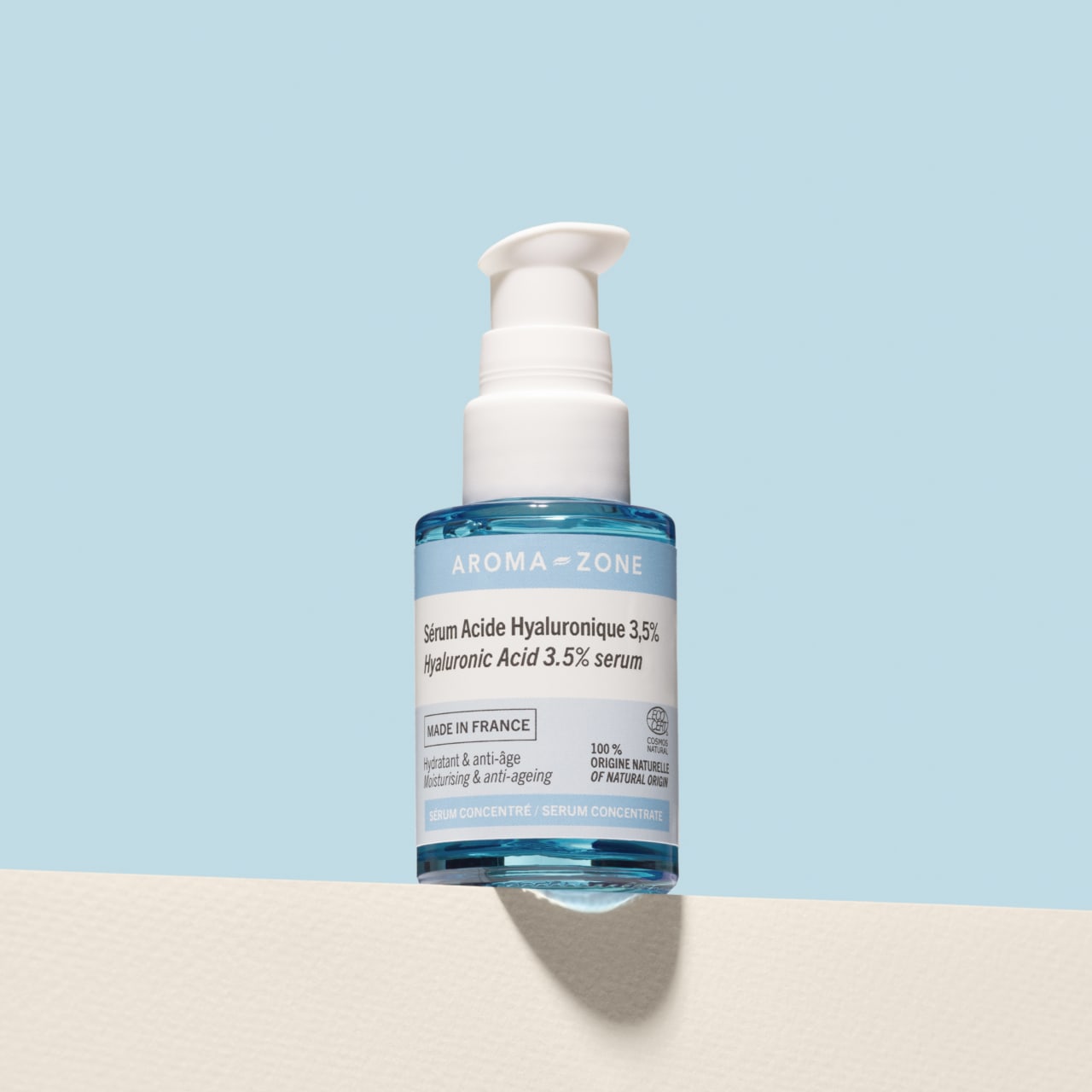
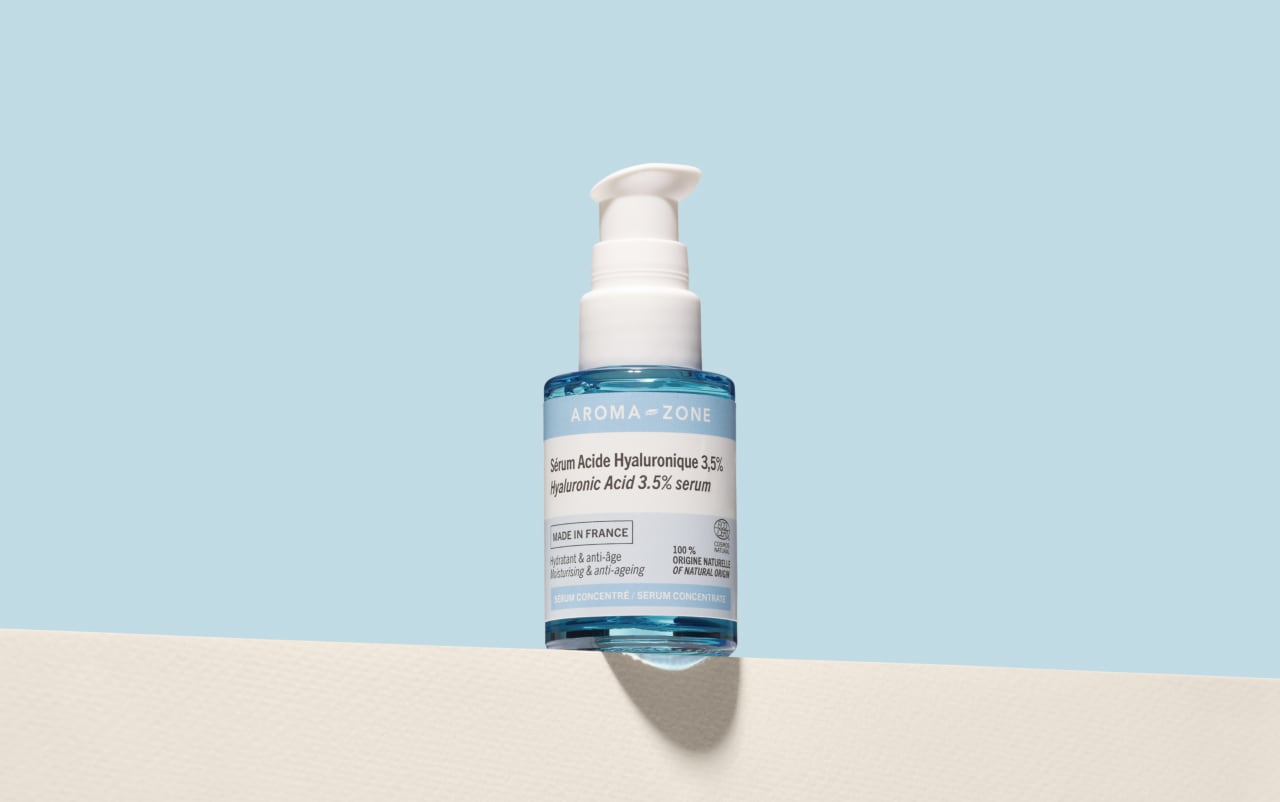
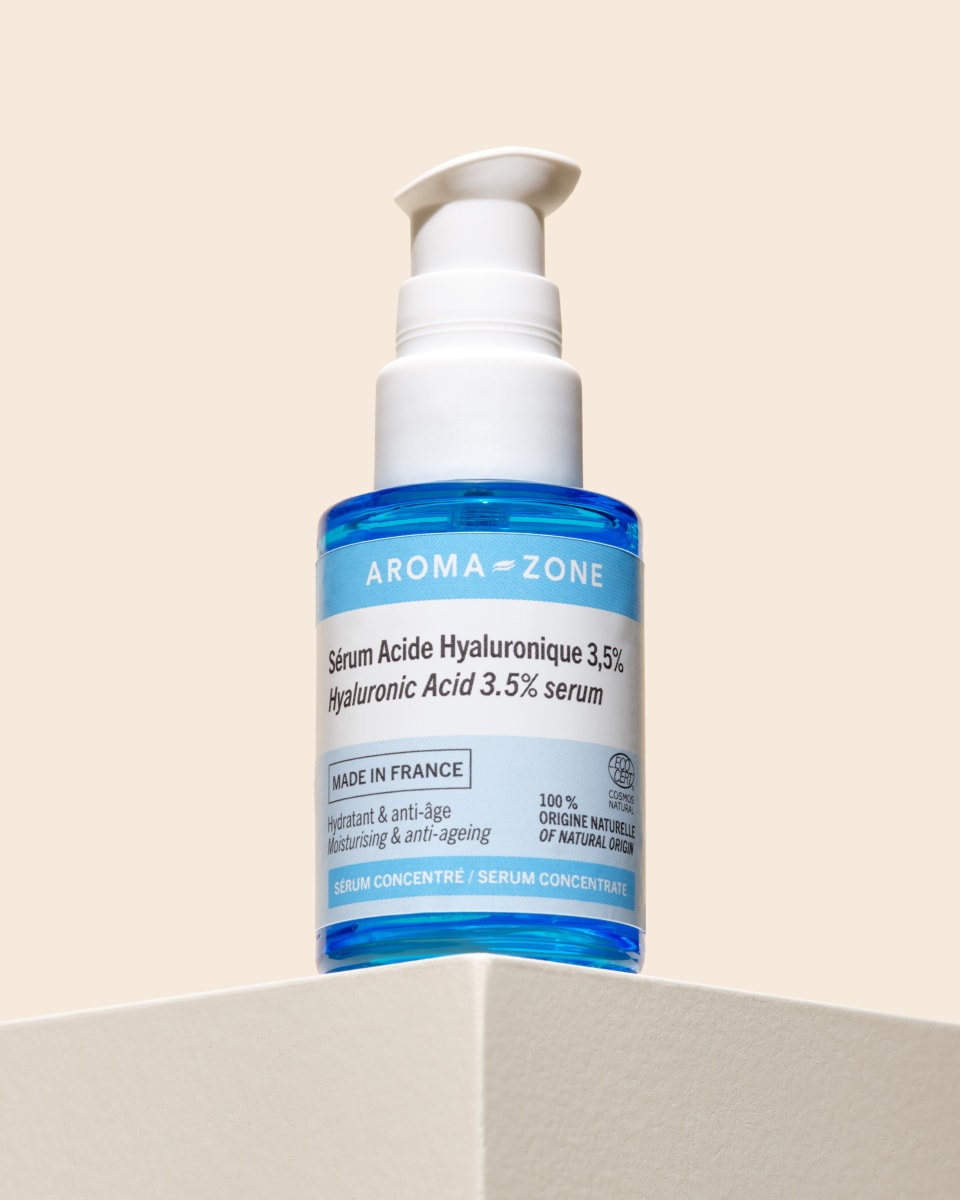
This 100% natural hyaluronic acid serum is one of the most concentrated on the market: 3.5% compared with 0.1 to 1% hyaluronic acid in conventional cosmetics.

Discover our Hyaluronic Acid Serum

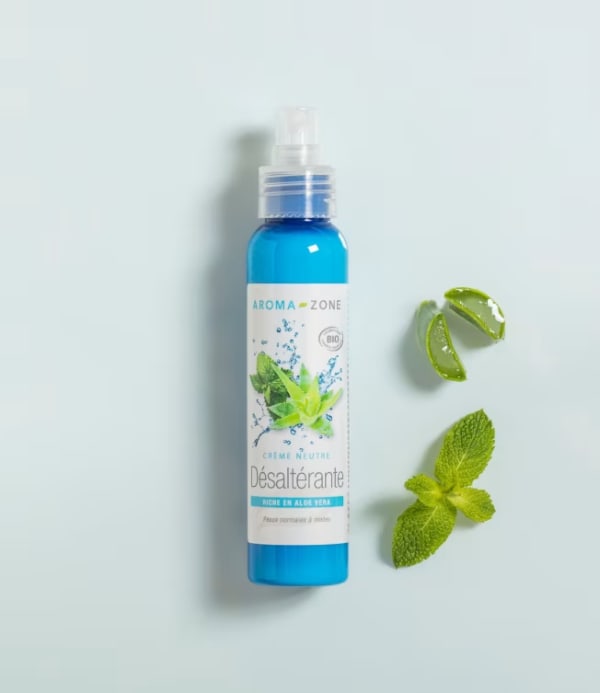
4. Apply your hyaluronic acid cream to boost hydration and quench the skin's thirst:

This certified ORGANIC, 100% natural face and body cream, enriched with Aloe vera and peppermint hydrosol, active ingredients known for their thirst-quenching and refreshing action, provides your skin with intense, long-lasting hydration for up to 8 hours after application.

Discover our hydrating face and body cream

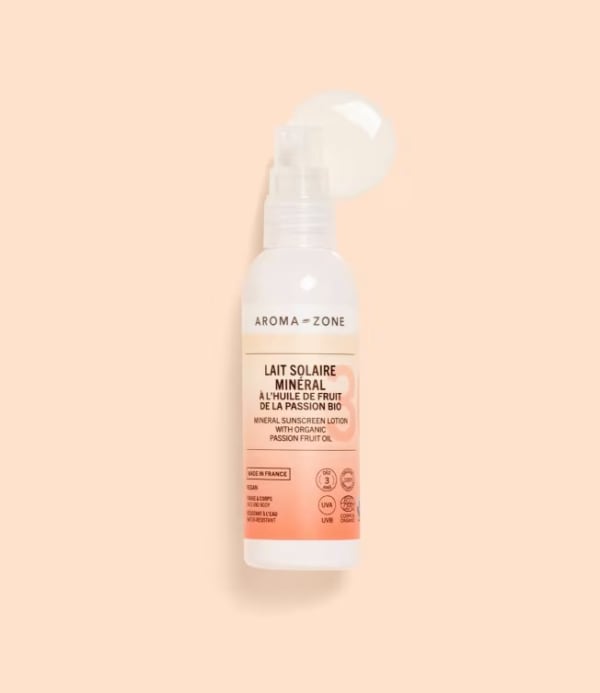
5. Apply sun protection as required:

Protect your skin from UVA and UVB rays with this SPF 20 face & body sun care product, with its light, milky texture. Certified ORGANIC and suitable for children aged 3 and over.

Discover our Mineral sun lotion SPF 20

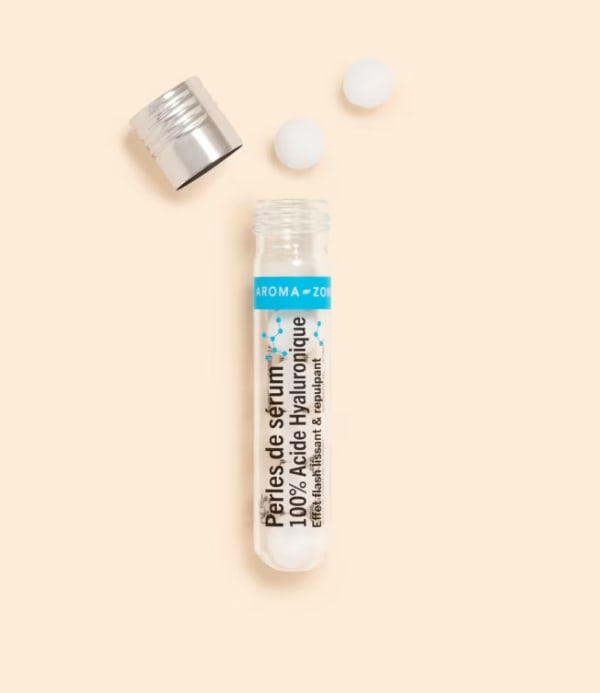
6. For a (quick) radiance boost, there's nothing better than serum pearls, for revitalised, visibly younger-looking skin. In just one application, they provide a smoothing, firming and plumping flash effect, ideal for smoothing out features before an event.

Discover our 100% Hyaluronic Acid serum pearls

The result: skin that's rehydrated, fresh and soothed! And don't hesitate to combine several forms of hyaluronic acid (internal, external, serum or cream etc.), or even combine it with a collagen treatment for an even greater anti-ageing effect.

THE DOS & DON'TS

DOs

  • You can add a few pumps of hyaluronic acid to your day or night cream to give it its moisturising and soothing properties.

  • Apply your serum to skin that is still damp to prevent it from caking.

  • Apply a small amount: 1 or 2 pumps are enough

DON'Ts

  • Apply too much product. A small amount of product is enough; if you apply too much, it can have a "caking" effect on the skin.

  • Keep your product in a room that is too warm, or in the sun. Make sure you leave your serum well away from the sun, humidity and heat so as not to alter its properties.

How should it be combined and with which serums?

To fully understand the various combinations of our hyaluronic acid serum with our other serums, read our dedicated guide.

How should Hyaluronic Acid be used on the hair?

Hyaluronic acid can also be used to care for your hair:

  • Lastingly moisturises the hair fibre

  • Fights dehydrated, split ends

  • Improves volume

  • Hair is supple, dense and healthy

How should Hyaluronic acid be applied to the hair?

  1. You can apply it to your lengths and ends while they're still damp to give them long-lasting hydration. Combined with various cosmetic active ingredients, you can transform your serum into a real repair treatment for damaged ends.

  2. You can apply 2 to 4 pumps daily, depending on the length and volume of your hair.

  3. This serum can also be used in place of styling gel if you've run out. It will hold your hair in place.

Does Hyaluronic acid replace moisturiser?

Hyaluronic acid, particularly in serums, does not replace moisturising cream; on the contrary, it complements it. There are several types of hyaluronic acid, each with a different molecular weight. The larger, high-molecular-weight hyaluronic acids do not penetrate the deeper layers of the skin, so they remain on the surface (layers of the epidermis), providing superficial hydration and helping to restore the skin barrier (they can be found, for example, in certain moisturising creams or in healing creams). Conversely, low-molecular-weight hyaluronic acids penetrate deeper, providing deeper hydration but also acting on the synthesis of collagen fibres and the texture of the skin: these acids therefore have a more 'anti-ageing' action. So, ideally, you should combine low-molecular-weight hyaluronic acids AND moisturising creams.

What's more, applying a moisturising cream (or oil, or Aloe vera gel, etc.) on top of a hyaluronic acid serum optimises its application and skin hydration, as otherwise there would be a significant loss of water.

A closer look at all the states of Hyaluronic acid

Hyaluronic Acid Serum

This 100% natural hyaluronic acid serum is one of the most concentrated on the market: 3.5% compared with 0.1 to 1% hyaluronic acid in conventional cosmetics.

Discover our Hyaluronic Acid Serum

Hyaluronic Acid serum pearls

Adopt a new skincare routine with these 100% pure* Hyaluronic Acid Pearls, for revitalised, visibly younger-looking skin in as little as 7 days**.

Discover our Hyaluronic Acid serum pearls

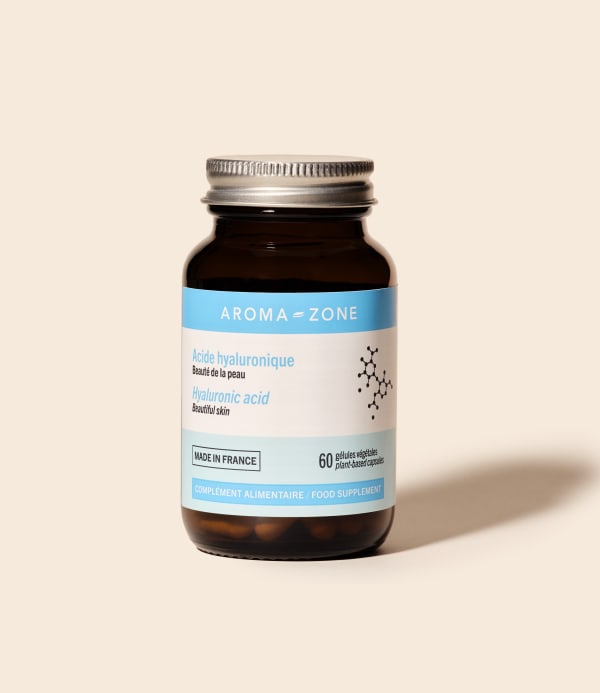
Hyaluronic acid - 60 capsules - Food supplement

This Hyaluronic Acid capsule is used as a food supplement to plump up your skin from the inside, preserve its elasticity and combat wrinkles.

Discover our Hyaluronic acid - 60 capsules - Food supplement

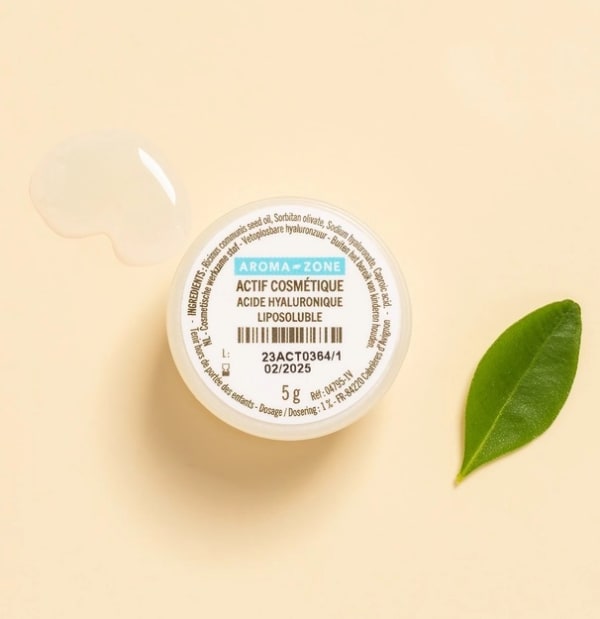
Active ingredient - Liposomal hyaluronic acid

The essential hyaluronic acid, the star of anti-wrinkle and plumping skin care, is now available in an oily version! This ultra-innovative top-of-the-range hyaluronic acid is proven to help hair grow, strengthen and improve its appearance.

Discover our Active ingredient - Liposomal hyaluronic acid

Find out more

How can I personalise my hyaluronic acid serum?

Our hyaluronic acid serum can be used undiluted, directly on the face or on the hair, on the lengths and ends, to moisturise.

You can also personalise it by adding other cosmetic active ingredients to complement the benefits of hyaluronic acid. You can find our simple recipes for customising your hyaluronic acid serum here.

How can you incorporate a hyaluronic acid serum into your skincare routine?

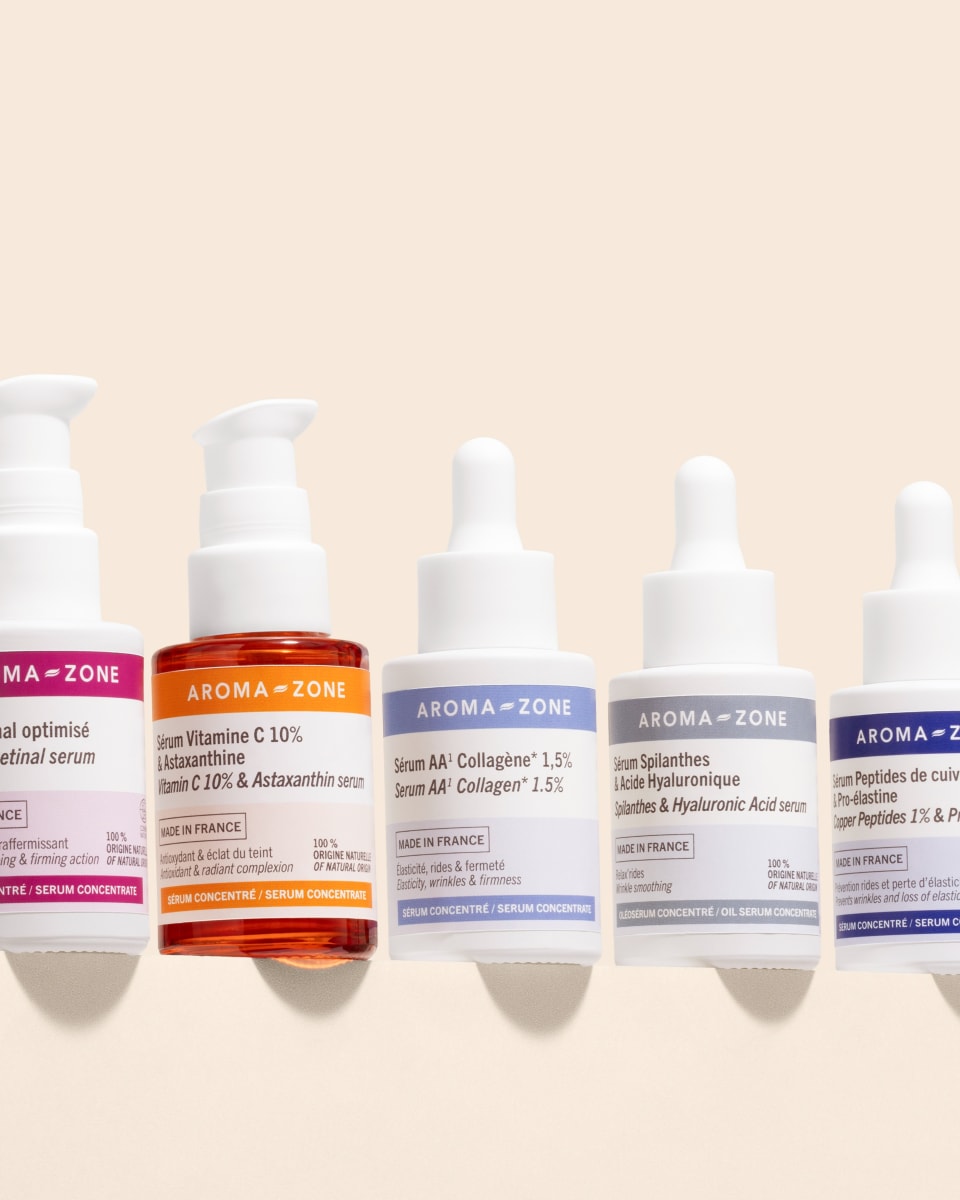
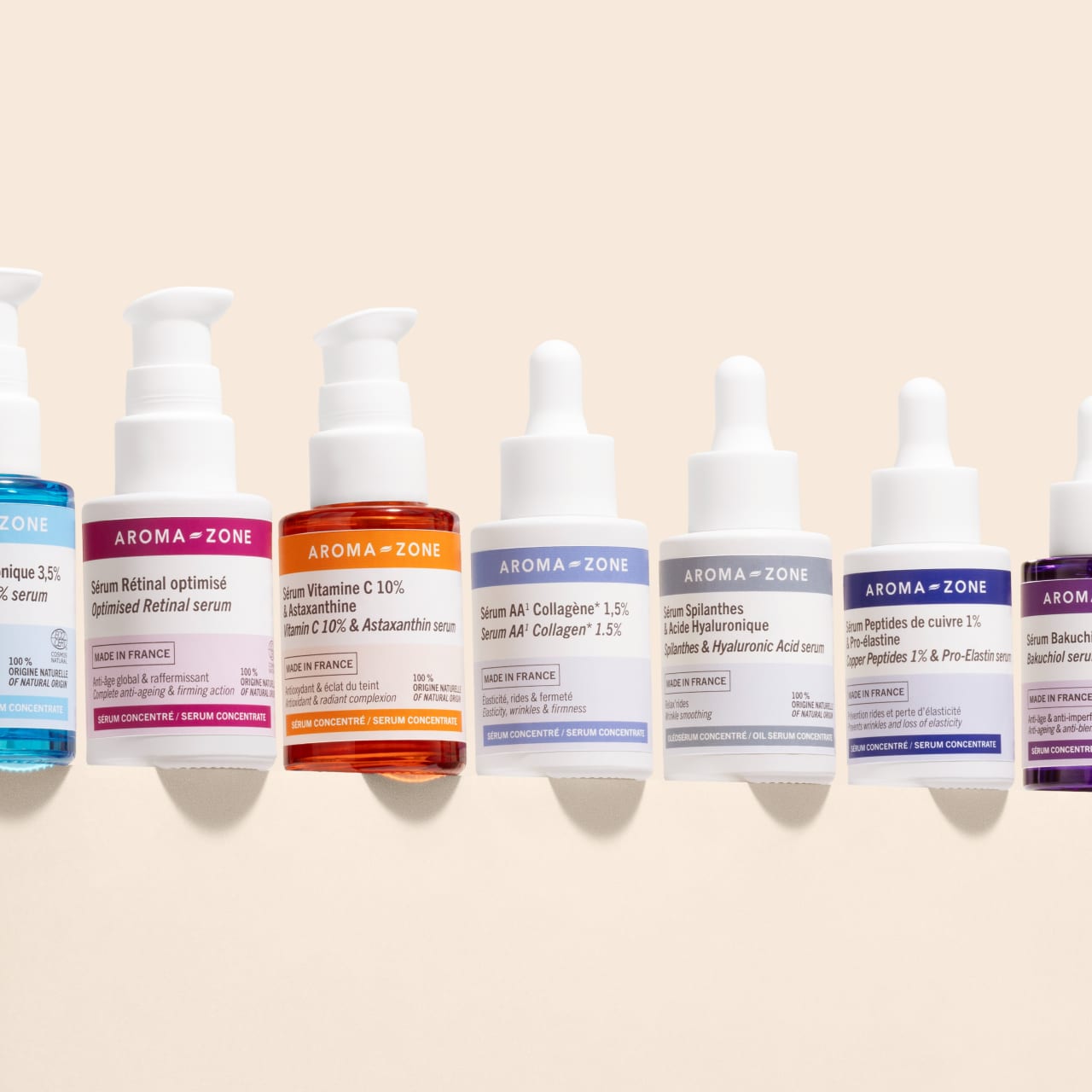
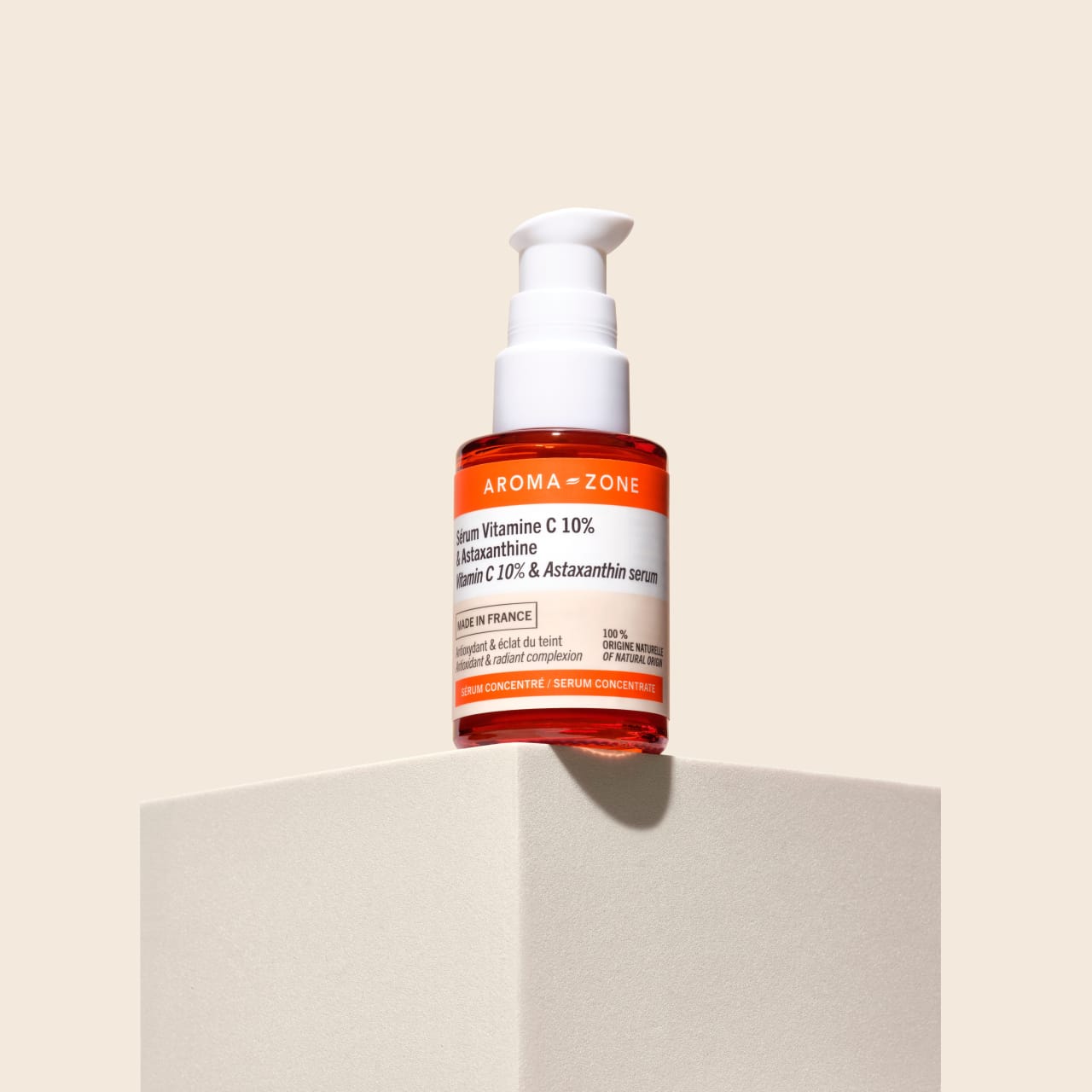
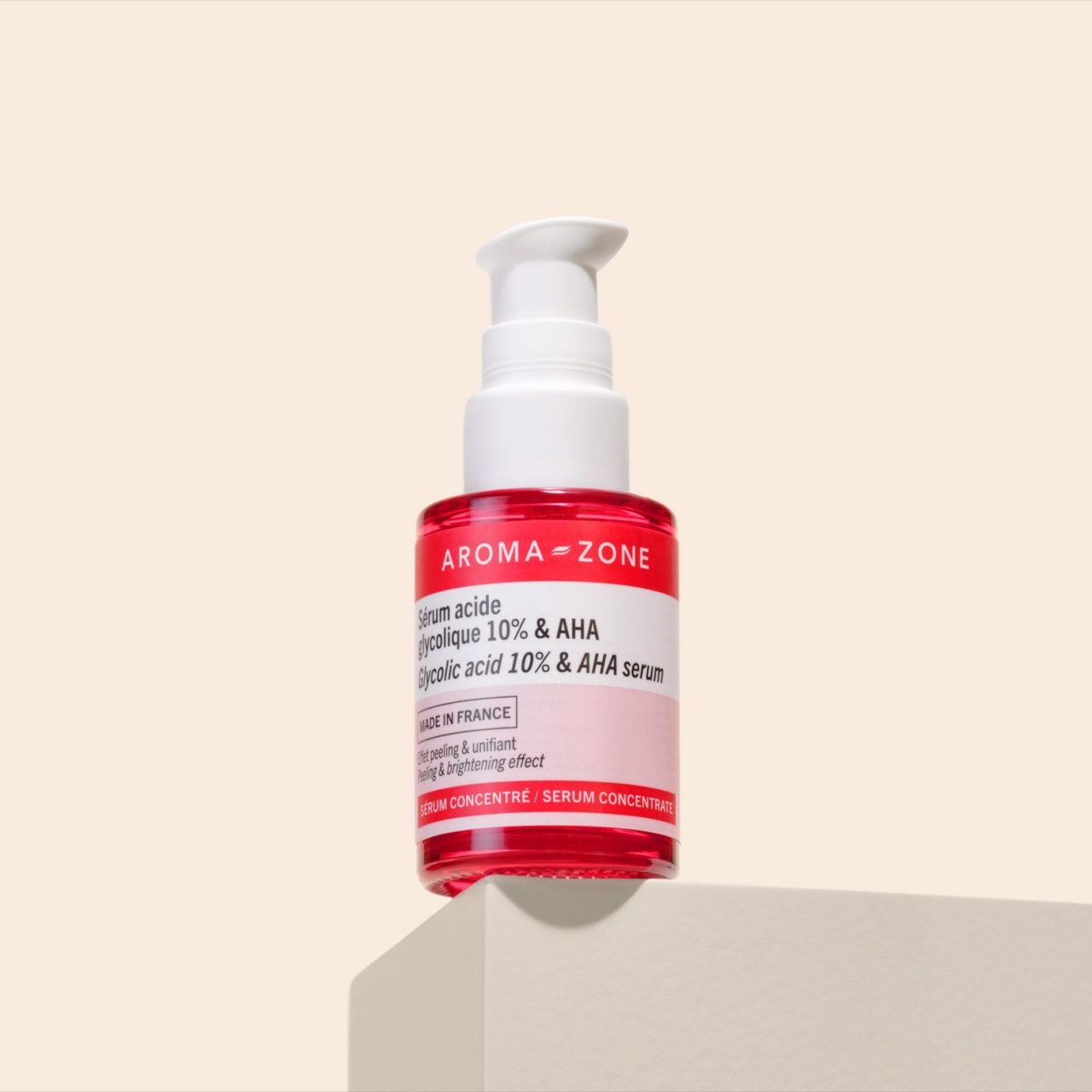
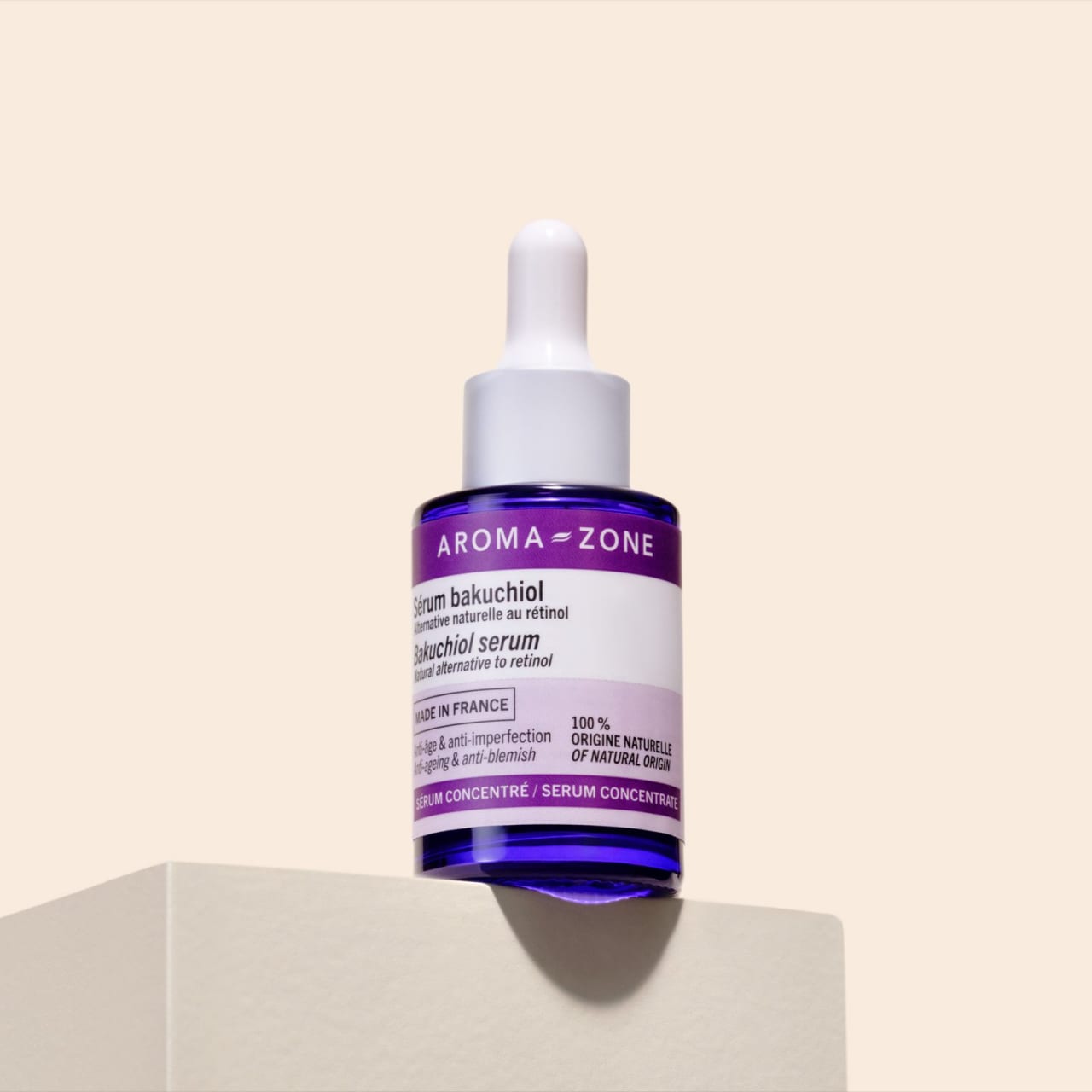
Our Hyaluronic Acid serum is the only one that can be combined with all the other AZ serums. Whether you use Nicotinamide, Bakuchiol, Glycolic acid, Vitamin C or Retinal, you can complement the actions of your serum with hyaluronic acid.

Application is simple: during your beauty routine, after applying your Aroma-Zone serum, you can add the hyaluronic acid serum to rehydrate and plump your skin for a complete routine.

What is the advantage of combining Collagen and Hyaluronic Acid?

Collagen and hyaluronic acid are both natural components of the extracellular matrix that ensure the cohesion, resistance and elasticity of our skin. However, they are 2 very different molecules, which have different roles in this matrix: collagen is a protein and gives tissue its structure, while hyaluronic acid is a polysaccharide, which keeps tissue functional, hydrated and lubricated thanks to its ability to retain water.

When taken orally, Marine Collagen and Hyaluronic Acid are 2 food supplements that act on the skin's elasticity, tone and hydration, helping to reduce the appearance of wrinkles. But these 2 substances of different natures act differently in our bodies. So it's worth combining them in synergy for maximum effectiveness!

Can I take hyaluronic acid capsules continuously?

There are no complications associated with taking hyaluronic acid capsules for several months. It is especially useful for mature skin to help maintain elasticity and combat wrinkles and sagging skin.

Is it possible to use Hyaluronic acid and Retinol together?

The answer is yes! You can combine retinol and hyaluronic acid for an overall beautiful skin action. Our advice: apply our Hyaluronic acid serum concentrate in the morning and Optimised retinal serum concentrate in the evening, for hydrated, plumper, firmer skin with a tighter texture.

Which products should not be mixed with hyaluronic acid?

Simple answer: none! Hyaluronic acid blends in perfectly with all your skincare routines and products, so there's no problem combining it with your other skincare products. On the contrary, it's a perfect accompaniment to more irritating products such as those involving retinol, topical retinoids or fruit acid skincare (AHA, BHA, etc): in this case, apply your hyaluronic acid serum a few minutes before your other skincare products.

Bibliography

1

Abatangelo G, Vindigni V, Avruscio G, Pandis L, Brun P. Hyaluronic Acid: Redefining Its Role. Cells. 2020 Jul 21;9(7):1743.

2

Iaconisi GN, Lunetti P, Gallo N, Cappello AR, Fiermonte G, Dolce V, Capobianco L. Hyaluronic Acid: A Powerful Biomolecule with Wide-Ranging Applications-A Comprehensive Review. Int J Mol Sci. 2023 Jun 18;24(12):10296.

3

Gao YR, Wang RP, Zhang L, Fan Y, Luan J, Liu Z, Yuan C. Oral administration of hyaluronic acid to improve skin conditions via a randomized double-blind clinical test. Skin Res Technol. 2023 Nov;29(11):e13531.