Astragalus: benefits, dangers, advice...

Used for centuries in traditional Chinese medicine, astragalus has many medicinal properties. This adaptogenic plant is ideal for supporting your body and giving it the energy it needs. Its roots are mainly used for their tonic, antioxidant, anti-inflammatory, antiviral, broad-spectrum antimicrobial and immunostimulant properties.

Discover and embrace the benefits of astragalus and learn how to use it in your recipes as part of therapeutic treatments.

Reading time: 0 min.

The origins of astragalus

Astragalus membranaceus is a perennial plant belonging to the legume family (Fabaceae) and is native to North-East Asia (China, Korea and Mongolia). It grows on the edges of forests and near shores in well-drained, chalky soil. Its stems are up to 150 cm high and have small, oblong, green leaves. Its yellow flowers are grouped in clusters and produce multi-seeded pods.

Its long taproots are used for their composition, which are rich in active ingredients, giving them many medicinal properties.

Astragalus has played an important role in traditional Chinese and Asian medicine for thousands of years.

Astragalus is known as an adaptogenic plant, which means it has the ability to help the body respond to stress (internal and external) and return to normal function.

It is also recognised as the ultimate 'anti-ageing' plant, and for its broad-spectrum tonic, energising, immunostimulant and anti-microbial properties.

Its roots are harvested, dried and then sliced or ground into powder for easy consumption, or packaged as a food supplement (capsules or tablets).

Astragalus root is described as having a mild, earthy, warming and slightly sweet taste.

Properties and benefits of astragalus

Thanks to its powerful properties, astragalus has numerous health benefits.

It is a powerful tonic

Astragalus is recognised as a general tonic that boosts the body's vitality. Thanks to its immunostimulant properties, combined with its adaptogenic effects, it helps the body to cope with internal and external stress and become more resistant. It boosts your energy, strengthens the body and helps it to function properly. In traditional Chinese medicine, astragalus is used to stimulate 'qi', the vital energy or life force.


It supports and strengthens the immune system

Astragalus has been used for centuries as a decoction to stimulate the body's immune defences and overall vital energy, and for its immunostimulant properties.

This is all due to its active ingredients, especially its richness in polysaccharides. These complex carbohydrates have the ability to modulate and stimulate the immune system. Astragalus increases and activates the cells that are key to regulating the body's immune response.


It has adaptogenic effects

Astragalus is recognised as an adaptogenic plant, which means it helps the body to respond to internal and external stress and restores its normal functions.

It helps the body to protect itself against physical, mental or emotional stress and increases its mental, physical and muscular resilience.


It has powerful antioxidant potential

Astragalus contains numerous antioxidant compounds, such as triterpene glycosides (saponins, astragalosides, cycloastragenol), numerous flavonoids, polysaccharides, zinc and manganese, which give it the power to neutralise excess free radicals in the body. Free radicals are responsible for oxidative stress, inflammation, damage and premature ageing of cells and tissues.

What's more, the cycloastragenol it contains activates a special enzyme called telomerase, which is capable of halting cell ageing.

Astragalus is, therefore, considered to be the ultimate anti-ageing plant. It is reputed in traditional Chinese medicine to extend your lifespan.


It is anti-inflammatory

Astragalus has beneficial anti-inflammatory effects. Its active ingredients act as inhibitors of the cells involved in inflammatory reactions. It is effective on both acute and chronic inflammation.

A decoction of astragalus is also useful for soothing coughs (viral or bacterial inflammation of the respiratory tract), asthma (chronic inflammation of the respiratory tract) and allergies (inflammation caused by the immune system's reaction to an allergen).

Its anti-inflammatory effects also help to prevent cardiovascular pathologies, including atherosclerosis. Atherosclerotic plaques build up as a result of the accumulation of lipids and inflammatory cells, among other things. The plant also protects tissues and blood vessels, thanks to its antioxidant and immunostimulant potential.


It is a broad-spectrum antiviral and antimicrobial agent

Astragalus has a number of active ingredients with broad-spectrum antiviral and antimicrobial properties, in particular its polysaccharides and flavonoids. Its effects inhibit viral replication and the development and reproduction of certain pathogenic micro-organisms.

Add to this its anti-inflammatory and immunostimulant properties, and you will see why astragalus has become a valuable plant, capable of preventing and treating a wide range of infections and diseases.


It provides support during the menstrual cycle and the menopause

Astragalus (Astragalus membranaceus) is an adaptogenic plant renowned for its benefits on women's hormonal health, particularly with regard to the menstrual cycle and menopause.

It supports the menstrual cycle with:

  • Hormonal regulation: astragalus helps to balance hormone levels by supporting the adrenal glands and reducing stress, which can stabilise irregular menstrual cycles.

  • Reduced menstrual pain: thanks to its anti-inflammatory properties, astragalus can ease menstrual cramps and pain.

  • Immune support: by strengthening the immune system, astragalus helps keep you in good health throughout your menstrual cycle.

During the menopause, astragalus helps in the following ways:

  • Supplying hormonal deficiencies: astragalus supports the endocrine glands, helping to reduce menopausal symptoms, such as hot flushes and mood swings.

  • Reduced fatigue: as an adaptogen, astragalus boosts your energy levels and resistance to stress, relieving the fatigue that is common during the menopause.

  • Improved bone density: astragalus can help contribute to bone health, which is important for preventing post-menopausal osteoporosis.

  • Immune support: strengthening the immune system, astragalus helps protect you against infections during the menopause.

Astragalus is beneficial for women, helping to regulate hormones, reduce inflammation and boost immunity. However, it is advisable to consult a healthcare professional before starting any new treatment.

How should astragalus be taken?

Astragalus is generally taken in 1- to 3-month courses of treatment, with at least one week's break (known as a therapeutic window) in the middle.

You can choose to use:

Fresh or dried astragalus roots: you can use them as a decoction by infusing around 5g of dried roots in 500ml of water for around twenty minutes. We recommend drinking 1 to 3 cups a day.

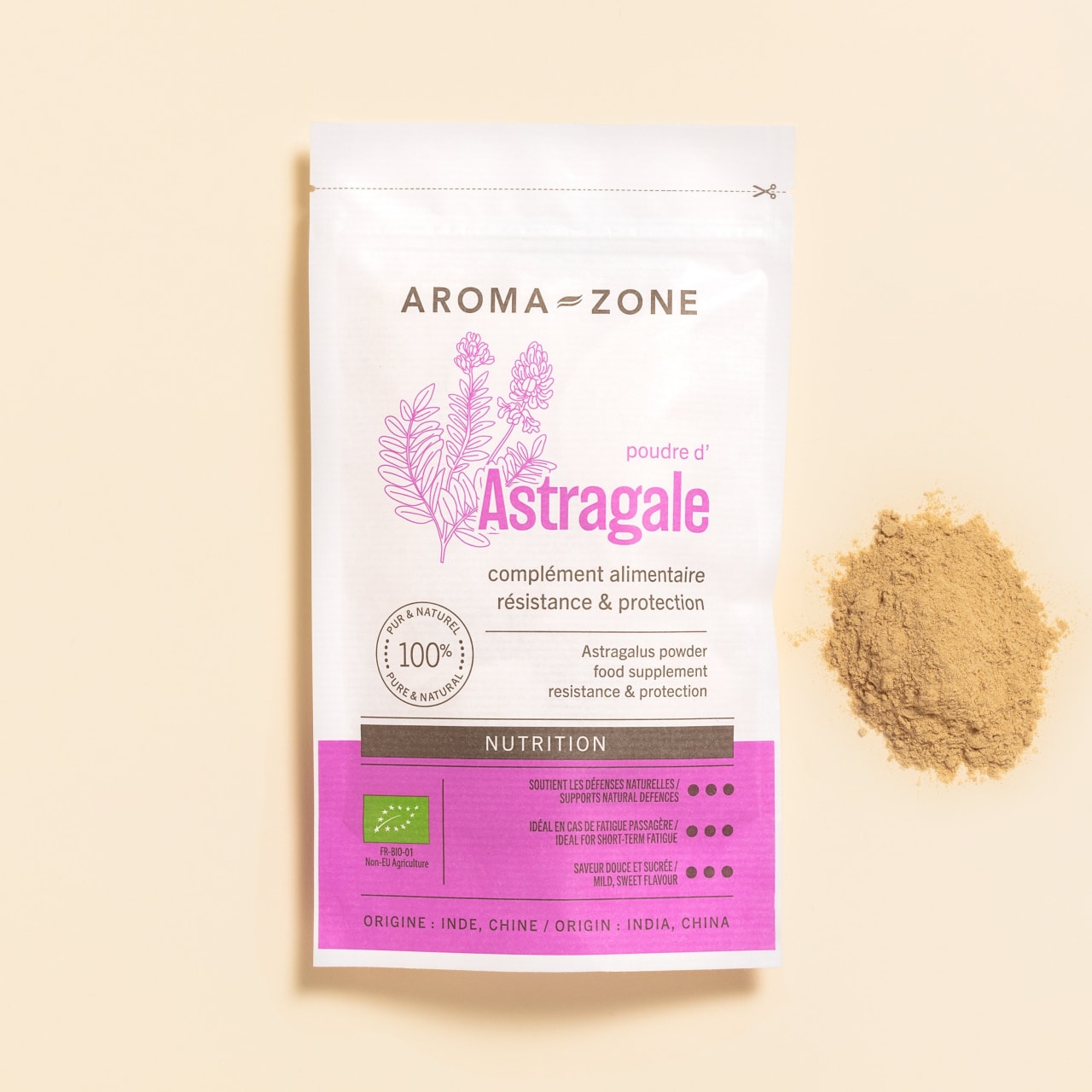
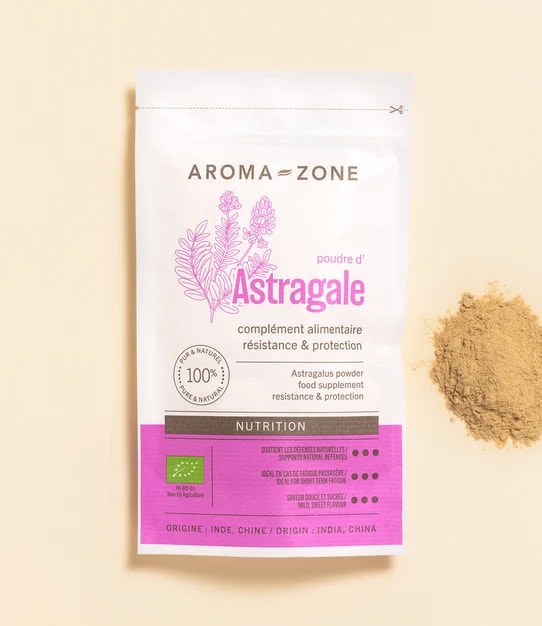
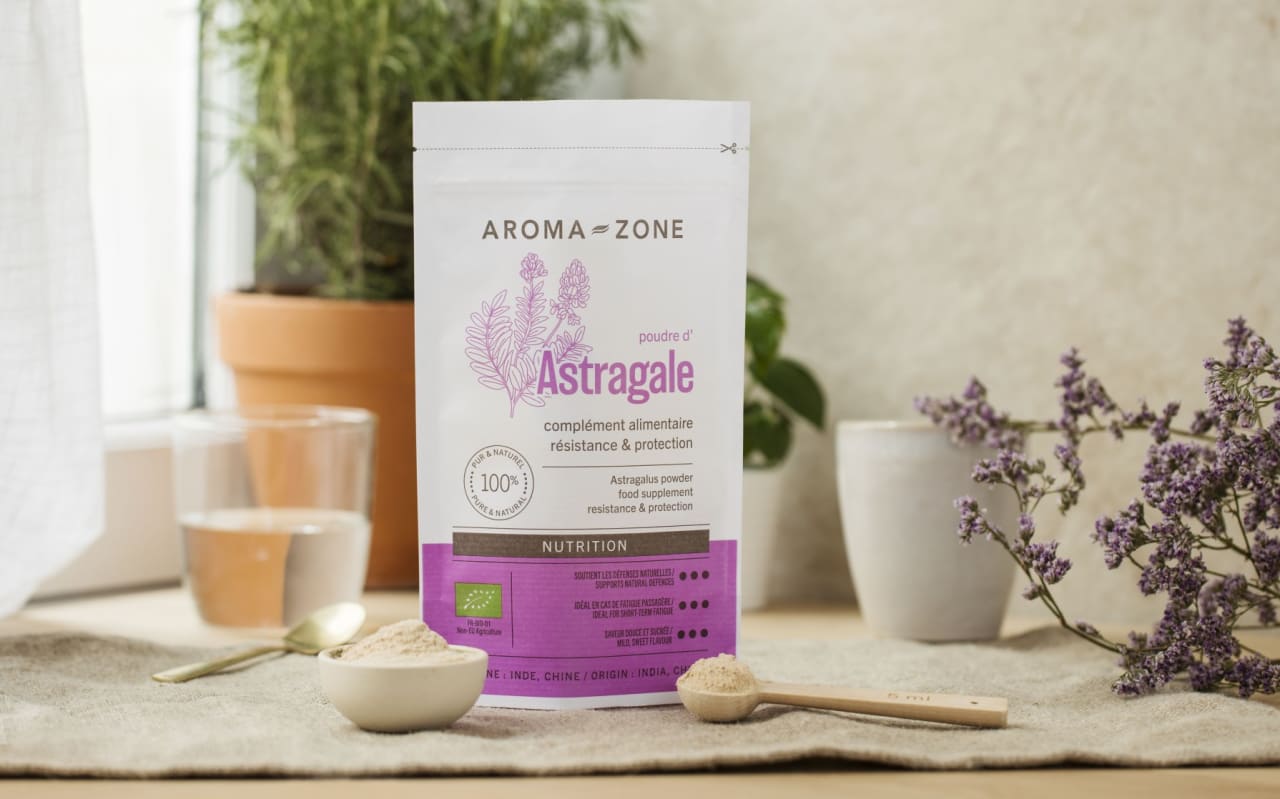
Astragalus root powder: the roots are dried and then ground to a fine powder without heating, so their valuable nutrients aren't altered. We recommend you take 3 to 6 g of astragalus powder a day, or 1 to 2 teaspoons. Ideally, this dose should be taken 3 times a day with meals. You can add astragalus powder to your dishes, smoothies, juices, compotes and fruit salads or make your own capsules using our pullulan capsules. You can also make yourself a comforting herbal tea.

Some recipes with astragalus

Why not sprinkle astragalus powder into your home cooking, as in our two easy recipes:

Astragalus smoothies

1

Add all the ingredients to a blender and blend until smooth.

2

Pour yourself a glass, add one or two ice cubes and enjoy!

Astragalus energy balls

1

In a blender, add the almonds, dates, cranberries, astragalus powder and sweetener (optional) to blend to a chunky, doughy consistency. Shape the dough into small balls and roll them in the shredded coconut to cover them in an attractive white coat.

2

Place your energy balls on a plate and refrigerate for around 30 minutes. They're perfect for a healthy break, an on-the-go snack or even in the morning to stock up on energy before starting your day.

4

You can also add whatever you like to the recipe, such as rolled oats, flower pollen, oilseed pieces (hazelnuts, cashew nuts, Brazil nuts, etc.) or seeds (chia, sesame, sunflower, etc.) for example.

Your energy balls will keep for a week in the fridge.

Organic astragalus powder

Considered in traditional Chinese medicine to be an excellent tonic plant, astragalus has always been used to support the body's natural defences and to strengthen it. This adaptogenic plant with its many benefits is recommended in times of stress or to support you with the ageing process. This 100% pure organic astragalus root powder is used as a food supplement in a fortifying course of treatment.


Discover the organic Astragalus powder food supplement

Scientific research on astragalus

Astragalus membranaceus has undergone numerous scientific studies to explore its various health benefits. In fact, it is being closely examined by researchers to understand how it works and its therapeutic potential. Here is an overview of the types of studies carried out on astragalus:

In vitro studies

In vitro studies, carried out in a laboratory on isolated cells and tissues, have identified several active compounds in astragalus, such as polysaccharides, flavonoids and triterpenoid saponins. These studies have shown that these components have immunostimulant, antioxidant and anti-inflammatory properties. For example, astragalus polysaccharides have been shown to increase the activity of macrophages and lymphocytes, thereby boosting the immune response. In addition, flavonoids and saponins have been shown to neutralise free radicals and reduce inflammatory markers.

In vivo animal studies

In vivo studies using animal models, have confirmed and expanded on the results of in vitro studies. For example, research on mice has shown that astragalus can improve immune function, increase resistance to stress and reduce fatigue. One study also found that astragalus can lower blood pressure and improve heart function in rats with heart disease. Additionally, its antiviral and antimicrobial properties have been observed in studies where animals treated with astragalus extracts showed increased resistance to viral and bacterial infections.

Human clinical trials

Human clinical trials are crucial for validating the benefits observed via in vitro and in vivo studies. Although fewer in number, various clinical trials have been conducted to assess the efficacy of astragalus in humans. For example, one clinical trial showed that administration of astragalus extracts to patients with chronic heart disease resulted in a significant improvement in cardiac function and a reduction in symptoms. Other clinical trials have explored the use of astragalus to boost the immune system, particularly in patients suffering from chronic diseases or receiving immunosuppressive treatments.

Observational studies and systematic reviews

Observational studies and systematic reviews provide valuable information on the use of astragalus in real-life situations. These studies compile and analyse data from multiple clinical trials and case studies to provide an overview of the efficacy and safety of astragalus. For example, a systematic review of the effects of astragalus on cardiovascular health concluded that the plant may be beneficial in lowering blood pressure and improving blood lipid profiles, although further research is needed to confirm these effects.

Precautions and known dangers of astragalus

Known contraindications

Because of its powerful properties, astragalus has certain contraindications and should be avoided:

  • If you are undergoing immunosuppressive treatment.

  • If you have an auto-immune disease.

  • If you have a fever.

  • If you are allergic to plants in the legume family (Fabaceae).

  • If you have had a recent transplant.

  • If you have a personal or family history of breast cancer.

As a precautionary measure and due to the lack of sufficient data, astragalus is not recommended for pregnant or breastfeeding women, or for children under the age of 12.

If you are diabetic or suffer from a degenerative disease, we advise you to ask your doctor for advice before taking astragalus.


Potential side effects

Astragalus has no side effects when taken in the recommended doses.

If taken in excess, it may cause intestinal problems (nausea, diarrhoea), headaches, skin rashes, itching or a runny nose.


Interactions

The plant may interfere with corticosteroid, beta-blocker, anticoagulant, antiplatelet, antihypertensive, diuretic, oestrogen inhibitor and lithium treatments. If you are concerned, always ask your doctor's advice before taking astragalus.

Focus on our Naturopathic editor, Stéphanie Catrysse

Stéphanie Catrysse - Naturopath (FENA-certified), well-being massage and lymphatic drainage practitioner and personal development consultant.

Passionate about alternative medicine, she takes a holistic approach to health.

Bibliography

1

Jin M et al.

"Caractéristiques structurelles et activités biologiques des polysaccharides d'Astragalus membranaceus"

2

Shao BM et al.

"Une étude sur les récepteurs immunitaires des polysaccharides des racines d'Astragalus membranaceus, une plante médicinale chinoise", 2005

3

Yan M, 1995

Modifications de la flore intestinale chez les souris séniles et activité antagoniste de la racine d'Astragalus membranaceus