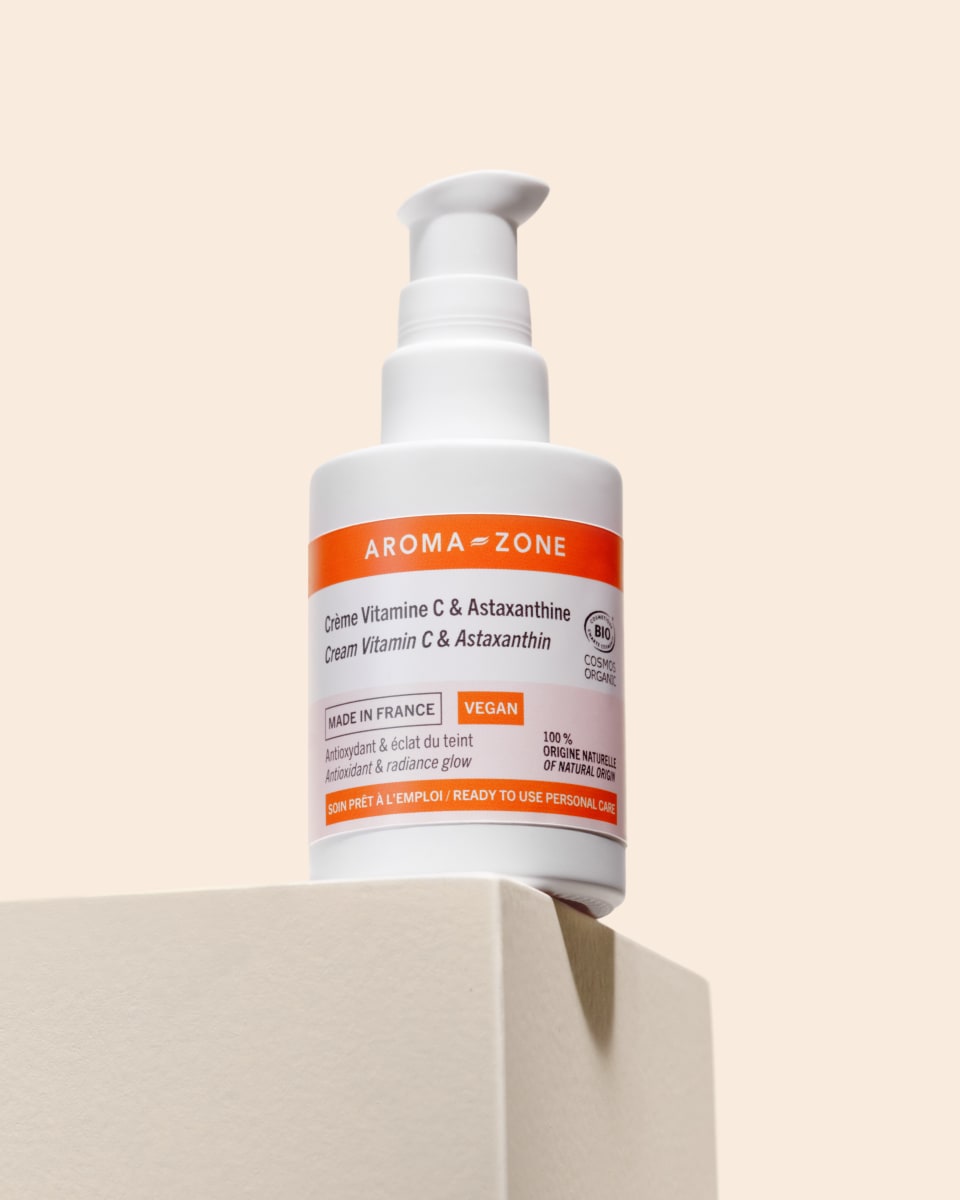
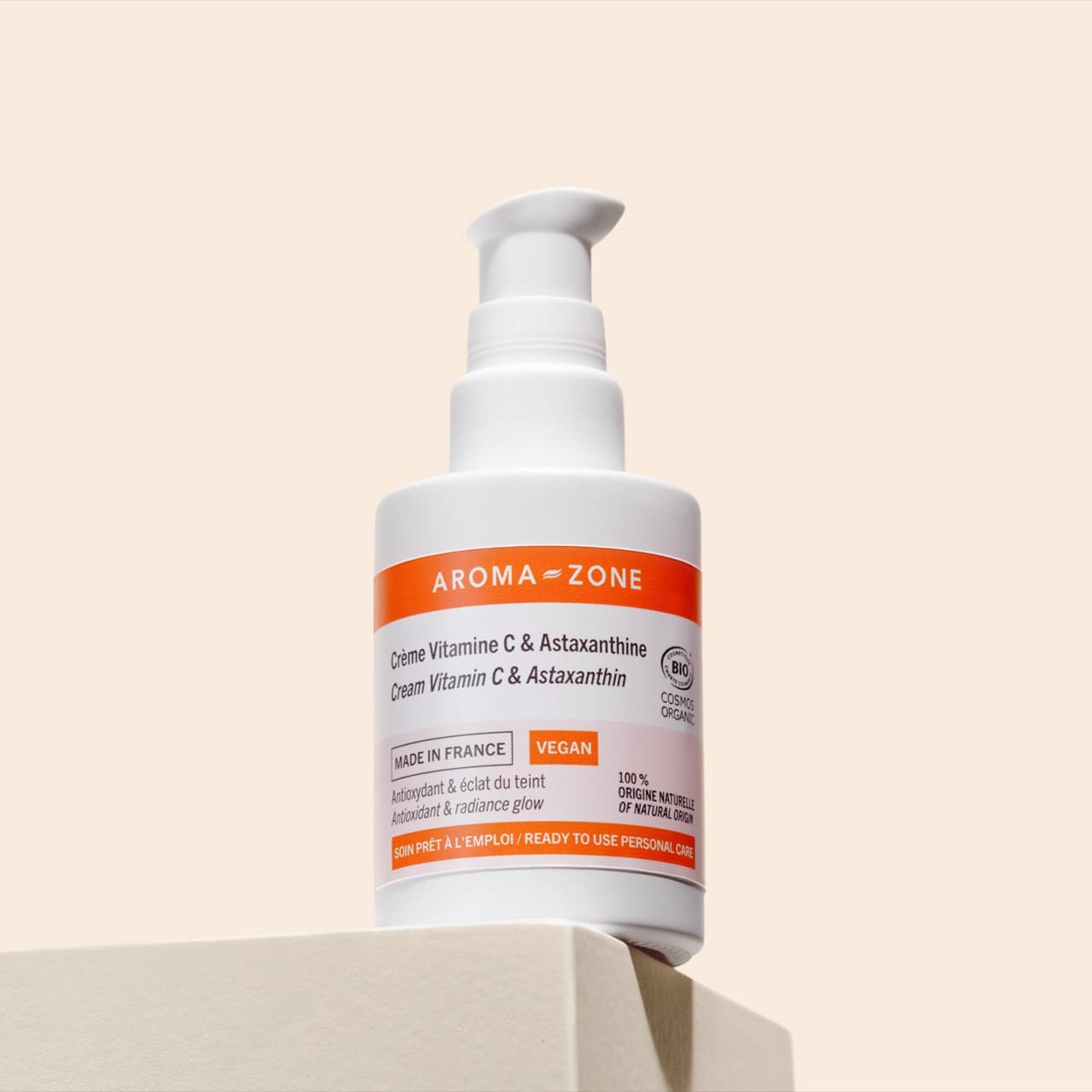
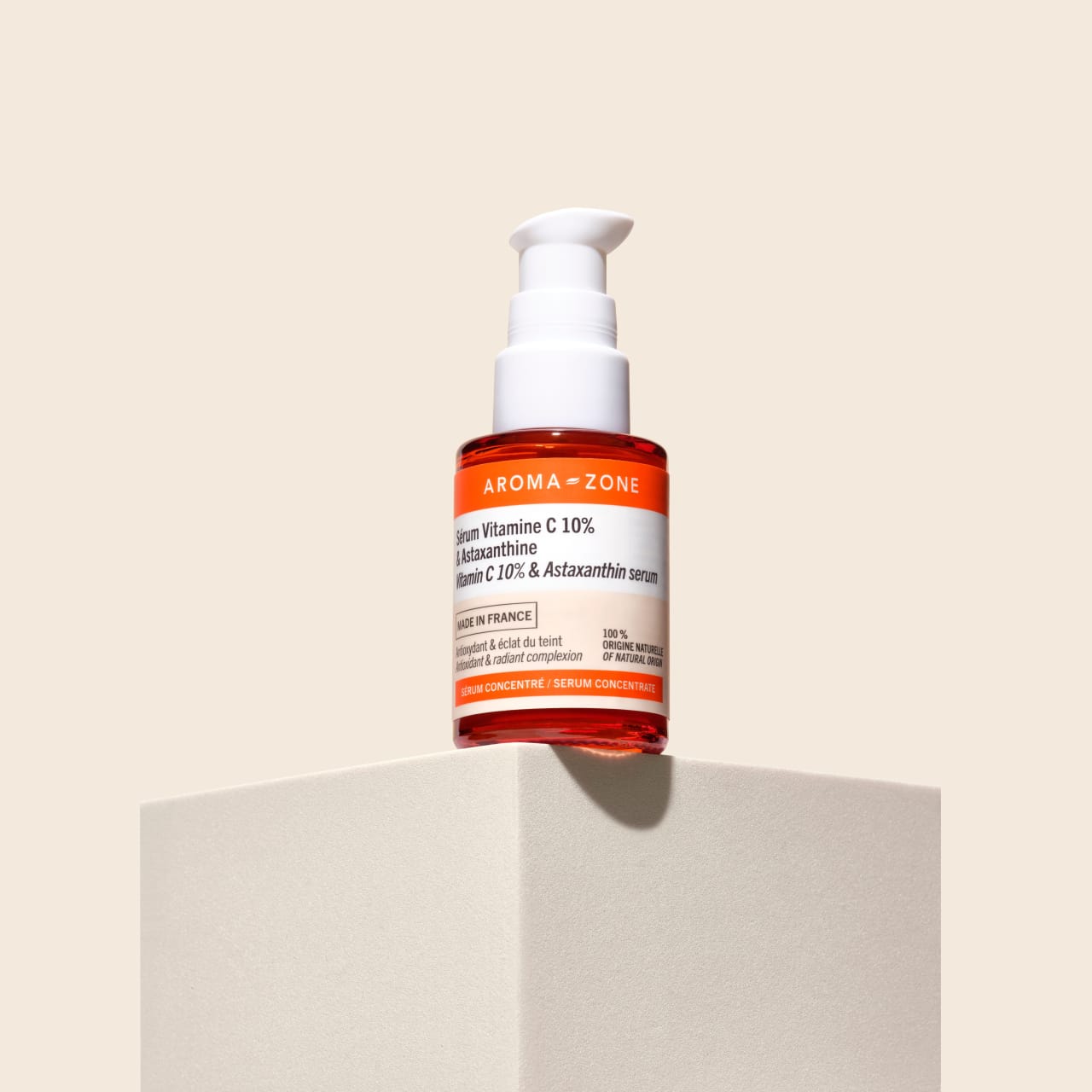

Vitamin C is an active ingredient with numerous benefits for the skin: it is an essential water-soluble vitamin involved in many enzymatic reactions, and is central to the body’s overall well-being and cellular balance. It helps to support the immune system, reduce fatigue and improve the absorption of non-haem iron (iron of plant origin). These actions make it a key component for overall vitality.
Vitamin C also acts as a cofactor in the synthesis of collagen, a structural protein essential for the strength of connective tissues. It is also known for its antioxidant properties. It thus helps to neutralise the free radicals responsible for oxidative stress. This protective action applies to both the body’s cells and those of the skin.
These mechanisms of action explain the following benefits of vitamin C for the skin:
What are the effects of vitamin C on the skin?
Vitamin C has several key effects on the epidermis. These effects complement one another and help to maintain firm, radiant skin that is more resistant to premature ageing.
Antioxidant action
Vitamin C helps to neutralise free radicals generated by UV rays, pollution, smoking or stress, which are responsible for oxidative stress in the skin. This action limits damage to skin cells, protects collagen and elastin fibres, and helps to prevent the appearance of wrinkles, fine lines and a dull complexion associated with photoageing.
Effect on collagen synthesis
Vitamin C plays an essential role as a cofactor in collagen synthesis. It also helps to preserve existing collagen by protecting it from oxidative damage. By supporting this structural framework of the skin, it maintains the skin’s firmness, elasticity and tone. The skin appears visibly smoother and shows fewer signs of ageing.
Effect on cell renewal
Vitamin C promotes cell regeneration in the epidermis. By improving the skin’s ability to renew itself effectively, it helps to refine the skin’s texture, smooth out minor imperfections and restore radiance. The complexion is more even and radiant, and the skin barrier is better able to withstand external aggressors.
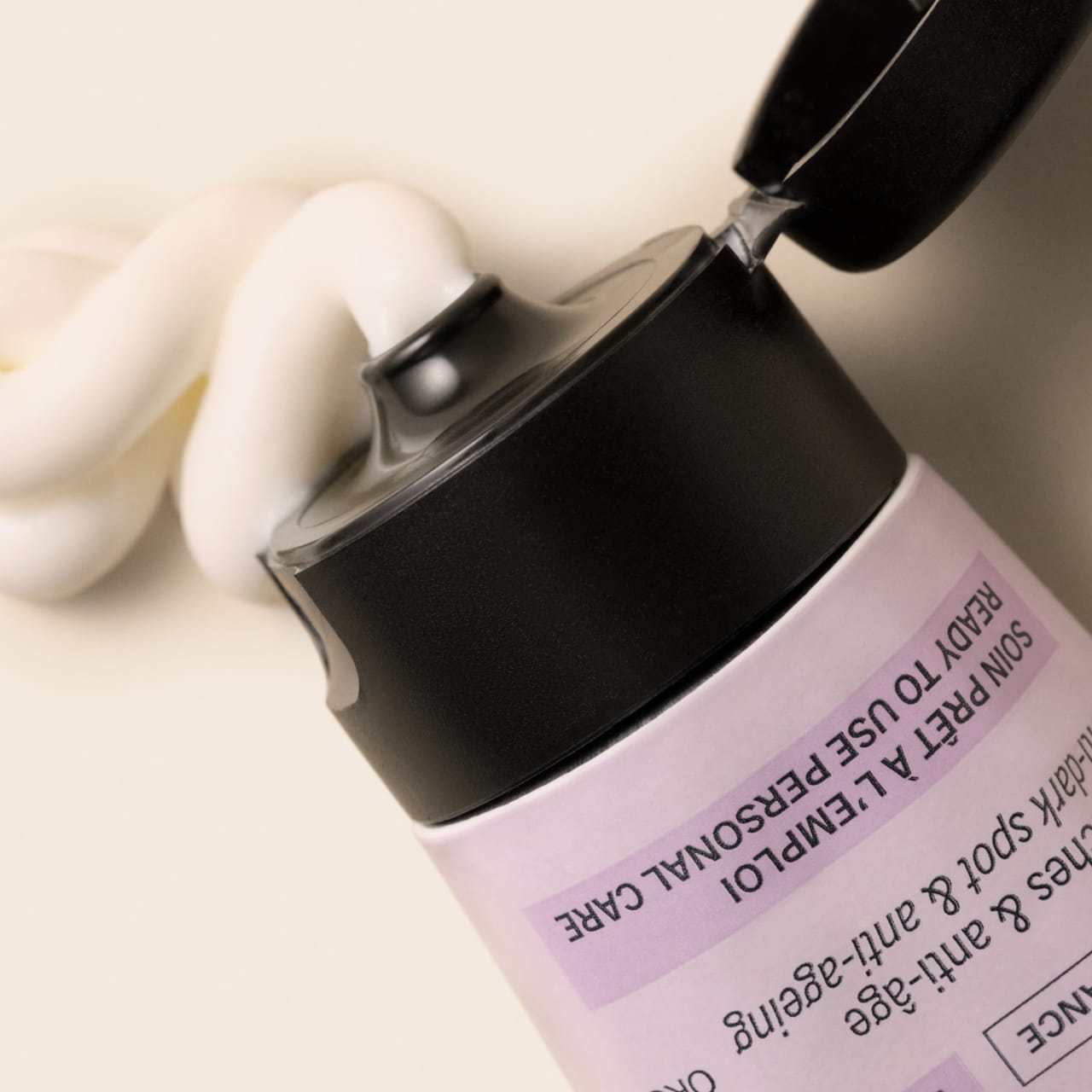
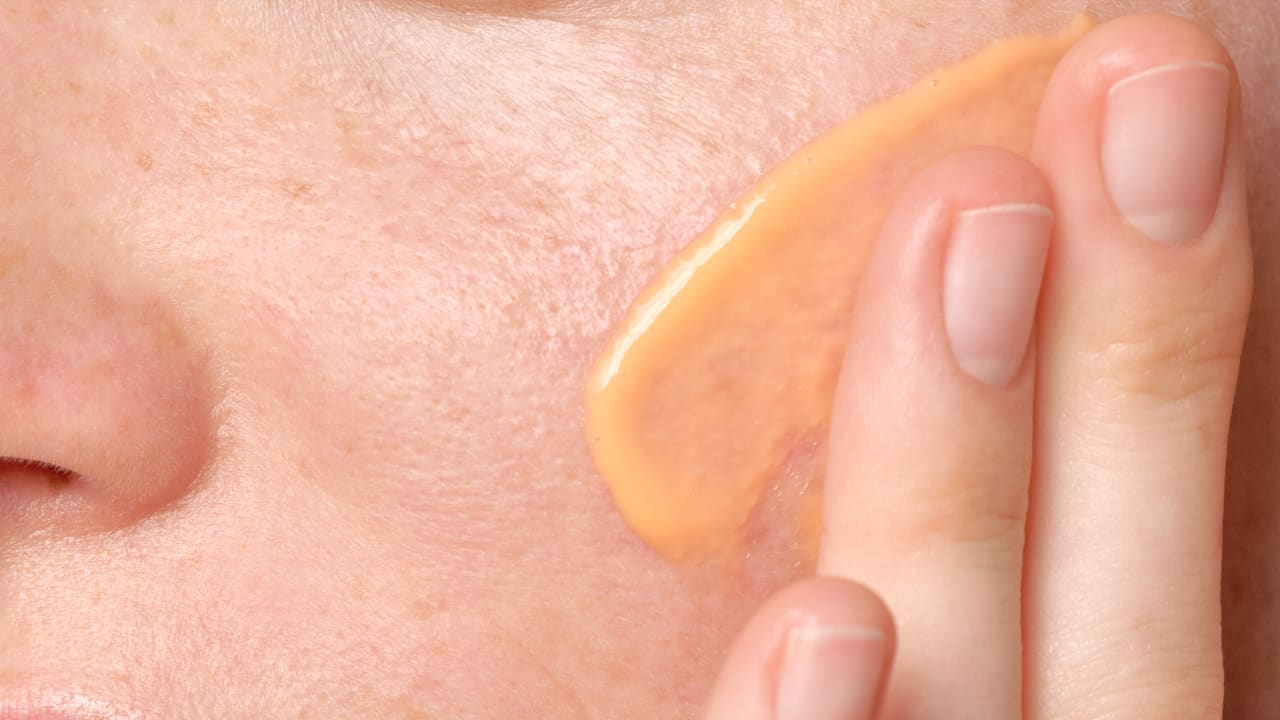
The benefits of a vitamin C cream
Complexion radiance: vitamin C brightens the complexion and restores radiance to dull, tired skin. Its antioxidant properties combat the greyish tinge that oxidative stress can leave on the face.
Reduction of pigmentation spots : it helps regulate melanogenesis – the production of melanin – and helps reduce brown spots, post-inflammatory marks (acne scars, small marks) and pigmentation irregularities. The complexion is more even, smoother and naturally more radiant.
Anti-ageing properties: Vitamin C stimulates the synthesis of collagen, one of the skin’s main structural proteins. It thus helps to maintain the skin’s firmness. Ideal for mature skin, it helps to smooth out wrinkles and prevent the appearance of new signs of ageing.
Protection against oxidative stress: it protects the skin from photoageing, particularly that caused by UV rays, pollution, smoking and stress. This powerful antioxidant helps to neutralise the free radicals responsible for loss of skin firmness, wrinkles, and a dull, uneven complexion.
Improved skin texture : it stimulates cell renewal and promotes the faster removal of dead cells from the skin’s surface. The skin’s texture appears refined, minor imperfections are visually reduced, and the skin becomes smoother and more even, both to the touch and to the eye.