Vitamin C, also known as "ascorbic acid," is a water-soluble vitamin essential for the proper functioning of the human body. It plays a role in numerous chemical and physiological reactions within our body by stimulating white blood cell activity, facilitating collagen synthesis, and improving the absorption of non-heme iron. This little vitamin is therefore much more than just an immune booster; it is also essential for protecting us from oxidative stress and preventing inflammatory diseases.

The benefits of Vitamin C for the face
Published on: Wednesday, January 17, 2024, Updated on: Thursday, October 29, 2026
While vitamin C is well-known for its health benefits, it’s also excellent for skin health. Responsible for collagen synthesis and incredibly effective at reducing dark spots, we’ll reveal all its benefits for the skin. We’ll tell you everything you need to know about which forms to use on your face and how to maximise its effects.
Contents
Related products
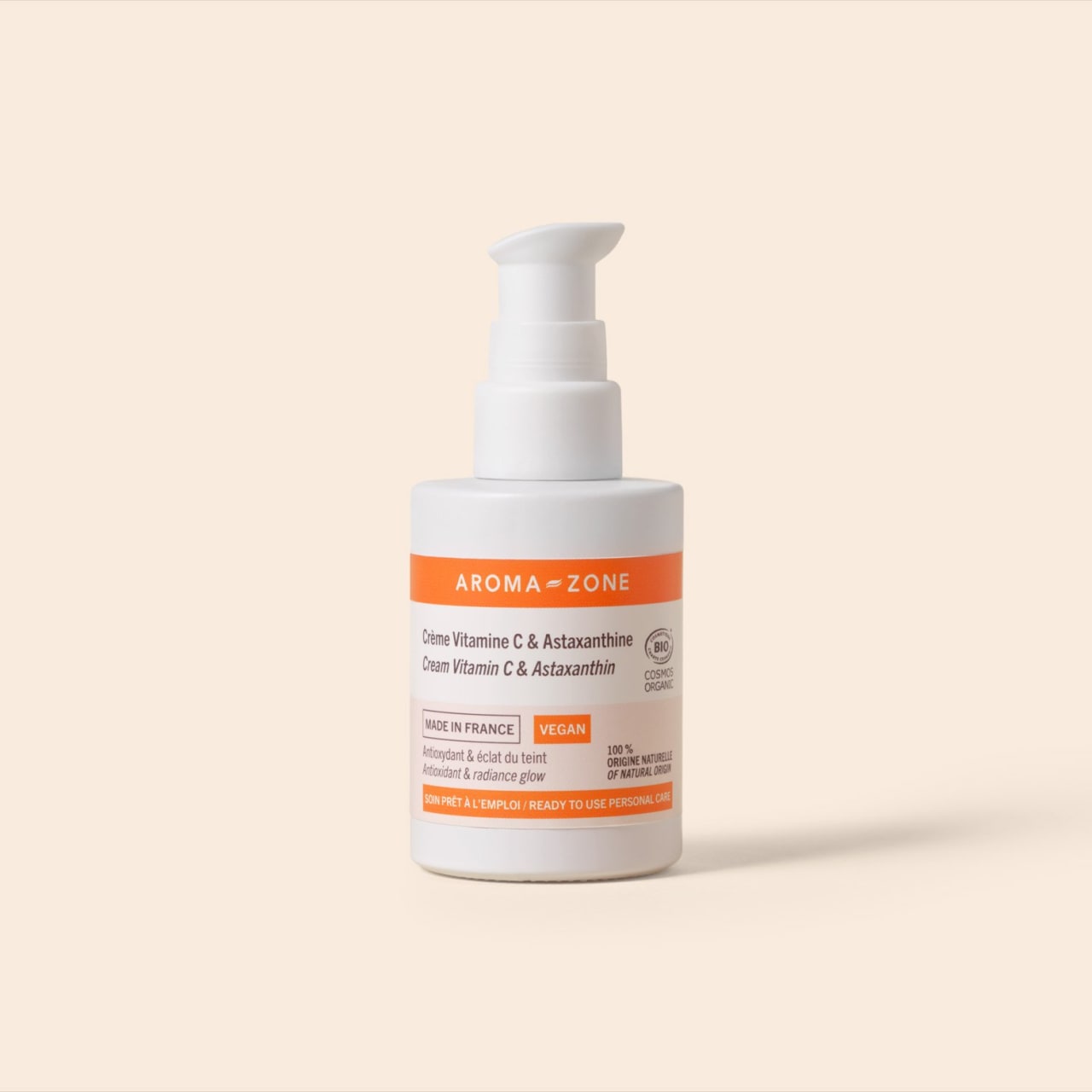
Vitamin C & Astaxanthin Cream
Anti-ageing
Radiant complexion
£10.00
50 ml
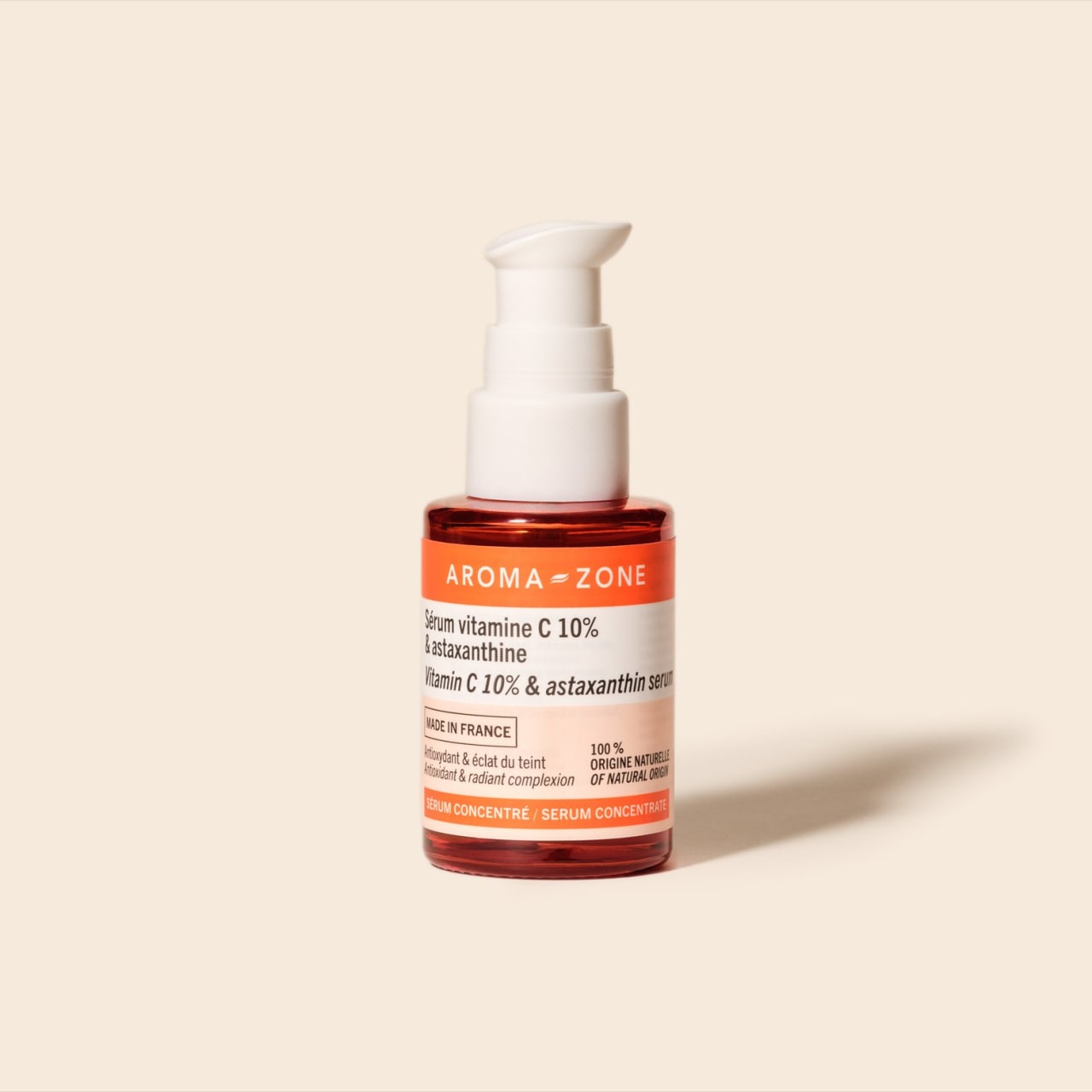
Vitamin C 10% & Astaxanthin Serum
Radiant complexion
Antioxidant
£9.00
30 ml
2 options
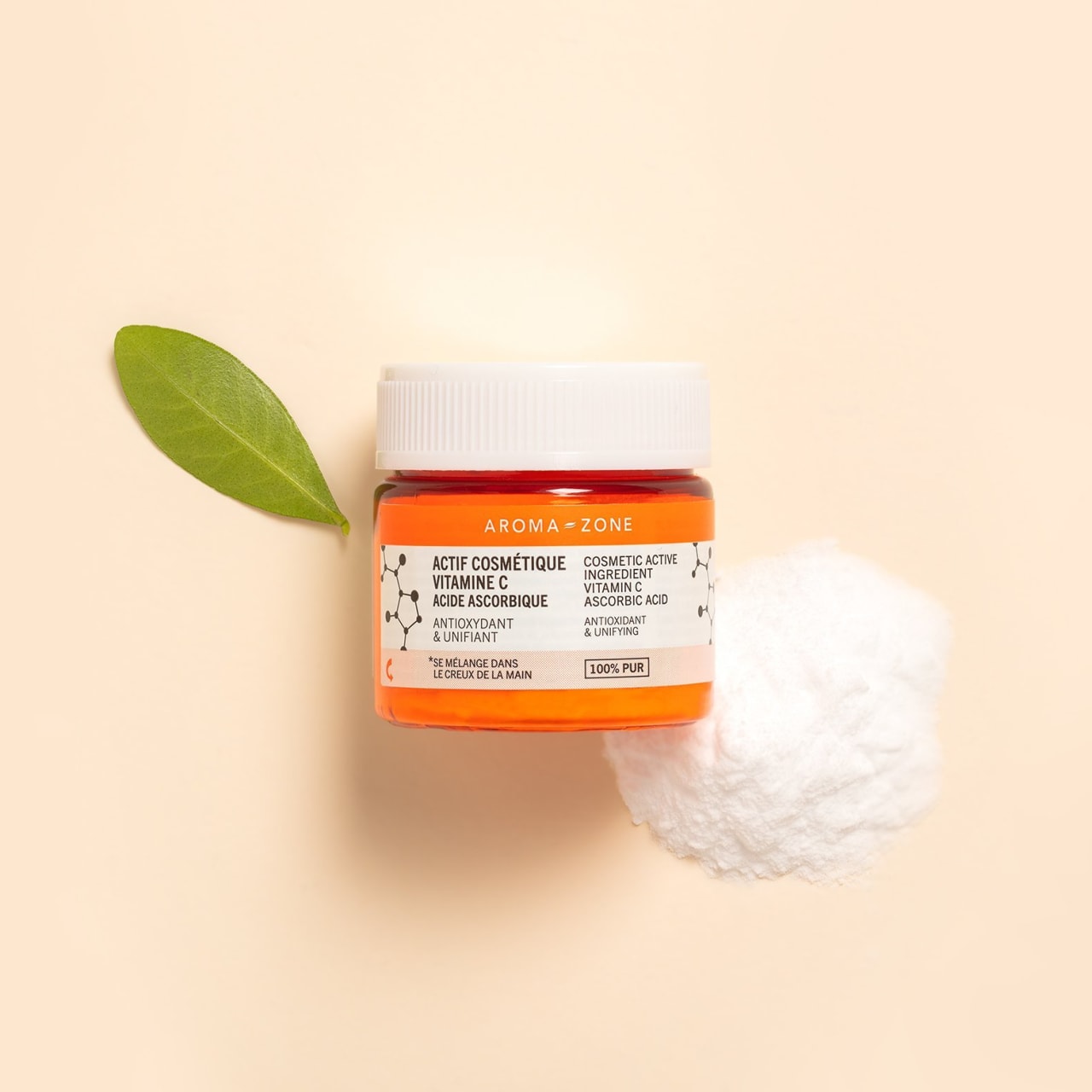
Ascorbic Acid Pure Vitamin C Active Ingredient
Radiant complexion
Antioxidant
£4.00
10 g
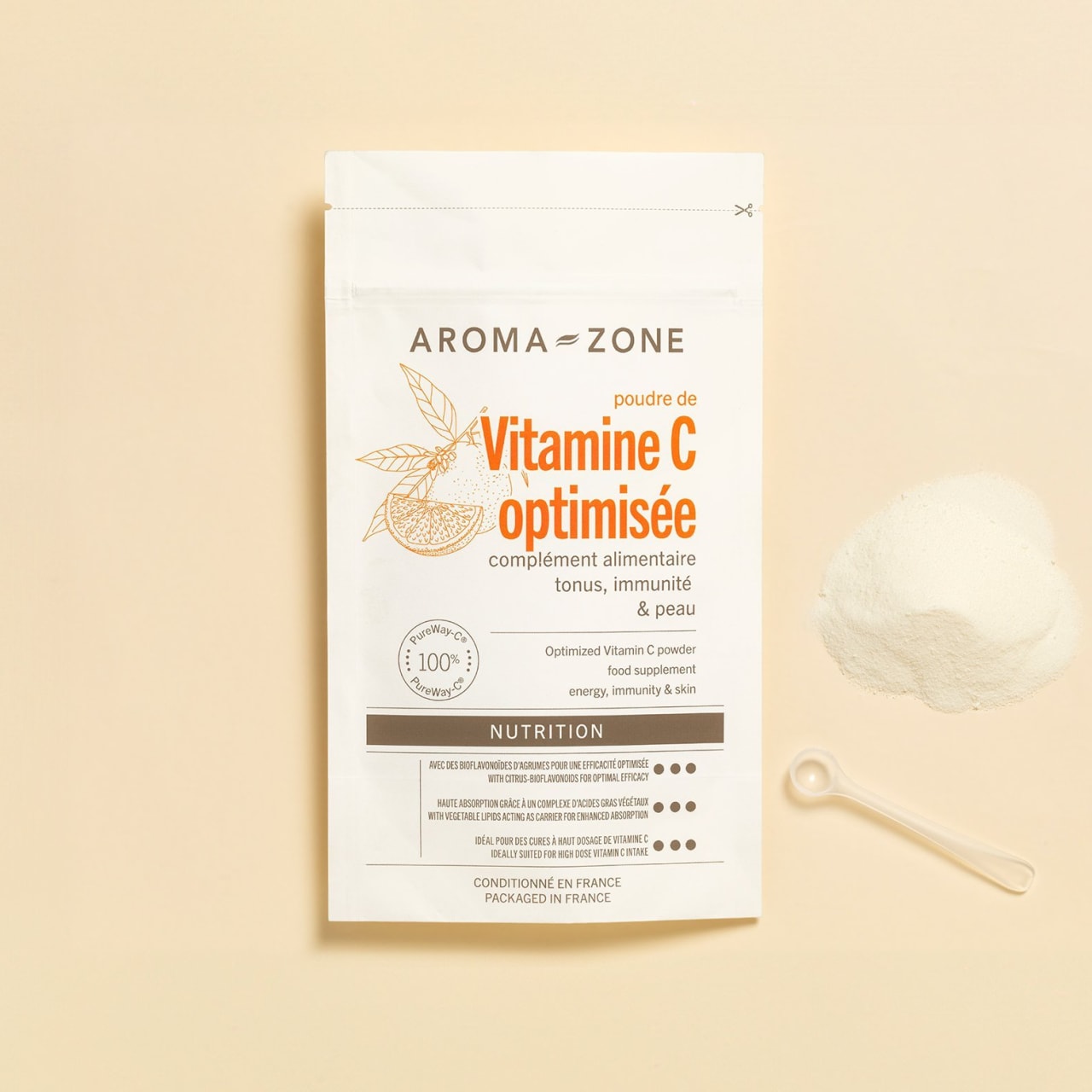
Optimised Vitamin C Powder
Vitality
£16.00
150 g

My Beauty Duo Radiance Perfector
Radiant complexion
Antioxidant
£15.50
1 article
What is vitamin C?
What does vitamin C do for the skin, and what are its effects on the face?
The Antioxidant Properties of Ascorbic Acid
Explanation of vitamin C’s ability to neutralise free radicals.
Vitamin C is distinguished by its exceptional antioxidant properties. It acts as a protective shield against free radicals, unstable molecules generated by external factors such as UV exposure, air pollution, or the body’s metabolic processes.
Vitamin C neutralises free radicals by providing them with an electron, thereby reducing their ability to cause cellular damage. This action preserves the integrity of skin cells and minimises the risk of degradation of collagen, elastin, and other essential skin components. Vitamin C, acting as a molecular "cleanser," helps maintain the skin's youthfulness and beauty.
Impact on the prevention of skin aging.
Preventing skin ageing is one of vitamin C’s primary functions. By neutralising free radicals, it protects the skin from external aggressors that contribute to premature aging. Free radicals damage skin cells, leading to the formation of wrinkles and fine lines and a loss of elasticity.
By counteracting these harmful effects, vitamin C actively helps prevent wrinkles and maintain skin firmness. Additionally, it promotes cell regeneration, helping the skin renew itself more effectively. This results in a refined skin texture, a more radiant complexion, and increased resistance to external aggressors.
Stimulates collagen production
Discussion on the essential role of collagen in skin firmness.
Collagen is an essential component of the skin, as it ensures its firmness, elasticity, and resistance to environmental stressors. Collagen is a fibrous protein naturally present in the dermis, the deep layer of the skin. Over time and under the influence of various factors, natural collagen production decreases, leading to skin sagging, the appearance of wrinkles and loss of skin firmness.
Vitamin C plays a key role in maintaining this structure. It acts as an essential cofactor for two key enzymes involved in collagen synthesis: prolyl and lysyl hydroxylase. These enzymes are responsible for forming crucial bonds that give collagen its characteristic three-dimensional structure. Thus, vitamin C is directly involved in the process of collagen stabilisation and formation, ensuring its quality and optimal function.
How vitamin C stimulates collagen synthesis.
Vitamin C acts on several levels to stimulate collagen synthesis. First, it promotes the conversion of proline, an amino acid, into hydroxyproline, which is a crucial component of collagen. Next, vitamin C activates the enzymes responsible for forming the intermolecular bonds that strengthen collagen’s structure.
Finally, the antioxidant properties of vitamin C also act on newly synthesised collagen by protecting it from damage caused by free radicals. It thus preserves the quality and integrity of collagen, contributing to firmer, more resilient, and less prone to signs of ageing skin.
Brightens and evens out the complexion
Positive Effects of Vitamin C on Pigmentation
Dark spots, often referred to as hyperpigmentation, can result from various factors such as sun exposure, skin ageing, or scarring issues. Vitamin C plays a role in this process by inhibiting the excessive production of melanin, the pigment responsible for skin colour. It acts as a pigmentation modulator, helping to reduce the appearance of existing dark spots while preventing the formation of new ones.
Vitamin C also acts as a skin-brightening agent by specifically targeting areas with excessive pigmentation. It promotes a more even distribution of melanin, thereby reducing the appearance of dark spots and creating a more even complexion.
Reduction of dark spots and brightening of the complexion.
The brightening action of vitamin C goes beyond simply reducing dark spots. Because it promotes more balanced pigmentation, it gradually brightens the complexion and refines skin texture. This results in increased luminosity, a more radiant complexion, and skin that looks revitalised.
Regular use of vitamin C-based products can help you achieve a more even, luminous, and healthy-looking complexion.
What is the best form of vitamin C for the face? And in what form?
The different types of products available
Vitamin C is available in a variety of formulations, including serums, creams, and lotions. Each of these products has its own characteristics and benefits:
Serums: Vitamin C serums are often considered the most concentrated and lightest formulations. Their fluid texture allows for rapid absorption, delivering a high concentration of vitamin C directly to the skin. This makes them particularly effective for targeting specific concerns such as dark spots or wrinkles.
Creams: Vitamin C creams are thicker than serums and are generally suitable for people with drier skin. They provide additional hydration while delivering the antioxidant benefits of vitamin C. Creams can be used for daily application and to maintain overall skin health.
Lotions: Vitamin C lotions fall between serums and creams in terms of texture and concentration. They are lightweight, easy to apply, and are often suitable for combination or oily skin.
Which product should you choose based on your skin type?
Before adding any new product to your routine, it’s essential to perform a patch test, especially if you have sensitive skin or skin prone to reactions. Don’t forget to adjust your routine according to the seasons and your skin’s changing needs.
Dry skin: People with dry skin should opt for vitamin C creams. Creams with a rich formula will provide extra hydration and help deeply nourish your skin. Opt for rich textures that contain moisturising agents such as hyaluronic acid for synergistic effects.
Oily or acne-prone skin: Serums and lightweight lotions are often best suited for oily or acne-prone skin. Their formulas absorb quickly without leaving an oily residue to prevent any feeling of heaviness. Choose non-comedogenic, mattifying products enriched with vitamin C for its brightening and antioxidant properties.
Normal to combination skin: If you have normal to combination skin, lotions and serums are good choices. Lotions provide light hydration, while serums are rich in active ingredients; Make sure the formulation is suited to your specific skin type and choose based on your current goals and personal preferences.
Mature skin: Mature skin will particularly benefit from formulations richer in vitamin C, such as creams or concentrated serums. Look for products that combine vitamin C with other anti-ageing ingredients such as vitamin E, retinol, or peptides. These combinations can help reduce visible signs of ageing, such as wrinkles and loss of firmness.
Sensitive skin: For sensitive skin, opt for gentle, irritant-free formulations. Choose vitamin C products specifically formulated for sensitive skin and avoid concentrations that are too high, as they may cause irritation. Lightweight creams or hydrating serums are ideal options.
What is the best formula for the face?
When choosing a vitamin C formula for your face, there are several factors to consider to maximise the benefits of this powerful ingredient. The concentration is key. If you have sensitive skin, a low- to medium-concentration formula is ideal. Conversely, if you’re used to using these types of products, a high concentration (around 10%) is perfect.
To maximise the benefits of vitamin C, you can choose formulas with other ingredients to create a synergistic effect. Among these beneficial ingredients are:
Vitamin E: Combining it with vitamin E enhances the overall antioxidant effect. These two vitamins work together to protect the skin from oxidative damage.
Hyaluronic acid: The combination with hyaluronic acid provides intense hydration, helping to maintain the skin’s suppleness.
Astaxanthin: This carotenoid-derived microalgae has demonstrated its ability to neutralise free radicals and support skin health thanks to its powerful antioxidant action. When combined with vitamin C, it strengthens the skin’s defences against environmental aggressors and enhances the skin’s radiance.
Spotlight on Vitamin C & Astaxanthin Cream
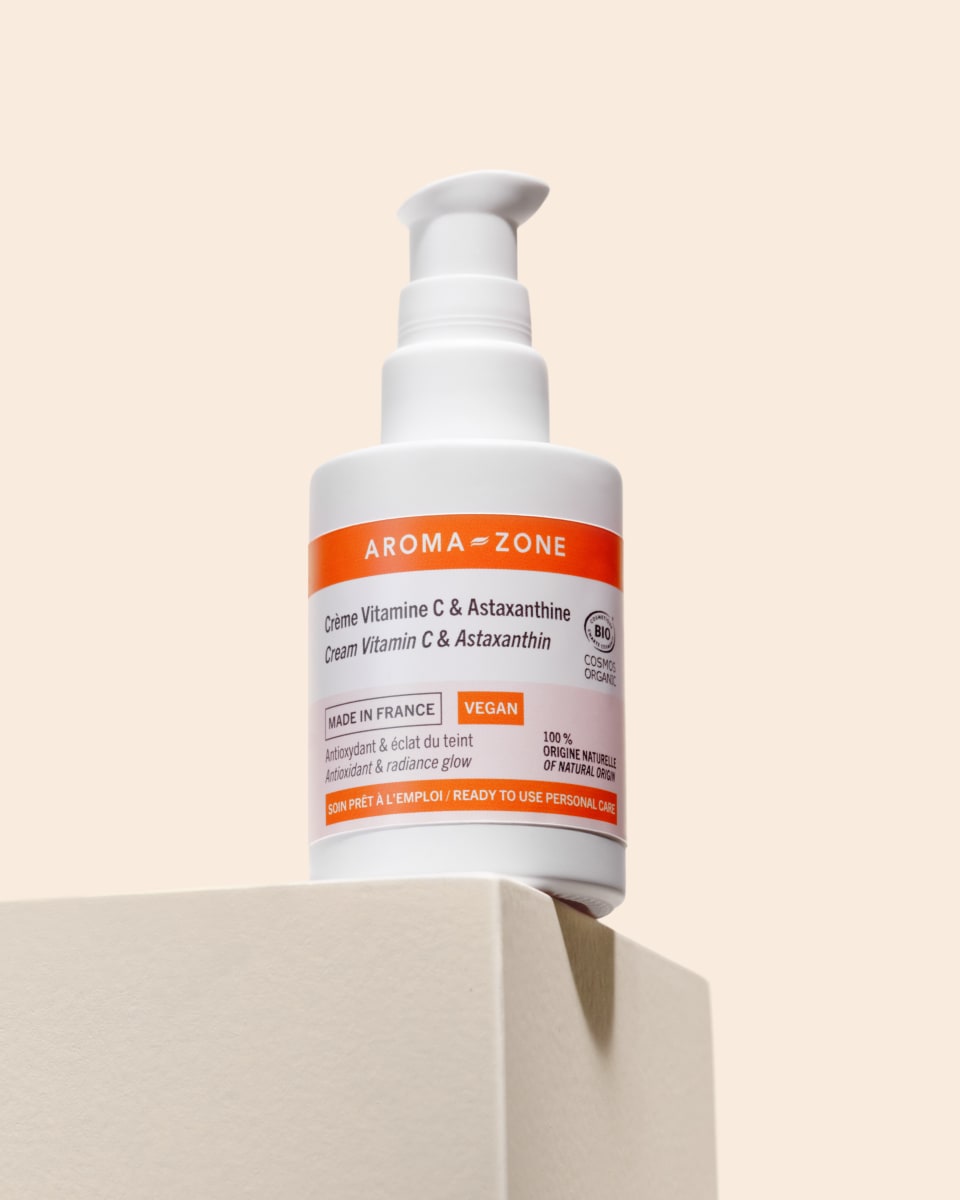
A true antioxidant shield, this face cream with a fine, lightweight texture enhances the skin’s natural radiance, smooths the complexion, and slows the appearance of the first signs of ageing. The vitamin C radiance-boosting treatment for skin that’s twice as luminous.
How to use vitamin C on your face?
How to apply it effectively?
Effective application of vitamin C on the face is essential to maximise its benefits. Here is a recommended sequence for incorporating vitamin C-based products into your skincare routine:
Cleansing: Start with a double cleanse of your face using, for example, a makeup-removing oil and a gentle cleanser to remove impurities and prepare the skin to absorb the benefits of vitamin C.
Toner (optional): If you use a toner in your routine, apply it after cleansing to balance the skin’s pH.
Vitamin C serum: Next, apply a few drops of vitamin C serum to your face. Spread evenly by gently patting with your fingertips. Use outward-moving motions for a firming effect.
Wait: Allow the vitamin C serum to absorb for a few minutes before applying the rest of your products.
Moisturising: Apply your usual moisturiser to lock in hydration. Choose a cream that will complement the benefits of vitamin C.
When should you apply your vitamin C serum? In the morning or at night?
How often you use vitamin C products depends on your skin’s tolerance. To start, apply the serum two to three times a week, then adjust based on how your skin reacts. Over time, you can increase the frequency to daily use, especially if your skin tolerates it well.
You can apply it in the morning or at night, or even both, depending on your preference and routine. However, applying it in the morning offers protection against free radicals that you’ll encounter throughout the day (sun, pollution, stress, etc.). If you choose to apply it in the evening, remember to always use sunscreen during the day, as your skin may be more sensitive overnight.
What cream should you apply after your vitamin C serum?
After applying the vitamin C serum, choose a moisturiser suited to your skin type. Look for complementary ingredients such as hyaluronic acid, vitamin E, or soothing extracts. This cream will help lock in moisture, creating a protective barrier while amplifying the benefits of vitamin C.
PRODUCT SPOTLIGHT: Aroma-Zone Vitamin C Serum.
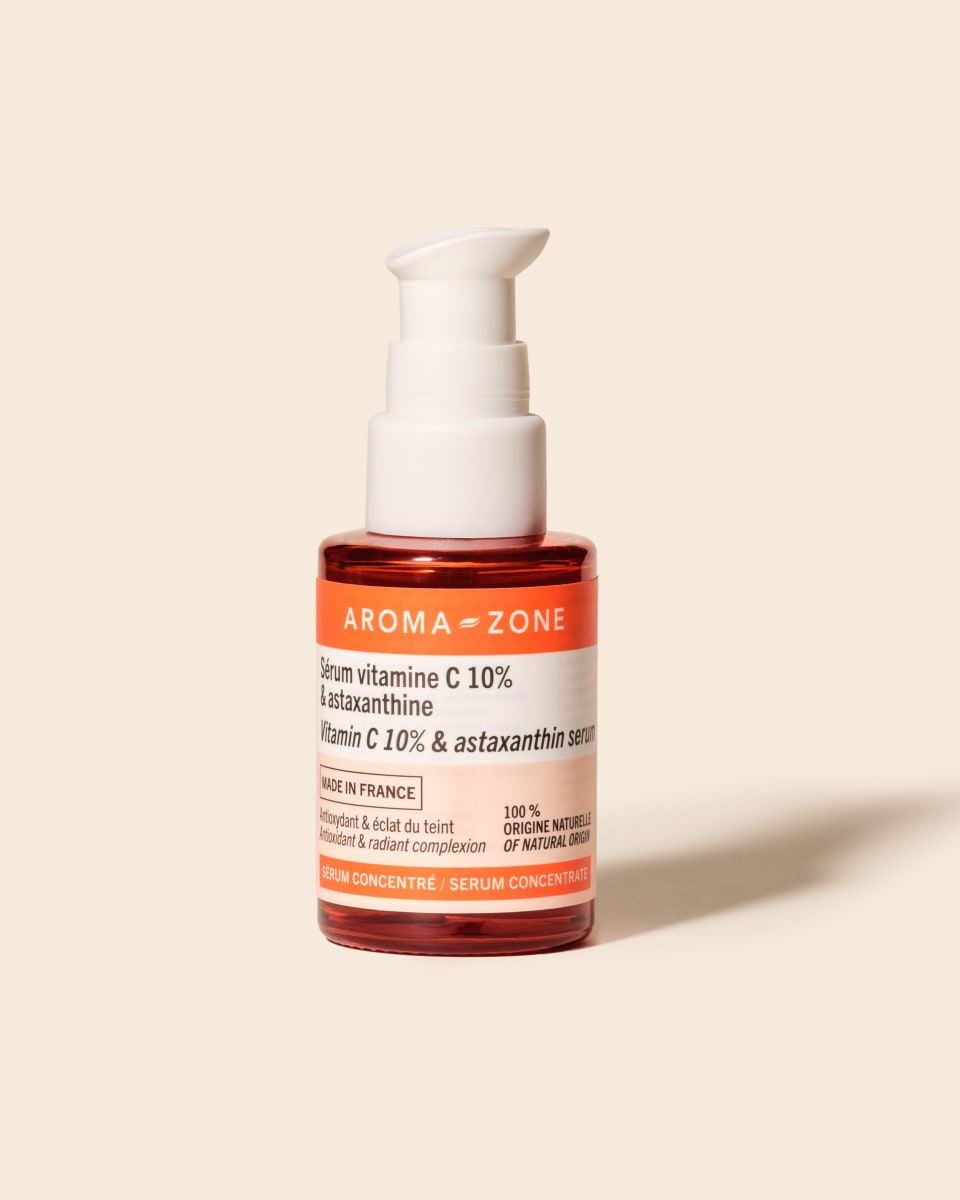
Highly concentrated, this 10% vitamin C facial serum is a true beauty elixir and radiance booster for the skin. A go-to active ingredient for dull skin and a must-have in anti-ageing skincare, vitamin C stimulates collagen synthesis, fights the signs of photoaging, evens out skin tone, and reduces dark spots
Spotlight on our wellness editor, Laura Almeras

Laura is a health, beauty, and lifestyle writer. Passionate about travel and gastronomy, she shares all her nutrition tips for combining pleasure with well-being. Through her articles, she is committed to providing you with meaningful information and practical advice to nourish your body and mind.
Bibliography
https://www.dominiquedenjean.com/2013/02/02/la-vitamine-c-et-la-peau/
https://www.ncbi.nlm.nih.gov/pmc/articles/PMC3673383/
https://www.health.harvard.edu/blog/why-is-topical-vitamin-c-important-for-skin-health-202111102635